
Falstaff Winery - 4 Stars
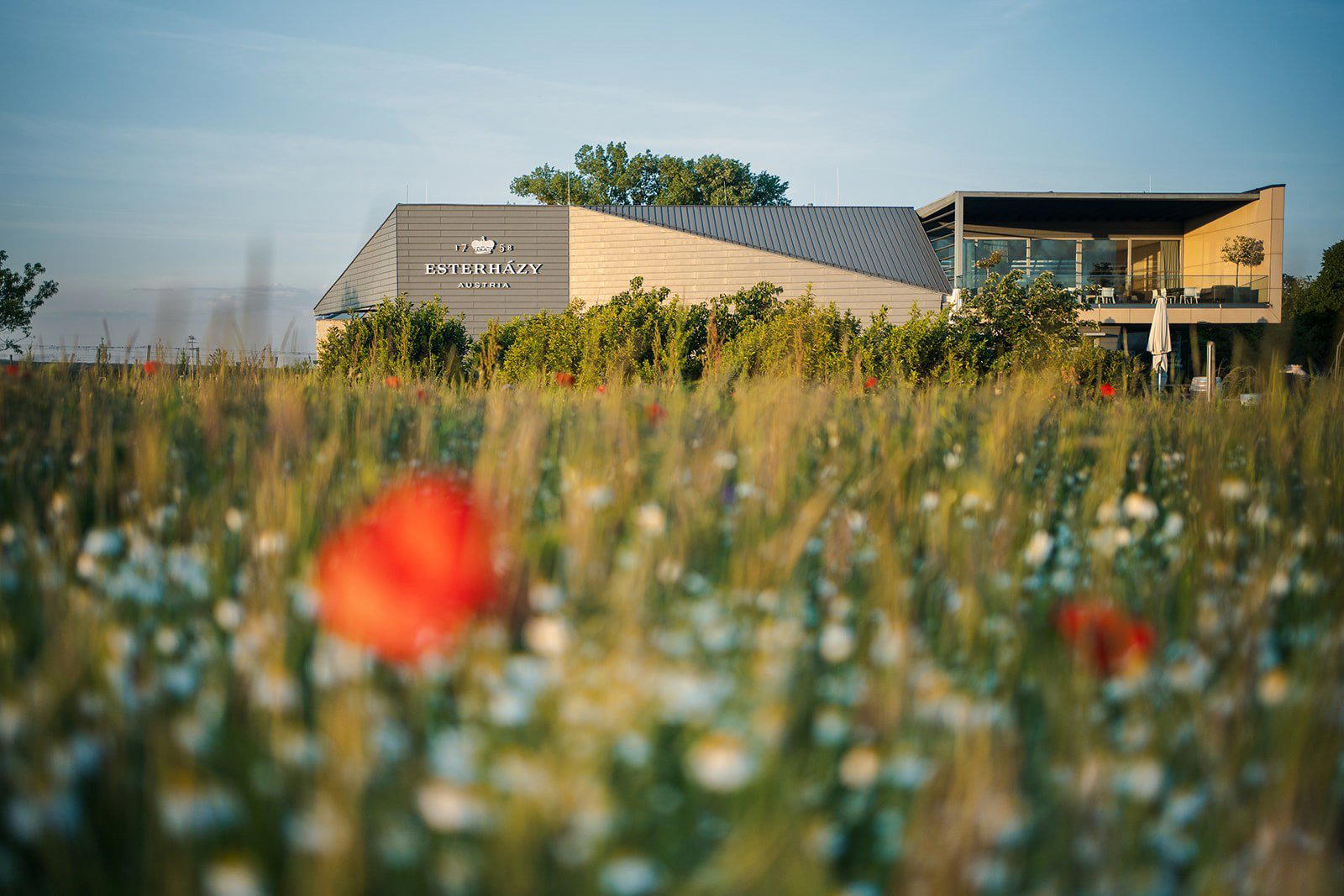
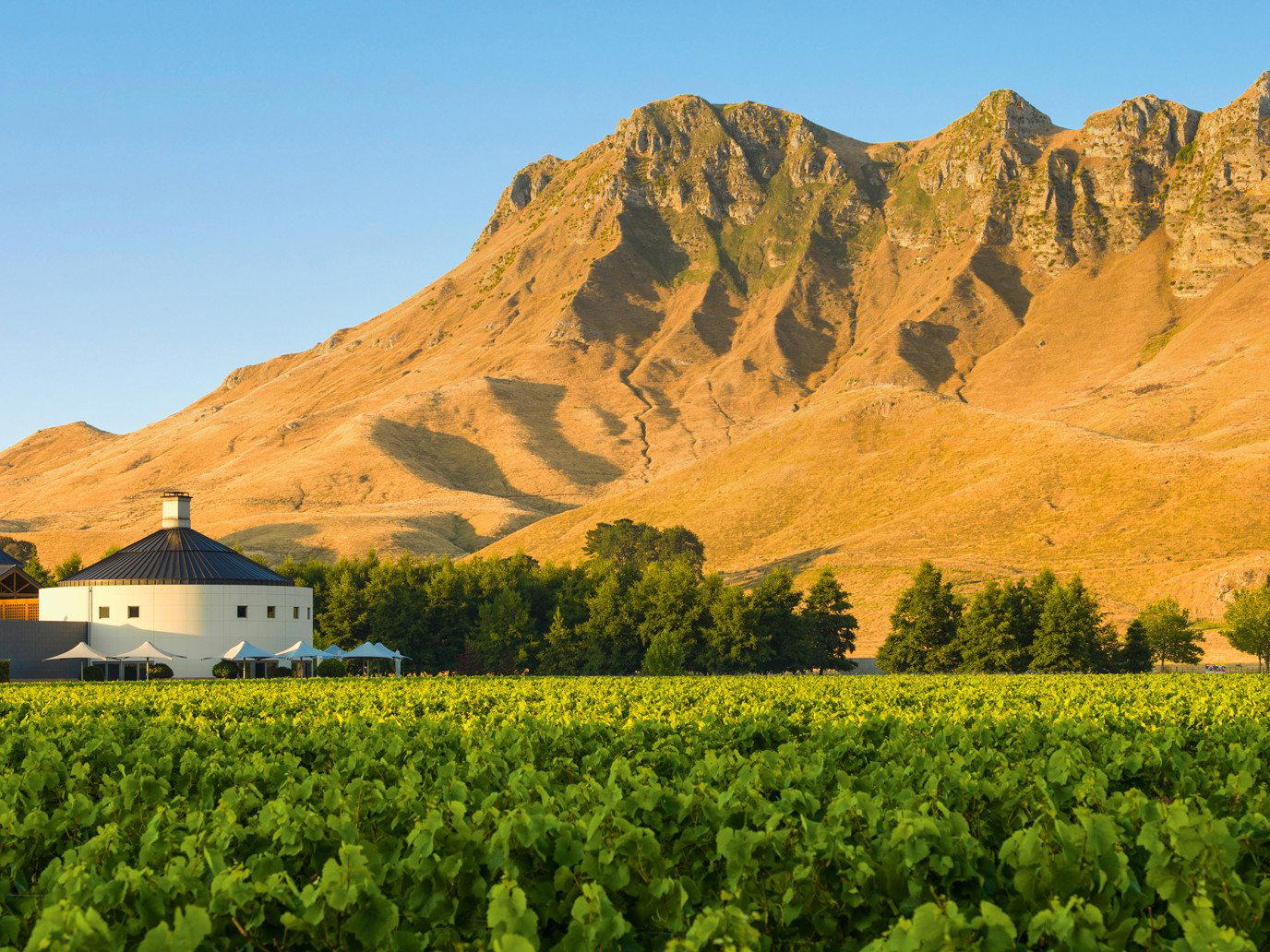
Esterházy Winery sits in Trausdorf an der Wulka, at the western edge of the Neusiedlersee wine region where the Pannonian plain begins its slow press against the eastern Alps.

Pearl is the En Primeur Club membership app — saves, bookings, and concierge access live there. Same editors, same standards.
- Address
- Trausdorf 1, 7061 Trausdorf an der Wulka
- Phone
- +43 2682 63348
- Website
- esterhazywein.at
- Directions
- Get directions
Where the Pannonian Plain Meets Austrian Viticulture
The approach to Trausdorf an der Wulka gives you the setting before the wine does. The land flattens east of Eisenstadt, the vineyards spreading across gently rolling terrain shaped by the same continental-Pannonian climate that distinguishes Burgenland from every other Austrian wine region. The air carries more warmth here than in the Wachau or Kamptal. The proximity to the Neusiedlersee, one of Central Europe's largest shallow lakes, creates a microclimate of high sunshine hours and autumn humidity that defines how grapes ripen and, in certain years, how noble rot develops on late-harvest varieties. Esterházy Winery sits inside this geography as a direct expression of it, not as a producer working against the region's character but as one shaped over centuries by it.
For context, Burgenland's wine identity occupies a distinct lane within Austria's appellation structure. The region produces both full-bodied reds, built on Blaufränkisch and Zweigelt, and some of the country's most recognised sweet wines, particularly from the lake's fog-prone western shore. Trausdorf, positioned west of the lake and adjacent to the Rust Protected Designation, sits at the edge of multiple sub-regional identities. That geographic ambiguity is not a weakness; it reflects a broader Burgenland pattern where terroir varies significantly within short distances, and where a producer's site selection and stylistic decisions carry disproportionate weight.
The Estate and Its Historical Weight
The Esterházy name carries documented weight in this part of Austria. The Esterházy family was among the most powerful noble houses of the Habsburg monarchy, holding vast landholdings across what is now Hungary and Burgenland. Their wine history predates modern Austrian appellation law by several centuries, and the estate at Trausdorf represents a continuation of that tradition through changing political and agricultural structures. Few Austrian wine estates carry this kind of institutional continuity, and it places Esterházy in a different conversation than the family-owned artisan houses that define much of Burgenland's contemporary scene.
That historical depth shapes expectations at the property. Visitors approaching Trausdorf 1 are arriving at an address with roots in baroque-era estate management, not a recent boutique project. The architecture and spatial scale of the winery reflect this. Where producers like Weingut Pittnauer in Gols or Weingut Kracher in Illmitz operate as focused family expressions of specific Neusiedlersee terroirs, Esterházy operates at a different scale and from a different institutional starting point. The comparison is instructive: Kracher built its international reputation on Trockenbeerenauslese from the lake's eastern shore, while Esterházy's positioning draws from the prestige of the estate itself as much as from a single variety or style. Both approaches are legitimate; they serve different readers and different occasions.
Terroir Logic in the Western Burgenland Setting
The soils around Trausdorf are where the editorial argument for Esterházy's wines begins. Burgenland's western edge sees a transition from the limestone and schist profiles of the Leitha Hills to heavier clay-loam soils as you move toward the lake. This matters for red wine structure: Blaufränkisch from the hillside Leithaberg DAC tends toward mineral precision and tighter tannin, while lower-elevation sites produce wines with more body and softer structure. Esterházy's estate spans multiple site types, and understanding which sub-regional expression you are tasting requires some attention to the producer's own site documentation.
The Pannonian climate influence becomes measurable in the numbers. Burgenland logs approximately 300 sunshine days per year in favourable vintages, significantly above the Austrian average, and the Neusiedlersee moderates autumn temperatures enough to extend the growing season well into October. That extended hang time is what allows both late-harvest sweet wine production and the development of phenolic ripeness in reds without losing acidity entirely. Producers working in this climate have choices: pick early for freshness, or push into late-season territory and accept the stylistic consequences.
For a broader read on how other Austrian estates handle comparable terroir pressures further north in the Wachau and Kamptal, Weingut Emmerich Knoll in Dürnstein and Weingut Bründlmayer in Langenlois represent the Riesling and Grüner Veltliner benchmarks in their respective appellations. The contrast with Burgenland is instructive: those northern regions prioritise aromatic precision and mineral tension; Burgenland trades some of that for warmth, body, and the possibility of genuinely rich late-harvest wine.
Awards Context and What the 2025 Recognition Means
In the Austrian context, that tier is competitive: the country's wine quality infrastructure, anchored by the DAC system and supported by internationally engaged critics and auction markets, means that recognition at this level reflects consistency across vintages and styles, not a single exceptional bottling. The Prestige designation within the Pearl system indicates a producer operating with clear stylistic intent and verifiable quality signals across its range.
For peer comparison within Burgenland, Weingut Heinrich Hartl in Oberwaltersdorf represents another estate operating at the quality-focused end of Lower Austria and Burgenland's border zone. The shared recognition tier makes both worth including in any serious tasting itinerary of the region's eastern wine corridor. Visitors planning around the Burgenland wine route would do well to map their visits by sub-regional style rather than proximity alone: the differences between a Leithaberg red, a Neusiedlersee Blaufränkisch, and a Rust Ausbruch sweet wine are not incremental — they represent genuinely distinct expressions from terrain that shifts within a short drive.
Planning a Visit to Trausdorf
Trausdorf an der Wulka sits approximately 50 kilometres south of Vienna, making it accessible as a day trip from the capital or as part of a longer Burgenland circuit taking in Eisenstadt, Rust, and the Neusiedlersee lakeside. The village is small, and the winery at Trausdorf 1 is the dominant address. The Burgenland wine region sees its most active visitor season between May and October, with harvest-period visits in September and October offering the most direct connection to the winemaking process. Spring tastings allow assessment of the most recent vintage releases without the heat of high summer.
Visitors with broader Austrian itineraries should note that Burgenland's wine circuit pairs naturally with cultural visits to Eisenstadt's Esterházy Palace, which contextualises the estate's historical footprint in ways that purely wine-focused itineraries miss. The palace and winery together represent one of Austria's most coherent intersections of cultural heritage and agricultural continuity.
Our full Trausdorf restaurants guide covers the broader visitor context for the village and surrounding area, including dining options that pair with a winery visit. For those extending into other Austrian wine regions, Weingut Wohlmuth in Kitzeck in Styria represents the country's southern Sauvignon Blanc and Welschriesling tradition at a comparable quality level, while the distillery sector is well represented by Weingut Scheiblhofer Distillery in Andau and Abfindungsbrennerei Franz in Leithaprodersdorf for those interested in the region's broader fermented and distilled output. Internationally, the estate model has parallels with Accendo Cellars in St. Helena, where small-production focus and prestige positioning operate within a historically significant wine geography.
Comparable Venues
Comparable venues nearby, for context on price, style, and recognition.
| Venue | Cuisine | Price | Awards | Notes |
|---|---|---|---|---|
| Esterházy WineryThis venue — the venue you are viewing | Blaufränkisch, Pinot Noir | Not listed | Falstaff Winery - 4 Stars | Not listed |
| Gut Oggau Winery | Blaufränkisch, Zweigelt | Not listed | Falstaff Winery - Listed | Oggau |
| Weingut Uwe Schiefer | Blaufränkisch, Welschriesling | Not listed | Falstaff Winery - 4 Stars | Welgersdorf |
| Weingut Ludwig Neumayer | Grüner Veltliner, Riesling | $30–50 | Falstaff Winery - 5 Stars | Inzersdorf ob der Traisen |
| Weingut F. X. Pichler | Grüner Veltliner, Riesling | Not listed | Falstaff Winery - 5 Stars | Dürnstein |
| Weingut Markus Huber | Grüner Veltliner, Riesling | Not listed | Falstaff Winery - 4 Stars | Reichersdorf |
Recognition history
Dated appearances from independent guides and award organizations, with the underlying list record or original source where available.
Falstaff Winery - 4 Stars
Falstaff
Continue exploring
More in Trausdorf
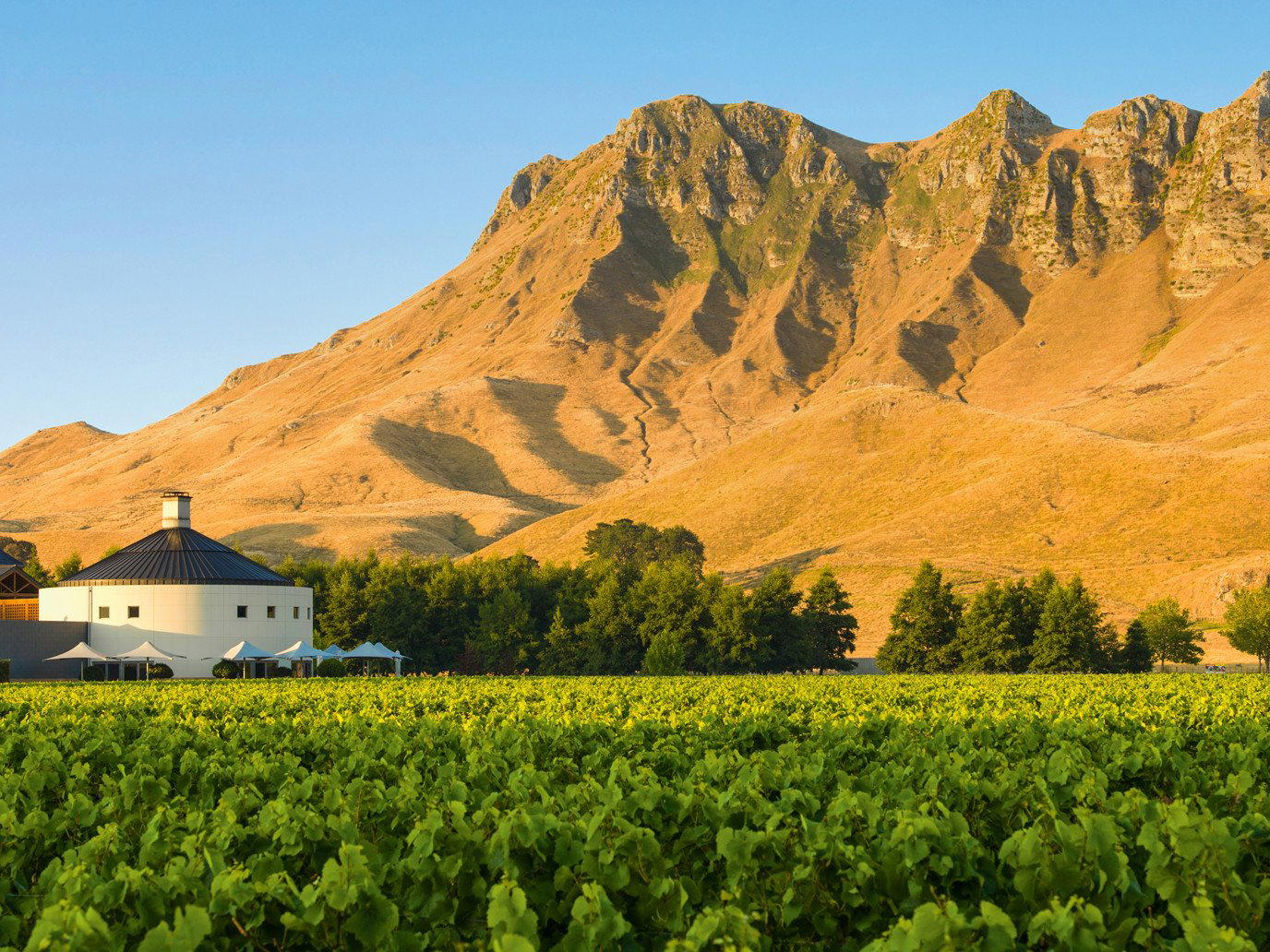
Wineries in Trausdorf
Browse all →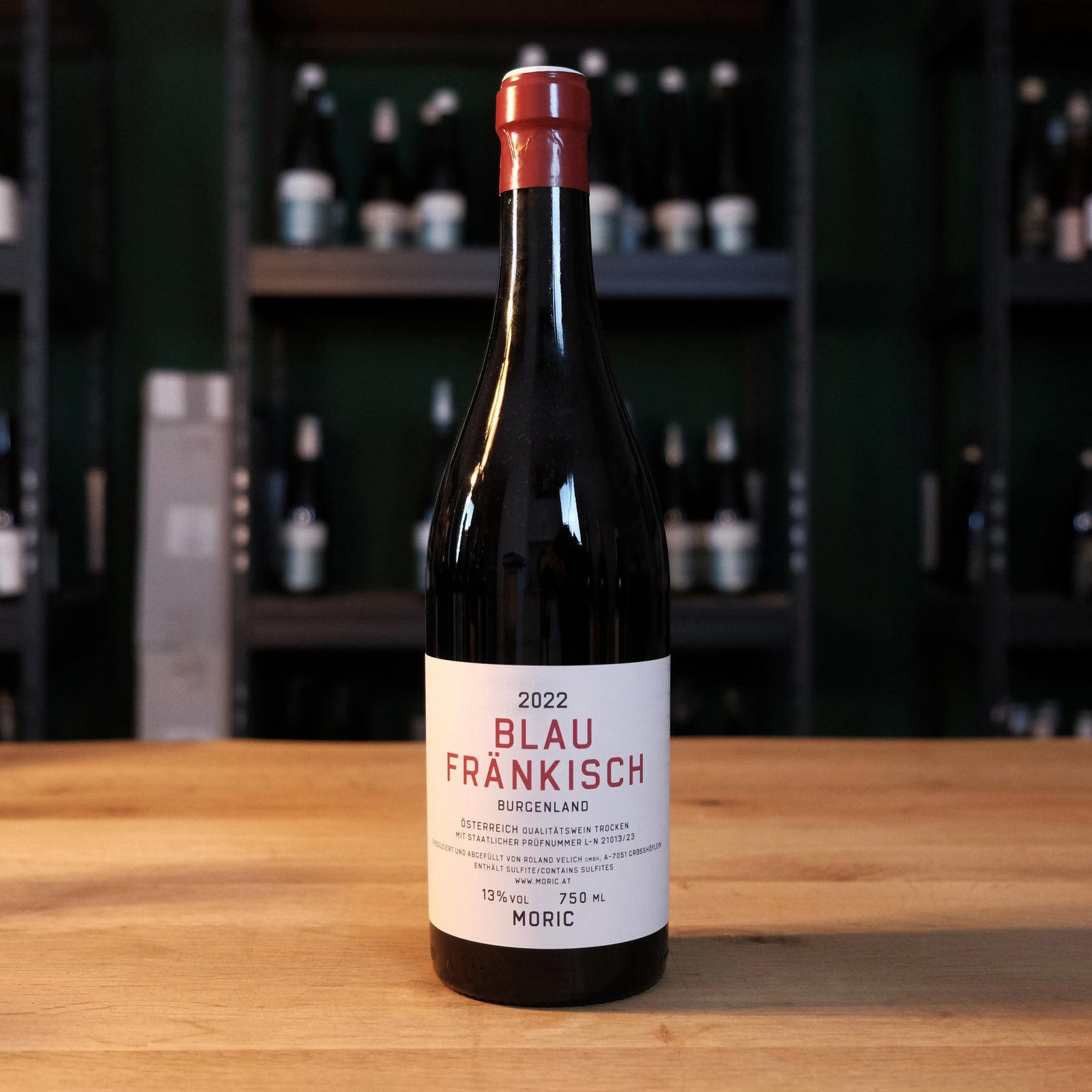
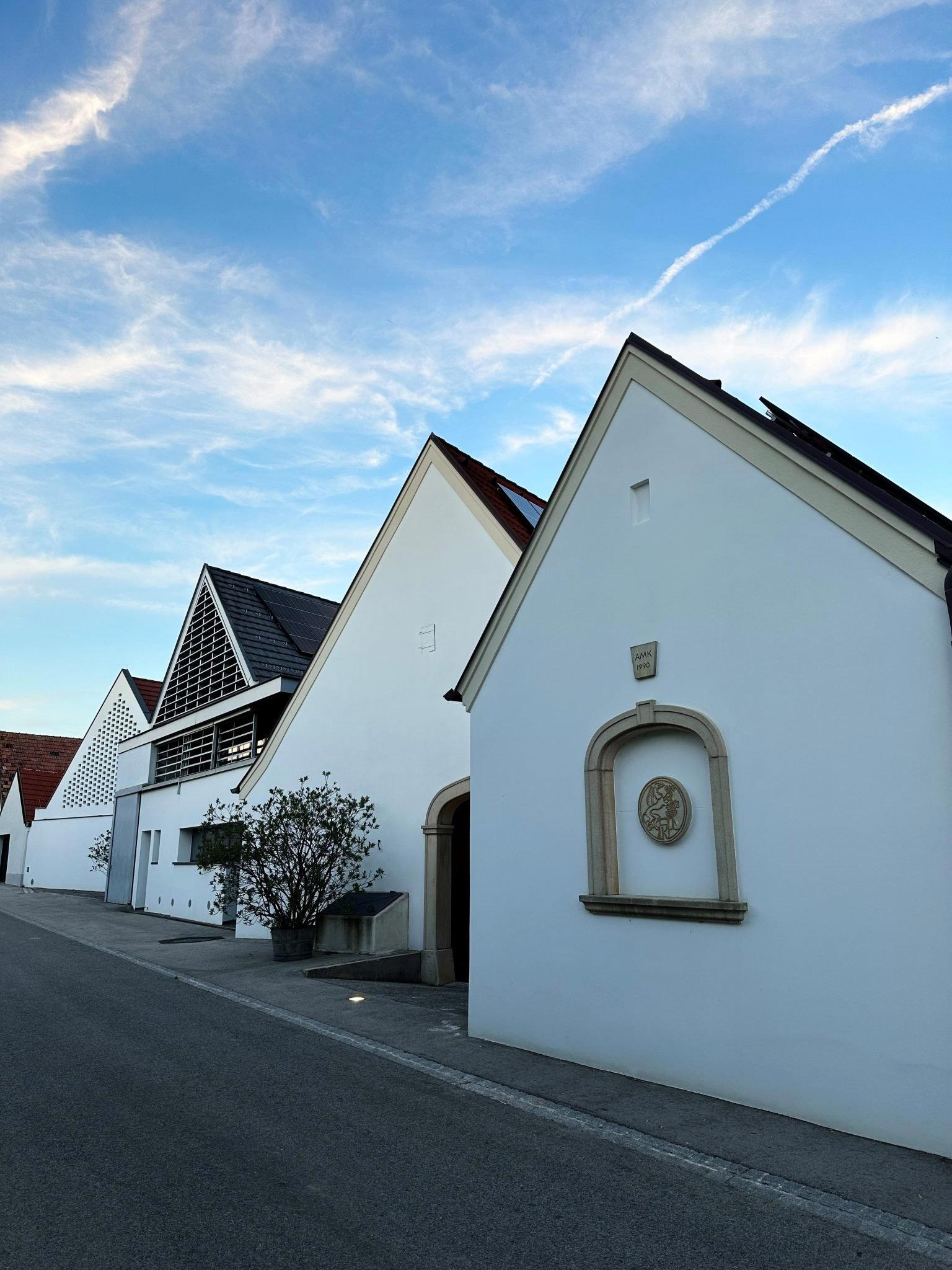
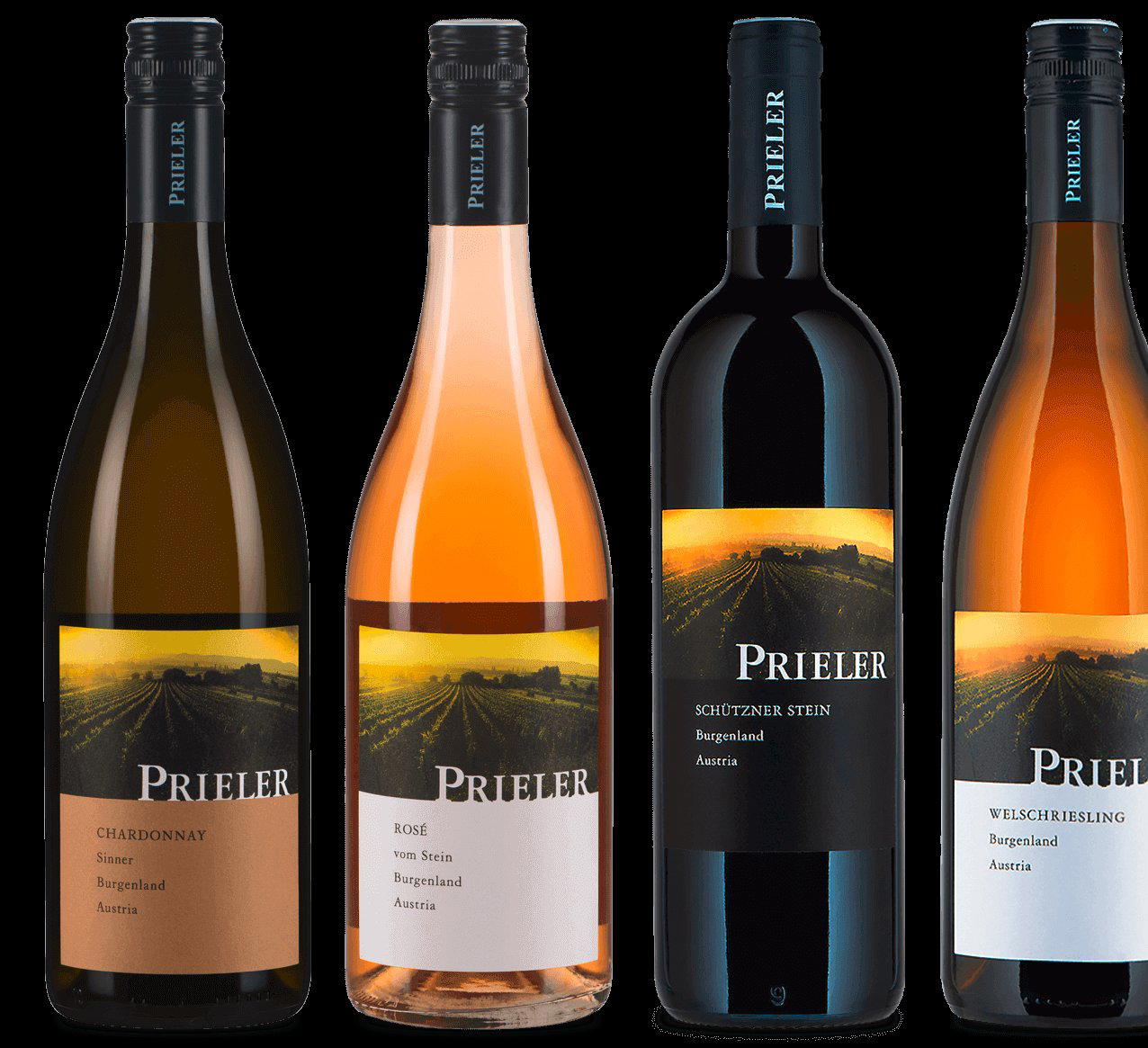
Bars in Trausdorf
Browse all →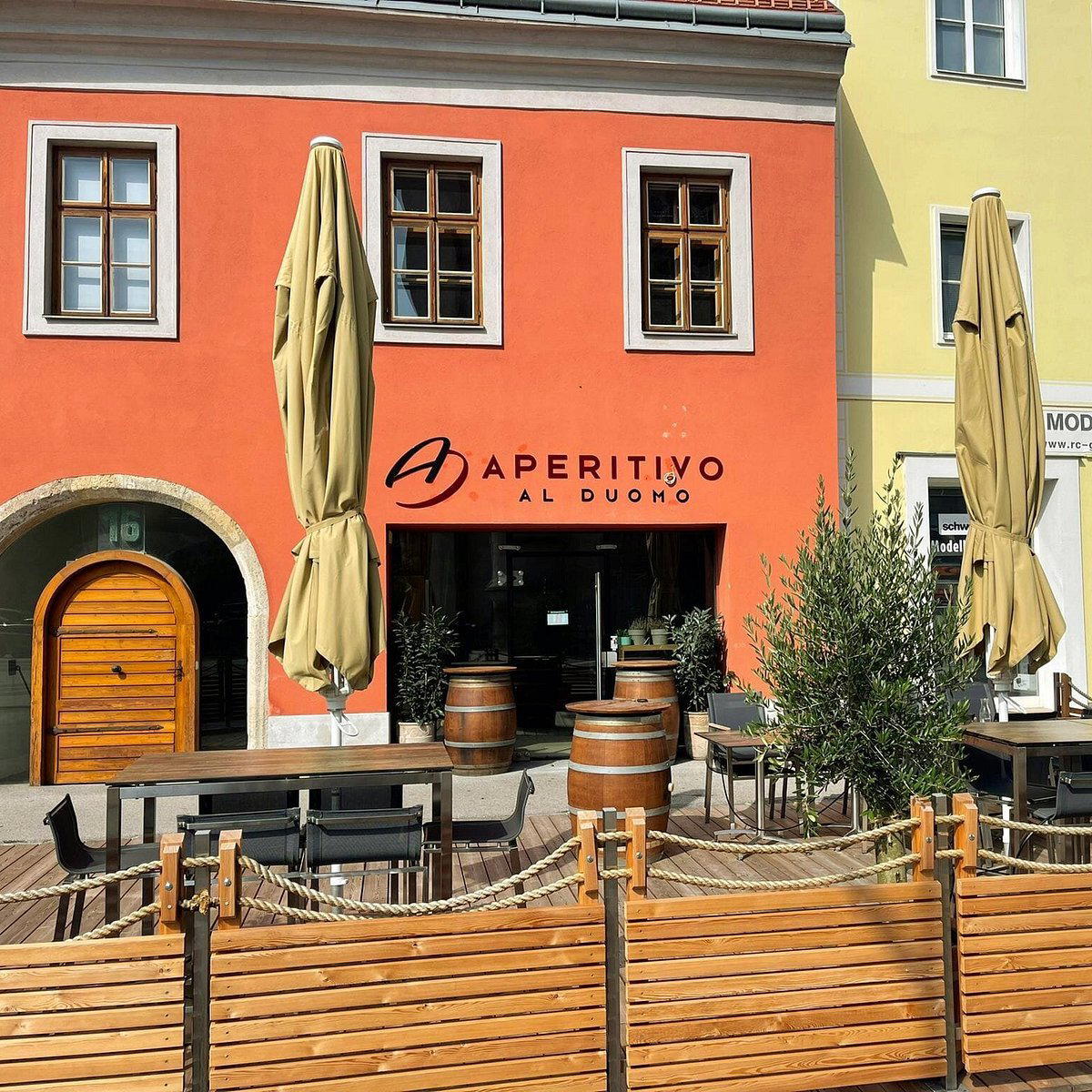

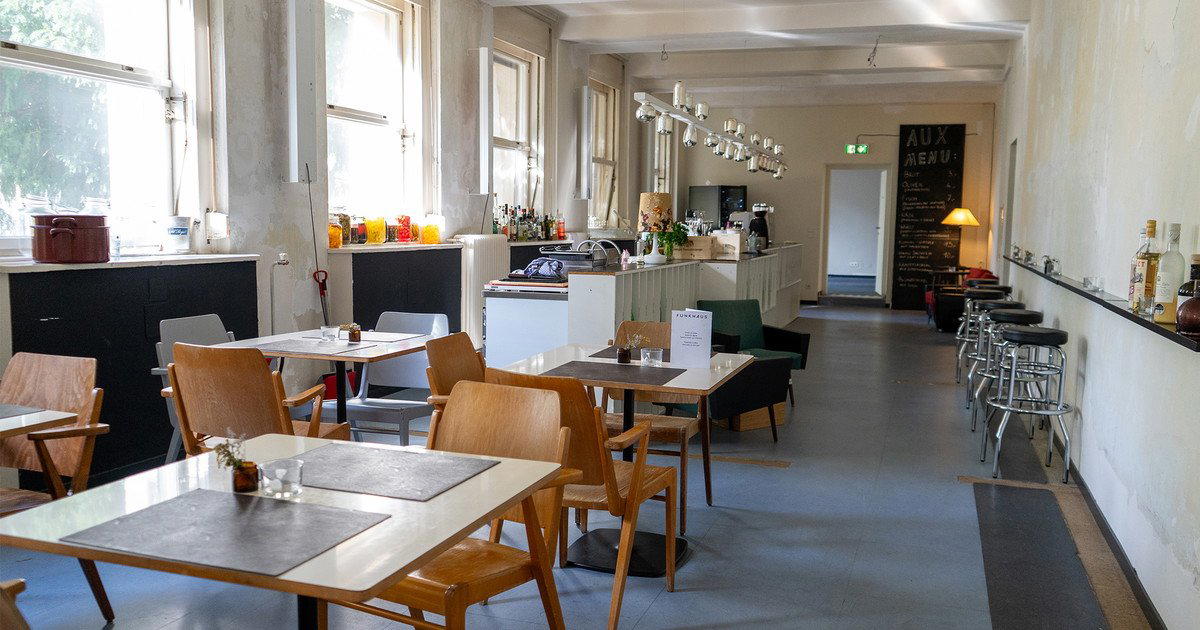
Restaurants in Trausdorf
Browse all →
![[aend] restaurant in Vienna](https://cdn.enprimeurclub.com/storage/v1/object/public/images/locations/recsVyRkMfzCxPmp0/hero2.jpg?width=3840&quality=75)
Details
- Elegant
- Classic
- Scenic
- Sophisticated
- Rustic
- Wine Education
- Special Occasion
- Group Outing
- Vineyard Tour
- Estate Grounds
- Panoramic View
- Organic
- Vineyard
- Mountain
- Blaufränkisch
- Pinot Noir
- Chardonnay
- Pinot Blanc
- Grüner Veltliner
- Zweigelt
- Still Red
- Still White
- Still Rosé
- Classic Tasting
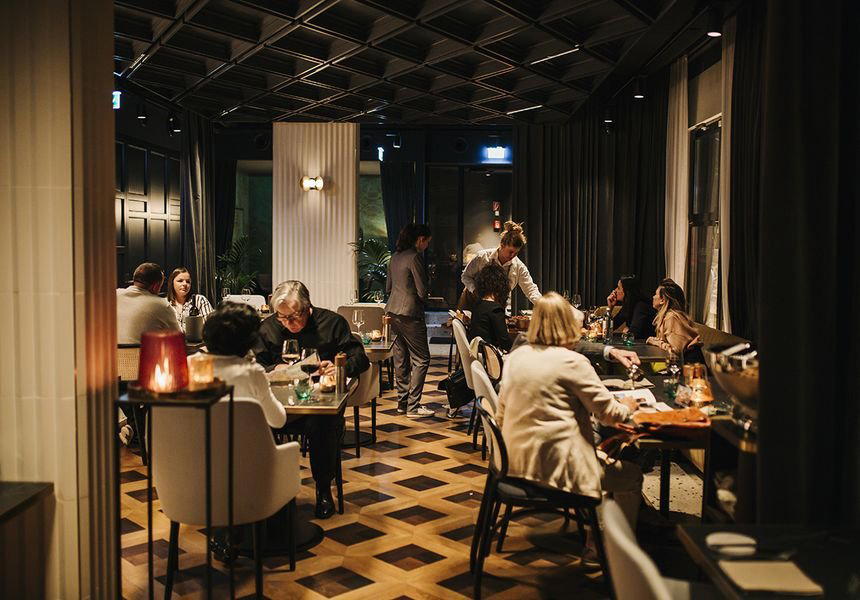
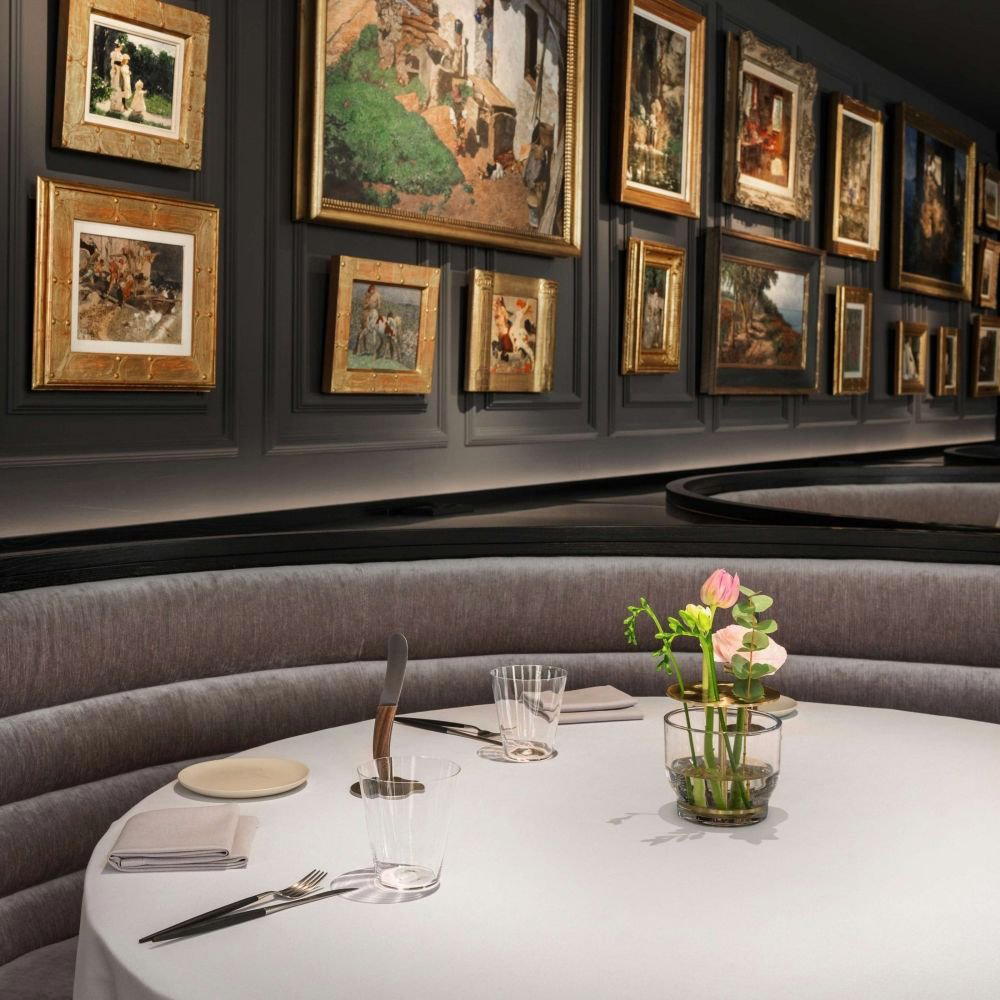
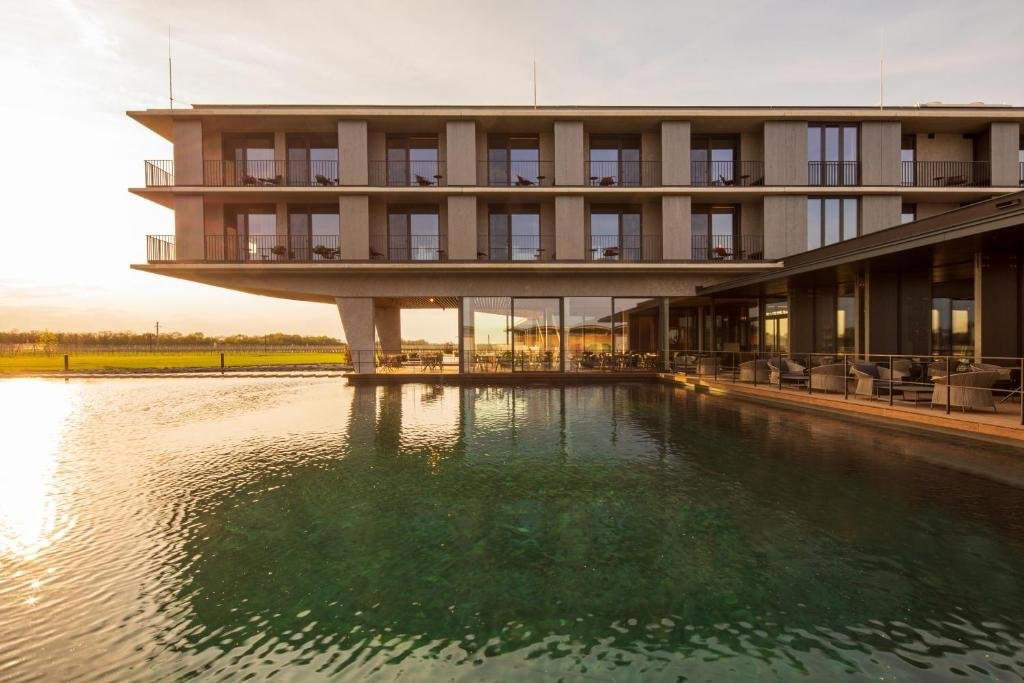
Elegant and sophisticated atmosphere in a modern winery with historic roots, featuring impressive premises ideal for wine celebrations and cultural events.