
Falstaff Winery - 5 Stars
Weingut Gernot und Heike Heinrich operates from Baumgarten 60 in Gols, at the heart of Austria's Neusiedlersee wine region. A visit here sits inside a broader tradition of Burgenland red and white wine production that has earned the village an outsized reputation relative to its size.

Pearl is the En Primeur Club membership app — saves, bookings, and concierge access live there. Same editors, same standards.
- Address
- Baumgarten 60, 7122 Gols
- Phone
- +43 2173 3176
- Website
- heinrich.at
- Directions
- Get directions
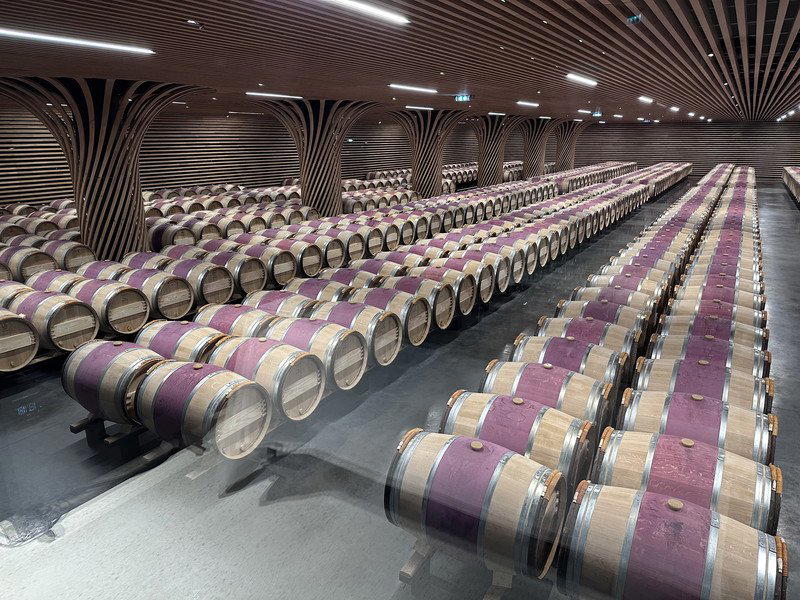
Where the Pannonian Plain Meets the Cellar Door
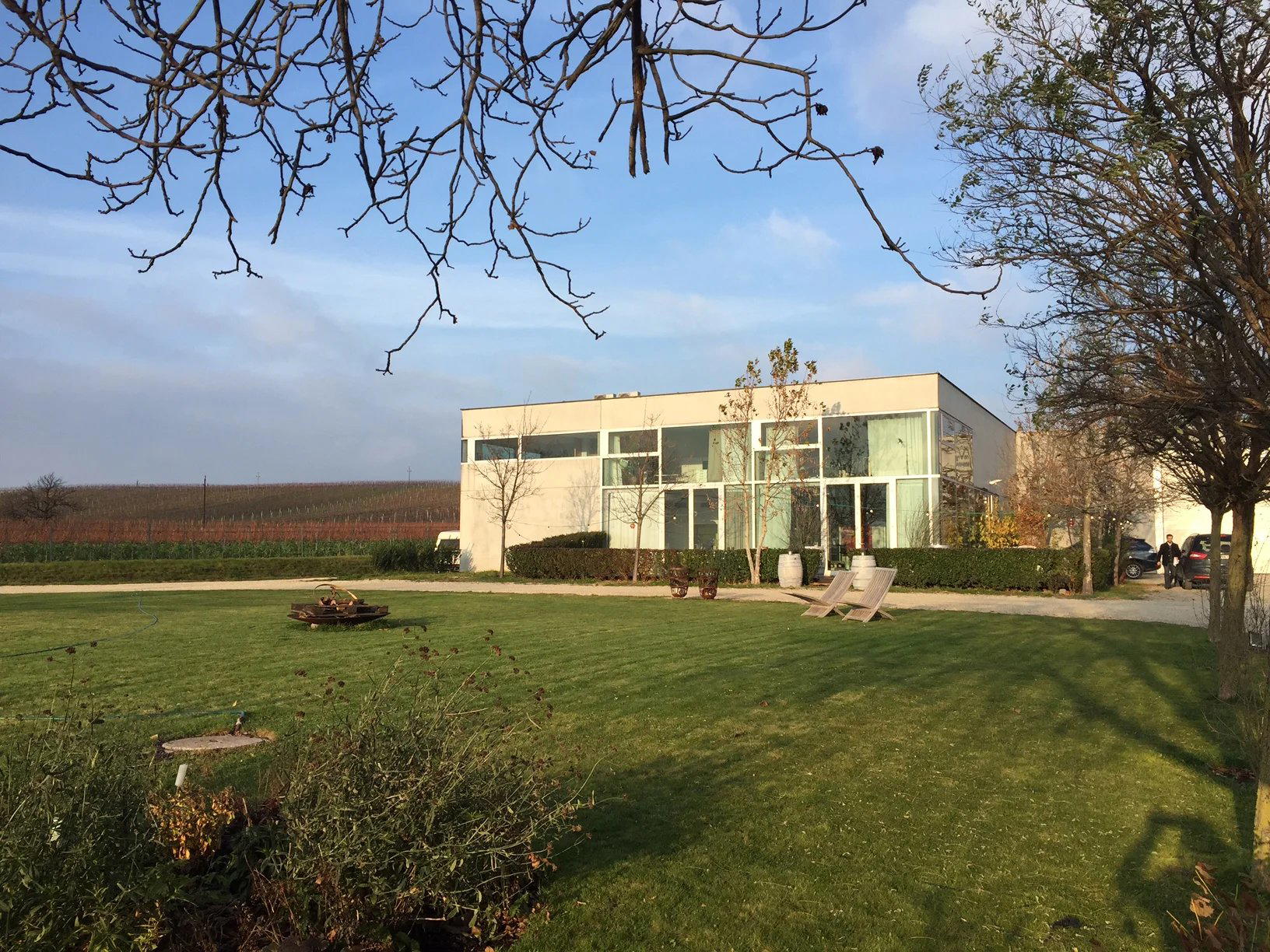
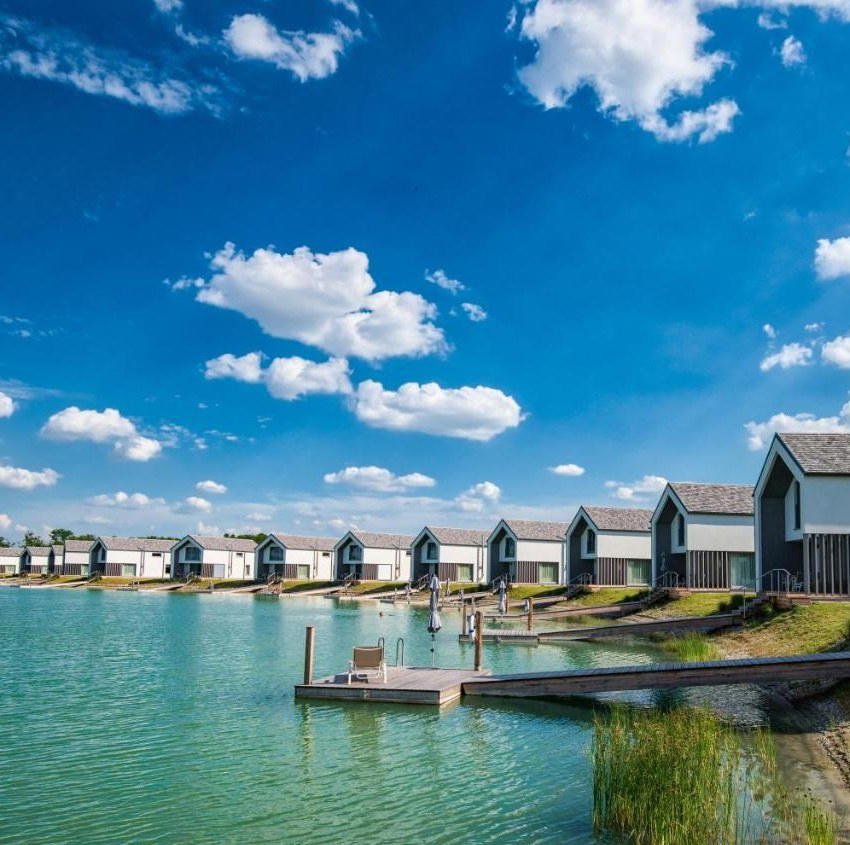
Gols sits on the northwestern shore of the Neusiedlersee, a shallow steppe lake that functions as a thermal battery for the surrounding vineyards. The flat, reed-fringed terrain generates long, warm growing seasons with a continental dryness that concentrates flavour in ways that cooler Austrian regions cannot replicate. Arriving at Baumgarten 60, the address of Weingut Gernot und Heike Heinrich, you are already inside one of the country's most productive wine postcodes, a village where serious producers line the same streets as family homes and agricultural outbuildings. That density is not incidental. Gols has built a reputation for red wine, Zweigelt and Blaufränkisch in particular, that competes with the broader Mittelburgenland DAC conversation, and the wineries here benefit from proximity to each other as much as from their individual parcels.
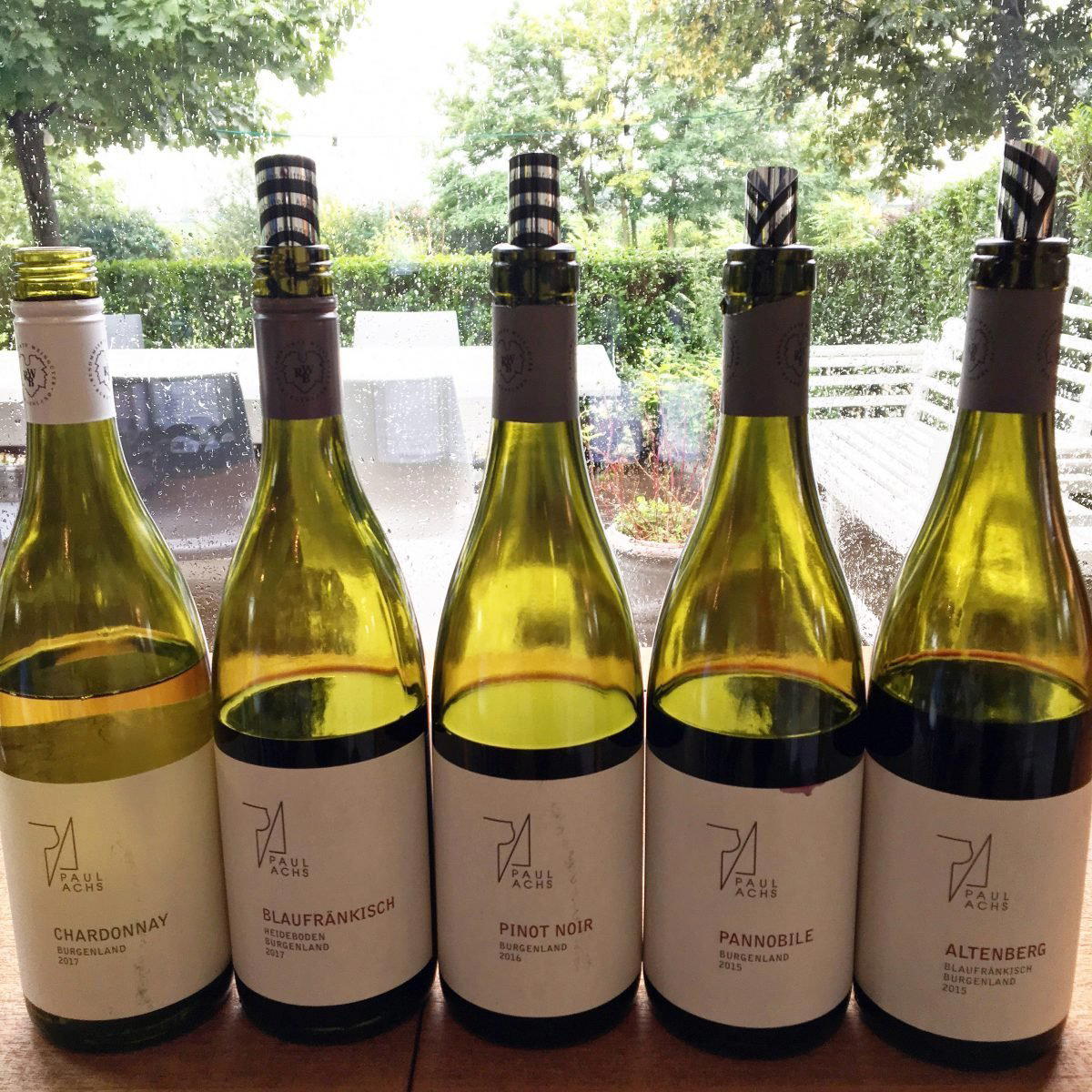
In Austria's premium winery tier, award recognition functions as a meaningful differentiator. That tier matters as a comparative signal: it positions the Heinrich estate alongside rather than beneath the most credentialled names operating from Gols, and it suggests a standard of wine quality and visitor experience that justifies seeking out. Among the Gols producers reviewed on this platform, the estate sits in credentialled company. Weingut Pittnauer, Weingut Anita und Hans Nittnaus, and Weingut Paul Achs are among the nearby estates contributing to a collective identity that gives Gols genuine weight in the Austrian fine wine conversation.
The Tasting Experience in Context
Visiting a Gols winery is a different proposition from visiting a Wachau estate or a Viennese wine bar. The format here is typically more direct: the cellar door opens onto the working reality of a family estate, where the separation between production and presentation is often minimal. That proximity is part of the appeal. In Neusiedlersee wine culture, the tasting experience tends toward the explanatory rather than the theatrical, oriented around soil type, varietal character, and vintage conditions rather than elaborate staging. Producers in this region generally work within a tradition where the wine itself carries the argument.
For visitors accustomed to heavily orchestrated experiences at, say, Weingut Bründlmayer in Langenlois or Weingut Emmerich Knoll in Dürnstein, the Gols approach can feel more austere. That austerity tends to reward visitors who arrive with questions rather than those who arrive expecting performance. The lake light, the flat horizon, and the working-farm surroundings of Baumgarten set a tone that filters self-selecting visitors fairly efficiently.
The Wines and What to Expect
Burgenland's winemaking tradition is built on red varieties, and the Neusiedlersee sub-region is particularly associated with Zweigelt, a cross bred in Austria that performs its most concentrated work in this warm, lake-influenced climate. Blaufränkisch is equally central to the region's identity, a variety that delivers tighter, more structured wines than Zweigelt and that has driven Burgenland's elevation in the international red wine conversation over the past two decades. Producers working at the 2 Star Prestige tier in Gols are generally expected to show fluency across both varieties, with reserve-tier bottlings that demonstrate site-specific thinking rather than blended uniformity.
White wine from this region, while less discussed internationally, has grown in seriousness. Welschriesling and Grüner Veltliner appear alongside the reds at most Gols estates, and at the credentialled level the whites often show the kind of textural precision that argues for more attention than the region's red-first reputation allows. Visitors who default exclusively to the reds risk missing that part of the programme. For a broader regional comparison across Austria's white wine tradition, estates such as Weingut Wohlmuth in Kitzeck offer a useful Styrian counterpoint, while the sweet wine legacy of the Neusiedlersee is documented most thoroughly at Weingut Kracher in Illmitz, on the lake's eastern shore.
The village functions as a cluster rather than a hierarchy. Several estates of comparable credential operate within a short distance of Baumgarten, and a half-day itinerary that includes three or four producers is realistic on foot or by bicycle. Weingut Juris (Stiegelmar) and Private Distillery Weisz extend the range of what Gols produces beyond conventional winery visits, with the latter representing the artisan spirits strand that increasingly appears alongside wine-focused estates in Austrian village tourism. That diversification reflects a broader pattern visible at producers elsewhere in the country, including Weingut Scheiblhofer Distillery in Andau and Weingut Heinrich Hartl in Oberwaltersdorf, where winery and distillery operations now share a single address.
For visitors building a multi-day Austrian wine itinerary that extends beyond Burgenland, the full Gols guide maps the village's producer concentration and provides context on how the area fits within Austria's wine geography more broadly.
Planning a Visit
Gols is accessible from Vienna in under an hour by car via the A4 motorway, and the Neusiedlersee area is well served by regional rail connections to Neusiedl am See, with onward cycling infrastructure that makes winery-to-winery movement practical between April and October. The warmest months, July and August, bring significant tourism to the lake region, and visiting in September or October offers the dual advantage of harvest activity and reduced visitor pressure.
Cuisine Context
Comparable venues nearby, for context on price, style, and recognition.
| Venue | Cuisine | Price | Awards | Notes |
|---|---|---|---|---|
| Weingut Gernot und Heike HeinrichThis venue — the venue you are viewing | Blaufränkisch, Zweigelt | Not listed | Falstaff Winery - 5 Stars | Not listed |
| Weingut Paul Achs | Blaufränkisch, Zweigelt | $20–30 | Falstaff Winery - 5 Stars | Gols |
| Weingut Juris (Stiegelmar) | Pinot Noir, St. Laurent | Not listed | Falstaff Winery - 4 Stars | Gols |
| Weingut Pittnauer | Blaufränkisch, Zweigelt | Not listed | Falstaff Winery - 4 Stars | Gols |
| Weingut Anita und Hans Nittnaus | Blaufränkisch, Zweigelt | Not listed | Falstaff Winery - 5 Stars | Gols |
Recognition history
Dated appearances from independent guides and award organizations, with the underlying list record or original source where available.
Falstaff Winery - 5 Stars
Falstaff
Continue exploring
More in Gols
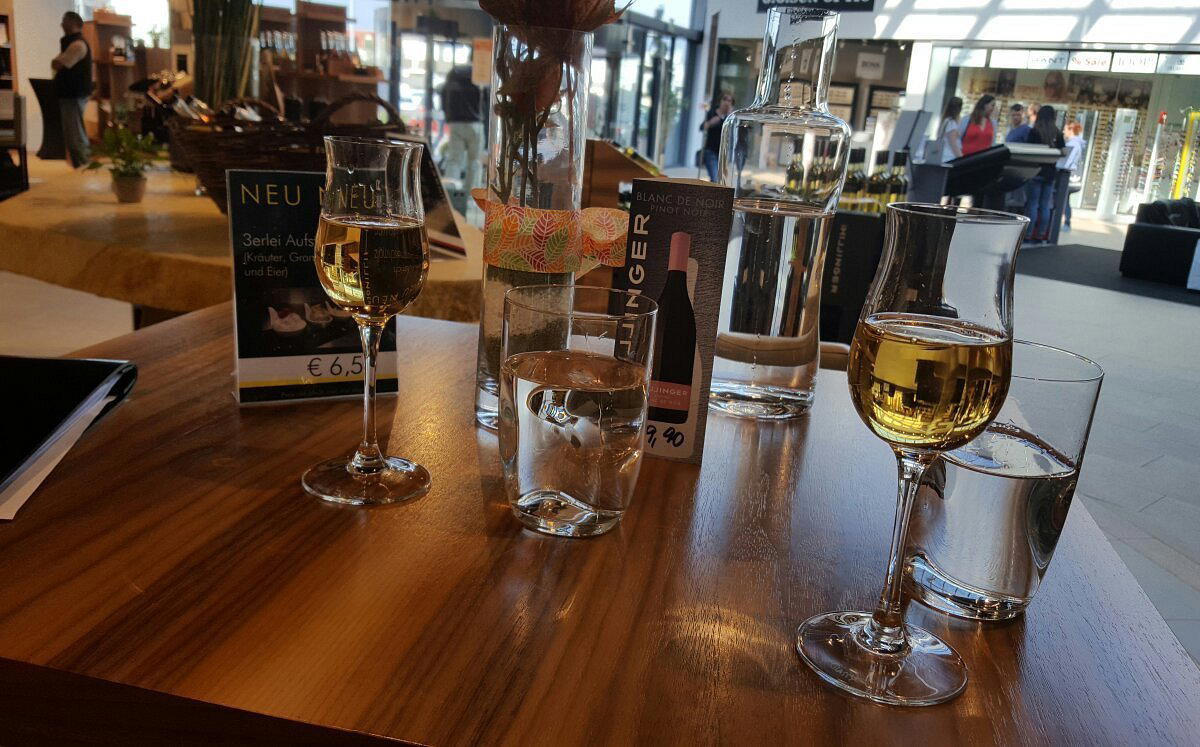
Wineries in Gols
Browse all →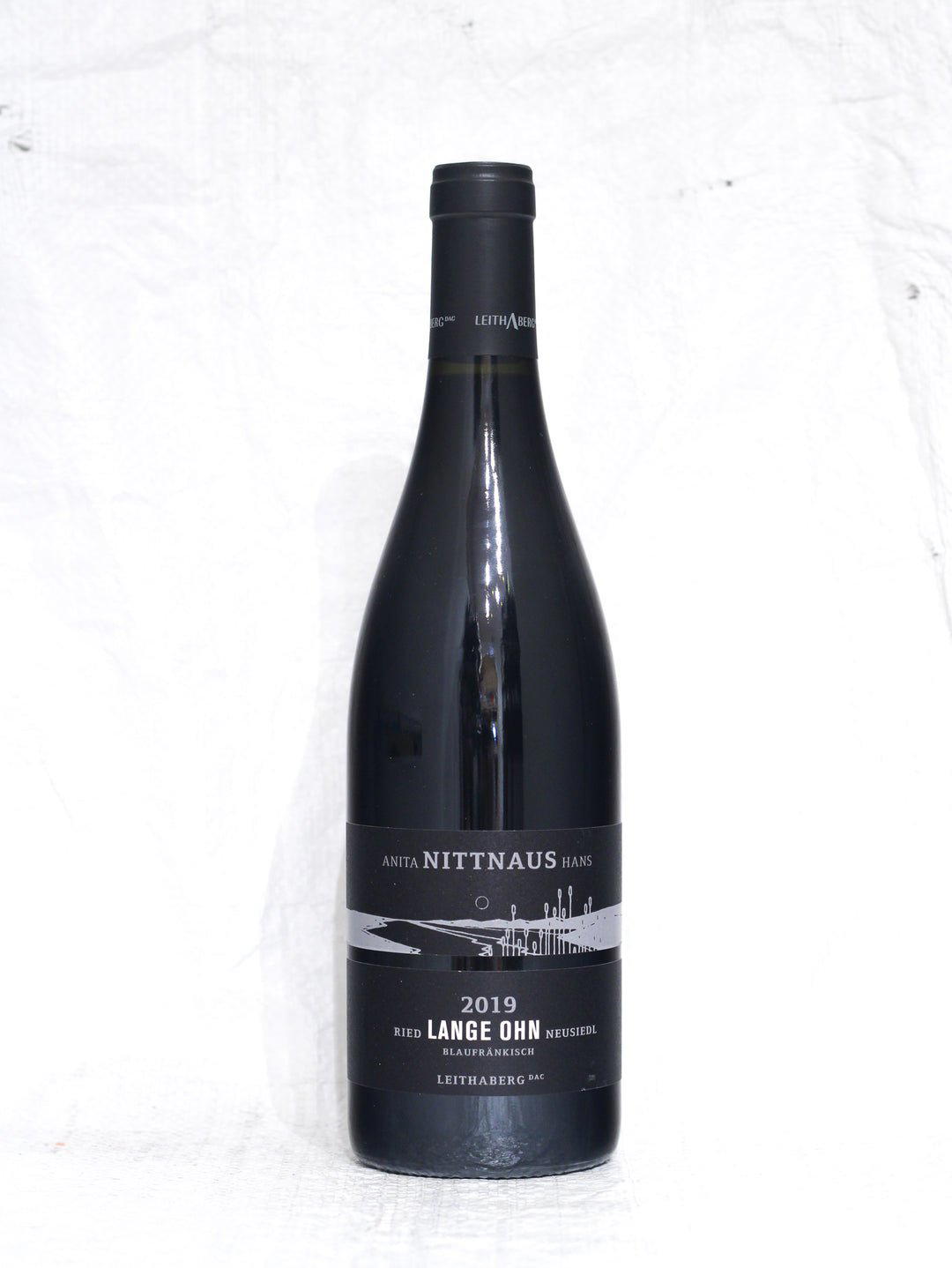
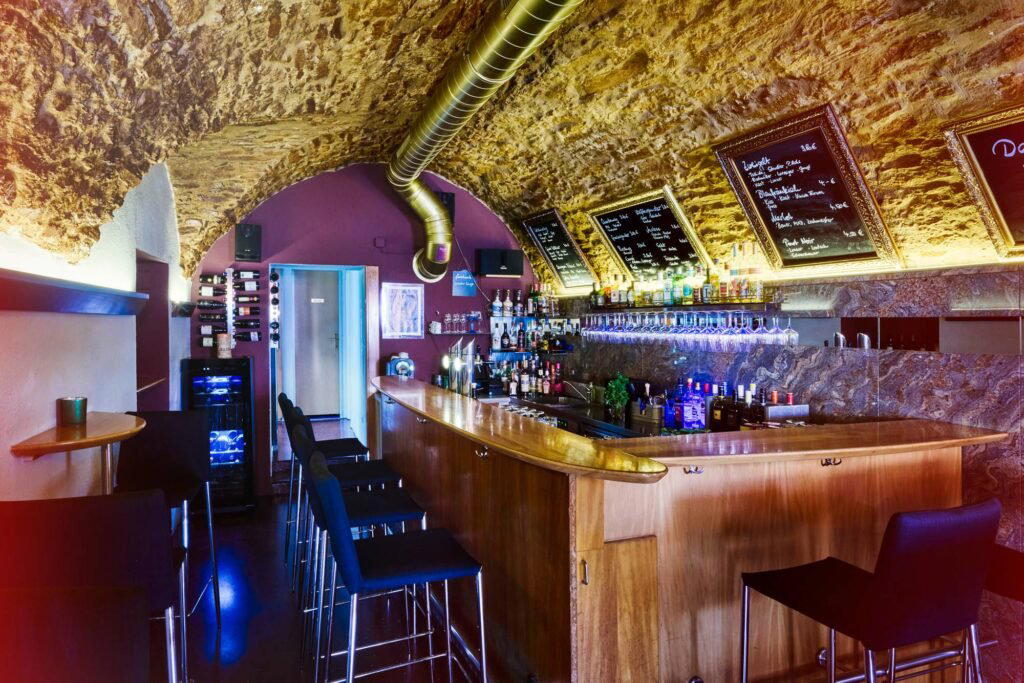
Bars in Gols
Browse all →

Restaurants in Gols
Browse all →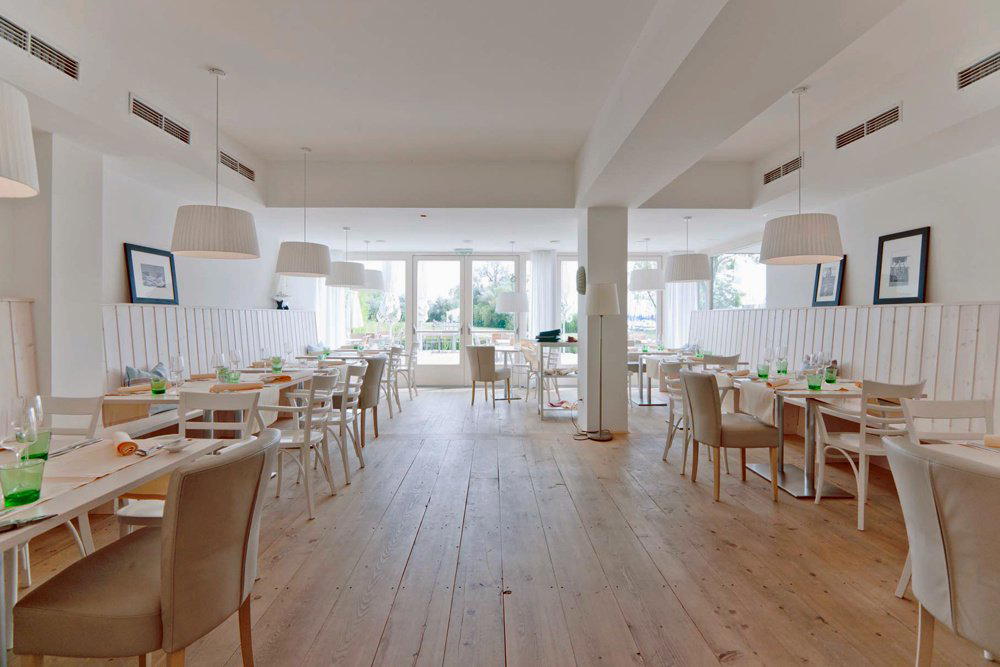
Details
- Rustic
- Scenic
- Elegant
- Wine Education
- Solo Exploration
- Vineyard Tour
- Estate Grounds
- Organic
- Biodynamic
- Vineyard
- Blaufränkisch
- Zweigelt
- Pinot Noir
- Merlot
- Chardonnay
- Pinot Blanc
- Pinot Gris
- Still Red
- Still White
- Orange
- Amphora
- Skin Contact
- Cave Tasting
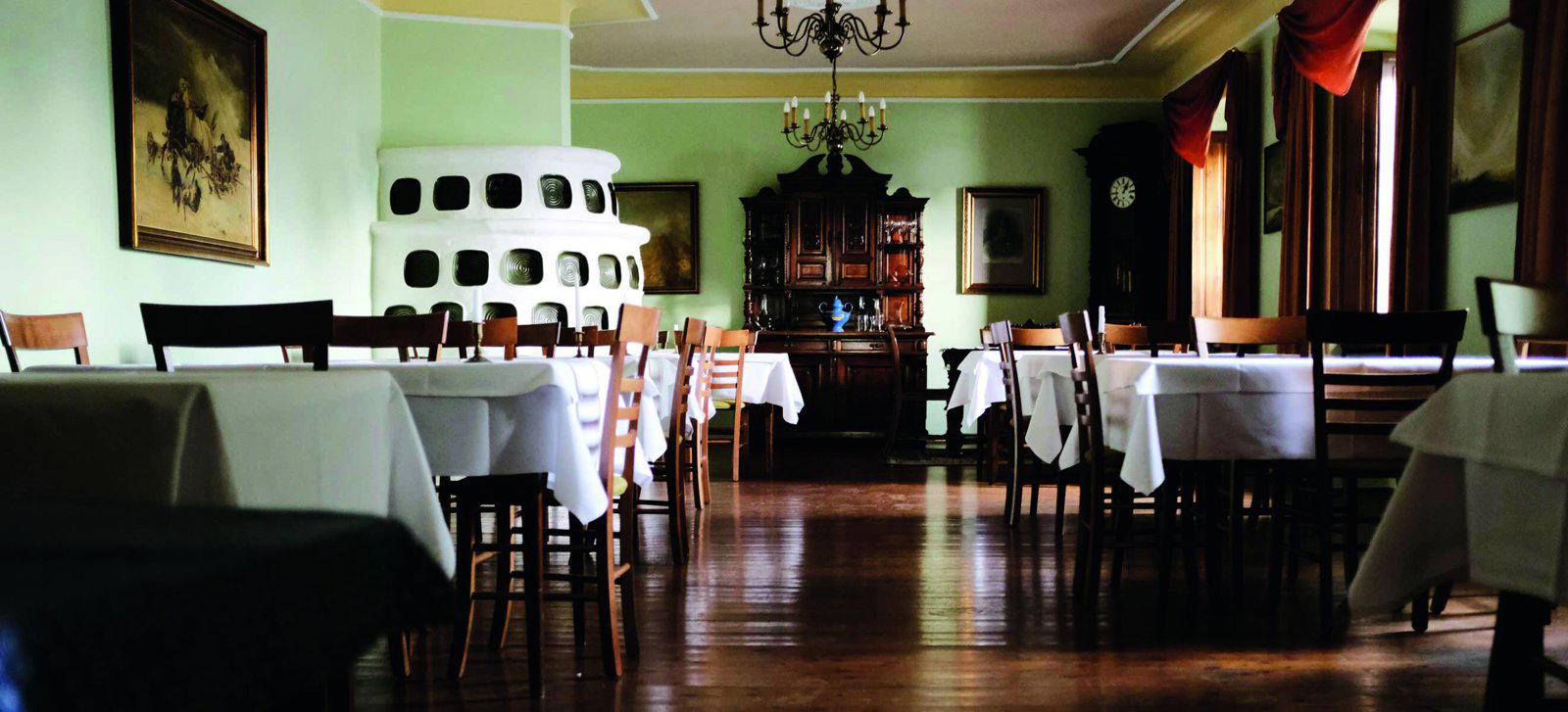
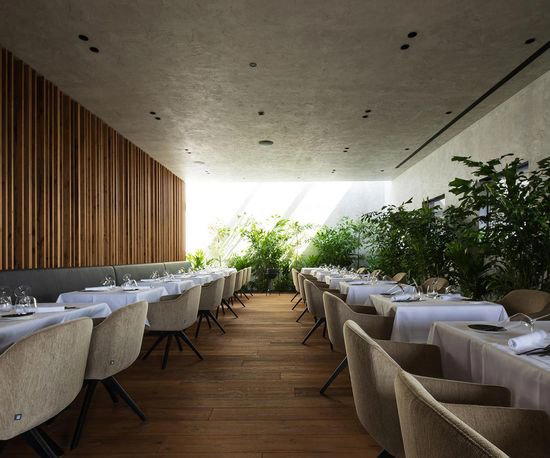
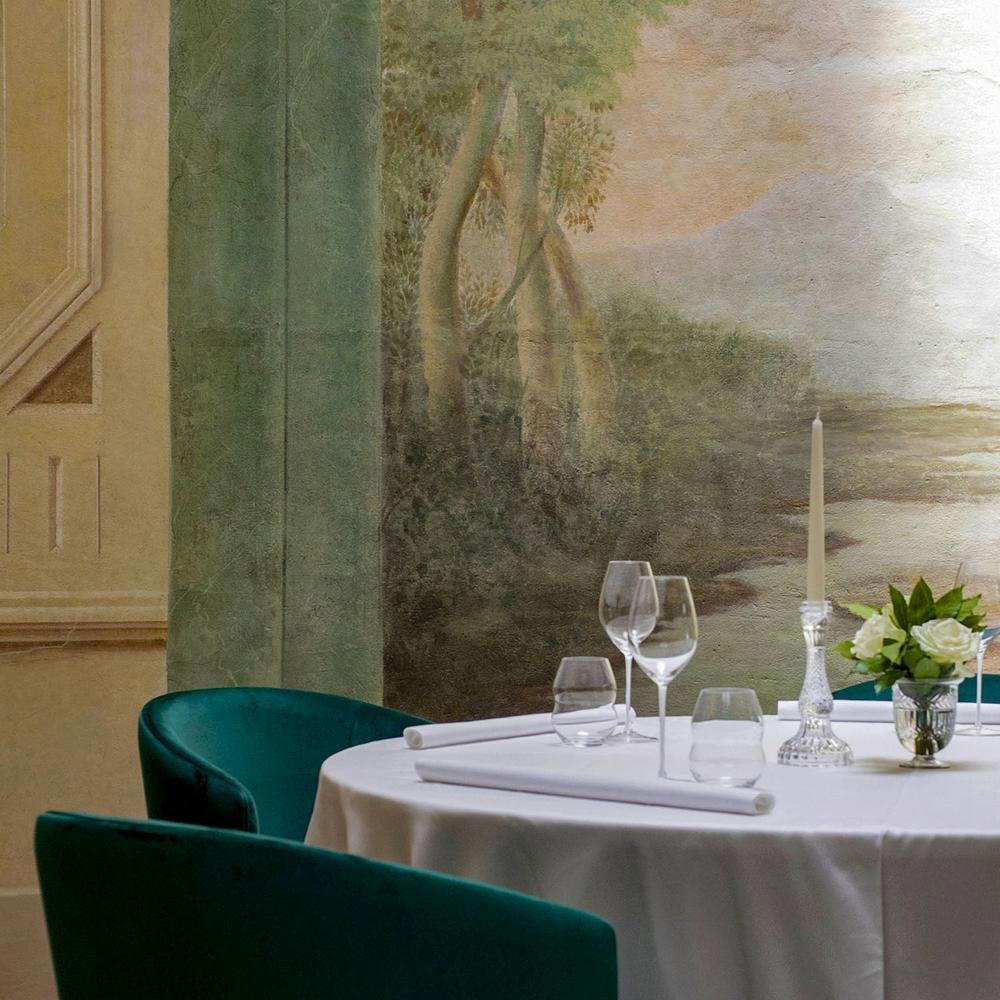
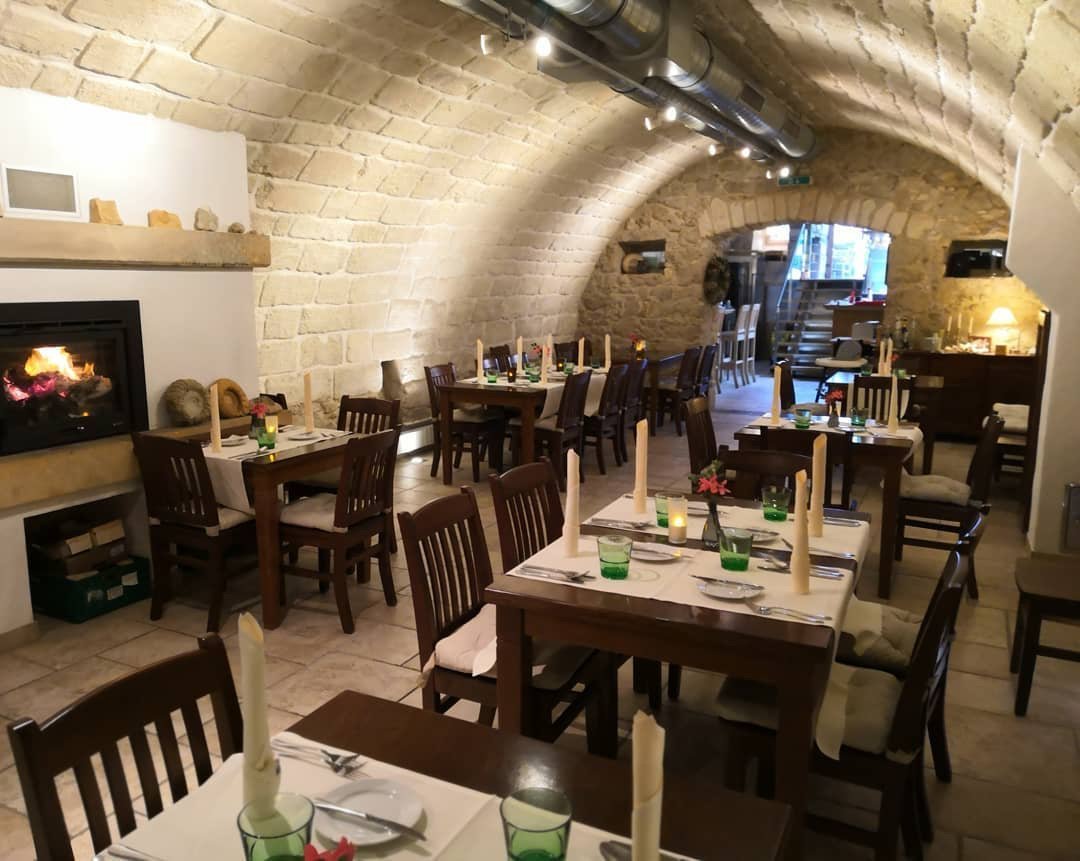
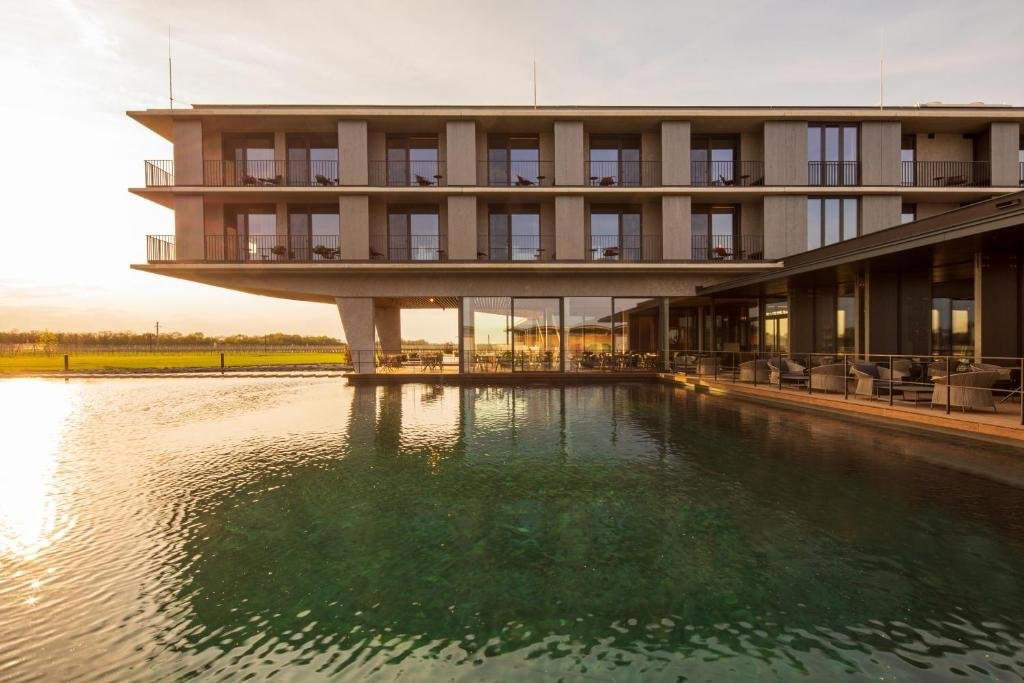
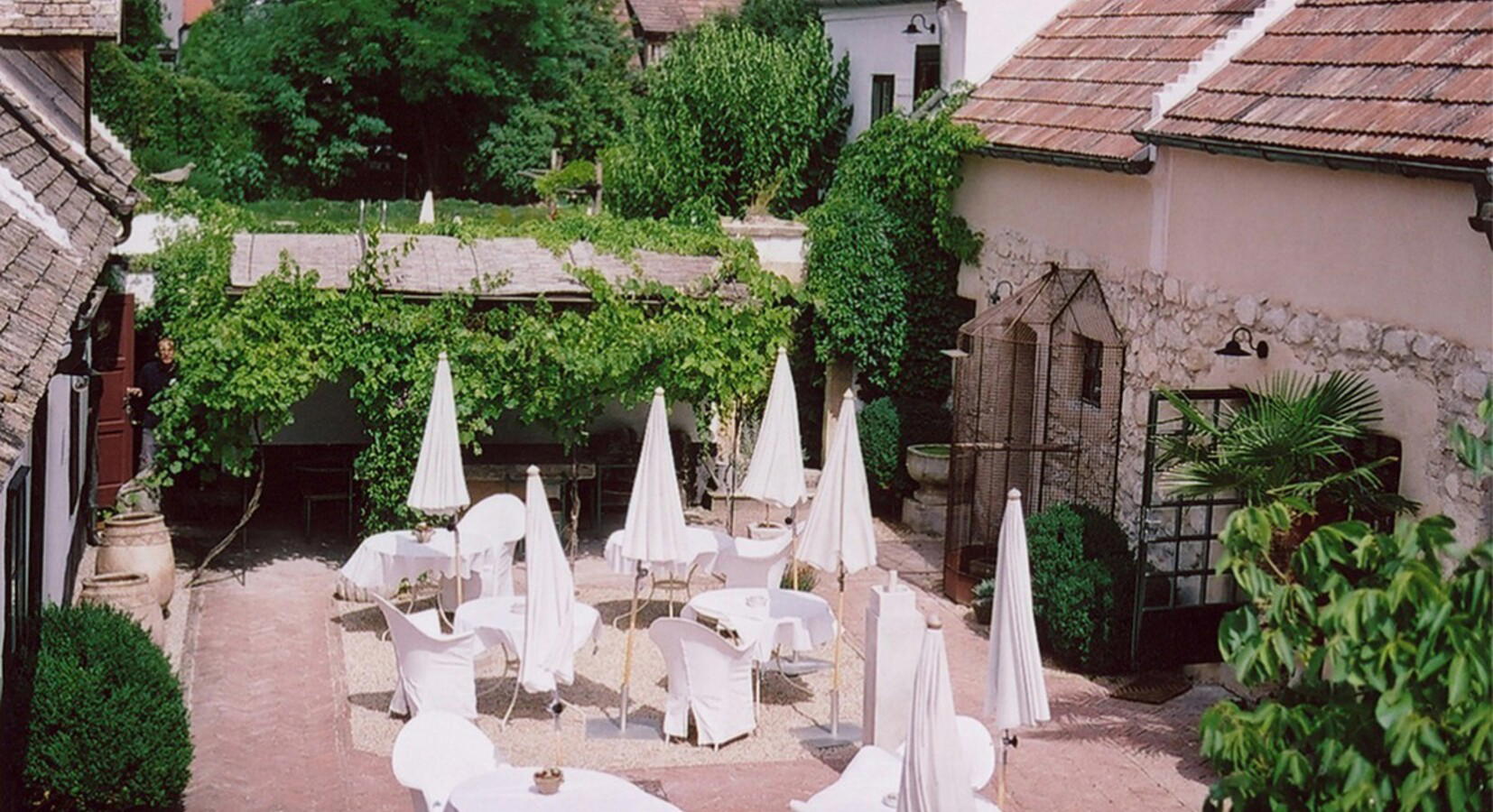
Rustic and authentic atmosphere focused on natural processes in the vineyard and minimalist cellar.