Weingut Kollwentz

The estate sits within one of Central Europe's most discussed red and white wine zones, where the Pannonian climate and volcanic-influenced soils push ripeness while preserving structure. For those tracing Austria's top producer tier, Kollwentz is a reference point.
Pearl is the En Primeur Club membership app — saves, bookings, and concierge access live there. Same editors, same standards.
- Address
- Büro & Verkauf, Gartengasse 4b, 7051 Großhöflein
- Phone
- +43 2682 651580
- Website
- kollwentz.at
- Directions
- Get directions
 Saves & bookings on Pearl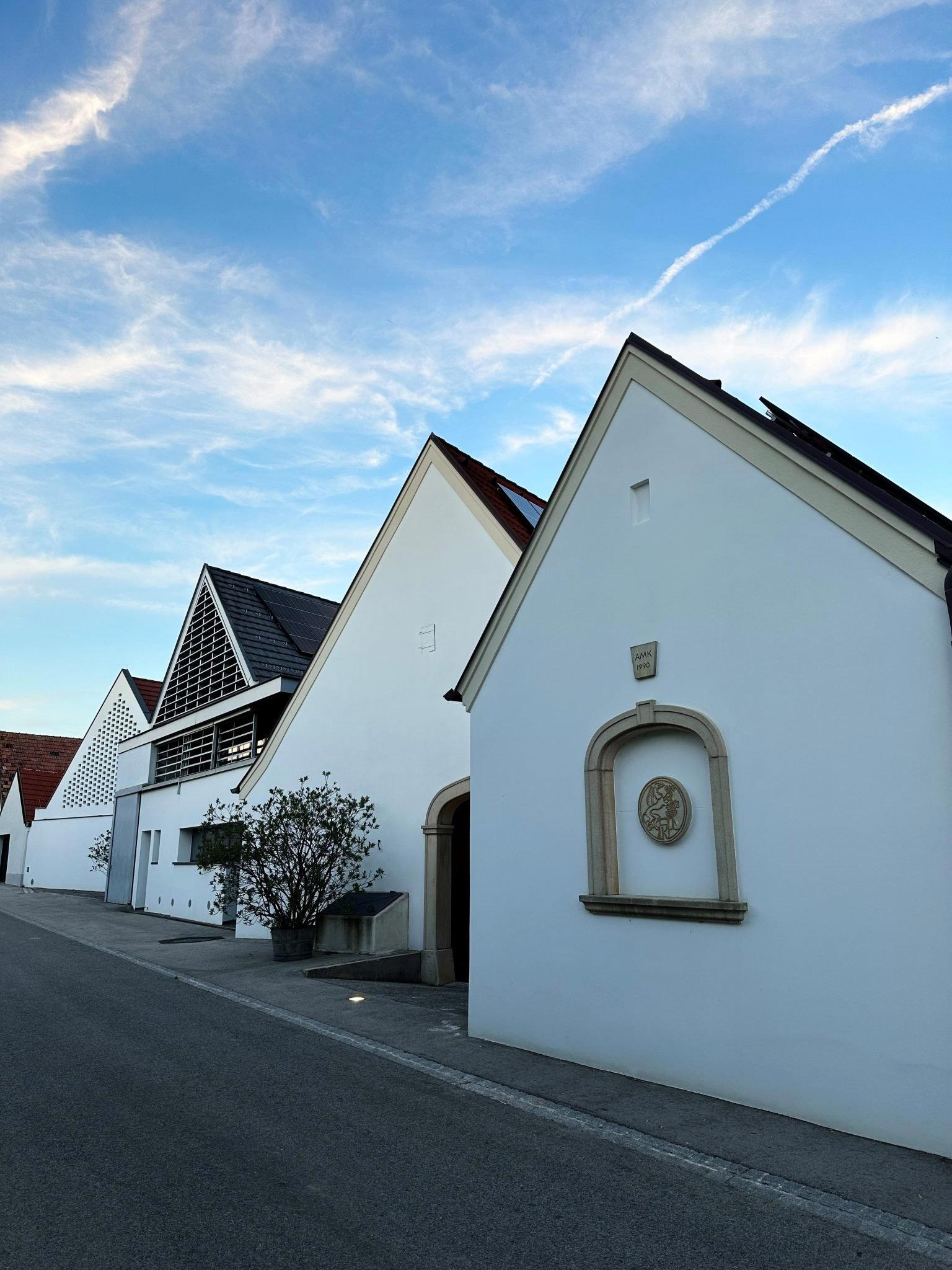
Where Burgenland's Soils Do the Talking
The village of Großhöflein sits at the northern edge of the Neusiedlersee-Hügelland, a sub-region of Burgenland that rarely gets the tourist footfall of the Wachau yet produces some of Austria's most closely followed wines. The surrounding landscape is defined by gently sloping hillsides, ancient volcanic and limestone substrates, and a continental-Pannonian climate that swings between warm summers and sharp autumnal drops. That thermal variation is not incidental. It is the mechanism by which Burgenland's leading producers build wines with both the flesh that warm vintages provide and the acidity that cooler nights preserve. Weingut Kollwentz, a winery in Großhöflein at Büro & Verkauf, Gartengasse 4b, is one of the estates that has turned this particular soil-and-climate argument into a sustained critical position.
Burgenland's Competitive Tier and Where Kollwentz Sits
Austria's premium wine map has been redrawn significantly over the past two decades. Burgenland, long associated with Blaufränkisch and sweet Ausbruch wines from the Neusiedlersee shores, now fields a generation of dry red producers whose work draws direct comparison with benchmark European regions. Within that field, the Neusiedlersee-Hügelland sub-region produces a distinct style: wines with more structural tension than those grown on the flat lakeside soils, shaped by hillside exposure and a more varied geology. Kollwentz operates in this space alongside a small number of producers whose allocation lists and critical ratings place them in the upper bracket of Austrian reds. Nearby, Weingut Moric (Roland Velich) works Blaufränkisch from old-vine parcels with a Burgundian transparency that has drawn international attention. The two estates share a postcode and a commitment to site-driven expression, but occupy distinct stylistic positions within the same regional argument. Further afield, Weingut Pittnauer in Gols and Weingut Kracher in Illmitz represent other facets of Burgenland production, from biodynamic reds to the region's celebrated sweet wine tradition. Kollwentz does not occupy the same category as Kracher's botrytis-focused program; its reputation rests on dry wines where terroir expression is the primary editorial.
The Pannonian Climate as a Winemaking Variable
Understanding what Kollwentz produces requires understanding what the Pannonian climate actually does to a vine. The Neusiedlersee lake acts as a thermal battery for the flatlands to its east, moderating overnight temperatures and extending the growing season into October. The hillsides west of the lake, where Großhöflein sits, receive that warmth without the humidity that concentrates botrytis further east. The result is a growing environment that accelerates phenolic maturity while maintaining enough diurnal temperature variation to hold aromatic precision. Blaufränkisch, the grape most closely associated with Burgenland's serious dry red ambitions, responds particularly well to this pattern. At its leading, it produces wines with dark fruit, a mineral thread that reads as graphite or iron-rich earth, and a tannin structure that holds without becoming hard. The question producers in this zone answer through their choices of picking date, extraction, and oak contact is how much they want the fruit to speak relative to the soil. Estates in the prestige tier tend to answer that question with restraint.
By comparison, producers in other parts of Austria face different terroir arguments. Weingut Emmerich Knoll in Dürnstein and Weingut Bründlmayer in Langenlois work the Wachau and Kamptal respectively, where the terroir story is written in Grüner Veltliner and Riesling rather than red varieties, and where primary schist and gneiss geology produces a cooler, more mineral-driven profile. The contrast is instructive: Burgenland and the Wachau represent Austria's two strongest international claims to wine seriousness, but through entirely different vocabulary. Weingut Wohlmuth in Kitzeck, working the Styrian hills, adds a third dialect to the conversation.
What a Prestige Rating Signals in This Market
Ratings at this level reflect not just a single vintage performance but a pattern of quality consistency that peer reviewers track across multiple growing seasons. In a region like Burgenland, where vintage variation can be significant due to the continental climate's susceptibility to late frosts and summer heat spikes, maintaining a prestige-level assessment across consecutive years requires that the winery's approach to site selection, harvest timing, and cellar work be both disciplined and adaptive. That combination distinguishes producers whose wines have investment and cellar value from those producing competent but variable work. For the collector or serious buyer, a 2 Star Prestige signal in this context is a reason to open a direct conversation with the estate.
Planning a Visit to Großhöflein
Großhöflein is a working agricultural village rather than a wine tourism destination in the conventional sense. It sits roughly 40 kilometres south of Vienna, accessible by road in under an hour from the capital, which makes it a viable day visit for those already in the region for broader Burgenland exploration. The estate's listed address, Gartengasse 4b, is the office and sales point rather than a tasting room with walk-in hours. For visitors combining Kollwentz with the broader Großhöflein wine scene, including Weingut Moric, one efficient approach is to confirm arrangements in advance and treat the visit as an itinerary anchor rather than a spontaneous stop.
Those travelling through broader Austria with a serious wine focus will find that Burgenland rewards structured planning. The region's leading producers are geographically compact compared to, say, the Wachau's ribbon of riverside villages, but they do not operate on tourist-facing schedules. Estates like Weingut Heinrich Hartl in Oberwaltersdorf and Weingut Scheiblhofer in Andau illustrate how Austria's premium producers span different parts of the country and require itinerary coordination rather than casual browsing.
At-a-Glance Comparison
Comparable venues nearby, for context on price, style, and recognition.
| Venue | Cuisine | Price | Notes |
|---|---|---|---|
| Weingut KollwentzThis venue — the venue you are viewing | Chardonnay, Blaufränkisch | $$$ | Not listed |
| Weingut Moric (Roland Velich) | Blaufränkisch, Grüner Veltliner | $$$ | Großhöflein |
| Weingut Hans Tschida | Welschriesling, Chardonnay | $$$ | Illmitz |
| Weingut Rainer Christ | Grüner Veltliner, Riesling | $$$ | Jedlersdorf, Floridsdorf |
| Weingut Fritz Wieninger | Grüner Veltliner, Pinot Blanc | $$$ | Bisamberg/Nussberg |
| Weingut Markus Huber | Grüner Veltliner, Riesling | $$$ | Reichersdorf |
Recognition history
Dated appearances from independent guides and award organizations, with the underlying list record or original source where available.
Falstaff Winery - 5 Stars
Falstaff
Continue exploring
More in Großhöflein
Wineries in Großhöflein
Browse all →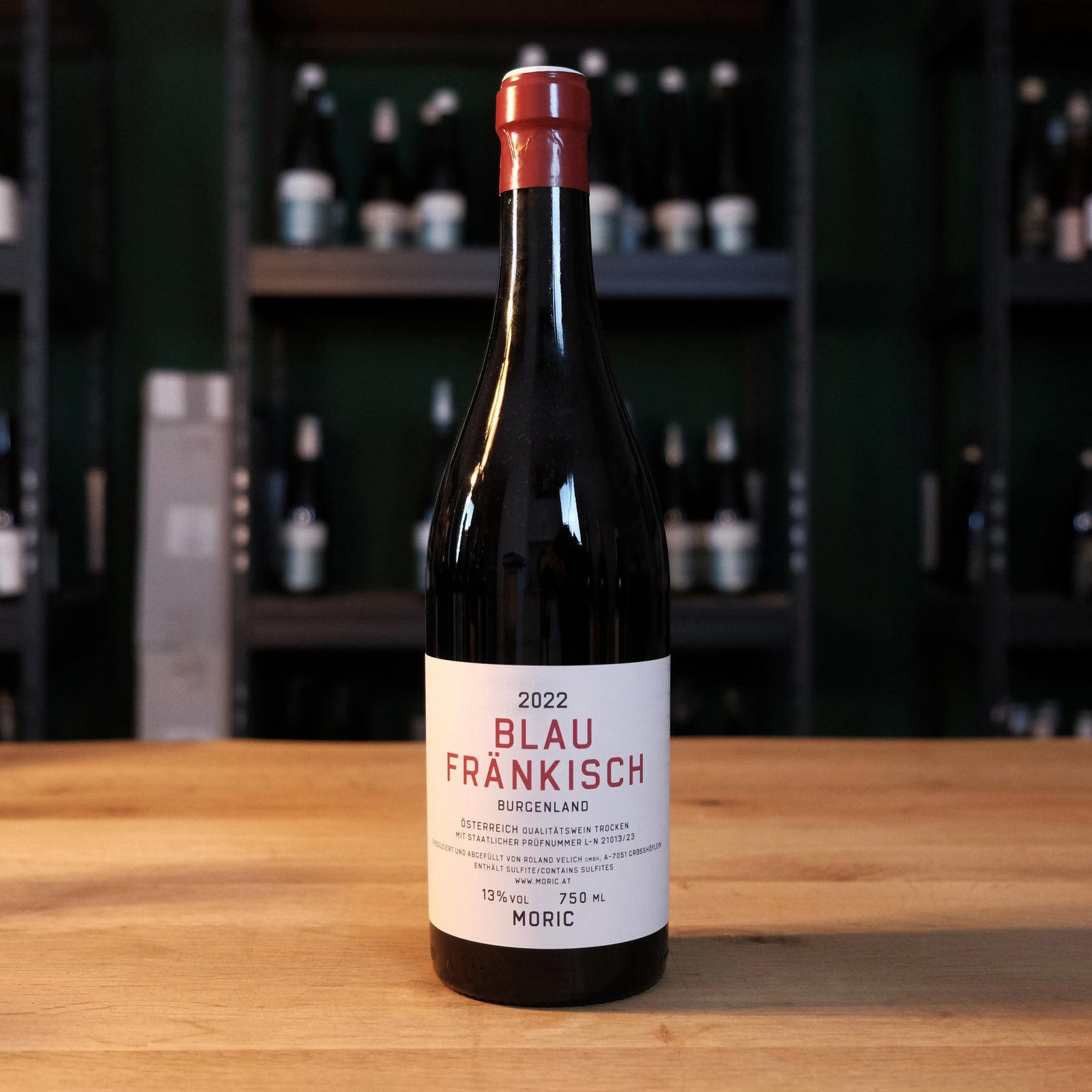
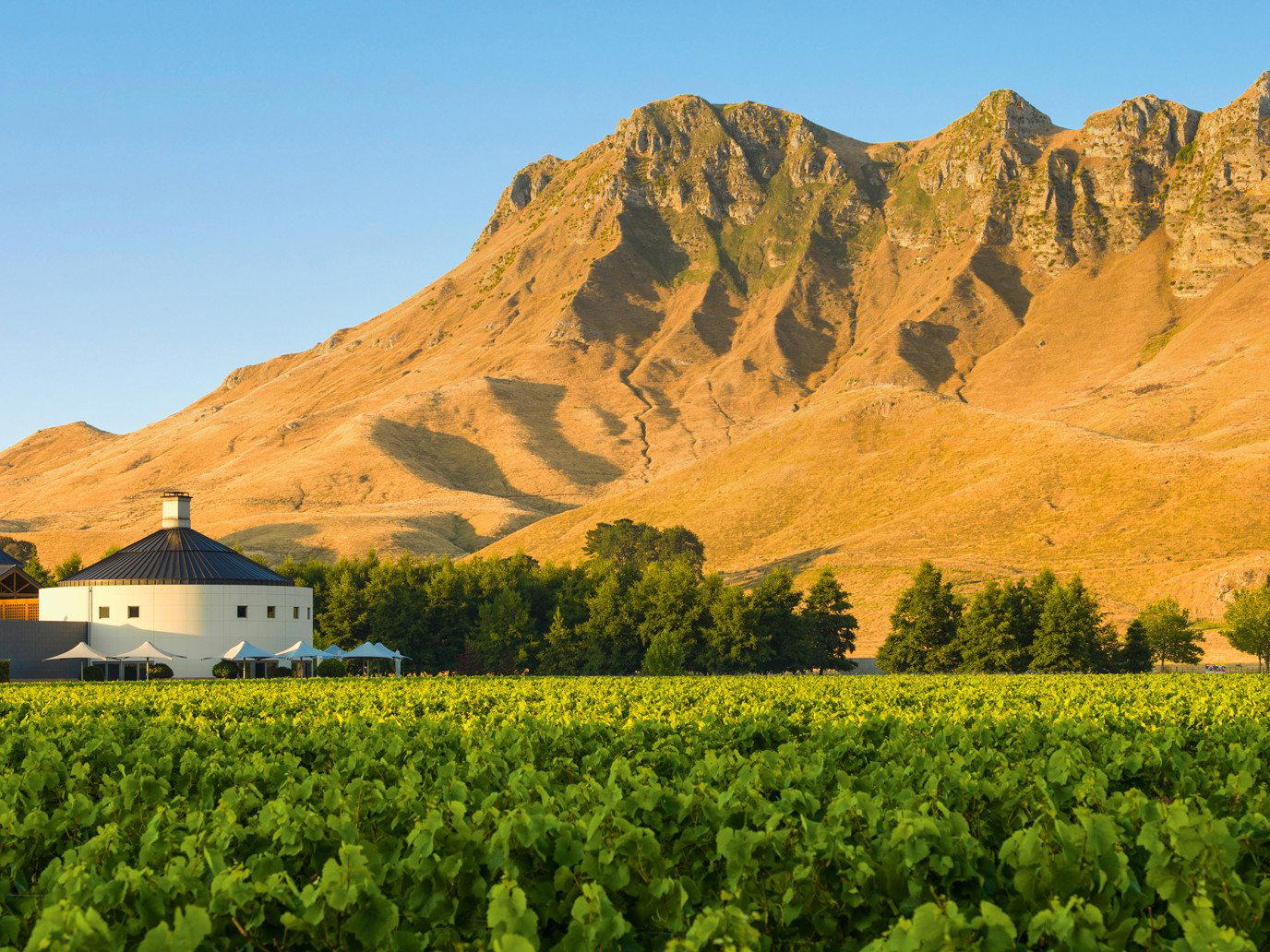
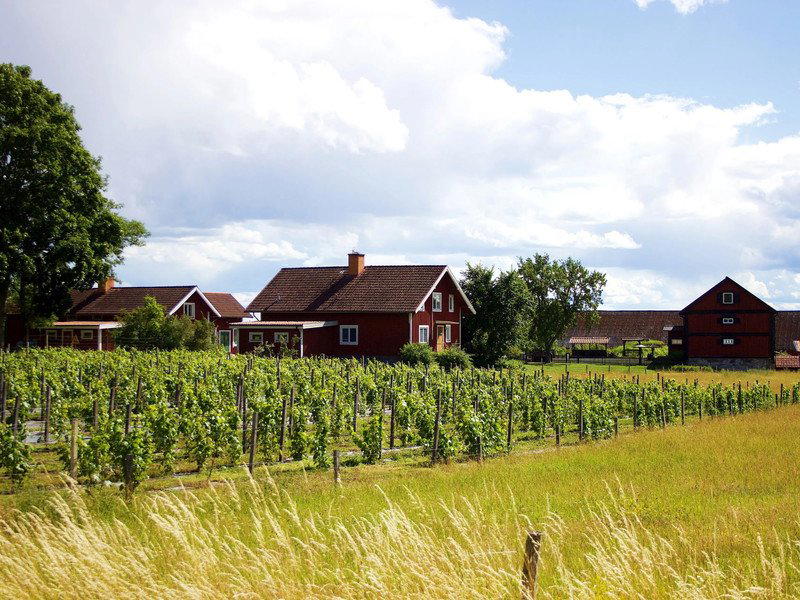
Bars in Großhöflein
Browse all →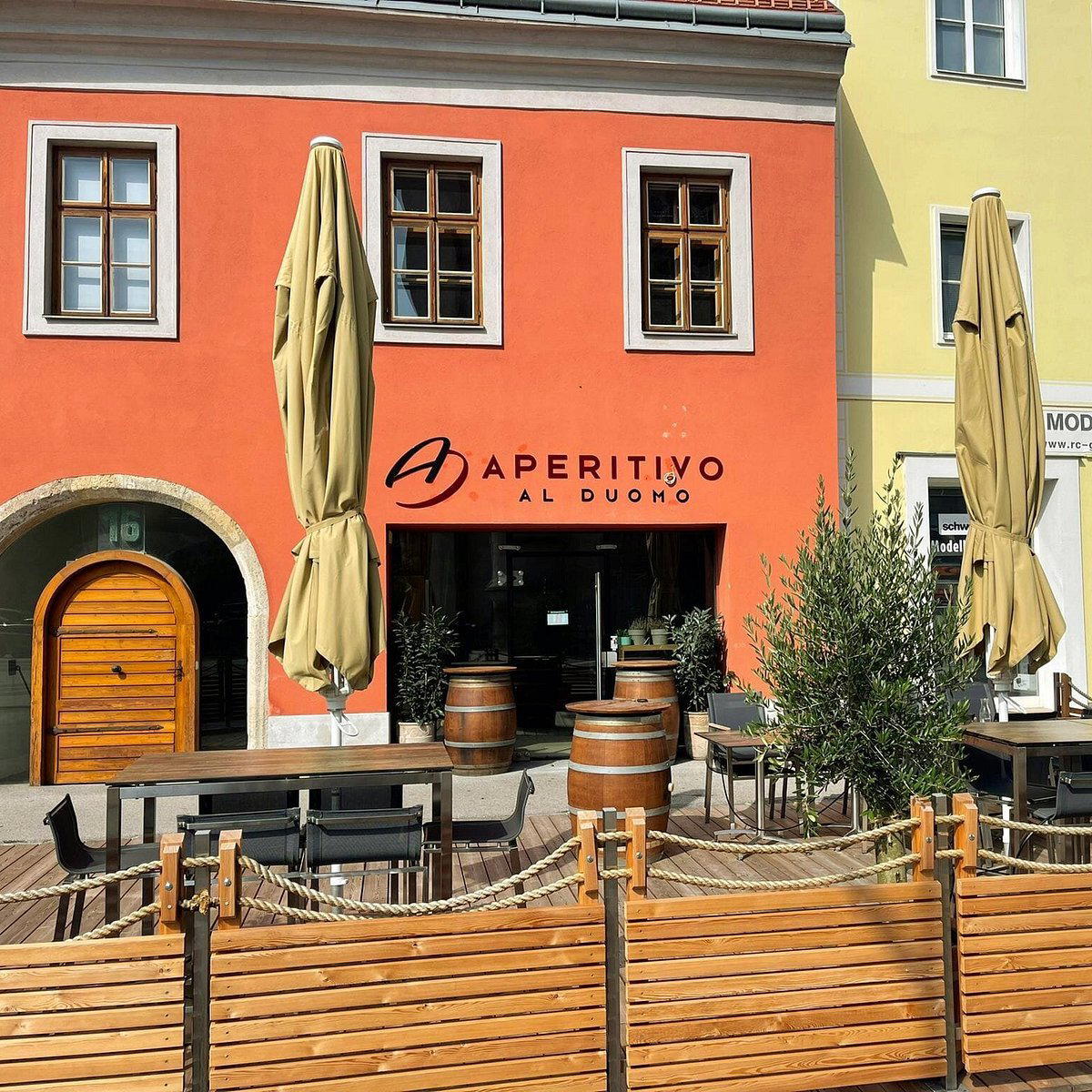

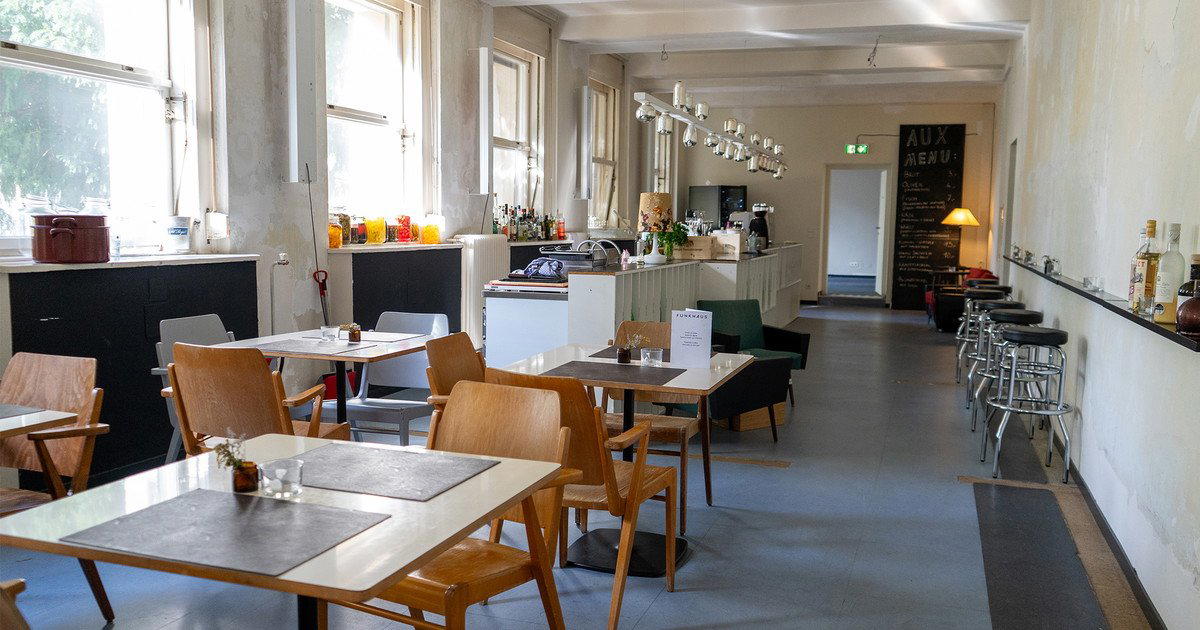
Restaurants in Großhöflein
Browse all →
![[aend] restaurant in Vienna](https://cdn.enprimeurclub.com/storage/v1/object/public/images/locations/recsVyRkMfzCxPmp0/hero2.jpg?width=3840&quality=75)
At a Glance
- Classic
- Elegant
- Quiet
- Sophisticated
- Rustic
- Solo Exploration
- Wine Education
- Special Occasion
- Group Outing
- Historic Building
- Estate Grounds
- Private Tasting
- Sustainable
- Vineyard
- Mountain
- Leithaberg
- Blaufränkisch
- Chardonnay
- Zweigelt
- Cabernet Sauvignon
- Sauvignon Blanc
- Still Red
- Still White
- Dessert
- Fortified
- Private Tasting
- Appointment Tasting
Classic, elegant, and tradition-focused, with an emphasis on historical vineyards, manual craftsmanship, and a refined tasting experience rooted in the Leitha Mountains terroir.