Altesino

Falstaff Winery - 4 Stars
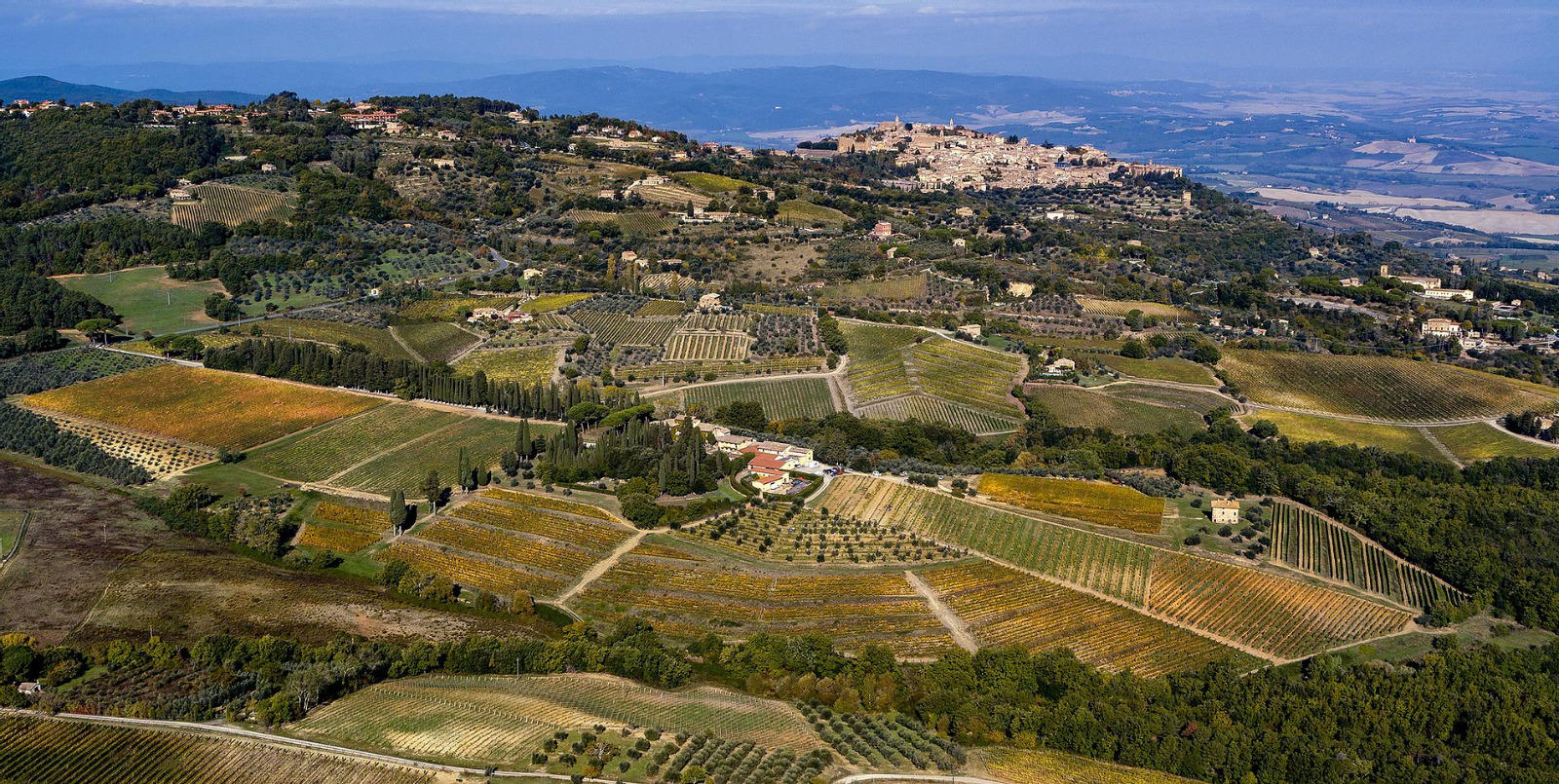
Altesino sits on the northern slope of Montalcino, where the cooler air and clay-rich soils produce Brunello of notable structure and longevity. For anyone mapping Montalcino's terroir from the ground up, it belongs on the itinerary.
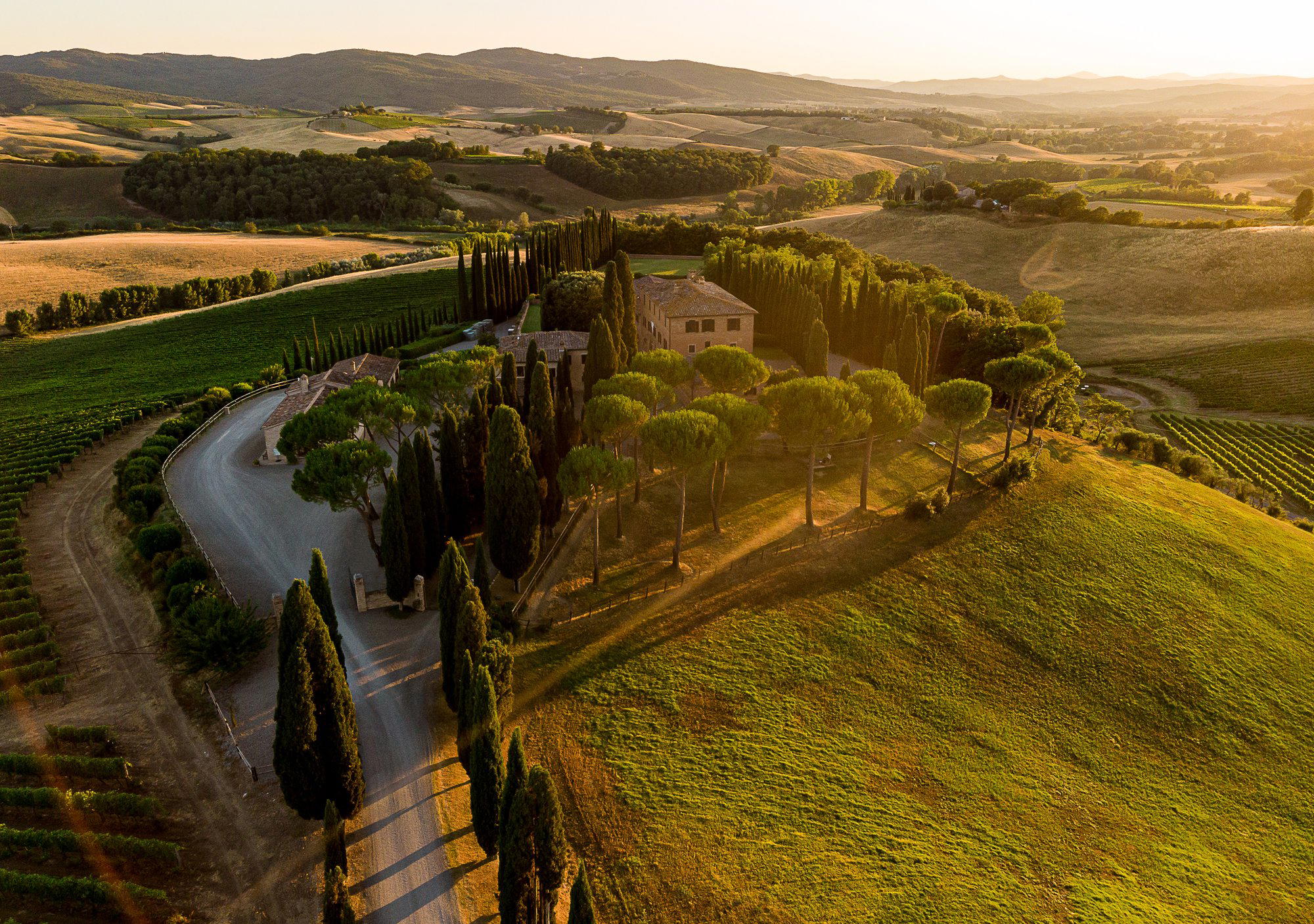
Where the North Slope Speaks First
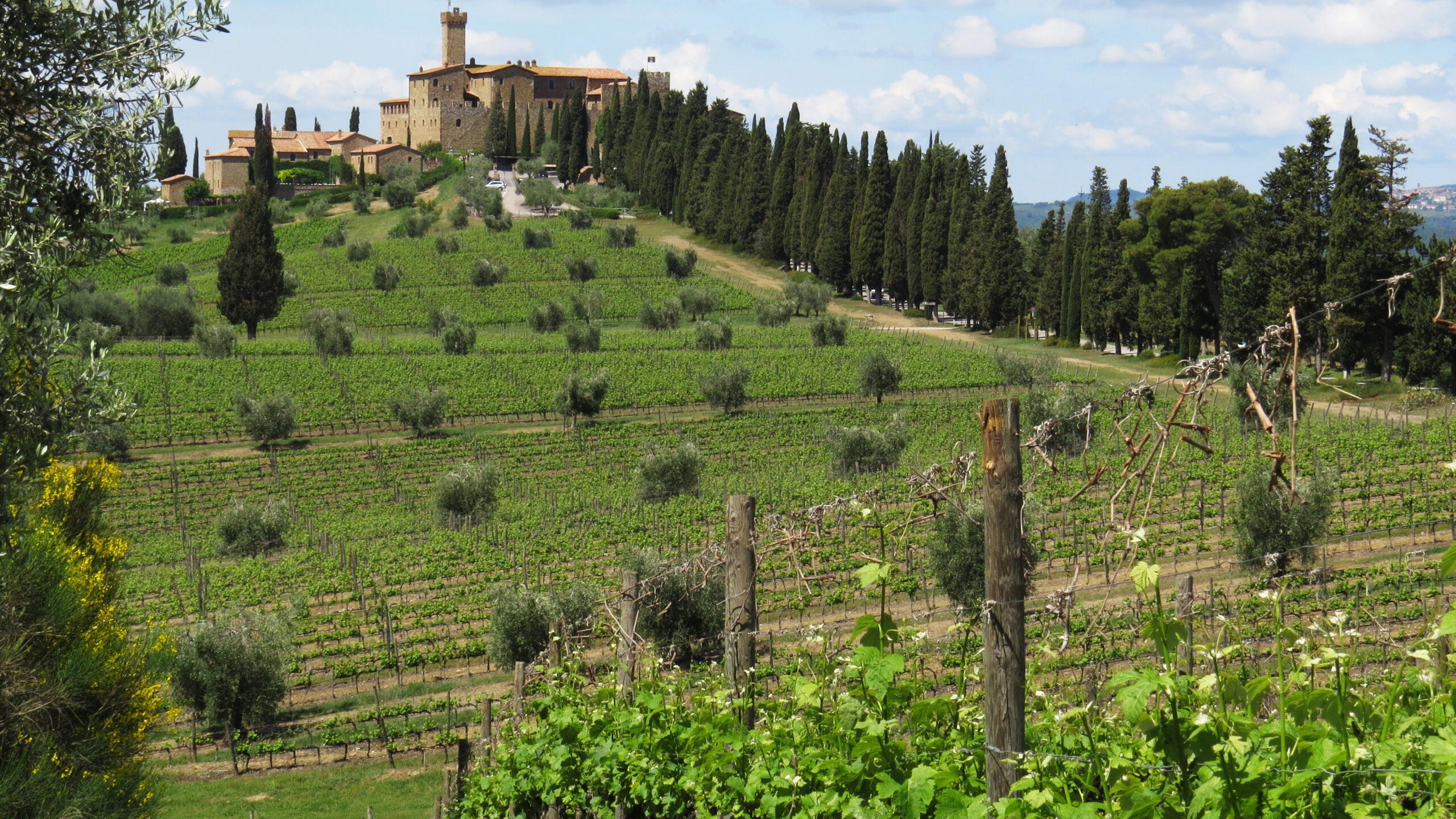
The road to Altesino climbs out of Montalcino's medieval center toward the estate at Località Altesino 54, and the landscape does most of the explaining before a single bottle is opened. The northern slopes of the hill produce a measurably different wine than the warmer southern flanks where estates like Il Poggione and L'Enoteca Banfi operate. Cooler average temperatures, higher rainfall, and a soil profile leaning toward clay and schist slow the ripening of Sangiovese Grosso, the Brunello clone, producing wines that carry more acidity, firmer tannins at release, and, in strong vintages, a trajectory measured in decades rather than years. That is the argument Altesino makes in every bottle.
Montalcino itself occupies a singular position in Italian wine. At roughly 500 metres above sea level in the Val d'Orcia in southern Tuscany, the hill creates its own microclimate, warm enough by day to ripen Sangiovese fully but cool enough at night to preserve the aromatic complexity and acid structure that make Brunello age-worthy at a level matched by few Italian appellations. Recognition at this tier implies consistent quality across vintages, not a single standout year.
Terroir as the Primary Argument
Italian wine criticism spent much of the 1990s and 2000s debating whether Brunello producers should soften the wine for earlier accessibility, a debate that divided the appellation into what were loosely called traditionalists and modernists. The northern slopes of Montalcino, where clay soils produce wines with pronounced tannin and refined acid in youth, were generally associated with the traditionalist position. Altesino's geography places it squarely in that argument. The wines require time, and the estate's positioning within the appellation reflects that.
Clay-dominated soils in northern Montalcino retain water better than the galestro and alberese that characterize warmer southern exposures. In dry years, that retention can be the difference between a complete wine and a stressed one. In cool years, it demands precise canopy management and harvest timing, since the already-slow ripening risks stalling. The soil structure also contributes to the tannin profile that is a signature of northern Montalcino Brunello: grippy at release, softening slowly over years in bottle, arriving at something complex and textured given adequate cellar time. This is the same general terroir logic that governs how Aldo Conterno in Monforte d'Alba approaches Barolo from specific crus, site first, style second.
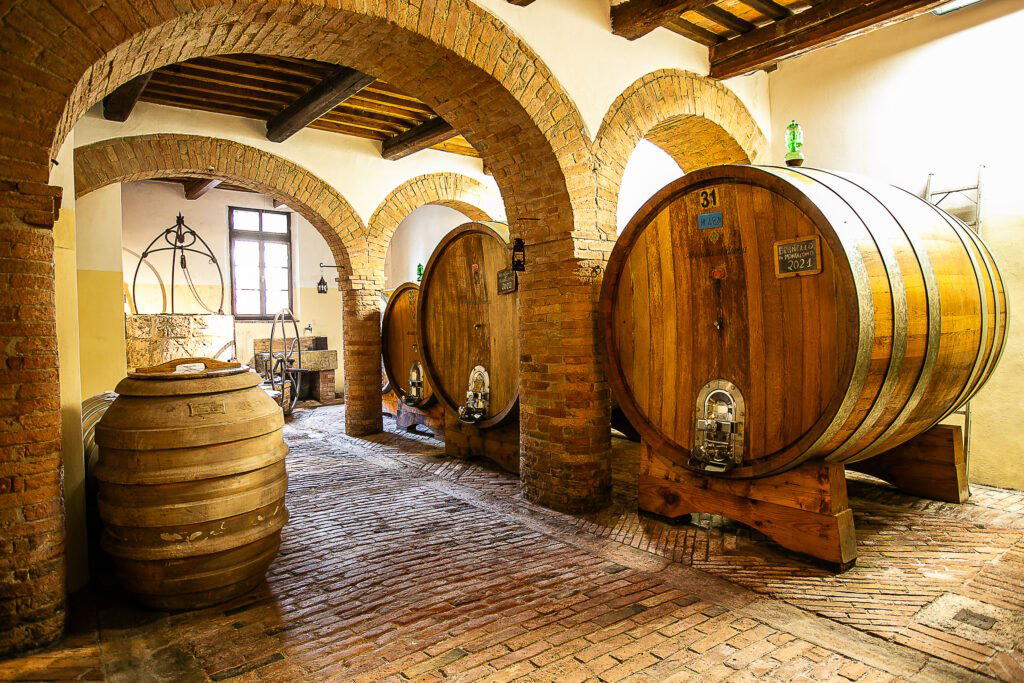
The DOCG rules for Brunello di Montalcino mandate a minimum of five years aging from harvest before release for standard Brunello (six for Riserva), including at least two years in oak and four months in bottle. Within those rules, producers on the northern slope tend to push toward the higher end of oak aging to manage the structural intensity their terroir produces. The result, when the vintage cooperates, is a wine built for the kind of long cellaring that makes Brunello one of the few Italian reds that competes directly with top-tier Barolo and aged Bordeaux on the secondary market.
Montalcino's Competitive Set in Context
Understanding where Altesino sits requires understanding how Montalcino's appellation has matured. The hill now hosts more than 250 producers, ranging from large merchant houses to single-hectare family estates. Quality signals have fragmented accordingly. Within the recognized upper tier, a handful of estates have established consistent reputations built on terroir specificity and vintage transparency rather than accessible winemaking interventions.
Argiano, operating in the southwest of the hill, represents one version of Montalcino ambition: a historic estate with a large footprint and a range spanning multiple classifications. Biondi-Santi Tenuta Greppo remains the appellation's founding reference, its Riserva the benchmark against which long-aged Brunello is measured.
This pattern of estates differentiating by subzone is increasingly how informed buyers approach Montalcino. The same logic applies across Italian wine: Castello di Volpaia in Radda in Chianti and Lungarotti in Torgiano both draw their identity from specific site characteristics rather than varietal branding. At estates like Altesino, the address is part of the wine's argument.
Visiting and Planning
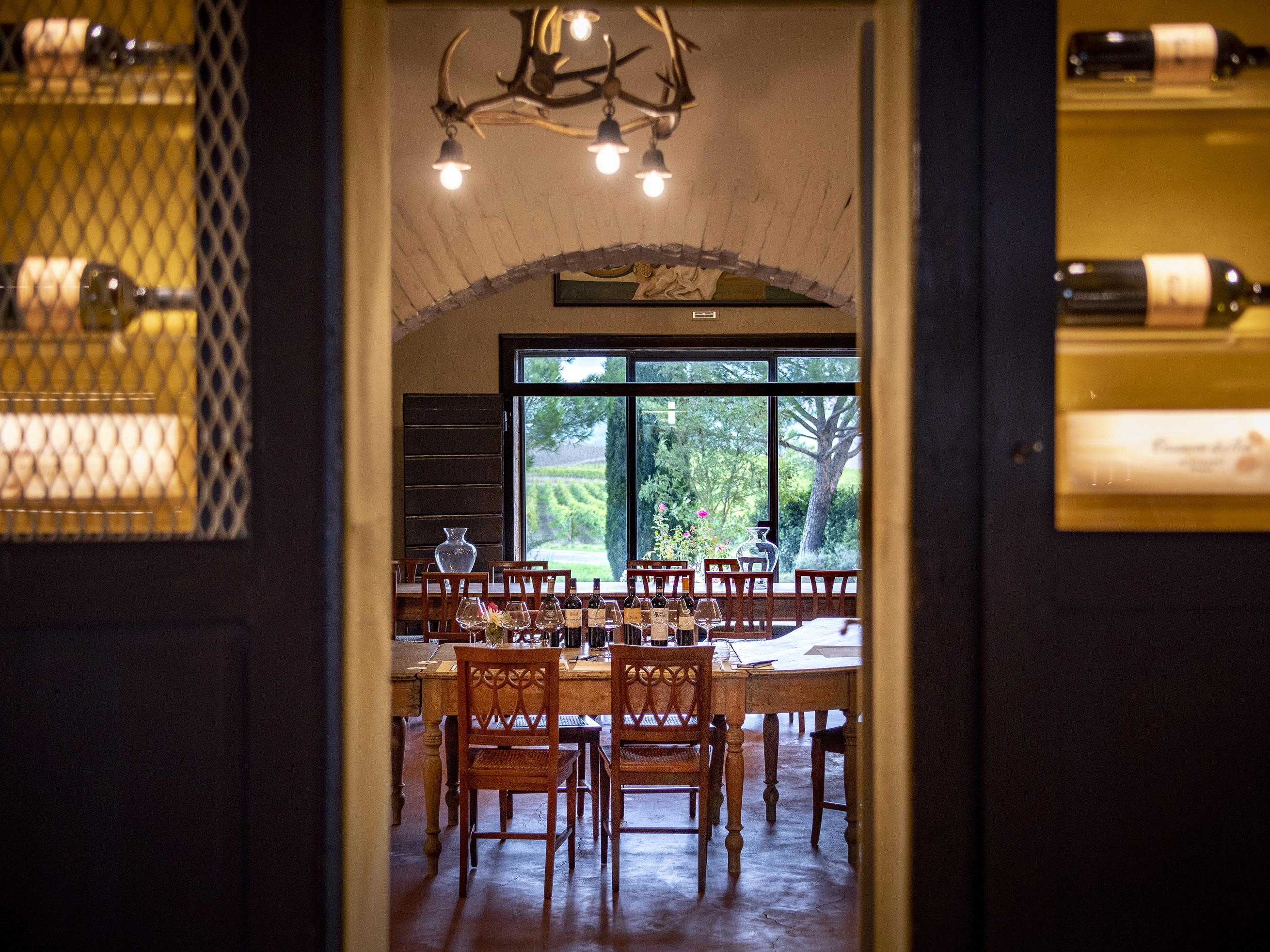
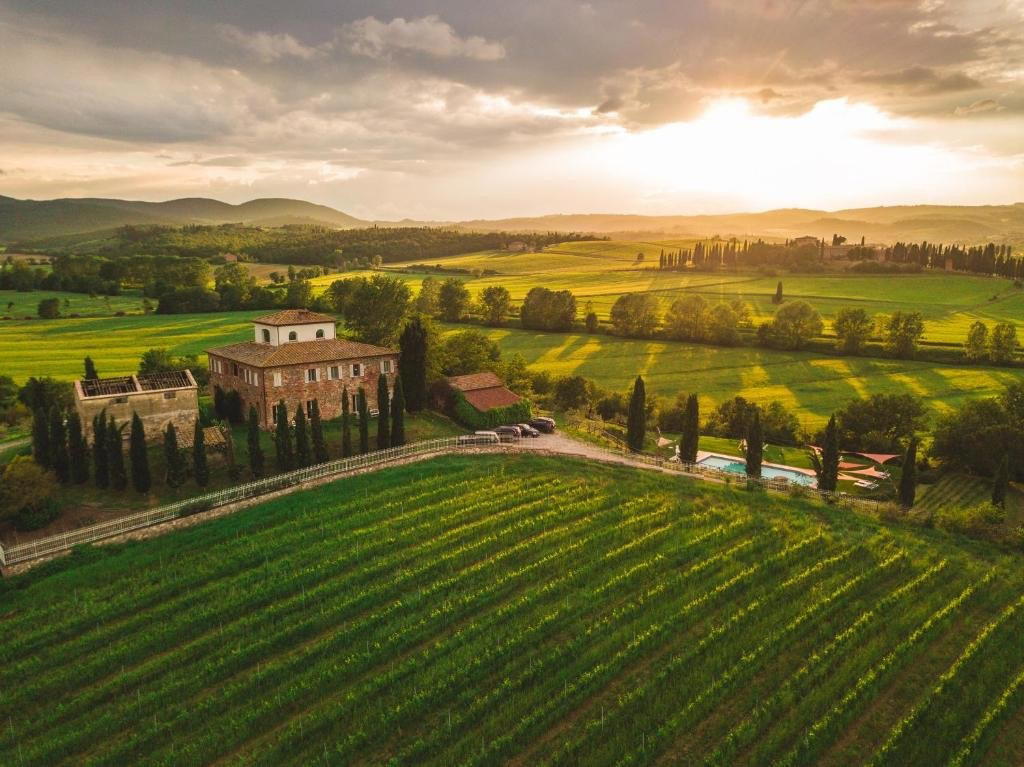
Altesino is located at Località Altesino 54, a short drive north of Montalcino's historic center. The estate sits in open farmland with vineyard views that give immediate physical context to what is in the glass. For visitors building an itinerary around the appellation, pairing Altesino with a southern-slope estate, Il Poggione or L'Enoteca Banfi, across a single day creates a direct comparison of how exposure and soil type shape the same grape. That kind of structured tasting is how the subzone argument moves from theory to sensory fact.
Because no phone number or booking portal appears in the estate's current public record, the most reliable approach is direct contact via email or an inquiry through the estate's official channels, ideally several weeks ahead for visits during the April-to-October high season. Brunello country draws serious wine tourism from spring through the October harvest; the hill is quieter from November through February, when cellar appointments can be easier to arrange and the landscape carries its own austere appeal. For a broader view of where Altesino sits in the appellation's visitor landscape, our full Montalcino guide maps the key estates by zone, style, and access.
Italy's premium wine estate visits occupy a different register from, say, the structured hospitality programs common at Ca' del Bosco in Erbusco or the visitor infrastructure associated with larger Napa houses like Accendo Cellars in St. Helena. Montalcino estates tend to prioritize direct engagement with the wine over hospitality production values. That means appointments are worth arranging in advance, and the quality of the conversation is usually proportional to how much the visitor brings to it.
Frequently asked questions
What's the address for Altesino?
Altesino is located at Località Altesino, 54, 53024 Montalcino (Siena), Italy, Montalcino.
What wines should I try at Altesino?
The north-slope position at Località Altesino 54 shapes a house style distinct from producers on warmer, southern-facing sites. Rosso di Montalcino, the appellation's earlier-drinking counterpart, typically offers a useful entry point into the estate's character before committing to a Brunello.
What's Altesino best at?
Altesino has built its reputation on site-driven Brunello rather than winemaking intervention, a position that became a minority stance during the 1990s-2000s debates over softening the grape for earlier accessibility. Among Montalcino's 250-plus producers, Altesino is consistently positioned in the tier that prioritizes terroir expression over commercial approachability.
How hard is it to get in to Altesino?
Altesino is a working agricultural estate at Località Altesino 54, north of Montalcino's historic center, which means visits are typically arranged in advance rather than walk-in. Contacting the estate directly before arrival is advisable, particularly during harvest season and peak summer months when producer schedules tighten across the appellation.
Comparable Spots, Quickly
Comparable venues nearby, for context on price, style, and recognition.
| Venue | Cuisine | Price | Awards | Notes |
|---|---|---|---|---|
| AltesinoThis venue (the venue you are viewing) | Sangiovese, Trebbiano Toscano | $50–100 | Falstaff Winery - 4 Stars | Not listed |
| L'Enoteca Banfi | Sangiovese, Sangiovese Grosso | $50–100 | Not listed | Montalcino |
| Cerbaiona | Sangiovese Grosso, Sangiovese | Not listed | Falstaff Winery - Listed | Cerbaia contrada |
| Valdicava Az Agr | Sangiovese | Not listed | Falstaff Winery - Listed | Montalcino |
| Il Poggione | Sangiovese | $50–100 | Falstaff Winery - 4 Stars | Sant'Angelo in Colle |
| Biondi-Santi Tenuta Greppo | Sangiovese | Not listed | Falstaff Winery - 5 Stars | Montalcino |
Recognition history
Dated appearances from independent guides and award organizations, with the underlying list record or original source where available.
Falstaff Winery - 4 Stars
Falstaff
Enquire about visiting Altesino or buying its wine
Visits to Altesino are usually kept for the estate's regular buyers and the wine trade. Tell us when you would like to go and a little about how you buy, and we put the request to the estate and reply to you by email. For buying, we source directly from the producer or from a licensed seller we know and vouch for, and tell you the route before you pay.
Continue exploring
More in Montalcino
Wineries in Montalcino
All wineries in Montalcino →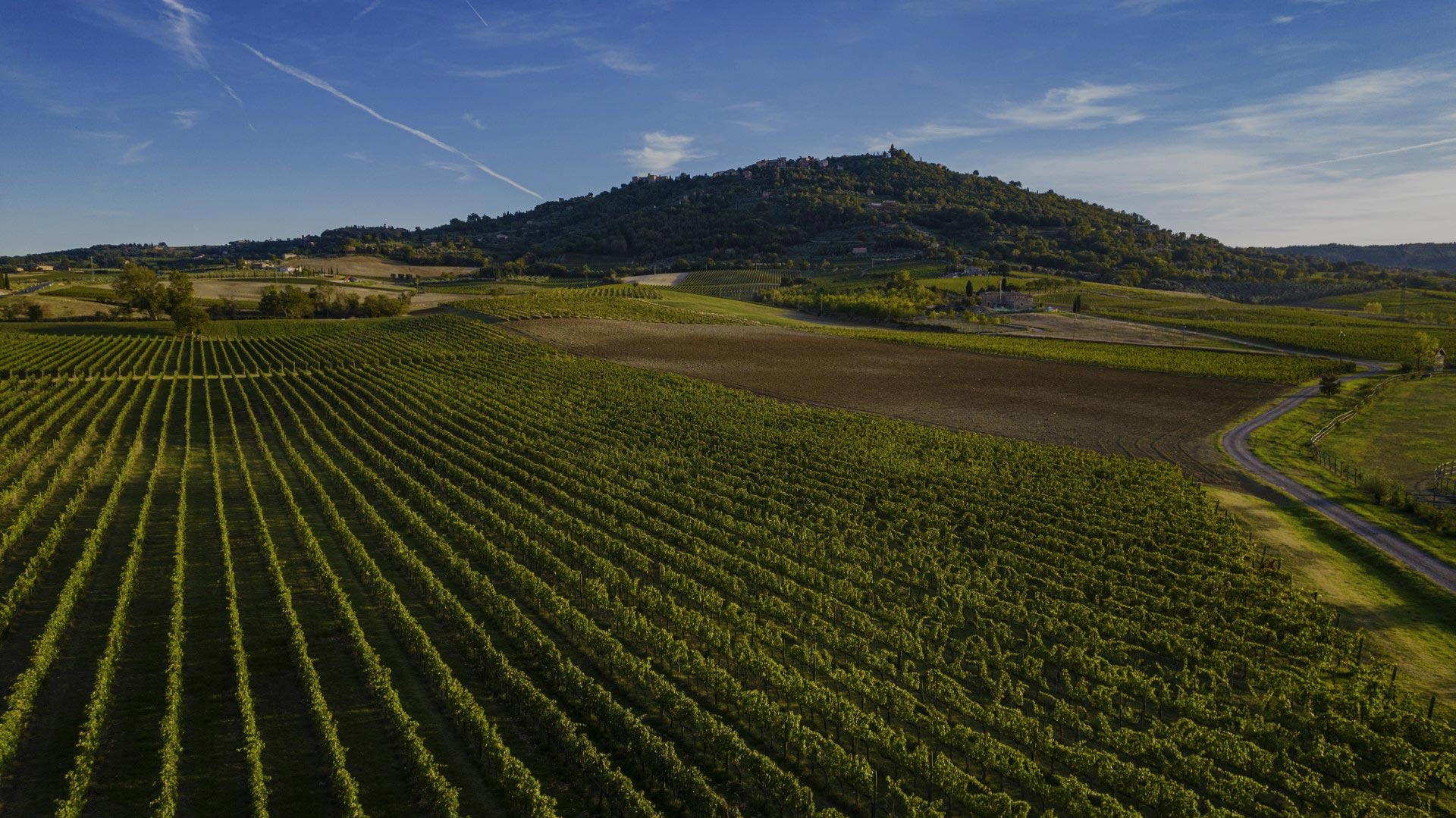
Bars in Montalcino
All bars in Montalcino →

Restaurants in Montalcino
All restaurants in Montalcino →
Details
- Rustic
- Elegant
- Historic
- Scenic
- Classic
- Wine Education
- Special Occasion
- Solo Exploration
- Vineyard Tour
- Historic Building
- Panoramic View
- Barrel Room
- Sustainable
- Vineyard
- Mountain
- Sangiovese
- Trebbiano Toscano
- Malvasia Toscana
- Cabernet Sauvignon
- Merlot
- Still Red
- Cave Tasting
- Private Tasting
- English
- Italian
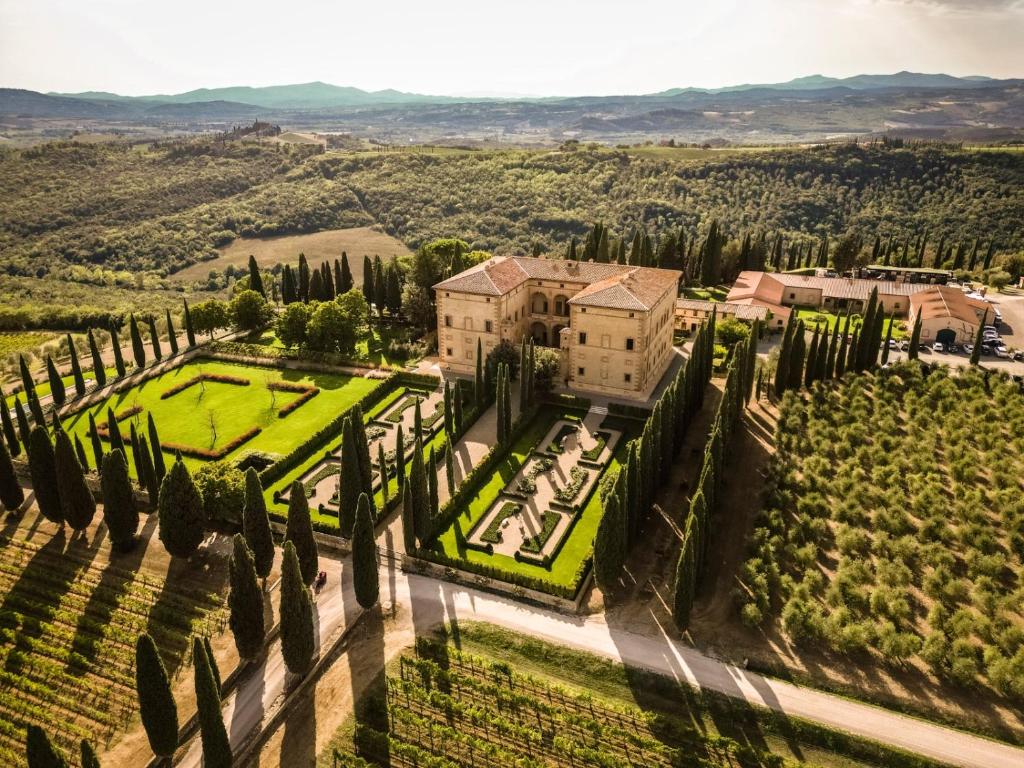
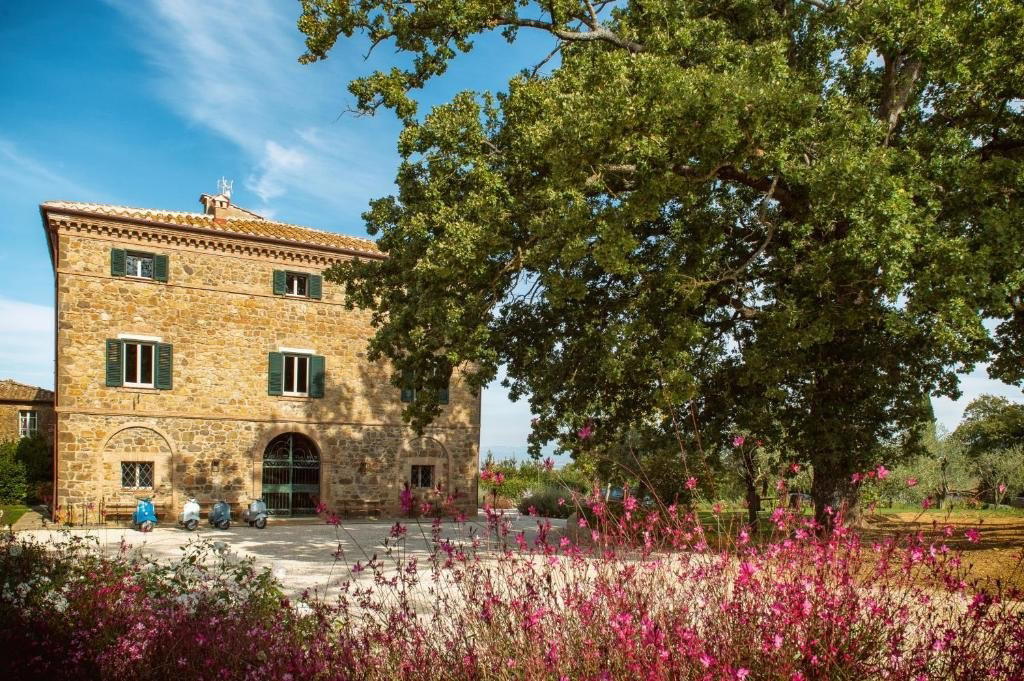
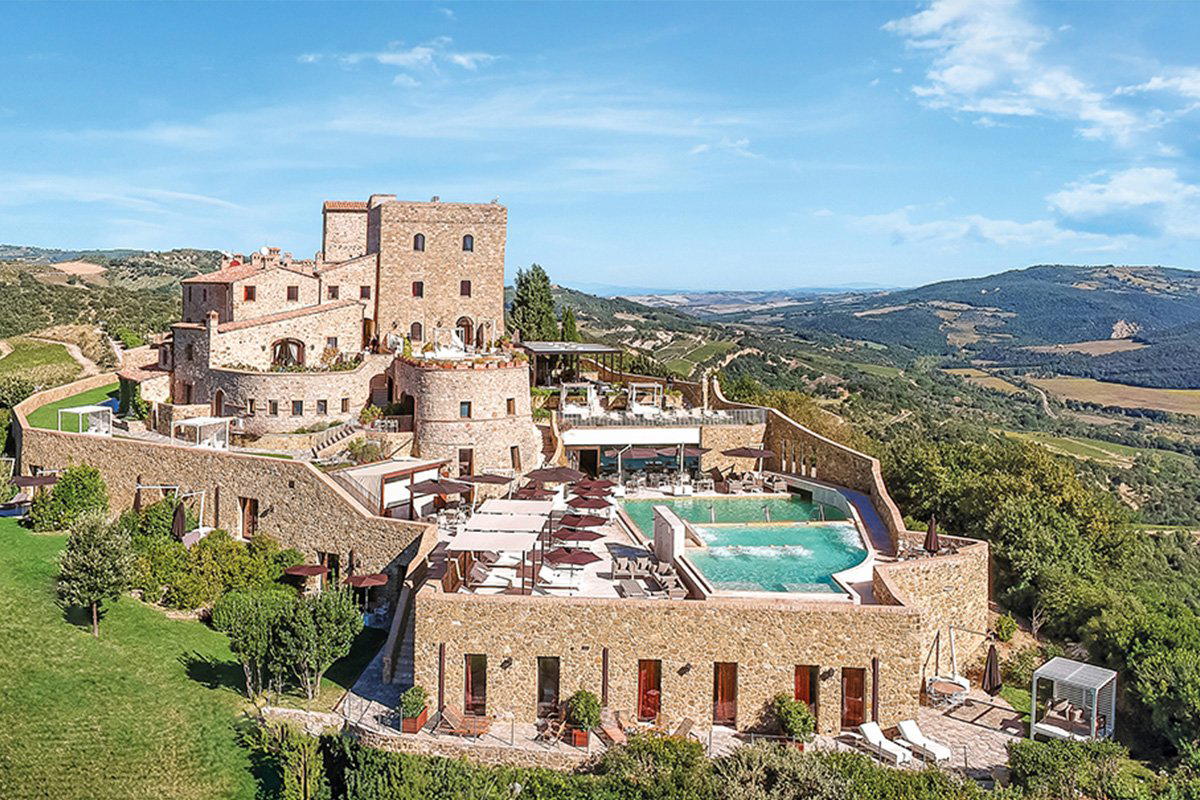
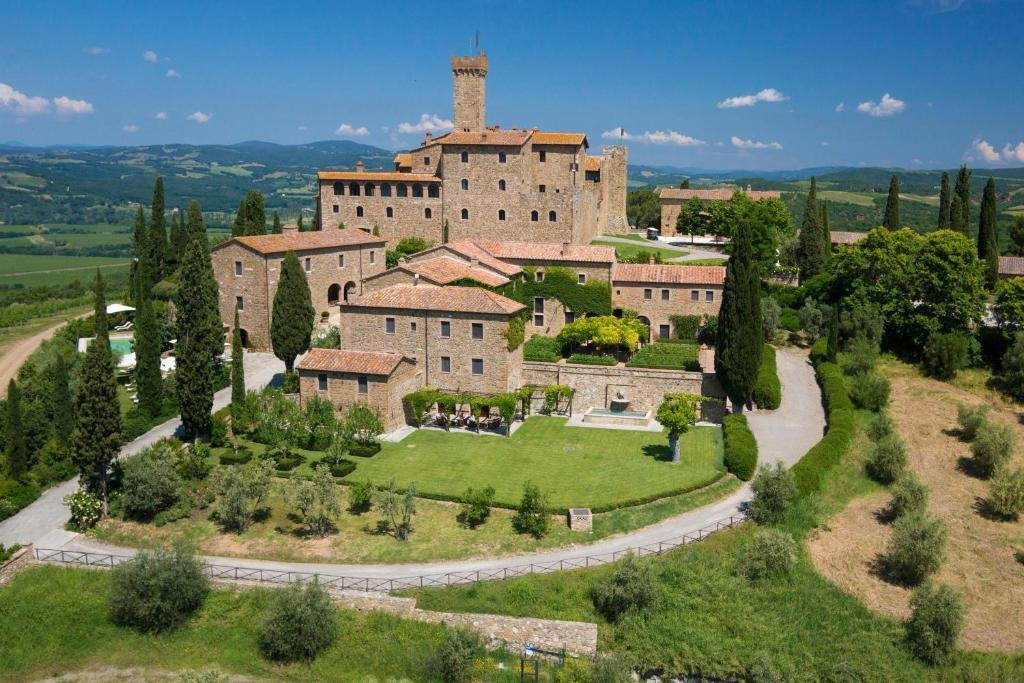
Elegant and refined historic palazzo atmosphere with charming ancient architecture and modern eco-sustainable cellars.