
The estate is among Germany's most closely watched addresses for Pinot Noir grown in red sandstone soils, a geological fact that separates Franconian expressions from the slatier profiles of the Mosel or the limestone-influenced Pfalz.
Pearl is the En Primeur Club membership app — saves, bookings, and concierge access live there. Same editors, same standards.
- Address
- Hohenlindenweg 46, 63927 Bürgstadt
- Phone
- +49 9371 8642
- Website
- weingut-rudolf-fuerst.de
- Directions
- Get directions
 Saves & bookings on Pearl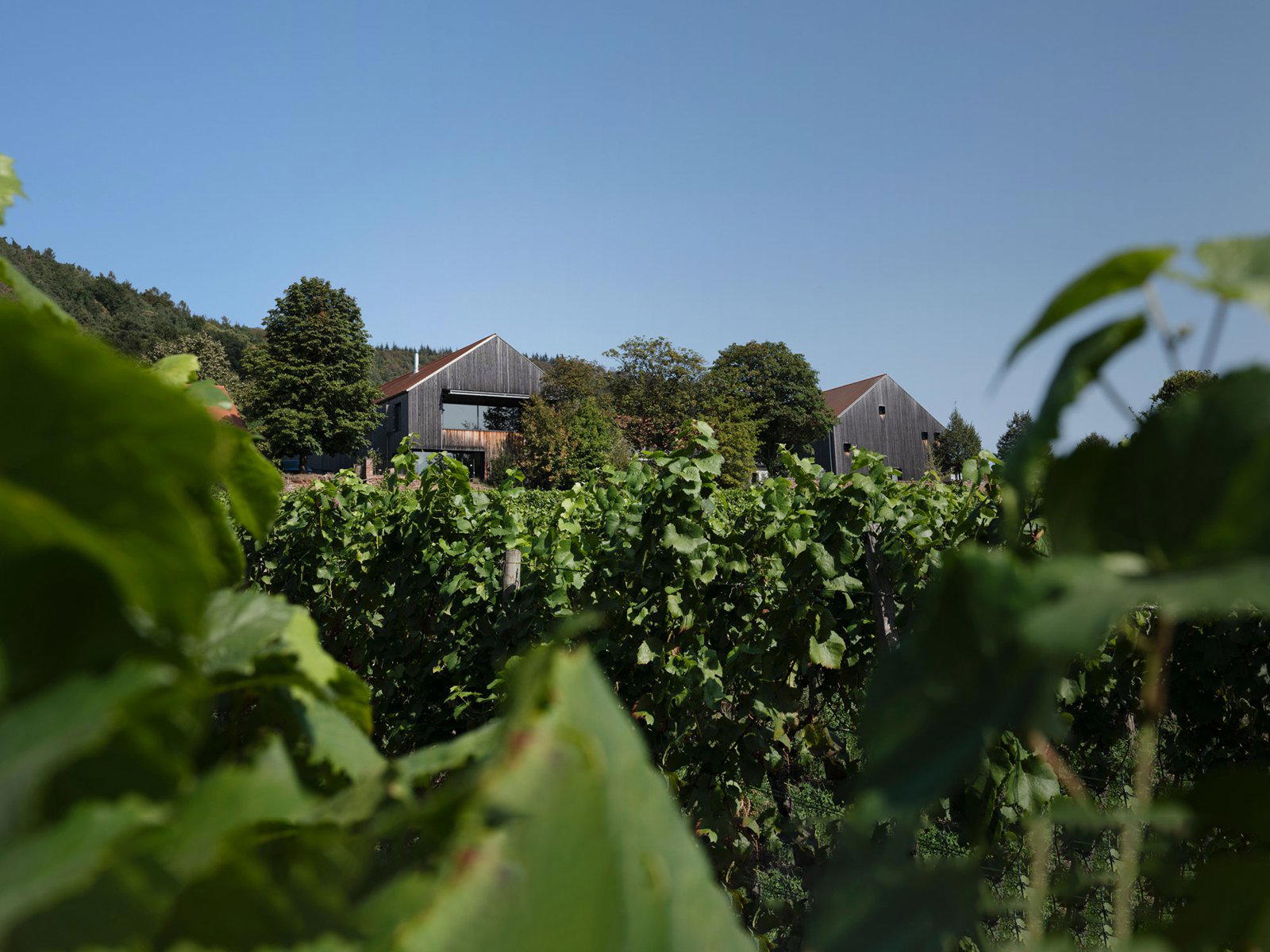
Red Sandstone Country
The Spessart hills above the Main river bend at Bürgstadt are composed largely of Buntsandstein, the red Triassic sandstone that gives Franconian Pinot Noir a character distinct from almost any other German growing region. Where Mosel Spätburgunder draws on grey slate and volcanic basalt, and Pfalz expressions lean on limestone and loam, the Bürgstadt terroir delivers wines with a particular mineral dryness, cooler-inflected red fruit, and a tannic architecture that signals the soil's low fertility and high drainage. Weingut Rudolf Fürst, located at Hohenlindenweg 46 in Bürgstadt, has become the reference point for understanding what that sandstone can produce at its most articulate.
Franconia is not the obvious answer when someone asks where Germany's most compelling Pinot Noir comes from. That conversation still defaults to Baden and the Ahr. But the argument for Bürgstadt rests on soil specificity rather than regional reputation, and Weingut Rudolf Fürst is the evidence most often cited in that argument. For visitors exploring Germany's wine geography with depth, Franconia belongs in the same itinerary as the Mosel estates like Weingut Fritz Haag in Brauneberg or Weingut Clemens Busch in Pünderich, though the comparison is geological rather than stylistic.
What the Terroir Produces
Red sandstone soils share a set of viticultural consequences: poor nutrient retention forces vines into deep root systems; low water-holding capacity stresses the plant in dry years; and the warm, heat-retaining surface properties of sandstone allow ripening in what is otherwise a relatively cool continental climate. For Spätburgunder, these conditions favour concentration without bulk, and acidity that persists through the ripening curve. The result, in a well-made vintage, is Pinot Noir with genuine structural tension rather than the softer, fruit-forward profiles produced on richer soils.
This soil story is what separates Bürgstadt from other German Pinot Noir addresses more definitively than any winemaking choice. Estates in the Pfalz working Spätburgunder, including Weingut A. Christmann in Neustadt an der Weinstraße or Weingut Dr. Bürklin-Wolf in Wachenheim an der Weinstraße, are working different geology with different outcomes. The sandstone of the Main bend is a specific and irreproducible input, and Weingut Rudolf Fürst's standing in German fine wine is partly an argument for paying attention to that specificity. The estate also produces white wines, Weissburgunder and Chardonnay among them, where the same sandstone mineral signature appears in a different register.
Where Fürst Sits in the German Wine Tier
Germany's premium wine producers occupy a more dispersed geography than France's appellation hierarchy implies. Recognition comes through the VDP classification system, through critical point scores in Gault Millau Wein and Falstaff, and through international awards programs. At the level below the leading handful of German estates, there is a group of producers whose wines trade on allocation, whose older vintages appear at auction, and whose reputation is sustained by critical consensus rather than marketing volume. The winery belongs to that group.
For context on where that places the estate among its German peers, consider the range of award-carrying producers across the country's wine regions. Rheingau estates like Kloster Eberbach in Eltville and Weingut Allendorf in Oestrich-Winkel operate in a region where Riesling defines the benchmark, while the Rheinhessen's Weingut Battenfeld-Spanier in Hohen-Sülzen and Nahe producers represent a different stylistic axis. Franconia's position is as the outlier region where the primary claim is terroir specificity and red wine credibility, not Riesling volume. Within that framing, the winery occupies the leading address in its sub-region.
The Württemberg and Baden estates that dominate German Pinot Noir conversation are larger in production and better known outside specialist circles. Bürgstadt competes not on volume but on distinctiveness of place, and Fürst's recognition confirms that this argument has traction at the highest critical levels.
The Estate and Its Approach to Bürgstadt
The address on the Hohenlindenweg sits above the town of Bürgstadt itself, placing the estate within its vineyard context. Visits to the winery are a specialist undertaking rather than a casual drop-in; Bürgstadt does not function as a mass wine tourism destination in the way that Rüdesheim or parts of the Mosel do. Estates like Weingut Georg Breuer in Rüdesheim am Rhein operate in a well-travelled corridor; Bürgstadt requires deliberate planning and a genuine interest in what the region offers. That relative quietness is part of what keeps the focus on the wine rather than the visitor experience infrastructure.
Franconia as a whole has a strong civic wine culture: the Weingut Bürgerspital zum Heiligen Geist in Würzburg represents the institutional side of the region, with historic charitable foundations underwriting estate operations. The winery represents the family-producer side, operating from a single commune with deep roots in the specific geology of the Bürgstadt Centgrafenberg vineyard, the estate's flagship site. Visitors approaching the estate for the first time should expect a working farm and winery environment rather than a designed hospitality operation.
Planning a Visit
Bürgstadt lies in the southern Spessart, roughly midway between Würzburg and Frankfurt along the Main valley. Reaching it by train is direct from either city, though a car is practical for combining a visit with other Franconian or Rheingau producers. Visitors should contact the winery directly before arriving. Tastings at this level of producer are typically by appointment. Harvest season in Franconia runs later than Burgundy given the continental climate, typically running from mid-September through October depending on the vintage, which is the period when the estate and its vineyards are at their most active.
For those building a German wine touring itinerary around the country's Spätburgunder addresses, combining Bürgstadt with the Mosel's leading estates, such as Weingut Grans-Fassian in Leiwen or Weingut Heymann-Löwenstein in Winningen, produces a genuinely instructive geological comparison. The Mosel's Riesling-first identity and the Franconian sandstone's red wine case are complementary arguments about how German terroir diversified beyond its post-war Riesling monoculture.
A Quick Peer Check
Comparable venues nearby, for context on price, style, and recognition.
| Venue | Cuisine | Price | Notes |
|---|---|---|---|
| Weingut Rudolf FürstThis venue — the venue you are viewing | Spätburgunder, Riesling | $$$ | Not listed |
| Sekthaus Raumland | Pinot Noir, Chardonnay | $$$ | Flörsheim-Dalsheim |
| Kloster Eberbach | Riesling, Pinot Noir | $$$ | Eltville am Rhein |
| Weingut Weedenborn | Sauvignon Blanc, Chardonnay | $$$ | Monzernheim |
| Weingut August Kesseler | Pinot Noir, Riesling | $$$ | Assmannshausen |
| Evening Land Vineyards | Winery | Not listed | Salem |
Recognition history
Dated appearances from independent guides and award organizations, with the underlying list record or original source where available.
Falstaff Winery - 5 Stars
Falstaff
Continue exploring
More in Bürgstadt
Wineries in Bürgstadt
Browse all →
Bars in Bürgstadt
Browse all →
Restaurants in Bürgstadt
Browse all →
At a Glance
- Rustic
- Scenic
- Elegant
- Classic
- Wine Education
- Solo Exploration
- Special Occasion
- Vineyard Tour
- Estate Grounds
- Sustainable
- Vineyard
- Franken
- Spätburgunder
- Riesling
- Frühburgunder
- Weißburgunder
- Chardonnay
- Silvaner
- Still Red
- Still White
- Sparkling
- Estate Tasting
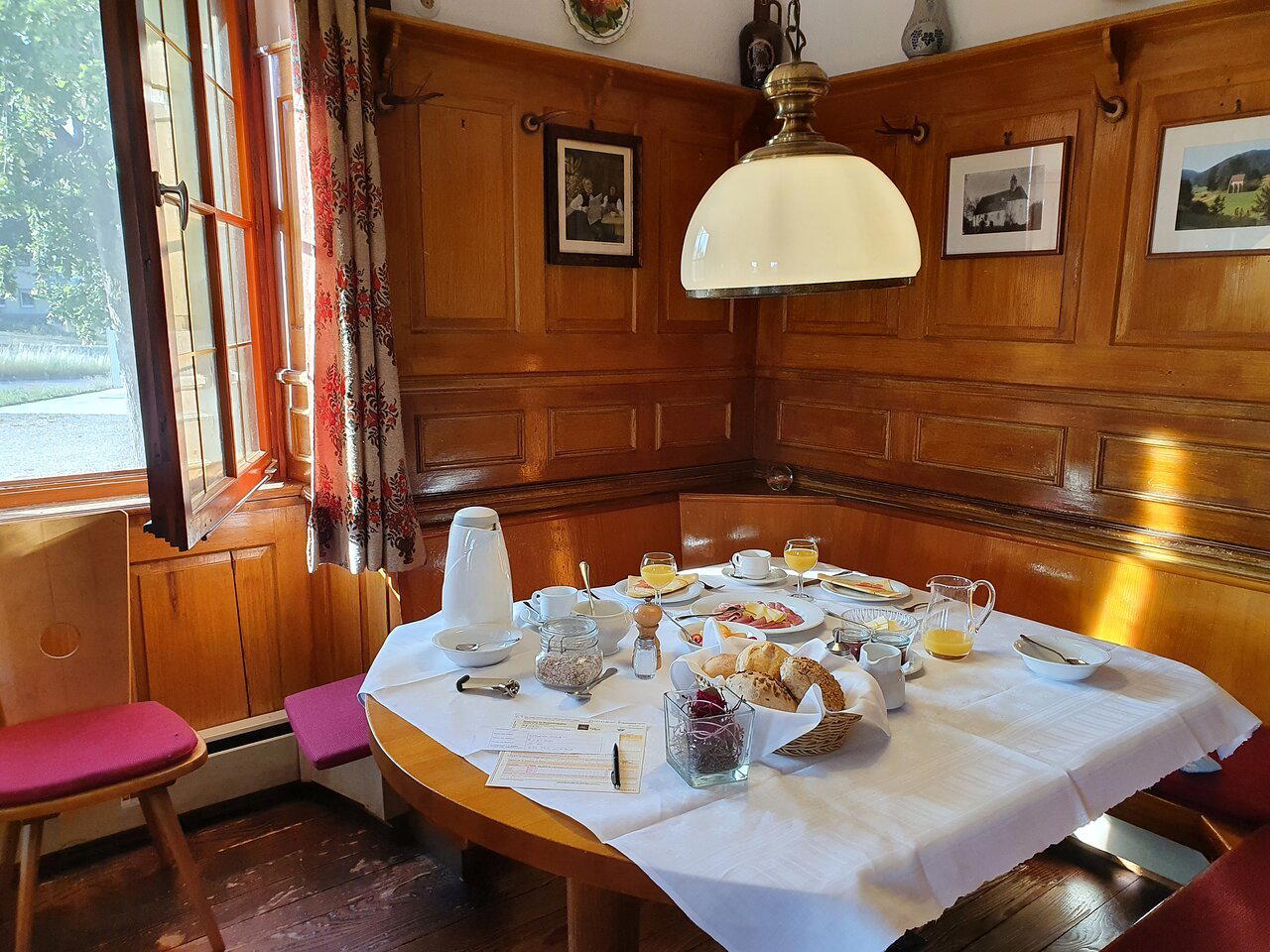
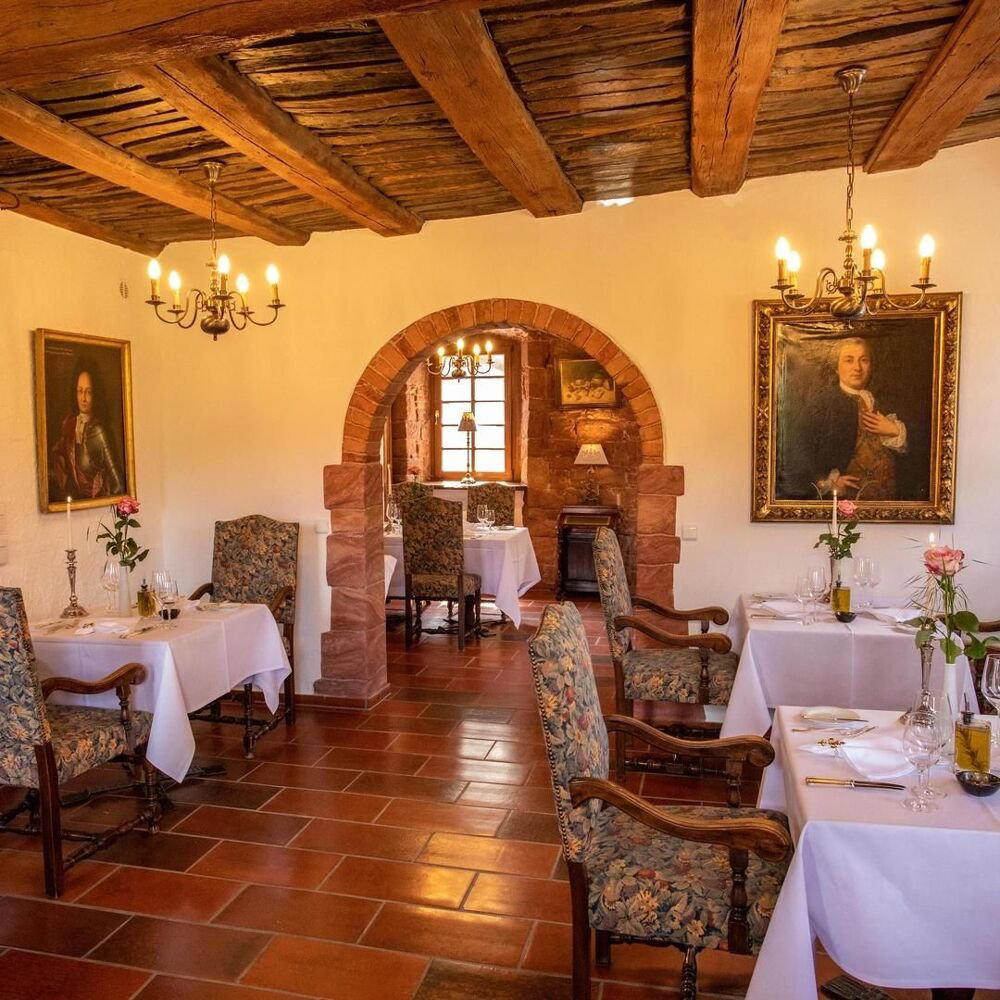
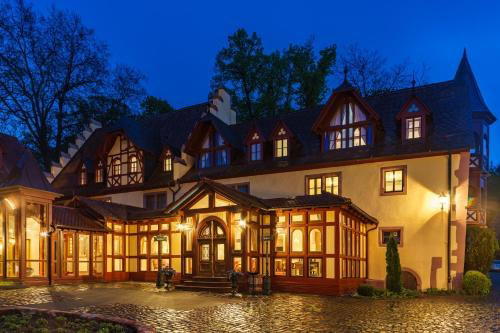
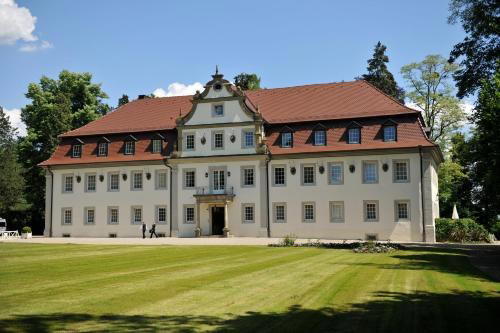
Intimate family-run winery set in vineyards with a classic, rustic elegance focused on terroir-driven wines.