

World's 50 Best #40 · Falstaff Winery - Listed
Among Santorini's organic producers, Estate Argyros earns its place at the top of the conversation through vines that in some cases predate the modern Greek state.

Pearl is the En Primeur Club membership app — saves, bookings, and concierge access live there. Same editors, same standards.
- Address
- Episkopi Gonias 847 00
- Phone
- +30 2286 031489
- Website
- estateargyros.com
- Directions
- Get directions
The Vine Age Question
In most of the wine world, vine age is a marketing claim that requires scrutiny. On Santorini, it is a geological and historical fact. The island's isolation and its inhospitable pumice-and-ash soils meant that the phylloxera louse, which devastated European vineyards from the 1860s onward, never established a foothold. As a result, ungrafted pre-phylloxera vines survived here when they did not survive almost anywhere else in Europe. Estate Argyros holds a significant portion of those survivors, with some vines exceeding two centuries in age.
Old vines do not automatically make better wine, but they do make different wine. Root systems that have spent generations pushing through volcanic tephra and ash into deeper mineral layers produce fruit in small quantities with an intensity and structural complexity that younger vines cannot replicate. For Assyrtiko, Santorini's dominant white grape, those mineral channels translate directly into the saline, high-acid character that has made the variety increasingly sought by sommeliers working at serious wine programmes across Europe and North America. Estate Argyros has access to that raw material at a depth that few producers on the island, and fewer still anywhere else, can match. Among the island's producers, Artemis Karamolegos Winery and Boutari Winery (Santorini) each work with old-vine material, but the concentration of two-century stock at Argyros places it in a distinct tier within the island's peer group.
Organic Farming in a Volcanic Context
Santorini's volcanic soils create unusual conditions for organic viticulture. The natural sulphur content of the island's geological base provides some built-in protection against fungal disease, and the desiccating wind reduces the humidity that enables botrytis and mildew to spread. These are not advantages that viticulturalists in Burgundy or Bordeaux enjoy to the same degree, and they make organic certification a more achievable and more authentic commitment on the island than it might appear on the label of a producer working in a wetter, more disease-prone region.
Estate Argyros operates as an organic producer, which in this context means working with the volcanic terroir rather than against it, avoiding synthetic inputs that would alter the mineral expression the old vines have spent generations developing. The estate's farming is aligned with what serious organic producers elsewhere in Greece are pursuing: see Alpha Estate in Amyntaio or Acra Winery in Nemea for mainland operations working similar commitments in very different terroir contexts. On Santorini, the volcanic soil is itself an argument for leaving the land as undisturbed as possible. Synthetic intervention in a system this ancient and this specific would work against the estate's primary asset.
The kouloura training system reinforces this philosophy. The basket form was developed on Santorini not as an aesthetic choice but as a practical response to the Meltemi winds that can reach damaging speeds during summer. The vines grow low and circular, enclosing the grape clusters within a protected microenvironment. It requires considerable manual labour to maintain and harvest, which is a cost that organic production compounds. That labour intensity is part of what makes the estate's vine stock commercially significant: it is not scalable in the industrial sense, and that inimitability is what gives the old-vine wines their market position.
Assyrtiko and Vinsanto: The Two Reference Points
Santorini's wine identity runs through two expressions of its agricultural tradition. The first is dry Assyrtiko, the white wine that has carried the island's name into international fine wine conversation over the past two decades. High acidity, pronounced minerality, and citrus-to-stone-fruit character define the variety, and Estate Argyros produces versions across a range of vine ages and site selections. The old-vine material produces fruit at low yields with concentration that positions the leading expressions against serious dry whites from anywhere in the Mediterranean. SantoWines, the island's large cooperative, offers a useful reference point for understanding where volume-tier Assyrtiko sits; Argyros operates several price points above that baseline.
The second reference point is Vinsanto, the island's traditional sweet wine made from sun-dried Assyrtiko and Aidani grapes. Unlike Vin Santo in Tuscany, Santorini's version carries a legally protected designation tied specifically to the island and its traditional production method. Extended barrel ageing produces a wine with considerable oxidative character, concentrated sweetness offset by the variety's natural acid, and a longevity that well-cellared examples demonstrate over decades. Greece's broader dessert wine history runs through producers like Achaia Clauss in Patras, whose Mavrodaphne occupies a different stylistic category, but Vinsanto's combination of site-specific raw material and long ageing has no close parallel elsewhere in the country. Estate Argyros produces Vinsanto at the premium end of the island's output for this style.
Where Argyros Sits in the Santorini Producer Landscape
Santorini's winery scene divides roughly between tourist-oriented operations near the caldera and production-serious estates further inland. The caldera-edge producers — some of which offer the sunset views that drive Instagram traffic — function partly as hospitality venues and partly as wine producers. The inland estates function primarily as wine producers. Estate Argyros belongs clearly to the latter group, though it receives visitors. Its peer comparison is with the island's other production-focused operations: Koutsoyannopoulos Winery, which also operates from the island's interior, and Canava Santorini Distillery (1974), which represents a different arm of the island's fermentation tradition. Greece's wine regions more broadly have seen increased international attention, with producers from Xanthi, such as Anatolikos Vineyards, and from Macedonia, such as Akrathos Newlands Winery in Panagia, drawing interest for native varieties. Argyros's position within that broader Greek wine story rests specifically on terroir age and volcanic mineral expression that no other Greek region replicates.
For reference points outside Greece entirely, the vine-age argument at Argyros invites comparison with how collectors and critics approach old-vine material in the Rhône, in Barossa, or in parts of South Africa. In those contexts, the premium for pre-phylloxera or near-pre-phylloxera material is well established. Santorini's case is arguably more direct because the history is better documented and the terroir more severe. Abraam's Vineyards in Komninades and Aiolos Winery in Palaio Faliro represent Greek producers working in very different soil and climate contexts; the contrast underlines how specific and unrepeatable the Santorini volcanic condition is. Visitors with a car will find the estate accessible from the main island road, though the address sits in a part of Santorini less trafficked by the resort circuit. The focus here is on the wines and on the vineyard environment rather than on hospitality infrastructure, which means visits reward those arriving with intent. For context on how the estate fits into Santorini's broader food and drink scene, the EP Club Santorini guide maps the full range of the island's restaurants and producers. Visitors interested in comparing Greek wine traditions across regions may also find value in considering Accendo Cellars in St. Helena as a counterpoint: a New World estate where vine age is measured in decades rather than centuries, a gap that clarifies precisely what makes Santorini's volcanic record so consequential.
Recognition Snapshot
Comparable venues nearby, for context on price, style, and recognition.
| Venue | Cuisine | Price | Awards | Notes |
|---|---|---|---|---|
| Estate ArgyrosThis venue — the venue you are viewing | Assyrtiko, Aidani | $20–30 | World's 50 Best #40 · Falstaff Winery - Listed | Not listed |
| Koutsoyannopoulos Winery | Assyrtiko, Aidani | $10–20 | Falstaff Winery - Listed | Vothonas |
| Boutari Winery (Santorini) | Assyrtiko | Not listed | Not listed | Megalochori |
| Venetsanos Winery | Assyrtiko, Nykteri | $30–50 | Falstaff Winery - Listed | Megalochori |
| SantoWines (Santorini Coop) | Assyrtiko, Athiri | $10–20 | Falstaff Winery - Listed | Pyrgos |
Recognition history
Dated appearances from independent guides and award organizations, with the underlying list record or original source where available.
World's 50 Best Vineyards #40
World's 50 Best
Falstaff Winery - Listed
Falstaff
Continue exploring
More in Santorini
Wineries in Santorini
Browse all →

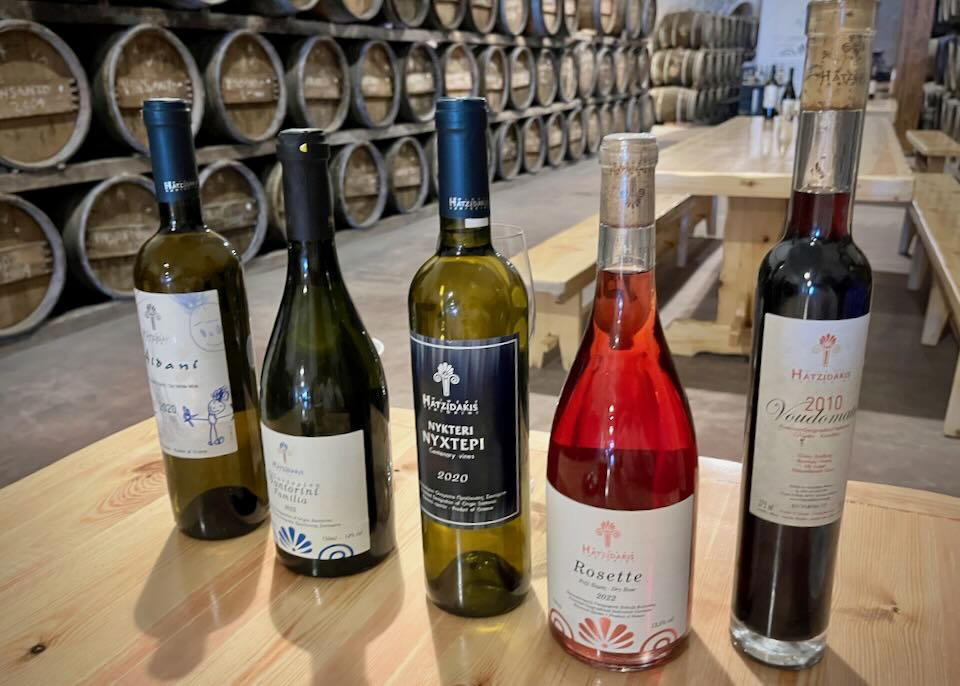
Bars in Santorini
Browse all →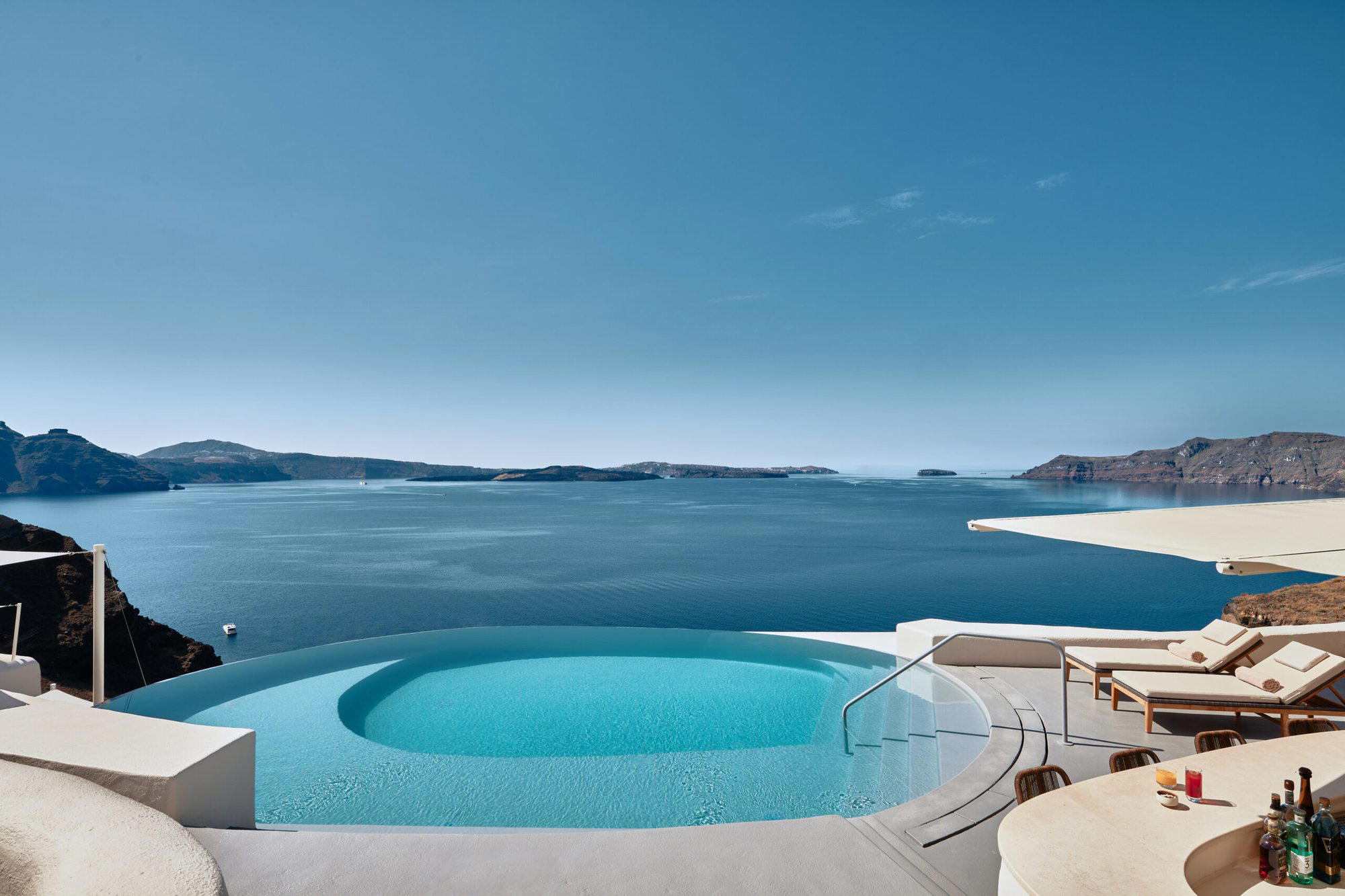
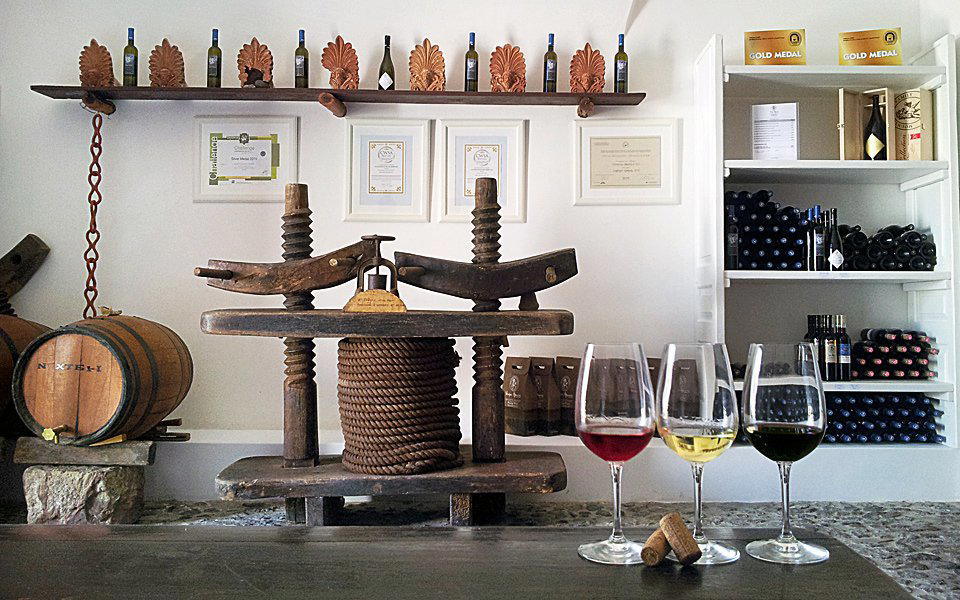
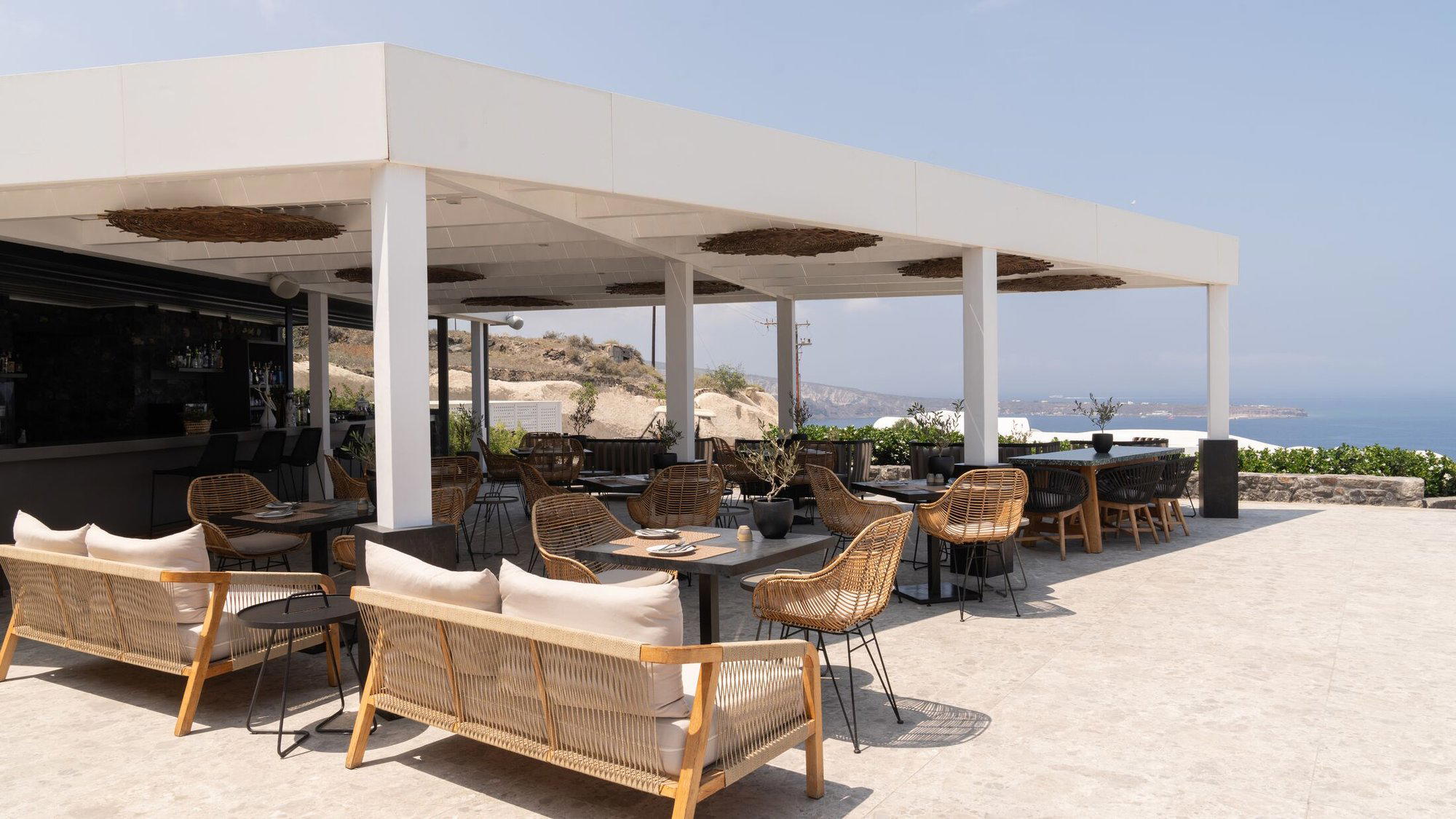
Restaurants in Santorini
Browse all →
Details
- Scenic
- Elegant
- Rustic
- Modern
- Wine Education
- Special Occasion
- Solo Exploration
- Vineyard Tour
- Estate Grounds
- Panoramic View
- Terrace
- Organic
- Vineyard
- Assyrtiko
- Aidani
- Athiri
- Mavrotragano
- Still White
- Dessert
- Tutored Tasting
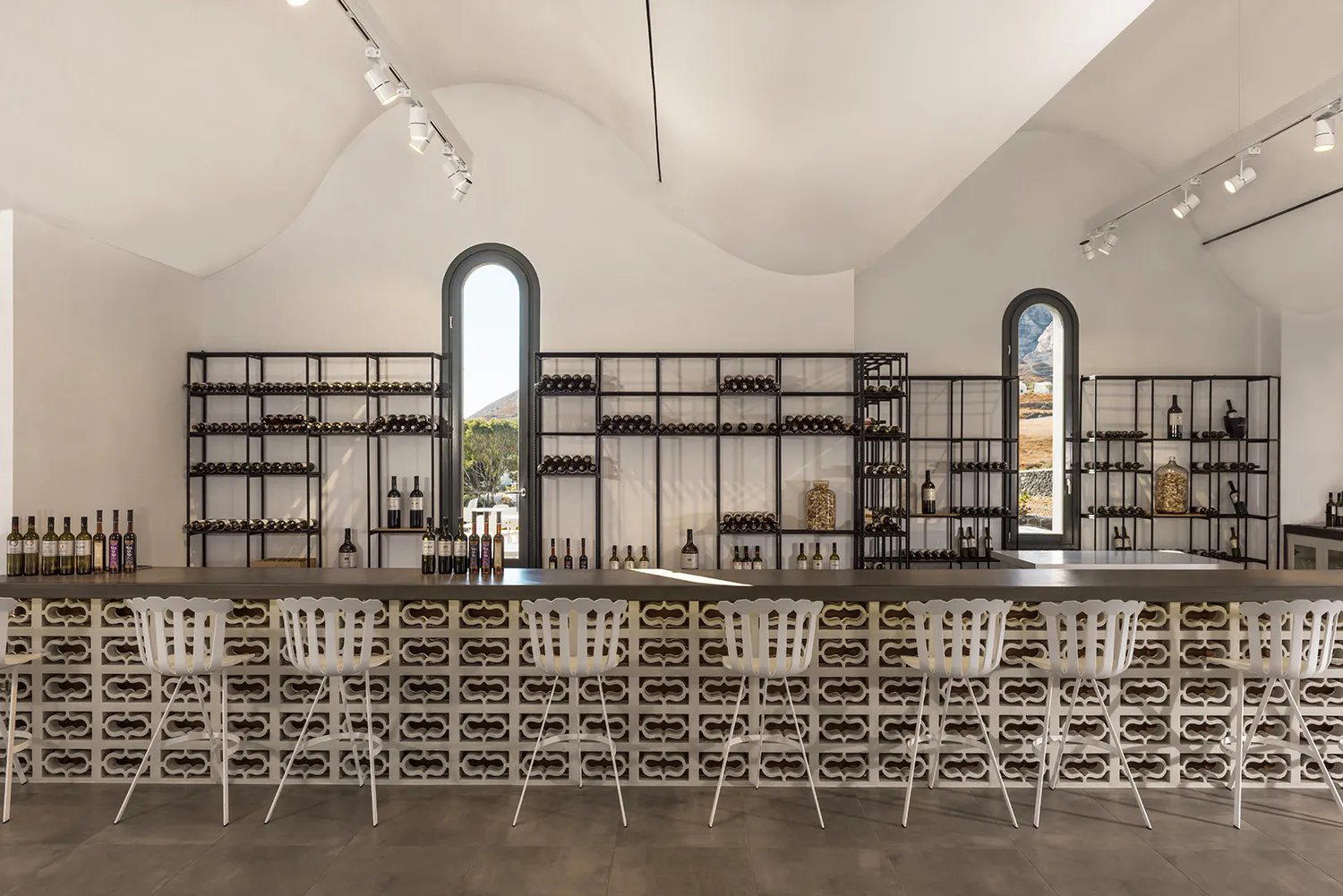
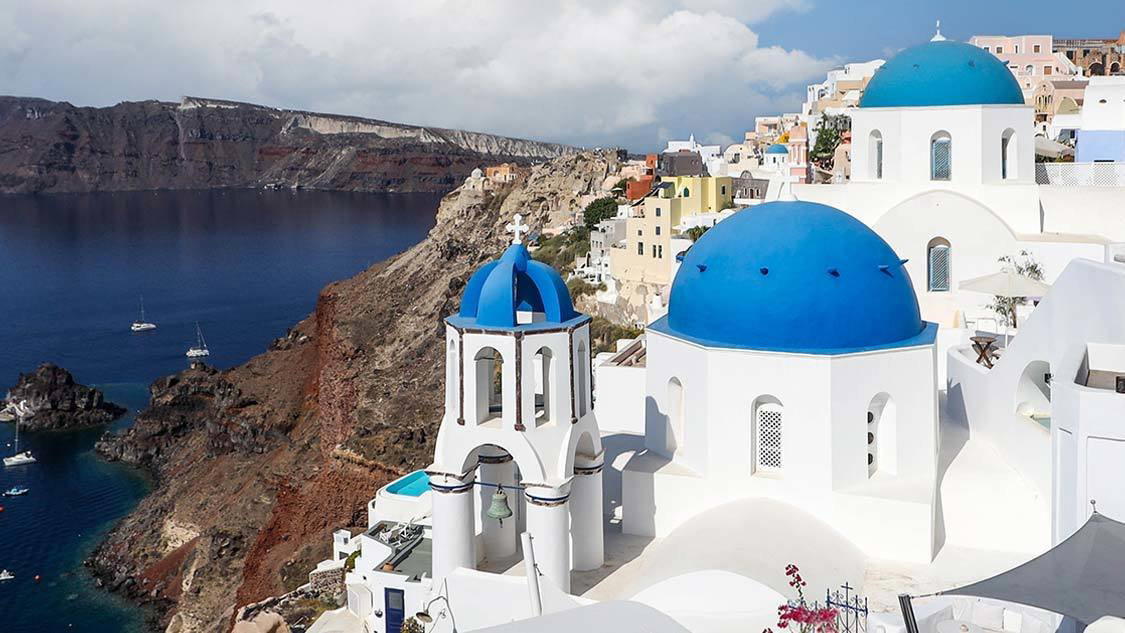
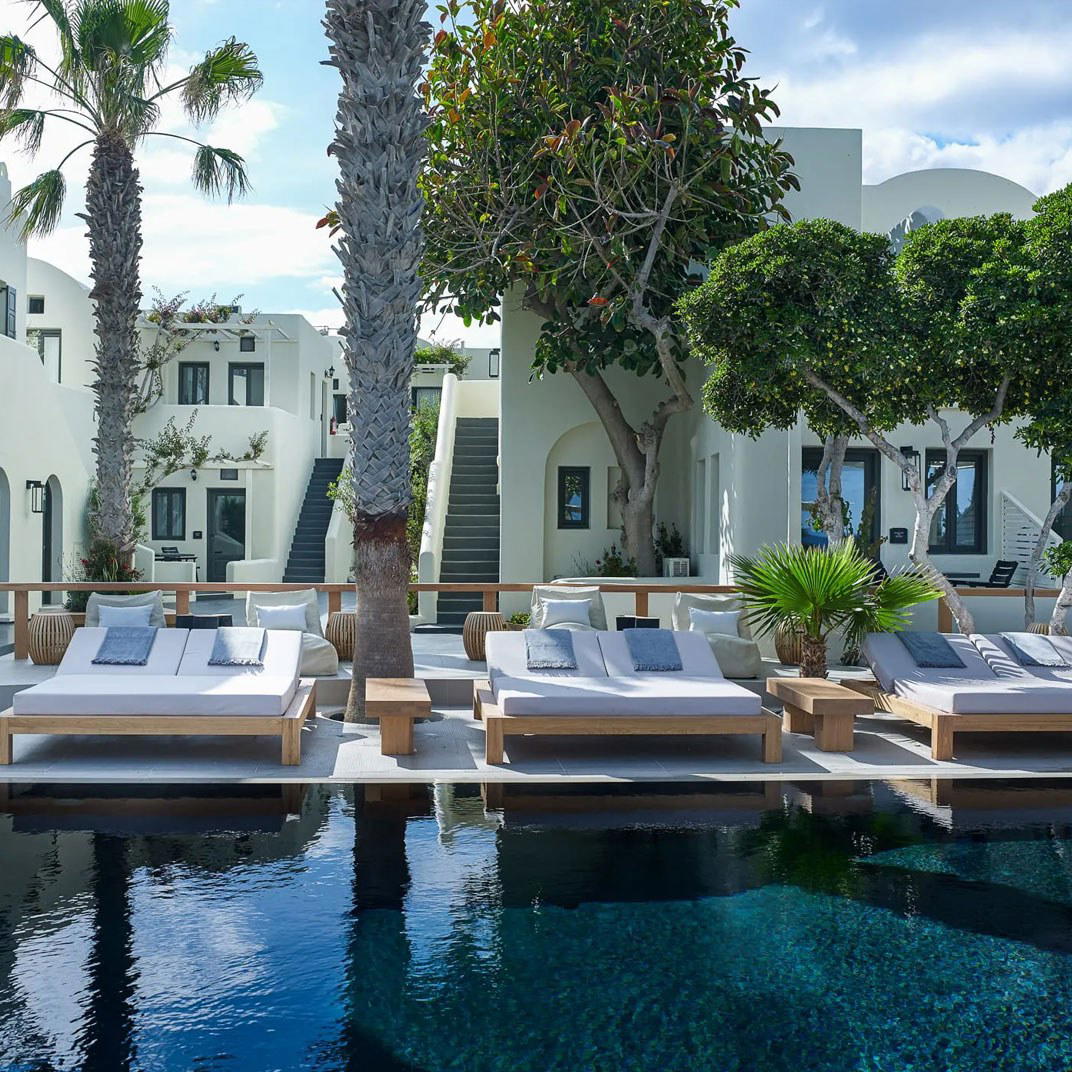
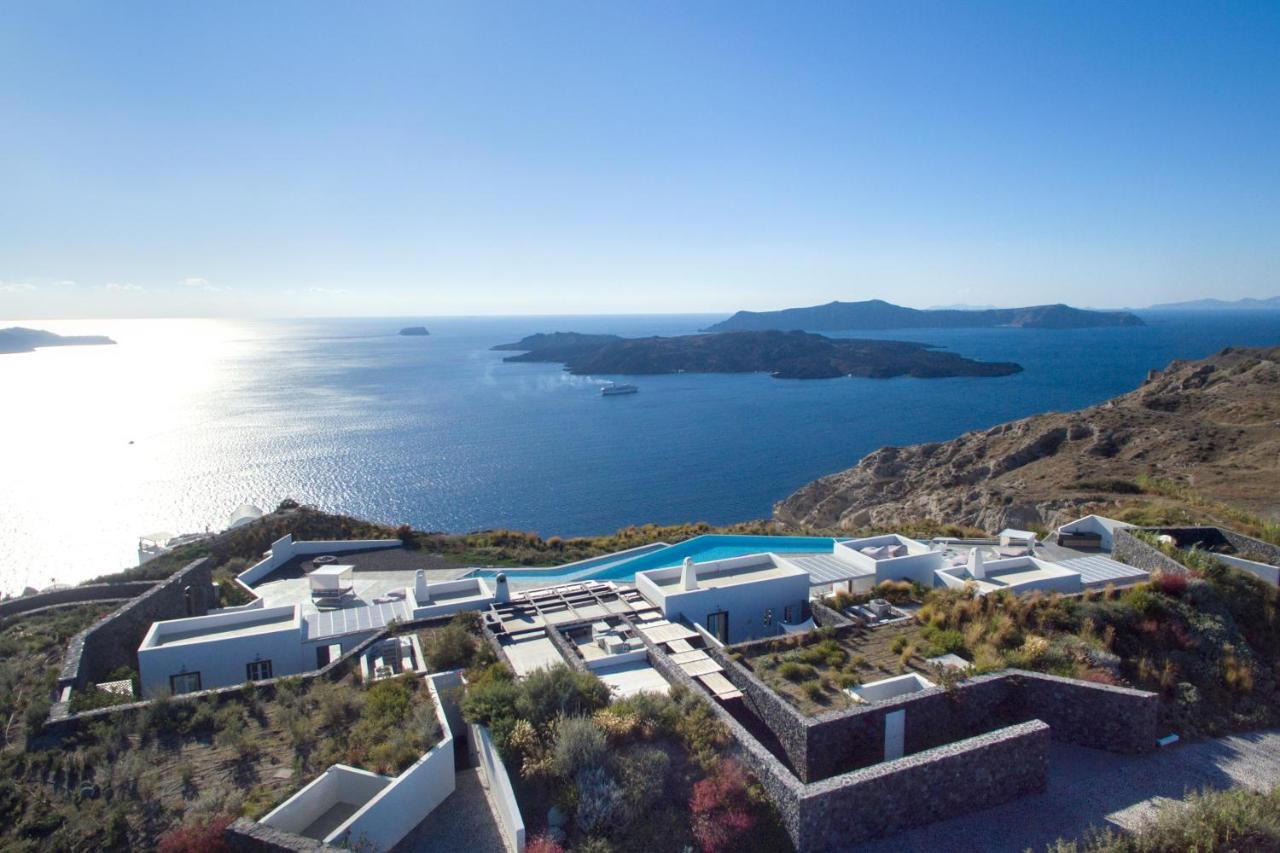
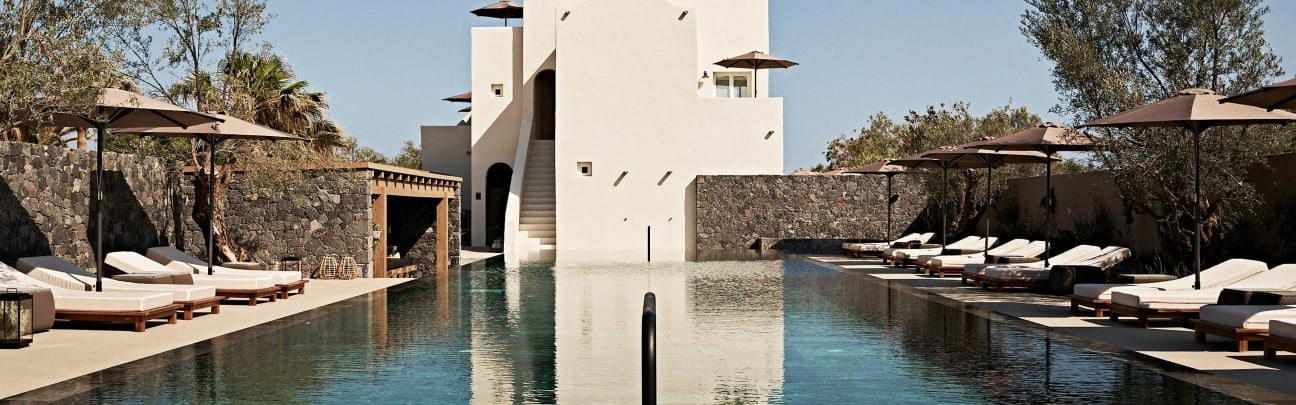
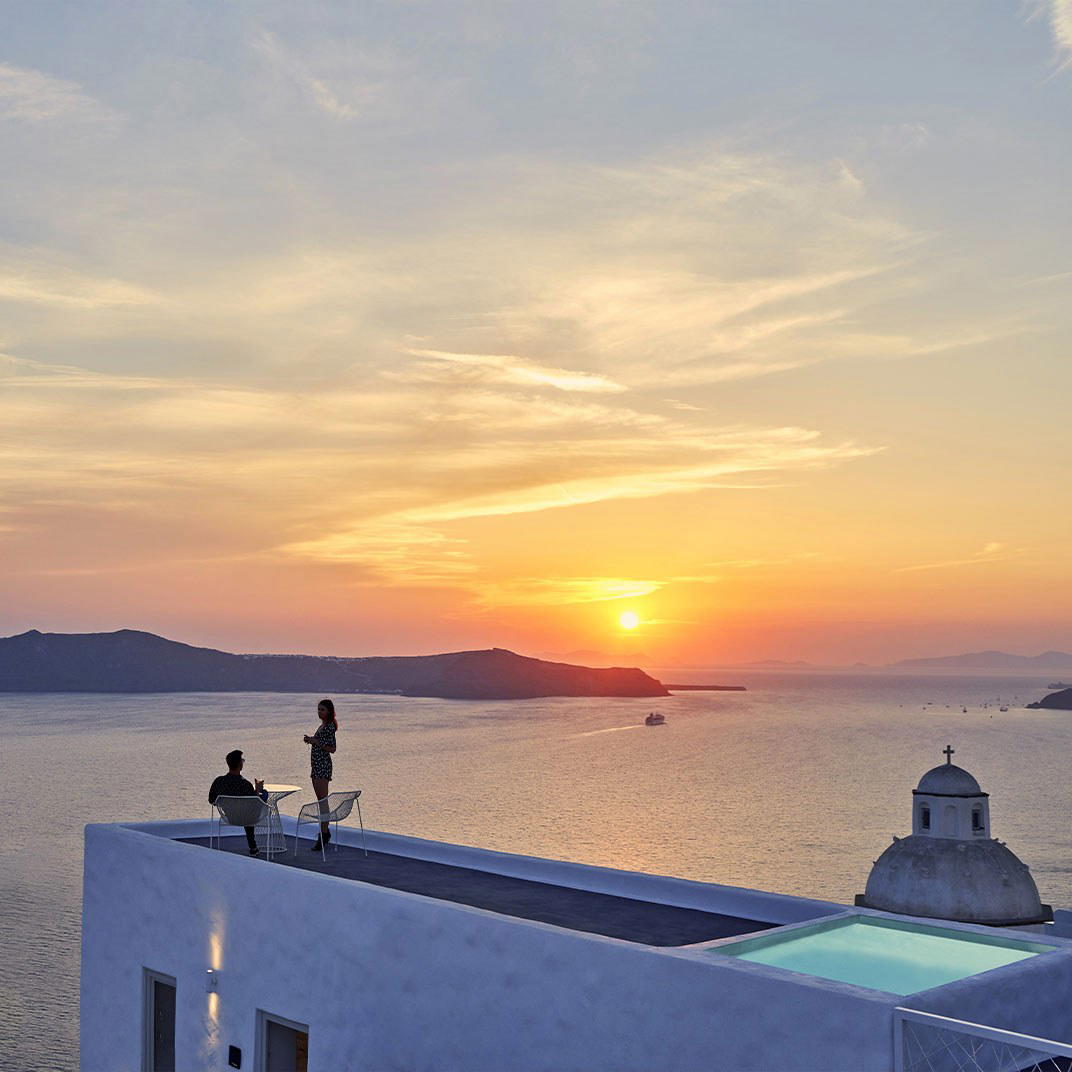
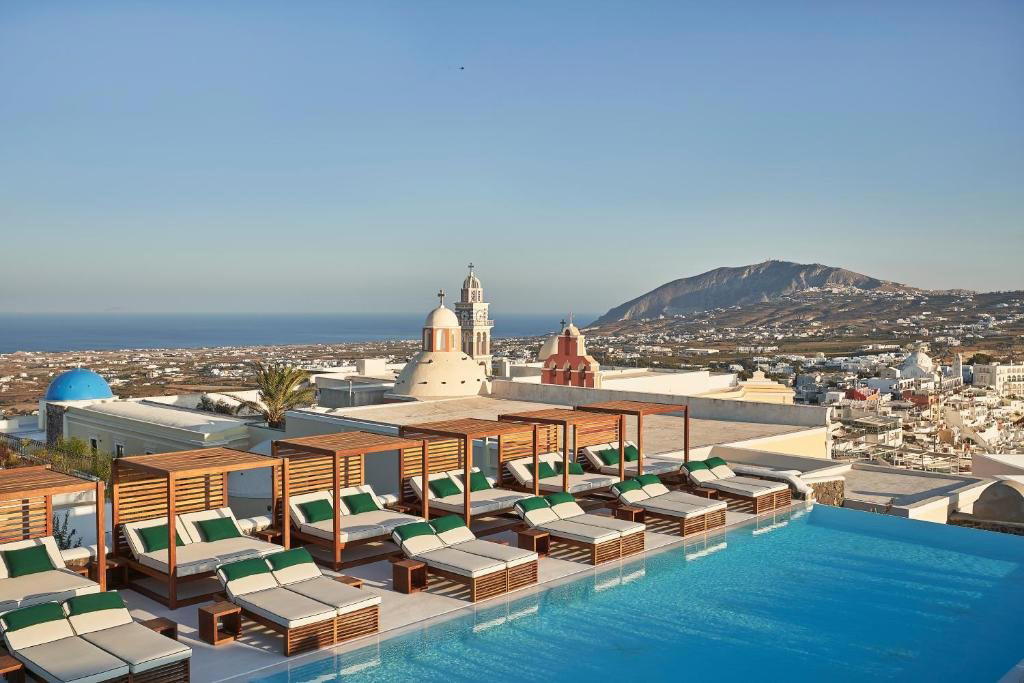
Spacious, modern tasting room set in the heart of the vineyard with dramatic ocean views, airy and relaxing atmosphere.