
Falstaff Winery - 4 Stars
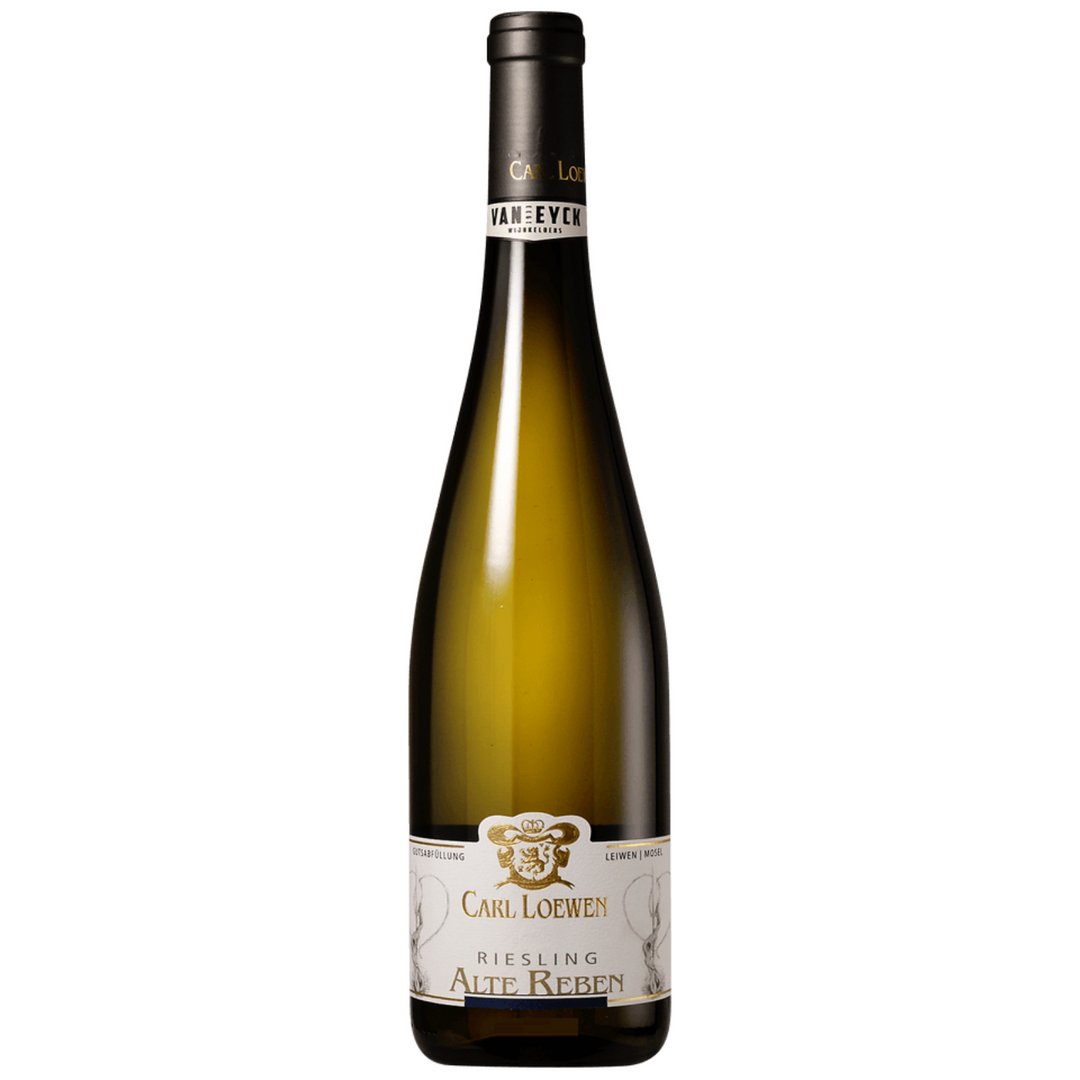
Weingut Carl Loewen operates from Matthiasstraße 30 in Leiwen, a village whose slate-soaked slopes along the Mosel define some of Germany's most precise Riesling. For collectors and visitors tracing the Mosel's top tier, Loewen is a serious reference point.

Pearl is the En Primeur Club membership app, where members save venues, book tables and use the concierge.
Slate, River, and Riesling: What the Mosel Does Here
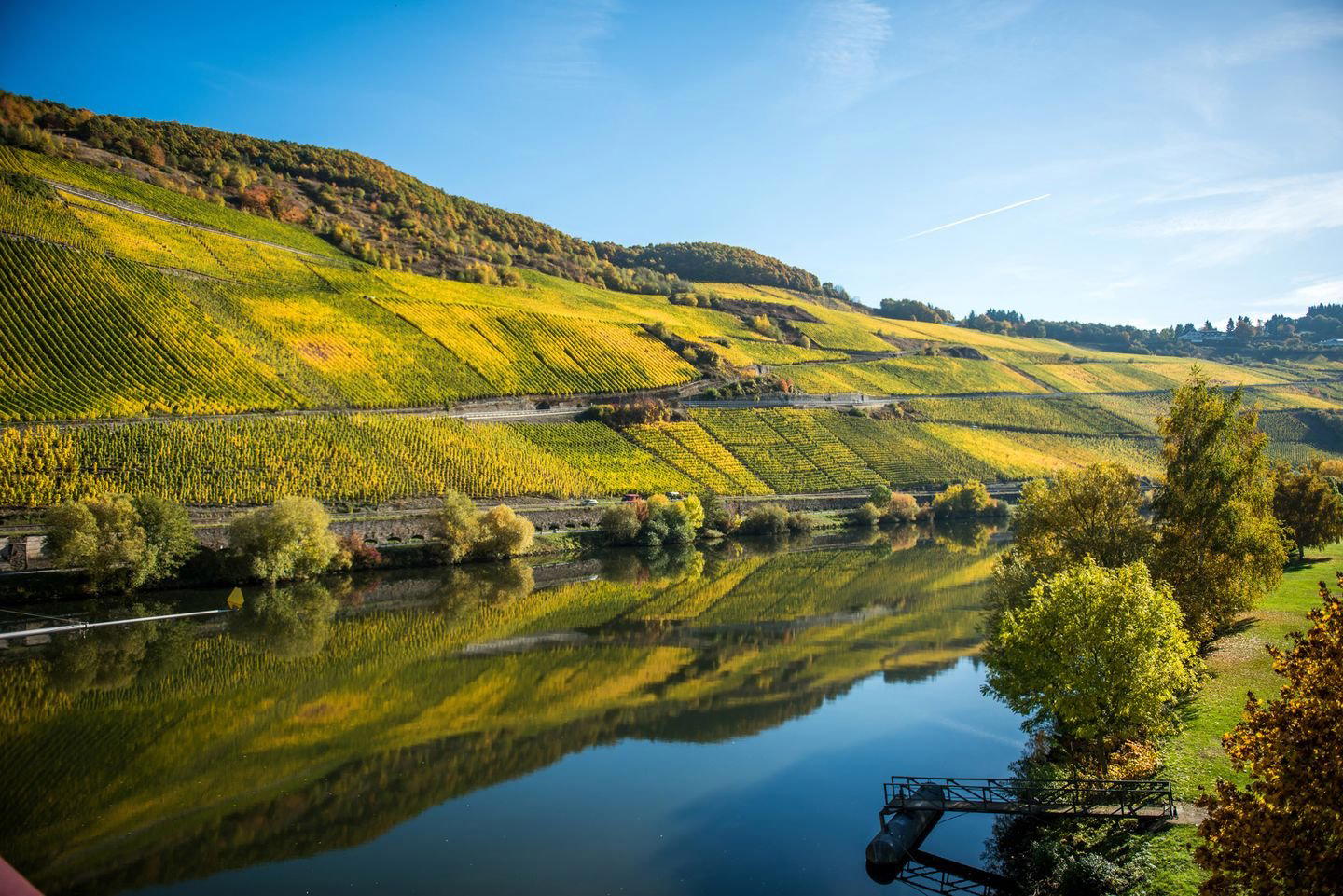
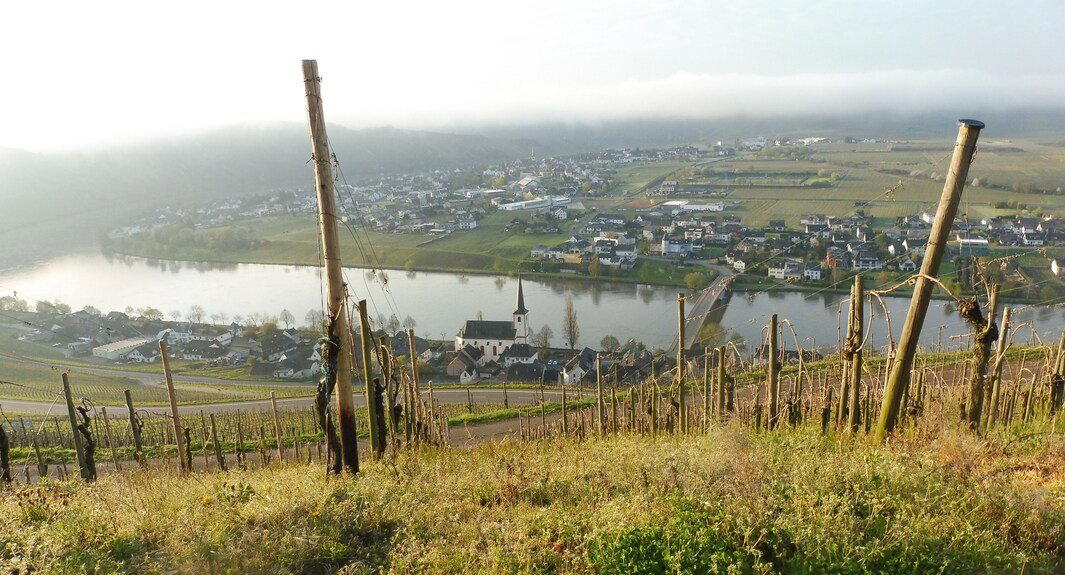
Approach Leiwen on the B53, the wine road that threads the Mosel's tightest bends south of Trittenheim, and the geology announces itself before the village does. Steep blue-grey slate terraces catch the afternoon light at angles that flatten sunlight into heat, drawing out phenolic ripeness in Riesling without the heaviness that warmer soils produce. The river, curving below, moderates the diurnal temperature swing. This combination of radiant slate warmth and cool-air drainage is what makes the Mosel's middle section one of Germany's most distinctive growing zones, and it is the condition that frames everything Weingut Carl Loewen produces from Matthiasstraße 30.
The village of Leiwen sits inside a loop of the Mosel where several classified vineyard sites face nearly due south. The Laurentiuslay, one of the area's steepest parcels, imposes extreme working conditions, gradient viticulture at this pitch means hand harvesting, individual vine selection across multiple passes, and yields constrained by the site's natural limits rather than any stylistic intervention. What ends up in the glass from such parcels is not a producer's interpretation of terroir so much as a direct record of it: minerality tied to specific stone, acidity shaped by the particular microclimate of a given slope, and sugar accumulation controlled by harvest timing on terrain where mechanical precision is impossible.
Where Carl Loewen Sits in the Mosel's Producer Hierarchy
The Mosel has a documented tiering problem in the sense that the gap between its top-performing estates and its volume producers is wider than in most German regions. At the upper end, a group of estates working single-vineyard, hand-harvested, Prädikat-level wines commands the attention of collectors who treat Mosel Riesling as a long-horizon investment, bottles that develop over ten to twenty years in the cellar, gaining petrol, beeswax, and saline complexity that dry fruit-forward styles never achieve. Two stars at Prestige level signals an estate operating with clear site identity and documented quality consistency.
Among Leiwen's producers, Loewen occupies a different register than the larger-footprint estates. Weingut Grans-Fassian and Weingut Nik Weis – St. Urbans-Hof are both significant reference points in the village, each with their own site portfolios and critical followings. The Leiwen cluster as a whole has built a credible case that the village's vineyards belong in conversations about the Mosel's premier cru equivalents, though the German classification system's complexity often obscures that case for international buyers. See our full Leiwen restaurants and wine guide for broader context on the village's hospitality offerings.
Terroir in Context: The Mosel Against Germany's Other Riesling Regions
Germany's Riesling producers occupy a range of soil and climate conditions that produce genuinely distinct styles, and understanding those differences clarifies what Loewen's slate-site wines represent. The Pfalz, where estates like Weingut A. Christmann in Neustadt an der Weinstraße and Weingut Dr. Bürklin-Wolf in Wachenheim an der Weinstraße and Weingut Bassermann-Jordan in Deidesheim work primarily sandstone and limestone, produces Rieslings with broader body and more generous fruit expression. Rheingau producers including Weingut Georg Breuer in Rüdesheim am Rhein and Weingut Allendorf in Oestrich-Winkel draw on quartzite and phyllite for wines that sit structurally between the Mosel's laser precision and the Pfalz's generosity.
Mosel slate, particularly the blue Devonian slate of the middle Mosel, produces a tighter, more electric profile. The mineral tension that characterizes wines from Leiwen, Trittenheim, and Piesport does not replicate elsewhere. Kloster Eberbach in Eltville and the historic Rheingau tradition offer a counterpoint worth understanding for any collector mapping German Riesling. Further up the Mosel, Weingut Clemens Busch in Pünderich works red slate parcels that produce a different mineral register again. The comparison helps isolate what the blue slate of the middle Mosel specifically contributes.
Franconian producers like Weingut Bürgerspital zum Heiligen Geist in Würzburg shift the frame entirely, with shell limestone driving a rounder, more earthy style. Even within the Pfalz, the terroir differentiation at estates like Weingut Battenfeld-Spanier in Hohen-Sülzen illustrates that Germany's wine geography rewards close reading rather than broad regional generalization. Against all of those reference points, the Loewen addresses, steep, slate-terraced, river-modulated, produce something specific and non-interchangeable.
The Case for the Mosel in a German Wine Portfolio
Collectors building across German regions tend to anchor on the Mosel for Auslese, Beerenauslese, and Trockenbeerenauslese in years with high-quality botrytis development, and on dry Grosses Gewächs equivalents for cellar-worthy Spätlese and Auslese Trocken. The Mosel's low-alcohol dry wines, typically below 12%, have gained traction internationally as interest in structured, lower-intervention styles has grown across all categories. An estate at Carl Loewen's 2025 recognition level represents exactly the kind of producer a serious portfolio should include: consistent enough across vintages to reward laying down multiple years, site-specific enough to track individual parcel development, and regionally positioned in a zone where the combination of geology and microclimate cannot be replicated.
For those visiting the Mosel Valley, the village of Leiwen is accessible from Trier by car in under thirty minutes via the B53. Most serious Mosel estates at this tier work by appointment, so reaching out in advance through the winery's address at Matthiasstraße 30 is the sensible approach. The harvest season between late September and mid-November, when Spätlese and Auslese selections are still happening in the vineyard, is the most instructive time to visit, though pressing and fermentation make the cellar atmosphere equally active during October. It is worth planning around those weeks if the goal is to understand how site selection decisions translate into finished wine.
For context on the breadth of styles Prestige-level German producers can span, it is useful to compare Loewen's slate-terroir positioning against the limestone-and-sandstone world of Weingut Fritz Haag in Brauneberg, another top-rated Mosel estate working adjacent parcels and offering a useful benchmark for how different exposures within the same river valley diverge over time in the bottle.
Planning a Visit
Weingut Carl Loewen is located at Matthiasstraße 30, 54340 Leiwen. Given the absence of published hours or a listed website, direct contact is the recommended approach before arrival. The village itself is small, and Leiwen's wine tourism infrastructure is concentrated and walkable once you are there. Trier, with its full range of accommodation and its own significant food and wine scene, functions as the natural base for multi-day exploration of this stretch of the Mosel.
Side-by-Side Snapshot
Comparable venues nearby, for context on price, style, and recognition.
| Venue | Cuisine | Price | Awards | Notes |
|---|---|---|---|---|
| Weingut Carl LoewenThis venue (the venue you are viewing) | Riesling, Pinot Blanc | $50–100 | Falstaff Winery - 4 Stars | Not listed |
| Weingut Nik Weis – St. Urbans-Hof | Riesling | Not listed | Falstaff Winery - 4 Stars | Leiwen |
| Weingut Grans-Fassian | Riesling, Pinot Blanc | Not listed | Falstaff Winery - 4 Stars | Leiwen |
| Weingut Willi Schaefer | Riesling | $50–100 | Falstaff Winery - Listed | Graach |
| Weingut Hermann Dönnhoff | Riesling, Pinot Blanc | Not listed | Falstaff Winery - 5 Stars | Oberhausen an der Nahe |
| Weingut Markus Molitor | Riesling, Pinot Noir | $20–30 | Falstaff Winery - 5 Stars | Wehlen |
Recognition history
Dated appearances from independent guides and award organizations, with the underlying list record or original source where available.
Falstaff Winery - 4 Stars
Falstaff
Continue exploring
More in Leiwen
Wineries in Leiwen
All wineries in Leiwen →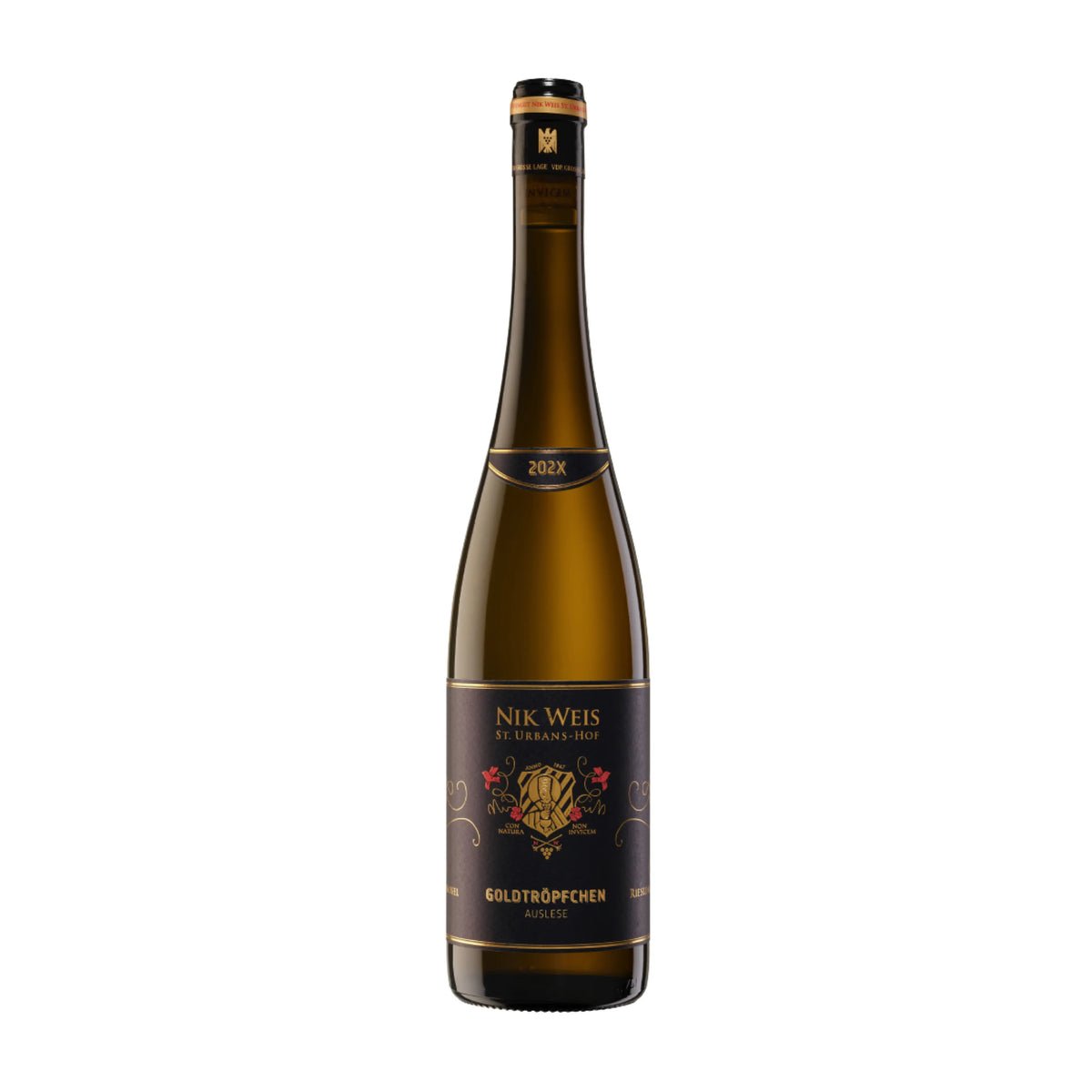

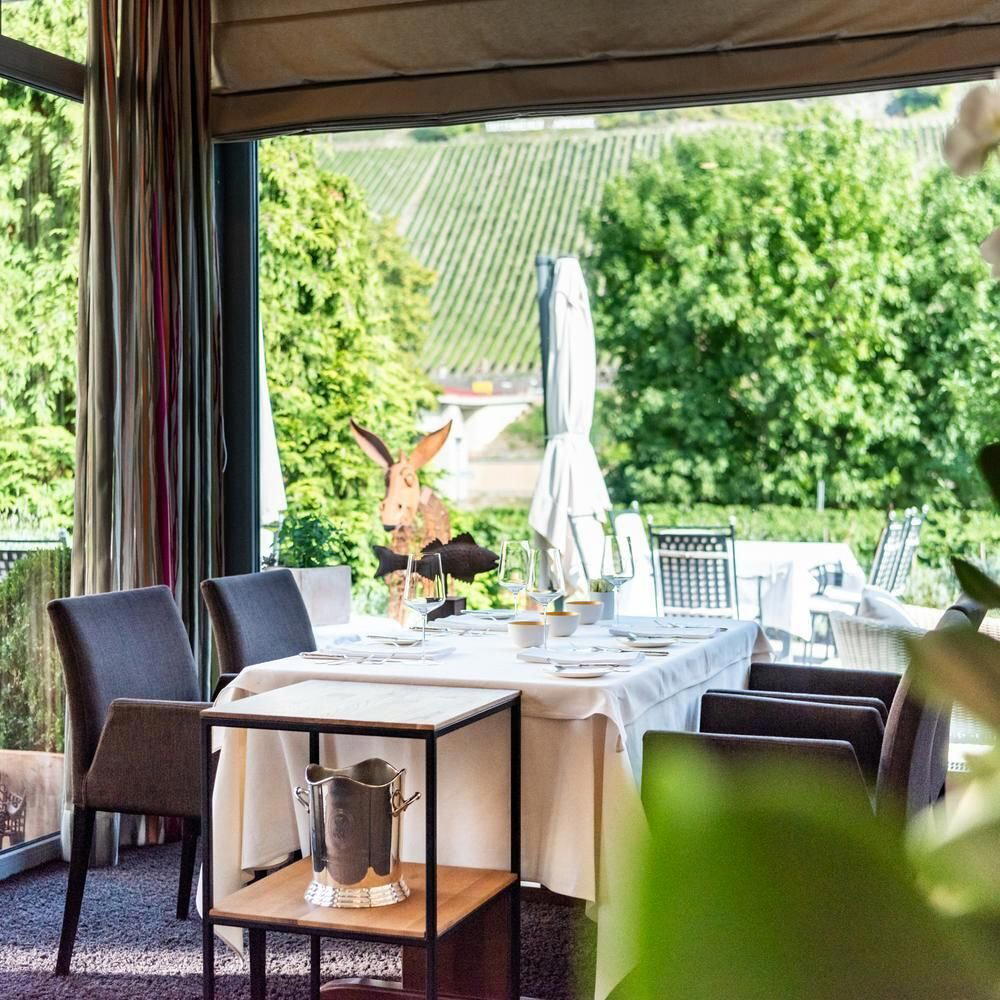
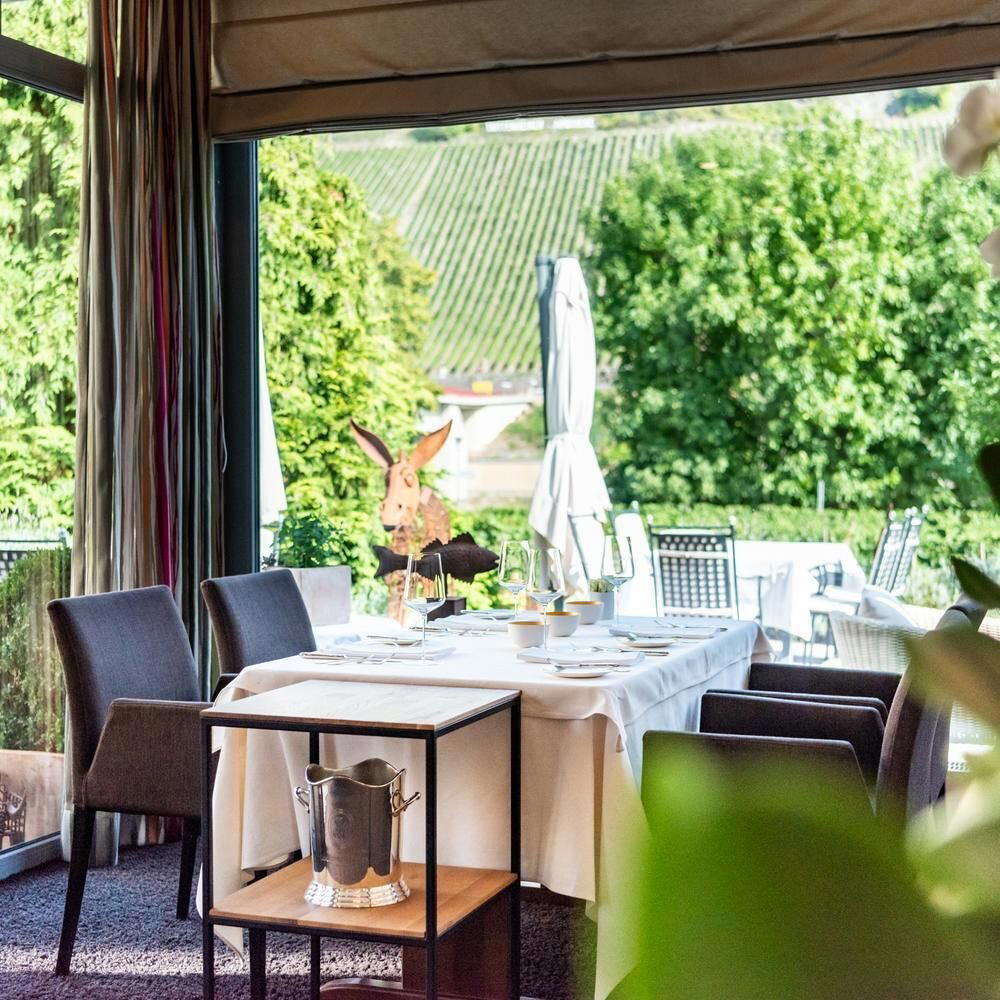
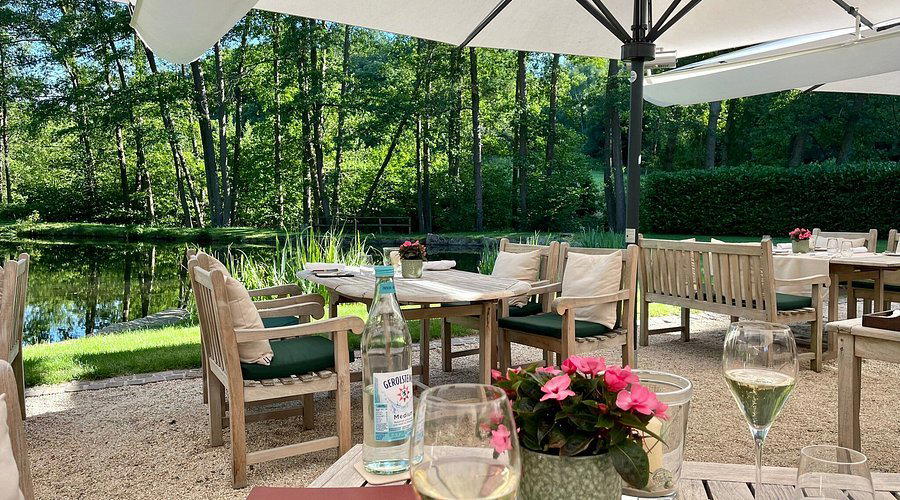
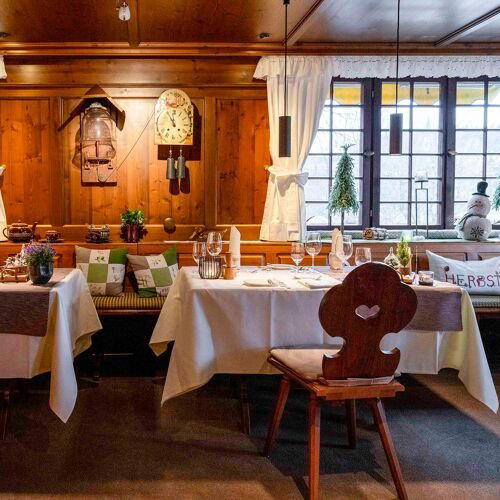
Details
- Classic
- Rustic
- Elegant
- Scenic
- Wine Education
- Special Occasion
- Solo Exploration
- Vineyard Tour
- Estate Grounds
- Barrel Room
- Historic Building
- Organic
- Sustainable
- Dry Farmed
- Vineyard
- Mountain
- Riesling
- Pinot Blanc
- Still White
- Estate Tasting
- Vineyard Walk
- German
- English
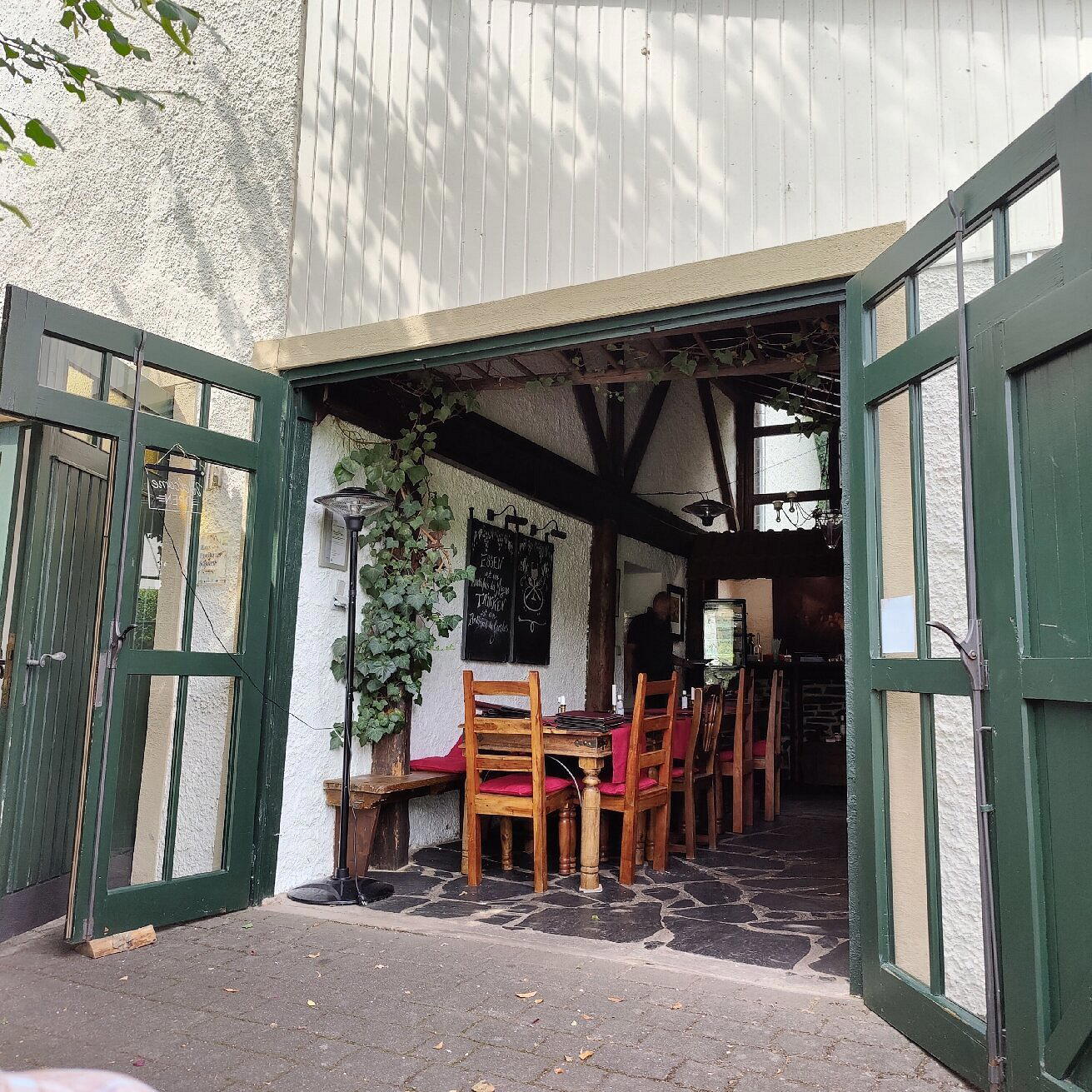
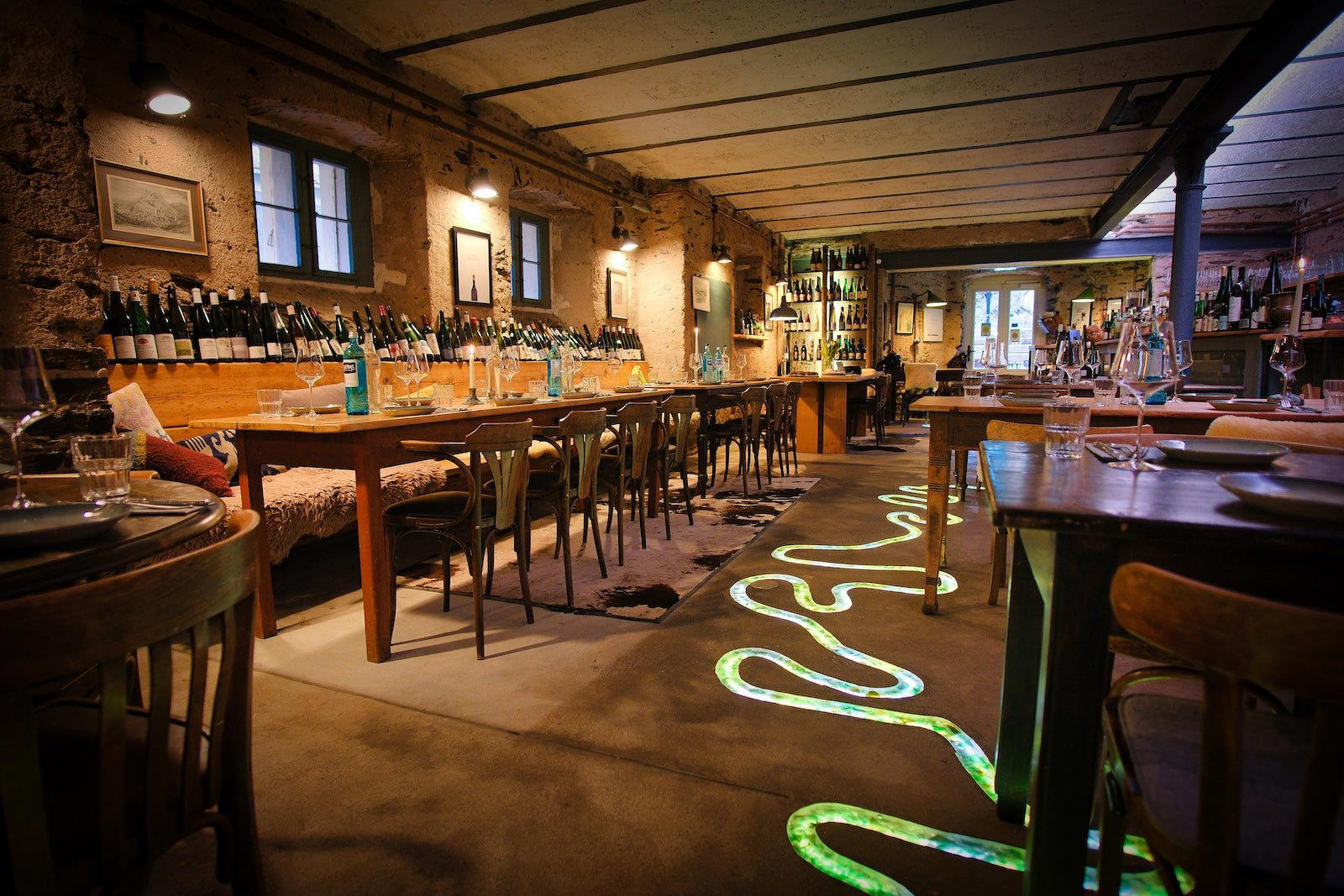
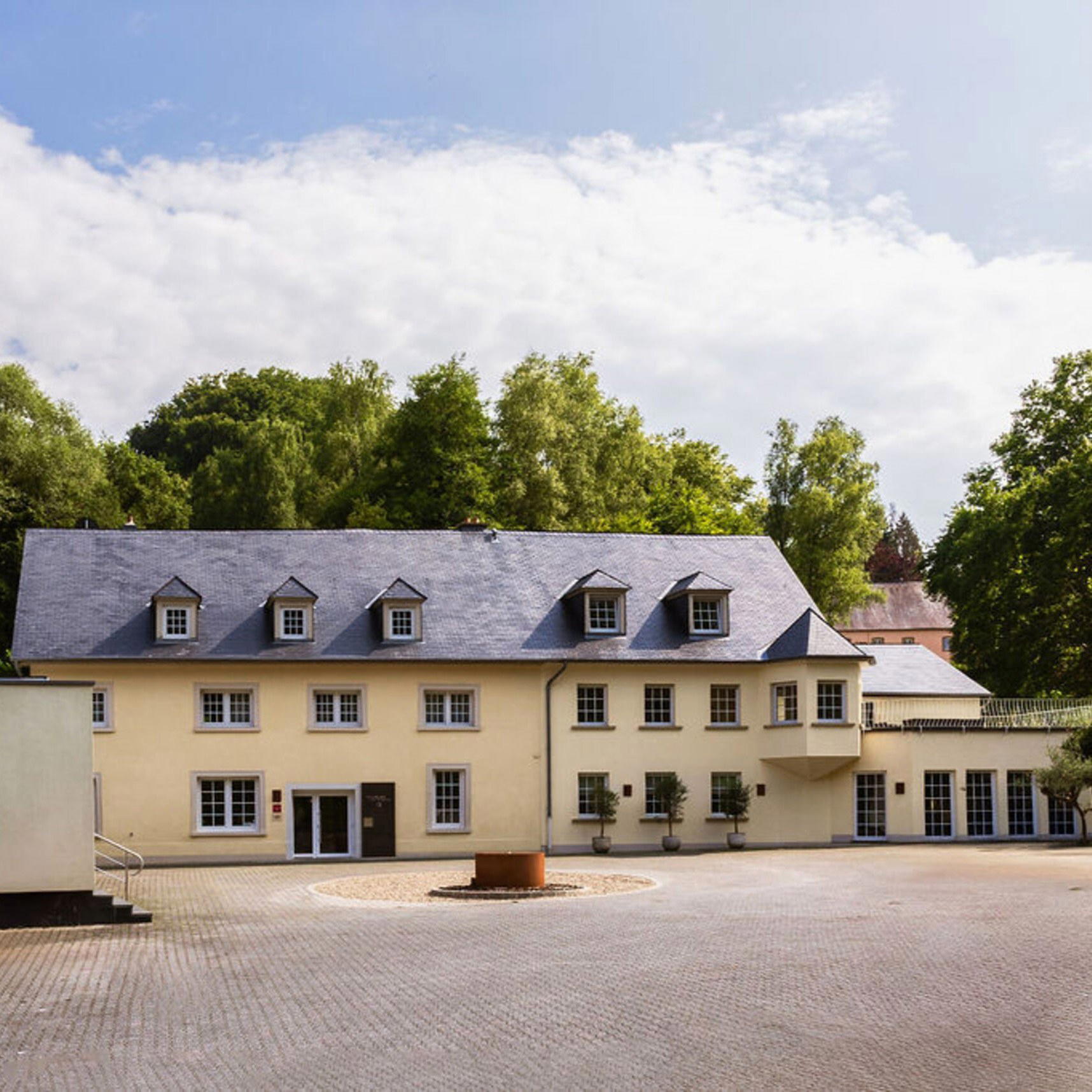
Rural, traditional winemaking atmosphere with minimalist cellar practices; intimate, serious approach to wine production reflecting the estate's commitment to terroir-driven expression.