Weingut Krutzler Distillery

Falstaff Winery - 5 Stars
Weingut Krutzler Distillery operates from Deutsch Schützen in Austria's Burgenland, a southern wine corridor where volcanic and sedimentary soils produce wines of marked structural depth..

Pearl is the En Primeur Club membership app — saves, bookings, and concierge access live there. Same editors, same standards.
- Address
- Winzerstraße 68, 7474 Deutsch Schützen
- Phone
- +43 3365 21868
- Website
- krutzler.at
- Directions
- Get directions
Where Southern Burgenland Speaks Through the Bottle
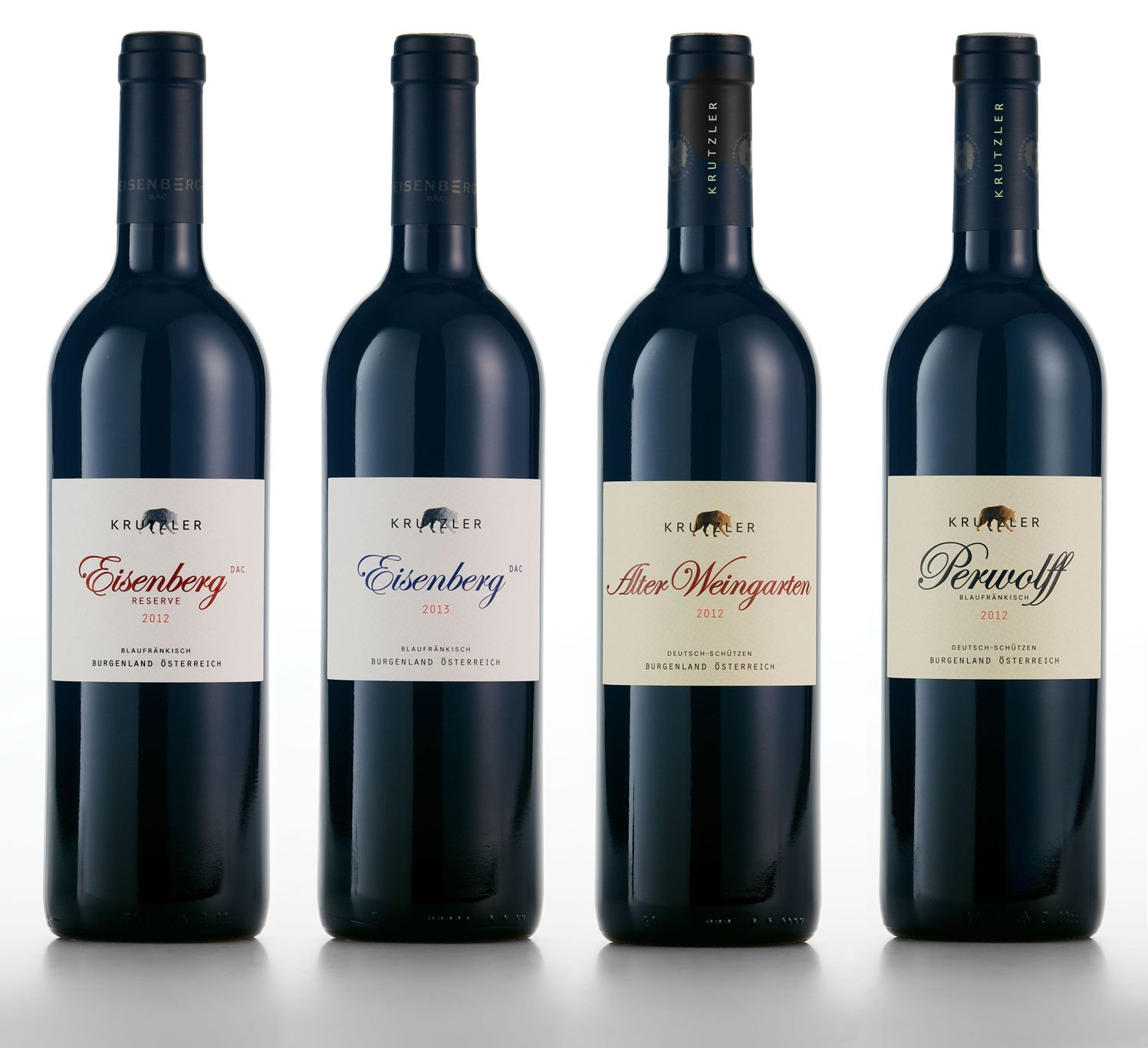
Approach Deutsch Schützen from any direction and the landscape announces itself before the village does. The low hills of the Eisenberg, composed of ancient volcanic rock overlaid with iron-rich sediment, press against the Hungarian border in a way that makes geography feel less like a setting and more like an argument. This is southern Burgenland's most concentrated claim to terroir-driven identity, and estates working this ground are measured against it rather than against the broader Austrian wine market. Weingut Krutzler Distillery, operating from Winzerstraße 68 in the heart of the village, draws its authority directly from that geological context.
The broader Burgenland region divides cleanly into north and south in terms of both climate and character. The north, anchored by Neusiedlersee, built its international profile on botrytised sweet wines of extraordinary concentration, with producers like Weingut Kracher in Illmitz defining that tradition for decades. Southern Burgenland operates in a different register: the Pannonian warmth is modulated by cooler air from the Alpine foothills, harvest arrives later, and the red wines that emerge carry a restraint and mineral edge that places them closer in spirit to the output of a Weingut Pittnauer in Gols than to the lush, fruit-forward styles associated with warmer central European appellations.
The Eisenberg's Geological Argument
The Eisenberg DAC, formally recognised as a designated origin area for Blaufränkisch, represents one of Austria's more geologically specific appellations. The name translates literally as iron mountain, and iron is precisely what distinguishes the soil profiles here from other Blaufränkisch growing zones. Schist, basalt, and iron-oxide-heavy clay combine in varying proportions across the hillside parcels, and those variations register clearly in finished wines: more schist tends toward tighter structure and lower pH, while heavier clay concentration produces wines with more weight and a darker fruit character without losing the region's signature grip.
Producers working these sites make choices about parcel selection that are, in effect, arguments about what the Eisenberg is. The DAC framework requires Blaufränkisch as the primary variety for wines bearing the regional designation, which means the estate's range is built around that grape's interaction with the geology, rather than around blending strategies or varietal diversification. Comparable producers in neighbouring Austrian regions, including the Grüner Veltliner specialists of the Wachau such as Weingut Emmerich Knoll in Dürnstein or the multi-varietal estates of Kamptal like Weingut Bründlmayer in Langenlois, operate under different site-variety relationships. Southern Burgenland's focus on a single red variety grown on geologically distinctive ground is a narrower, more exposed position.
A 2025 Prestige Recognition in Context
Within Austrian wine rating frameworks, a prestige classification at two-star level signals consistent quality at the upper tier of regional production, a recognition that places the estate within a small cohort of southern Burgenland producers whose output is evaluated against international benchmarks rather than purely local ones. That positioning matters for how the estate sits within its peer group: it is not an introductory entry point to the region but rather a reference address for anyone mapping the Eisenberg's quality ceiling.
For comparison, estates operating at equivalent or adjacent prestige levels in other Austrian regions, such as Weingut Wohlmuth in Kitzeck or Weingut Heinrich Hartl in Oberwaltersdorf, tend to attract visitors and buyers who approach a winery visit as a primary destination rather than an incidental stop. That is the correct framing for Krutzler: you plan around it rather than stumble across it.
Distillery as Extension of the Agricultural Identity
The distillery component of the operation reflects a pattern increasingly visible among serious Austrian wine estates. Fruit-based spirits production, using the same agricultural raw materials that anchor the wine operation, has become a way for producers to extend the expression of their terroir beyond the vine while maintaining the identity of the property. In Austria, this tradition has deep roots in farm distilling, and the regulatory framework for small-scale spirit production has historically supported estate-level operations that would be impractical in many other European wine regions.
Austria's artisan distilling scene has expanded considerably over the past fifteen years, with producers ranging from established wine estates to dedicated craft operations such as Weingut Scheiblhofer Distillery in Andau and purpose-built facilities like 1310 Spirit of the Country Distillery in Sierning or 1404 Manufacturing Distillery in Sankt Peter-Freienstein. The Krutzler operation sits within this expansion but with the added layer of a wine estate identity behind it, meaning the distillery work is positioned as complementary to, rather than separate from, the core viticultural mission. Urban operations like 1516 Brewing Company Distillery in Vienna or A. Batch Distillery in Bergheim represent a different tradition, rooted in craft production without the agricultural land base that defines an estate like Krutzler.
Getting There and Planning the Visit
Deutsch Schützen sits in the far south of Burgenland, close to the Slovenian and Hungarian borders, roughly 175 kilometres from Vienna and around 50 kilometres from Graz. The village is not on a major transit corridor, and a private car is the practical choice for reaching it. The estate address at Winzerstraße 68 is in the core of the village, accessible without navigating through farming tracks. Southern Burgenland visit season aligns with winery rhythms generally: late spring through autumn covers the period when cellars are active and the vine-covered slopes are at their most readable. Harvest in this region falls later than in the warmer north, typically extending well into October, and the weeks around harvest represent a particularly instructive time to visit a site with Eisenberg DAC ambitions. Direct booking details are, so contacting the estate directly via local tourism channels or through our full Deutsch Schützen restaurants and producers guide is the recommended first step.
For those assembling a southern Burgenland itinerary, the region's small-producer density means a two-day circuit can cover multiple reference addresses without excessive driving. Pairing a Krutzler visit with exploration of the broader Eisenberg hillside, where the geology becomes visible in the exposed rock cuts along the vine rows, gives the tasting room experience a physical grounding that most wine visits lack.
Side-by-Side Snapshot
Comparable venues nearby, for context on price, style, and recognition.
| Venue | Cuisine | Awards | Notes |
|---|---|---|---|
| Weingut Krutzler DistilleryThis venue — the venue you are viewing | Blaufränkisch, Zweigelt | Falstaff Winery - 5 Stars | Not listed |
| David Gölles House of Whiskey & Rum | Styria | Not listed | Riegersburg |
| Weingut Umathum | Zweigelt, Blaufränkisch | Falstaff Winery - Listed | Frauenkirchen |
| Loysch Distillery | Winery | Not listed | Klosterneuburg |
| Grüneis Distillery | Winery | Not listed | Stanz im Landeck |
| Destillerie Figerl | Winery | Not listed | Stanz bei Landeck |
Recognition history
Dated appearances from independent guides and award organizations, with the underlying list record or original source where available.
Falstaff Winery - 5 Stars
Falstaff
Continue exploring
More in Deutsch Schützen
Wineries in Deutsch Schützen
Browse all →

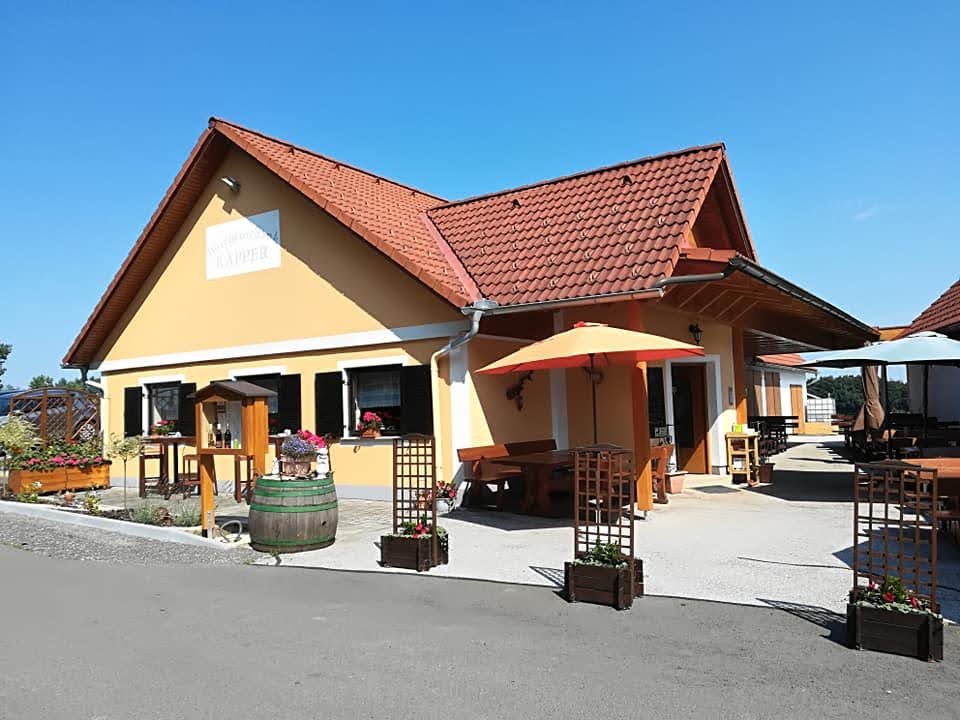
Bars in Deutsch Schützen
Browse all →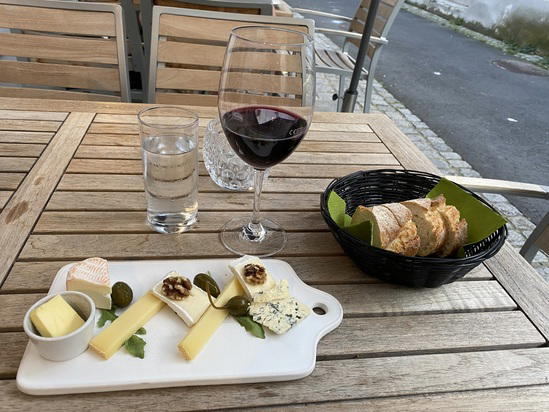
Restaurants in Deutsch Schützen
Browse all →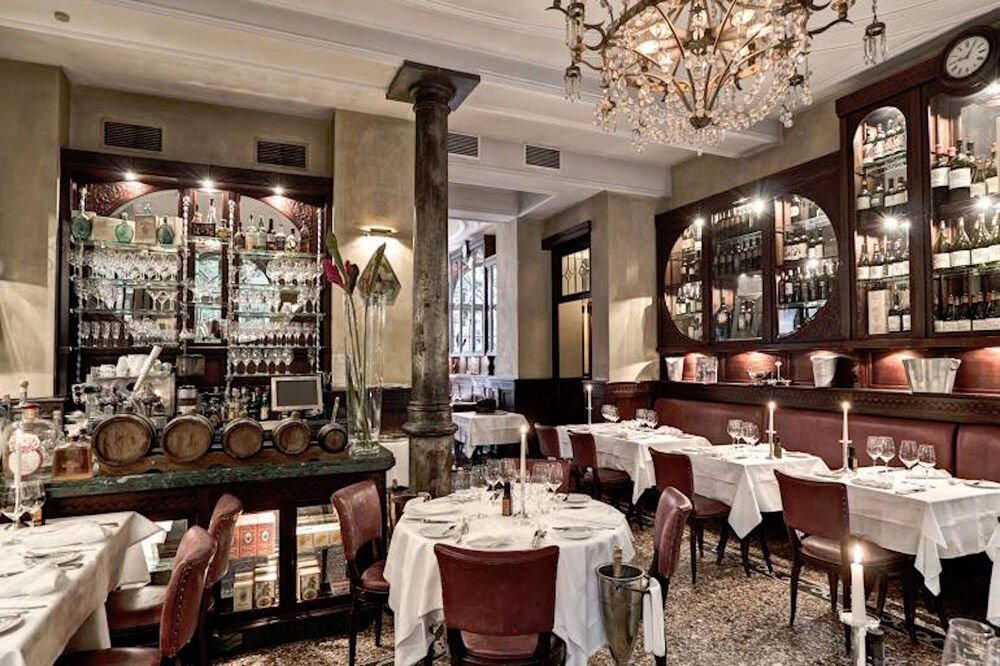
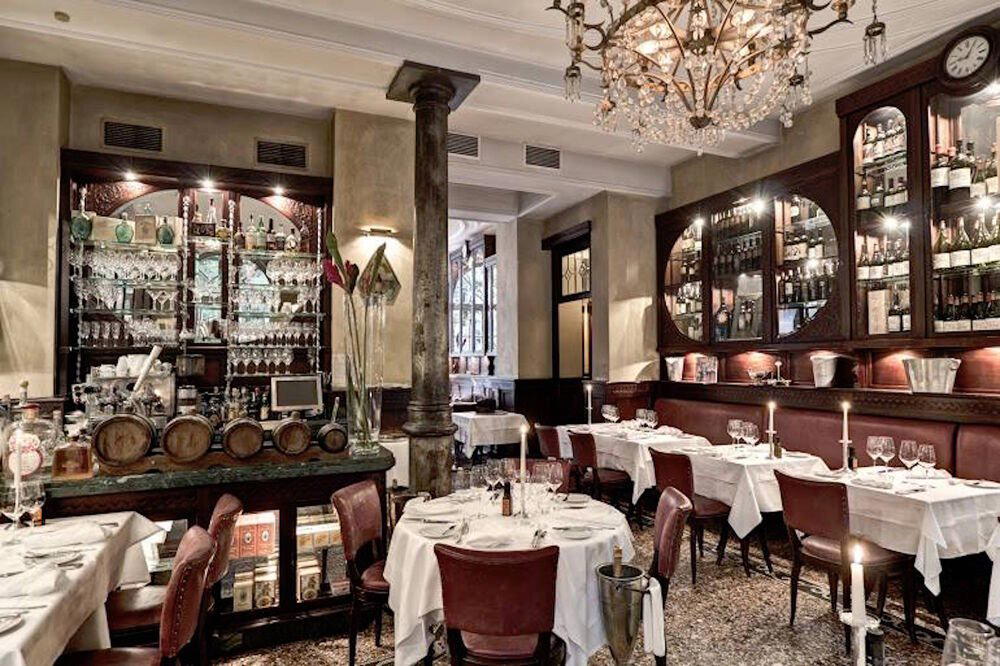
Hotels in Deutsch Schützen
Browse all →
Details
- Classic
- Rustic
- Elegant
- Sophisticated
- Wine Education
- Special Occasion
- Group Outing
- Barrel Room
- Vineyard Tour
- Estate Grounds
- Historic Building
- Sustainable
- Vineyard
- Blaufränkisch
- Zweigelt
- Merlot
- Welschriesling
- Still Red
- Estate Tasting
Traditional winery with heritage spanning five generations, featuring classic fermentation vats and barrel aging facilities set in the slate-soil terroir of Eisenberg.