1
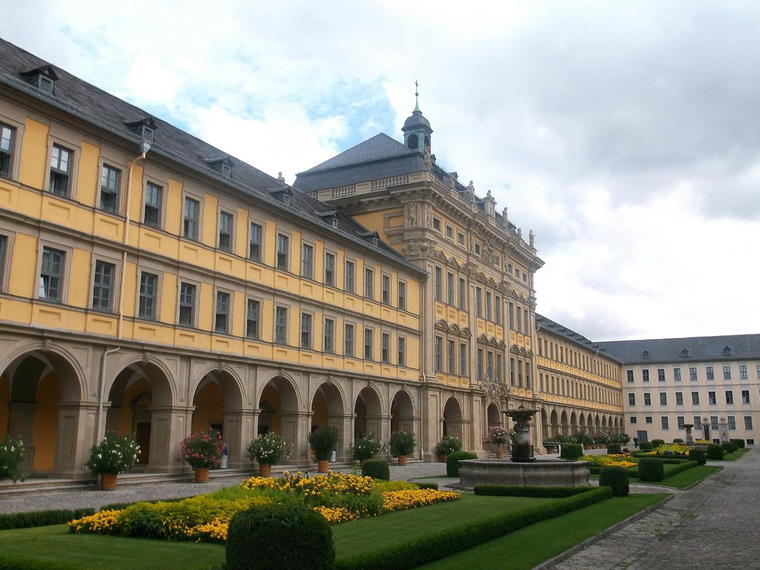
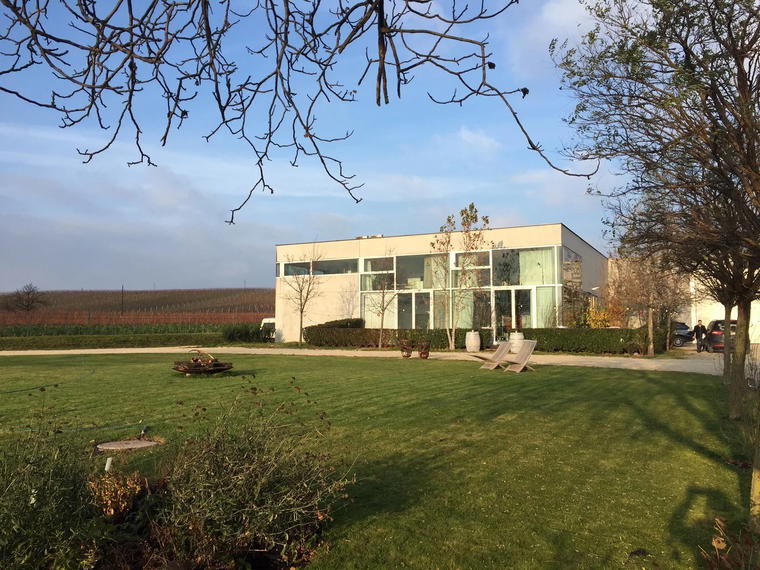
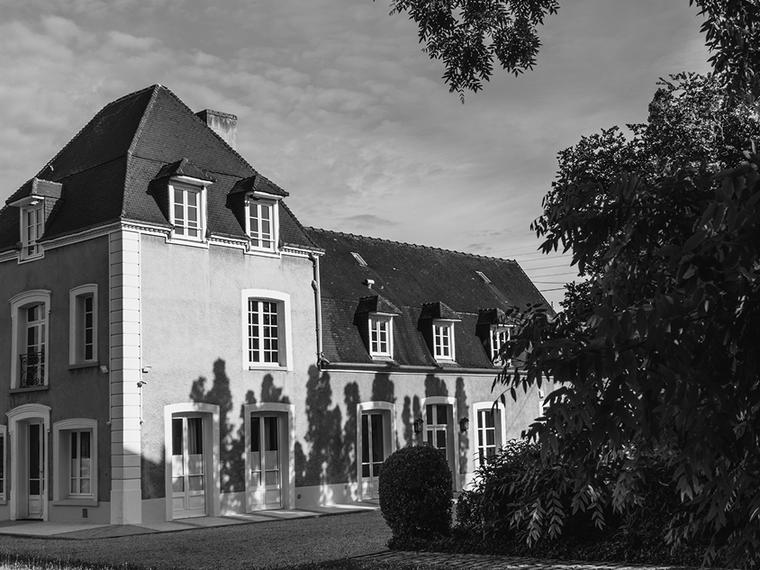
Dizy, France

Jacquesson
Jacquesson in Dizy is known for its numbered Cuvée 700 blends, each led by one harvest with reserve wine. Its published 2026 range includes Cuvée 749, late-disgorged Cuvée 744 and Avize Champ Caïn 2015.
Results
Dizy, France
Jacquesson in Dizy is known for its numbered Cuvée 700 blends, each led by one harvest with reserve wine. Its published 2026 range includes Cuvée 749, late-disgorged Cuvée 744 and Avize Champ Caïn 2015.
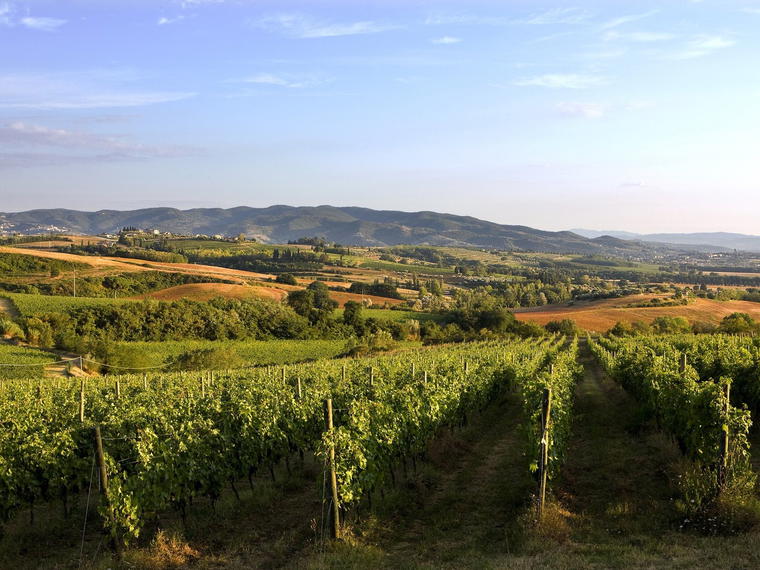
Torgiano, Italy
The estate sits where Sagrantino and Sangiovese territory converge, and its positioning reflects a long commitment to expressing the character of Umbrian soil through both glass and table.

Ribeauvillé, France
Maison Trimbach sits at the heart of Ribeauvillé's winemaking tradition. The address at 15 Route de Bergheim places it squarely within the Route des Vins corridor, where Riesling and Pinot Gris from grand cru slopes define the regional benchmark. A reference point for Alsace in any serious conversation about French white wine.
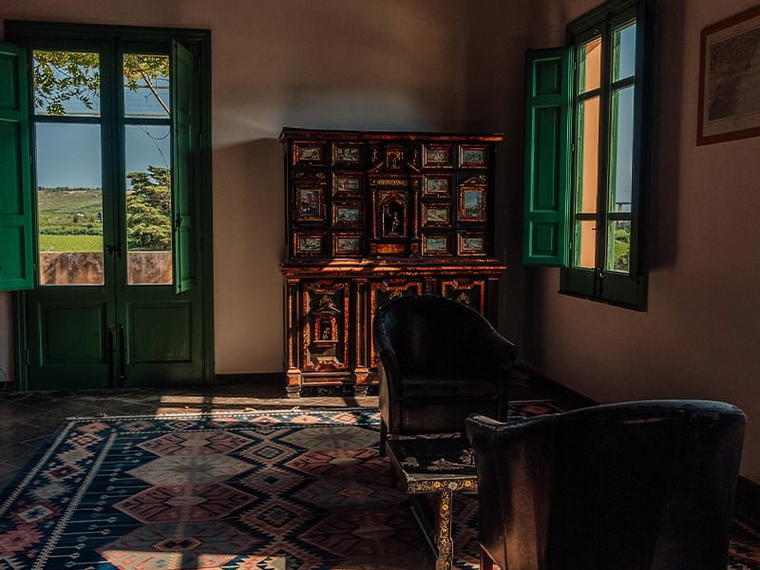
Menfi, Italy
The property at Contrada Dispensa is a reference point for understanding how Sicilian viticulture has reshaped its international reputation over the past three decades.
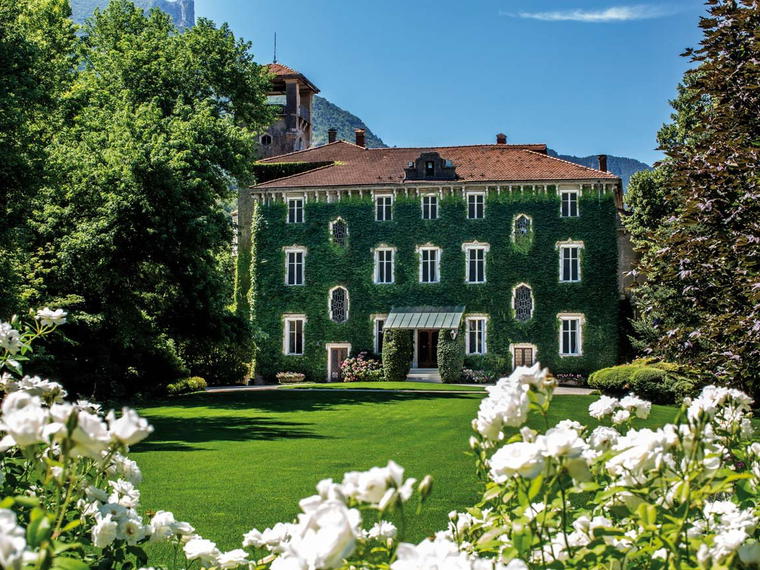
Avio, Italy
San Leonardo sits in the valley town of Avio, in the southern reaches of Trentino, where Alpine and Mediterranean influences converge on the vine. For those tracing the character of Trentino wine country, it belongs on the itinerary alongside the region's most considered producers.
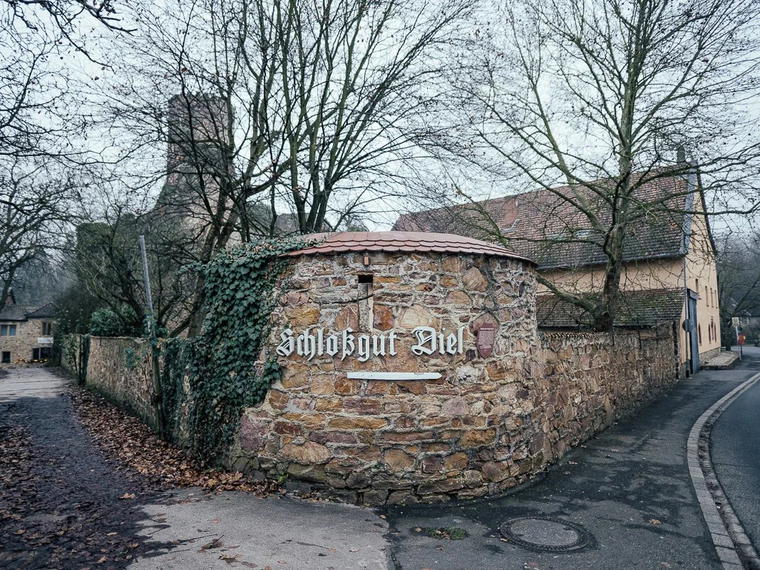
Rümmelsheim, Germany
Schlossgut Diel operates from the village of Rümmelsheim in the Nahe wine region. The estate is regarded as one of the Nahe's defining addresses for Riesling, with vineyard sites whose steep slate and volcanic soils produce wines with a tension rarely replicated elsewhere in the region. Visits warrant planning well in advance.
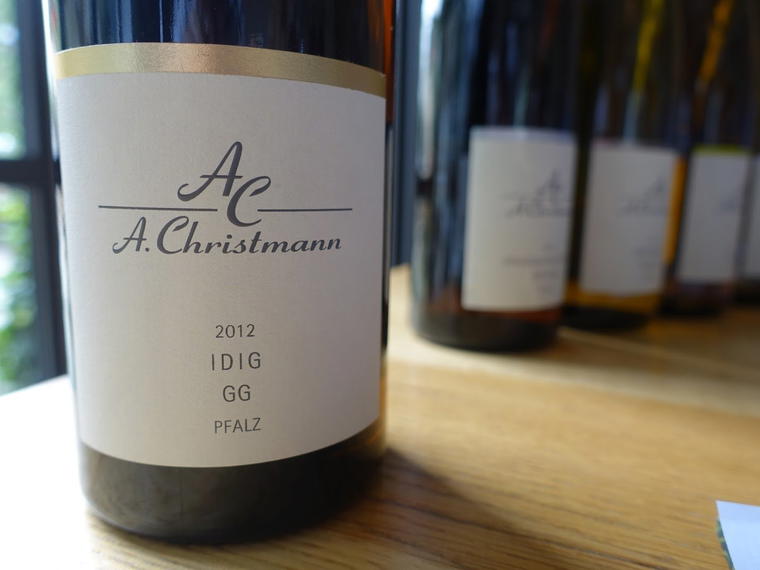
Neustadt an der Weinstraße, Germany
Weingut A. Christmann is a Pfalz estate based in Neustadt an der Weinstraße. The estate operates within one of Germany's most storied wine corridors, where Riesling and Spätburgunder grown on sandstone and limestone soils define the regional character. For serious wine travellers, Christmann sits in the upper tier of Pfalz producers worth tracking.
Langenlois, Austria
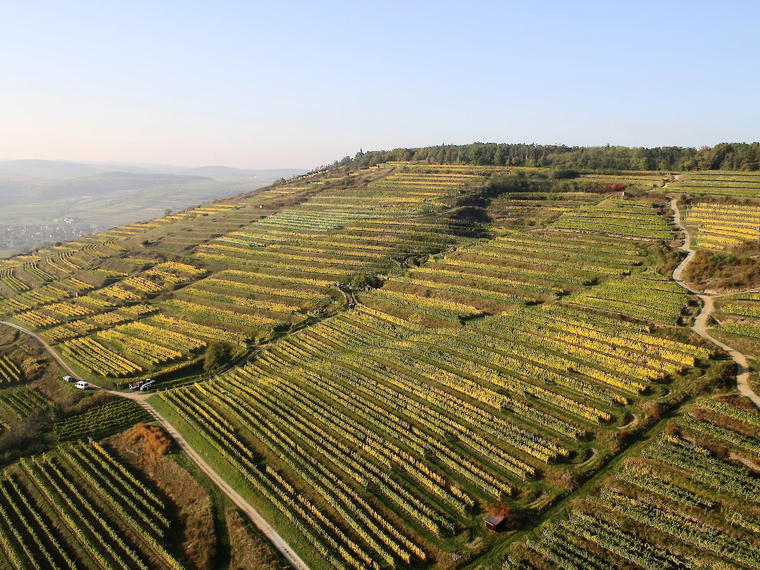
Weingut Bründlmayer holds among the more respected positions in the Kamptal, a wine region where loess, primary rock, and the thermal contrast between the Danube plain and the northern hills produce some of Austria's most expressive Grüner Veltliner and Riesling.
Pünderich, Germany
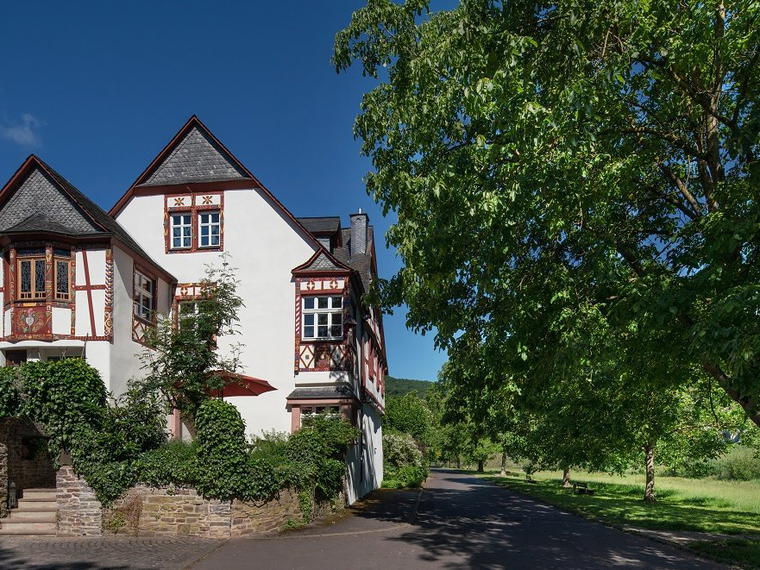
Weingut Clemens Busch operates from Kirchstraße 37 in the steep-slate village of Pünderich on the Mosel, producing Rieslings that rank among the more terroir-focused expressions in the region. Visitors and collectors seeking the Mosel's harder, more mineral edge tend to find what they are looking for here.
Wachenheim an der Weinstraße, Germany
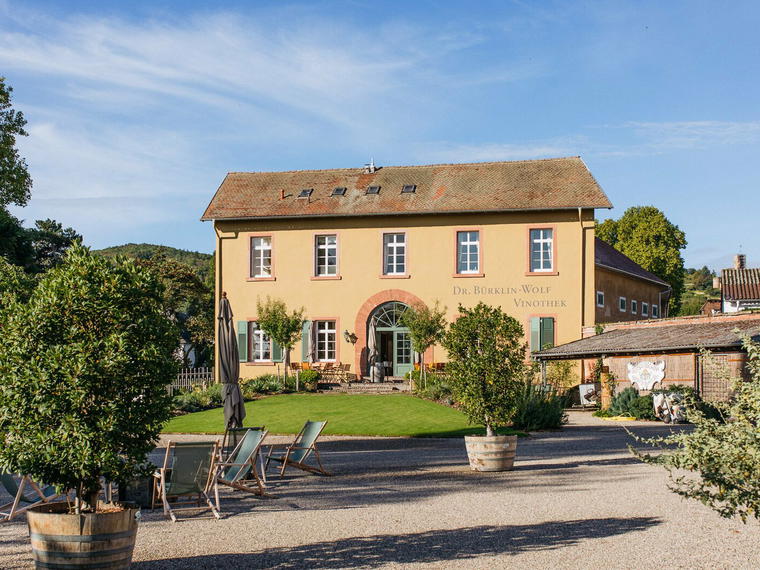
One of the Pfalz's most historically grounded estates, Weingut Dr. The estate sits at the serious end of German white wine, where site specificity and generational continuity define the conversation.
Dürnstein, Austria
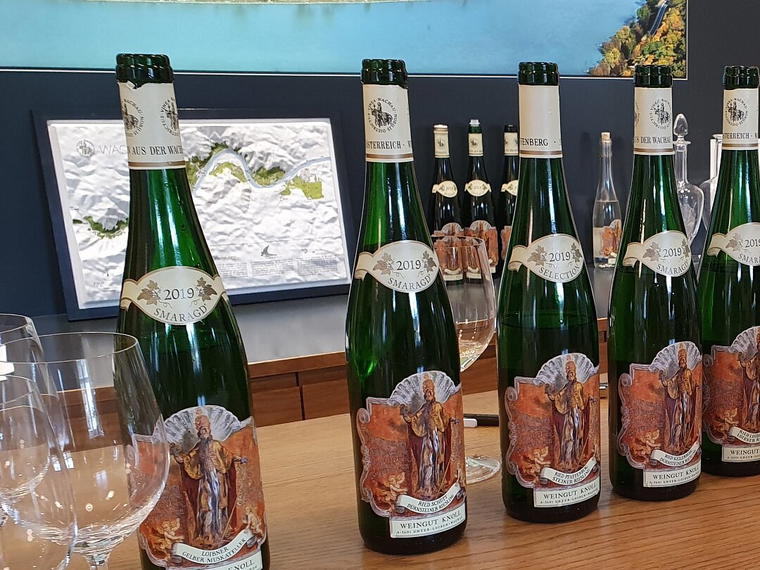
Weingut Emmerich Knoll sits at Unterloiben 132 in the Wachau, one of Austria's most demanding wine regions, where the interplay of Danube climate, terraced gneiss and loess soils, and multi-generational craft produces Riesling and Grüner Veltliner that regularly draw international allocation attention.
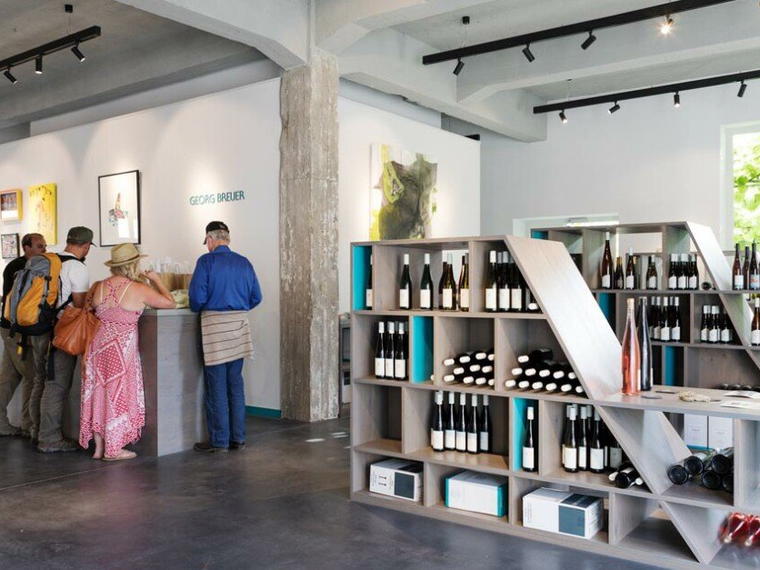
Rüdesheim am Rhein, Germany
The estate is positioned among the Rheingau's upper tier of Riesling producers, where the combination of slate soils, south-facing slopes, and the Rhine's moderating influence consistently produces wines of notable precision and depth.
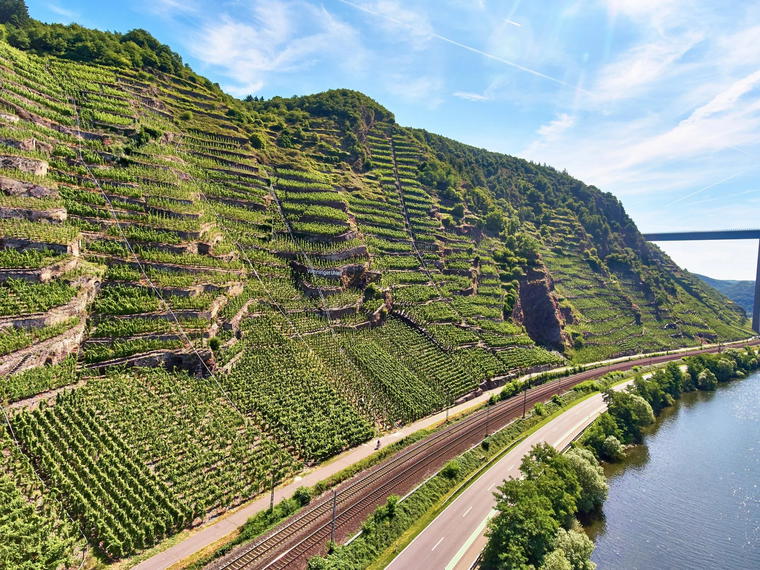
Winningen, Germany
Visiting or tasting here requires an appointment and some willingness to seek out a village most wine tourists pass through without stopping.
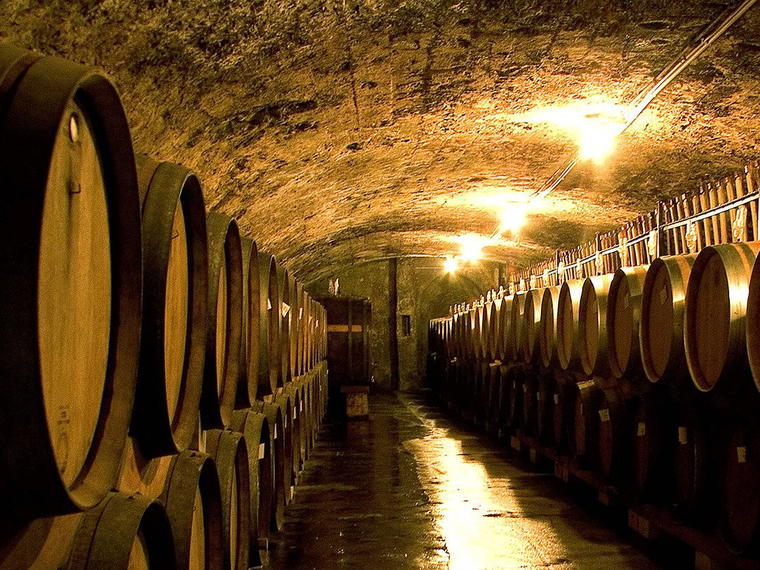
Hochheim am Main, Germany
Weingut Künstler is a Hochheim am Main estate. Hochheim's position at the eastern edge of the Rheingau, where the Main meets conditions more akin to the Rhine's limestone and loam soils, gives Künstler a distinct site advantage for Riesling of pronounced minerality and structural precision.
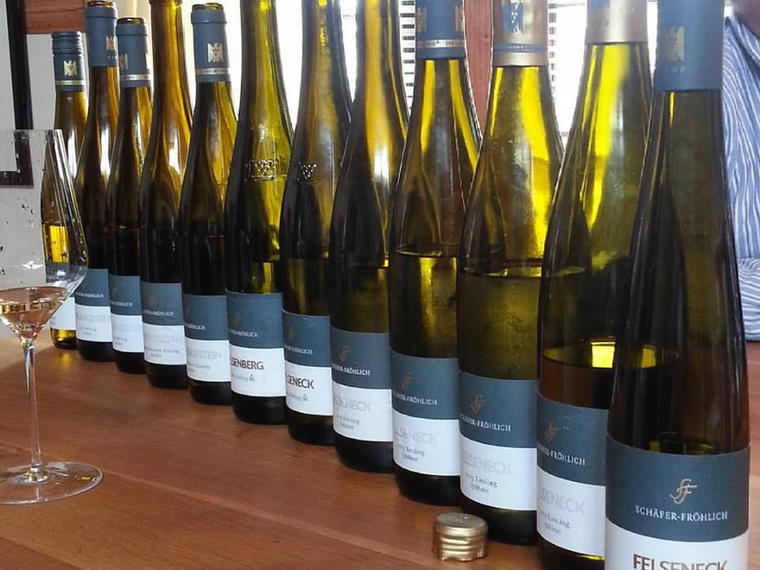
Bockenau, Germany
Weingut Schäfer-Fröhlich operates from the village of Bockenau in the Nahe, one of Germany's most compelling regions for Riesling with genuine terroir complexity. Visitors and collectors engaging with the Nahe should treat this address as a reference point for the region.
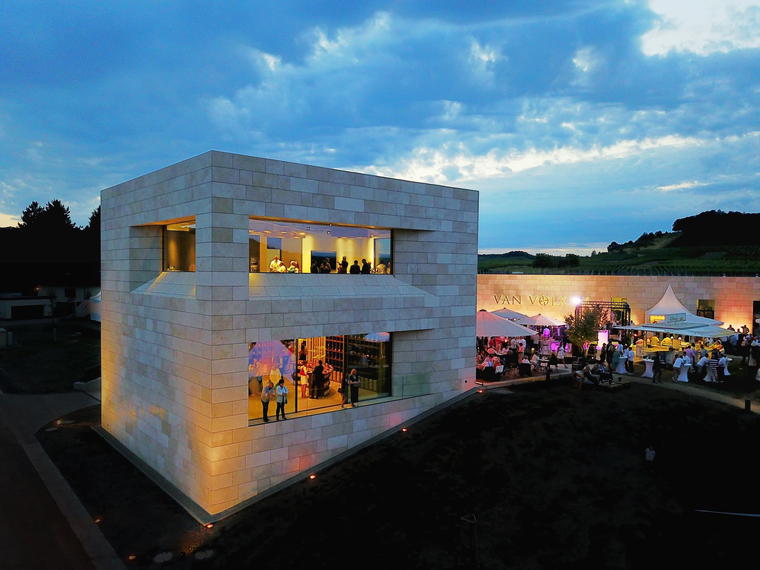
Wiltingen, Germany
Weingut Van Volxem occupies a commanding position on the Saar's steep slate vineyards, producing dry Rieslings from some of the region's oldest and most demanding sites.
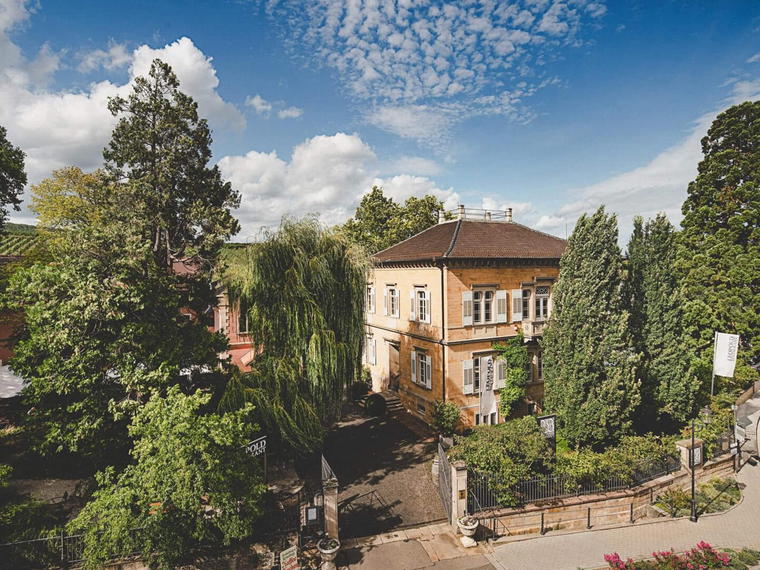
Deidesheim, Germany
The winery occupies a position among the Mittelhaardt's most closely watched addresses, where the interplay between historic vineyard sites and precise cellar work defines the region's premium tier. Visitors encounter a tasting experience shaped by one of German wine's most compelling appellations.
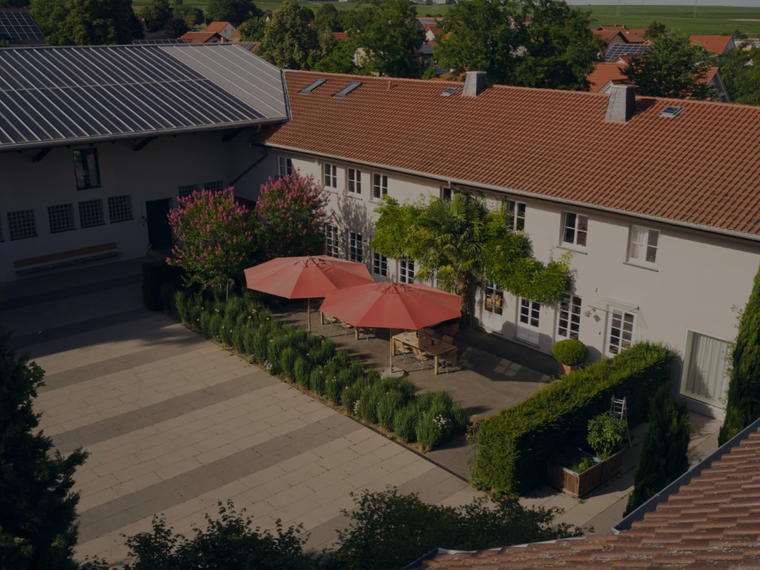
Westhofen, Germany
Weingut Wittmann operates from Mainzer Strasse in Westhofen, at the heart of Rheinhessen's limestone-rich terroir belt. For anyone tracing the Rheinhessen revival, Wittmann is a fixed reference point.
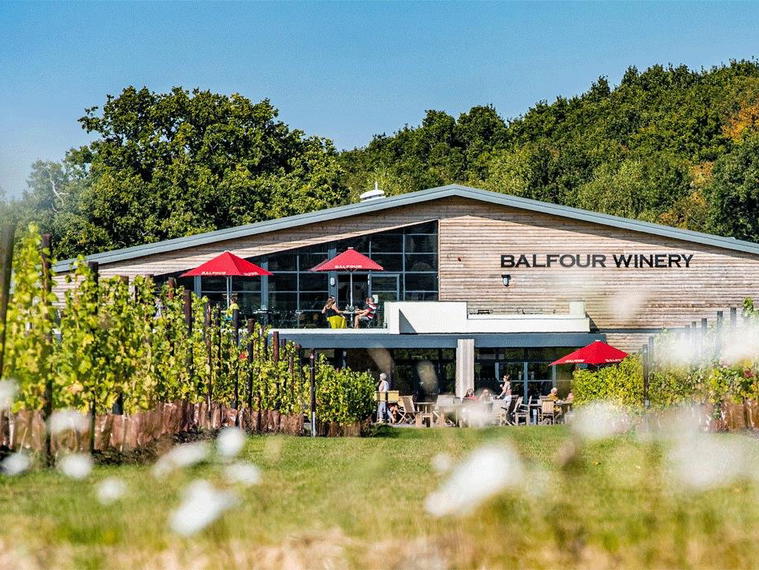
Staplehurst, United Kingdom
Set across 160 hectares of Kent countryside on a Tudor estate, Balfour Winery has been producing English sparkling and still wines since 2004. Two medals at the 2025 Decanter awards, including a Silver, signal consistent recognition at the competitive tier of English wine. The estate combines working vineyard with meadow walks, making it as much a pastoral destination as a production site.
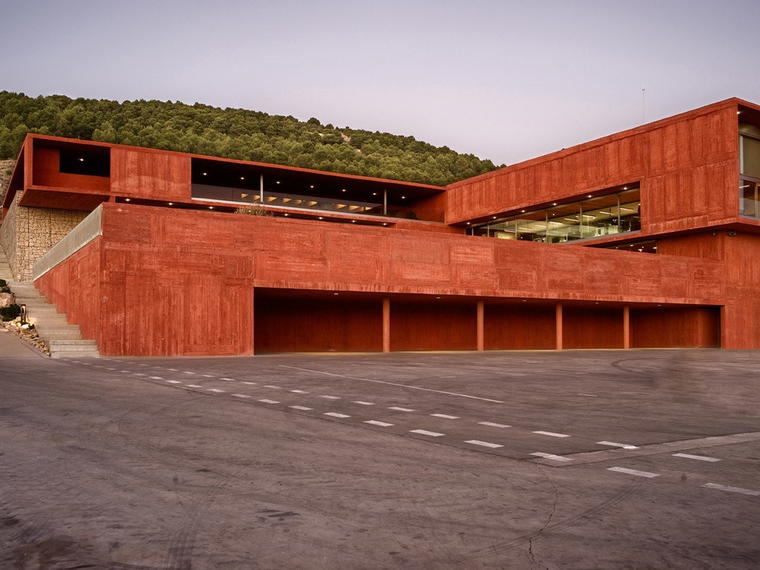
Peñafiel, Spain
The estate produces Tempranillo-led Ribera del Duero wines from its red-stone winery complex, and operates within the tighter allocation tier of Spain's most closely watched Duero producers.
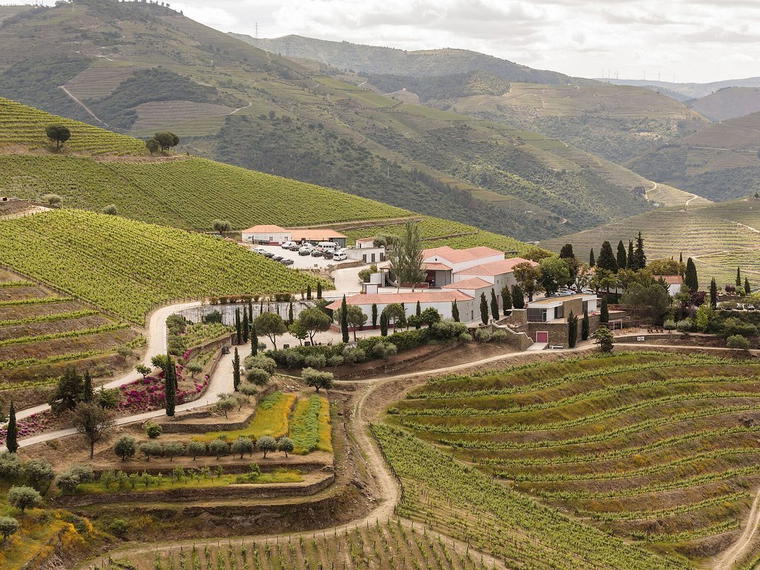
Covas do Douro, Portugal
The Douro Valley's approach to terroir-driven winemaking reaches one of its most systematic expressions at Quinta Nova de Nossa Senhora do Carmo in Covas do Douro.
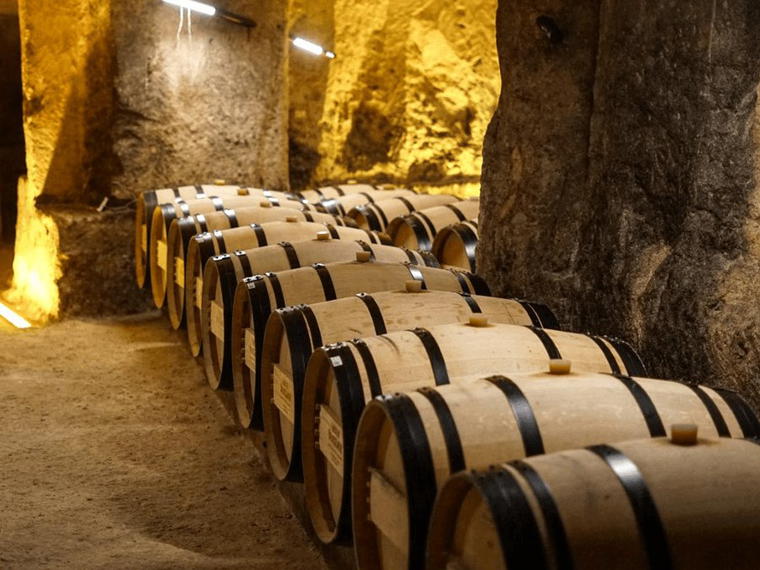
Saint-Émilion, France
Château Beauséjour Duffau-Lagarrosse belongs to the limestone-driven side of Saint-Émilion, where slope, exposure, and old Merlot-Cabernet Franc plantings matter more than visitor theatre. The 6.8-hectare Premier Grand Cru Classé estate has been tied to the Duffau-Lagarrosse family since 1847, with a quiet, vineyard-led format focused on serious red Bordeaux.
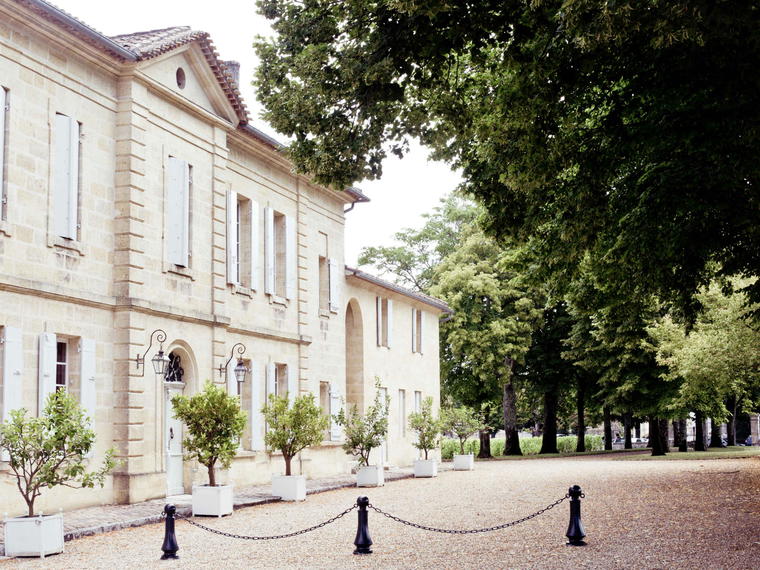
Saint-Émilion, France
Château Clos Fourtet is a Saint-Émilion estate producing Merlot-dominant wines from limestone plateau vineyards on the plateau calcaire. Its position along the ancient town walls places it among the appellation's most historically rooted estates, operating within Saint-Émilion's Premier Grand Cru Classé tier alongside a compact peer group of plateau-focused producers.
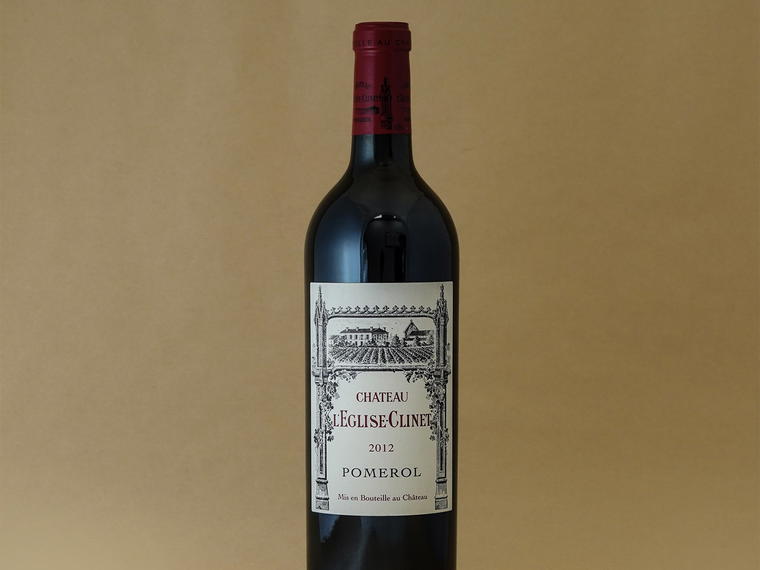
Pomerol, France
The estate's address on the plateau puts it in direct proximity to the appellation's most celebrated soils, and its wines carry the density and aromatic precision that define Pomerol's upper tier.
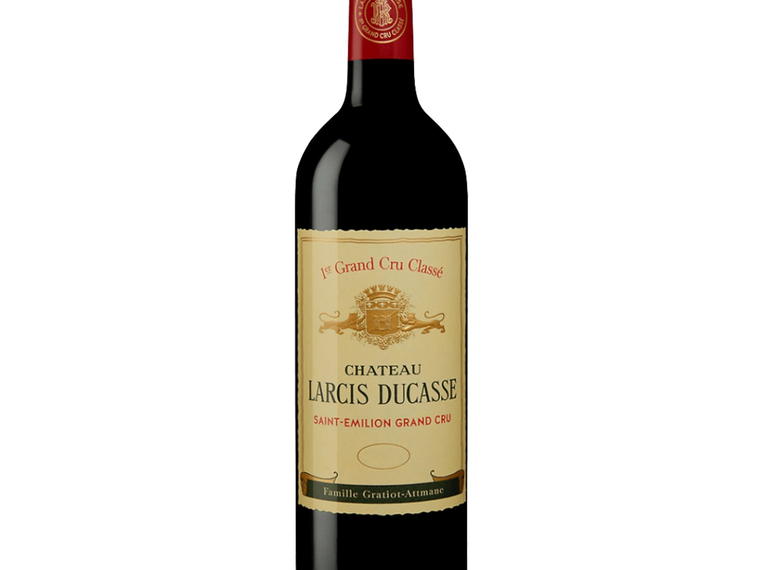
Saint-Émilion, France
Château Larcis Ducasse sits on the limestone-clay slopes east of Saint-Émilion's medieval centre. The estate's position within Saint-Émilion's most demanding appellation tier places it among the appellation's compact group of high-calibre producers. For serious Bordeaux collectors, it represents one of the Right Bank's more quietly regarded addresses.
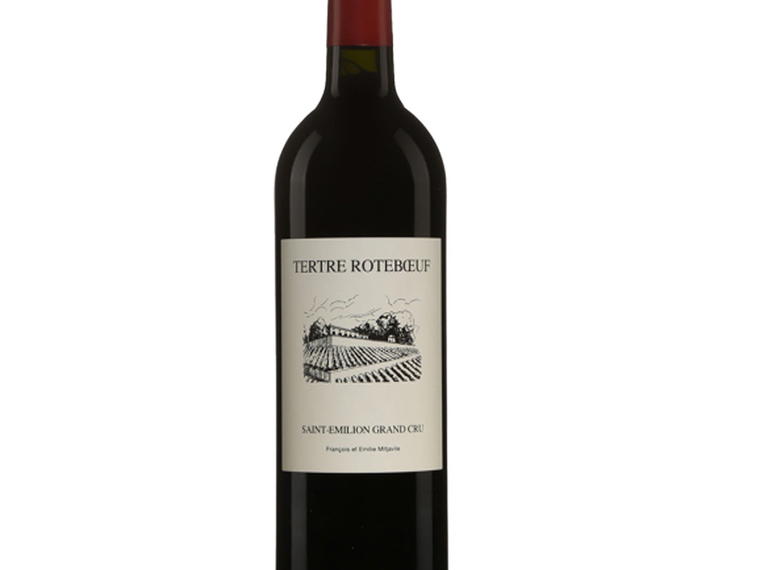
Saint-Émilion, France
Château Le Tertre Roteboeuf occupies a quiet plateau east of Saint-Émilion's medieval core, where winemaker François Mitjavile has spent decades producing some of the appellation's most discussed right-bank Merlot. Visiting requires planning: allocation access is limited and demand consistently outpaces supply.
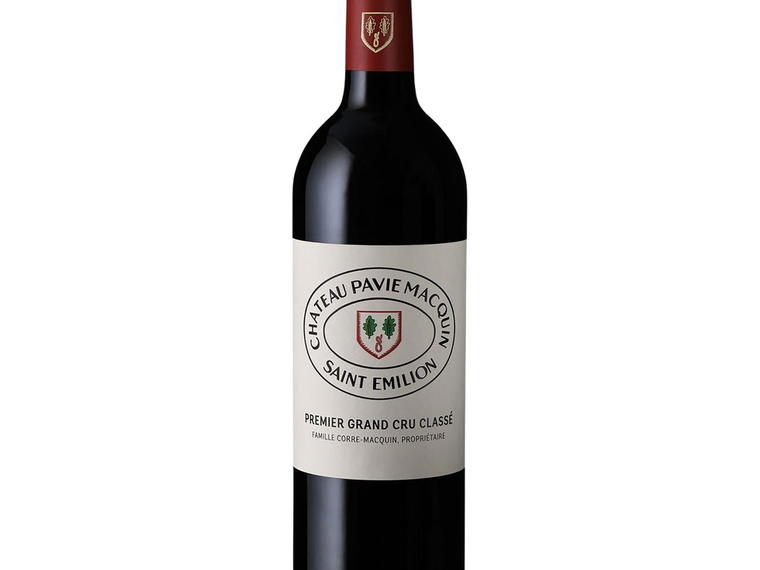
Saint-Émilion, France
Château Pavie Macquin sits among Saint-Émilion's upper-tier Right Bank estates. Located at 1 Peygenestau on the plateau adjacent to the appellation's most celebrated vineyards, it represents the kind of address that rewards planning well in advance. Visitors arriving with context, on the classification system, the terroir, and the booking process, get considerably more from the experience.
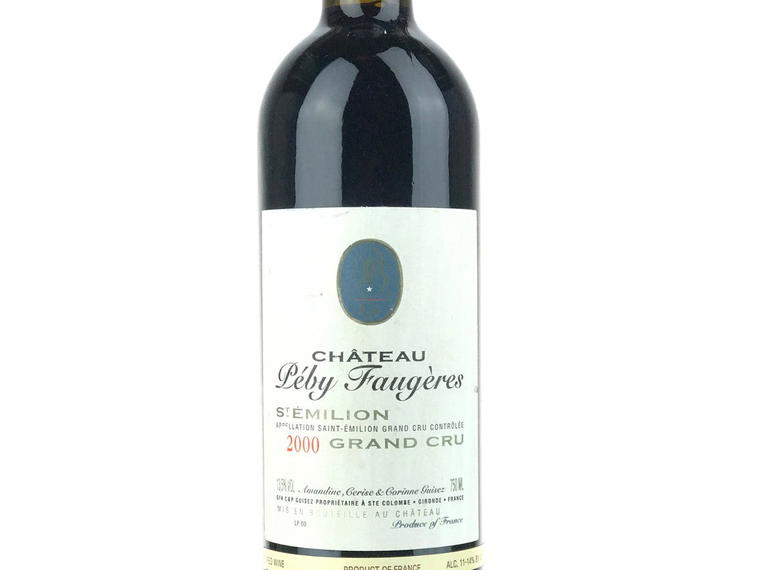
Saint-Émilion, France
The estate occupies the quieter fringes of the appellation, where the competitive set thins and terroir distinctions between plateau and hillside become most legible. For collectors tracking right-bank Bordeaux with serious recognition, it warrants close attention.
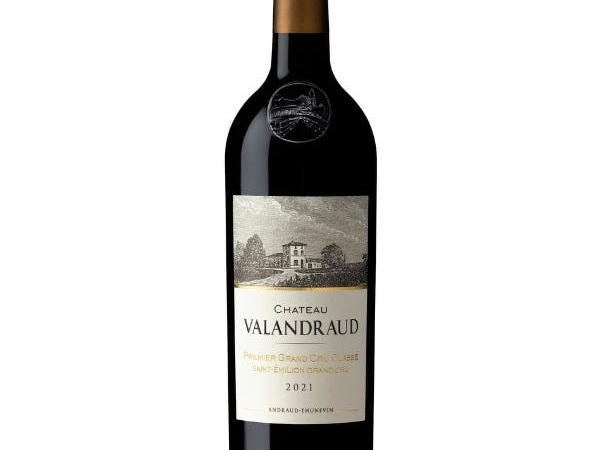
Saint-Émilion, France
Château Valandraud is one of Saint-Émilion's defining garage wine estates, the property that effectively established the garagiste movement on the Right Bank. Winemaker Jean-Luc Thunevin produces Merlot-dominant wines from parcels on the limestone-clay plateau east of the town. The estate sits at 1589 route de Jappeloup in Saint-Étienne-de-Lisse.
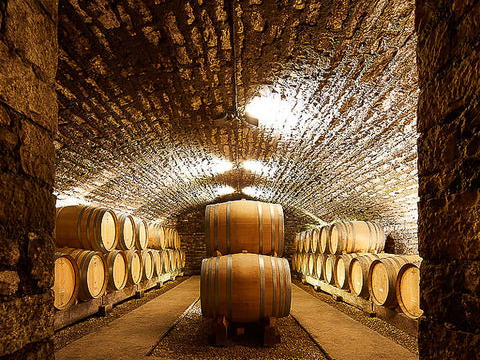
Meursault, France
One of Burgundy's most storied domaines, Domaine Jacques Prieur has been producing wine in Meursault since 1870, with holdings across some of the Côte d'Or's most recognised appellations.
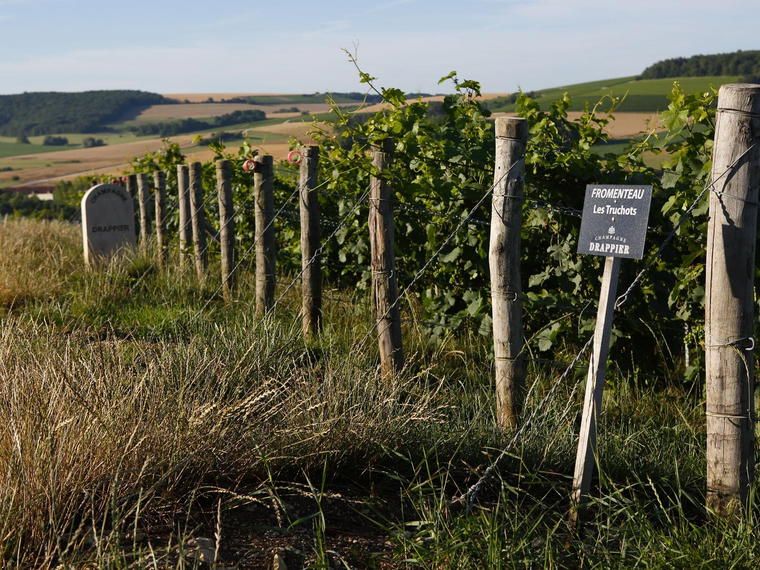
Urville, France
Drappier’s Urville cellar work includes slow, low-temperature second fermentation. Visit by reservation for a cellar tour and tasting or a tasting alone; a separate April–October gourmet picnic adds local products and a bottle for two. André and Micheline Drappier created Carte d’Or in 1952.
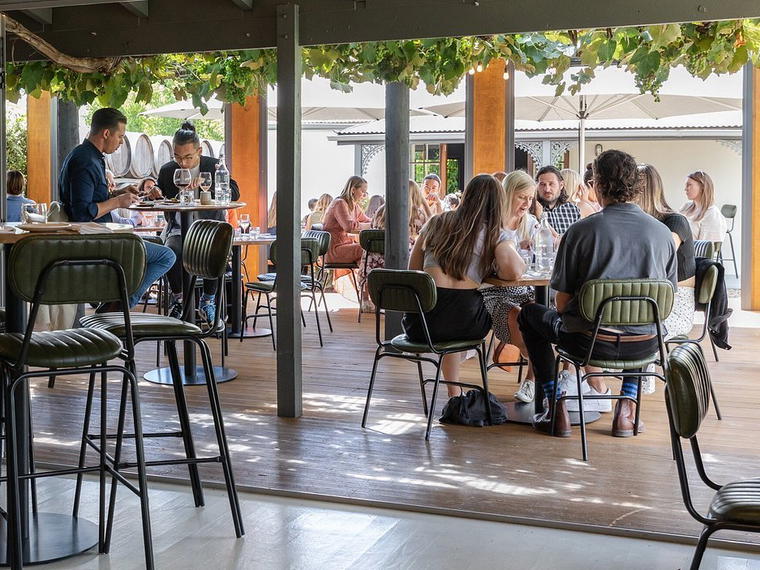
Waipara, New Zealand
Greystone Wines sits at the heart of North Canterbury's limestone-rich Waipara Valley, where a cool-climate growing season and free-draining soils produce wines of marked precision. For those exploring the region's serious wine identity, Greystone is a logical anchor point.
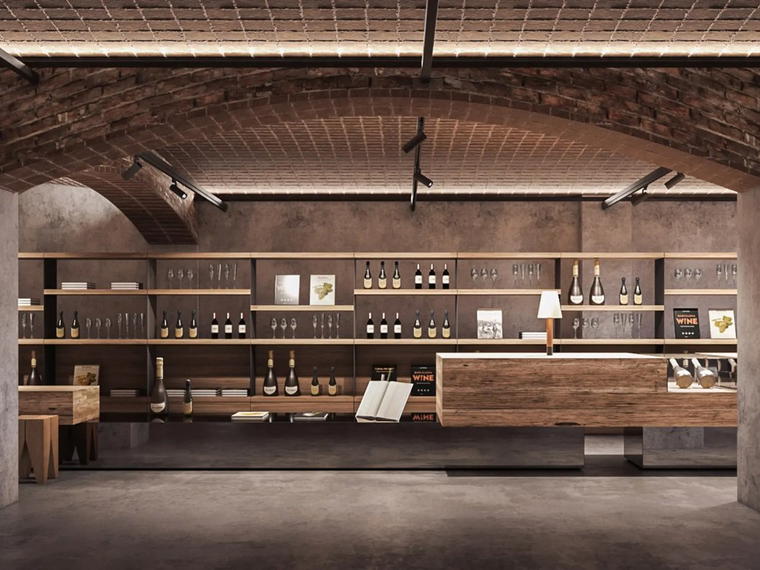
Sant Sadurní d'Anoia, Spain
The estate sits within a town where Cava production defines the economy, the architecture, and the rhythm of daily life, making a visit as much about understanding a wine culture as tasting one.
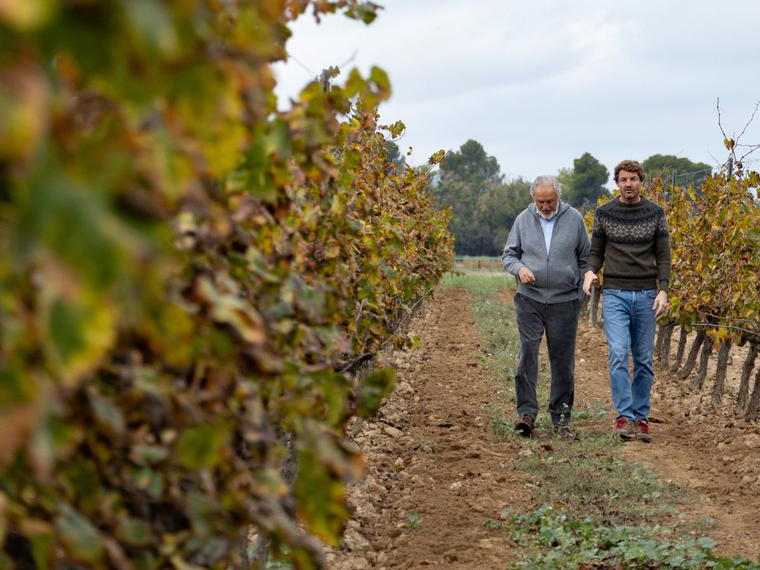
Sant Sadurní d'Anoia, Spain
Among the town's historic sparkling wine houses, it represents the small-grower, estate-focused tier rather than the large-volume category dominated by neighbours like Codorníu and Freixenet.
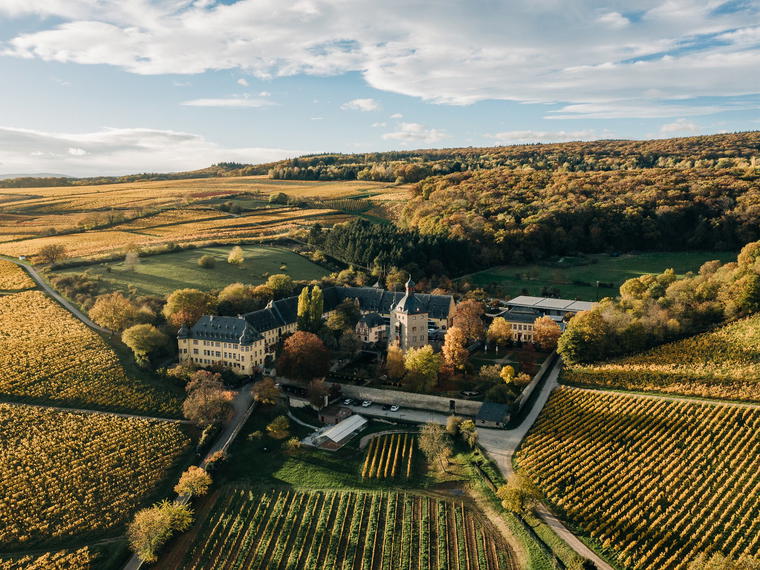
Oestrich-Winkel, Germany
One of the Rheingau's most historically significant wine estates, Schloss Vollrads in Oestrich-Winkel has documented vinous activity dating to 1211, making it one of the oldest continuously operating wine properties in Germany.
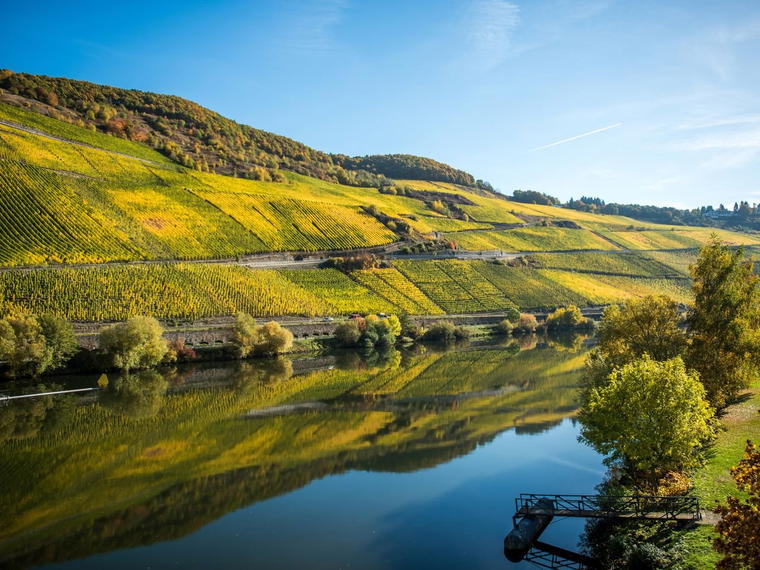
Leiwen, Germany
Weingut Grans-Fassian is a Mosel estate based in Leiwen. The winery sits on Römerstraße, the Roman road that threads through the heart of one of Germany's most storied Riesling villages. For visitors tracing the Mosel's slate-driven terroir from producer to producer, it represents serious local standing in a competitive field.
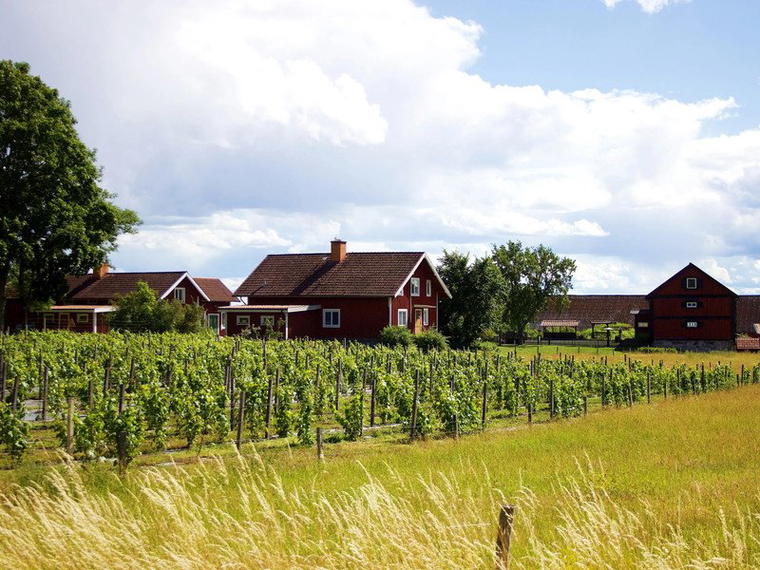
Oberwaltersdorf, Austria
Weingut Heinrich Hartl operates from Oberwaltersdorf in the Thermenregion, a subregion of Lower Austria where volcanic soils and warm Pannonian air shape wines of distinct character. For visitors exploring Austria's wine country south of Vienna, Hartl represents a serious Thermenregion address.
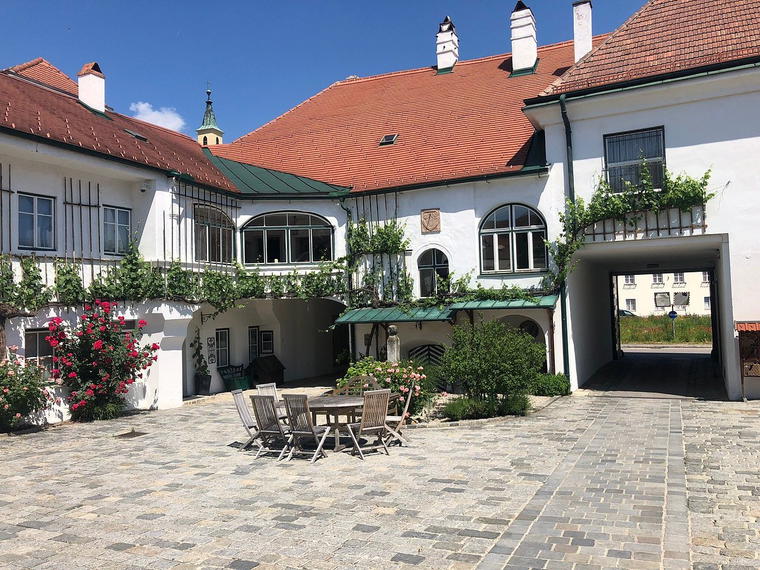
Langenlois, Austria
Weingut Jurtschitsch is a Langenlois estate operating at the summit tier of Kamptal winemaking. Positioned at Rudolfstraße 39, the winery sits within one of Lower Austria's most concentrated zones of serious viticulture, where loess soils and the Kamp valley's thermal conditions define the region's Grüner Veltliner and Riesling character.