Weingut Gesellmann

The estate sits within a village where several serious producers work within close proximity, making it a reference point for the region's premium tier.
Pearl is the En Primeur Club membership app — saves, bookings, and concierge access live there. Same editors, same standards.
- Address
- Langegasse 65, 7301 Deutschkreutz
- Phone
- +43 2613 803600
- Website
- gesellmann.at
- Directions
- Get directions
 Saves & bookings on Pearl
Deutschkreutz and the Burgenland Red Wine Tradition
The village of Deutschkreutz sits in the Blaufränkischland sub-region of Mittelburgenland, a corridor of Austria where red wine production has historically been treated with the same seriousness that Wachau applies to Riesling and Grüner Veltliner. The soils here shift between limestone and clay, and the continental climate, moderated by proximity to the Pannonian Basin, produces growing conditions that push Blaufränkisch toward a particular kind of structural density: firm acid, a mineral thread, and tannins that reward patience. That combination has made Mittelburgenland the reference region for anyone trying to understand what Austrian red wine can be at its most serious.
A Village Built Around Serious Winemaking
What makes Deutschkreutz worth understanding as a place, rather than just a dot on an Austrian wine map, is the concentration of credentialed producers working within a short distance of one another. Weingut Gager and Weingut Strehn both operate from the same village, and the proximity is less coincidence than consequence: the soils and microclimate here have long attracted producers who believe the terroir warrants careful work. Visiting Deutschkreutz is, in practice, visiting a cluster of estates where the shared raw material is high quality but the interpretive choices diverge.
The wider Burgenland picture is worth holding in mind. Austria's red wine scene is a smaller niche globally than its white wine reputation, and within that niche, Mittelburgenland producers occupy a specific tier: estates working with Blaufränkisch as a primary variety, where the question is less about fruit ripeness and more about how much the site's character can be preserved through careful handling. That conversation has parallels in how Pinot Noir producers in Burgundy or the Willamette Valley position themselves against Cabernet-dominant markets. Gesellmann's prestige-tier recognition signals it as a participant in that conversation rather than a peripheral figure in it.
The Gesellmann Approach to Burgenland Red Wine
Specific current tasting notes are not confirmed here. What the record supports is the following: the estate holds a significant recognition tier in 2025, it operates from one of Austria's most established addresses for Blaufränkisch, and it functions within a village context where the quality benchmark is set by multiple serious producers working the same variety in similar soil conditions. That competitive context matters because it means Gesellmann's recognition has been earned against a comparable set with genuine depth, not against a thin regional field.
Blaufränkisch, the variety most associated with this corridor, tends to produce wines that read differently from the riper, more voluminous styles that dominate international red wine recognition. The variety carries a savory edge, a blue-fruit profile rather than black, and an acid structure that keeps wines with significant extract from feeling heavy. Producers who handle it well, and Mittelburgenland has several who do, make wines that age in the manner of serious Burgundy or northern Rhône rather than Napa or Priorat. For comparison points from other parts of Austria, Weingut Bründlmayer in Langenlois and Weingut Emmerich Knoll in Dürnstein represent the equivalent prestige tier in white wine production.
Burgenland in a Broader Austrian Context
Austria's wine map rewards producers who commit to specific varieties in specific soils, and the recognition systems that have emerged around Austrian wine over the past two decades reflect that logic. Estates like Weingut Kracher in Illmitz built international reputations around Burgenland's capacity for late-harvest whites; Weingut Pittnauer in Gols and Weingut Heinrich Hartl in Oberwaltersdorf extend the region's red wine credentials further. The point is that Burgenland's serious producers are not working in isolation: each prestige-tier estate is read against a regional and national field that has become increasingly competitive.
For producers elsewhere in the Austrian spectrum, the reference points shift: Weingut Wohlmuth in Kitzeck occupies a similar prestige tier in Styria, where the focus shifts to Sauvignon Blanc and Welschriesling. The cross-regional comparison is useful for understanding where Gesellmann sits in Austrian wine at large: among the producers that serious collectors and trade buyers track, regardless of which variety they are seeking.
Planning a Visit to Langegasse 65
Deutschkreutz is accessible from Vienna by car in approximately 90 minutes, which places it within day-trip range for visitors based in the capital. The village itself is compact, and Gesellmann's address at Langegasse 65 is direct to locate. For reservations, contact the estate directly.
Given the proximity of Gesellmann, Weingut Gager, and Weingut Strehn, a Deutschkreutz morning can function as a coherent seminar in Mittelburgenland Blaufränkisch across different interpretive styles. That kind of structured itinerary is how serious wine travel in concentrated producer villages tends to work, not as a series of disconnected appointments, but as an argument about what a place can do with a particular grape.
Price and Recognition
Comparable venues nearby, for context on price, style, and recognition.
| Venue | Cuisine | Price |
|---|---|---|
| Weingut GesellmannThis venue — the venue you are viewing | Deutschkreutz, Blaufränkisch, Zweigelt | $$ |
| Weingut Gager | Deutschkreutz, Blaufränkisch, Zweigelt | $$ |
| Weingut Strehn | Deutschkreutz, Blaufränkisch, Zweigelt | $$ |
| Grüneis Distillery | Winery | Not listed |
| Distillery Schroll | Winery | Not listed |
| Brennerei Baumann | Winery | Not listed |
Recognition history
Dated appearances from independent guides and award organizations, with the underlying list record or original source where available.
Falstaff Winery - 5 Stars
Falstaff
Continue exploring
More in Deutschkreutz
Wineries in Deutschkreutz
Browse all →
Bars in Deutschkreutz
Browse all →

Restaurants in Deutschkreutz
Browse all →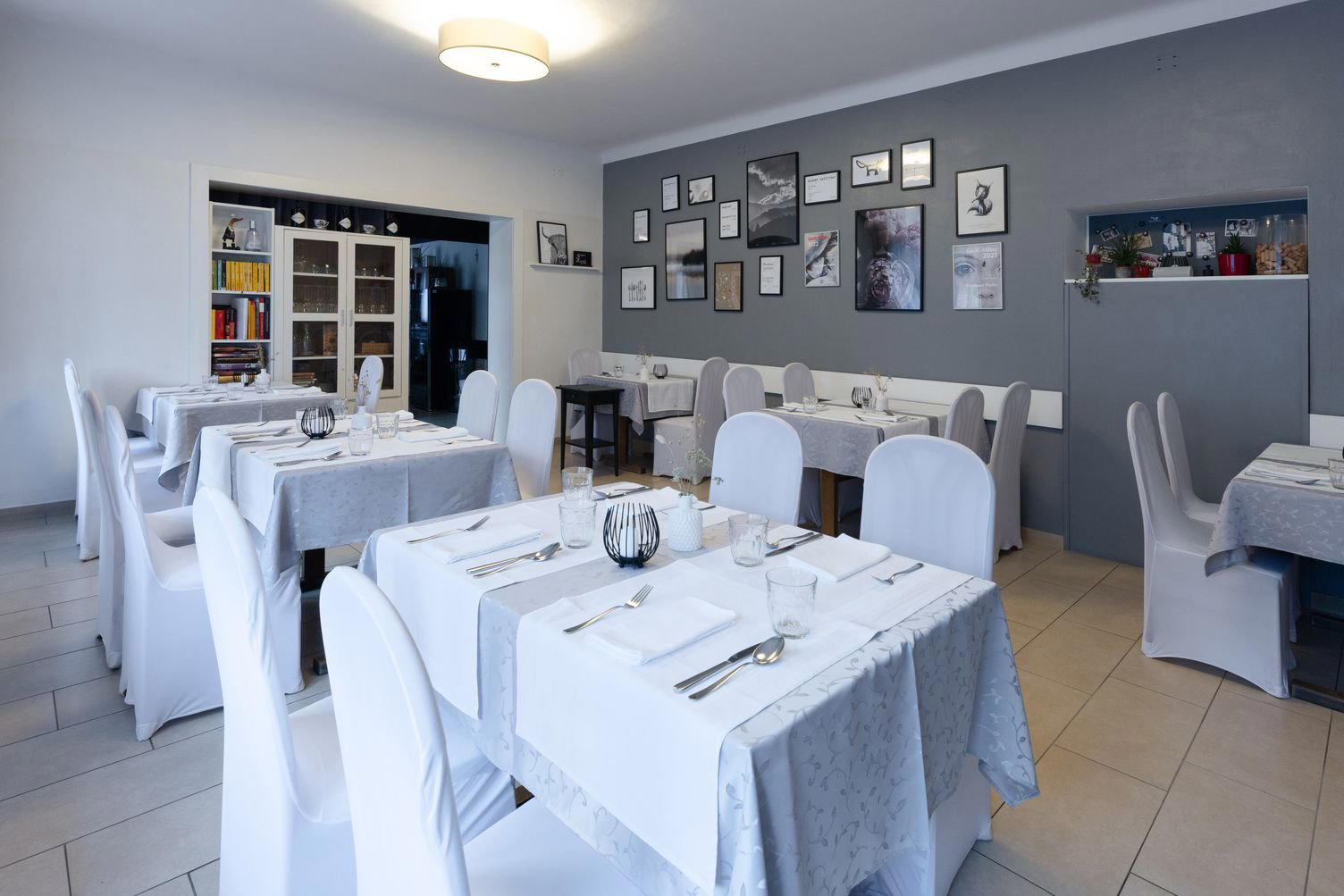
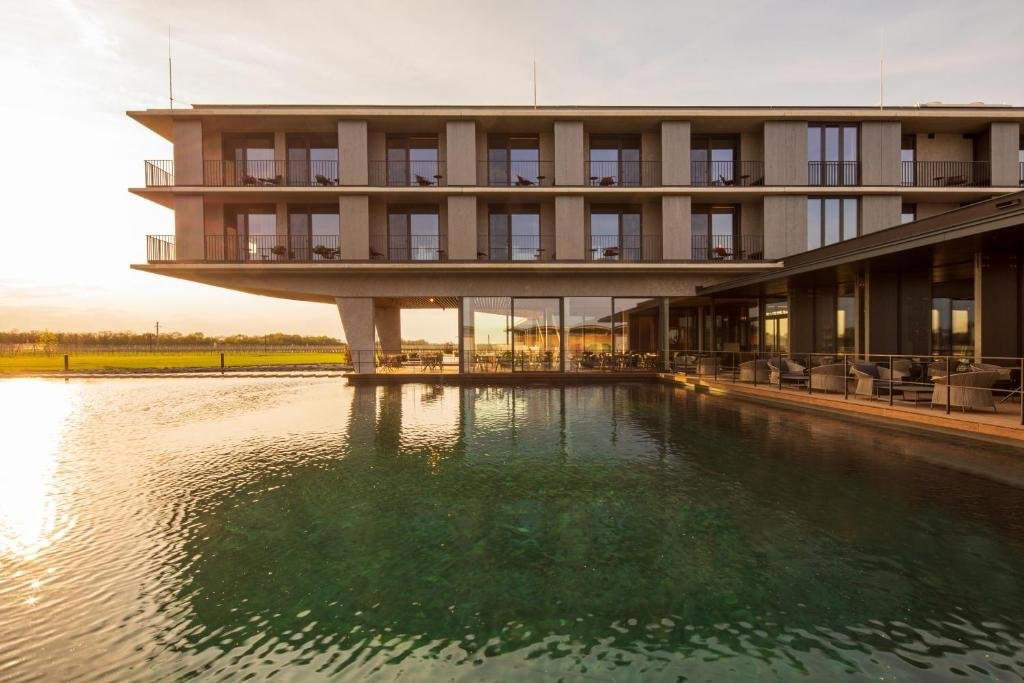
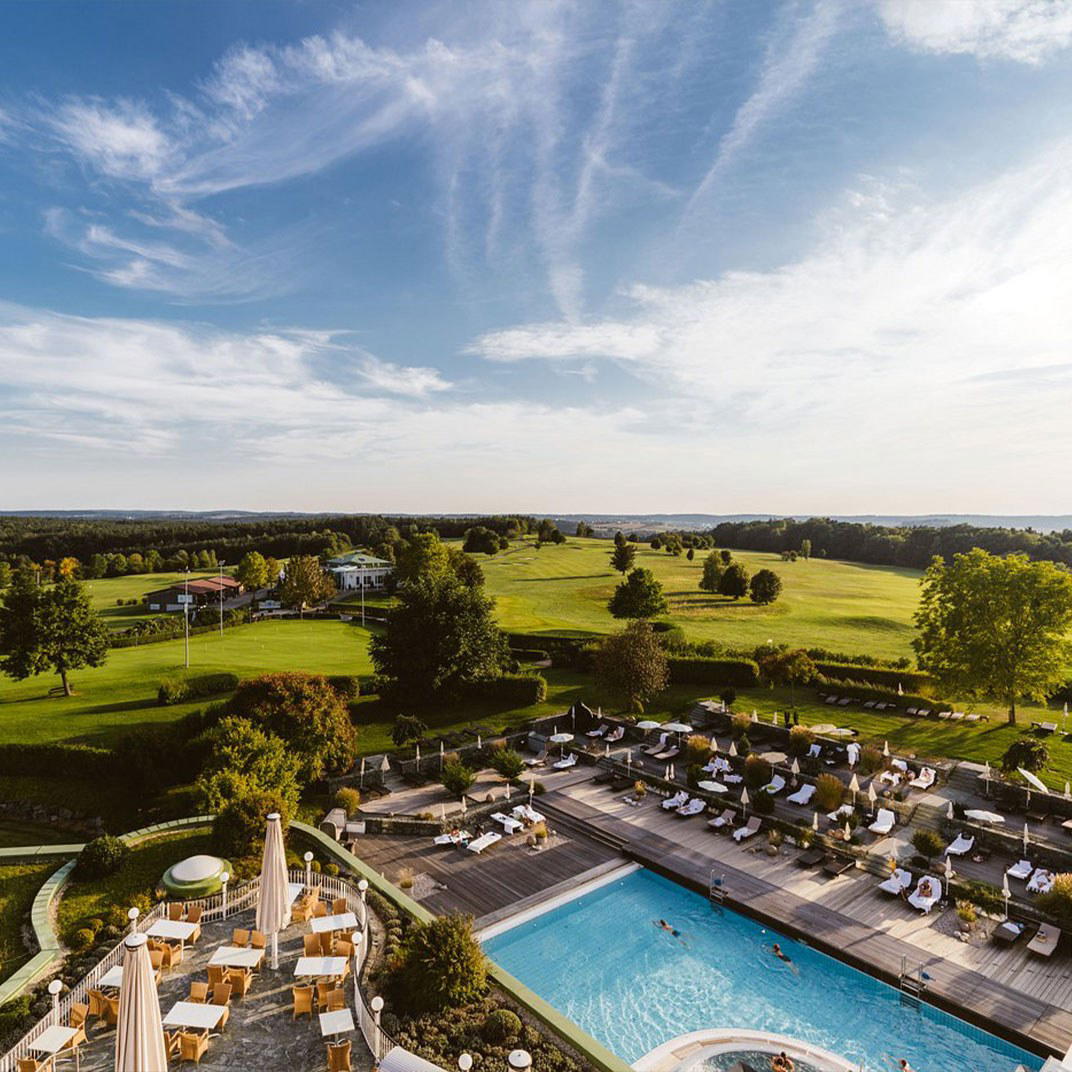
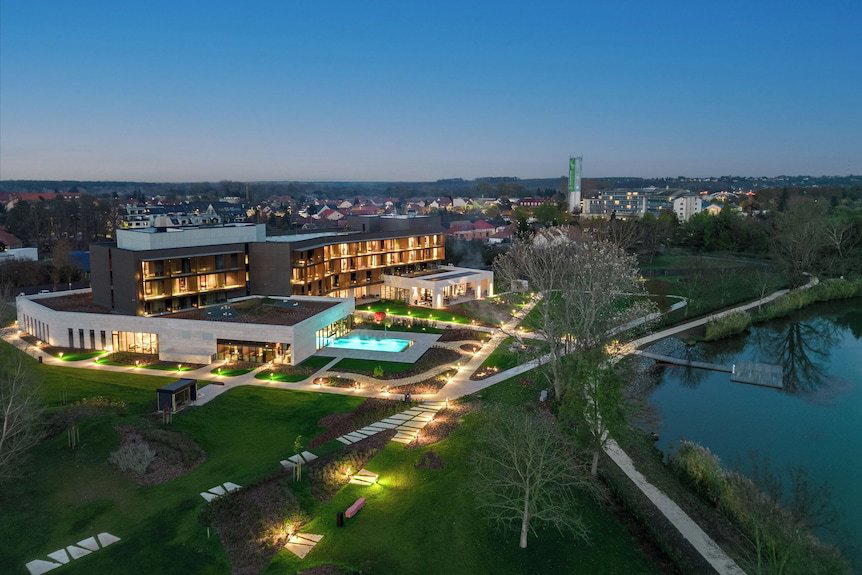
At a Glance
- Rustic
- Classic
- Scenic
- Wine Education
- Solo Exploration
- Vineyard Tour
- Estate Grounds
- Organic
- Vineyard
- Mittelburgenland
- Blaufränkisch
- Zweigelt
- St. Laurent
- Merlot
- Cabernet Sauvignon
- Pinot Noir
- Chardonnay
- Still Red
- Cave Tasting
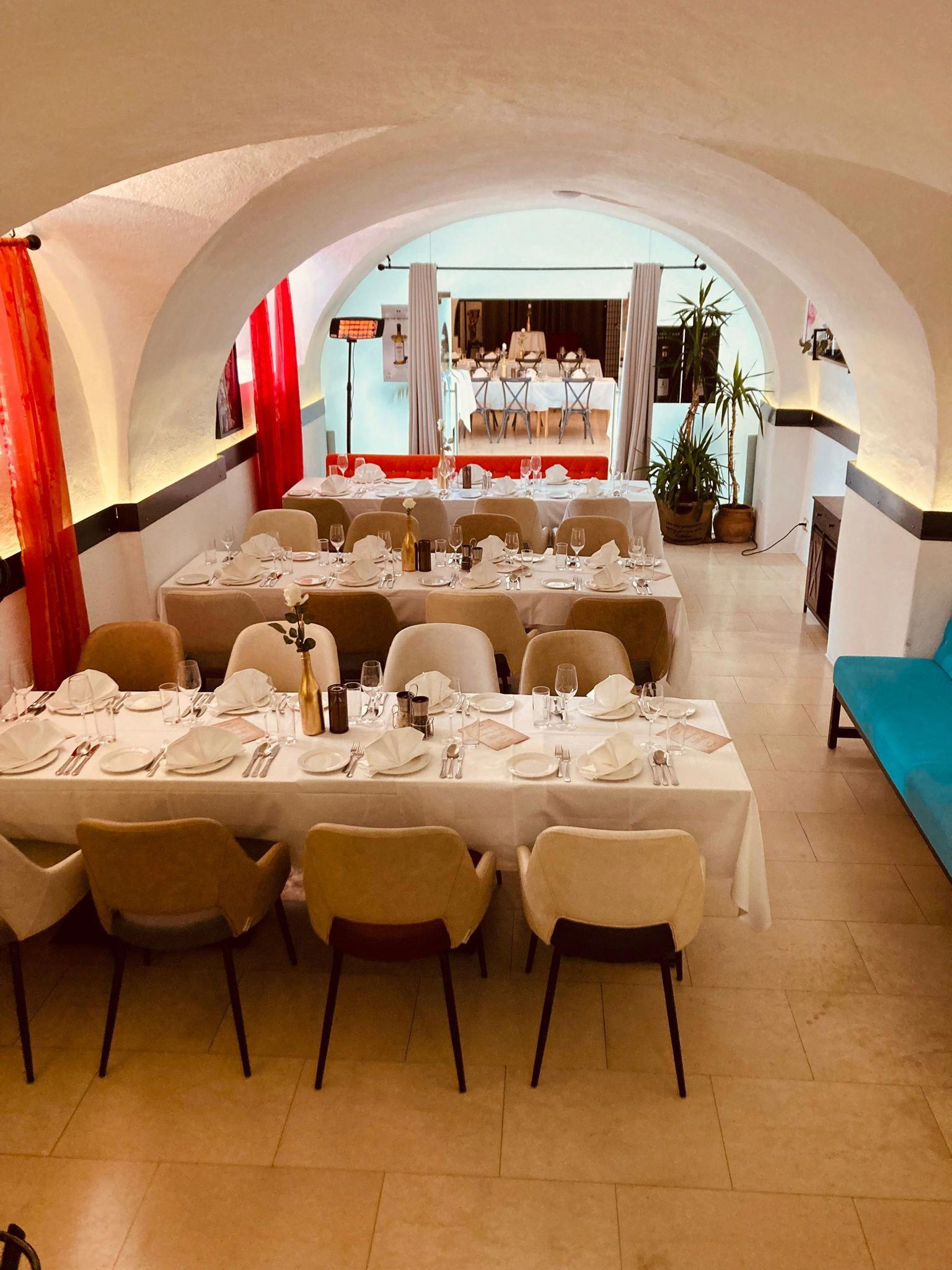
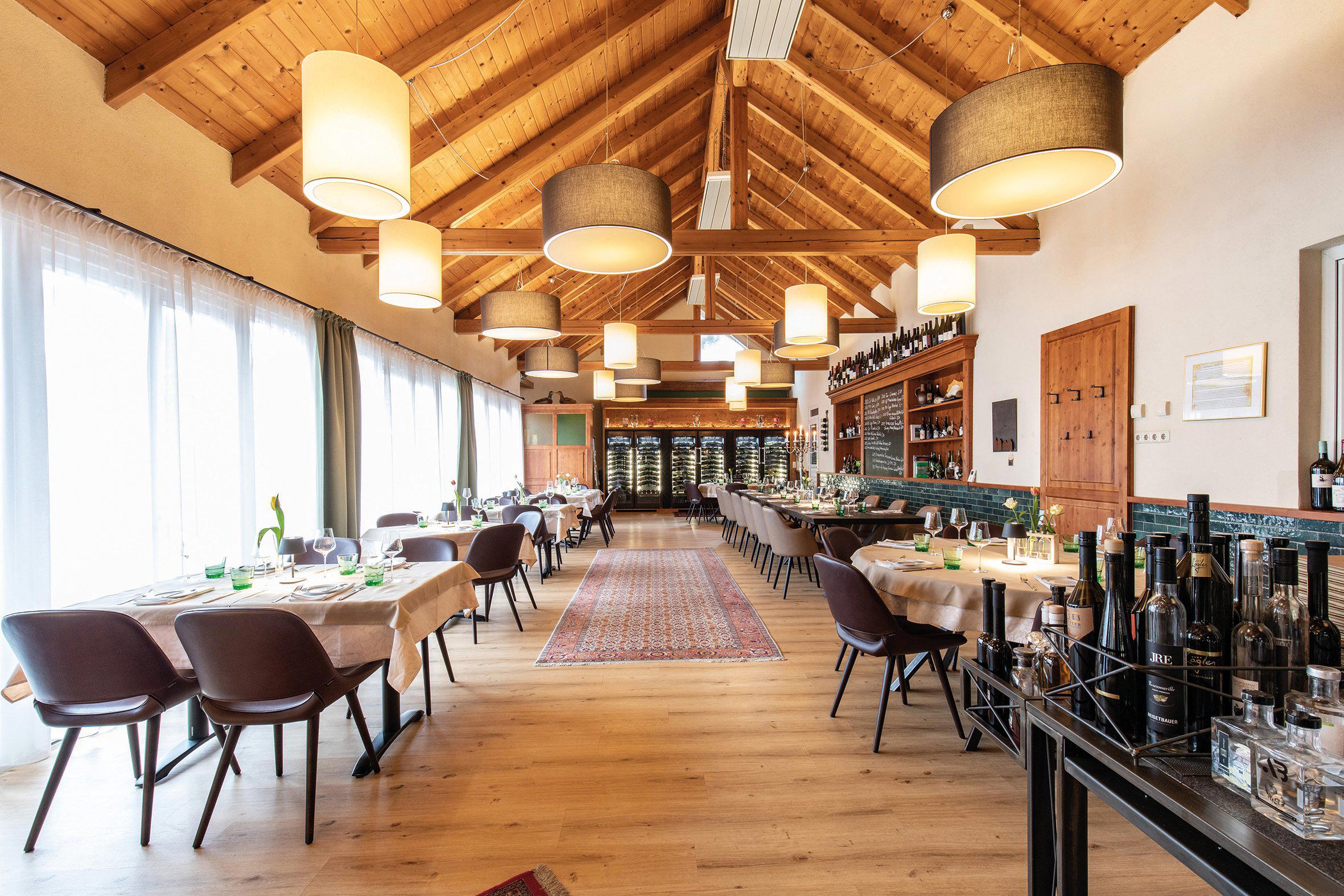
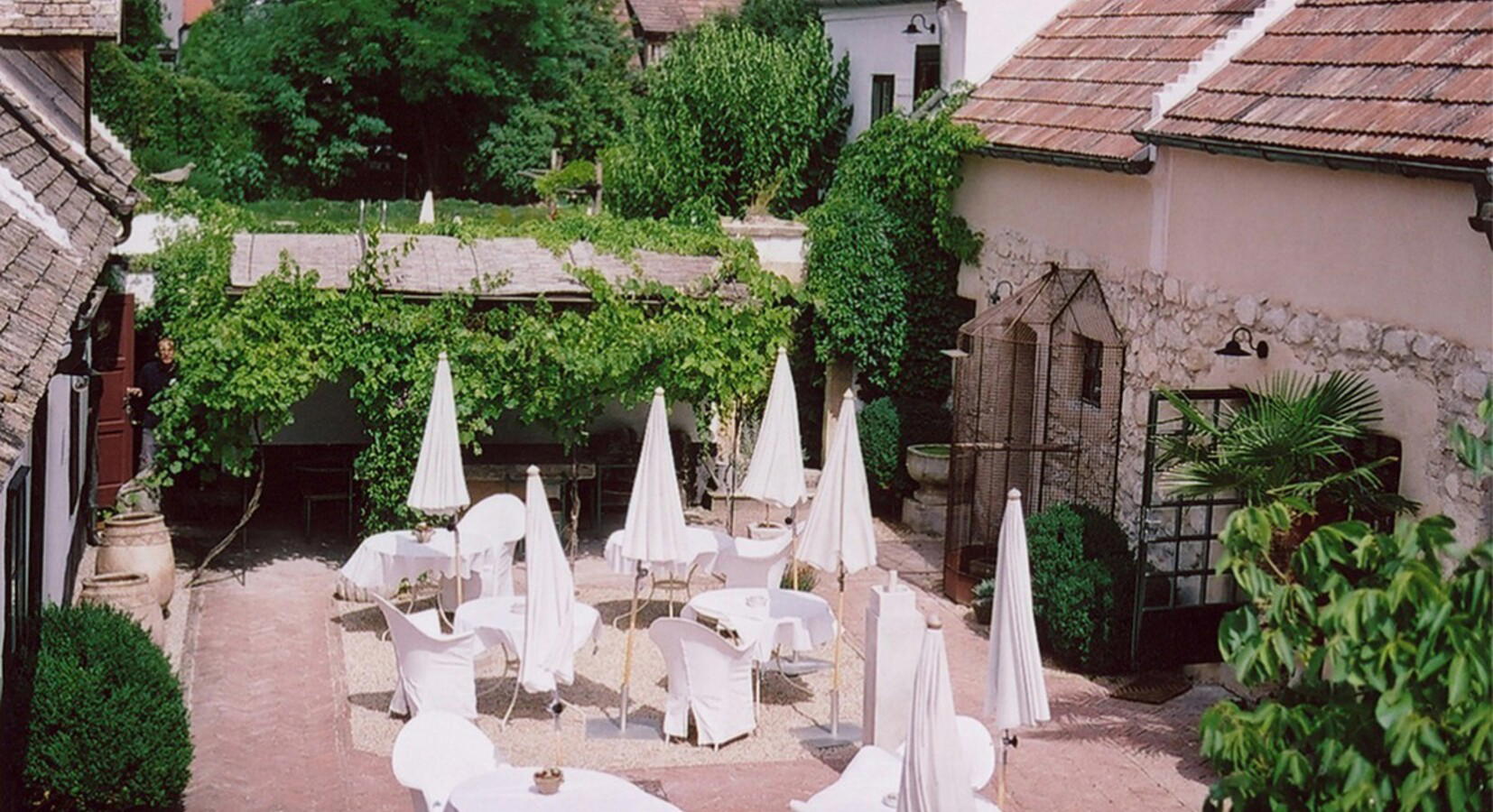
Traditional winery atmosphere focused on characterful organic wines from loamy vineyard sites in Mittelburgenland.