Schweigen-Rechtenbach, Germany
Weingut Friedrich Becker
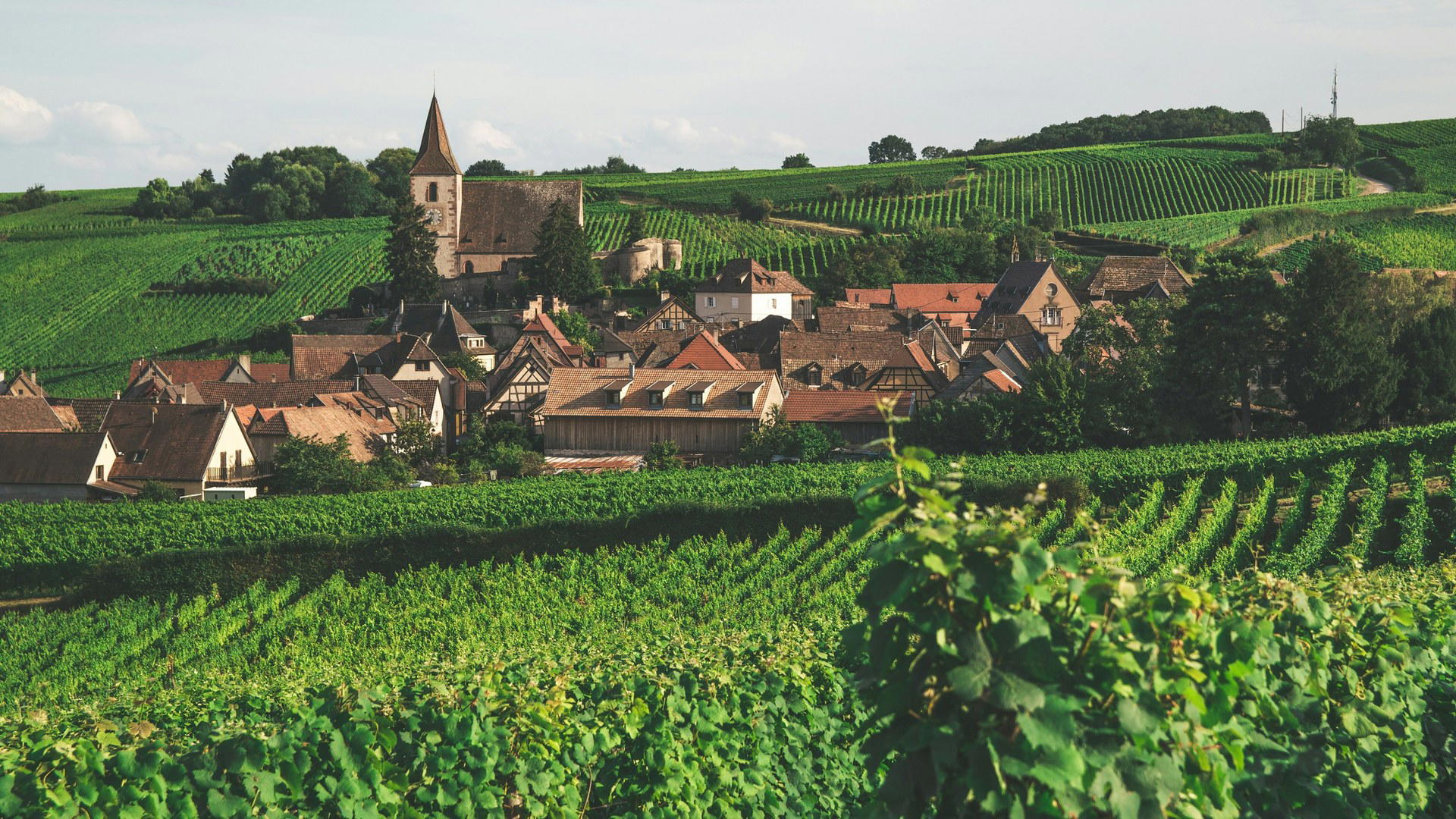
Weingut Friedrich Becker operates from the far southern tip of the Pfalz, where the vineyards cross into Alsace and the soils shift in ways that show clearly in the glass.
Restaurants, hotels, bars and wineries in Schweigen-Rechtenbach from the En Primeur Club guide.
Accolades in Schweigen-Rechtenbach
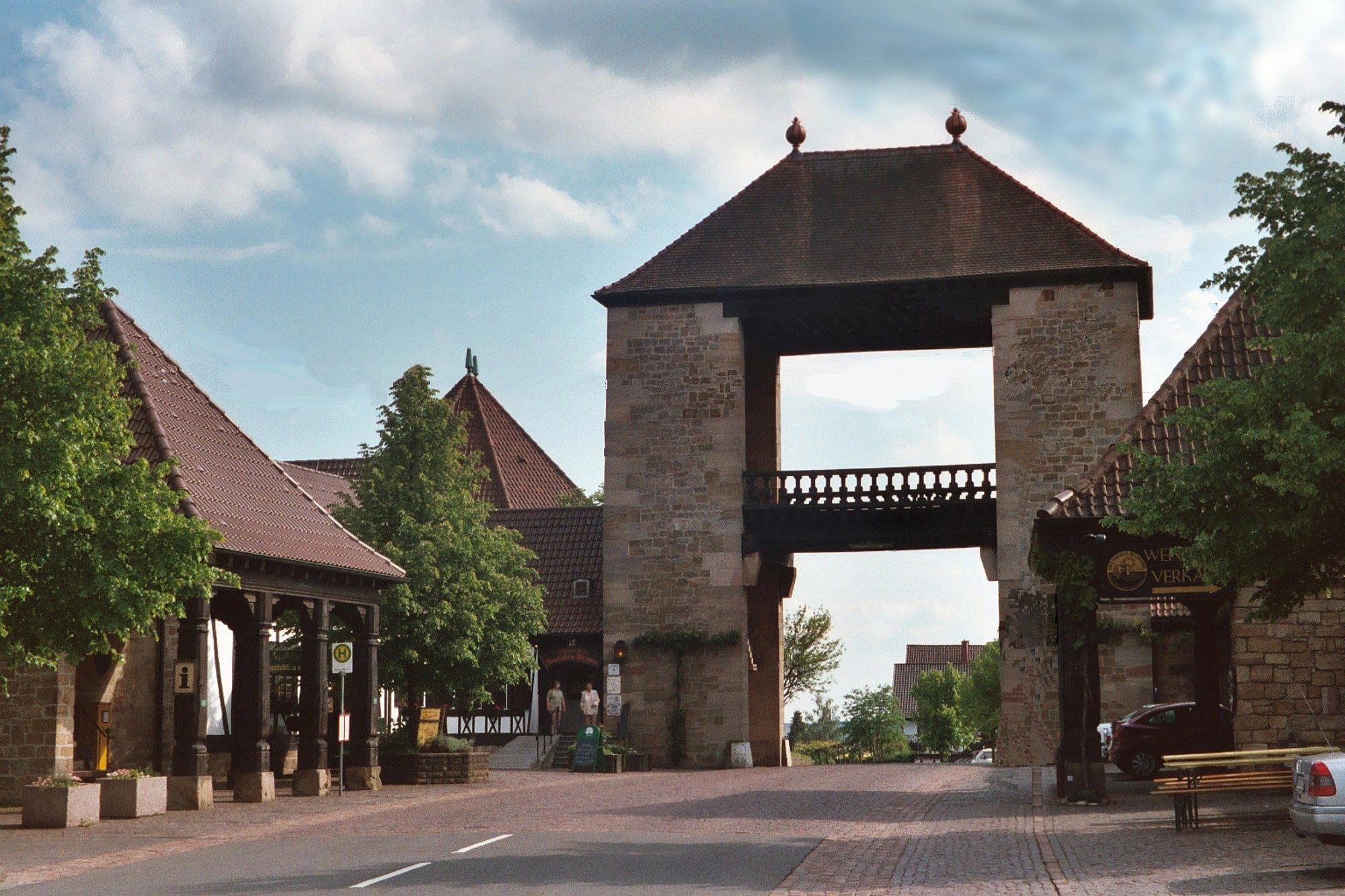
These estates show the town’s borderland character through serious vineyard work, provenance, and recognised cellar standards.
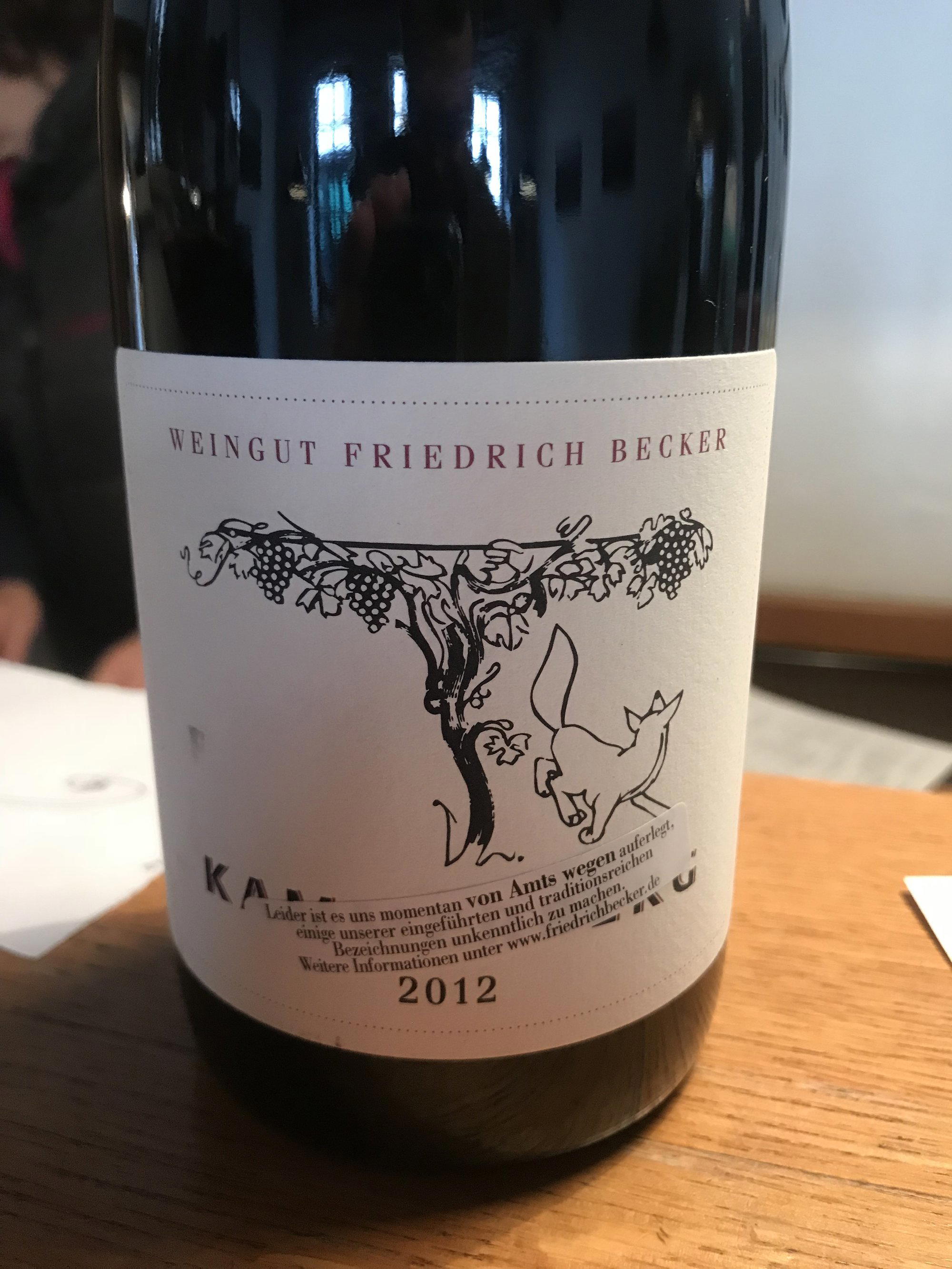
Weingut Friedrich Becker operates from Schweigen-Rechtenbach with vineyards that straddle the German-French border. The estate is known for Pfalz Pinot Noir, uses premium barrels from Domaine de la Romanée-Conti, and was awarded Falstaff Winery 5 Stars in 2026.
Weingut Jülg is a Schweigen-Rechtenbach estate with vineyards on both sides of the German-French border. The portfolio centres on Riesling and Burgundian varieties, with organic work and hand harvest. Falstaff named it a 4-Star winery in 2026.
Weingut Bernhart is a low-key VDP estate in Schweigen-Rechtenbach with organically farmed vineyards across the German-French frontier. Its range includes Spätburgunder, Riesling, Pinot Blanc, Grauburgunder, Chardonnay, Auxerrois, Sauvignon Blanc, Cabernet Sauvignon, and Merlot, and Falstaff gave it 4 Stars in 2026.
These stops suit visitors who want tasting-room formats, compact estate stories, and direct contact with the wines.
Weinhof Scheu is a family-run winery in Schweigen-Rechtenbach. Its vineyards cross between Germany and France. The vinotheque offers tastings of the estate’s wines, whose range includes Riesling, Pinot varieties, Scheurebe, Gewürztraminer and Chardonnay. In 1964 the estate had less than one hectare of vines. Falstaff listed the winery in 2026.
Grape Garage 32a is a small, self-built, Riesling-focused winery and a vinothek in Schweigen-Rechtenbach. Industrial mechanic turned winemaker Alexander Grimm created the family-run estate. Its vineyard and cellar work emphasises sustainable practices. Falstaff gave the winery 2 Stars in 2026.
Weingut Andreas und Otto Beck sits in the cellar-door tradition in Schweigen-Rechtenbach. The estate focuses on Riesling and Burgundy varieties, with still white and red wines in the mix, a quiet cellar tasting format, and a production style framed around sustainable viticulture.
Schweigen-Rechtenbach has no Michelin-starred restaurants in our guide. The guide includes 15 wineries, with direct tastings at Weinhof Scheu and cellar tastings at Weingut Andreas und Otto Beck, whose wines include Riesling and Burgundy varieties.
Schweigen-Rechtenbach has the strongest Falstaff winery credentials in our guide. Weingut Friedrich Becker there holds Falstaff Winery 5 Stars. Weingut Jülg and Weingut Bernhart, both border estates in Schweigen-Rechtenbach, each hold Falstaff Winery 4 Stars.
Weingut Friedrich Becker, Weingut Jülg, and Weingut Bernhart carry the clearest credentials in our guide. Weingut Friedrich Becker holds Falstaff Winery 5 Stars, while Weingut Jülg and Weingut Bernhart both hold Falstaff Winery 4 Stars. Grape Garage 32a and Weingut Nauerth-Gnägy hold Falstaff Winery 2 Stars.
Direct tastings and vinotheque formats are found at Weinhof Scheu, Grape Garage 32a, and Weingut Andreas und Otto Beck. Weinhof Scheu combines a vinotheque with direct tasting and purchase, while Grape Garage 32a and Andreas und Otto Beck both keep the tasting experience small and focused.
By Emmett Haley · Updated October 8, 2026 · Editorial standards
Schweigen-Rechtenbach
Selected entries from the current guide for Schweigen-Rechtenbach.
No venues found.
Schweigen-Rechtenbach
Selected entries from the current guide for Schweigen-Rechtenbach.
No venues found.
Schweigen-Rechtenbach
Selected entries from the current guide for Schweigen-Rechtenbach.
No venues found.
Schweigen-Rechtenbach
Selected entries from the current guide for Schweigen-Rechtenbach.
Schweigen-Rechtenbach, Germany
Weingut Friedrich Becker operates from the far southern tip of the Pfalz, where the vineyards cross into Alsace and the soils shift in ways that show clearly in the glass.

Schweigen-Rechtenbach, Germany
Grape Garage 32a is a small Riesling-led vinothek in Schweigen-Rechtenbach, shaped around nature-friendly cellar and vineyard work rather than trophy-case signalling. The appeal is the scale: a self-built, family-run setting where Pfalz Riesling is framed through craft, village identity, and a quiet, appointment-led hospitality model.
Schweigen-Rechtenbach, Germany
Weingut Alexander Grimm is a small Pfalz winery in Schweigen-Rechtenbach, framed by the border culture of the southern German Wine Route. Its range spans Riesling, Weißburgunder, Grauburgunder, Muskateller, Spätburgunder, Dornfelder and rosé, giving the estate a broad regional vocabulary rather than a single-grape identity.
Schweigen-Rechtenbach, Germany
A small family-run Pfalz winery in Schweigen-Rechtenbach, Weingut Andreas und Otto Beck sits in the cellar-door tradition rather than the destination-hospitality circuit. The draw is regional clarity: Riesling and Burgundy varieties, still white and red wines, a quiet cellar tasting format, and a production style framed around sustainable viticulture.
Schweigen-Rechtenbach, Germany
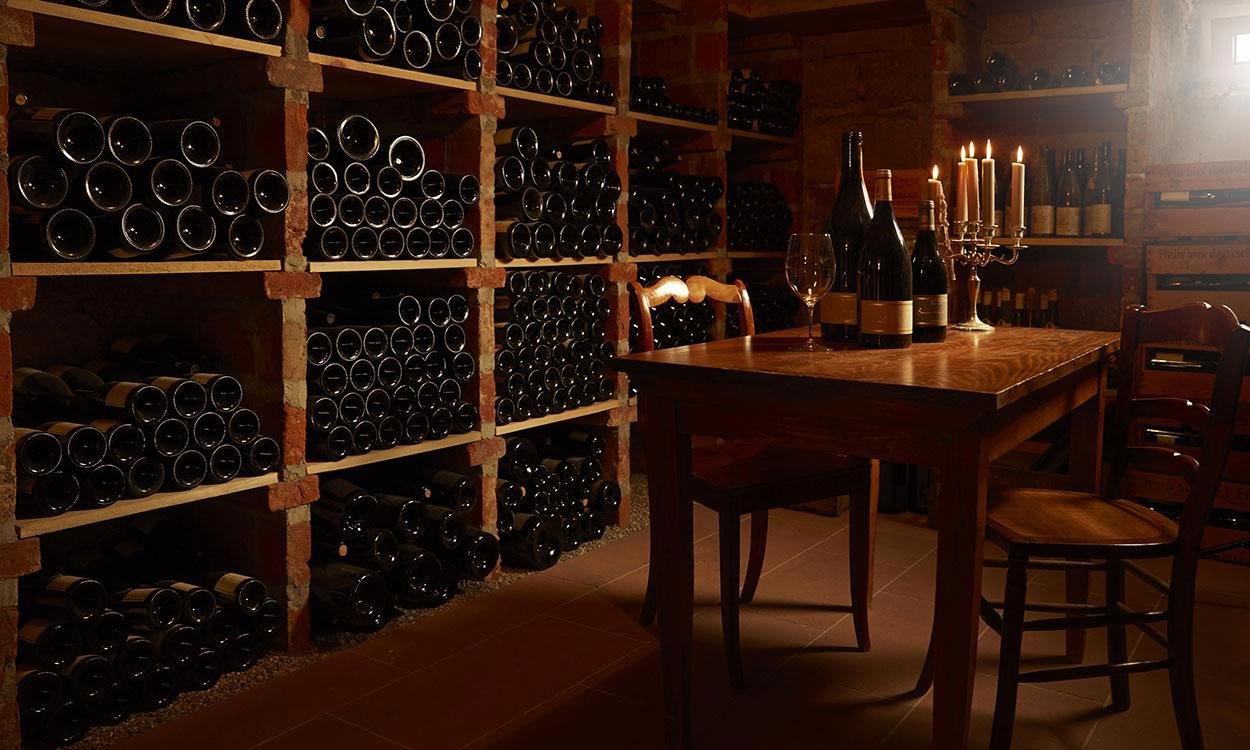
Weingut Bernhart is a low-key Pfalz estate in Schweigen-Rechtenbach, shaped by organic farming, VDP standing, and a borderland position where German and Alsatian wine culture meet. The draw is not spectacle: it is a quiet, traditional winery context with Spätburgunder, Riesling, Pinot Blanc, Grauburgunder, Chardonnay, Auxerrois, Sauvignon Blanc, Cabernet Sauvignon, and Merlot in the frame.
Schweigen-Rechtenbach, Germany
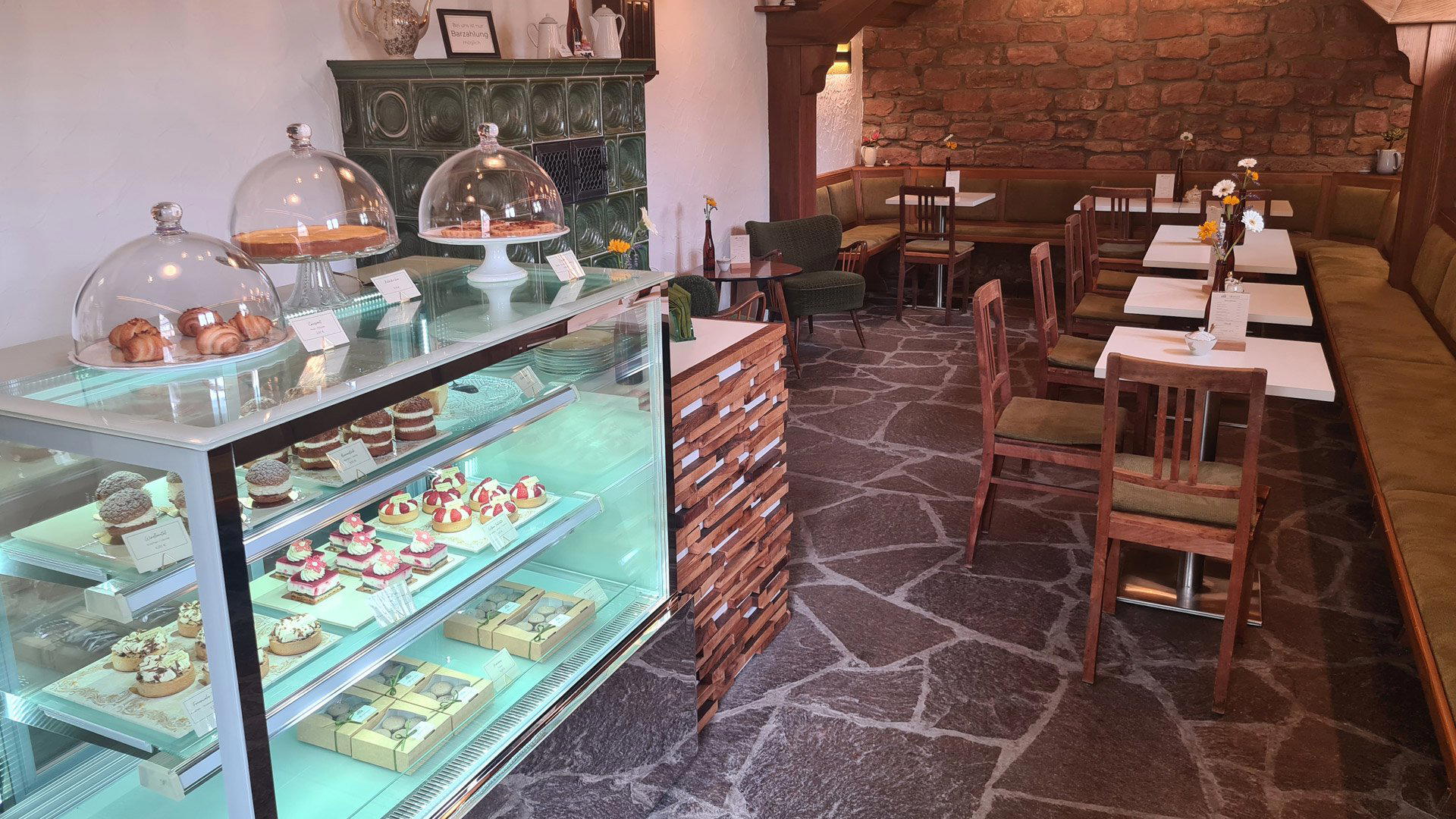
Weingut Brunck is a small family-run Pfalz winery in Schweigen-Rechtenbach, shaped by sandstone, calcareous marl, loess-loam and the borderland pull of nearby Alsace. Riesling leads the range, but the broader interest is the estate’s soil-by-variety logic, sustainable vineyard choices, and cellar-café hospitality inside a former wine cellar.
Schweigen-Rechtenbach, Germany
Weingut Cuntz is a small Pfalz winery in Schweigen-Rechtenbach, framed around still white wines and vineyard sites including Pfarrwingert and Herrenwingert. The draw is terroir rather than spectacle: shell limestone marl, southern exposure, guided or purchase tastings, and a quiet estate format suited to focused wine education.
Schweigen-Rechtenbach, Germany
Weingut Cuntz & Scheu is a family-run Pfalz winery in Schweigen-Rechtenbach with a borderland identity shaped by vines in Schweigen and Weißenburg. The appeal is terroir-led rather than trophy-led: still wines, Winzersekt, Feigensecco, verjus and vinegar sit around a Weingalerie format tied to the German Wine Route and local wine education.
Schweigen-Rechtenbach, Germany
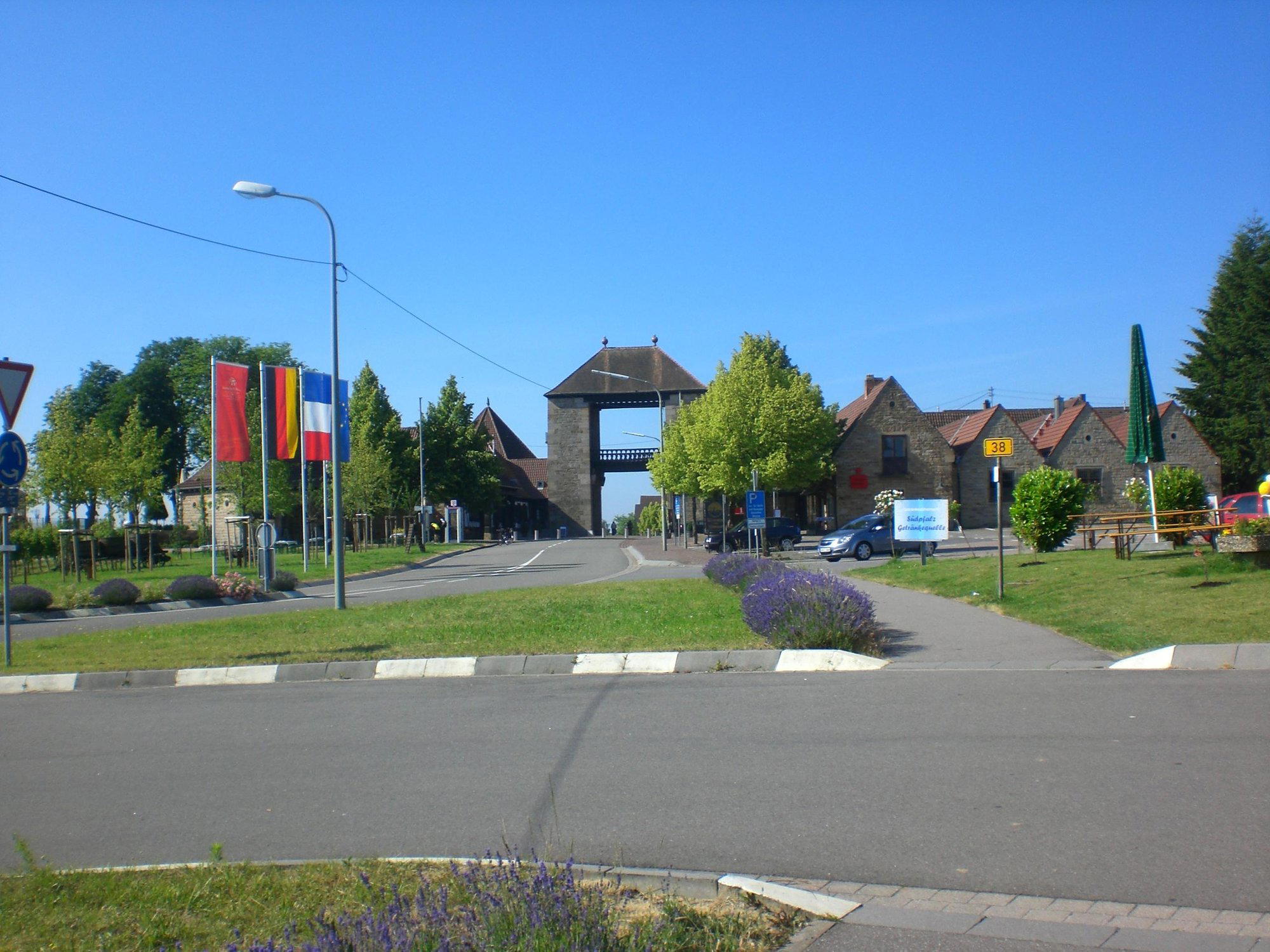
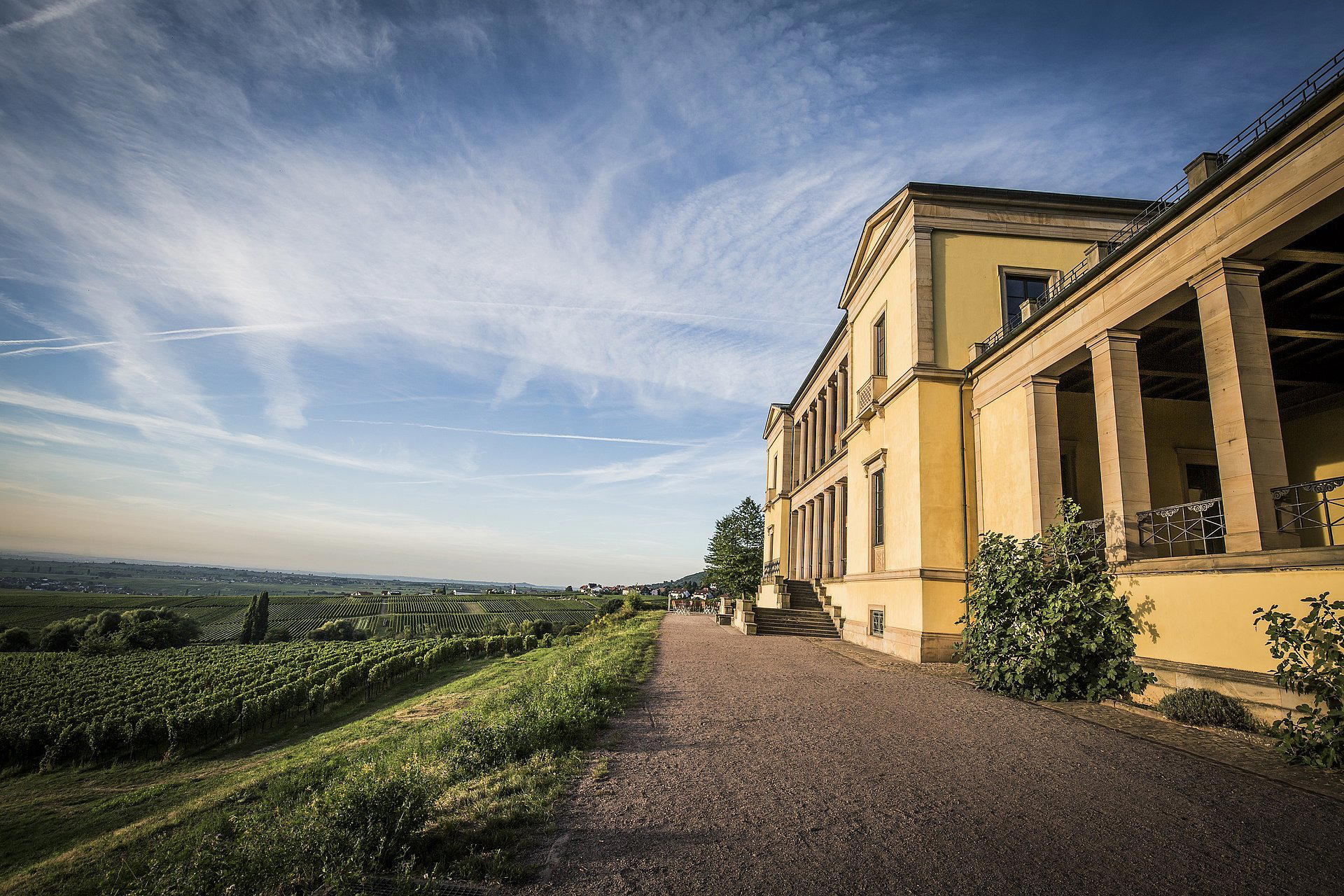
Weingut Geisser suits travelers who want Pfalz wine country at a human scale: vines, terrace views, quiet rural pacing, and a small family-run estate rather than a polished destination cellar. Its strongest appeal is the stay-based wine experience in Schweigen-Rechtenbach, where the surrounding vineyard country is part of the point, not just scenery outside the glass.
Schweigen-Rechtenbach, Germany
Weingut Grimm is a small family-run Pfalz winery in Schweigen-Rechtenbach, shaped by limestone soils, Burgundy varieties, and vineyards that partly cross onto French territory. The estate’s modern sales room and quiet, appointment-led tasting format suit visitors interested in farming, place, and a direct conversation around still white, red, rosé, and traditional bottle-fermented sparkling wines.
Schweigen-Rechtenbach, Germany
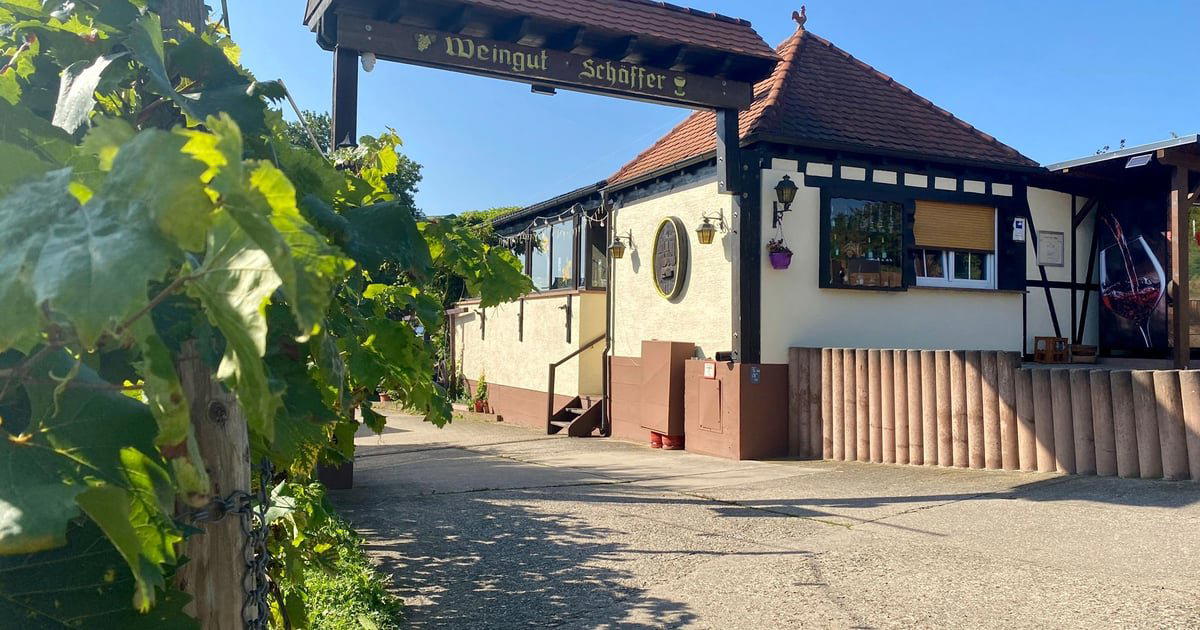
A family-run Pfalz winery and Weinstube in Schweigen-Rechtenbach, Weingut Harald Schäffer is shaped by a borderland vineyard footprint that reaches across German and French soil. The appeal is breadth rather than trophy scarcity: still whites and reds, secco, juices, barrique-aged selections, fruit distillates, grape brandies, and a tavern format that keeps the estate tied to everyday local drinking culture.
Schweigen-Rechtenbach, Germany
Weingut Joachim Becker is a small family-run Pfalz winery in Schweigen-Rechtenbach, shaped by a mild border climate and vineyards that extend partly into France. Its range is anchored by Riesling and Pinot Noir, broadened by Pinot Blanc, Pinot Gris, Müller-Thurgau, Gewürztraminer, Chardonnay, and Merlot, with frequent Chamber of Agriculture recognition giving the estate a clear local quality signal.
Schweigen-Rechtenbach, Germany
Weingut Jülg is a Southern Palatinate estate shaped by an unusually literal border identity: the family has worked from the German-French edge since 1961, and roughly half its vineyards lie in France. The focus is organic viticulture, hand harvest, Burgundian varieties, Riesling, and a cellar language built around precision rather than weight.
Schweigen-Rechtenbach, Germany
Weingut Leiling reads Schweigen through the border country between Pfalz and Alsace: Riesling, Spätburgunder and Grauer Burgunder from named sites, handled with gentle pressing, spontaneous fermentation and restrained cellar movement. The appeal is not trophy recognition but a grounded, small-scale winery rhythm where vineyard exposure and low-intervention technique do the editorial work.
Schweigen-Rechtenbach, Germany
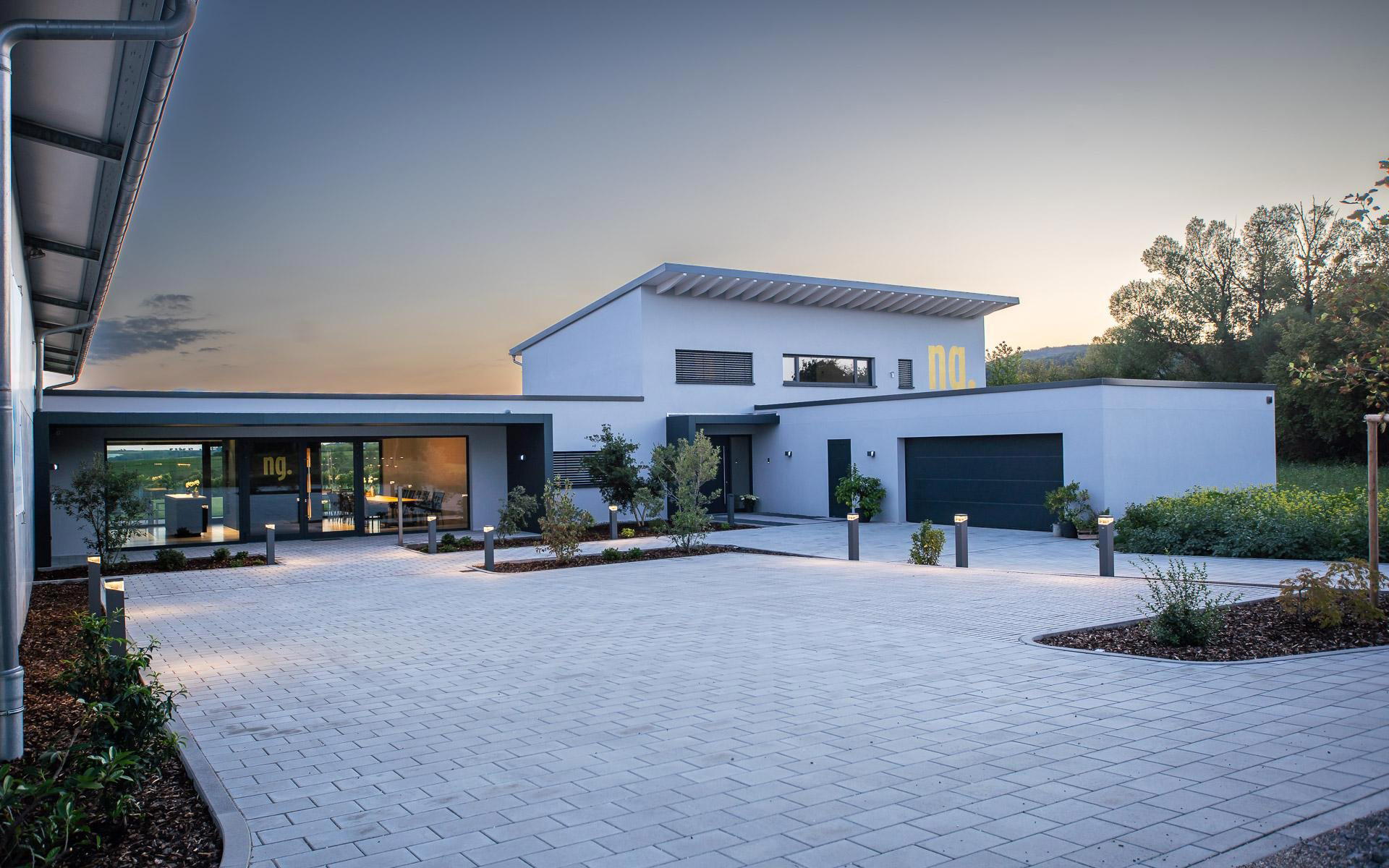
Weingut Nauerth-Gnägy is a Pfalz estate in Schweigen-Rechtenbach shaped by dry wines, origin hierarchy, and a white-led vineyard mix. Riesling, Burgundy varieties, Sauvignon Blanc, Gewürztraminer, and Pinot Noir frame a portfolio that reads the Southern Wine Route through site, climate, and a contemporary vinothek setting rather than spectacle.
Schweigen-Rechtenbach, Germany
Weinhof Scheu is a family-run Pfalz winery in Schweigen-Rechtenbach with a borderland identity: its vineyards extend across Germany and France, and its range moves through Riesling, Pinot varieties, Scheurebe, Gewürztraminer and Chardonnay. The draw is not spectacle, but a quiet vinotheque format, direct tasting and purchase, and a compact estate story that began in 1964 with less than one hectare of vines.
Continue exploring