Weingut Graf Neipperg

The estate operates within a region where centuries of viticulture have shaped both the soils and the expectations. For visitors seeking serious German wine from an awarded address, this is a considered destination.
Pearl is the En Primeur Club membership app — saves, bookings, and concierge access live there. Same editors, same standards.
- Address
- Schloßstraße 12, 74193 Schwaigern
- Phone
- +49 7138 941400
- Website
- graf-neipperg.de
- Directions
- Get directions
 Saves & bookings on Pearl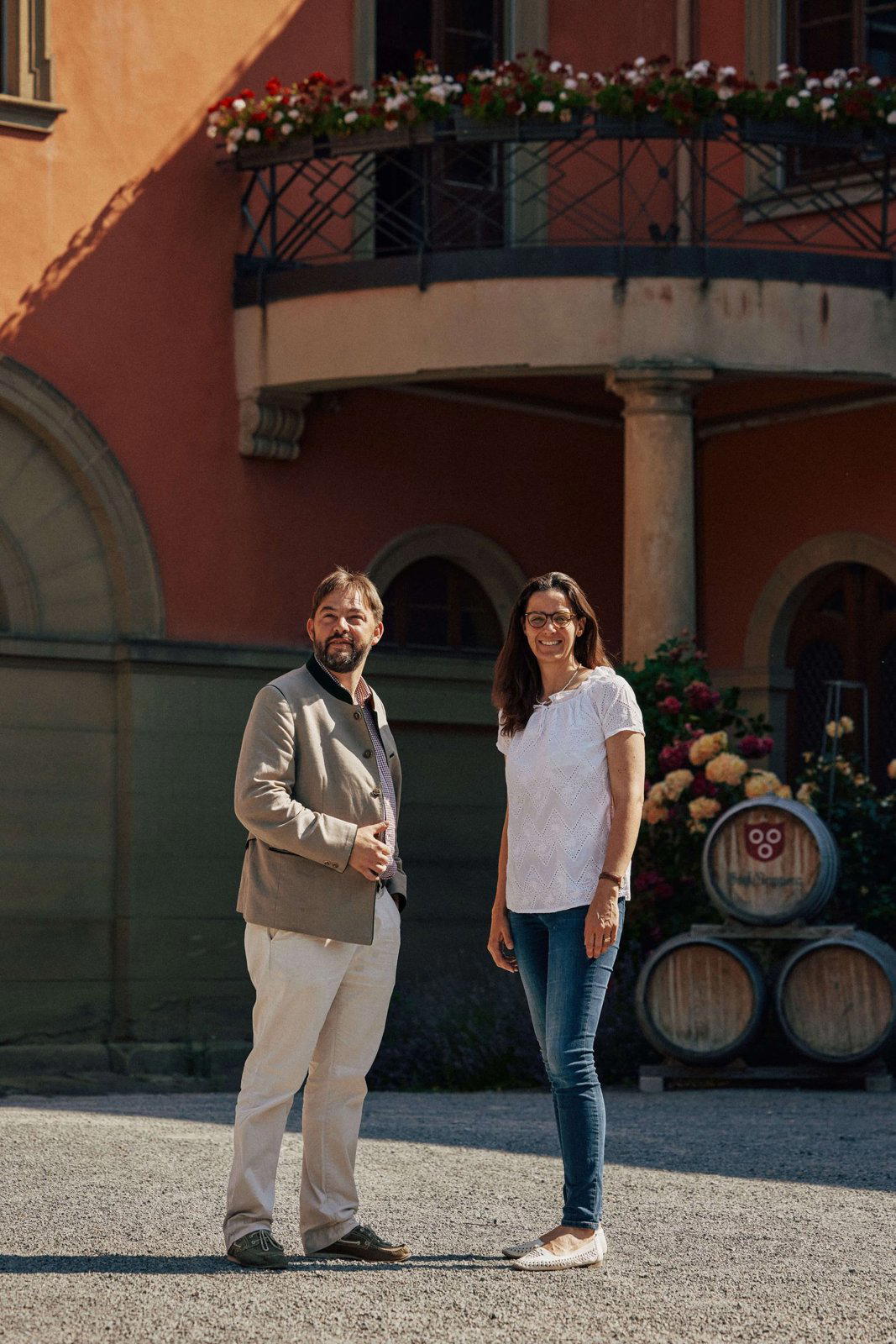
Württemberg's Other Wine Country
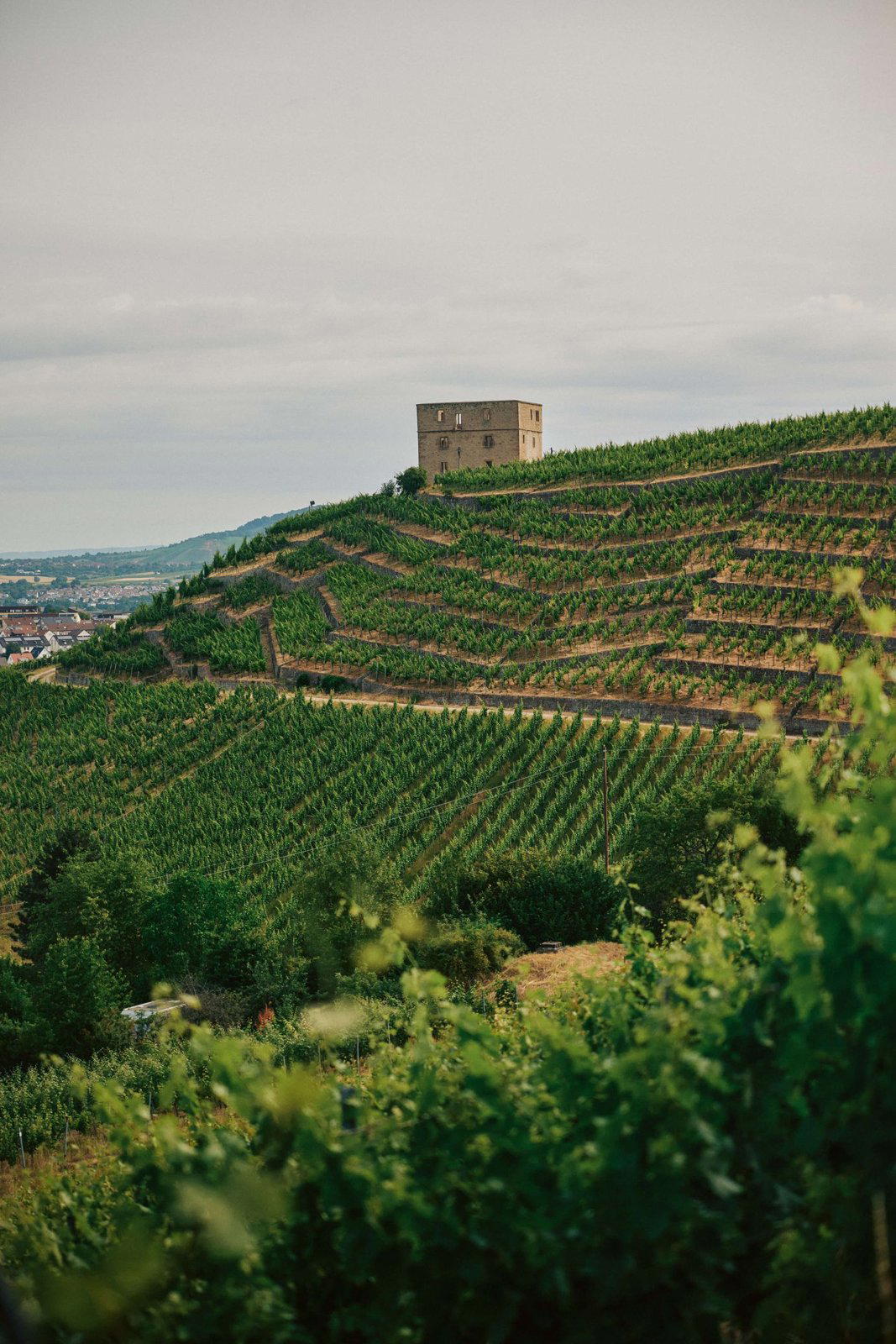
Germany's wine conversation tends to orbit the Mosel, the Rheingau, and the Pfalz. Württemberg, the sprawling inland region that runs south from Heilbronn through Stuttgart and beyond, receives less international coverage despite producing some of the country's most interesting red wines. Schwaigern sits within this quieter geography, a town in the Kraichgau transition zone where the climate and soils differ noticeably from the steep-slate vineyards that dominate wine press coverage further north and west. The region grows Lemberger, Trollinger, and Schwarzriesling with a conviction that reflects centuries of local preference rather than trend-chasing. For the reader tracing Germany's full wine range beyond Riesling orthodoxy, this corner of Baden-Württemberg rewards attention.
Weingut Graf Neipperg, with its estate address at Schloßstraße 12 in Schwaigern, operates from within this tradition. That credential matters here because Württemberg producers often lack the international shorthand that Mosel GG designations or VDP membership provide in other regions. The award provides an orientation point for readers interested in southern Germany's wine country.
Soil, Climate, and What Württemberg Asks of Its Vines
To understand what Graf Neipperg is working with, it helps to understand what Württemberg's terroir actually does. The region sits inland and experiences a continental climate with warm summers and cold winters. This thermal range stresses the vine differently than the cool, slate-cooled conditions that produce Mosel Riesling's tense acidity. The soils around Schwaigern include Muschelkalk (shell limestone) and Keuper clay-marl formations, geological layers that were deposited during the Triassic period and now define the mineral texture and water retention characteristics of the vineyards.
Shell limestone soils in particular tend to produce wines with a chalky, saline mineral quality and firm structure. The clay-marl components add richness and body, which is part of why Württemberg's red varieties can achieve a depth that surprises tasters expecting lighter, early-drinking wines. Lemberger (known as Blaufränkisch in Austria) responds particularly well to these conditions, building tannin structure and dark-fruit concentration in warm years while retaining enough acidity in cooler vintages to age meaningfully. Compared to Württemberg estates in flatter, more fertile plains positions, producers on Muschelkalk and Keuper sites tend to produce wines with more structural complexity and longer cellaring potential.
This geological context is not incidental. It is the foundation against which any serious Württemberg producer's work should be assessed.
Where Graf Neipperg Sits in the German Premium Wine Tier
German wine's premium tier has become more clearly stratified over the past decade. At one end, VDP estates in the Mosel and Rheingau have built international allocation lists and secondary market activity that benchmark against Burgundy and Barolo. At the other, smaller regional producers with strong domestic reputations operate at lower price points with minimal export visibility.
That positioning has practical implications for the visiting enthusiast. Compared to visiting, say, Weingut A. Christmann in Neustadt an der Weinstraße or Weingut Dr. Bürklin-Wolf in Wachenheim an der Weinstraße, both Pfalz estates with established international profiles, Graf Neipperg operates in a region where the wines remain less traded and the visitor experience is less structured around international tourism infrastructure. That is a feature for some readers, not a limitation.
The broader German wine map includes estates across major regions. Kloster Eberbach in Eltville offers one of the country's most historically resonant wine visits in the Rheingau. Weingut Fritz Haag in Brauneberg and Weingut Clemens Busch in Pünderich represent the Mosel's precision-focused school. Weingut Heymann-Löwenstein in Winningen pushes into Mosel Terrassenlagen of unusual concentration. In Franconia, Weingut Bürgerspital zum Heiligen Geist in Würzburg represents centuries of charitable estate viticulture. Against this landscape, Graf Neipperg holds the Württemberg position for readers tracing Germany's red-wine identity beyond Spätburgunder in Baden.
Other awarded German estates worth cross-referencing for itinerary building include Weingut Allendorf in Oestrich-Winkel, Weingut Bassermann-Jordan in Deidesheim, Weingut Battenfeld-Spanier in Hohen-Sülzen, and Weingut Grans-Fassian in Leiwen, each occupying a distinct regional and stylistic position. For comparative context beyond Germany, Aberlour in Aberlour and Accendo Cellars in St. Helena represent entirely different terroir traditions worth understanding in contrast. Weingut Georg Breuer in Rüdesheim am Rhein rounds out the Rheingau picture for readers building a multi-region German wine trip.
Planning a Visit to Schwaigern
Schwaigern sits in the northern part of Baden-Württemberg, accessible from both Heilbronn to the north and Stuttgart to the south. The town is not a major tourist hub, which means that visiting Graf Neipperg works best as part of a wider Württemberg wine route rather than a standalone trip. The regional wine trail connecting Heilbronn-area estates is well-established for domestic visitors, though less documented in English-language travel writing. Visitors travelling from Stuttgart can reach Schwaigern in under an hour by road.
Contact the estate directly at Schloßstraße 12 before arriving. Smaller German estates at this tier frequently operate by appointment, particularly outside summer and harvest season. Spring and autumn visits tend to align leading with active cellar periods, when there is more to see and more to discuss with estate staff.
For a broader orientation to dining and drinking in the area, see our full Schwaigern restaurants guide.
Comparable Spots, Quickly
Comparable venues nearby, for context on price, style, and recognition.
| Venue | Cuisine | Price | Notes |
|---|---|---|---|
| Weingut Graf NeippergThis venue — the venue you are viewing | Lemberger, Riesling | $$ | Not listed |
| Evening Land Vineyards | Winery | Not listed | Salem |
| Walter Scott Wines | Winery | Not listed | Salem |
| Weingut Klumpp | Pinot Noir, Grauburgunder | $$ | Bruchsal |
| Domdechant Werner’sches Weingut | Riesling, Spätburgunder | $$ | Hochheim am Main |
| Weingut Schmitt’s Kinder | Silvaner, Riesling | $$ | Randersacker |
Recognition history
Dated appearances from independent guides and award organizations, with the underlying list record or original source where available.
Falstaff Winery - 5 Stars
Falstaff
Continue exploring
More in Schwaigern
Wineries in Schwaigern
Browse all →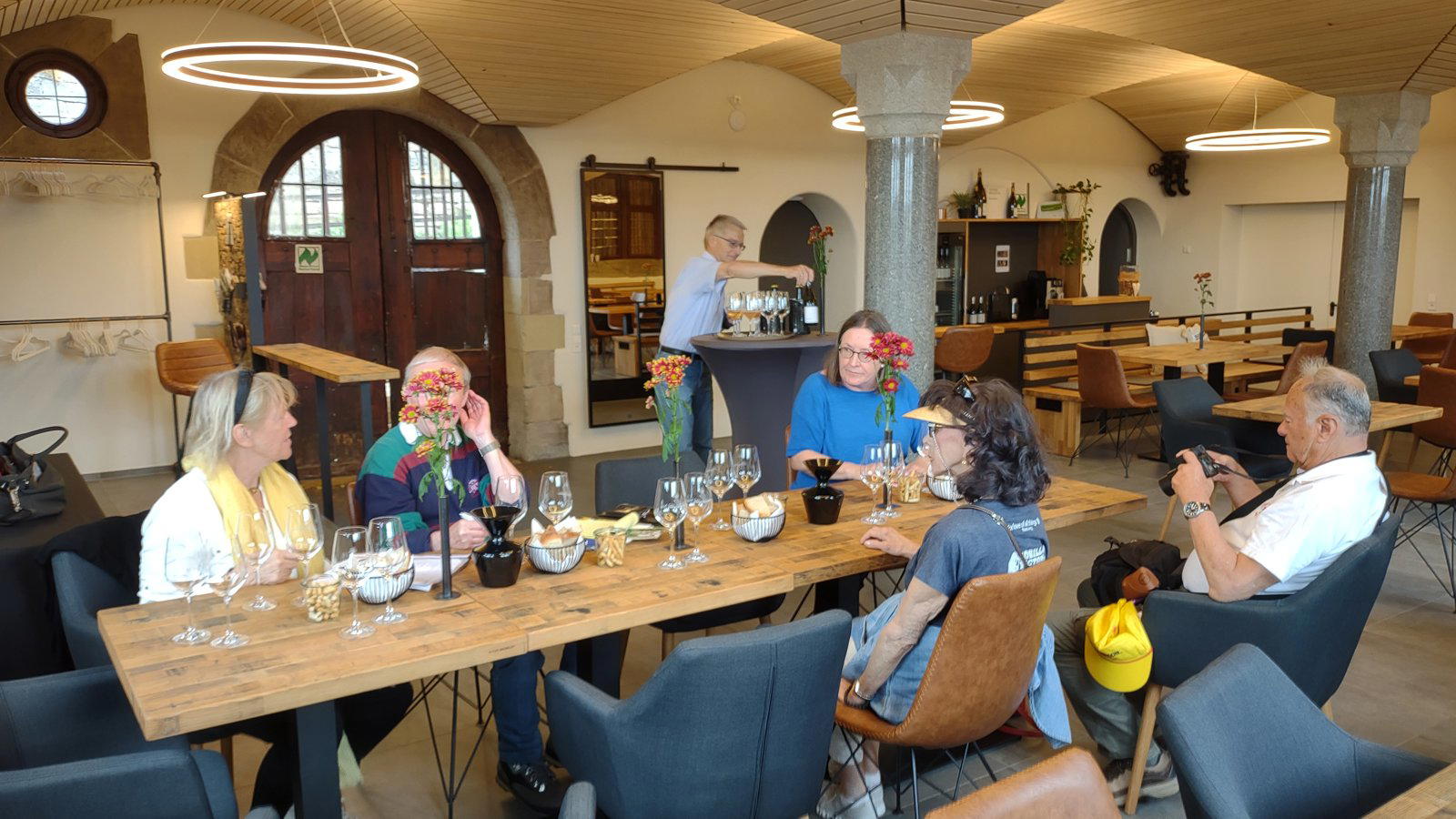
Bars in Schwaigern
Browse all →

Restaurants in Schwaigern
Browse all →
At a Glance
- Classic
- Rustic
- Elegant
- Wine Education
- Special Occasion
- Vineyard Tour
- Historic Building
- Sustainable
- Vineyard
- Württemberg
- Lemberger
- Riesling
- Spätburgunder
- Trollinger
- Syrah
- Merlot
- Still Red
- Still White
- Cave Tasting
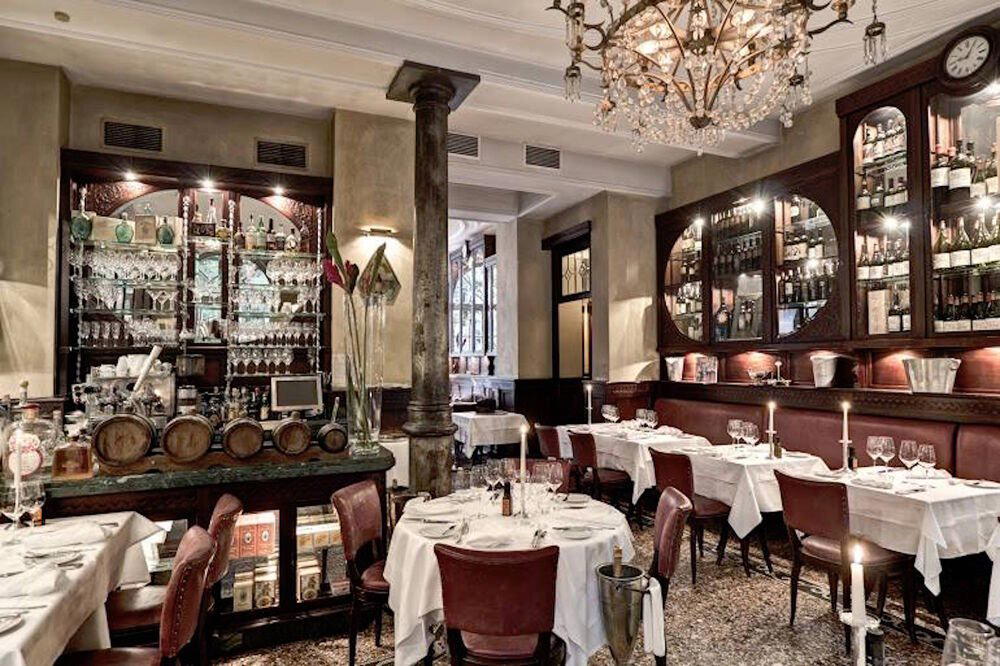
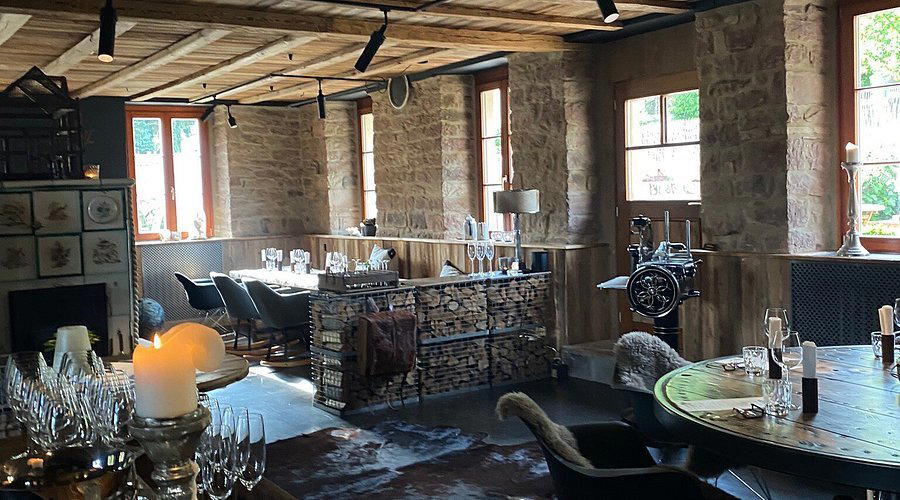
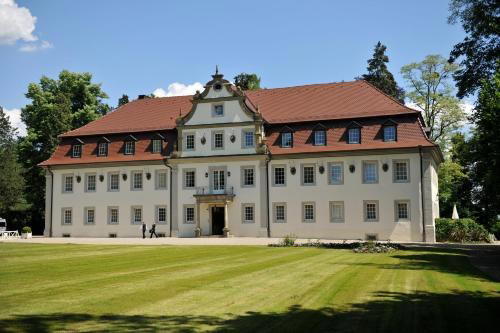
Traditional vinification in vaulted cellars with a classic, elegant atmosphere rooted in noble heritage.