St. Andrea Winery

St. Positioned on the volcanic and limestone slopes outside town, the winery makes a case for Eger as something more than a bulk-production zone, with a portfolio that rewards visitors who look beyond Tokaj for serious Hungarian wine.
Pearl is the En Primeur Club membership app — saves, bookings, and concierge access live there. Same editors, same standards.
- Address
- Egerszalók, Ady Endre út 88, 3394
- Phone
- +36 36 474 018
- Website
- standrea.com
- Directions
- Get directions
 Saves & bookings on Pearl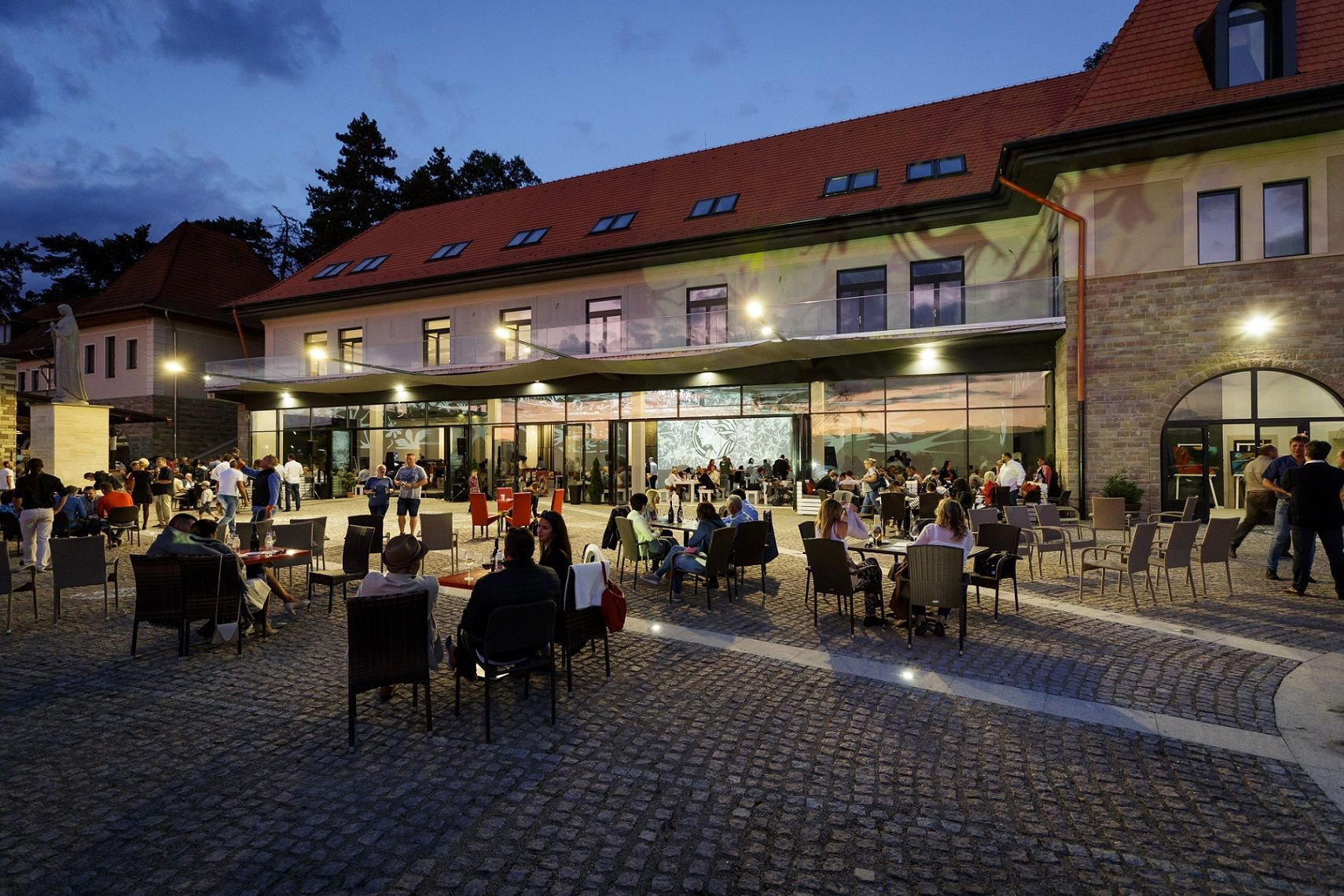
Eger's Volcanic Ground, Expressed in the Glass
The hills around Egerszalók are not the first place international wine drinkers picture when Hungarian wine comes up. That distinction still belongs to Tokaj, where estates like Disznókő in Mezőzombor, Royal Tokaji in Mád, and Tokaj Hétszőlő in Tokaj have spent decades building international credibility on the back of Furmint and Aszú. But the Eger wine region, set further west in the Northern Hungarian Mountains, works with a different geological and climatic hand, and a handful of producers have been making a systematic argument for its potential. St. Andrea Winery, operating from an address on Ady Endre út in Egerszalók and.
The Eger region sits on a foundation of volcanic tuff, rhyolite, and limestone, with the Bükk Mountains providing shelter from cold northern air while the Mátra hills to the west deflect excessive Atlantic moisture. This combination produces a continental microclimate with relatively warm, dry autumns, the kind of ripening window that suits structured red varieties and rewards patience in the cellar. Egri Bikavér, the region's flagship blend often built on Kékfrankos, is the wine most associated with Eger, but the same conditions that ripen Kékfrankos also work for Cabernet Franc, Merlot, and a range of international varieties that have found a foothold here over the past two decades.
Award structures in Hungarian wine have evolved considerably since the country's post-communist reintegration into international markets. In the context of Eger, where quality has historically been uneven and the region's reputation has lagged behind Tokaj, this kind of recognition carries additional weight. It signals consistency, not just a single outstanding vintage, and positions St. Andrea within a comparable set that includes other credentialed Hungarian estates rather than the broader, less curated field.
For comparison, several of Hungary's most recognised wine destinations, including Tokaj Oremus in Tolcsva and Árvay Winery in Rátka, operate in the Tokaj PDO, where the international framework for quality is already well established. St. Andrea's positioning in Eger means it is doing equivalent work in a region where consumer recognition still has ground to cover. That is, a more demanding context in which to earn a upper-tier rating.
The Setting: Egerszalók as a Winery Destination
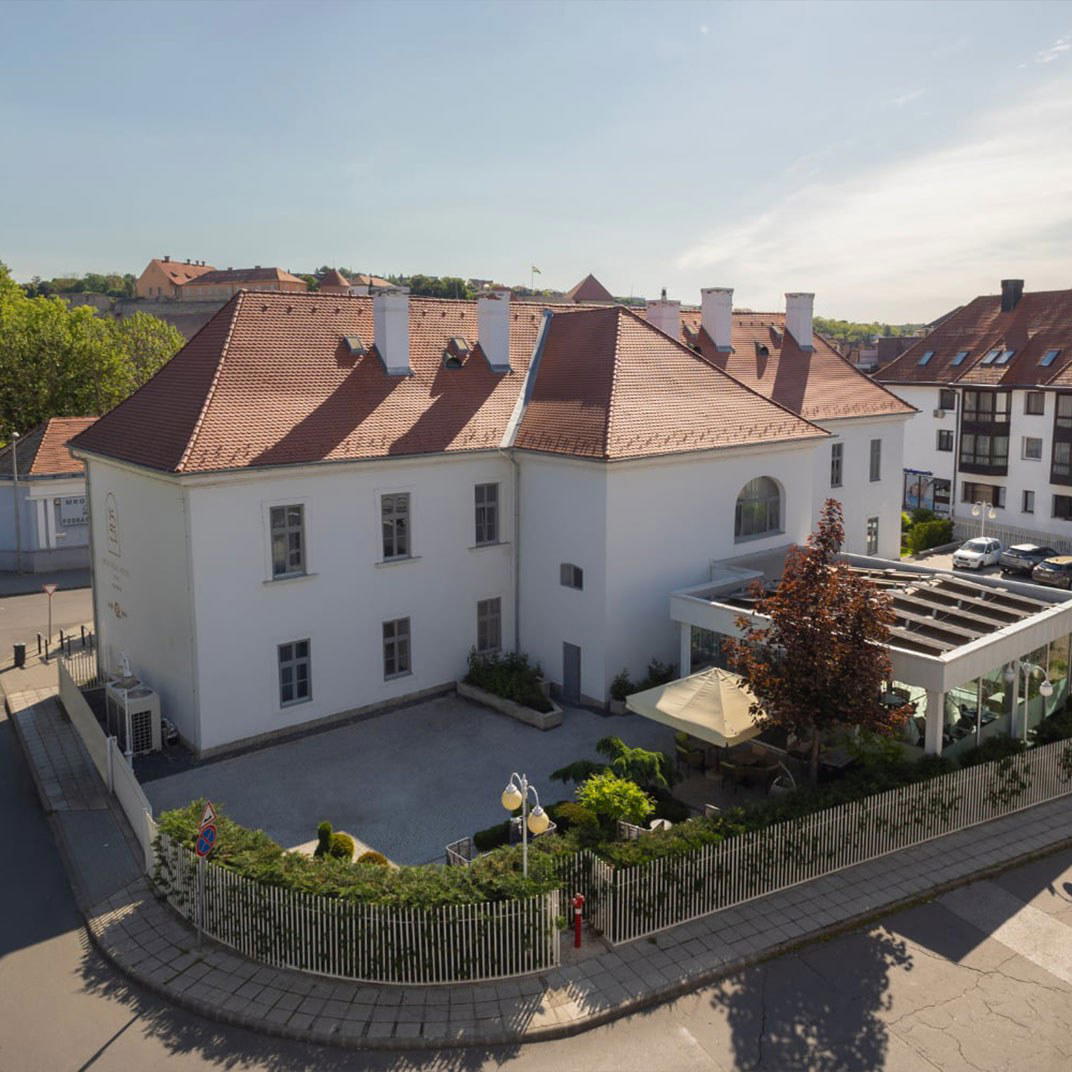
Approaching the winery along the Ady Endre út corridor, the physical context of Egerszalók makes its own argument. The village sits roughly six kilometres from the city of Eger itself, close enough to the regional capital to benefit from its infrastructure but far enough removed to retain the agricultural character of the hillside. The surrounding slopes are vineyard land, with the calcareous-volcanic soils visible in roadside cuts and the mineral-forward quality that Eger's better producers consistently point to as the region's primary terroir asset.
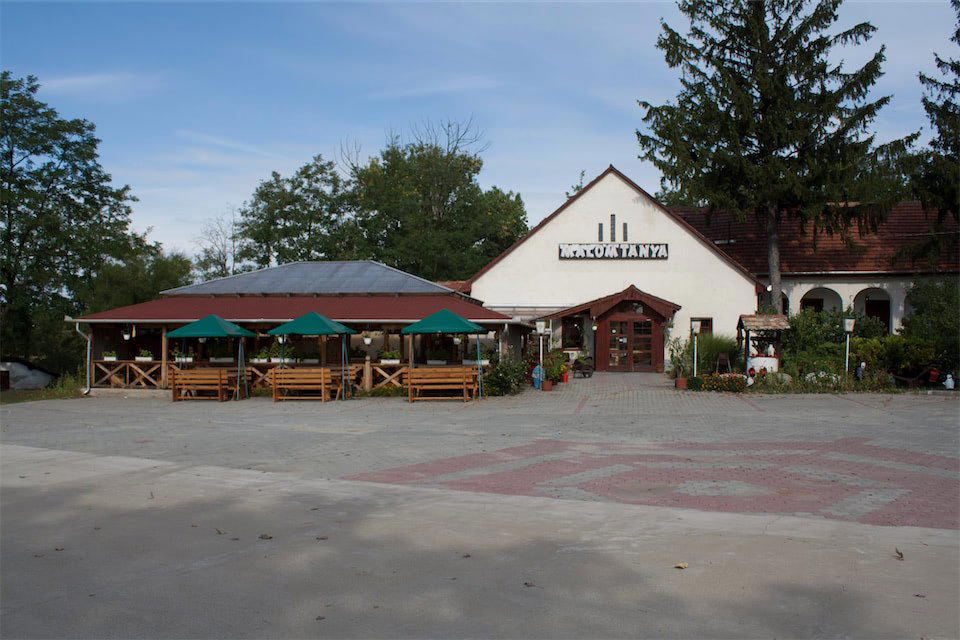
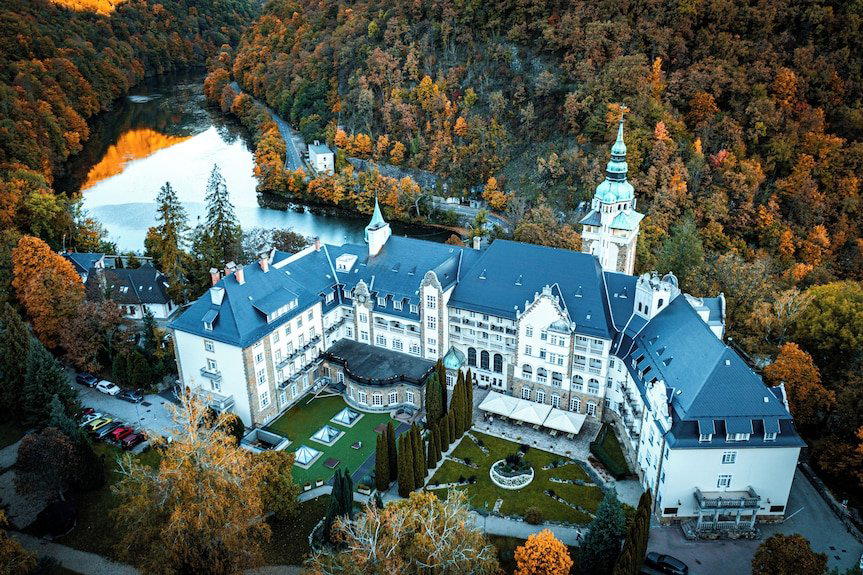
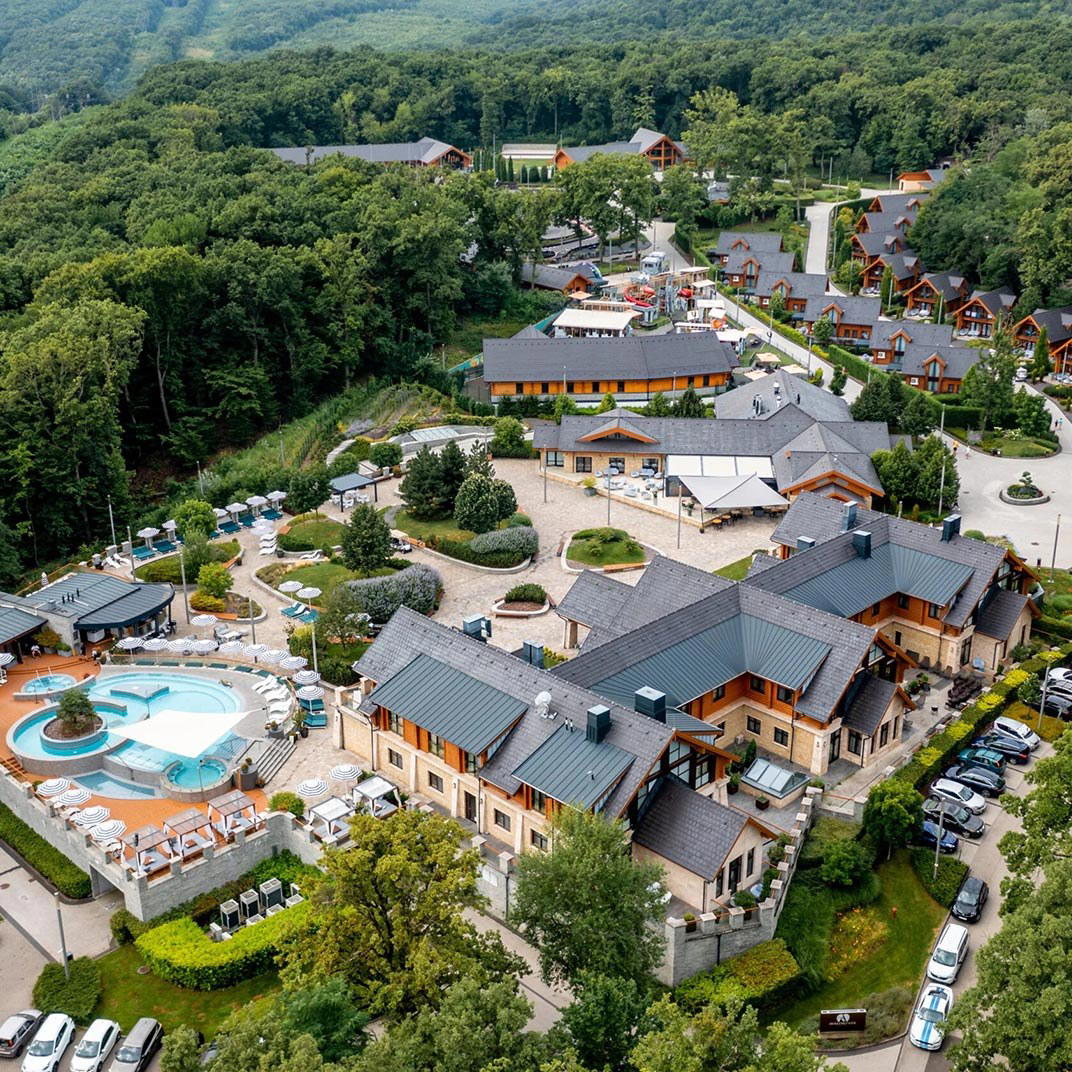
The built environment here is functional rather than theatrical. There is no attempt to replicate the château aesthetic that marks Tokaj's more internationally positioned estates or the design-forward approach seen at some western Hungarian producers. What the setting communicates instead is a direct relationship between the land and the production work happening on it, a quality that serious wine visitors often find more instructive than polished visitor centres.
Planning a visit requires some advance thought. St. Andrea recommends reservations, and the winery operates in a context where the primary business is winemaking rather than wine tourism. Reaching Egerszalók from Budapest takes roughly two hours by car via the M3 motorway, and the region lacks the dense public transport connections that make some Hungarian wine zones more accessible. Visitors who coordinate their trip around the broader Eger wine circuit will find one efficient use of the journey.
Eger in the Map of Hungarian Wine Ambition
The past decade has seen Hungarian wine producers working across multiple regions to push quality expectations upward. In Szekszárd, estates like Bodri Winery have built reputations on structured red blends from loess and red sandstone soils. In the western Transdanubia, Bussay Pince in Csörnyeföld has been making a case for varieties suited to its cooler conditions. Further east, Béres Winery in Erdőbénye and Carpinus Winery in Bodrogkisfalud operate in the Tokaj wine region where Furmint remains the primary reference point.
Eger's place in this map is as a red wine region with genuine geological identity. The volcanic and calcareous subsoils that run through Egerszalók and the surrounding hillsides produce wines with a mineral tension that differentiates them from the richer, warmer-climate profiles of Villány or the more loess-influenced character of Szekszárd. St. Andrea, with a 2025 Prestige rating confirming its position in this tier, represents what Eger looks like when its terroir conditions are being taken seriously at the production level. For a broader view of what's happening across Hungary's wine regions, Bolyki Winery in Eger and Babarczi Winery in Gyor offer useful reference points within different sub-regional contexts.
For visitors building an itinerary around serious Hungarian wine rather than just Tokaj, the case for including Egerszalók is geological as much as it is reputational. The terroir here is not a secondary option, it is a different argument about what Hungarian wine can be.
Planning Your Visit
St. Andrea Winery is located at Egerszalók, Ady Endre út 88, 3394. The address is reachable from Eger city centre in under fifteen minutes by car, making it viable as part of a wider Eger day that takes in other regional producers.
Side-by-Side Snapshot
Comparable venues nearby, for context on price, style, and recognition.
| Venue | Cuisine | Price | Notes |
|---|---|---|---|
| St. Andrea WineryThis venue — the venue you are viewing | Kadarka, Kékfrankos | $$$ | Not listed |
| Szent Tamás Winery | Furmint, Hárslevelű | $$$ | Mád |
| Gálné Dignisz Éva Winery | Winery | Not listed | Felsőlajos |
| Tóth Ferenc Pincészet | Leányka, Kadarka | $$ | Eger |
| Patricius Winery | Furmint, Hárslevelű | $$$ | Bodrogkisfalud |
| Hímesudvar | Furmint, Sárgamuskotály | $$ | Tokaj |
Recognition history
Dated appearances from independent guides and award organizations, with the underlying list record or original source where available.
Falstaff Winery - 4 Stars
Falstaff
Continue exploring
More in Egerszalók
Wineries in Egerszalók
Browse all →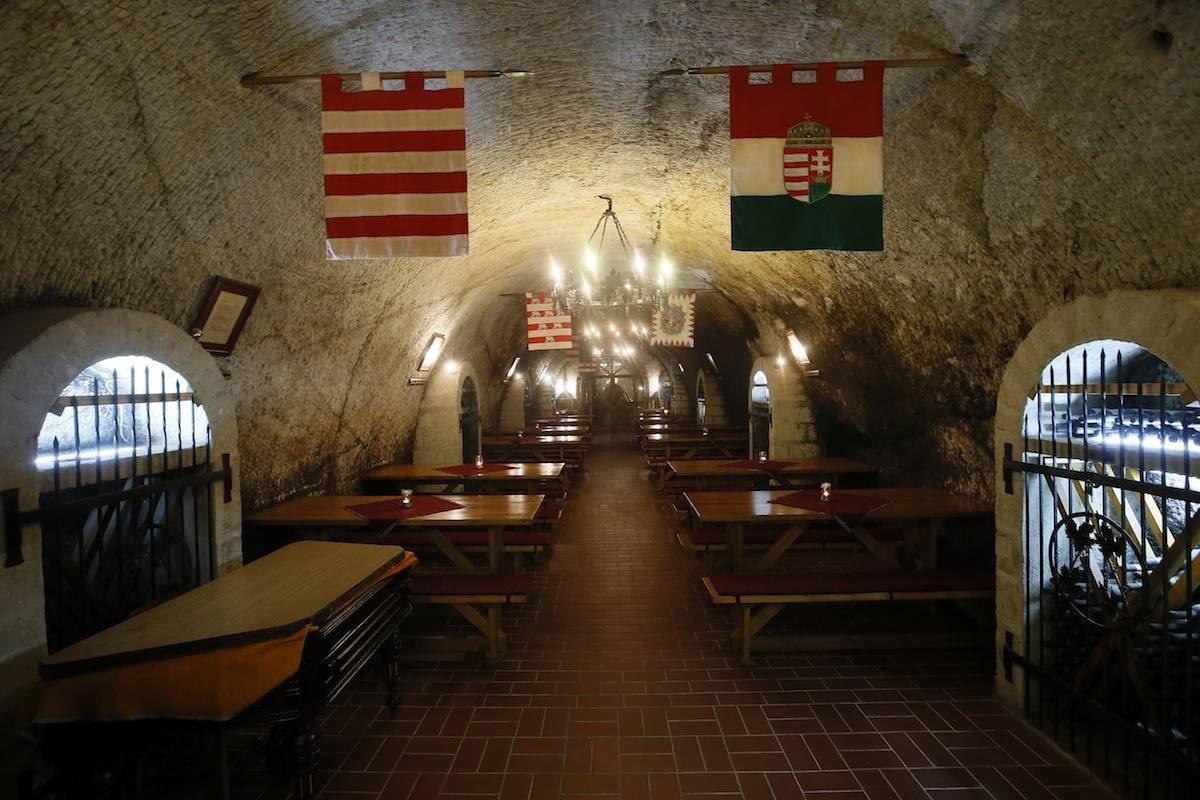
Restaurants in Egerszalók
Browse all →
At a Glance
- Elegant
- Scenic
- Sophisticated
- Classic
- Wine Education
- Romantic Getaway
- Group Outing
- Special Occasion
- Cave Tasting
- Estate Grounds
- Terrace
- Vineyard Tour
- Sustainable
- Vineyard
- Eger
- Kadarka
- Kékfrankos
- Furmint
- Hárslevelű
- Olaszrizling
- Chardonnay
- Sauvignon Blanc
- Pinot Noir
- Still Red
- Still White
- Cellar Visit With Wine Tasting
- Guided Tour
- Single Vineyard Tastings
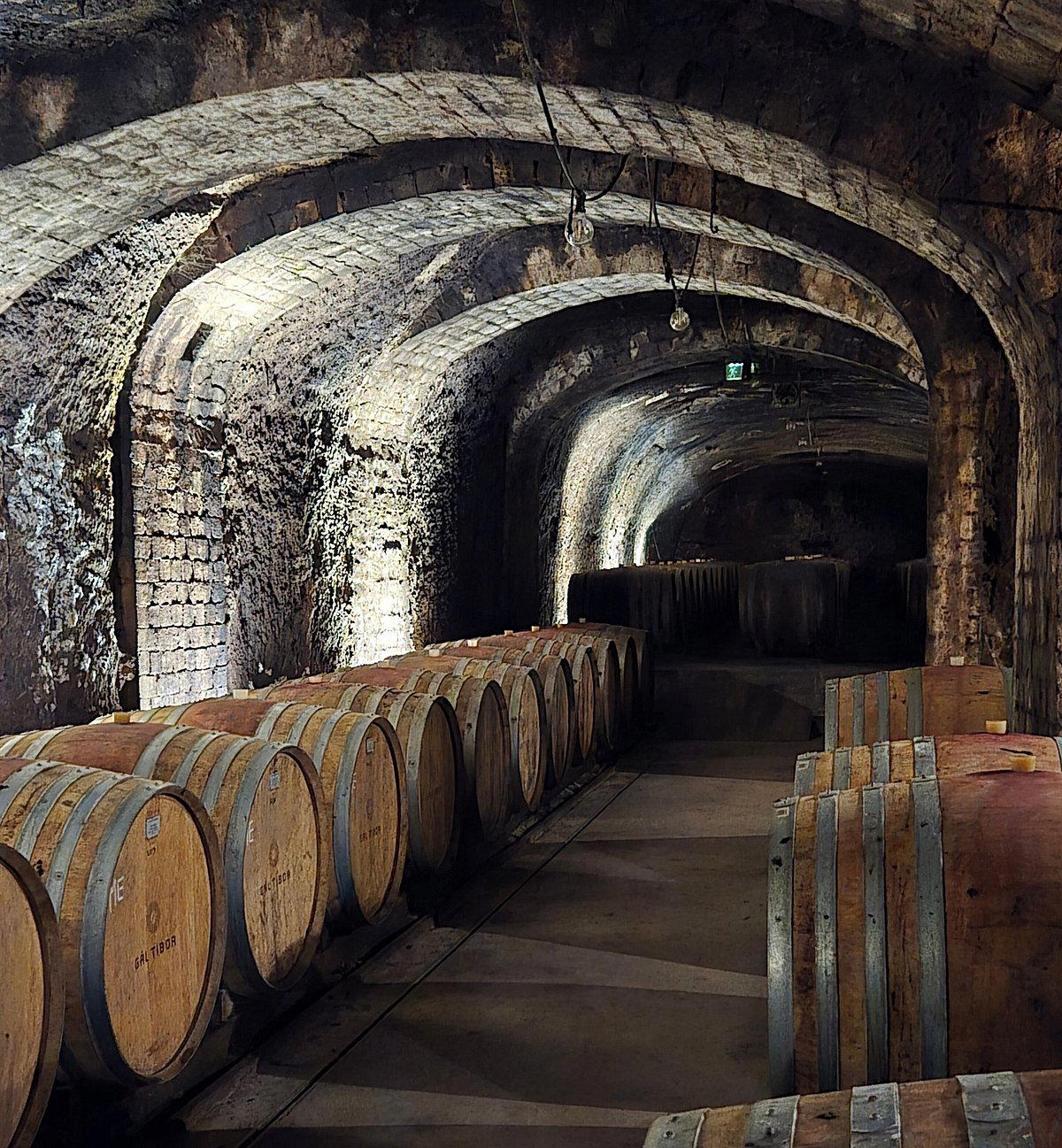
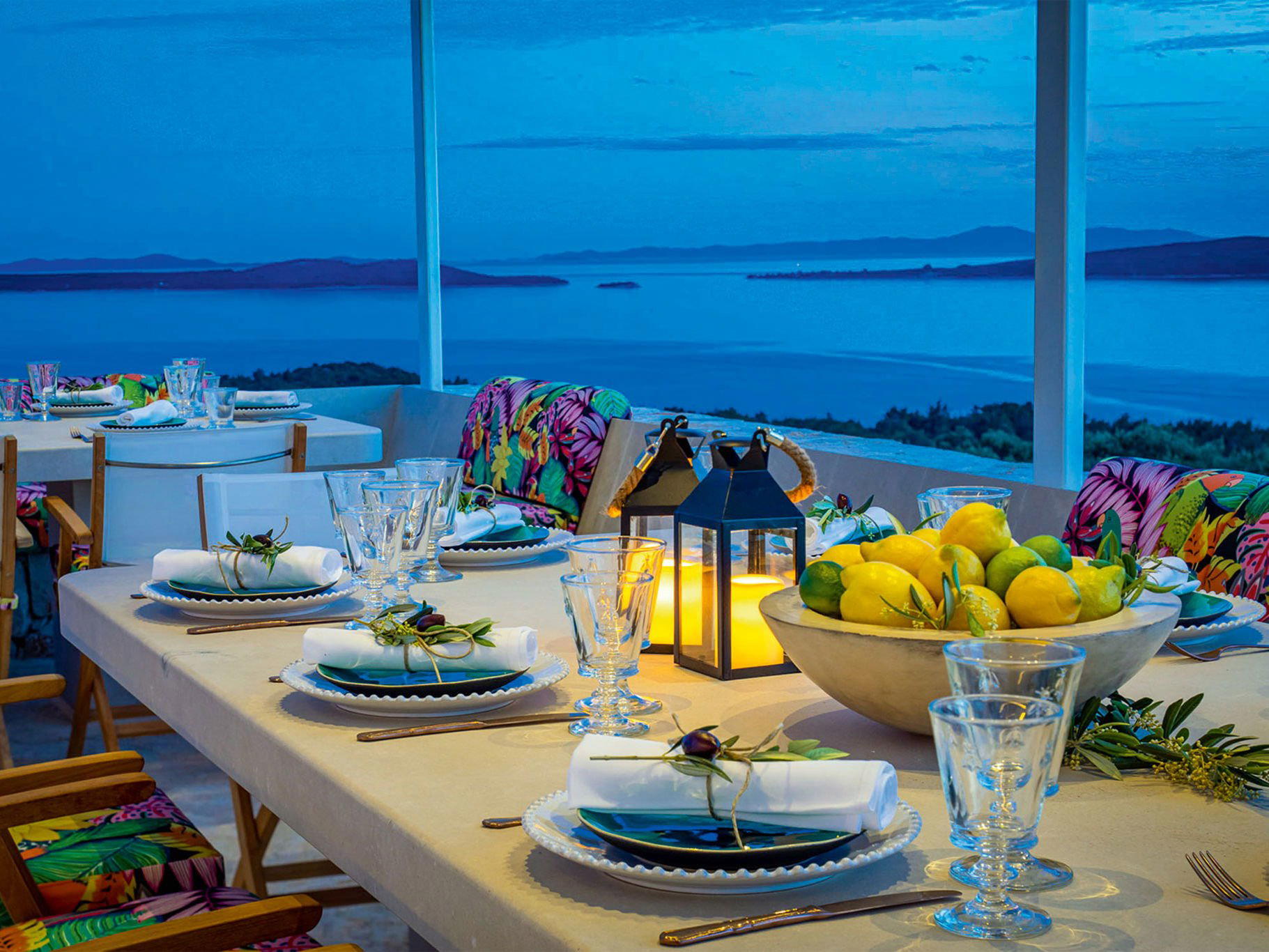
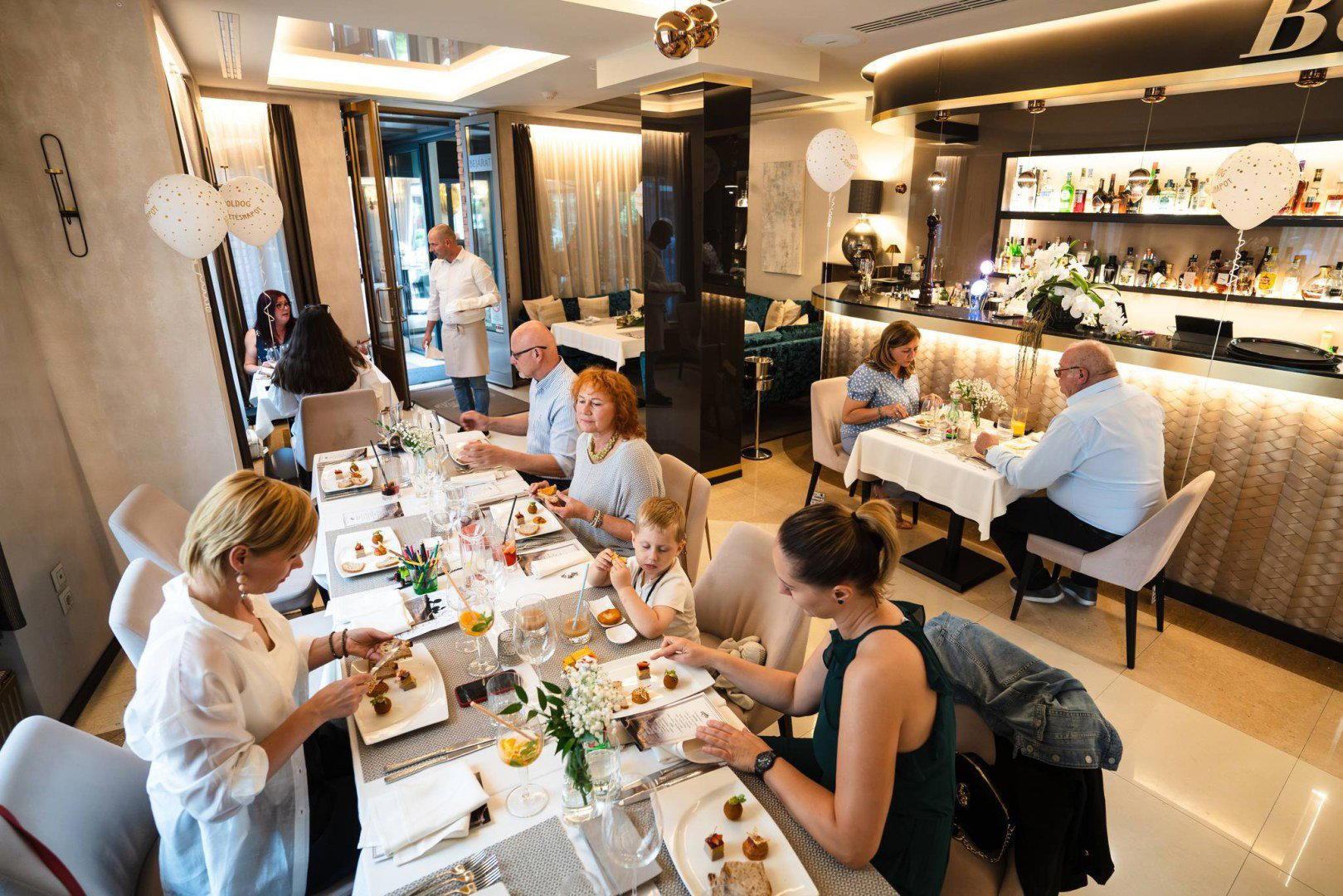
Refined and elegant tasting room with a gorgeous patio overlooking vineyards; volcanic rock cellar walls create a sophisticated yet approachable atmosphere less stuffy than comparable international wine regions.