
Weingut Ebner-Ebenauer sits at the northern edge of the Weinviertel, where the loess-heavy soils of Poysdorf shape wines that are as much about place as technique. For those tracing Austrian white wine through its less-travelled northern corridor, this address warrants serious attention.
Pearl is the En Primeur Club membership app — saves, bookings, and concierge access live there. Same editors, same standards.
- Address
- Laaer Str. 5, 2170 Poysdorf
- Phone
- +43 2552 2653
- Website
- ebner-ebenauer.at
- Directions
- Get directions
 Saves & bookings on Pearl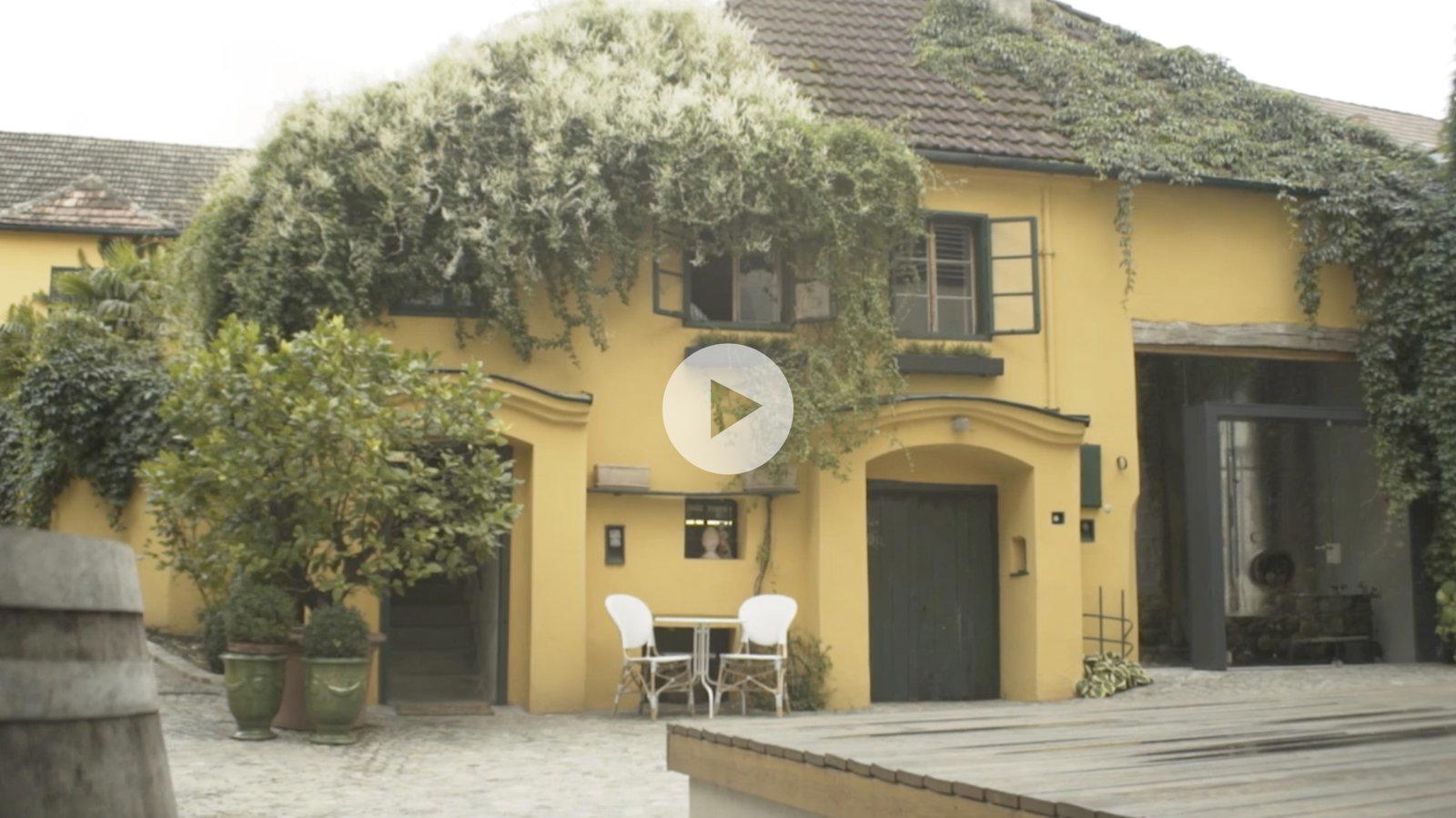
Where the Weinviertel Speaks for Itself
The Weinviertel is Austria's largest wine region by area, but it has historically operated in the shadow of the Wachau and Kamptal when international attention is distributed. That dynamic is shifting. Producers in the northern stretches around Poysdorf have spent the better part of two decades refining their arguments for why loess-dominant soils and a continental climate with significant diurnal swings deserve the same critical scrutiny applied to the Danube corridor. Weingut Ebner-Ebenauer, based at Laaer Str. 5 in Poysdorf, sits at the centre of that argument.
Poysdorf itself is not a town that announces itself dramatically. The roads into it from Vienna, roughly an hour to the south, pass through a gently rolling terrain where vineyards dominate the ridgelines and the sky feels wider than it does elsewhere in Lower Austria. This is border country in a literal sense: the Czech Republic lies just to the north, and the wines made here carry some of that northern edge in their profile, a tension between ripeness and acidity that defines the Weinviertel at its most expressive.
Loess, Climate, and What the Soil Argues
To understand what Ebner-Ebenauer is doing, it helps to understand what Poysdorf's terroir is actually capable of. The soils in this part of the Weinviertel are predominantly loess, a fine-grained, wind-deposited sediment that drains well, retains just enough moisture, and gives wines a textural quality that is difficult to replicate on heavier clay or rocky schist. Grüner Veltliner, the grape most closely associated with Austrian white wine identity, expresses particular clarity on loess: the characteristic white pepper note stays clean, the mid-palate has a slatey mineral quality, and the finish tends toward length rather than breadth.
The continental climate compounds this. Poysdorf sits far enough from the moderating influence of the Danube that its summer days can be genuinely warm, but its nights drop sharply, preserving the kind of natural acidity that allows wines to age with some ambition. This is a growing environment where vintage variation matters and where a producer's decision about when to pick carries real consequences for the final wine. Estates that read this environment well over time build a track record that shows across vintages; those that don't produce wines of inconsistent character.
For comparative reference within the Austrian white wine conversation, the Weinviertel sits in a different register from the Wachau's primary rock and terracing or the Kamptal's varied geology around Langenlois. Weingut Bründlmayer in Langenlois and Weingut Emmerich Knoll in Dürnstein represent estates where the geological complexity of their respective regions is inseparable from the wine's identity. The Weinviertel's argument is different: it is about consistency of loess expression, about wines that are approachable in youth but structured enough to reward patience, and about a price-to-quality dynamic that remains one of the more compelling in Austrian wine. Ebner-Ebenauer makes that case from the northern end of the region.
The Estate in Its Regional comparable set
Austrian wine has developed a detailed internal hierarchy over the past two decades, and the Weinviertel DAC appellation, established in 2002, gave the region its first formal quality framework. The DAC rules for the Weinviertel are Grüner Veltliner-focused, which concentrates producer ambition on making that grape as clearly expressive of local character as possible. Estates that perform well within this framework tend to do so through vineyard management decisions, harvest timing, and a relatively restrained approach to winemaking intervention, letting the soil and season show through rather than correcting for them.
Ebner-Ebenauer's 2025 recognition places it in the upper bracket of this comparable set. Within the wider Austrian context, the estate's award-tier peers would include producers like Weingut Heinrich Hartl in Oberwaltersdorf and Weingut Kracher in Illmitz, though the stylistic comparison points differ: Kracher's reputation rests on Burgenland Trockenbeerenauslese at the opposite end of the wine-style spectrum. The Weinviertel's identity is firmly in dry whites, and Ebner-Ebenauer's position within that identity is as a producer whose recognition has earned attention from visitors and buyers who previously routed their Austrian wine itineraries through the Wachau and Kamptal alone.
For those building a broader picture of Austrian wine geography, the contrast between estates like Ebner-Ebenauer in the Weinviertel and producers in the Burgenland, such as Weingut Pittnauer in Gols, illustrates how sharply Austria's wine regions diverge in character despite their geographic proximity. The Burgenland's proximity to the Neusiedlersee introduces warmth and humidity that shapes an entirely different set of varieties and styles. Understanding where Ebner-Ebenauer fits means understanding that the Weinviertel is playing a different game entirely.
Planning a Visit to Poysdorf
Poysdorf sits approximately an hour north of Vienna by car, making it accessible as a day trip from the capital, though the town's character and the wider Weinviertel's sparse tourism infrastructure are better absorbed over a longer stay. The region sees a fraction of the visitor traffic that moves through the Wachau in high season, which means direct access to producers is often more direct than in better-known wine corridors. Visiting in late September or October, when harvest is underway or recently completed, gives the fullest picture of how the season has shaped the vintage. The wine road through the Weinviertel connects multiple producers, and Poysdorf functions as one of the northern anchors of that route.
For those tracing Austrian wine more broadly, the Weinviertel sits within easy reach of both the Kamptal and the Wachau, allowing itineraries that move between the region's distinct terroir expressions in a single extended trip. Weingut Wohlmuth in Kitzeck and other Austrian producers at different points on the geographic and stylistic range provide useful contrast.
Austria's broader drinks scene extends well beyond wine. Producers such as 1310 Spirit of the Country Distillery in Sierning, 1404 Manufacturing Distillery in Sankt Peter-Freienstein, 1516 Brewing Company in Vienna, A. Batch Distillery in Bergheim, and Abfindungsbrennerei Franz in Leithaprodersdorf represent the country's growing craft spirits sector, while global reference points like Aberlour in Aberlour and Accendo Cellars in St. Helena anchor the international context for those building a wider drinks bibliography. The Weingut Scheiblhofer Distillery in Andau bridges both worlds, combining wine and spirits production in the Burgenland.
Fast Comparison
Comparable venues nearby, for context on price, style, and recognition.
| Venue | Cuisine | Price | Notes |
|---|---|---|---|
| Weingut Ebner-EbenauerThis venue — the venue you are viewing | Grüner Veltliner, Chardonnay | $$ | Not listed |
| Mountain Spirits Distillery | Winery | Not listed | Axams |
| Mühlbauer Distillery | Winery | Not listed | Zwettl |
| Franz Bauer Distillery | Winery | Not listed | Graz |
| Brennerei Hödl | Winery | Not listed | Klagenfurt |
| Winzer Krems (Sandgrube 13) | Grüner Veltliner, Blauer Zweigelt | $$ | Krems an der Donau |
Recognition history
Dated appearances from independent guides and award organizations, with the underlying list record or original source where available.
Falstaff Winery - 4 Stars
Falstaff
Continue exploring
More in Poysdorf
Wineries in Poysdorf
Browse all →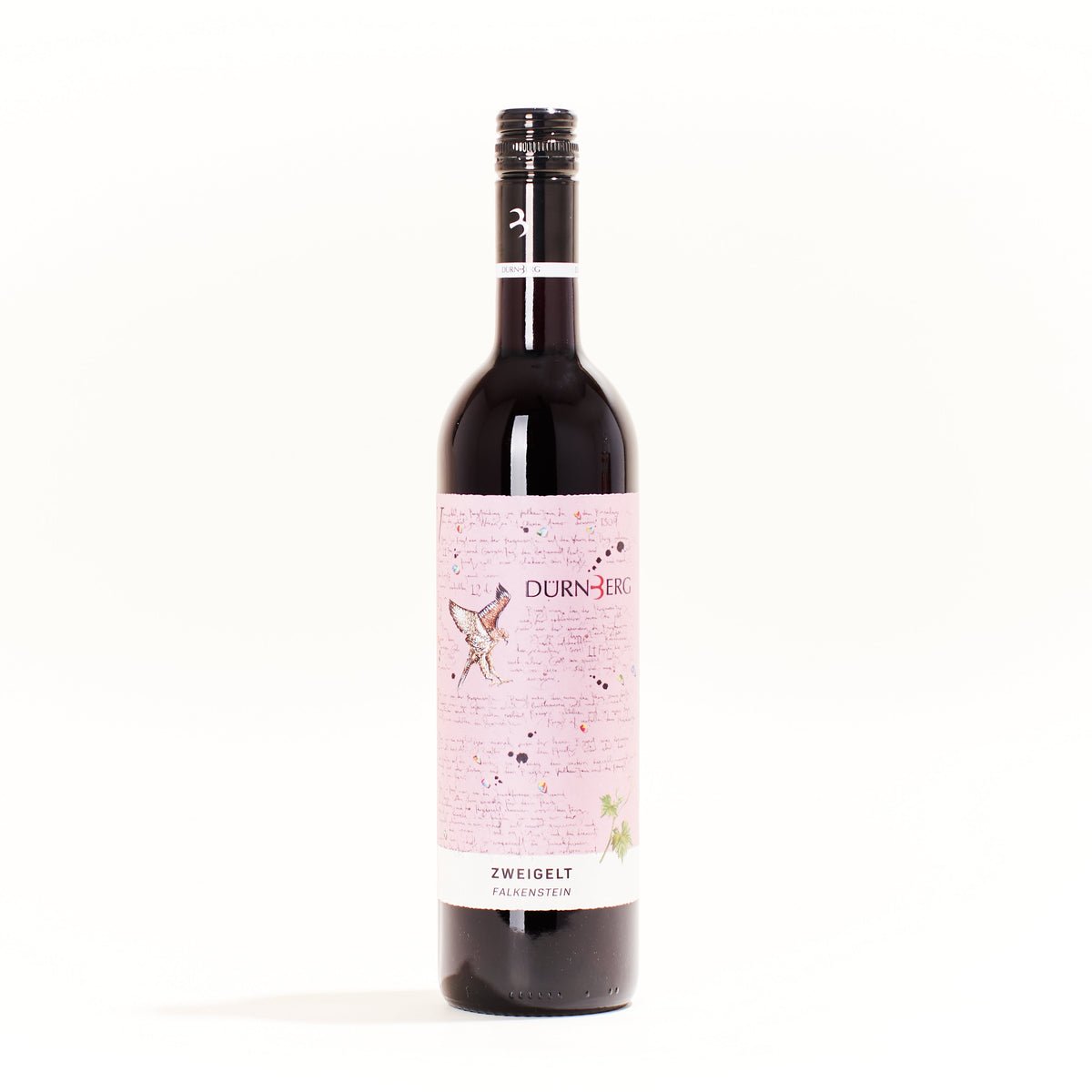
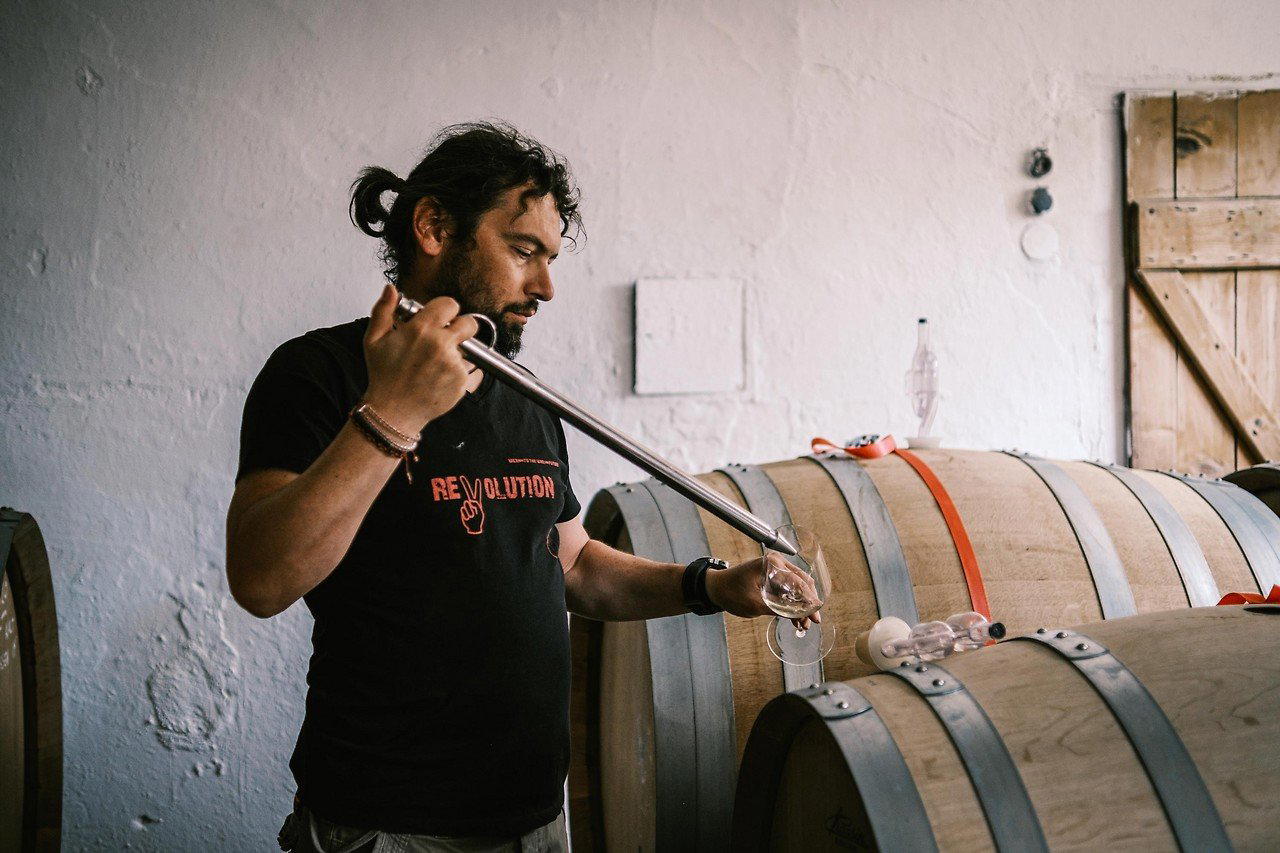
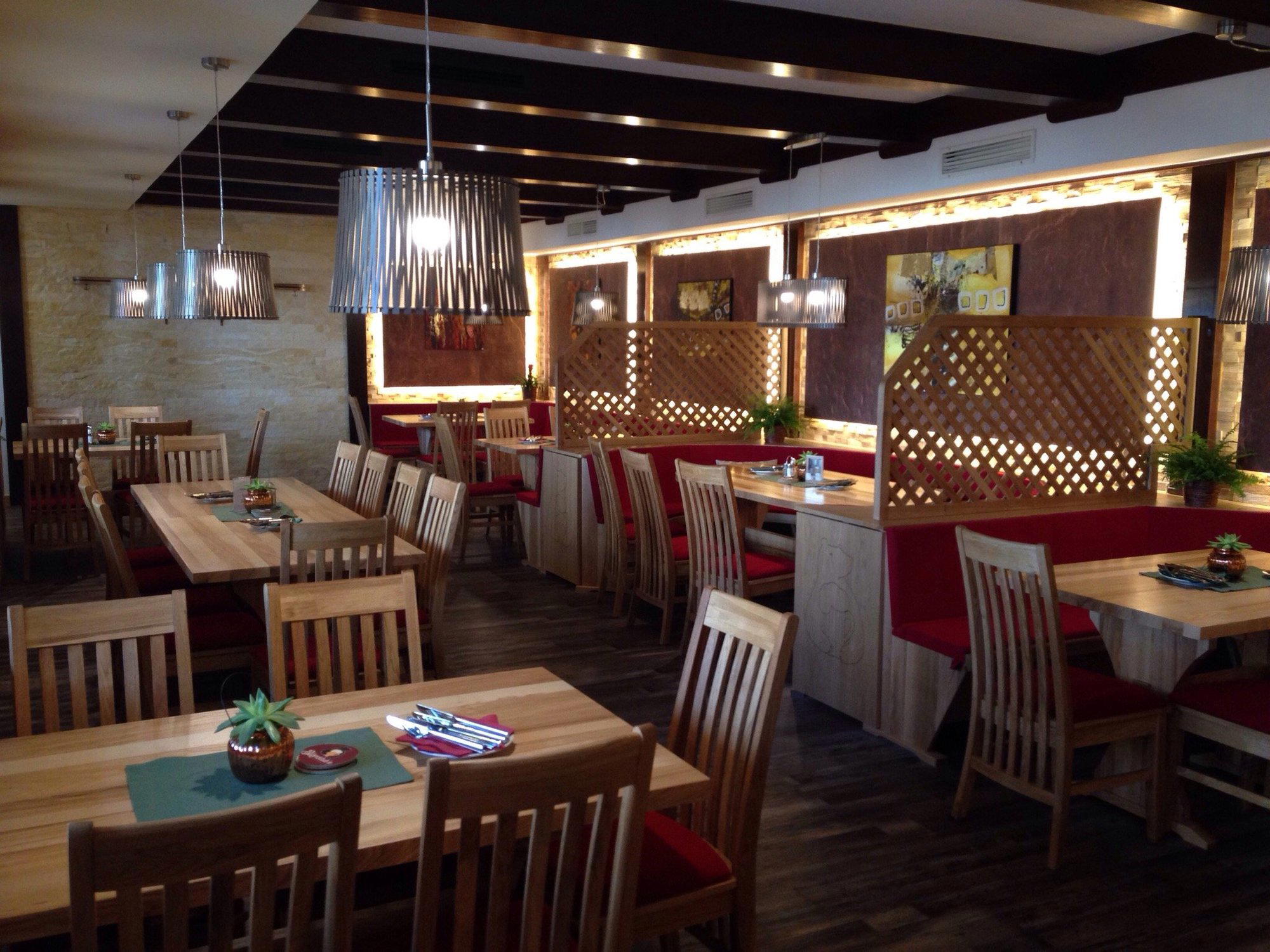
Bars in Poysdorf
Browse all →
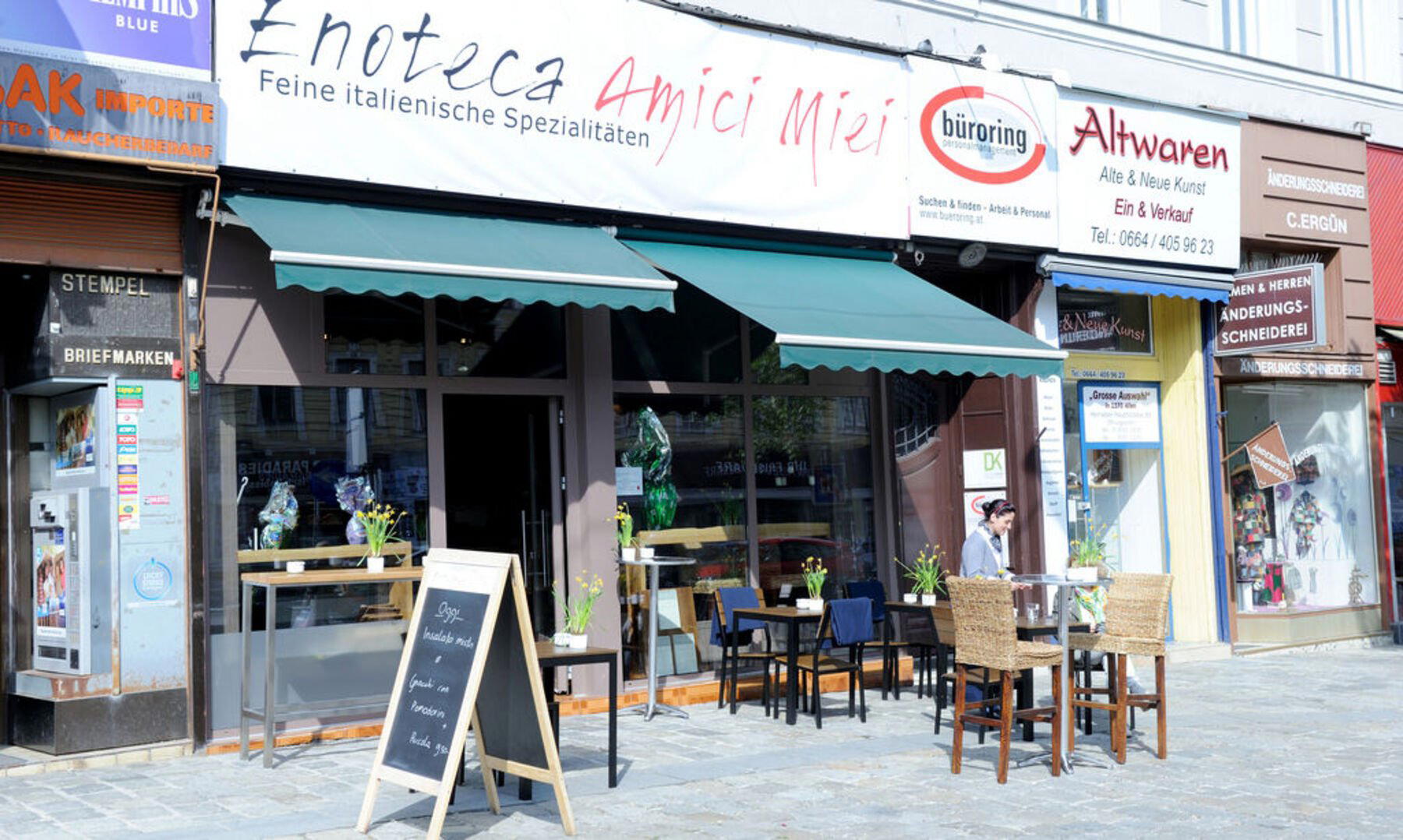
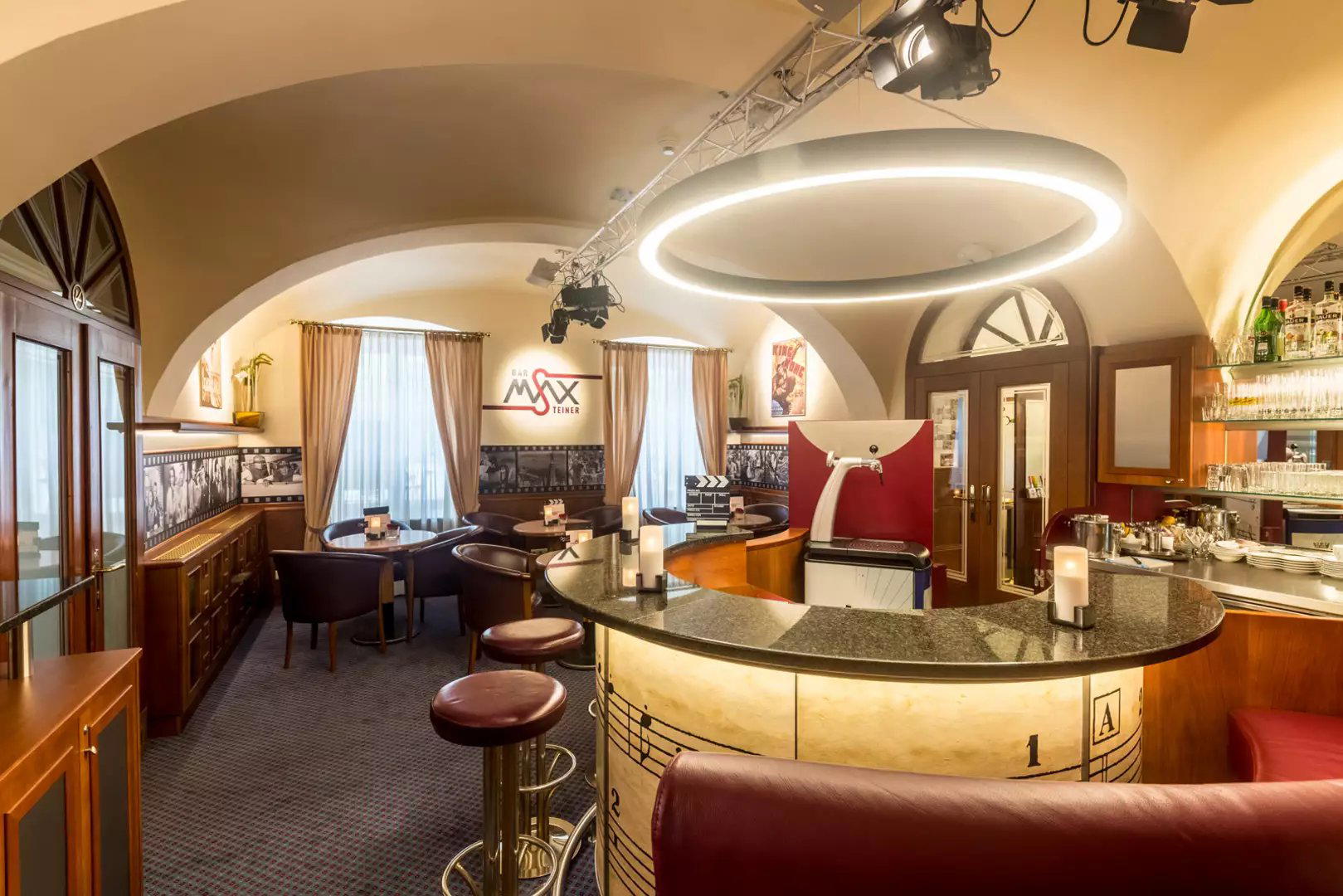
Restaurants in Poysdorf
Browse all →


At a Glance
- Rustic
- Classic
- Intimate
- Scenic
- Wine Education
- Solo Exploration
- Special Occasion
- Vineyard Tour
- Historic Building
- Estate Grounds
- Organic
- Biodynamic
- Vineyard
- Weinviertel
- Grüner Veltliner
- Chardonnay
- Pinot Noir
- Riesling
- Zweigelt
- St. Laurent
- Pinot Blanc
- Still White
- Still Red
- Sparkling
- Single Vineyard Tasting
- Reserve Tasting
- Sparkling Tasting
Traditional, historic underground cellar atmosphere with gentle, natural winemaking.