
The property sits on Steinbach, one of the area's more closely watched addresses for Sauvignon Blanc and Gelber Muskateller. For visitors making a circuit of Styrian producers, it belongs on the same itinerary as the region's other prestige-tier estates.
Pearl is the En Primeur Club membership app — saves, bookings, and concierge access live there. Same editors, same standards.
- Address
- Steinbach 12, 8462 Gamlitz
- Phone
- +43 3453 2142
- Website
- lackner-tinnacher.at
- Directions
- Get directions
 Saves & bookings on Pearl
Where Südsteiermark Terroir Takes Shape
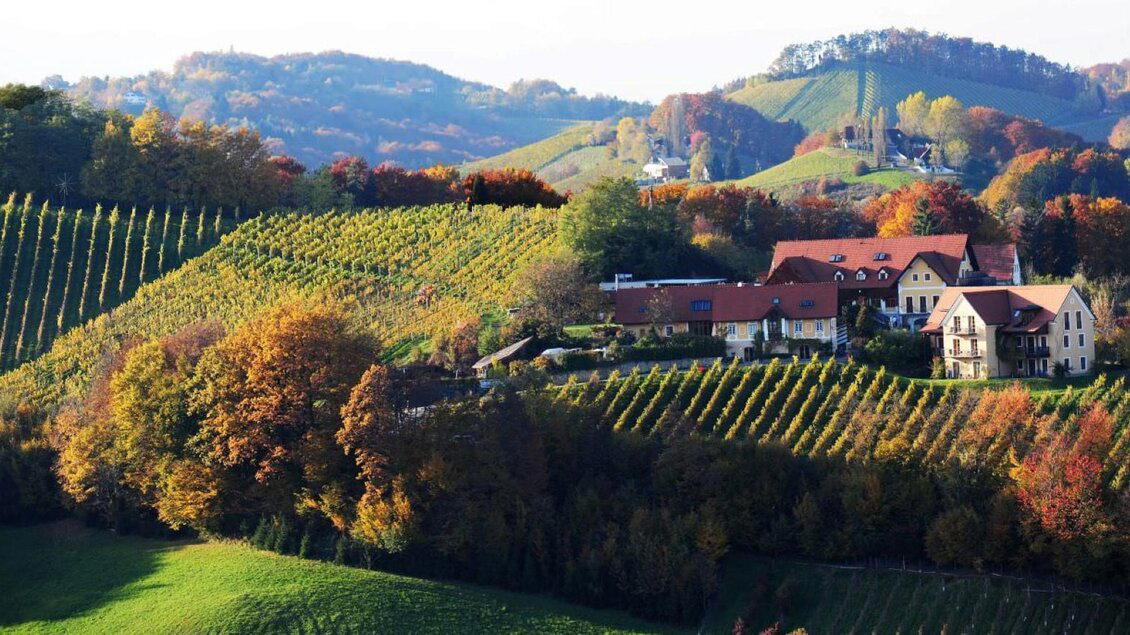
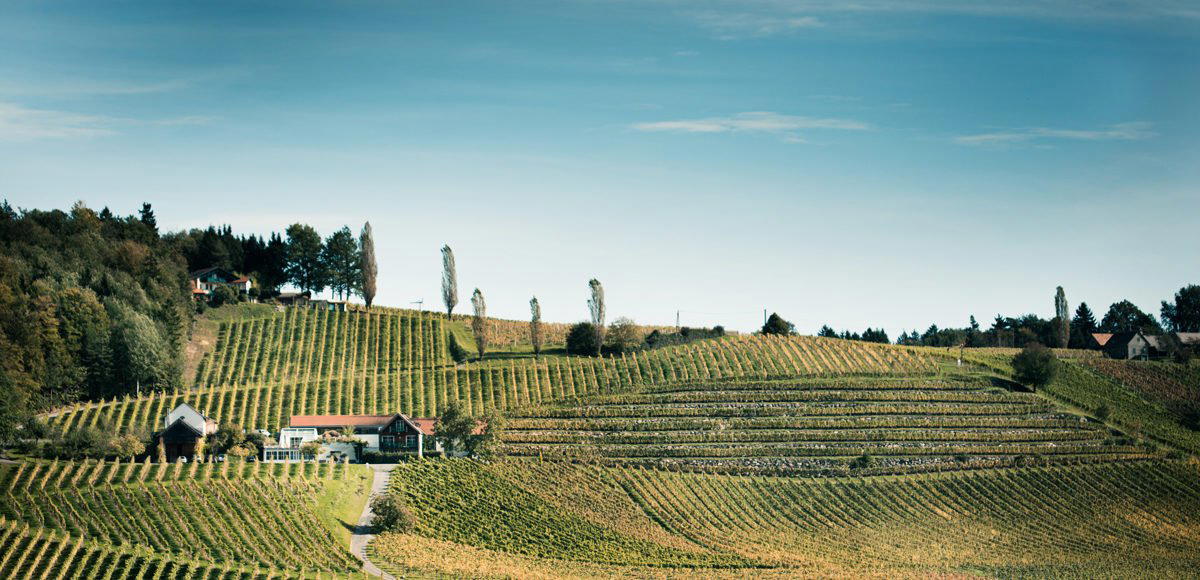
The road into Gamlitz rises and falls through vine-covered slopes that define the Südsteiermark's agricultural character more completely than any other single crop. These are not flat, industrial plantings: the gradients are steep, the parcels small, and the exposure variations between one hillside and the next are measurable in the glass. Weingut Lackner-Tinnacher, at Steinbach 12, 8462 Gamlitz, sits within this framework at one of the region's more precisely located hillside addresses.
Südsteiermark established its international reputation almost entirely through aromatic white varieties, with Sauvignon Blanc serving as the export-facing flagship and Gelber Muskateller occupying a more regionally specific, slightly less exported tier. Both reward the kind of terroir-attentive approach that steep-slope viticulture demands. Lackner-Tinnacher operates in this environment, where the critical question is always how precisely the winemaking translates site character rather than supplementing it.
Across Styria, that competitive set includes estates that have accumulated recognition from Austrian wine guides, international critics, and export markets over multiple vintages. Familienweingut Sattlerhof and Weingut Walter Skoff, both based in Gamlitz, operate within the same peer conversation. The award at Lackner-Tinnacher functions as a data point about where this estate sits relative to that group, not as an isolated credential.
For visitors planning a Styrian wine circuit, the prestige tier matters because it narrows the decision-making. The Südsteiermark has dozens of producers; knowing which ones have drawn sustained critical attention across multiple rating cycles reduces the risk of a wasted half-day. The Pearl 2 Star level is the kind of signal that warrants building an itinerary around.
Winemaking Philosophy in Styria's Context
Styrian winemaking philosophy has evolved meaningfully over the past two decades. Early international recognition came partly through wines that leaned into aromatic intensity and obvious varietal expression, a style that travels well and markets clearly. More recently, the conversation in Südsteiermark has shifted toward wines with better structural integration: less overt aromatic punch, more mineral framing, and greater ability to develop in bottle. The estates that have maintained prestige-tier recognition through this shift tend to be those where site selection and canopy management in the vineyard do more of the work than cellar intervention.
At Lackner-Tinnacher, the Steinbach address itself is part of this argument. Hillside sites in Gamlitz typically offer better drainage, more pronounced day-to-night temperature variation, and lower yields than valley floor plantings. These are the conditions that produce the tension between ripeness and acidity that defines the better Südsteiermark Sauvignon Blancs. The winemaking approach, to the extent it can be inferred from the estate's standing and recognition trajectory, follows the regional pattern of prioritising that tension rather than smoothing it.
Gelber Muskateller, the other variety closely associated with this region, presents a different set of decisions. It is inherently more fragrant than Sauvignon Blanc and less forgiving of heavy-handed winemaking. Estates that handle it well tend toward reductive cellar work and early bottling, preserving the floral register without allowing it to become diffuse. This is a technically demanding variety to get right, and its presence in the Lackner-Tinnacher portfolio, as is common for leading Gamlitz estates, reflects a commitment to the full character of what this hillside appellation produces.
Gamlitz and Its Position Within Austrian Wine
Gamlitz sits near the Slovenian border in Styria's southernmost wine zone, a geography that gives it a slightly warmer, more continental-influenced microclimate than the Kamptal or Wachau to the north. Austrian wine as a whole has moved firmly into the premium international tier over the past thirty years, a trajectory anchored by Riesling and Grüner Veltliner in the classic regions but now supported by Styrian whites that attract their own dedicated buyer community. Weingut Bründlmayer in Langenlois and Weingut Emmerich Knoll in Dürnstein represent the northern benchmark for that trajectory; Gamlitz producers operate on a parallel but distinct track, with variety emphasis and site character that demand separate consideration rather than comparison.
Within Styria itself, the contrast between Südsteiermark and Western Styria is also worth noting. Schilcher, the rosé produced from Blauer Wildbacher in the west, is a regional specialty of a different kind, more locally consumed and less internationally traded. Südsteiermark's white wines have broader export presence, which means producers like Lackner-Tinnacher are accountable to both local and international quality benchmarks simultaneously. That dual accountability tends to sharpen quality discipline over time.
Other Austrian producers worth mapping for context: Weingut Heinrich Hartl in Oberwaltersdorf works a different appellation entirely; Weingut Kracher in Illmitz has defined the Burgenland sweet wine tier; Weingut Pittnauer in Gols sits in the natural wine-adjacent corner of Burgenland. None of these are direct comparators to Lackner-Tinnacher, but they illustrate the geographic and stylistic breadth of Austrian wine that any serious visitor to the country will want to account for. Weingut Wohlmuth in Kitzeck is the closer Styrian parallel, operating at a similar prestige level from a different hillside address.
Planning a Visit to Gamlitz
Gamlitz is accessible from Graz, the nearest major city, in under an hour by car. The village itself is small; the wine estates are the primary draw, and most serious visitors structure the day around two or three producer visits rather than treating Gamlitz as a destination with independent urban appeal. The surrounding Südsteiermark wine road (Südsteirische Weinstraße) provides a logical circuit that can be extended north toward Leutschach or south toward the Slovenian border depending on available time.
Visitors should confirm visit logistics directly through the estate before travelling. For prestige-tier estates in this region, advance contact is advisable regardless, particularly during harvest periods in September and October when cellar activity takes priority over tasting room appointments. Spring, from April through June, and the post-harvest weeks of November tend to offer more availability for unhurried visits.
For broader Austrian spirit and production context beyond wine, Weingut Scheiblhofer Distillery in Andau, 1310 Spirit of the Country Distillery in Sierning, and 1404 Manufacturing Distillery in Sankt Peter-Freienstein each represent different corners of Austrian craft production. And for those extending travel beyond Austria, 1516 Brewing Company in Vienna offers a different production register entirely, while Aberlour in Aberlour and Accendo Cellars in St. Helena anchor different premium categories on separate continents.
Cost and Credentials
Comparable venues nearby, for context on price, style, and recognition.
| Venue | Cuisine | Price |
|---|---|---|
| Weingut Lackner-TinnacherThis venue — the venue you are viewing | Gamlitz, Sauvignon Blanc, Morillon | $$ |
| Weingut Walter Skoff | Gamlitz, Sauvignon Blanc, Zweigelt | Not listed |
| Familienweingut Sattlerhof | Gamlitz, Sauvignon Blanc, Morillon | $$$ |
| Brennerei Mairhofer | Winery | Not listed |
| Destillerie Königsberg | Winery | Not listed |
| Franz Bauer Distillery | Winery | Not listed |
Recognition history
Dated appearances from independent guides and award organizations, with the underlying list record or original source where available.
Falstaff Winery - 5 Stars
Falstaff
Continue exploring
More in Gamlitz
Wineries in Gamlitz
Browse all →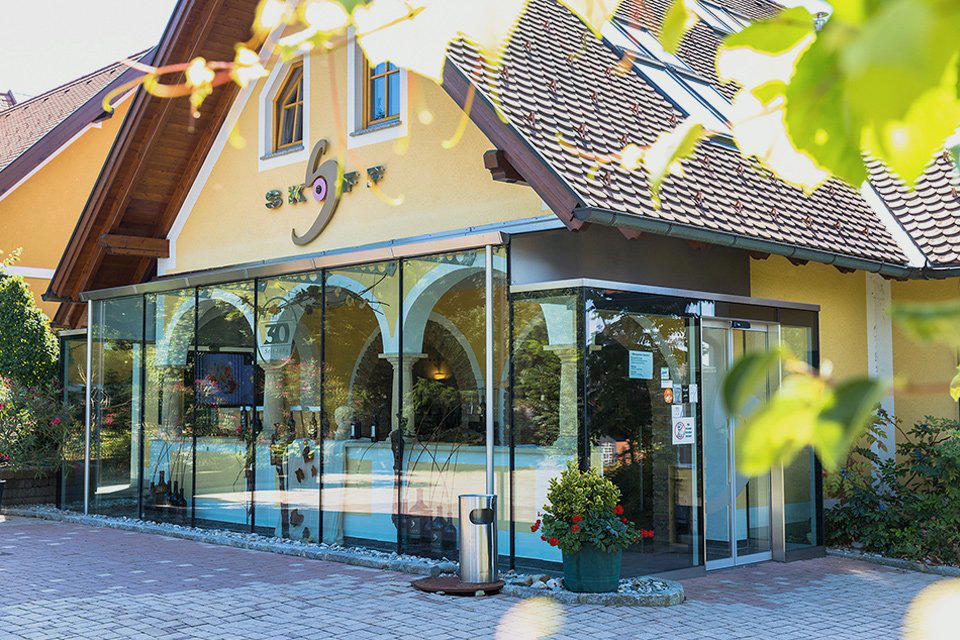
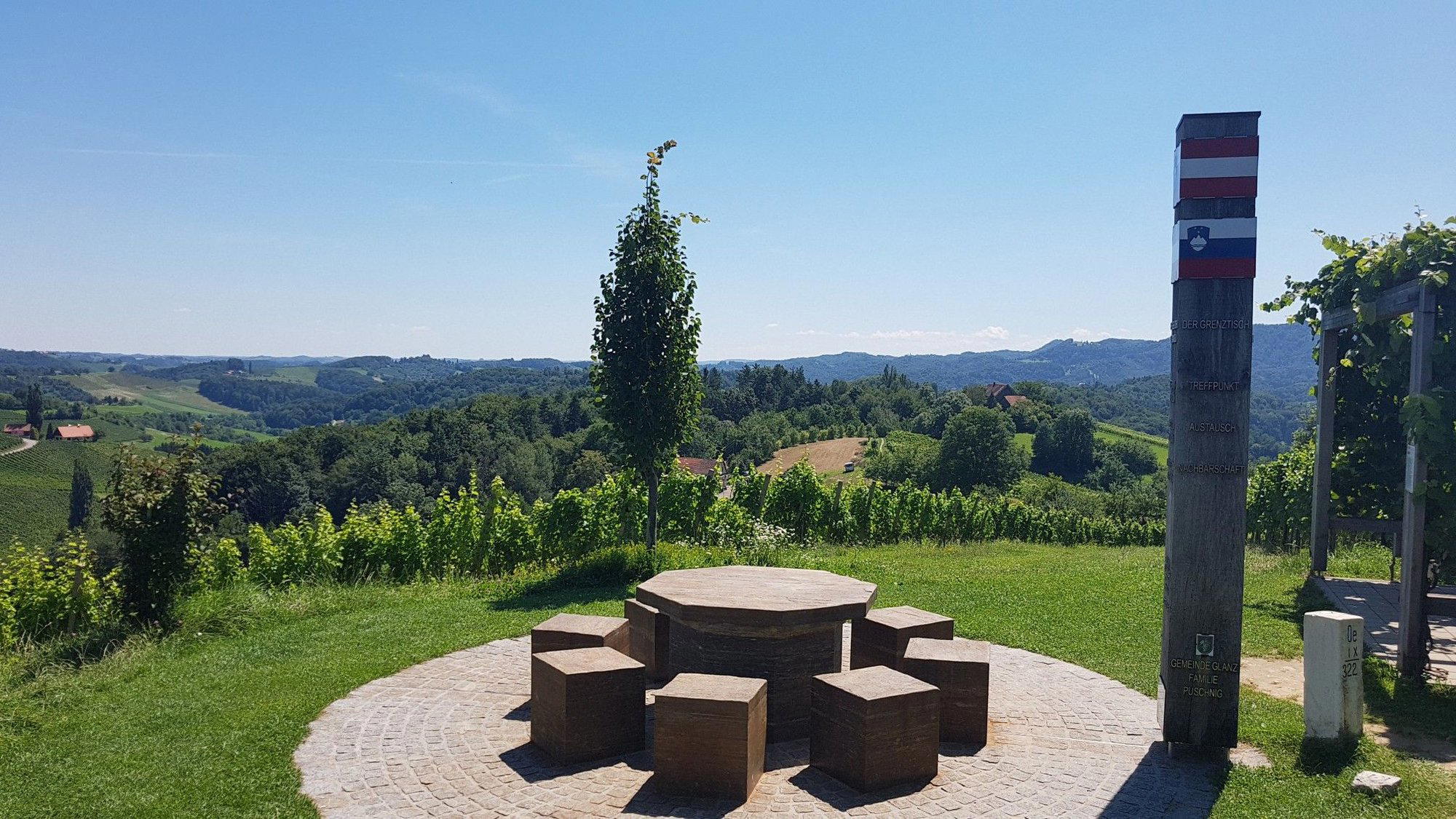

Bars in Gamlitz
Browse all →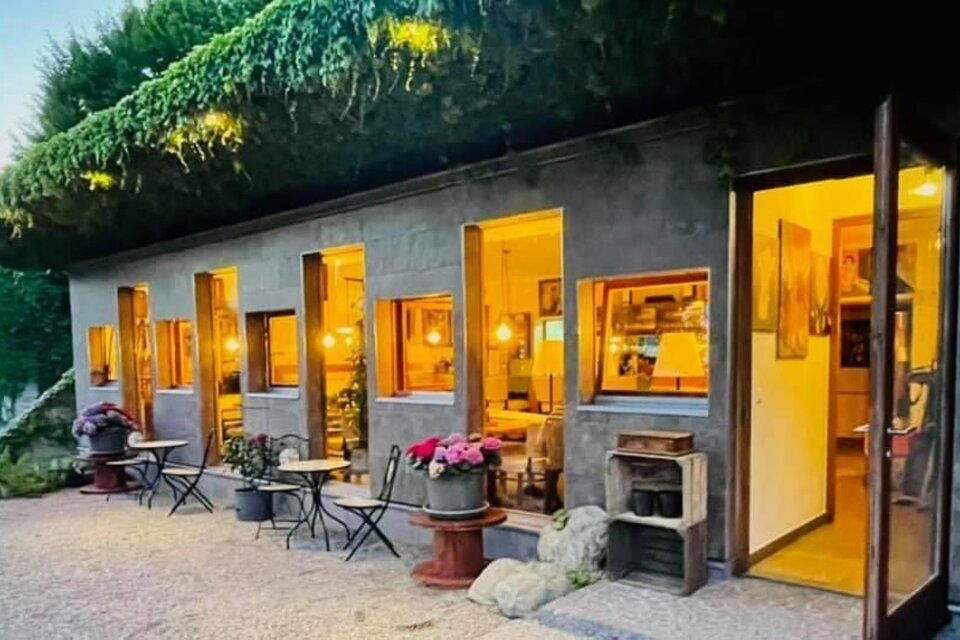
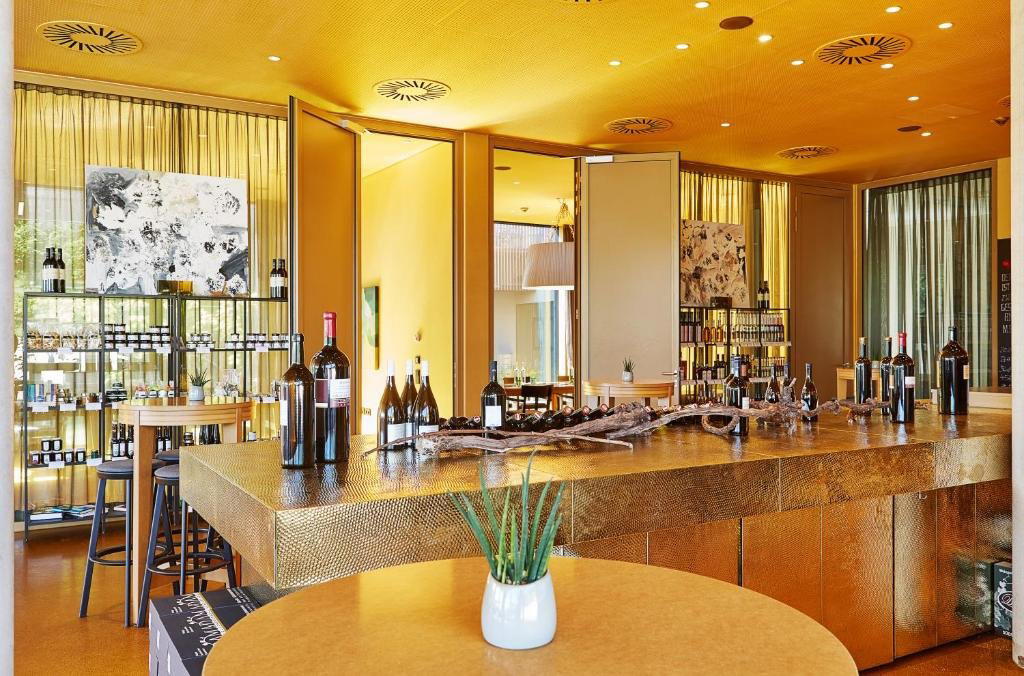
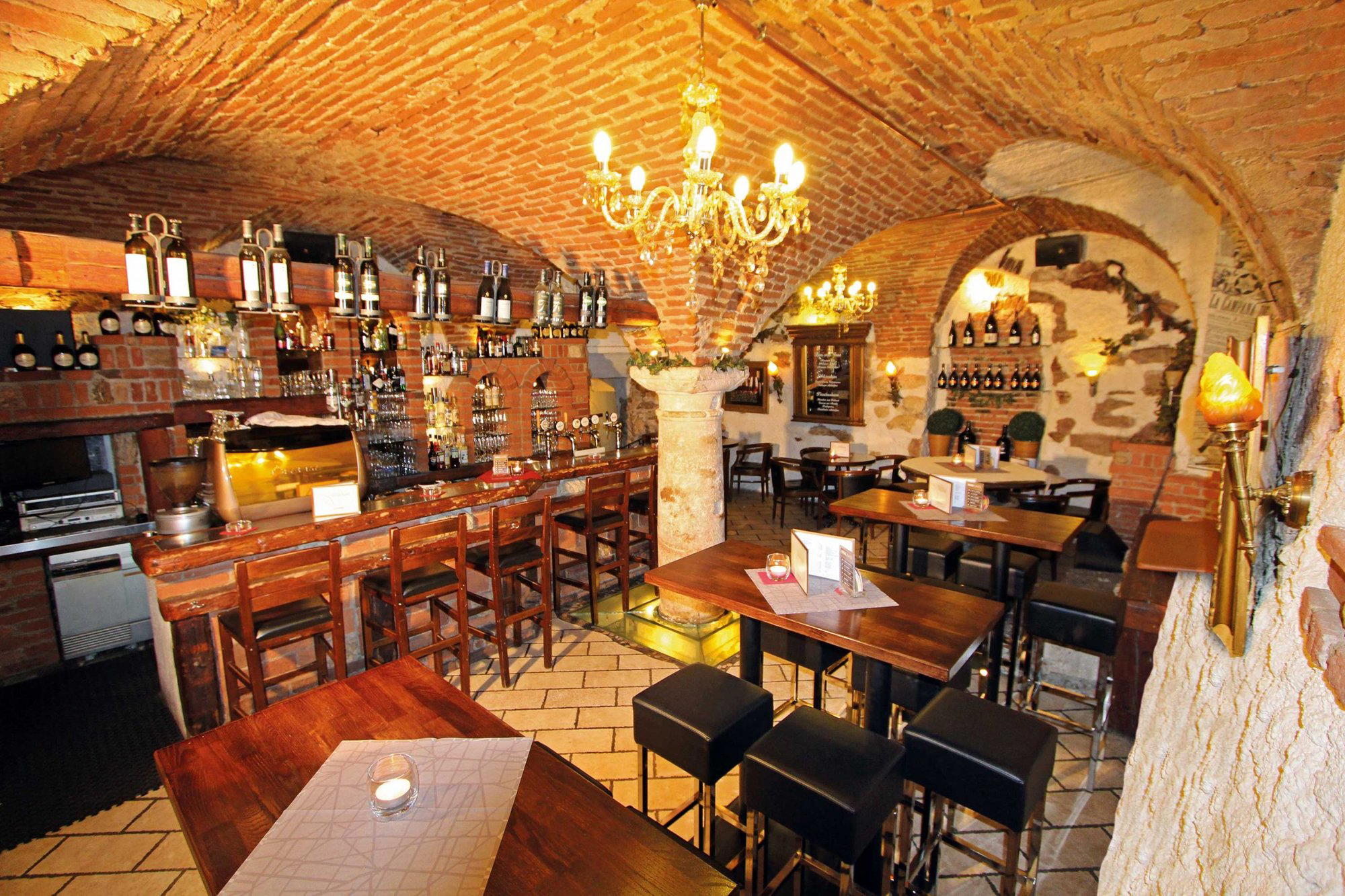
Restaurants in Gamlitz
Browse all →
At a Glance
- Rustic
- Scenic
- Elegant
- Intimate
- Classic
- Wine Education
- Solo Exploration
- Special Occasion
- Vineyard Tour
- Estate Grounds
- Historic Building
- Terrace
- Organic
- Sustainable
- Vineyard
- Mountain
- Südsteiermark
- Sauvignon Blanc
- Morillon
- Weißburgunder
- Grauburgunder
- Gelber Muskateller
- Welschriesling
- Riesling
- Still White
- Cave Tasting
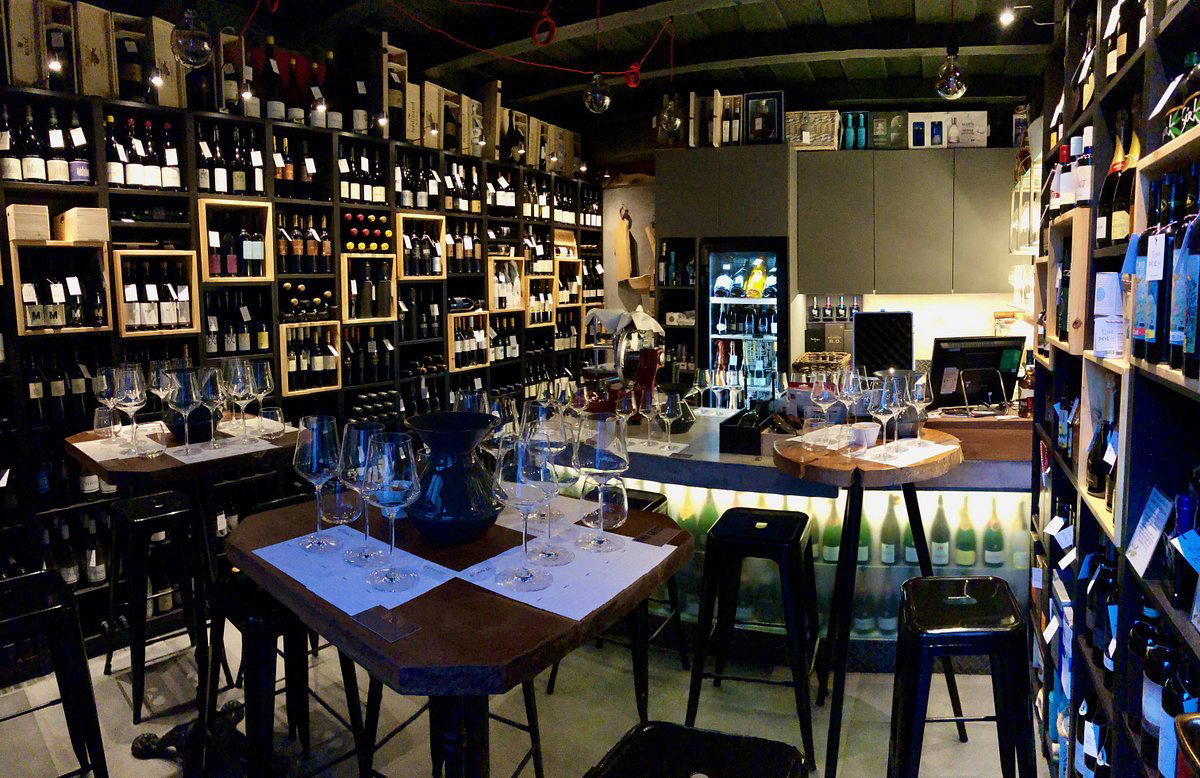
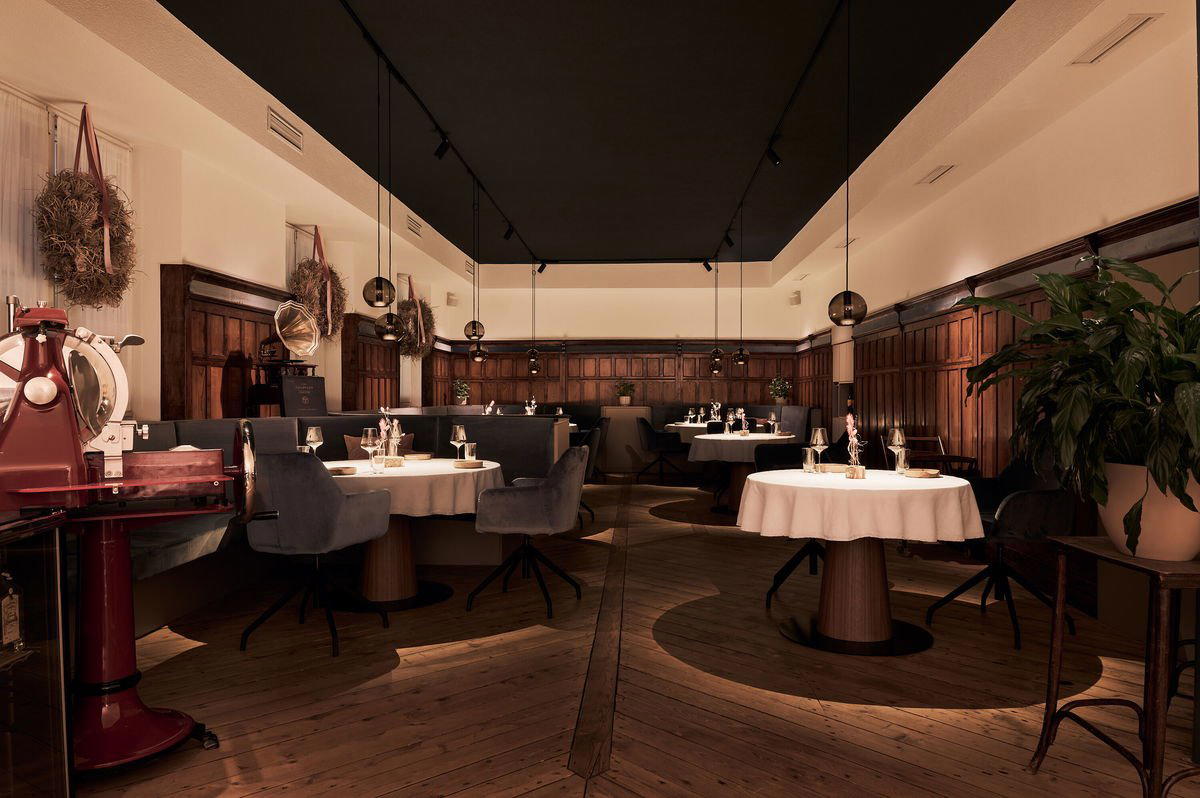
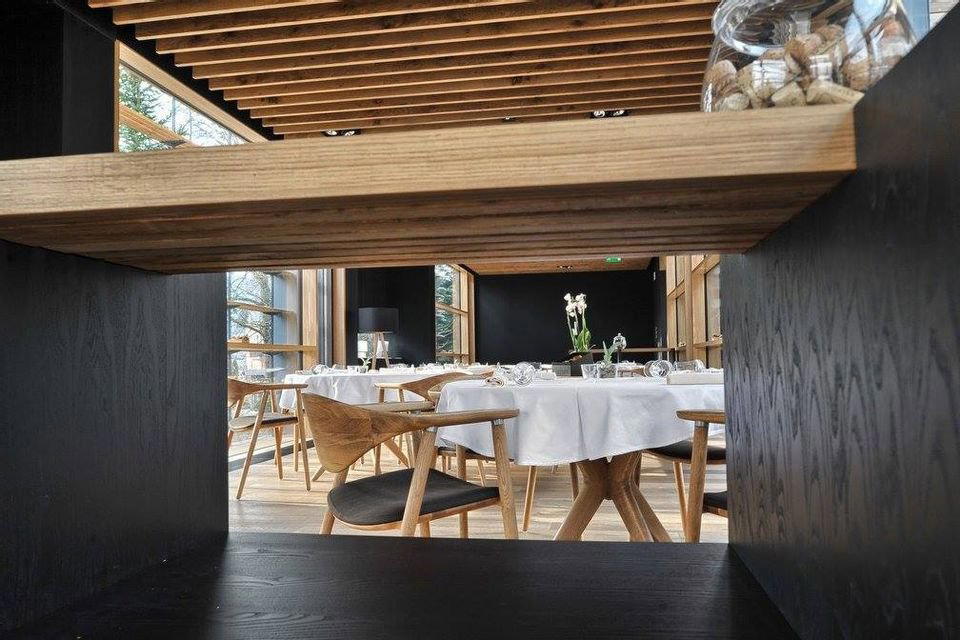
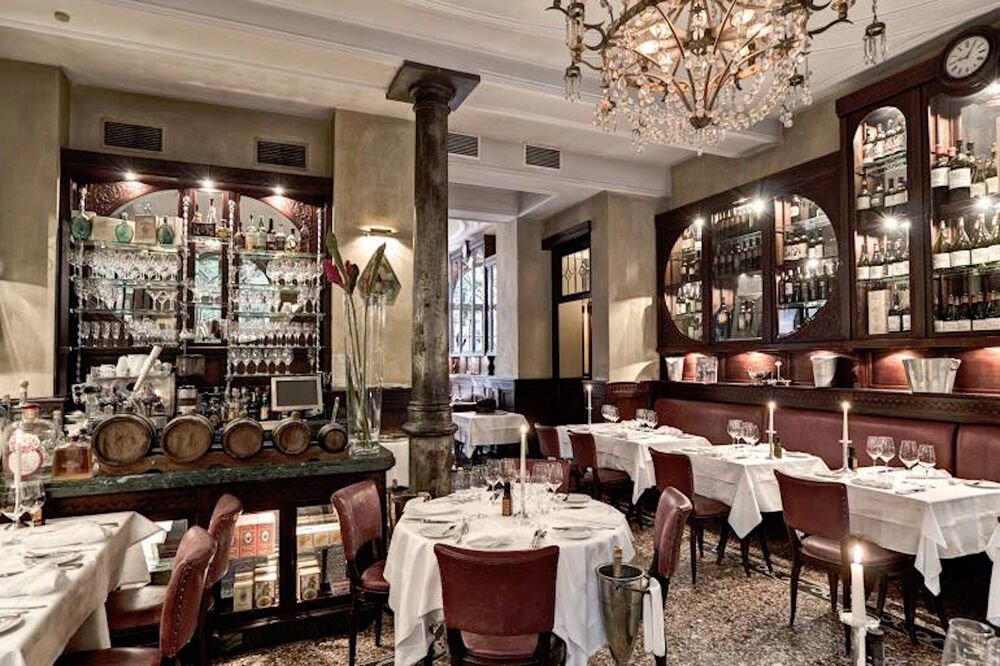
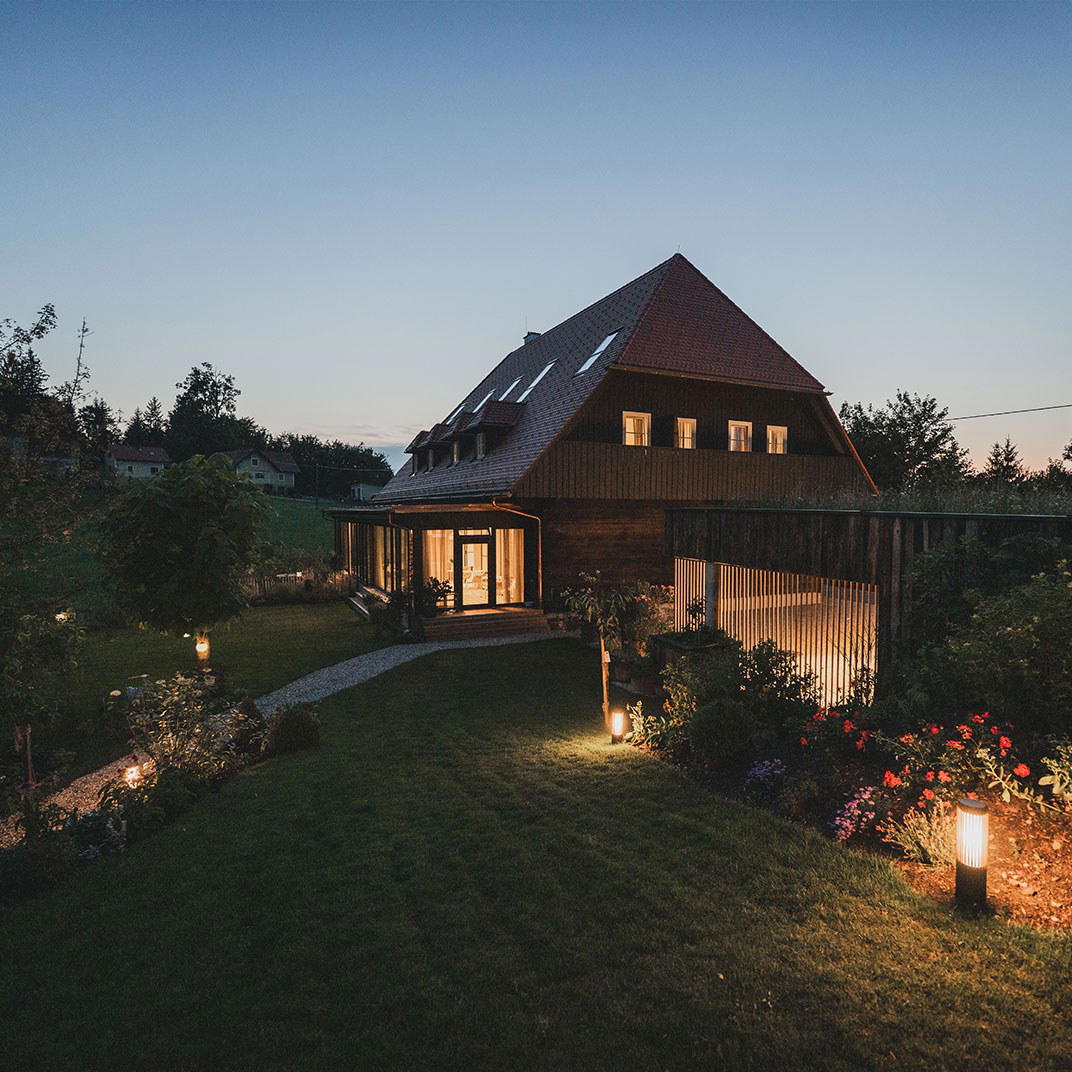
Historic century-old cellar vault tasting room in a renovated manor house, surrounded by patchwork vineyards on hillsides, offering a serene and elegant atmosphere.