
Weingut Andreas Laible operates from the village of Durbach in Baden, one of Germany's warmest wine-growing pockets, where steep granite and loess slopes produce Riesling and Spätburgunder of notable concentration. Visitors approaching the Bühl vineyards encounter a working winery rooted in place rather than performance.
Pearl is the En Primeur Club membership app — saves, bookings, and concierge access live there. Same editors, same standards.
- Address
- Am Bühl 6, 77770 Durbach
- Phone
- +49 781 41238
- Website
- weingut-laible.de
- Directions
- Get directions
 Saves & bookings on Pearl
Durbach and the Baden Terroir Argument
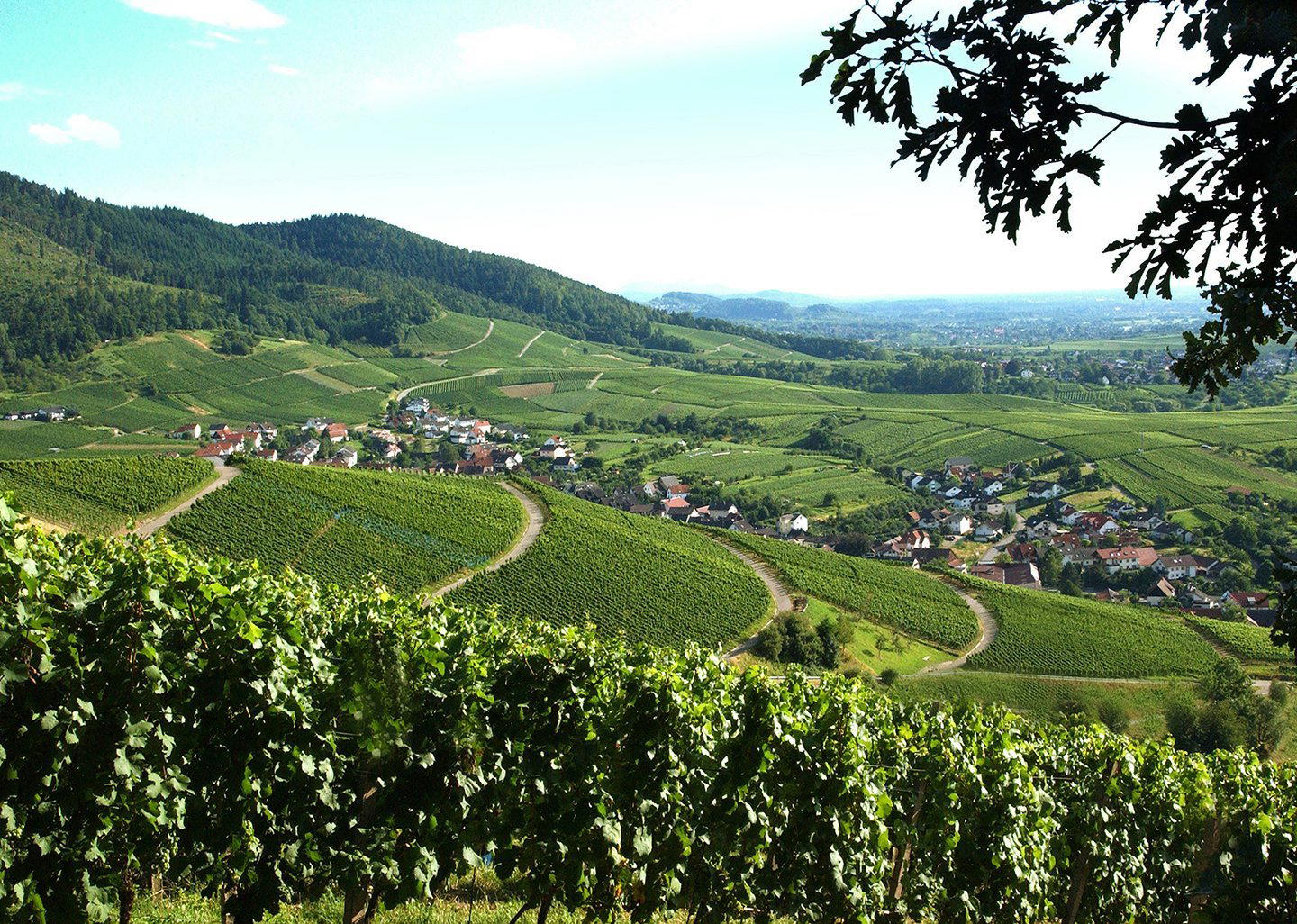
Baden is Germany's southernmost major wine region, stretching along the eastern bank of the Rhine from the Swiss border north toward Heidelberg, and Durbach sits near its centre, tucked into the foothills of the Black Forest at around 200 metres elevation. The village's position matters: the Vosges Mountains to the west block Atlantic rain systems, the Black Forest ridges behind the vineyards retain warmth overnight, and the Rhine plain acts as a solar reflector. The result is the longest, warmest growing season in Germany, with conditions that push ripeness further than anywhere else in the country north of the Kaiserstuhl. Where Mosel producers manage the anxiety of marginal ripeness every autumn, Durbach growers manage a different problem: how to preserve acidity and freshness in grapes that arrive at harvest with considerable sugar weight.
The soils in this part of the Ortenau district are a patchwork of weathered granite, loess deposits, and clay-limestone mixes depending on aspect and altitude. Granite-dominated plots drain fast and force vines deep for water, producing wines with a mineral, sometimes saline edge that reads cleanly against the region's natural fruit weight. The combination is what gives serious Durbach Riesling its particular character: not the lean, high-acid profile of Rheingau or Mosel, but something broader-shouldered, with texture and presence that can support bottle age without austerity.
Weingut Andreas Laible at Am Bühl
The estate's address, Am Bühl 6, places it directly within the vineyard zone rather than in the village centre, which is instructive about how the winery relates to the land it farms. Baden estates of serious ambition tend to be working operations oriented toward the cellar and the vine rather than visitor theatrics. That physical orientation reflects a broader truth about the Ortenau's premium producers: the region has not invested in the kind of wine-tourism infrastructure that shapes expectations in the Mosel or Rheingau, and estates here tend to let the wine speak first.
That tier is not large. Across Germany's diverse wine regions, from the Pfalz estates like Weingut A. Christmann in Neustadt an der Weinstraße and Weingut Bassermann-Jordan in Deidesheim to Mosel-Saar-Ruwer producers such as Weingut Fritz Haag in Brauneberg and Weingut Grans-Fassian in Leiwen, the producers that sustain recognition at this level share a commitment to vineyard specificity and careful cellar work. Laible's inclusion in that peer group from a region less internationally publicised than Mosel or Rheingau is itself a signal worth noting.
The Terroir Case for Durbach Riesling
Riesling grown in Durbach's granite soils occupies a distinct position within the German Riesling spectrum. The variety is genetically predisposed to site translation: it amplifies whatever mineral signature the soil carries, adjusts its aromatic expression to temperature and aspect, and retains acidity as a structural tool even at higher ripeness levels. On granite, Riesling tends toward a more reductive, stony expression in youth, with a citrus-pith quality that distinguishes it from the lime-blossom and slate character of Mosel or the white-peach profile typical of Rheinhessen. Baden Riesling from good sites ages toward something more textured, with dried citrus and a waxy, lanolin quality that reflects both the variety's phenolic depth and the warmth of the growing season.
The Spätburgunder argument in Baden is equally serious. Germany's Pinot Noir production has grown in critical standing over the past two decades, with Baden and Pfalz now regularly producing bottles that draw comparison with Burgundian counterparts at mid-tier price points. The warm, long seasons of Durbach give Spätburgunder full phenolic maturity without the need for excessive extraction, which is the precondition for the kind of elegant, translucent reds that define the category's current critical direction. Estates working at Laible's quality tier in Baden approach Spätburgunder with an understanding that the grape's leading expressions come from restraint in the winery, not intervention.
For context on how German wine estates at this level compare across regions, the Weingut Heymann-Löwenstein in Winningen and Weingut Clemens Busch in Pünderich on the Terrassenmosel represent a different terroir argument entirely, working volcanic blue-slate soils for intensity and minerality. The contrast with Baden's granite-and-warmth combination illustrates why German wine rewards regional study rather than varietal generalisation. Similarly, the institutional scale of Kloster Eberbach in Eltville or Weingut Allendorf in Oestrich-Winkel in the Rheingau offers a useful point of comparison for understanding how differently estates of varying sizes and traditions approach the same national wine culture. The Weingut Bürgerspital zum Heiligen Geist in Würzburg and Weingut Dr. Bürklin-Wolf in Wachenheim an der Weinstraße extend that comparison further across Franconia and the Pfalz respectively.
Planning a Visit to Durbach
Durbach is accessible from Offenburg, which sits on the main Karlsruhe-Basel rail line with frequent intercity connections. The drive from Offenburg into the vineyard village takes approximately ten minutes, following the road east into the hills. The estate's address at Am Bühl 6 sits within the vine-growing zone above the village. Visits to working estates in this part of Baden are typically arranged in advance rather than walk-in, and the region rewards a slower approach: the Ortenau wine route connects Durbach to neighbouring villages across the Black Forest foothills, and a day built around two or three estates gives more context than a single stop. The growing season in Baden runs long, and the harvest period in late September and October, when the Black Forest foliage turns and the air carries the scent of fermenting must, is one immersive time to visit. Spring, once the vines break dormancy in April and the steep parcels show their aspect most clearly, is the alternative window for those who prefer the quieter end of the calendar.
Placing Laible in the Wider German Wine Picture
Germany's wine quality tier has become more legible internationally over the past decade as producers have moved away from the residual-sugar mass market and toward site-specific, producer-signed bottlings that reward the kind of label literacy that serious wine drinkers already apply to Burgundy or the Rhône. Within that shift, estates in less-publicised regions face a credibility gap that awards and critical recognition help to close. The rating places Laible in a comparable bracket to recognised producers across Germany's main regions. For international reference points in premium wine production at a different scale and tradition, Accendo Cellars in St. Helena and Aberlour in Aberlour illustrate how producer-identity and provenance interact differently across categories. Weingut Georg Breuer in Rüdesheim am Rhein and Weingut Battenfeld-Spanier in Hohen-Sülzen offer closer German comparisons, each navigating the balance between regional identity and national critical standing in ways that reflect the current state of the country's wine conversation.
Comparison Snapshot
Comparable venues nearby, for context on price, style, and recognition.
| Venue | Cuisine | Price | Notes |
|---|---|---|---|
| Weingut Andreas LaibleThis venue — the venue you are viewing | Riesling, Pinot Noir | $$ | Not listed |
| Bethel Heights Vineyard | Pinot Noir, Chardonnay | $$ | Eola-Amity Hills |
| Weingut Thörle | Riesling, Silvaner | $$ | Saulheim |
| Domdechant Werner’sches Weingut | Riesling, Spätburgunder | $$ | Hochheim am Main |
| Weingut Dr. Bürklin-Wolf | Riesling, Pinot Noir | $$$ | Wachenheim an der Weinstraße |
| Weingut Schäfer-Fröhlich | Riesling, Pinot Blanc | $$$ | Bockenau |
Recognition history
Dated appearances from independent guides and award organizations, with the underlying list record or original source where available.
Falstaff Winery - 4 Stars
Falstaff
Continue exploring
More in Durbach
Wineries in Durbach
Browse all →
Bars in Durbach
Browse all →

Restaurants in Durbach
Browse all →
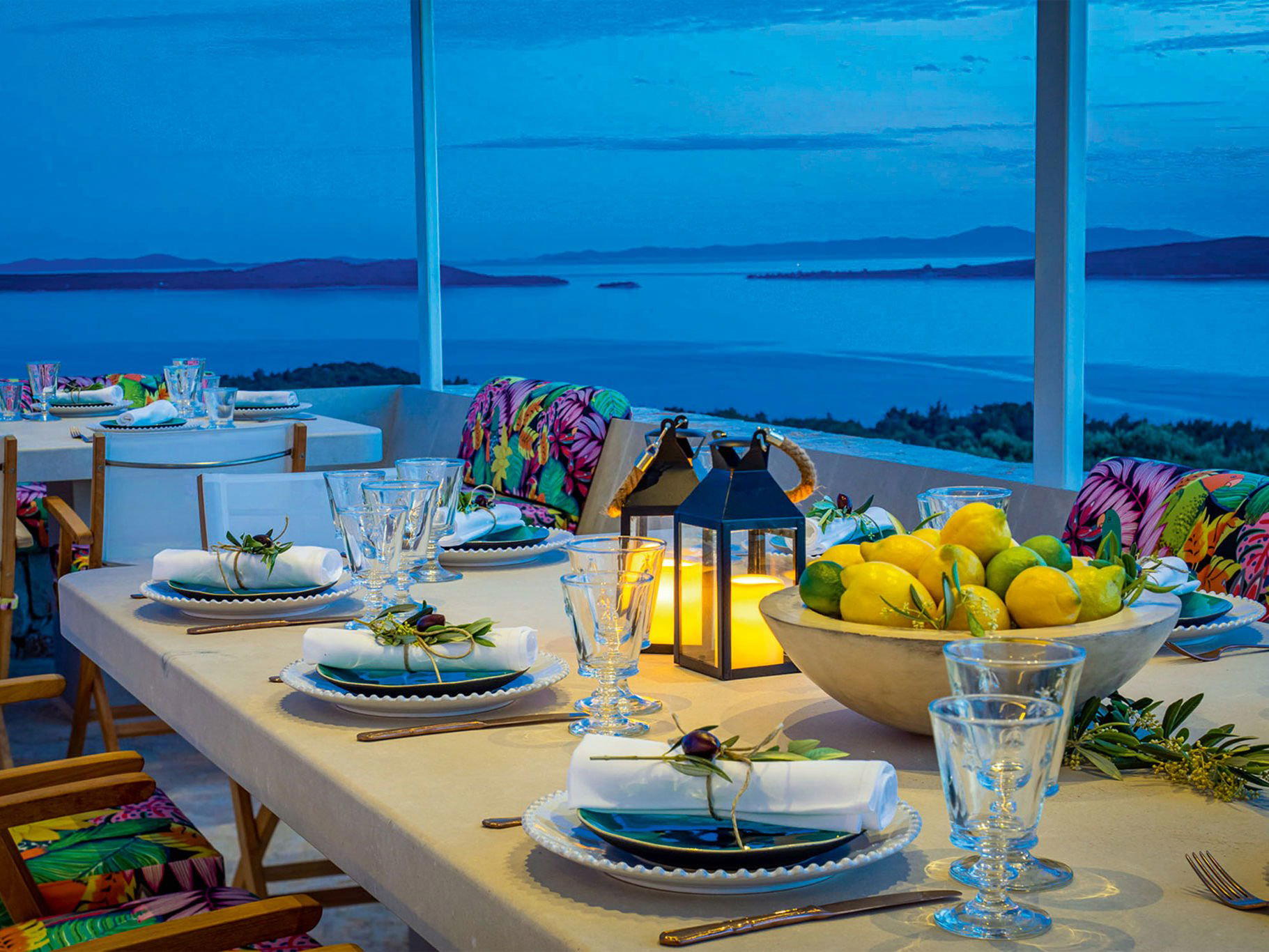
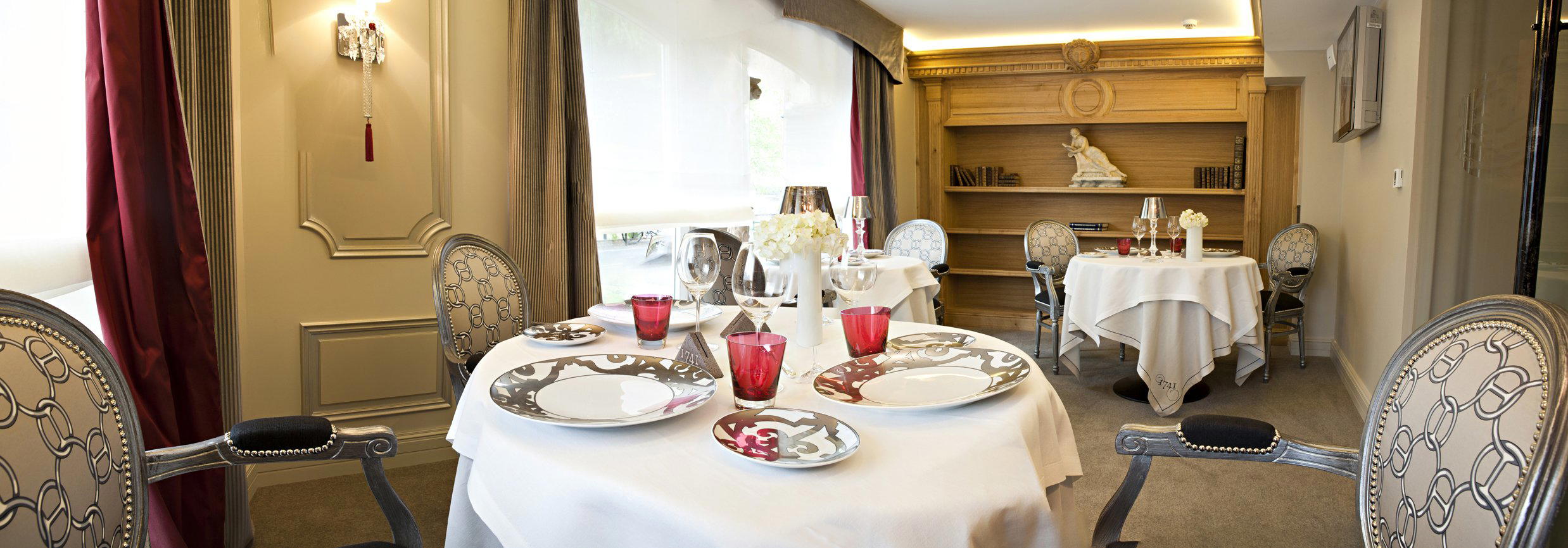
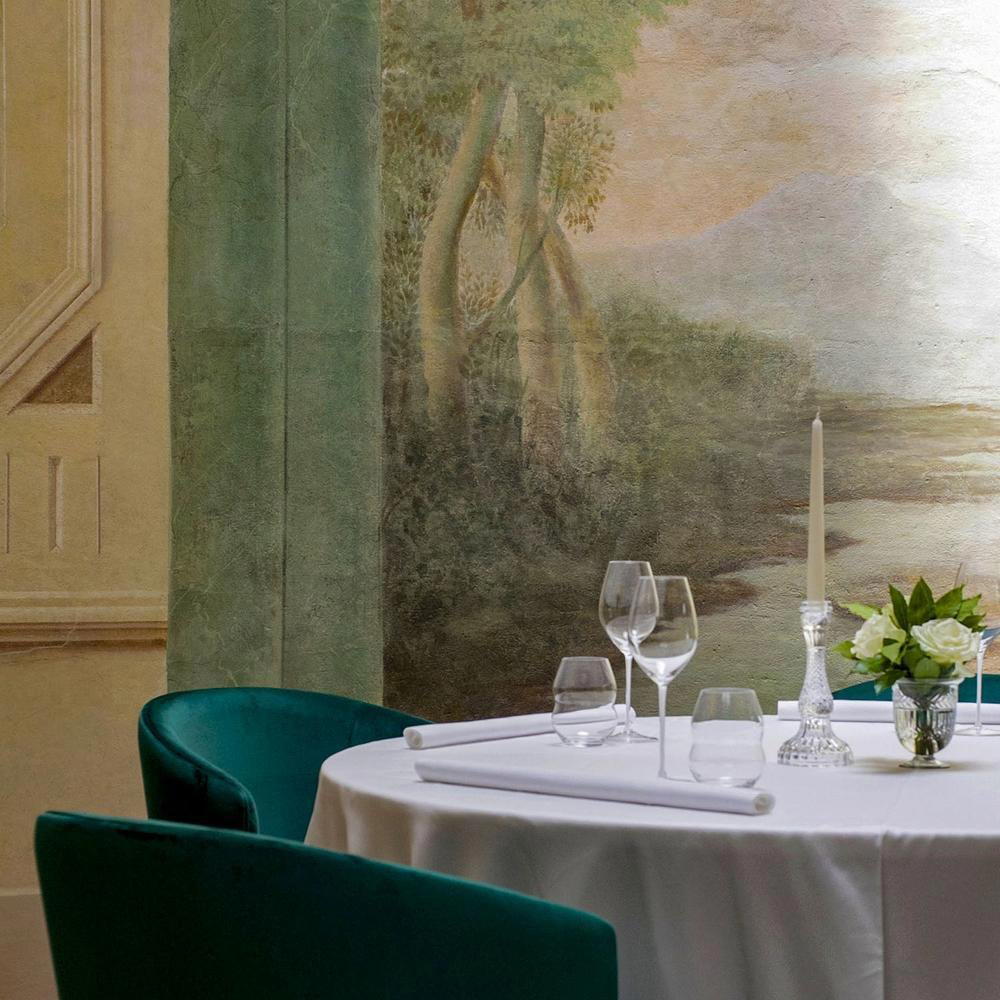
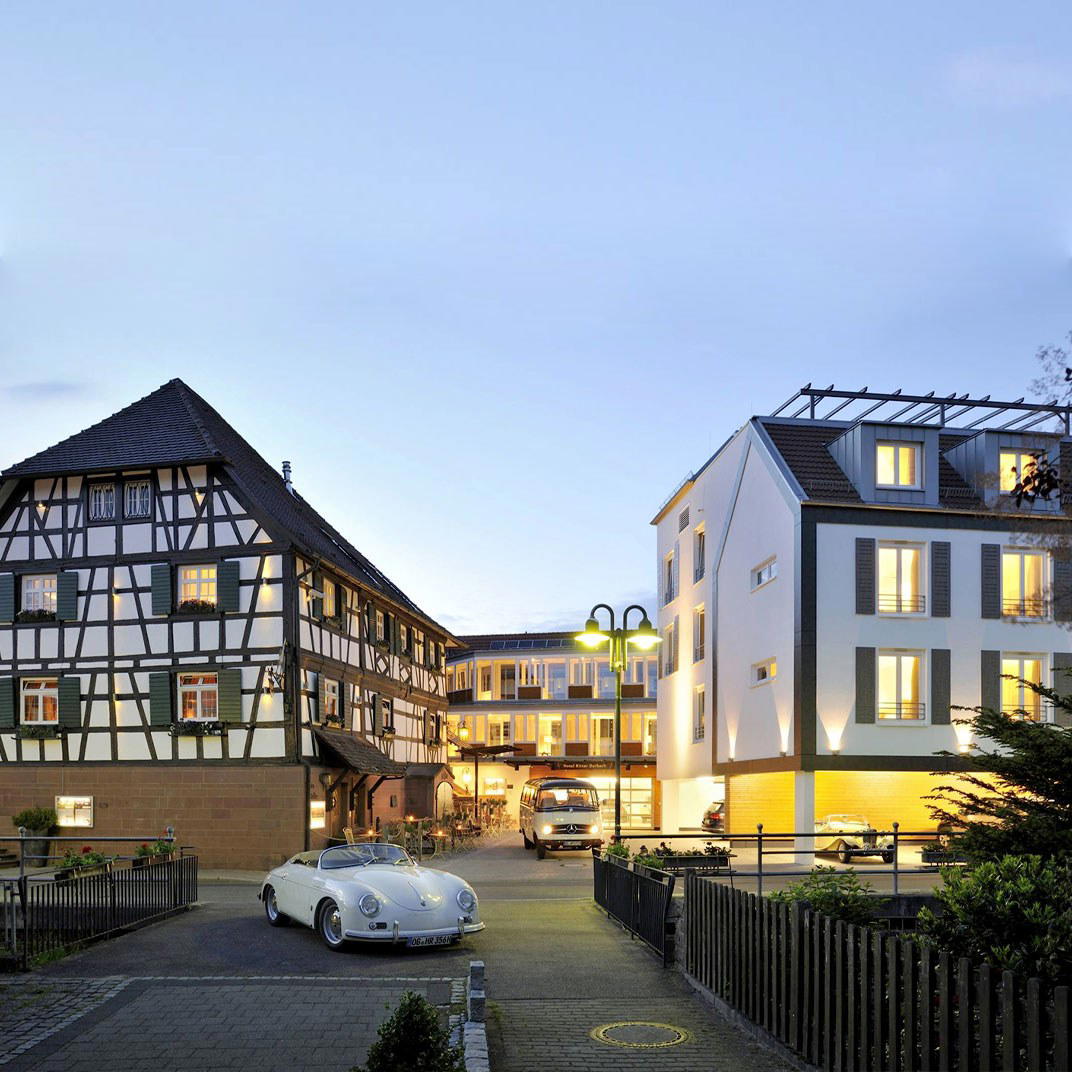
At a Glance
- Classic
- Rustic
- Scenic
- Elegant
- Wine Education
- Solo Exploration
- Special Occasion
- Vineyard Tour
- Estate Grounds
- Panoramic View
- Vineyard
- Mountain
- Ortenau
- Riesling
- Pinot Noir
- Pinot Blanc
- Pinot Gris
- Gewürztraminer
- Scheurebe
- Chardonnay
- Still White
- Still Red
- Cave Tasting
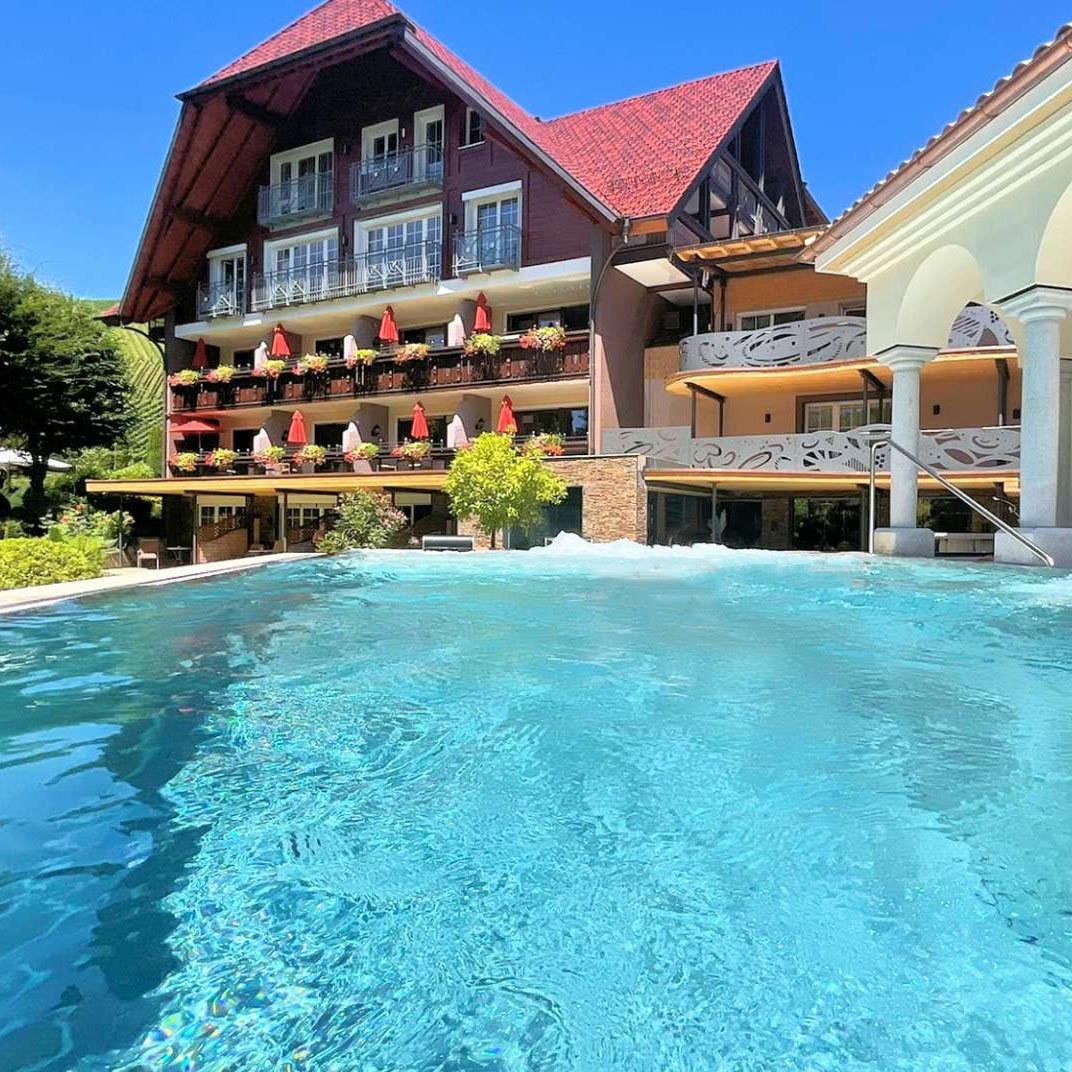
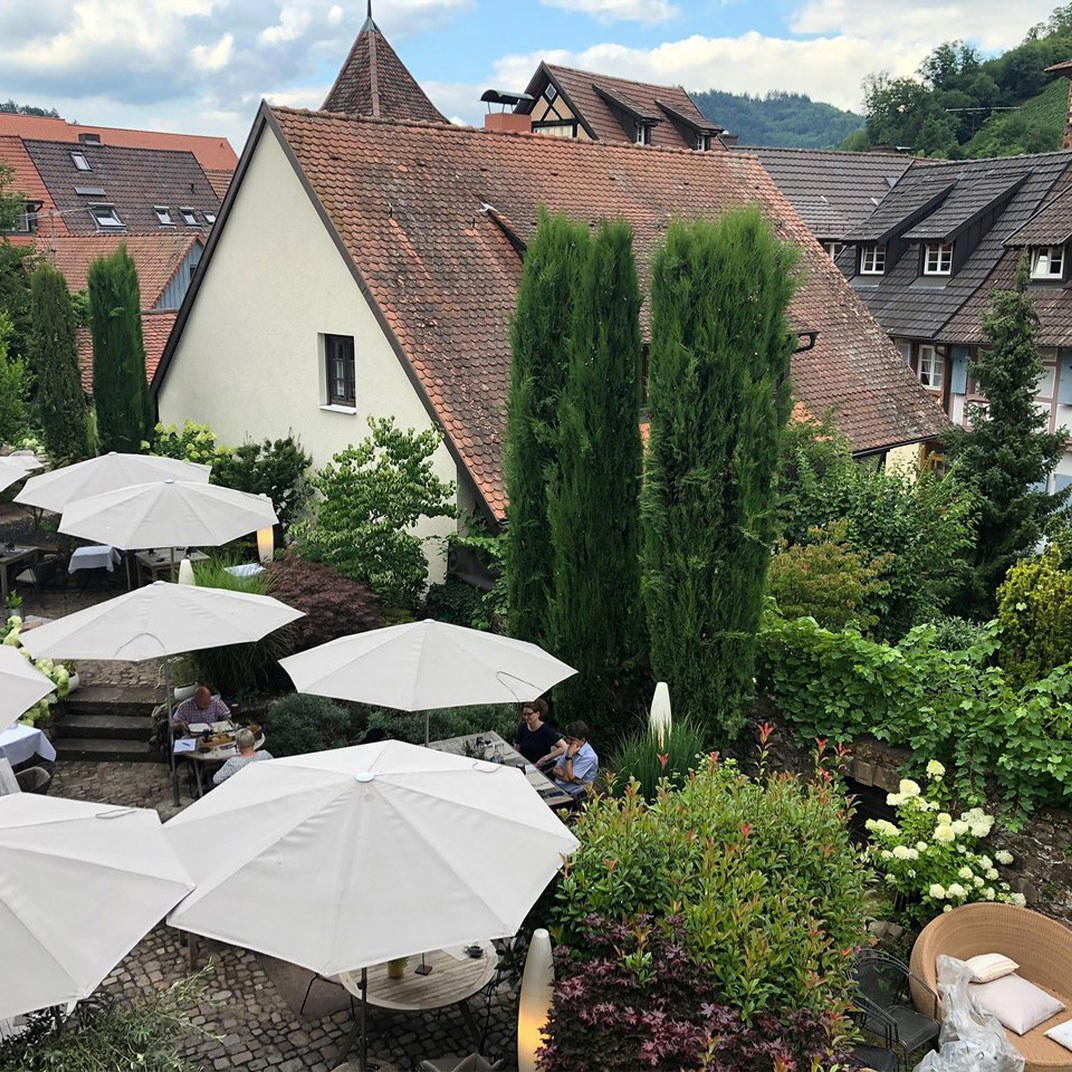
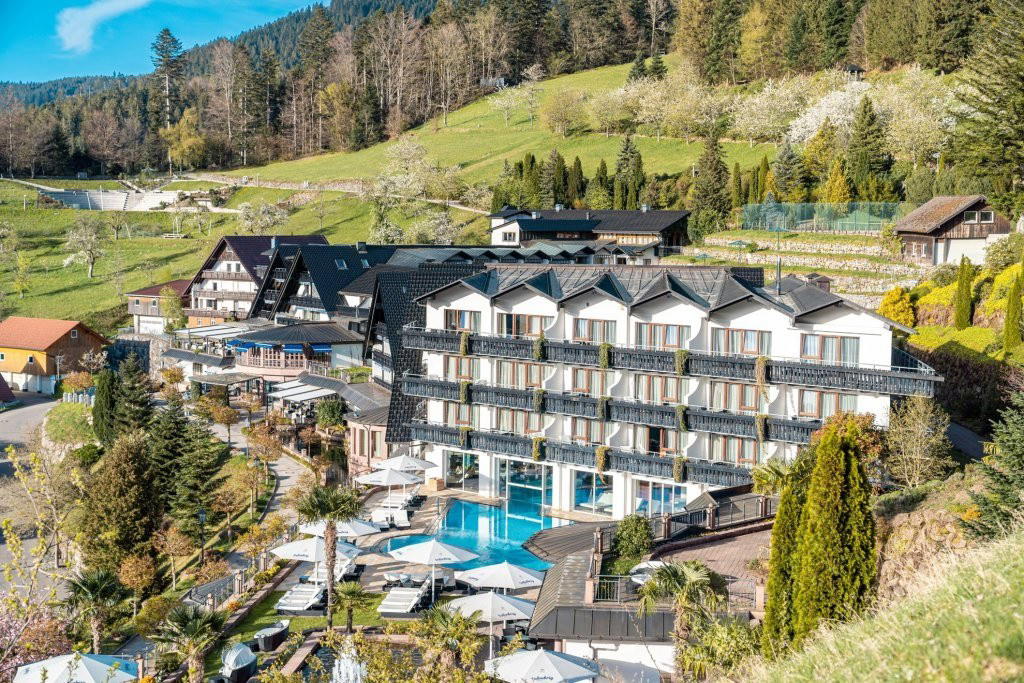
Elegant and refined atmosphere with graceful, mineral-rich wines reflecting the steep vineyard terroir; welcoming family setting in the heart of the Am Bühl site.