Weingut Dürnberg

Weingut Dürnberg operates out of Falkenstein in the Weinviertel, Austria's largest and most underappreciated wine region, where loess soils and a dry continental climate shape wines of particular mineral tension.
Pearl is the En Primeur Club membership app — saves, bookings, and concierge access live there. Same editors, same standards.
- Address
- Neuer W. 284, 2162 Falkenstein bei Poysdorf
- Phone
- +43 2554 85355
- Website
- duernberg.at
- Directions
- Get directions
 Saves & bookings on Pearl
Weinviertel's Continental Edge
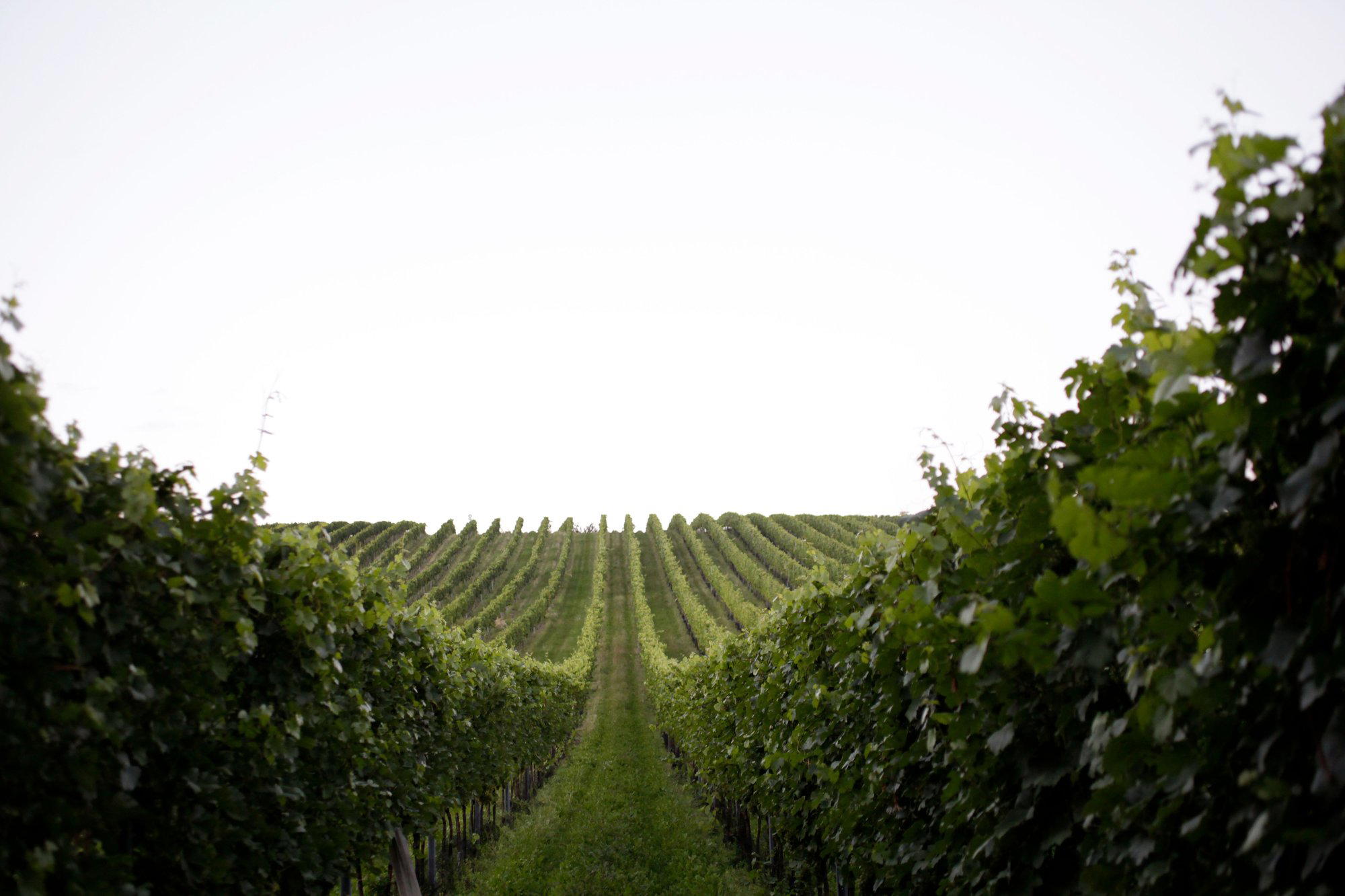
The road into Falkenstein bei Poysdorf tells you a great deal about what ends up in the glass. The Weinviertel occupies the northeastern corner of Austria, pressed between the Czech border to the north and the Danube plain to the south, and the topography is deliberate in its austerity: low rolling hills, windswept ridgelines, and a continental climate that delivers hot summers, cold winters, and a diurnal temperature range that preserves acidity long after the grapes reach phenolic maturity. This is not the spectacle of the Wachau's steep terraces or the warmth of Burgenland's lakeside vineyards. It is a region that works through understatement, and Weingut Dürnberg, at Neuer W. 284 in Falkenstein, is positioned inside that character rather than against it.
What the Loess Says
Soil is the primary argument in the Weinviertel. The dominant substrate across the region's vineyards is loess, a wind-deposited fine silt that drains well but retains enough moisture to sustain vines through dry spells without irrigation. Loess-grown wines tend toward a particular texture: a fine-grained, almost powdery feel on the palate, with mineral expression that reads as chalky or flinty rather than the rounder, volcanic character you encounter in parts of the Burgenland. The low rainfall in this corner of Lower Austria compounds the effect, concentrating flavour without generating the weight that warmer, wetter regions produce.
Grüner Veltliner is the logical expression of this terroir. Across the Weinviertel, the variety accounts for the majority of plantings, and when grown on these loess profiles under the region's thermal conditions, it produces wines with a spice note (the characteristic white pepper of GV) that sits alongside citrus and green herb without the alcohol load that equivalent ripeness levels might generate in Kamptal or Kremstal. The DAC Weinviertel designation, which requires fresh, pepper-driven Grüner in a lighter style, formalises exactly this identity. Producers working at a prestige level often work both inside and alongside the DAC framework, using the typicity designation as a baseline while reserving reserve and single-vineyard bottlings for longer-form expression.
The Weinviertel in the Austrian Pecking Order
Austrian wine discourse tends to concentrate around a set of marquee addresses: the Wachau with its Riesling and Grüner Veltliner grand crus, Kamptal producers like Weingut Bründlmayer in Langenlois with their Zöbinger Heiligenstein bottlings, and the Wachau's Weingut Emmerich Knoll in Dürnstein, whose Smaragd-level wines occupy a well-established collector tier. Further south, estates like Weingut Kracher in Illmitz have defined Burgenland's dessert wine reputation internationally. The Weinviertel has historically occupied a different position: high volume, lower prestige, and a producer base that skews toward cooperative output rather than estate-driven fine wine.
Weingut Wohlmuth in Kitzeck, operating in Styria's Sauvignon-dominated south, and Weingut Pittnauer in Gols, working with Blaufränkisch and natural wine methods in Burgenland, represent different regional identities within Austrian wine. The Weinviertel's identity, expressed through estates like Dürnberg, is distinct: the cool-continental, loess-inflected, Grüner-primary profile is not reproducible elsewhere in the country, which is exactly the argument for paying attention to it.
Getting There and Planning a Visit
Falkenstein bei Poysdorf sits approximately 60 kilometres north of Vienna, in the Poysdorf wine corridor that runs along the Czech border. The town is accessible by car from Vienna in under an hour via the A22 or B7 routes, and the proximity to the capital makes day-trip visits practical, though the concentration of quality producers in the Poysdorf area justifies an overnight stay. The wider region also connects to the Mistelbach and Wolkersdorf wine routes, which give structured access to the broader Weinviertel producer map.
Visitors should confirm booking details before arriving. Cellar door visits in the Weinviertel often operate on appointment or during designated open-house weekends rather than walk-in hours.
Weingut Scheiblhofer Distillery in Andau, Weingut Heinrich Hartl in Oberwaltersdorf, and the 1516 Brewing Company Distillery in Vienna each represent different facets of Austrian production culture. Further afield, 1310 Spirit of the Country Distillery in Sierning, 1404 Manufacturing Distillery in Sankt Peter-Freienstein, A. Batch Distillery in Bergheim, and Abfindungsbrennerei Franz in Leithaprodersdorf extend the map of Austrian craft production across Lower Austria and beyond. Aberlour in Aberlour and Accendo Cellars in St. Helena sit in entirely different traditions but share the estate-focused, terroir-driven approach that connects serious producers across categories.
At-a-Glance Comparison
Comparable venues nearby, for context on price, style, and recognition.
| Venue | Cuisine | Price | Notes |
|---|---|---|---|
| Weingut DürnbergThis venue — the venue you are viewing | Grüner Veltliner, Zweigelt | $$ | Not listed |
| Loysch Distillery | Winery | Not listed | Klosterneuburg |
| Kraxenbräu Distillery | Winery | Not listed | Schladming |
| Brennerei Tagwerker | Winery | Not listed | Lienz |
| Private Distillery Weisz | Winery | Not listed | Gols |
| Schwarzer Distillery | Winery | Not listed | Leutasch |
Recognition history
Dated appearances from independent guides and award organizations, with the underlying list record or original source where available.
Falstaff Winery - 4 Stars
Falstaff
Continue exploring
More in Falkenstein
Wineries in Falkenstein
Browse all →
Bars in Falkenstein
Browse all →

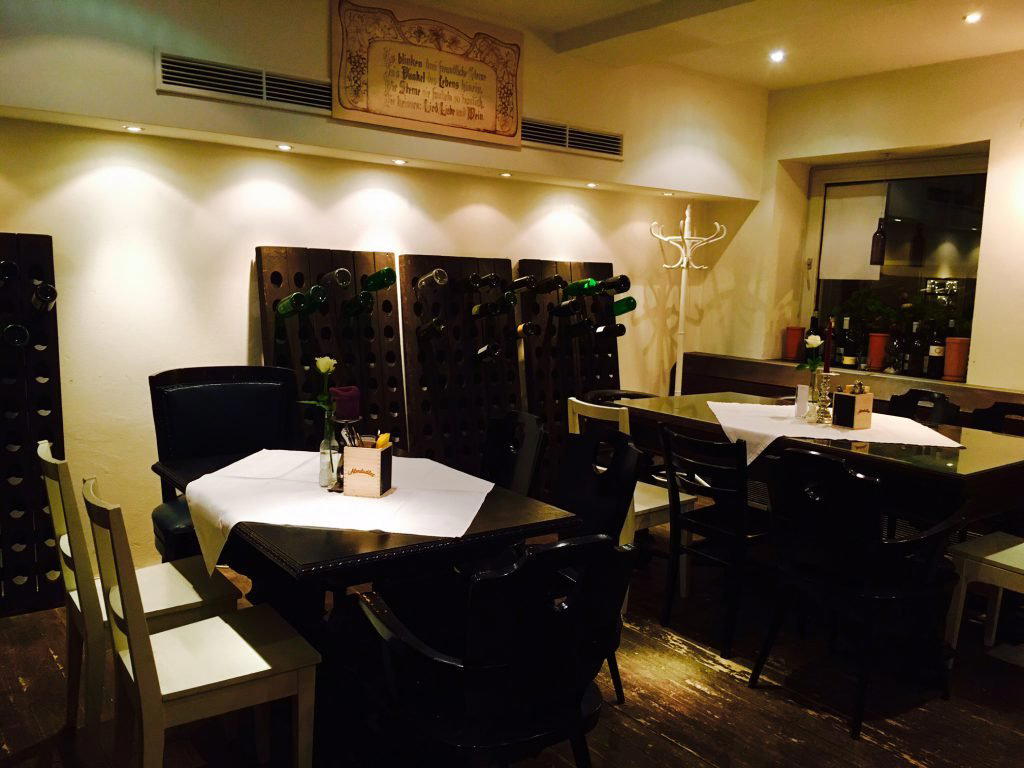
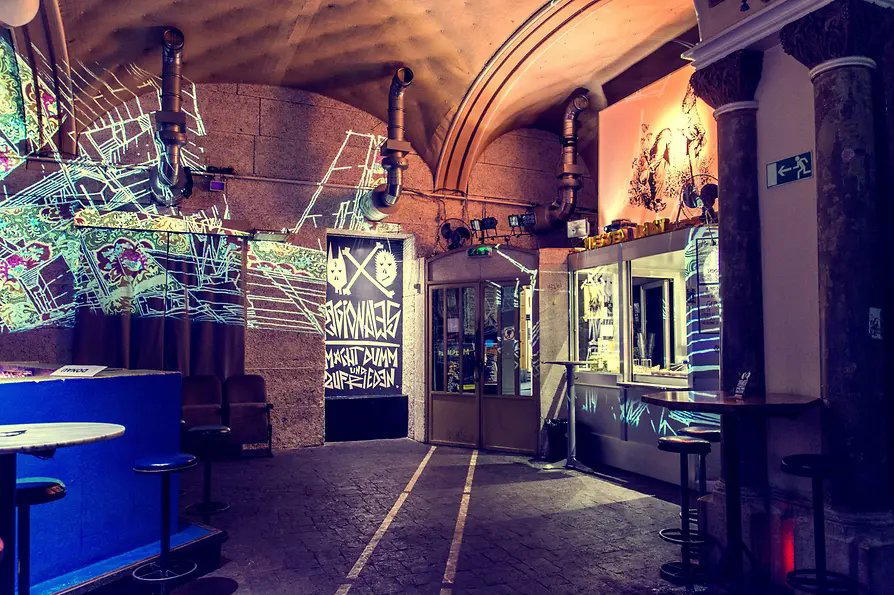
Restaurants in Falkenstein
Browse all →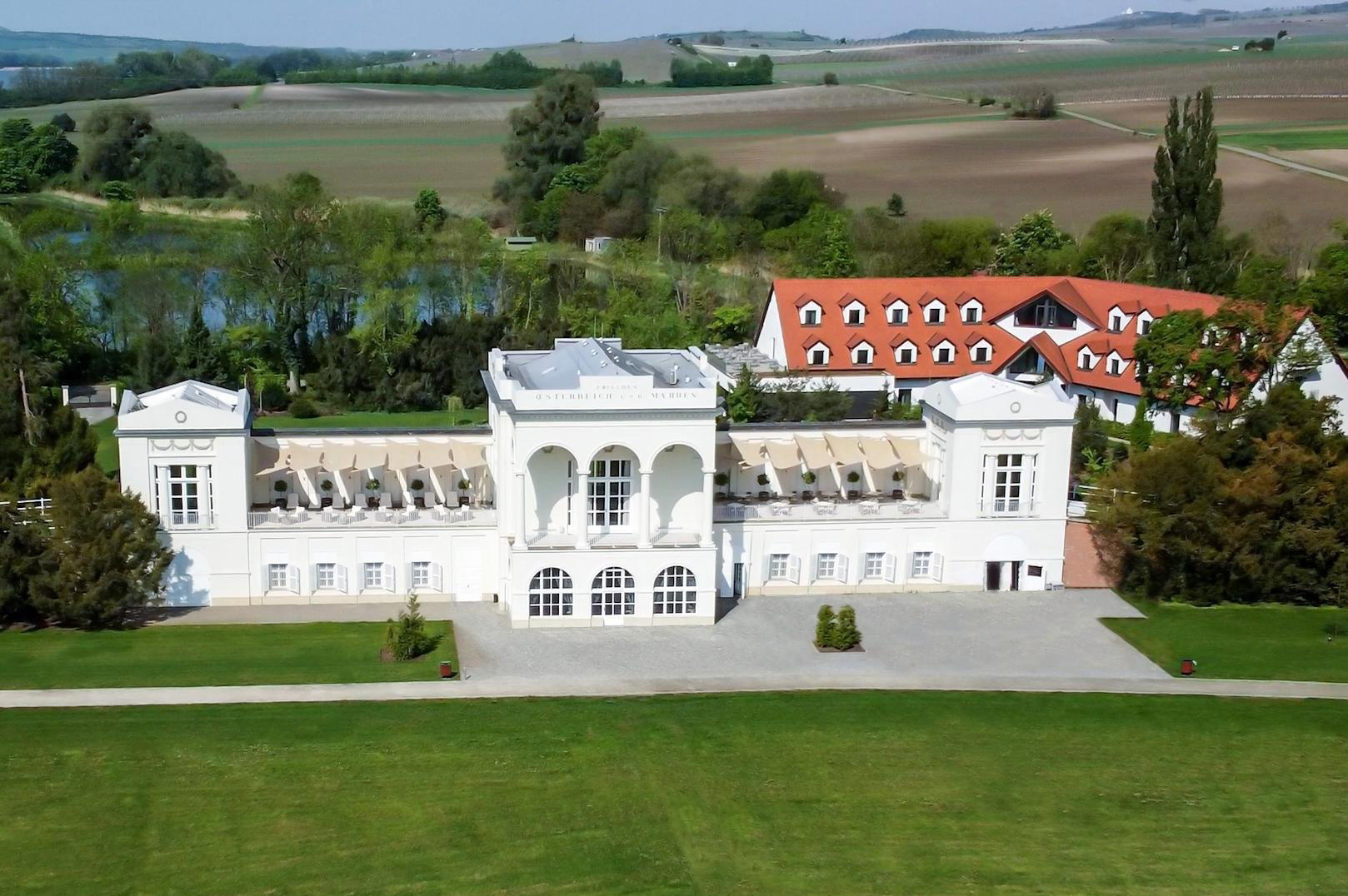
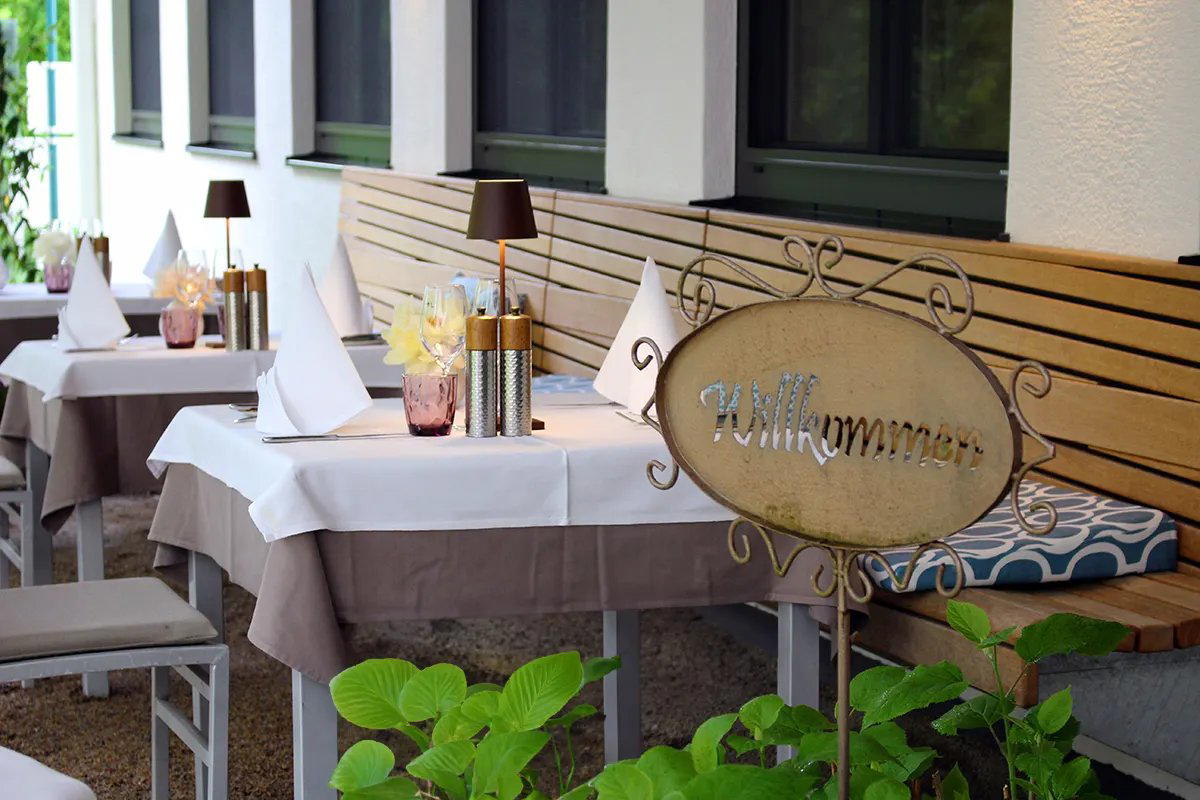
Hotels in Falkenstein
Browse all →
At a Glance
- Rustic
- Scenic
- Classic
- Elegant
- Wine Education
- Solo Exploration
- Special Occasion
- Vineyard Tour
- Estate Grounds
- Historic Building
- Organic
- Sustainable
- Vineyard
- Mountain
- Weinviertel DAC
- Grüner Veltliner
- Zweigelt
- Pinot Noir
- Weissburgunder
- Riesling
- Chardonnay
- Still White
- Still Red
- Sparkling
- Pet Nat
- Estate Tasting
- Reserve Tasting
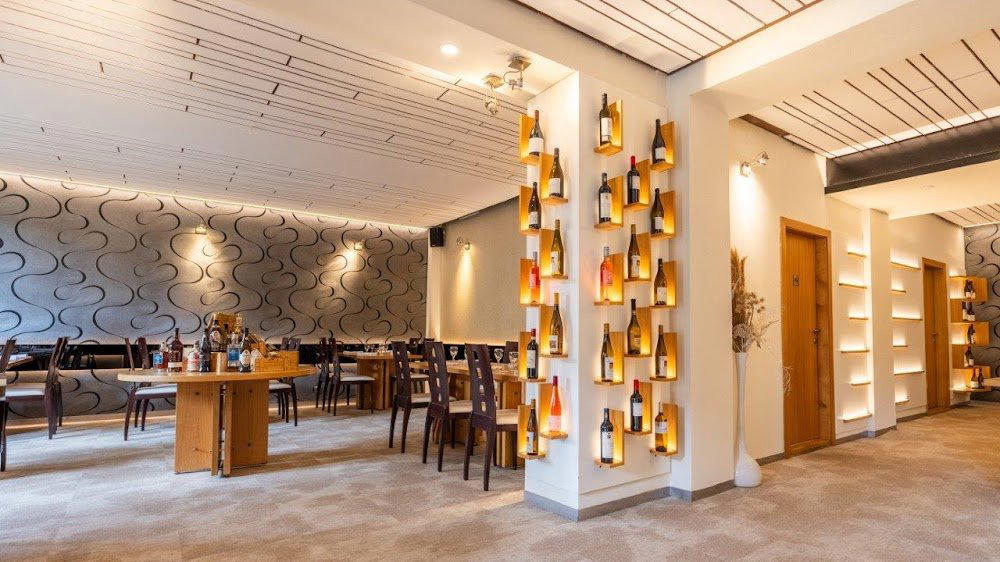
Traditional yet modern atmosphere reflecting old wine culture with elegant, fresh wines showcasing cool minerality and complexity from high-altitude vineyards.