
Falstaff Winery - 4 Stars
One of Andalusia's oldest wine estates, Bodegas Alvear has shaped the identity of Montilla-Moriles fortified wine for centuries.

Pearl is the En Primeur Club membership app, where members save venues, book tables and use the concierge.
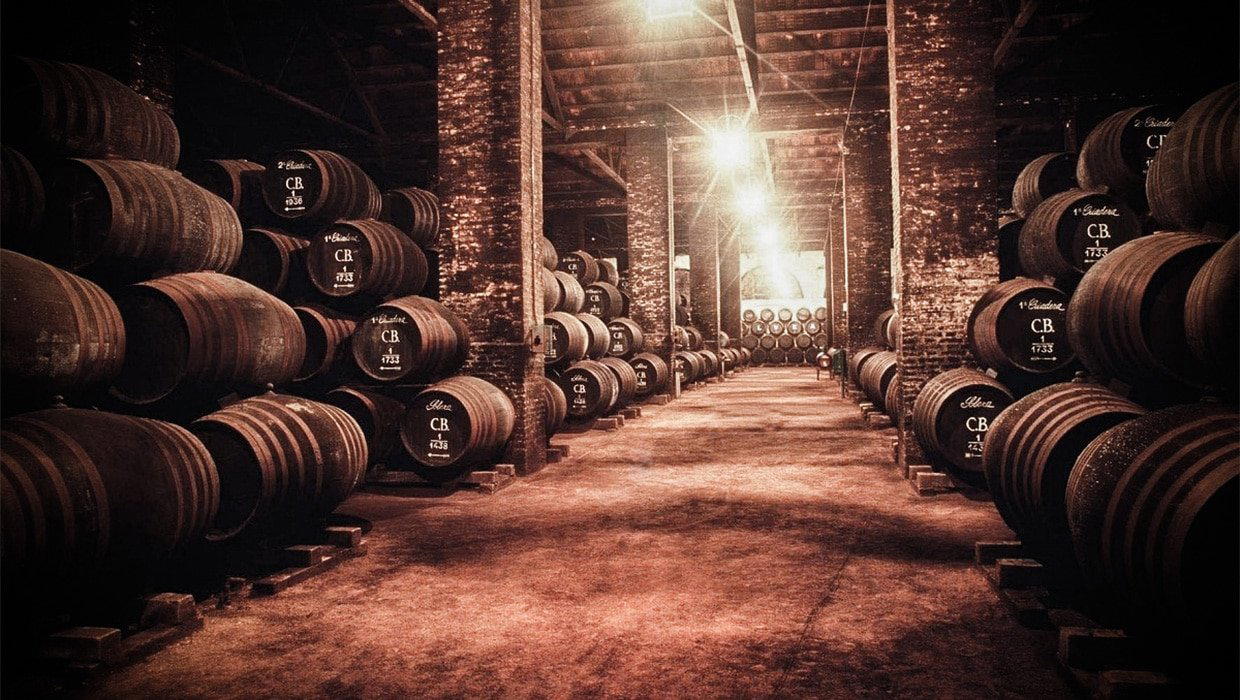
Where Córdoba's Heat Becomes Wine
Arrive in Montilla on a summer afternoon and the air itself signals what grows here. The temperature routinely exceeds 40°C in July and August, and the chalky albariza soils reflect that heat back upward through pale, crumbling earth. This is not a climate that produces wine through subtlety. It produces wine through extremity, and Bodegas Alvear, positioned on Avenida de María Auxiliadora in the centre of town, is the estate most associated with the argument that Montilla-Moriles deserves to be understood on its own terms, not merely as a footnote to Jerez.
The distinction matters because the two regions are frequently confused. Both produce fortified wines using solera ageing systems. Both rely on the same grape, Pedro Ximénez, for their sweetest expressions. But Montilla-Moriles sits further inland, higher in altitude, and further from the moderating influence of the Atlantic. The result is grapes that reach natural sugar levels high enough that, in many cases, no fortification is required to achieve the 15–17% alcohol common in fino and amontillado styles. That is not a technical footnote: it reflects a direct relationship between soil, climate, and what ends up in the glass that few wine regions can claim as cleanly.
The Solera Tradition and What It Produces
The solera system, in which wine is fractionally blended across barrels of different ages rather than produced in single-year batches, is the structural backbone of fortified wine production in southern Andalusia. At its most disciplined, it creates wines of extraordinary consistency and layered complexity, where no single vintage dominates but the accumulated character of decades is present in every pour. Estates that have operated soleras for generations carry that history in the wine itself, not as marketing heritage but as a literal chemical and microbial legacy.
Pedro Ximénez in its dried form, where grapes are spread on esparto mats beneath the Córdoba sun after harvest, concentrates sugars to molasses density. The resulting wine is among the most intensely sweet produced anywhere in Spain, with a texture closer to reduction than fermentation. Alongside the drier fino and amontillado styles that define Montilla-Moriles' other register, it represents the full range of what this terrain can express. Comparable estates working the fortified wine canon in Spain include Lustau in Jerez de la Frontera, which operates across a broader portfolio but shares the solera-led methodology.
Montilla-Moriles in the Context of Spanish Wine
Spain's wine geography rewards lateral thinking. The country's premium identity is dominated by Rioja and Ribera del Duero: Tempranillo-led, barrel-aged reds that set the price benchmarks and hold the international name recognition. Estates like CVNE in Haro, Marqués de Cáceres in Cenicero, and Emilio Moro in Pesquera de Duero define what international buyers expect from Spanish fine wine. Further south and east, producers like Clos Mogador in Gratallops operate in their own terroir-specific registers. Bodegas Protos in Peñafiel and Arzuaga Navarro in Quintanilla de Onésimo hold firm in the Ribera heartland.
Montilla-Moriles sits outside that mainstream entirely. Its wines are rarely found in the international auction market, seldom appear on fine dining lists beyond Spain, and carry price points that bear no relationship to their complexity relative to peer categories. That commercial positioning is a consequence of category perception rather than quality, and it is precisely why serious visitors to Andalusia seek it out: the gap between what the wines deliver and what they cost has not closed in the way that Jerez, to its west, has begun to see with its own premium positioning.
Among the broader picture of Spanish wine tourism, estates oriented toward architecture and landscape, such as Bodegas Ysios in Laguardia or Abadía Retuerta in Sardón de Duero, attract visitors through spectacle as much as viticulture. Alvear's appeal is different: the setting is the town, the tradition is the production system, and the wine is the argument.
Visiting Alvear: Practical Orientation
Bodegas Alvear's address on Avenida de María Auxiliadora places it squarely within Montilla's compact centre, a town of roughly 22,000 people in the province of Córdoba. The estate is accessible by road from Córdoba city, approximately 45 kilometres to the north, making it a viable half-day excursion from a Córdoba base or a natural stop on a broader Andalusian itinerary that might also include Jerez or Seville. Given the summer heat that defines the region's agricultural character, visiting in spring (April to June) or autumn (September to November) gives you the climate in a more hospitable register while still communicating why the landscape produces wine the way it does.
Specific visit formats, booking requirements, and tour availability are best confirmed directly with the estate, as operational details for bodegas in Montilla-Moriles vary seasonally and can change without advance notice in published sources. For broader orientation to the town's food and wine offer, our full Montilla restaurants guide covers the surrounding context. Montilla does not function like a resort wine destination; it functions like a working Andalusian town where wine production is the primary industry, which means the visit has a different texture than more tourist-oriented wine regions.
For a house operating in a category as specialist and as underexposed internationally as Montilla-Moriles fortified wine, the recognition functions as a reconfirmation of what the estate's longevity already implied. Comparable recognised estates across other Spanish wine contexts include Codorníu in Sant Sadurní d'Anoia, Bodegas Vivanco in Valle de Mena, and Marqués de Griñón in Malpica de Tajo, each operating in distinct regional identities. Further afield, the comparison extends to producers working with equally strong terroir conviction in very different climates, including Aberlour in Scotland and Accendo Cellars in St. Helena, where the relationship between place and product is similarly the central argument.
Quick Comparison
Comparable venues nearby, for context on price, style, and recognition.
| Venue | Cuisine | Price | Awards | Notes |
|---|---|---|---|---|
| Bodegas AlvearThis venue (the venue you are viewing) | Pedro Ximénez | $20–30 | Falstaff Winery - 4 Stars | Not listed |
| Fernet Capri Distillery | Winery | Not listed | Not listed | Córdoba |
| Brook Brothers Distillery | Winery | Not listed | Not listed | Córdoba |
| Marqués de Griñón (Dominio de Valdepusa) | Cabernet Sauvignon, Syrah | Not listed | Falstaff Winery - 1 Stars | Malpica de Tajo |
| Lustau | Palomino, Pedro Ximénez | $20–30 | Falstaff Winery - Listed | center |
| Tinto Pesquera (Alejandro Fernández) | Tempranillo | Not listed | Falstaff Winery - 3 Stars | Pesquera de Duero |
Recognition history
Dated appearances from independent guides and award organizations, with the underlying list record or original source where available.
Falstaff Winery - 4 Stars
Falstaff
Continue exploring
More in Montilla
Wineries in Montilla
All wineries in Montilla →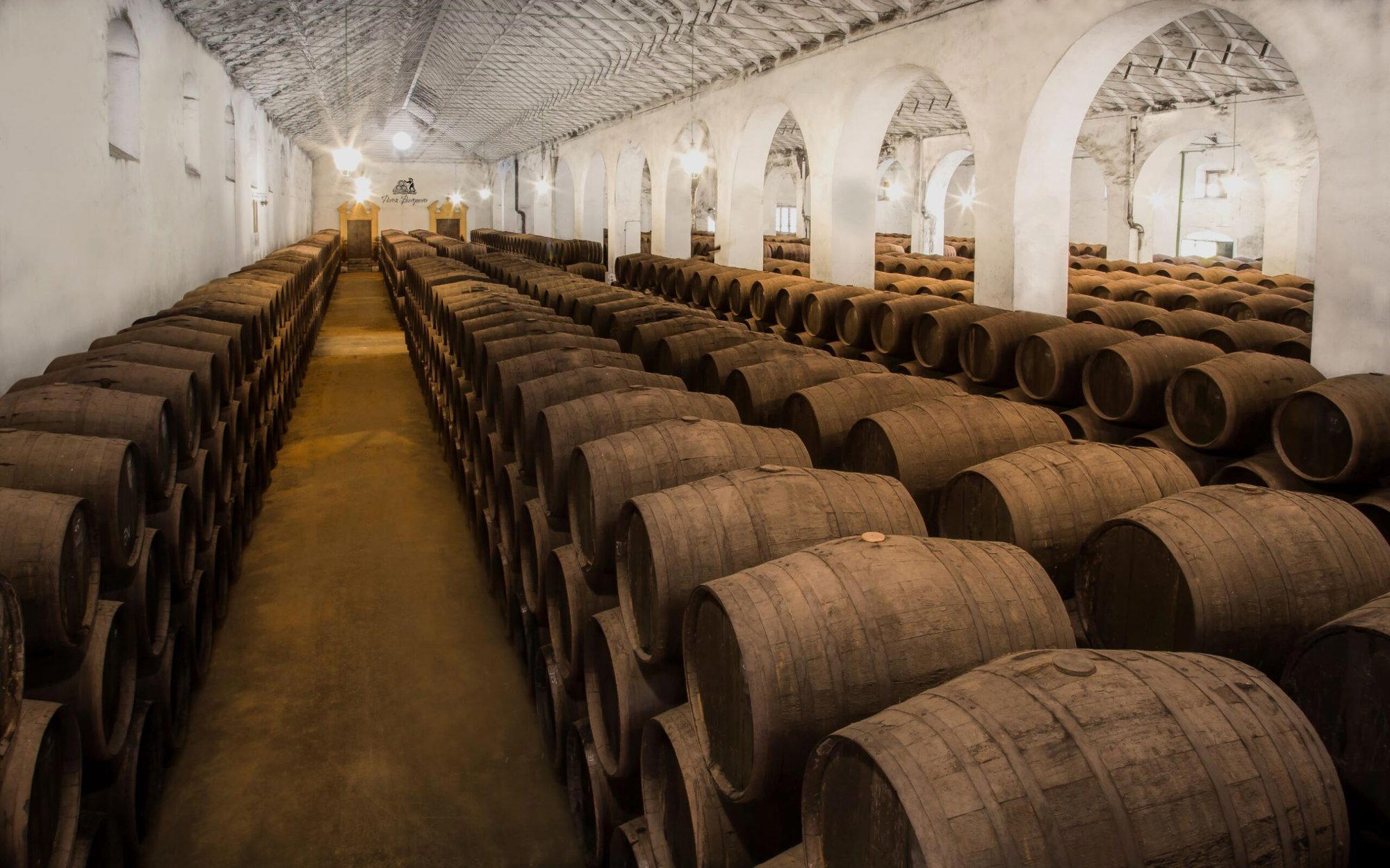

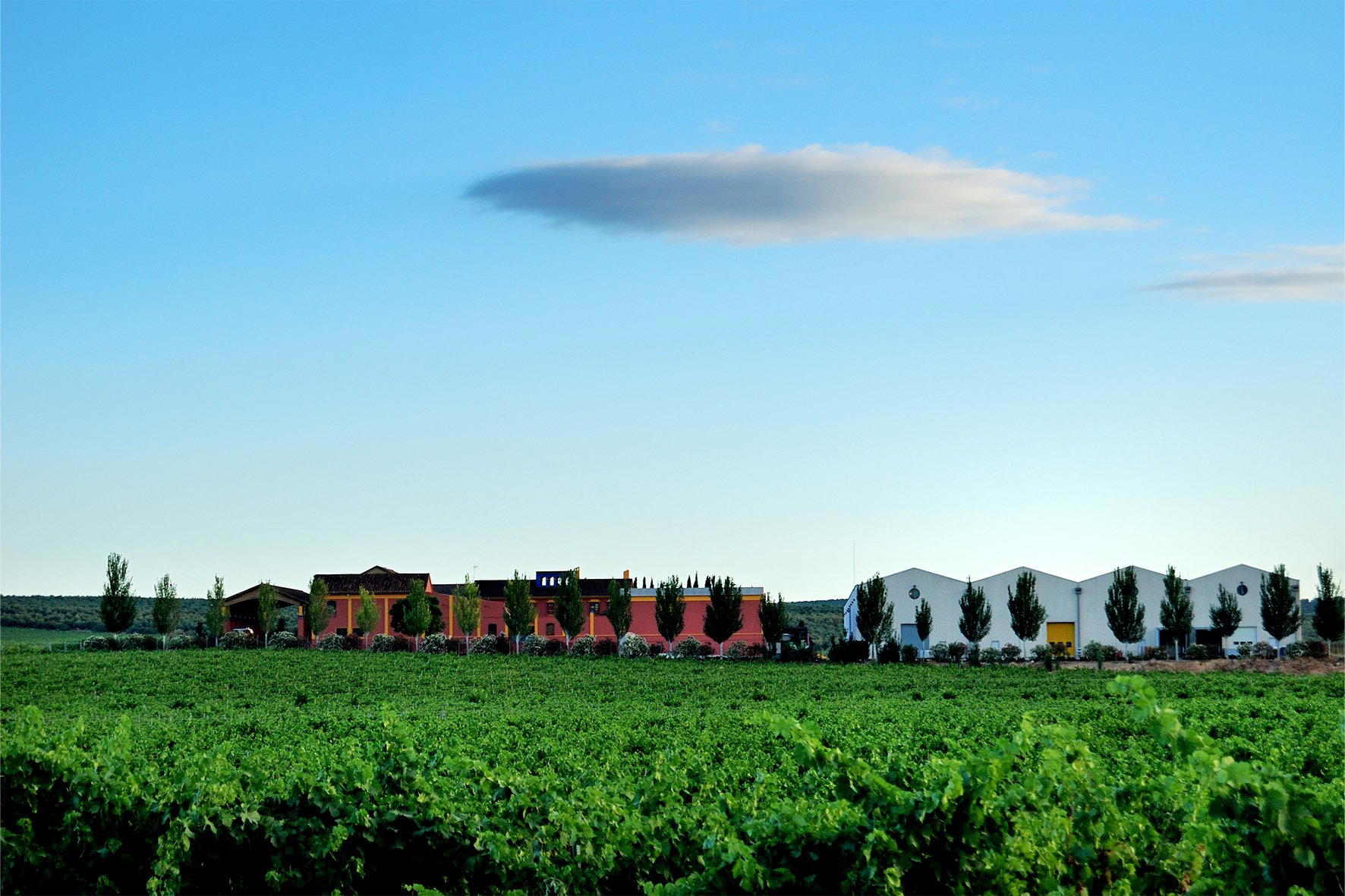
Bars in Montilla
Browse all →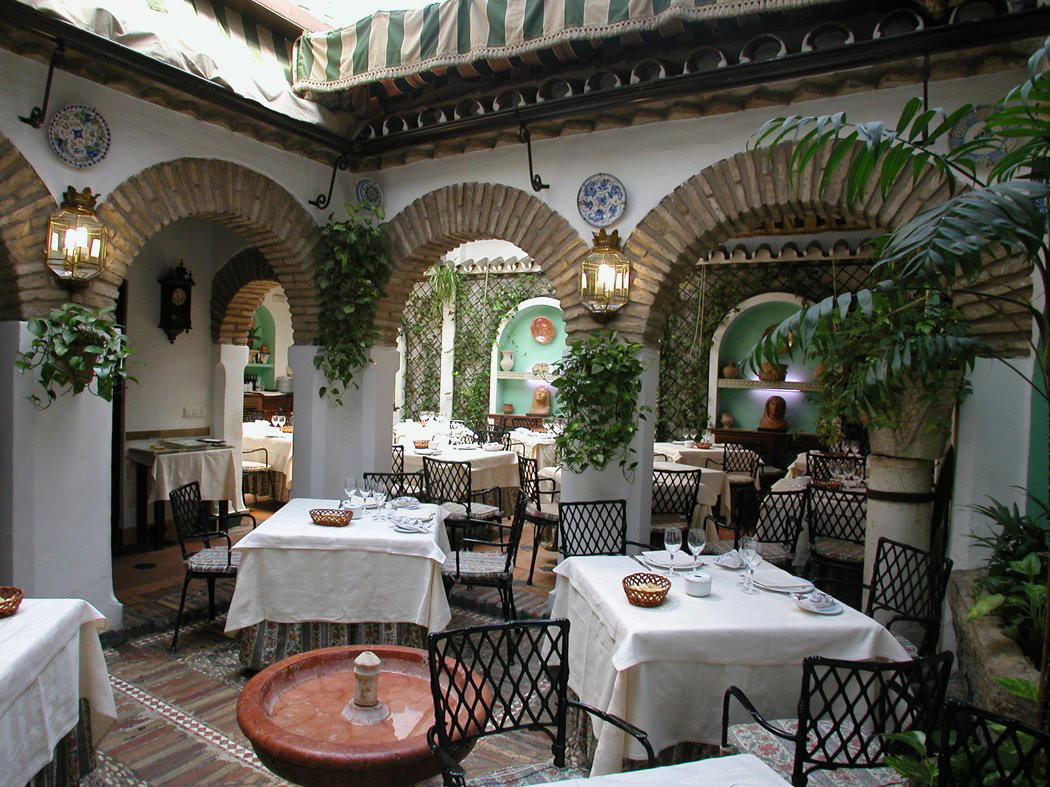
Details
- Classic
- Rustic
- Elegant
- Historic
- Intimate
- Wine Education
- Special Occasion
- Solo Exploration
- Vineyard Tour
- Historic Building
- Barrel Room
- Sustainable
- Vineyard
- Pedro Ximénez
- Fortified
- Dessert
- Guided Tasting
- Wine Tasting
- Spanish
- English
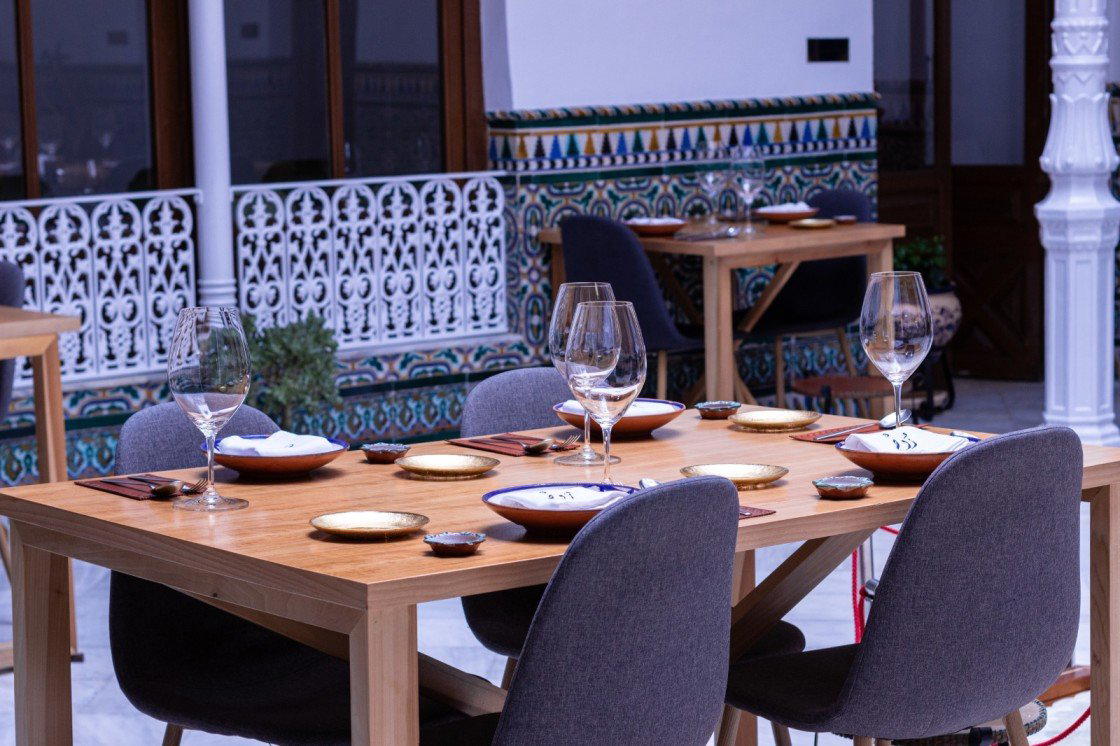
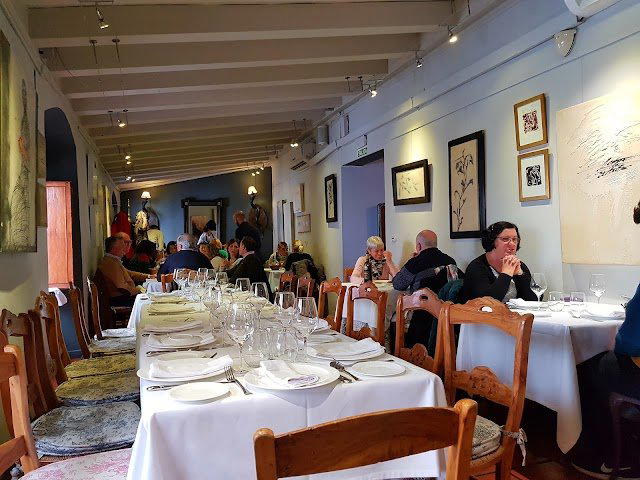
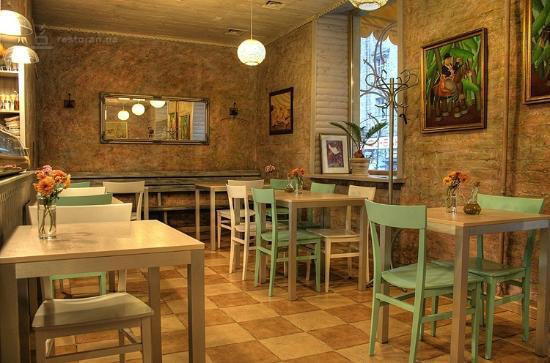
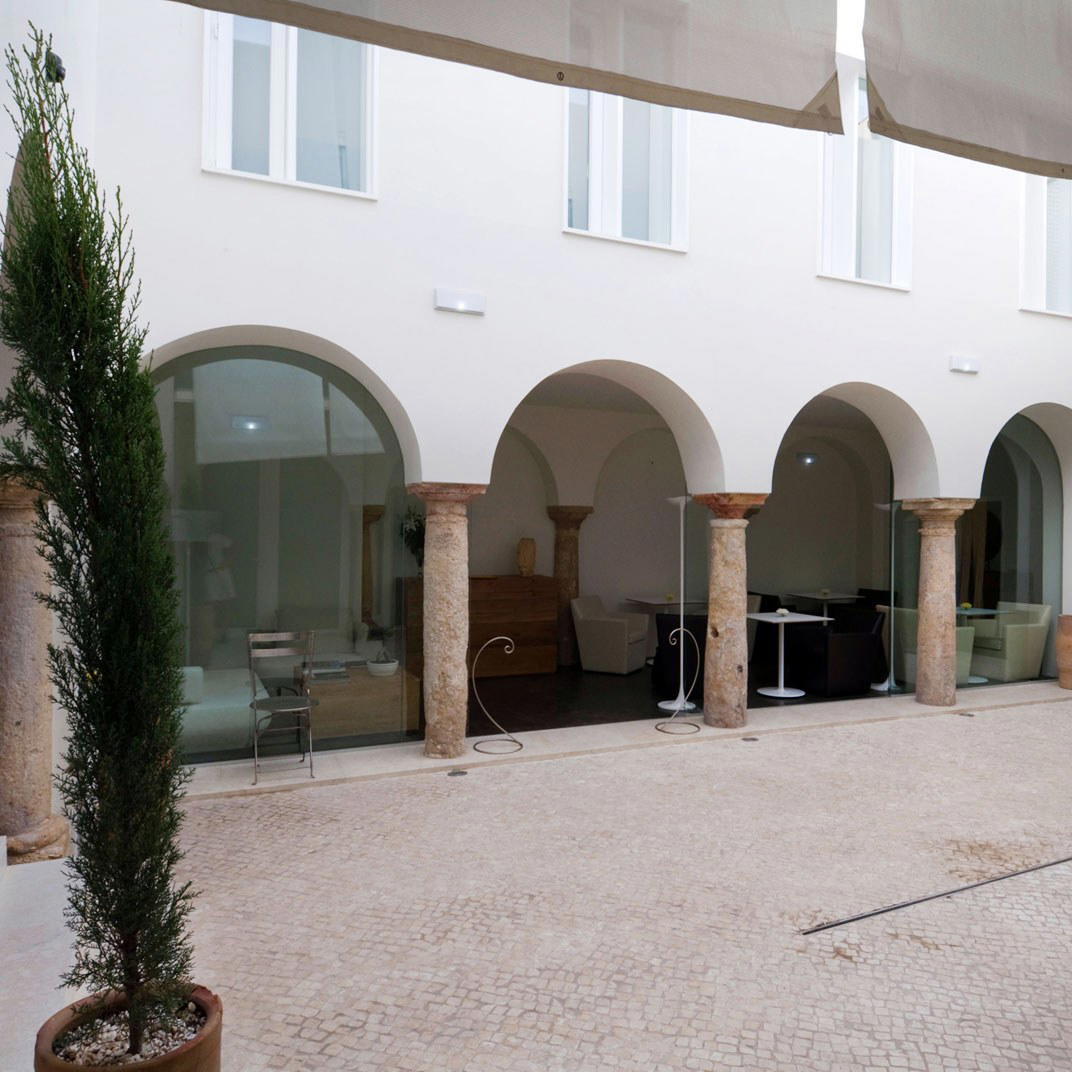
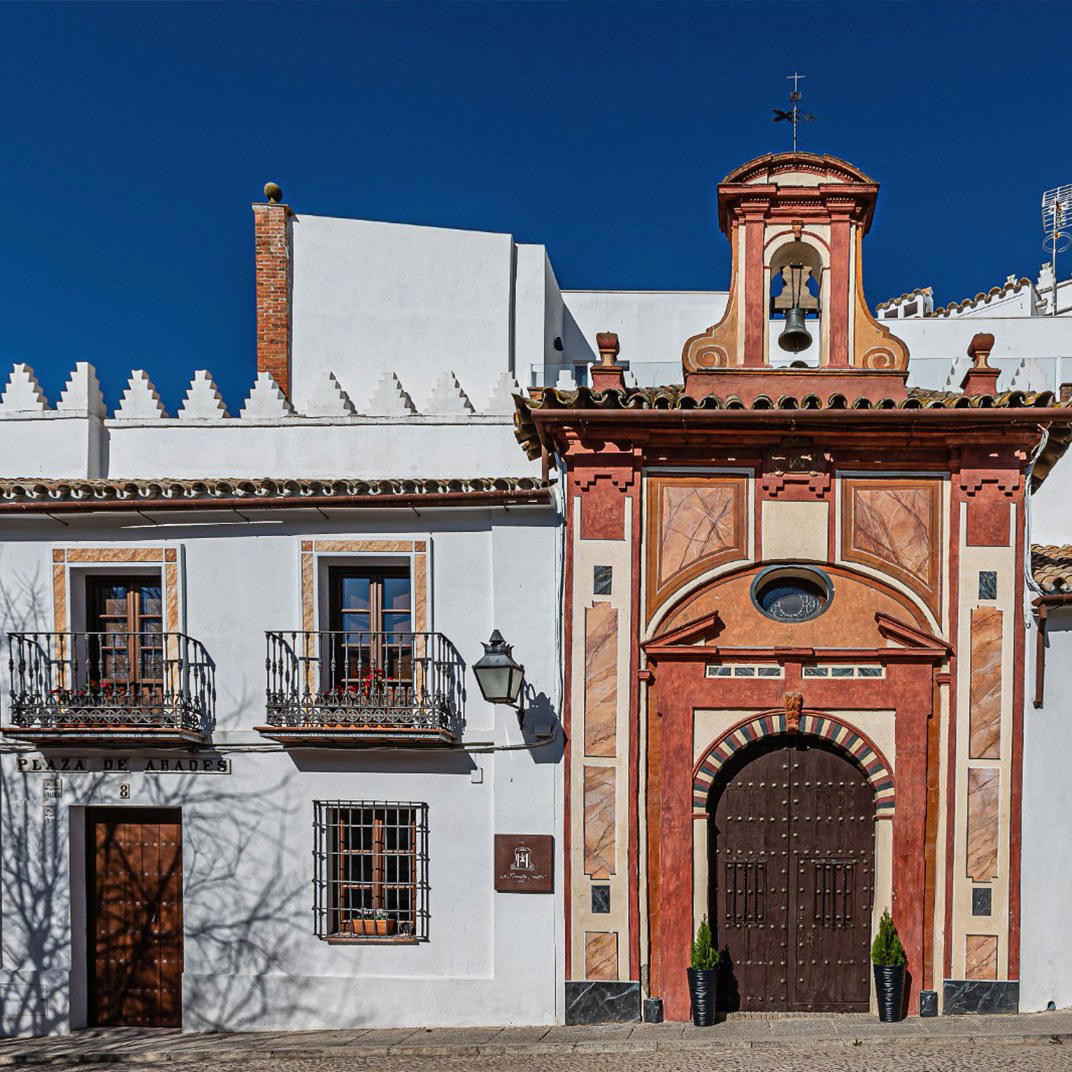
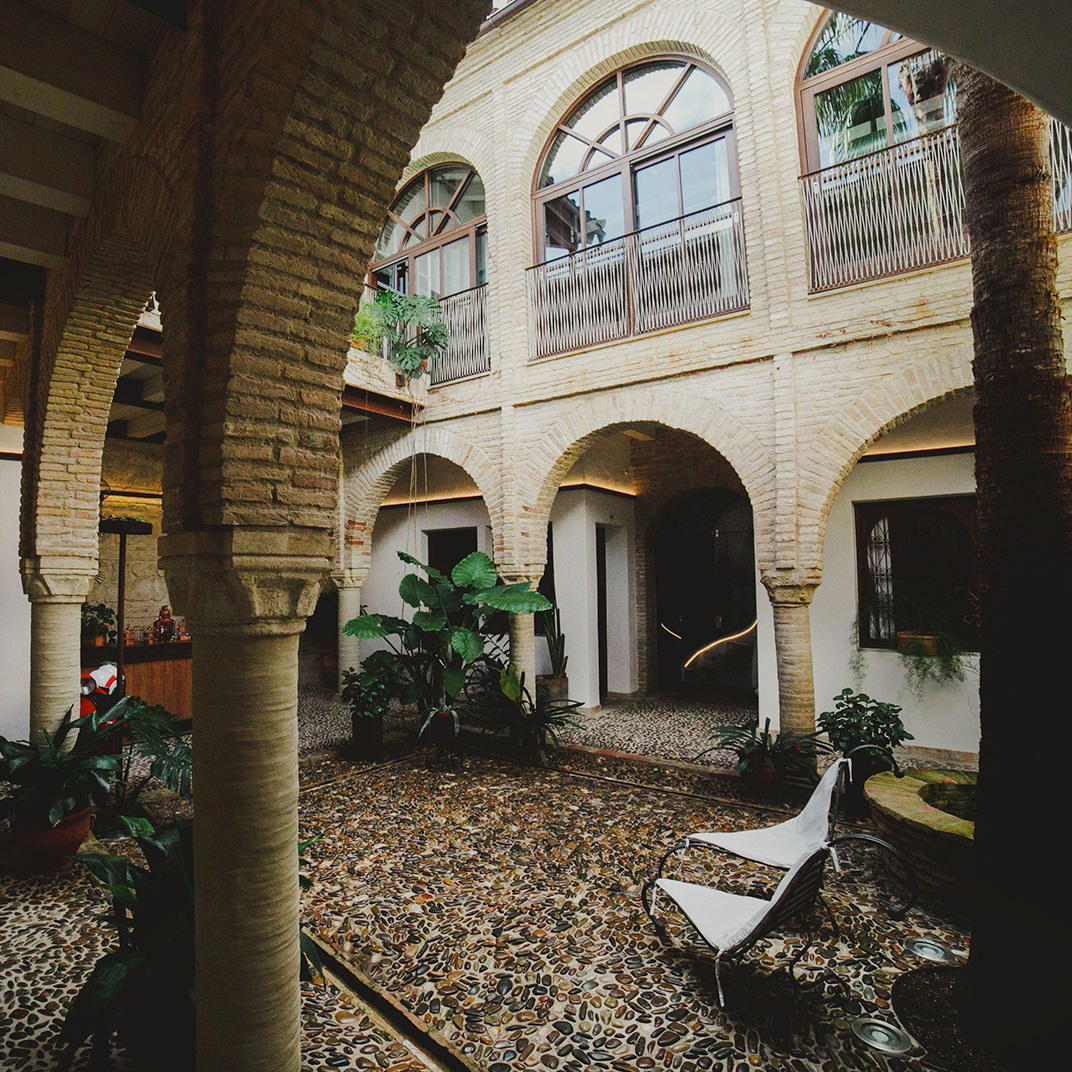
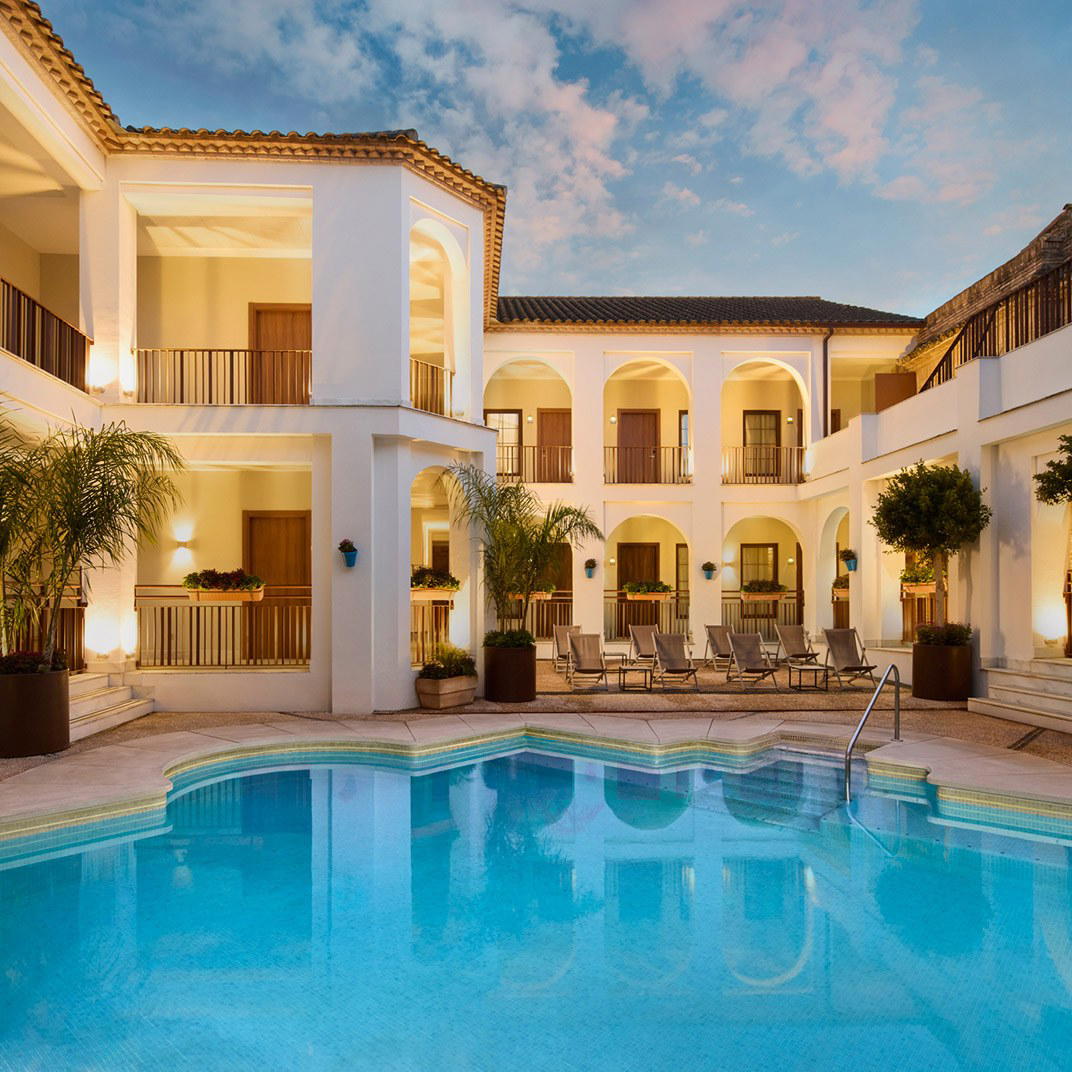
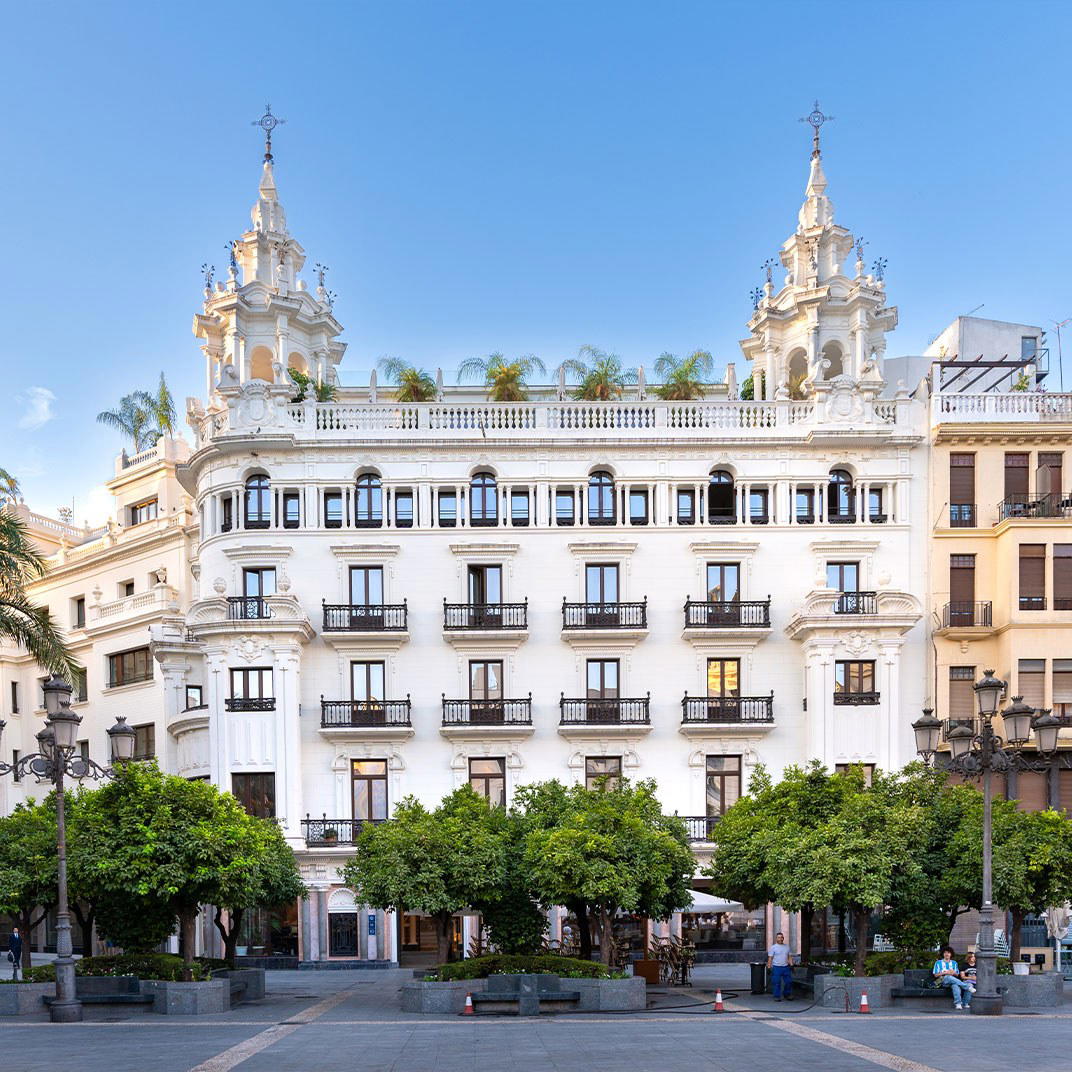
Historic and serene atmosphere in centuries-old facilities with a focus on tradition and elegance.