
Falstaff Winery - 4 Stars
Ar. Pe. Pe. is a Valtellina producer in Sondrio working with Nebbiolo grown on the steep, terraced alpine slopes of Lombardy's northernmost wine zone.. For anyone tracing Italy's serious Nebbiolo expressions beyond Piedmont, this is a necessary reference point.

Pearl is the En Primeur Club membership app — saves, bookings, and concierge access live there. Same editors, same standards.
- Address
- Via del Buon Consiglio, 4, 23100 Sondrio SO
- Phone
- +39 0342 214120
- Website
- arpepe.com
- Directions
- Get directions
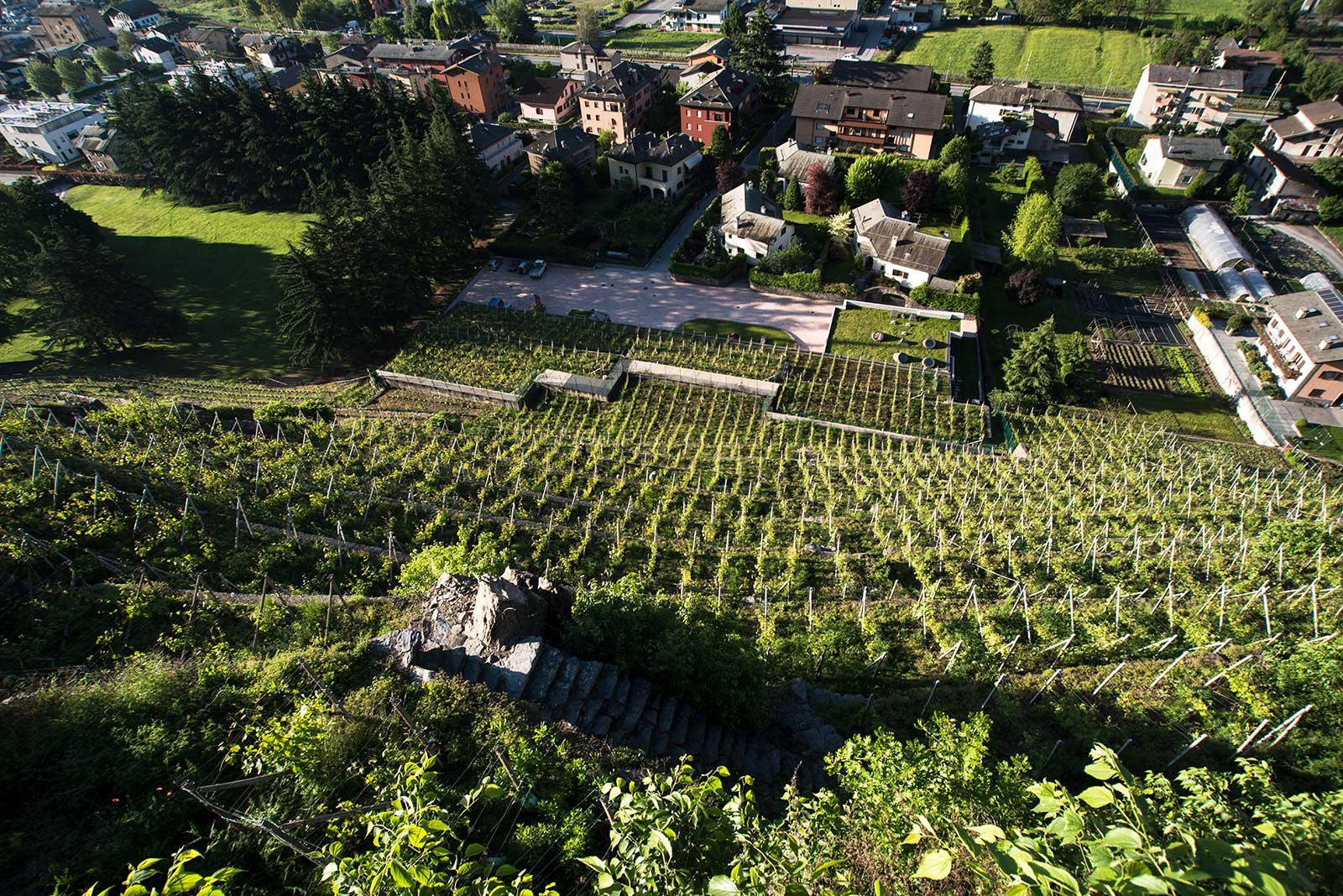
Where the Alps Shape the Wine
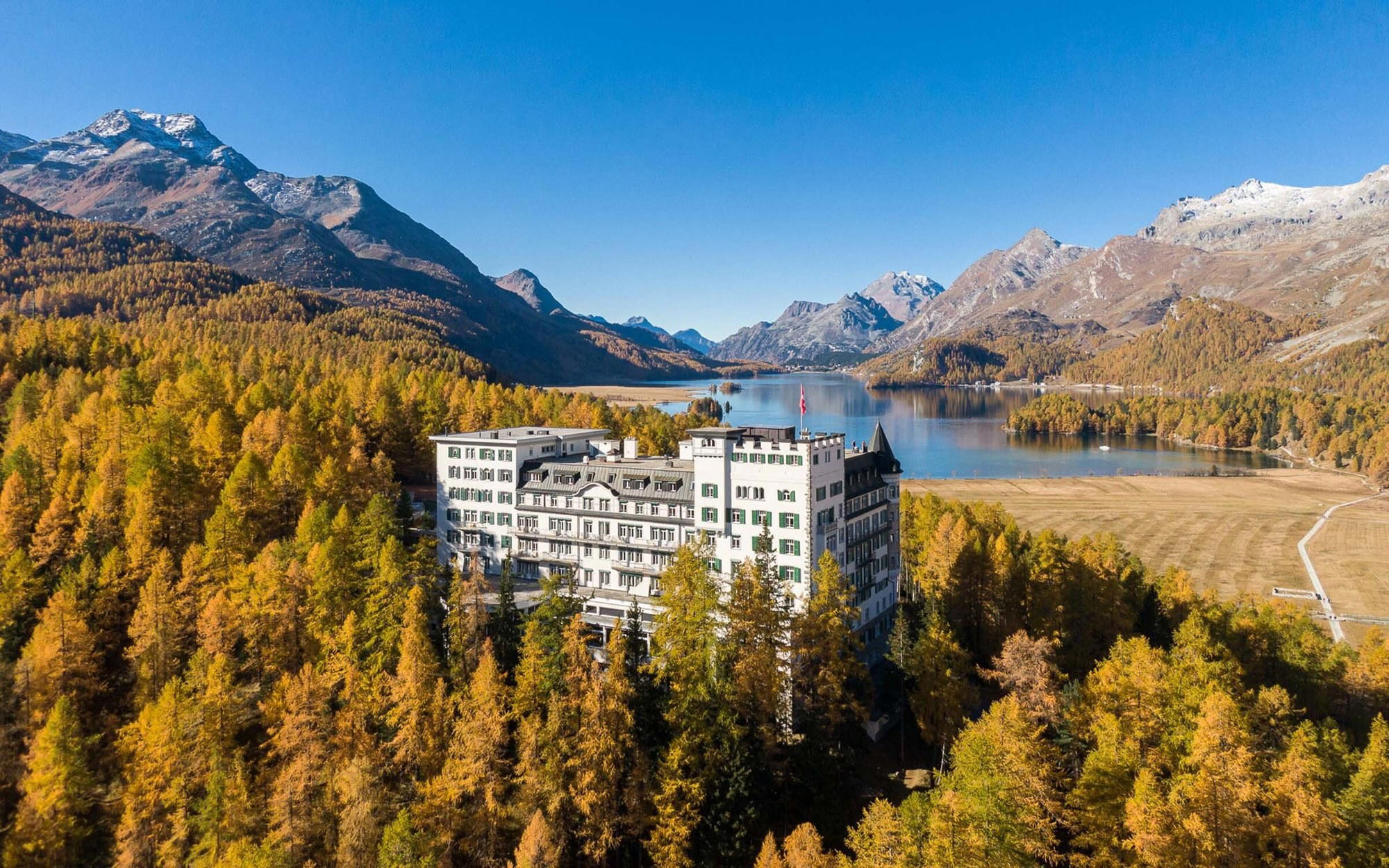
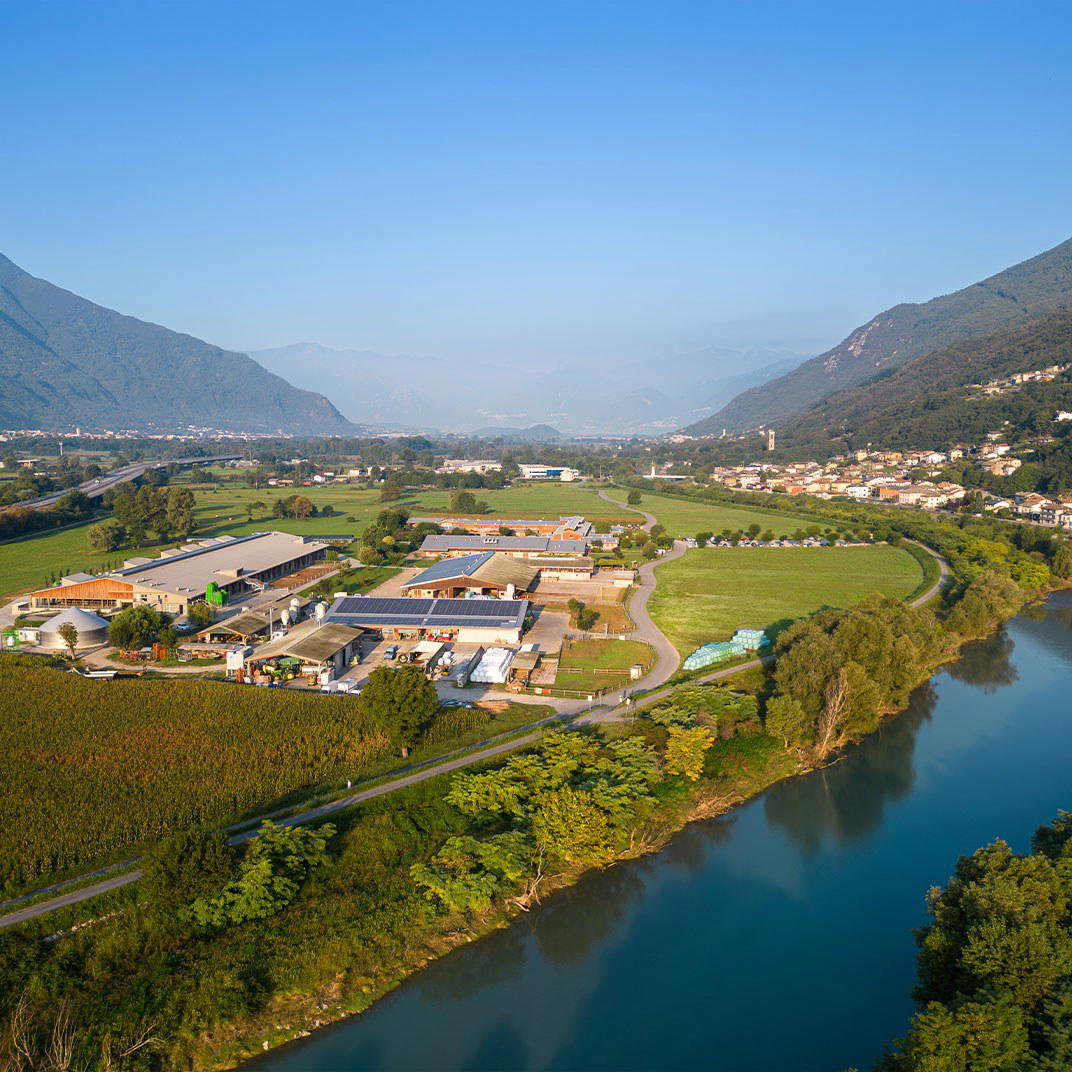
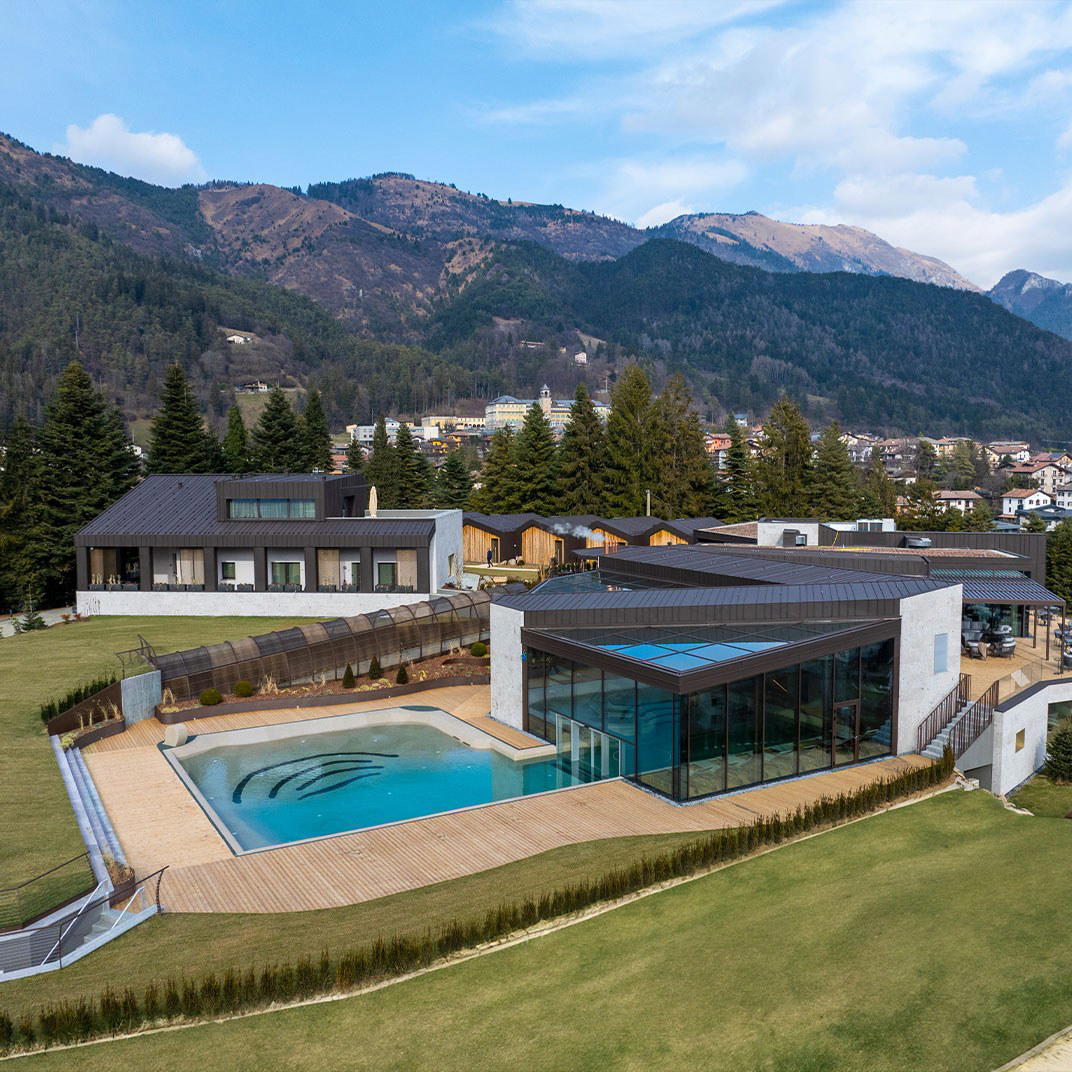
Sondrio sits at the base of the Valtellina valley, where the Adda river runs east to west beneath walls of granite and gneiss that catch southern sun at angles uncommon at this latitude. The terraced vineyards above the town are not a scenic backdrop — they are the functional infrastructure of one of Italy's most labour-intensive wine zones, where every row must be worked by hand and every harvest fought for against altitude, slope, and climate. Ar. Pe. Pe. located on Via del Buon Consiglio in the centre of Sondrio, is among the producers who have staked their identity entirely on what those slopes produce. Visit the address and you are in the valley's working capital, not a pastoral retreat — this is a winery embedded in an alpine town, and that setting matters for understanding what ends up in the glass. For a broader sense of what Sondrio's producers offer, see our full Sondrio restaurants guide.
Nebbiolo at Altitude: The Valtellina Argument
Nebbiolo grown in Piedmont and Nebbiolo grown in the Valtellina are technically the same grape, but the wines they produce are not interchangeable. In the Langhe, Nebbiolo works deep clay and limestone soils at elevations that rarely exceed 400 metres. In Valtellina, the vine is planted on granite and schist terraces that begin at around 300 metres and climb toward 800, with exposures that maximise solar gain while cold mountain air preserves acidity and slows ripening. The result is a structural profile that skews leaner and more mineral than most Barolo or Barbaresco, with tannins that are firm rather than plush and aromatic profiles that lean toward dried roses, iron, and alpine herbs rather than dark fruit. Ar. Pe. Pe. Producers earning comparable recognition in other Italian regions, such as Aldo Conterno in Monforte d'Alba, are working from very different soil and climate contexts, which makes direct comparison instructive rather than competitive.
The Terraced Slope as Production Philosophy
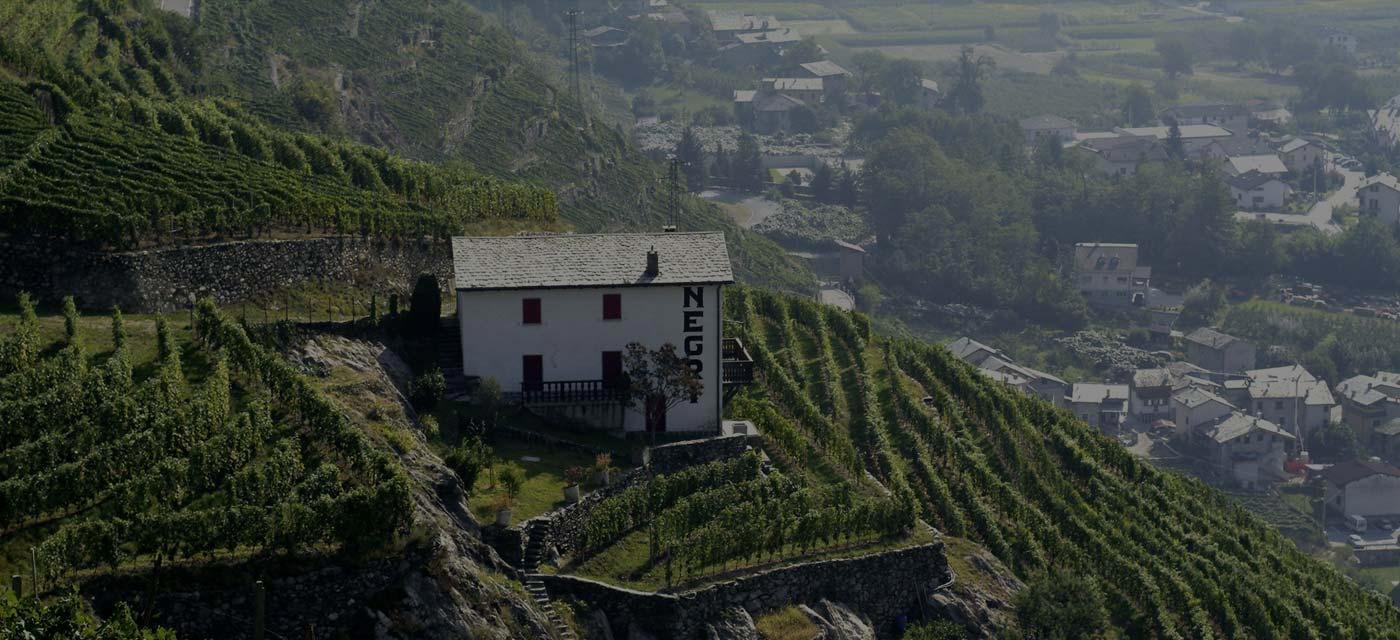
Valtellina's terraces are built from dry-stone walls, many of which predate modern viticulture as an industry. Maintaining them is not optional, without the walls, the thin topsoil on near-vertical granite faces would erode entirely. This structural reality has a direct effect on how producers in the zone must operate: small parcels, hand harvesting, high per-bottle labour costs, and a necessary attention to individual cru character, because no single estate can produce at volume sufficient to average out terroir variation. Ar. Pe. Pe.'s address in Sondrio places it at the heart of the Sassella and Grumello subzones, where some of the valley's oldest terrace systems concentrate the most complex mineral expression of the grape. The contrast with larger-volume Italian producers is significant. A winery such as Ca' del Bosco in Erbusco, operating in Franciacorta with greater mechanisation capacity, represents a different production model entirely. In Valtellina, the slope dictates the method.
Pe. Pe. holds for 2025 is not a broad quality signal, it is a positioning marker. Valtellina as a zone has historically been underrepresented in international critical conversation relative to its quality ceiling, partly because its wines require patience and partly because the zone's complexity is harder to communicate than the more familiar Piedmontese narrative. When a Valtellina producer reaches this award tier, it typically reflects a track record of properly aged releases, controlled yields, and the kind of press attention from specialist critics that follows decade-long consistency rather than single-vintage breakthrough. For context on how Italian fine wine recognition is distributed across regions, estates like Lungarotti in Torgiano, Castello di Volpaia in Radda in Chianti, and Planeta in Menfi occupy comparable positions of regional authority in their respective zones.
Valtellina in the Wider Italian Fine Wine Conversation
Italy's fine wine map, as most visitors understand it, runs through Piedmont, Tuscany, and increasingly Sicily. Valtellina sits outside those corridors geographically and commercially, which has kept it a specialist interest even as prices for its leading wines have risen steadily. The zone's proximity to Switzerland means a meaningful share of its production has historically been absorbed across the border, limiting domestic and export visibility. That dynamic is shifting. As Barolo and Brunello prices continue to rise and allocations for leading producers tighten, a growing number of buyers are paying attention to Valtellina as a zone where serious Nebbiolo-based wine remains more accessible, though the gap is narrowing. Producers with credentials like Ar. Pe. For those interested in following Italy's premium wine story across regions, L'Enoteca Banfi in Montalcino and Poggio Antico in Monte San Vito represent the Brunello end of that spectrum, while Italy's spirits tradition runs through houses such as Nonino Distillery in Pavia di Udine, Distilleria Marzadro in Nogaredo, Distilleria Romano Levi in Neive, and Poli Distillerie in Schiavon.
Planning a Visit to Sondrio and Ar. Pe. Pe.
Sondrio is reachable by train from Milan in roughly two hours, making it a viable day trip from the city, though the valley rewards at least one overnight stay to allow time on the slopes and in the smaller comuni above the valley floor. Ar. Pe. Pe. is located centrally on Via del Buon Consiglio, 4, a direct address in the town centre rather than a remote estate requiring navigation through vineyard tracks. Timing a visit for the post-harvest period in October or early November gives the strongest visual argument for what the terraces are doing, though the wines themselves speak more clearly after the ageing releases in the spring following vintage. For those building a broader Italian itinerary, Campari in Milan and Accendo Cellars in St. Helena represent very different ends of the drinks world worth considering alongside a Valtellina visit. For a Scottish whisky reference point from a completely different terroir tradition, Aberlour in Aberlour demonstrates how geography shapes a spirit in comparable ways to how alpine granite shapes Valtellina Nebbiolo.
Comparable Spots, Quickly
Comparable venues nearby, for context on price, style, and recognition.
| Venue | Cuisine | Price | Awards | Notes |
|---|---|---|---|---|
| Ar. Pe. Pe.This venue — the venue you are viewing | Nebbiolo, Chiavennasca | Not listed | Falstaff Winery - 4 Stars | Not listed |
| Braulo (Amaro Braulio) | gentian, juniper | $10–20 | Not listed | center |
| Gin Malfy (Torino Distillati) | Winery | Not listed | Not listed | Moncalieri |
| Gancia | Moscato, Chardonnay | Not listed | Falstaff Winery - Listed | Canelli |
| Gruppo Montenegro | Winery | Not listed | Not listed | Bologna |
| Poli Distillerie | Merlot, Cabernet Sauvignon | Not listed | Not listed | Schiavon |
Recognition history
Dated appearances from independent guides and award organizations, with the underlying list record or original source where available.
Falstaff Winery - 4 Stars
Falstaff
Continue exploring
More in Sondrio
Wineries in Sondrio
Browse all →

Bars in Sondrio
Browse all →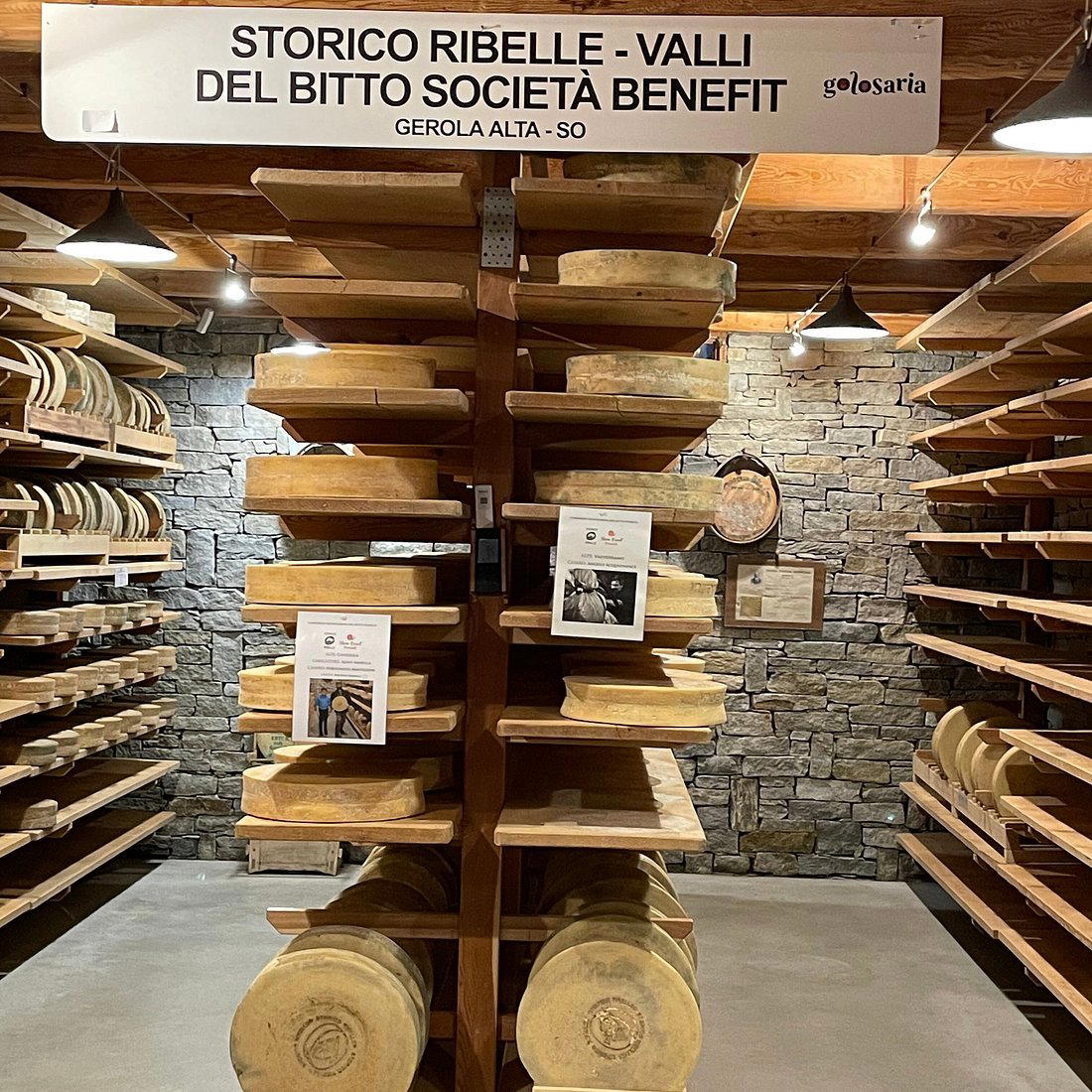
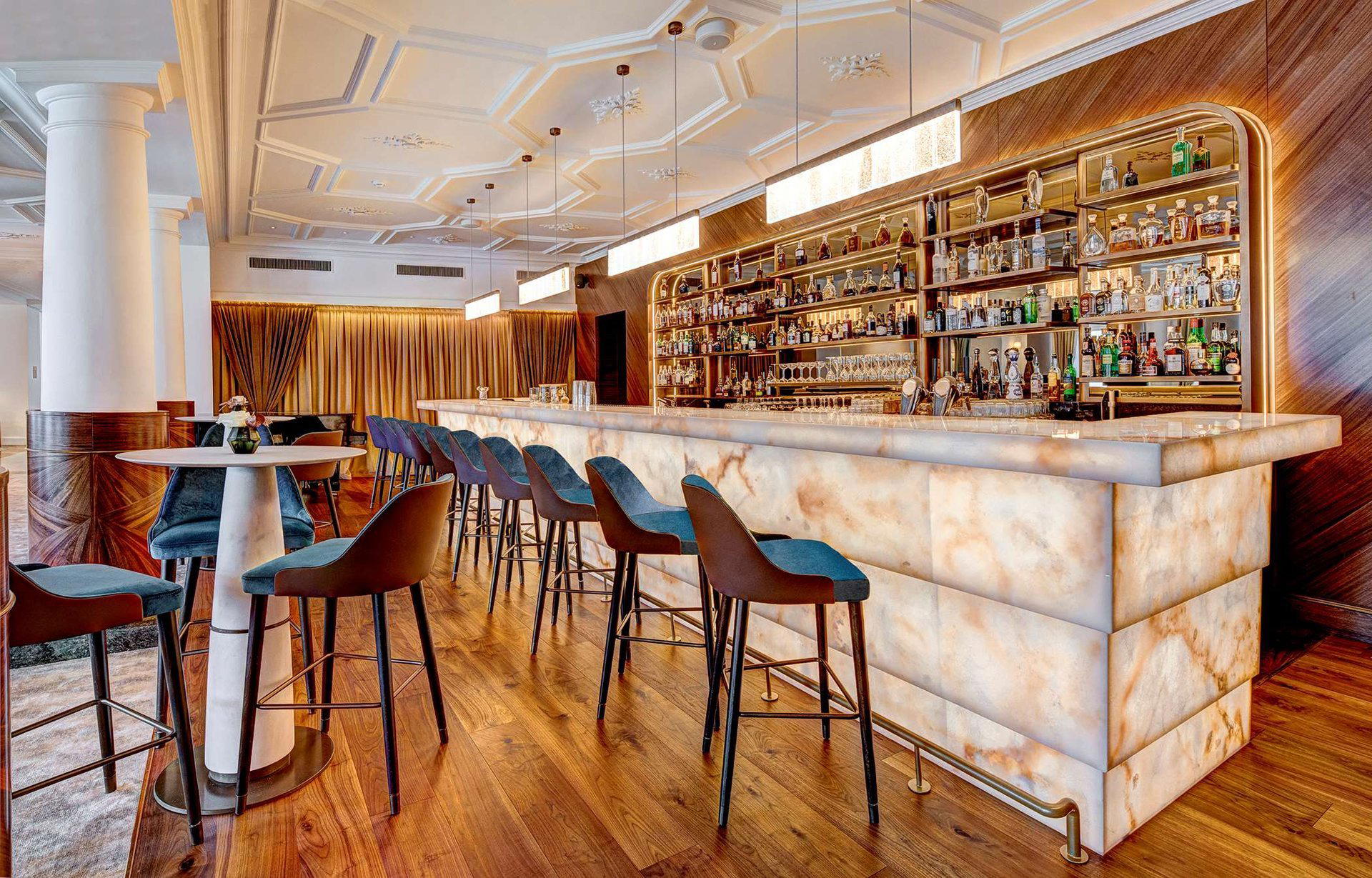
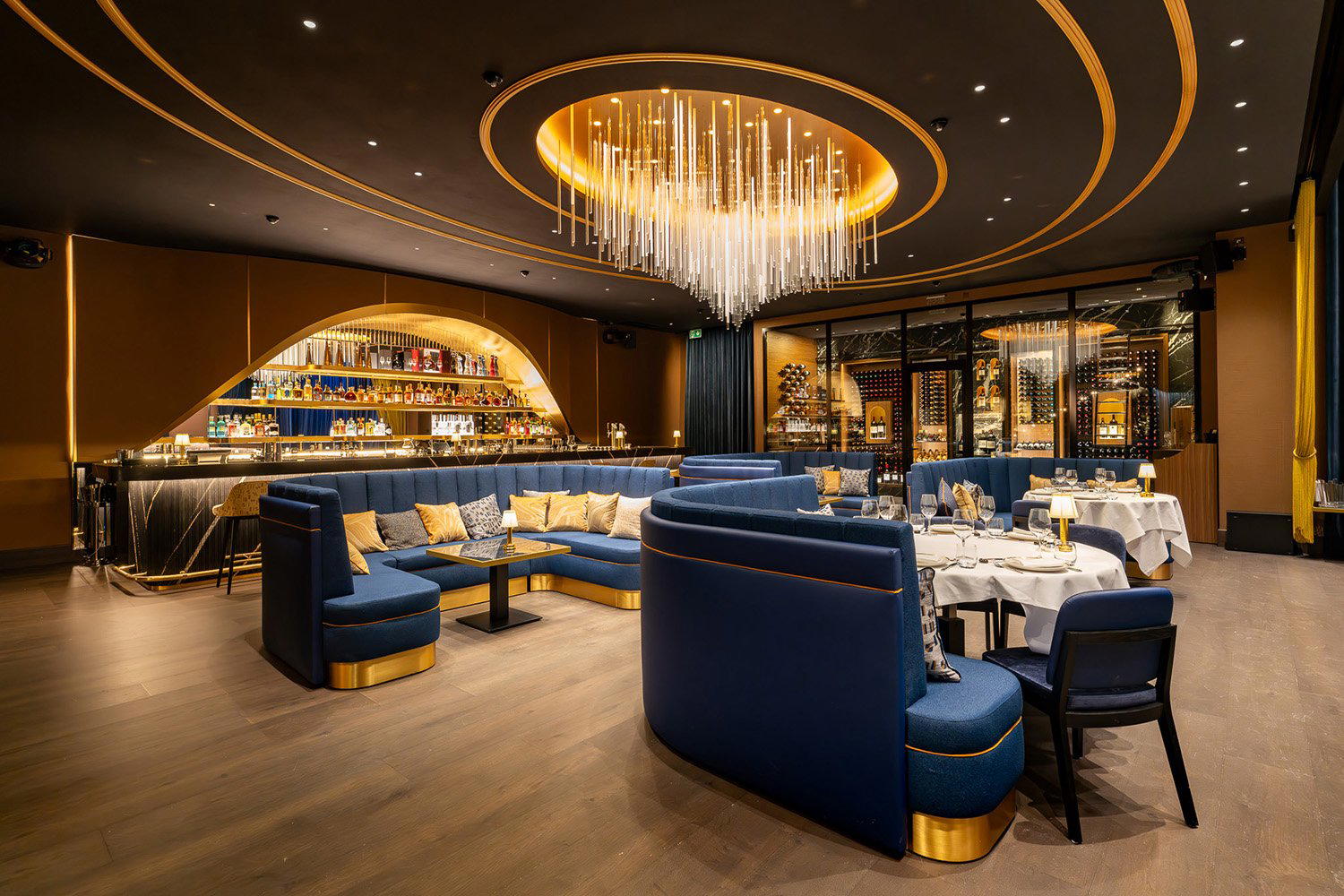
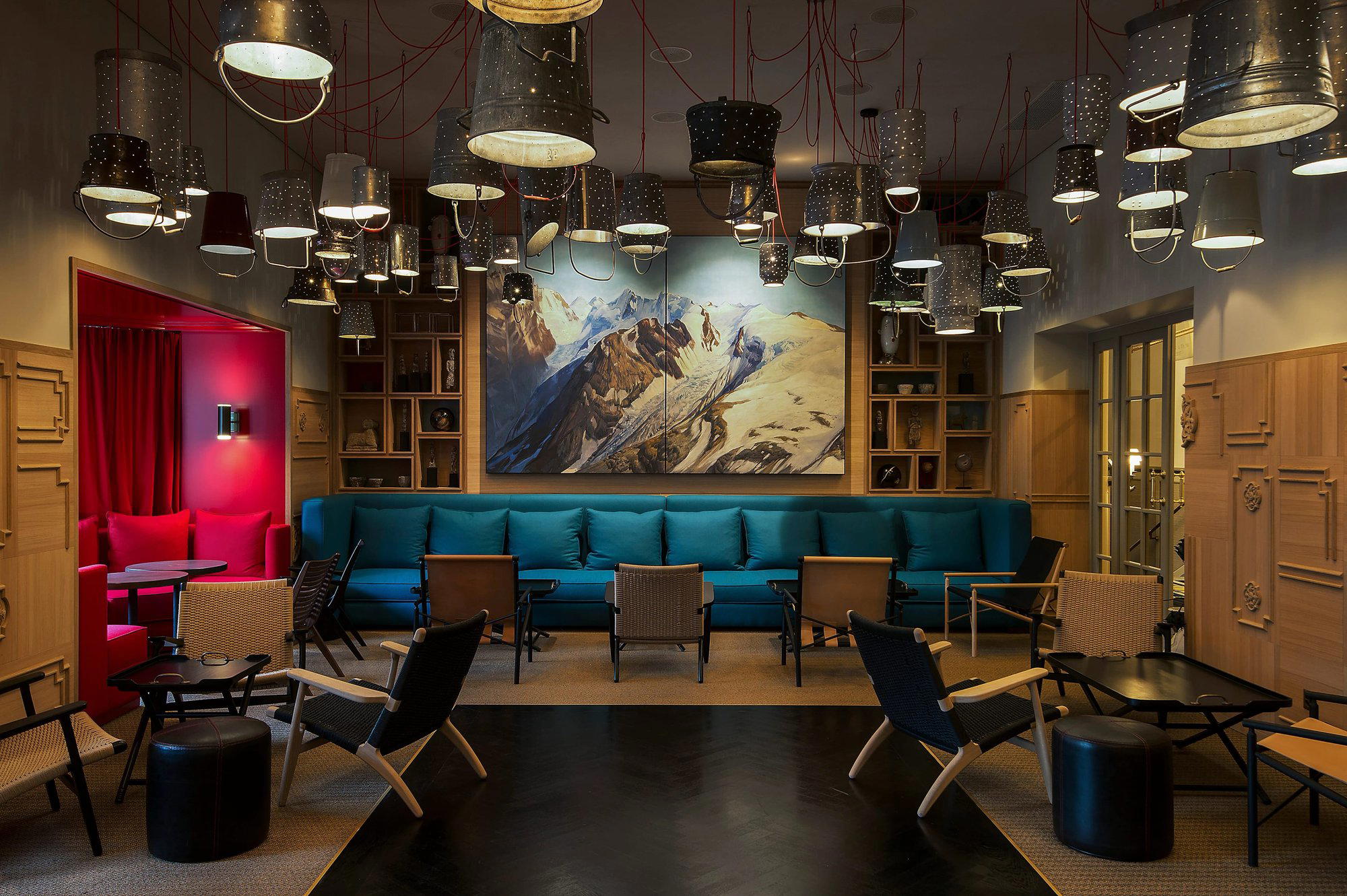

Restaurants in Sondrio
Browse all →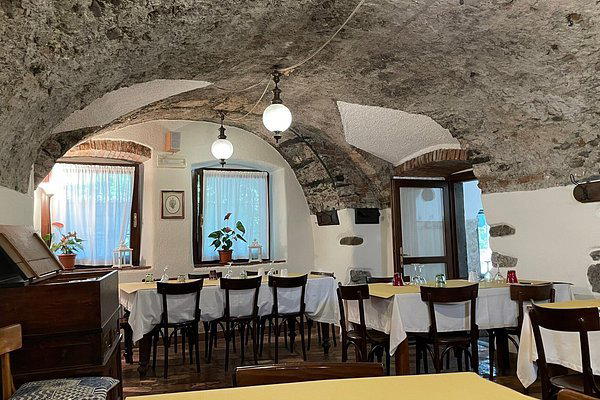
Details
- Rustic
- Scenic
- Elegant
- Intimate
- Wine Education
- Special Occasion
- Solo Exploration
- Vineyard Tour
- Panoramic View
- Historic Building
- Sustainable
- Mountain
- Vineyard
- Nebbiolo
- Chiavennasca
- Still Red
- Cave Tasting
- Private Tasting
- Italian
- English
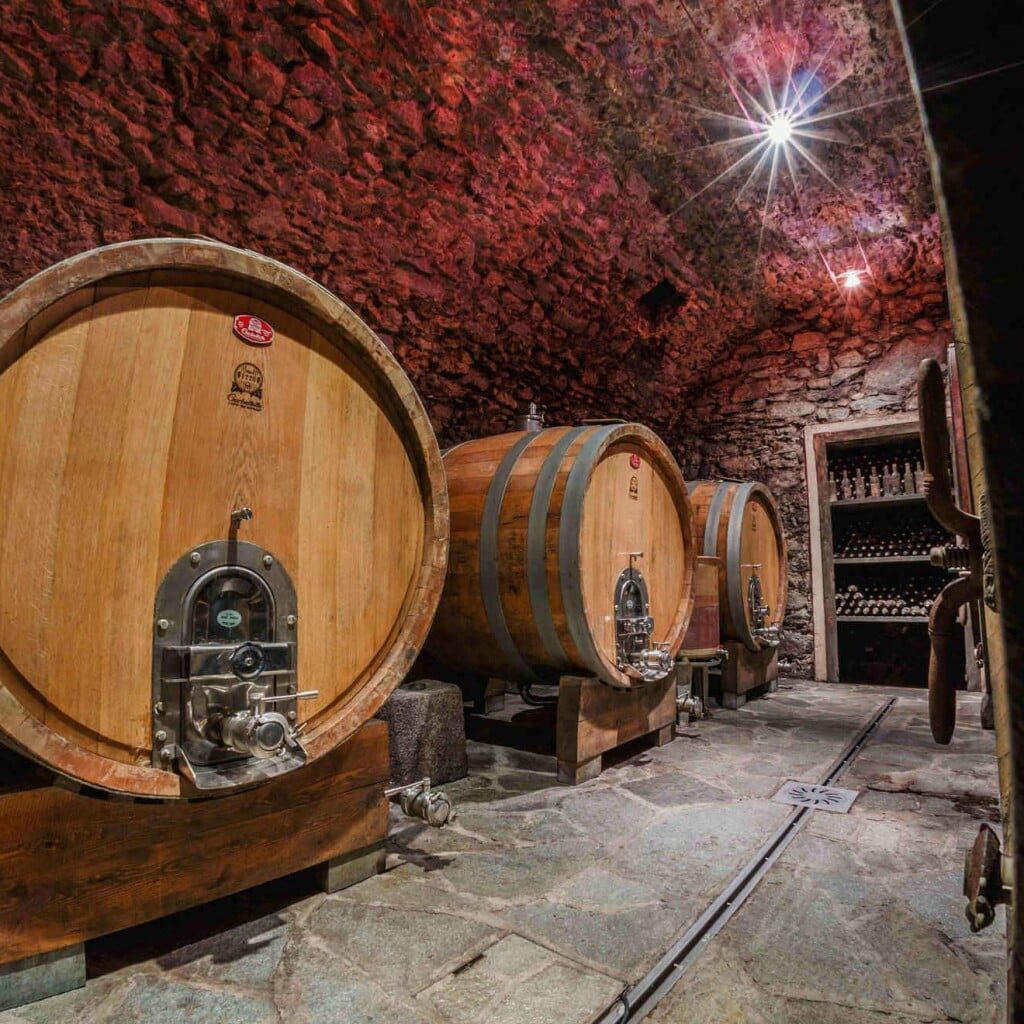
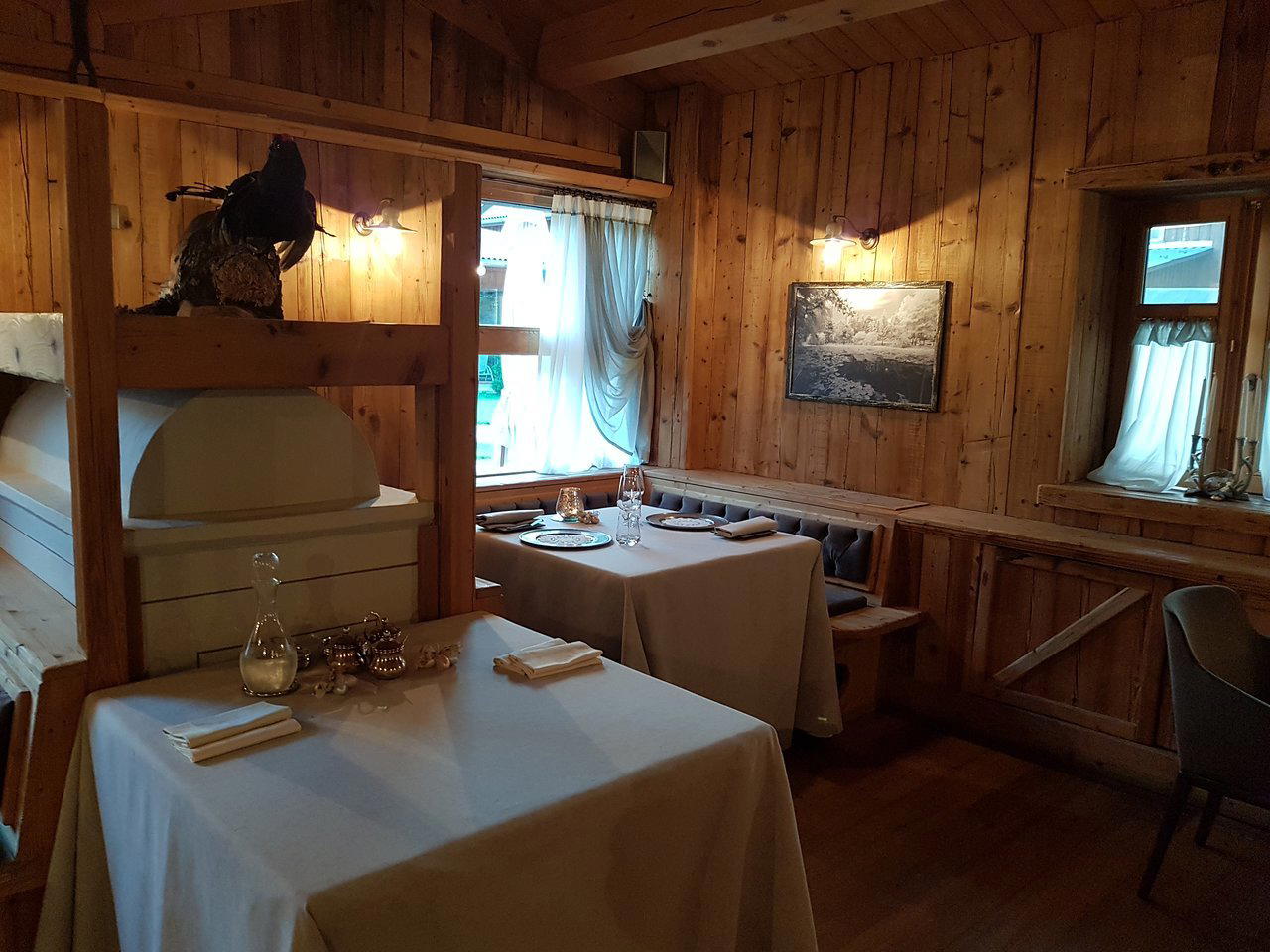
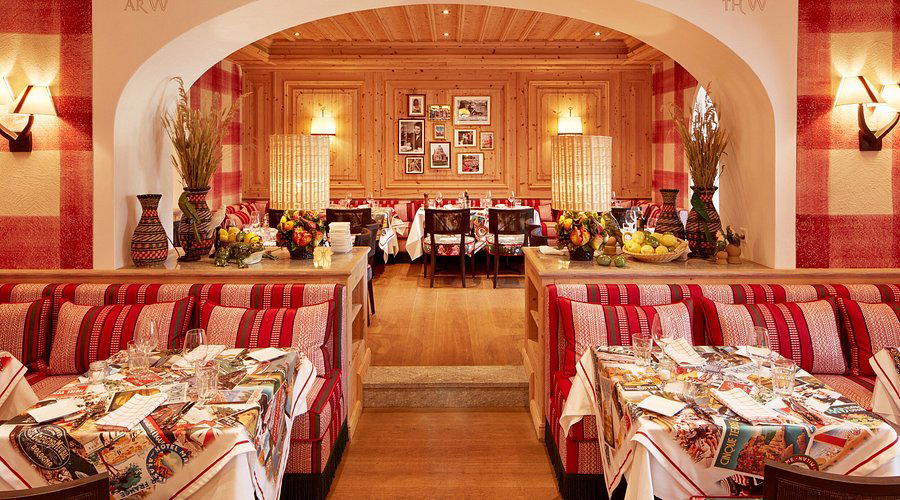
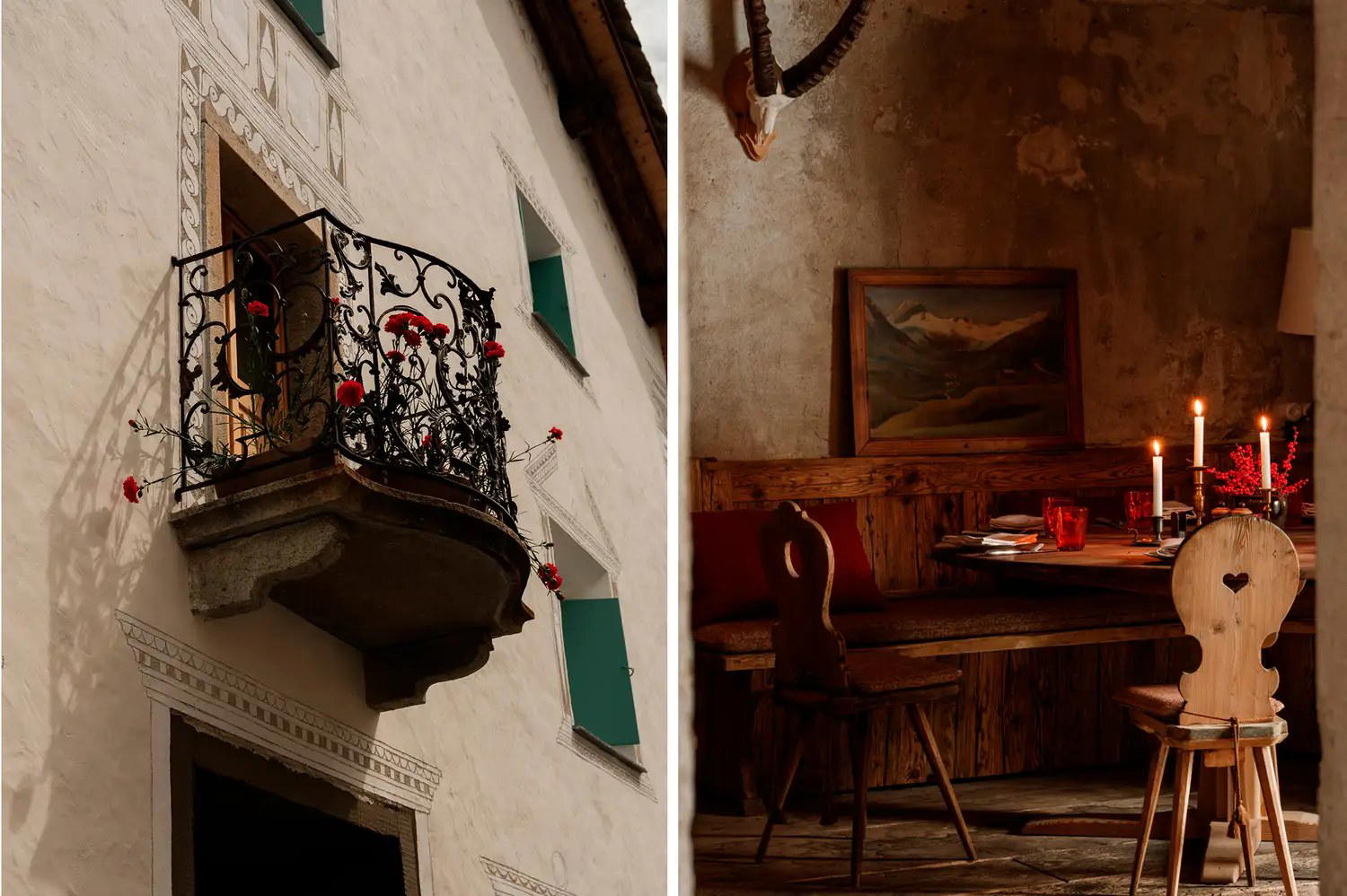
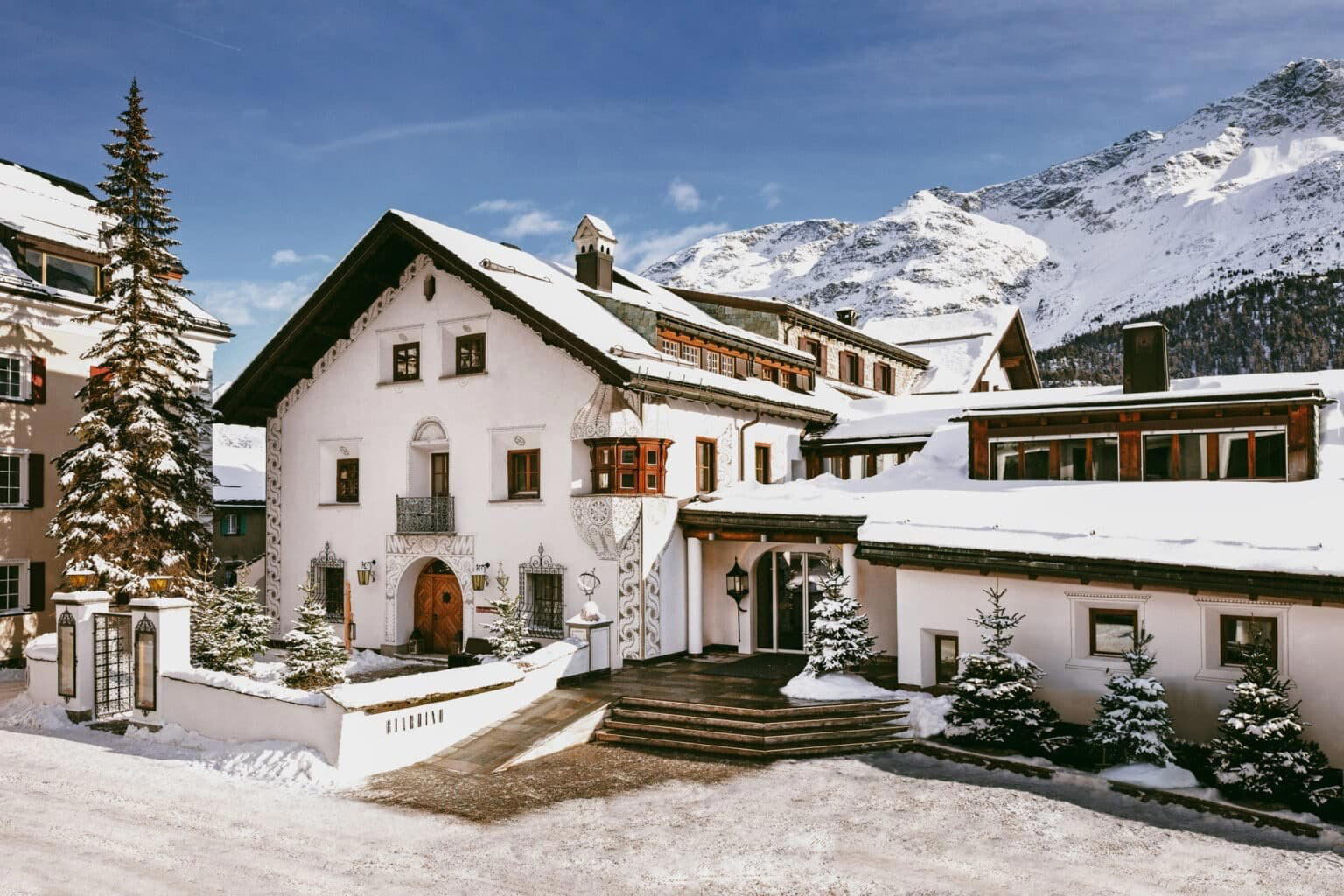
Alpine stone-lined cellar with a serene, dedicated atmosphere focused on intimate wine appreciation amid terraced mountain vineyards.