
Weingut Pöckl operates from Mönchhof in Austria's Burgenland region, where the flatlands bordering Lake Neusiedl produce some of the country's most recognised red wines. Visitors to the Seewinkel area will find Pöckl a reference point for understanding what serious Burgenland viticulture looks like.
Pearl is the En Primeur Club membership app — saves, bookings, and concierge access live there. Same editors, same standards.
- Address
- Zwergäcker 1, 7123 Mönchhof
- Phone
- +43 2173 80258
- Website
- poeckl.at
- Directions
- Get directions
 Saves & bookings on Pearl
Burgenland's Flatlands and the Weight of Serious Red Wine
The road into Mönchhof runs almost perfectly flat, the land opening wide across the Seewinkel plain toward the shallow reed-edged waters of Lake Neusiedl. This is not the dramatic valley scenery that defines Wachau or the terraced hillsides of Kamptal. What Burgenland offers instead is a continental climate of concentrated warmth, long ripening seasons, and soils that reward patience over prettiness. It is terrain that has historically been associated with sweet wine production around Illmitz and the lake's eastern shore, but the villages north of the lake, including Mönchhof, have built a quieter argument for red varieties, particularly Zweigelt and the blends that draw on Blaufränkisch and Cabernet Sauvignon.
The Logic of Place: Why the Seewinkel Matters
Lake Neusiedl moderates the climate in ways that laboratories struggle to fully quantify. Autumn mists create the conditions for botrytis and late-harvest concentration around Illmitz and Apetlon, as the producers at Weingut Kracher in Illmitz have demonstrated for decades. Further north along the lake's western and northern rim, the same warmth and extended growing season translate differently: into reds with genuine ripeness that avoid the jammy overextraction that warmer climates can produce when ambition outruns restraint. Mönchhof occupies this northern zone, sharing a productive microclimate with Weingut Pittnauer in Gols and a small cluster of estates that have oriented their programs around structured reds rather than sweet wines. The grape varieties planted across the Seewinkel reflect this ambition: Zweigelt as the approachable anchor, Blaufränkisch as the structural backbone, and internationally recognised varieties like Cabernet Sauvignon adding complexity to blended cuvées. This combination has gradually pushed estates in and around Mönchhof into conversations about Austrian red wine credibility that were once dominated by producers further south or west.
A Philosophy Built Around Recognition
That level of recognition signals consistent quality across multiple vintages, a commitment to grape and terroir expression over commercial shortcuts, and a willingness to operate at price and quality points where comparison to international peers becomes unavoidable. Austrian wine culture, particularly in Burgenland, has developed a sophisticated critical infrastructure over the past two decades.
This matters for how Pöckl should be understood alongside comparable estates. Weingut Keringer, also based in Mönchhof, operates within the same geographic and climatic conditions. What distinguishes producers at this level is less the land they farm and more the precision with which they read and respond to it across each season. Producers who earn sustained recognition in Burgenland typically demonstrate that capacity across both warm, forward vintages and cooler, more restrained years, a test that separates technically competent producers from genuinely interpretive ones.
Red Wine Ambition in an Austrian Context
Austria's red wine conversation has evolved considerably since the early 1990s, when Burgenland's reputation rested almost entirely on its nobly rotten sweet wines. The emergence of serious Blaufränkisch, particularly from Mittelburgenland producers, and the development of sophisticated red blends across the Neusiedlersee region have repositioned the country as a credible source of age-worthy reds. This shift has been slower to reach international markets than Austria's white wine story, where Grüner Veltliner and Riesling from producers like Weingut Bründlmayer in Langenlois and Weingut Emmerich Knoll in Dürnstein have secured strong international followings. Burgenland's reds, by contrast, often remain within domestic and specialist import markets, which means that estates earning consistent prestige ratings are frequently less visible to international buyers than their quality would otherwise justify.
For producers working across Austria's other wine regions, the contrast in style is instructive. Weingut Wohlmuth in Kitzeck and Weingut Heinrich Hartl in Oberwaltersdorf each operate in distinct Austrian wine contexts, demonstrating how the country's diversity extends well beyond any single varietal or regional story. Pöckl's position in the Seewinkel places it at the warmer, more southerly end of that spectrum, producing wines shaped by a climate that has more in common with northeastern Italy or parts of Hungary than with the cool-continental conditions defining Wachau or Kamptal.
Visiting Mönchhof and the Surrounding Region
Mönchhof sits approximately 70 kilometres southeast of Vienna, a drive that takes under an hour on the A4 motorway before tracking south through the flat Burgenland plain. The village is small and the winery infrastructure in this area is less tourism-oriented than in the Wachau, where boat landings and riverside terraces have made winery visits a self-organizing circuit. In the Seewinkel, visits tend to require advance contact and planning, and one productive approach is to reach out directly to estates before arriving. For those building a broader Burgenland itinerary, the region's character rewards a slower approach: the lake, the national park, and the smaller wine villages create a coherent experience that is distinct from the more polished winery tourism circuits further west.
The expectation in this part of Burgenland is engagement rather than spectacle: producers want to talk about their wines, their vineyards, and the decisions made across a growing season. That orientation suits buyers and collectors rather than casual day-trippers, and frames Pöckl within a peer group that includes similarly serious operators across Austria's wine map.
Weingut Scheiblhofer Distillery in Andau 1310 Spirit of the Country Distillery in Sierning, 1404 Manufacturing Distillery in Sankt Peter-Freienstein, 1516 Brewing Company Distillery in Vienna, and A. Batch Distillery in Bergheim. Aberlour in Aberlour and Accendo Cellars in St. Helena
Booking and Cost Snapshot
Comparable venues nearby, for context on price, style, and recognition.
| Venue | Cuisine | Price |
|---|---|---|
| Weingut PöcklThis venue — the venue you are viewing | Mönchhof, Zweigelt, Blaufränkisch | $$$ |
| Weingut Keringer | Mönchhof, Zweigelt, Blaufränkisch | $$ |
| Schloss Halbturn Winery | Halbturn, Pinot Noir, Blaufränkisch | $$$ |
| Mountain Spirits Distillery | Winery | Not listed |
| Distillery Schroll | Winery | Not listed |
| Kräuterdestillerie Steiner | Winery | Not listed |
Recognition history
Dated appearances from independent guides and award organizations, with the underlying list record or original source where available.
Falstaff Winery - 5 Stars
Falstaff
Continue exploring
More in Mönchhof
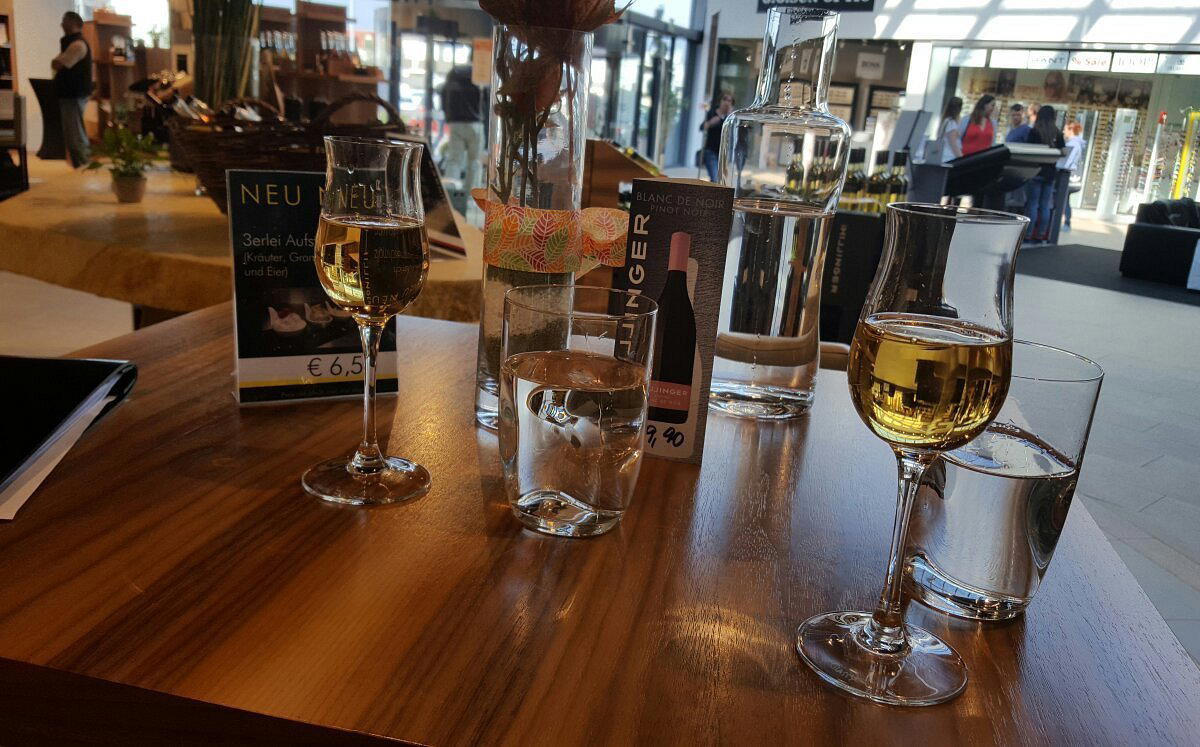
Wineries in Mönchhof
Browse all →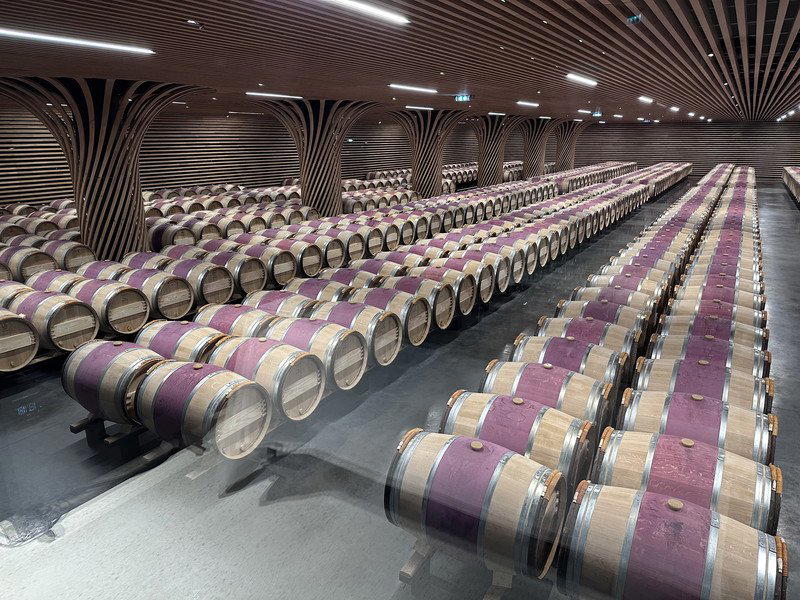
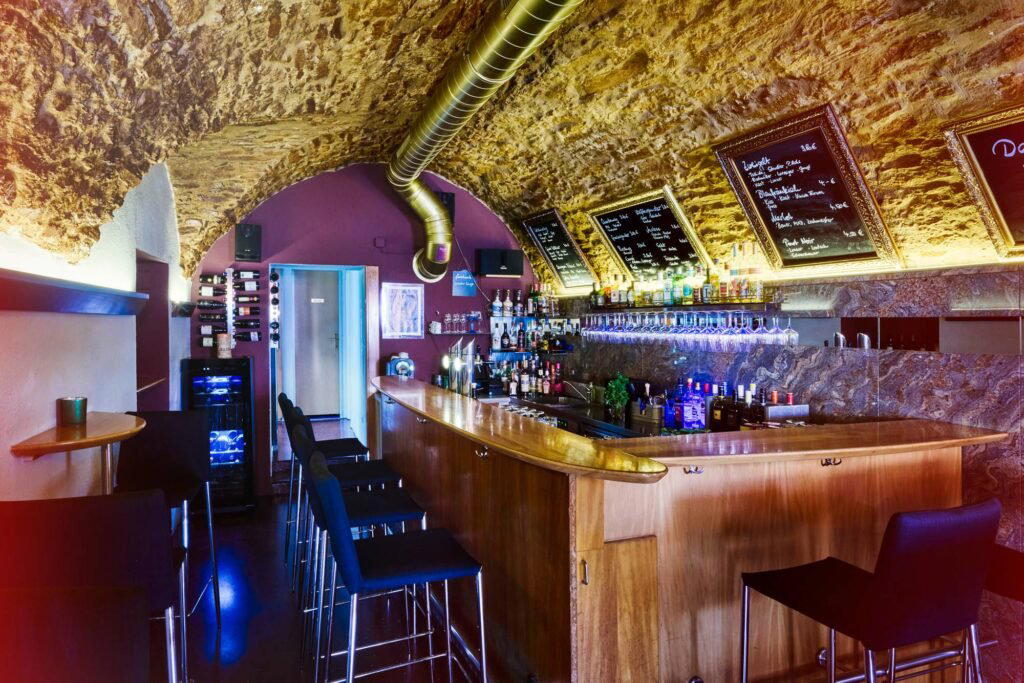
Bars in Mönchhof
Browse all →

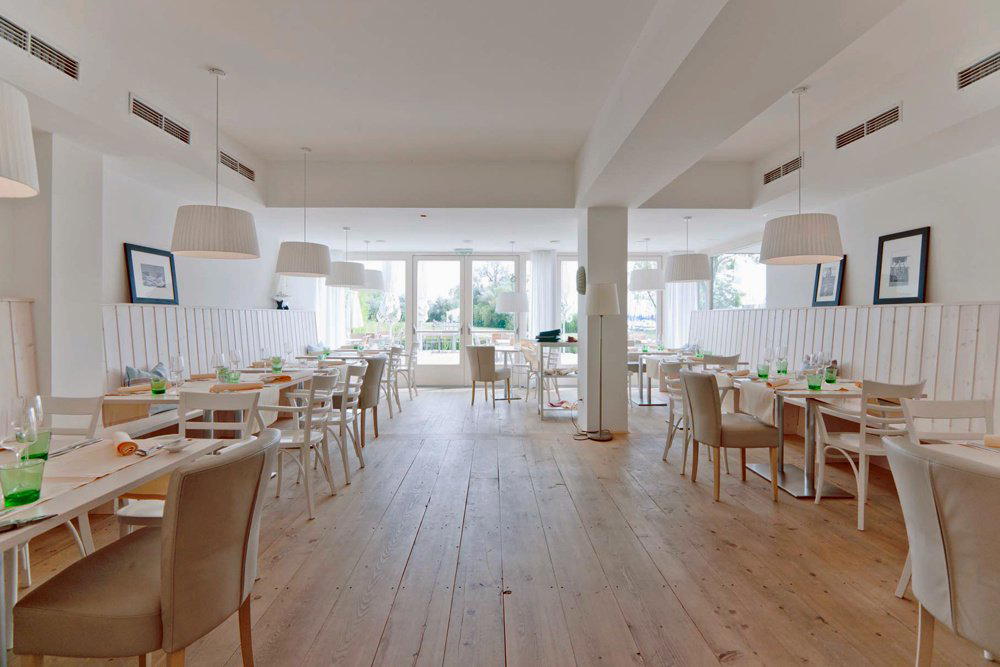
Restaurants in Mönchhof
Browse all →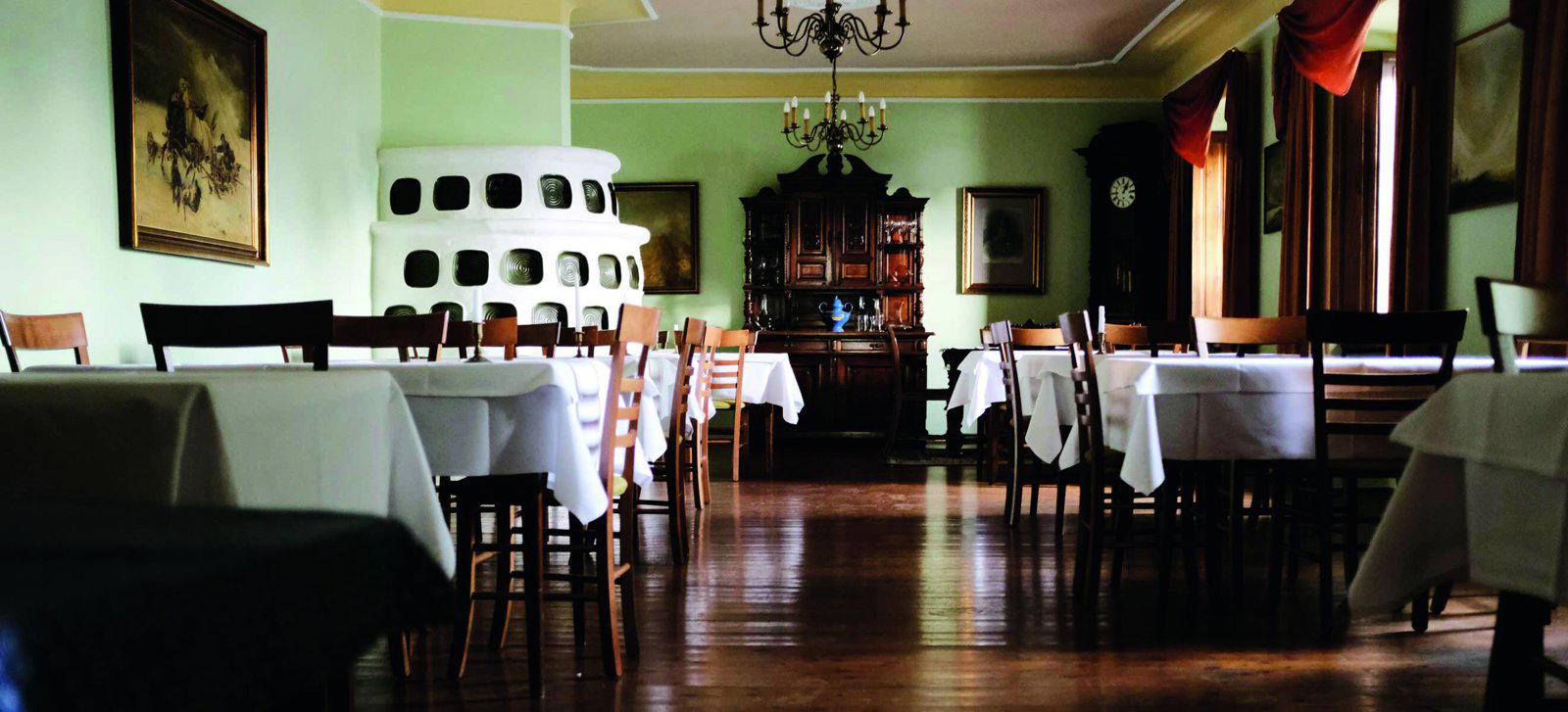
At a Glance
- Elegant
- Classic
- Sophisticated
- Rustic
- Wine Education
- Special Occasion
- Romantic Getaway
- Barrel Room
- Vineyard Tour
- Estate Grounds
- Private Tasting
- Sustainable
- Vineyard
- Neusiedlersee DAC
- Zweigelt
- Blaufränkisch
- St. Laurent
- Pinot Noir
- Cabernet Sauvignon
- Merlot
- Syrah
- Cabernet Franc
- Still Red
- Private Tasting
- Barrel Room Tasting
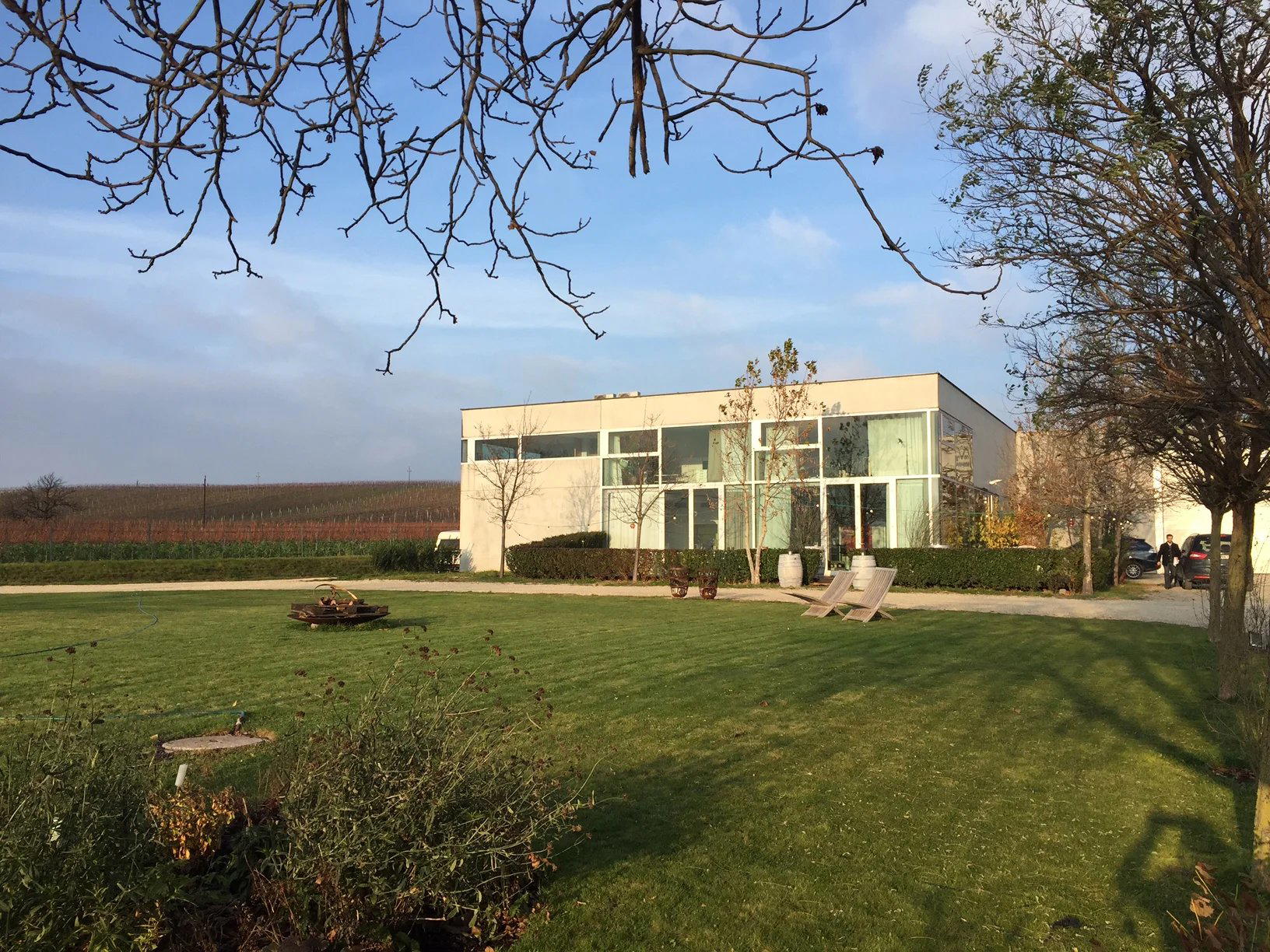
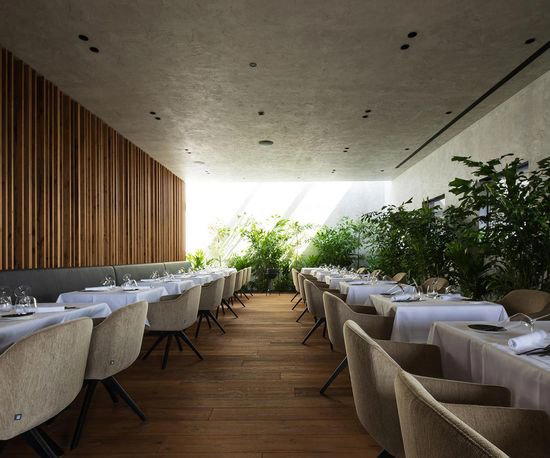
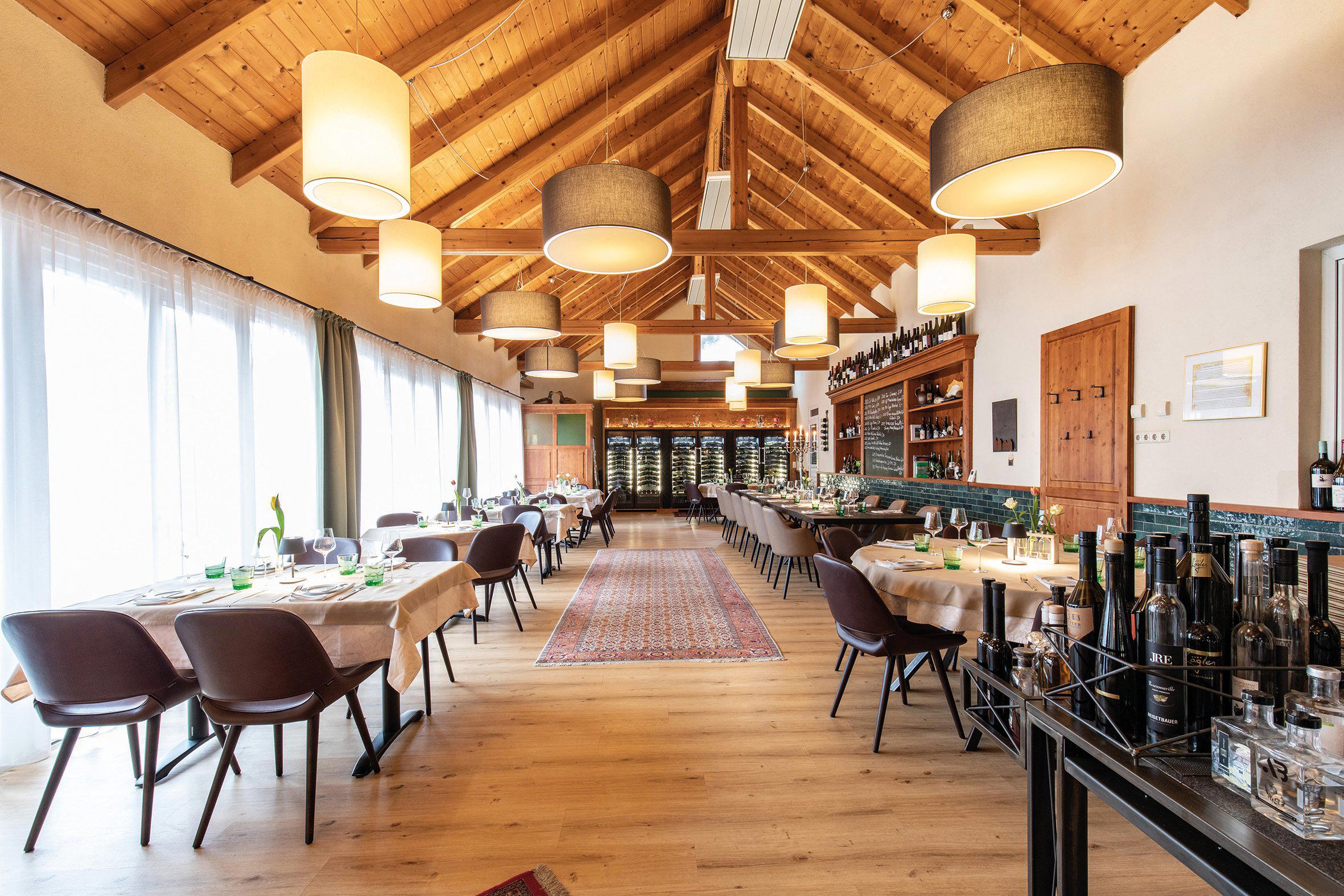
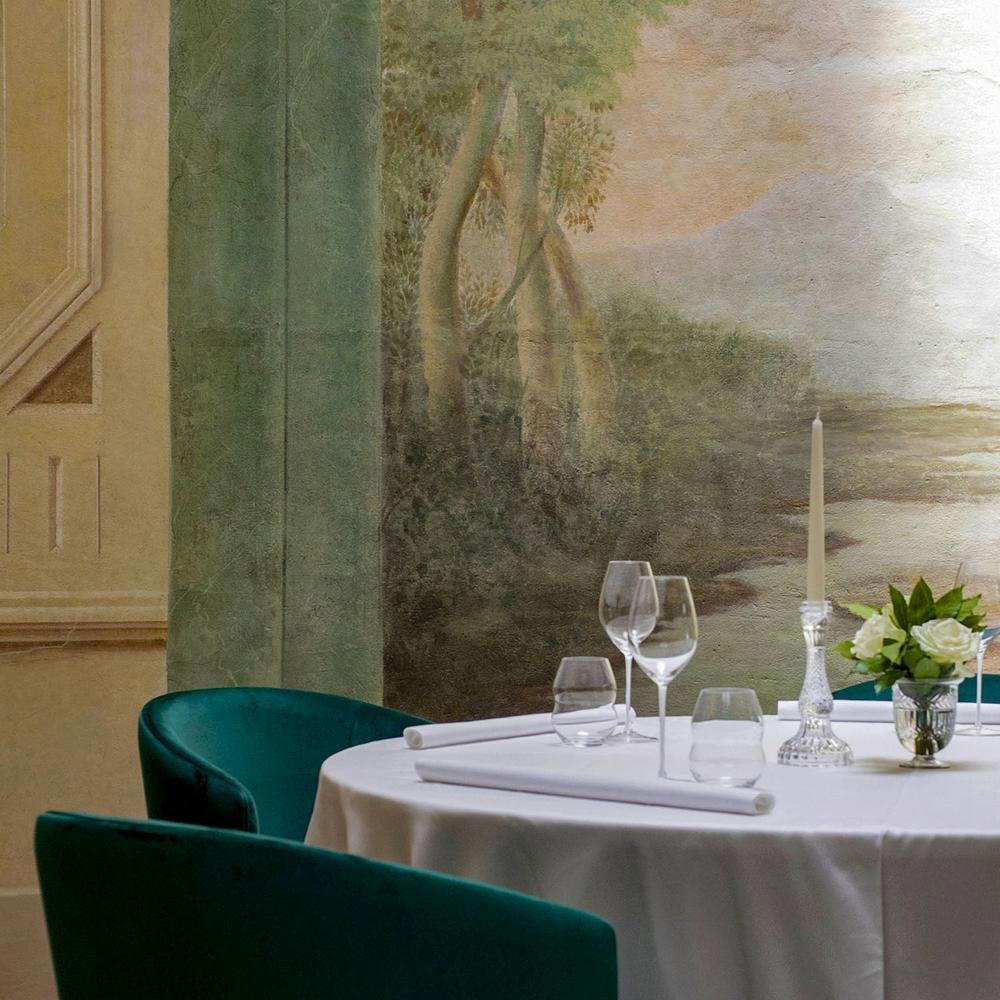
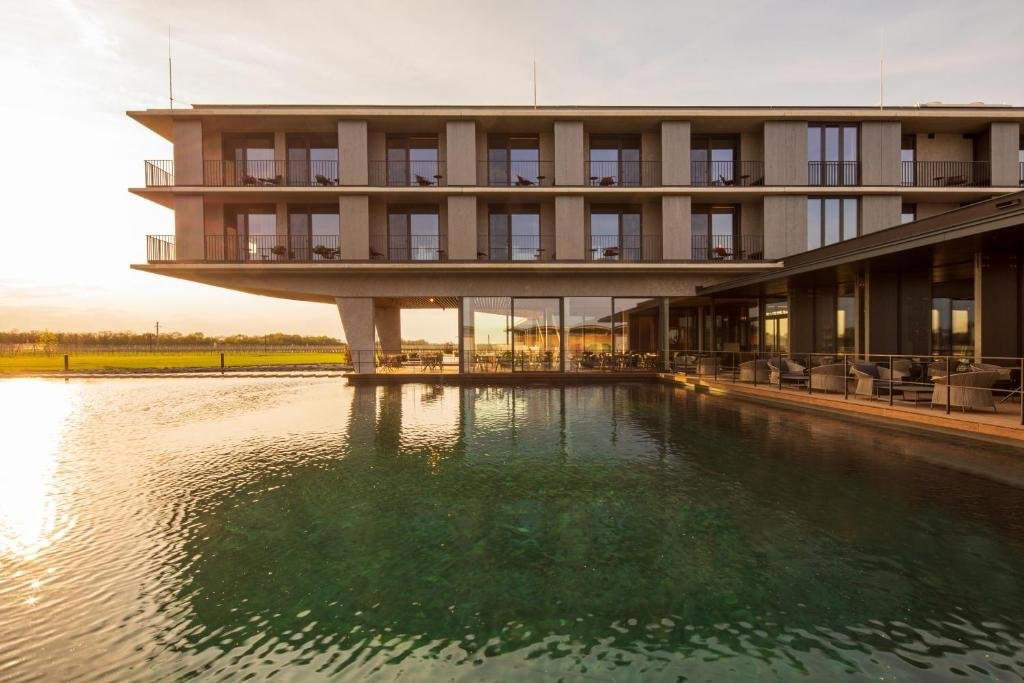
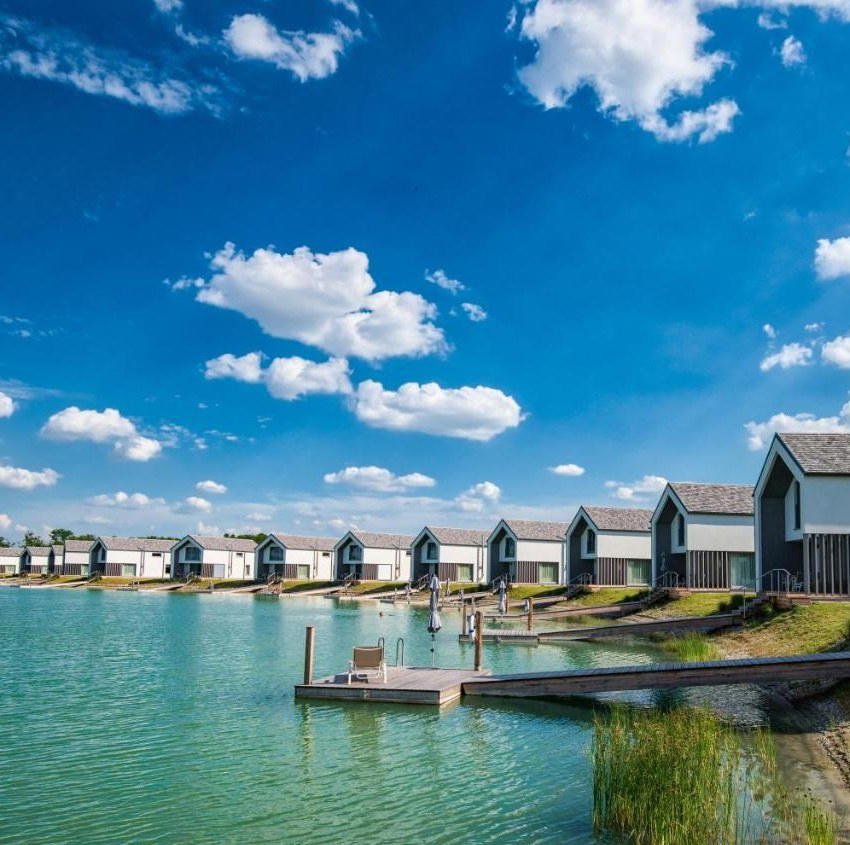
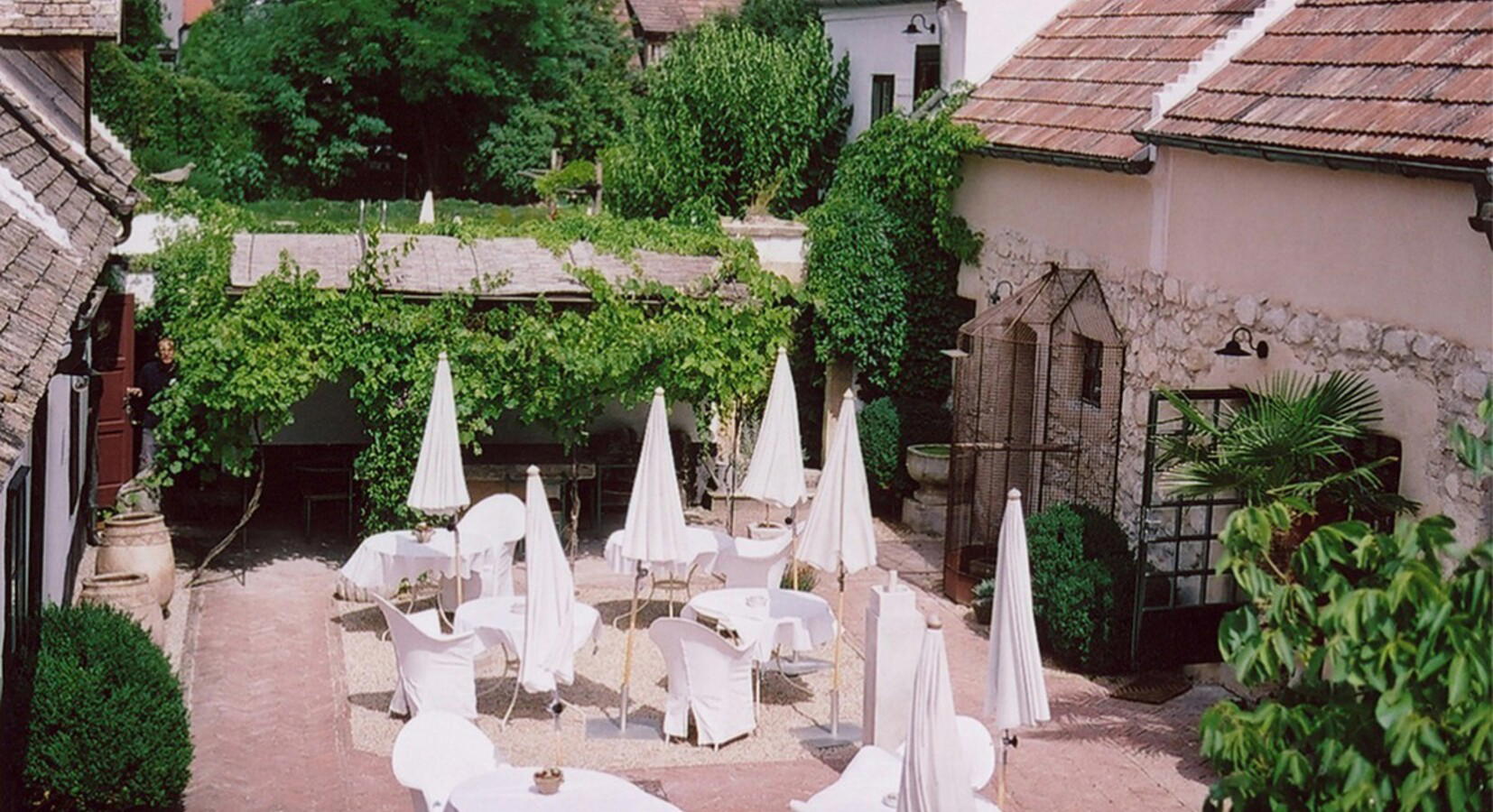
Traditional winery setting with modern cellar technology, reflecting a passionate dialogue between nature and winemaking tradition in the Burgenland region.