Weingut Philipp Kuhn

The estate operates at the quieter, allocation-conscious end of German wine tourism, where the visit itself carries more weight than any tasting-room spectacle.
Pearl is the En Primeur Club membership app — saves, bookings, and concierge access live there. Same editors, same standards.
- Address
- Großkarlbacher Str. 20, 67229 Laumersheim
- Phone
- +49 6238 656
- Website
- weingut-philipp-kuhn.de
- Directions
- Get directions
 Saves & bookings on Pearl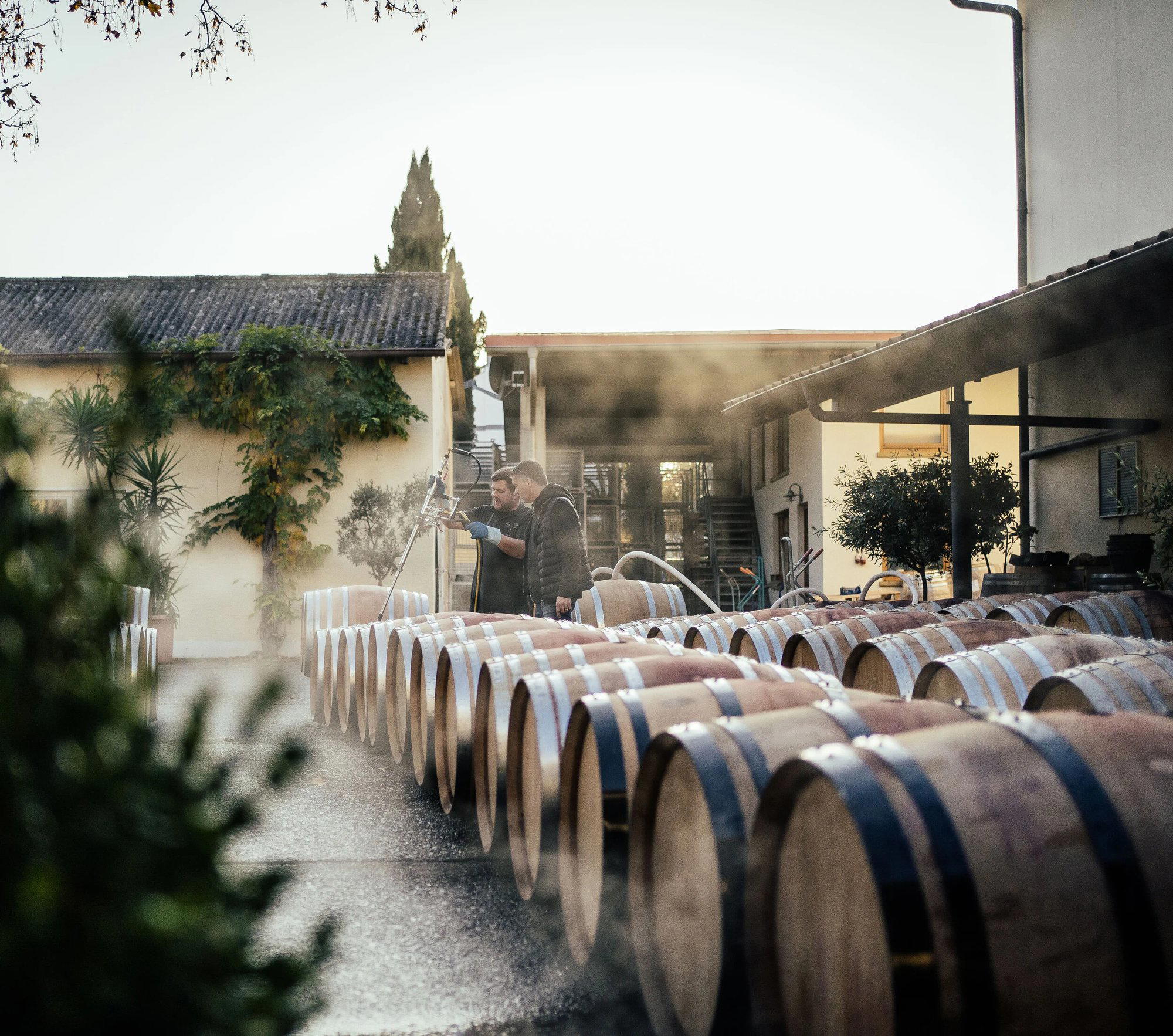
Laumersheim and the Quiet End of the Pfalz
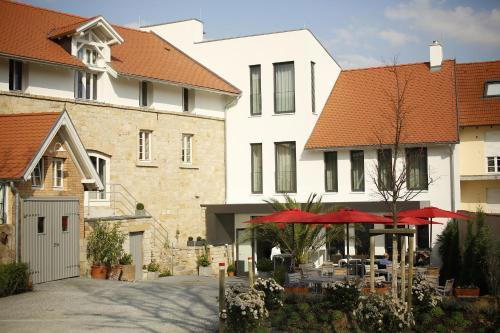
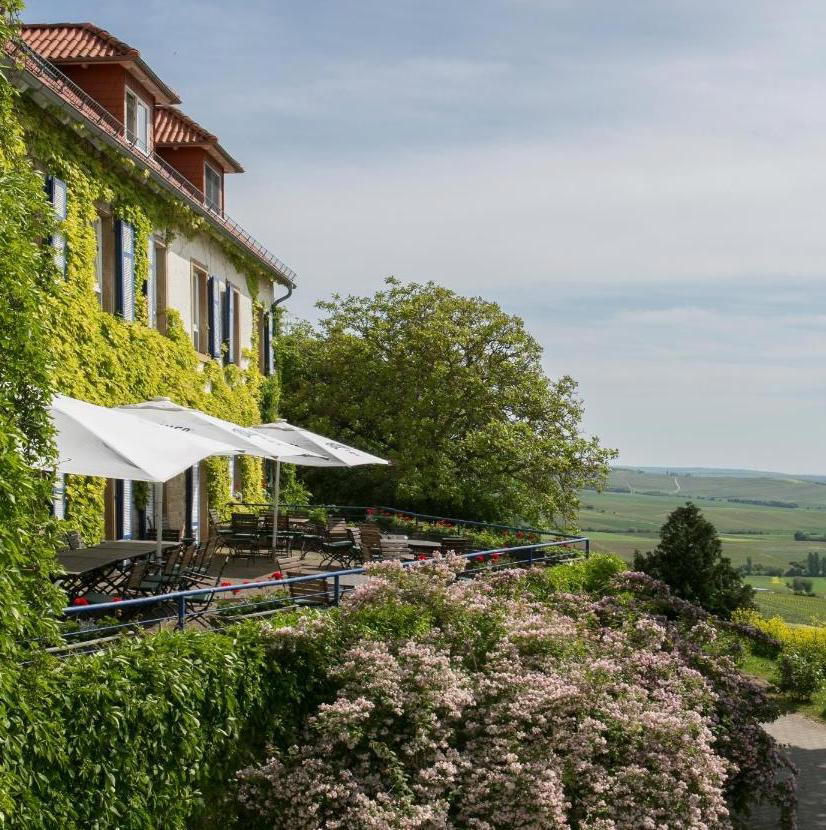
The Pfalz is Germany's second-largest wine region, and most of its visitor traffic pools around Deidesheim, Neustadt, and the well-trodden Weinstraße corridor. Laumersheim sits further north, in the Mittelhaardt's gravitational pull but without the tourist infrastructure of its more prominent neighbors. The village is small enough that the estates here receive visitors who have made a deliberate choice rather than a passing stop, and that self-selection shapes the character of every tasting. Weingut Philipp Kuhn is at Großkarlbacher Str. 20, 67229 Laumersheim, and the approach to the estate reflects Laumersheim itself: composed, agricultural, with none of the ornamental landscaping that larger wine tourism operations often use to signal premium positioning.
In a region where some producers have expanded aggressively into hospitality and event programming, the estates that stay closer to their vineyards and their production tend to attract a different kind of attention.
The Northern Pfalz Terroir Argument
Understanding what distinguishes this corner of the Pfalz requires a brief detour into geology. The northern Mittelhaardt, where Laumersheim sits, is characterized by heavier limestone and loess deposits compared to the sandstone and basalt that dominate parts of the southern Pfalz. Those soils produce wines with different structural signatures: more mineral tension in the whites, more grip in the reds. Riesling grown here tends toward a cooler, more acid-defined profile than the broader, fruitier expressions from warmer southern exposures. Grauburgunder and Weissburgunder also find strong footing in the north, as do Spätburgunder plantings on the right slopes.
This is the terroir context that producers like Weingut Philipp Kuhn work within, and it matters for understanding why northern Pfalz estates have attracted increasing critical attention over the past decade. As the German wine conversation has shifted toward precision, site expression, and lower-intervention production, the northern Pfalz's cooler, more structured profile has moved from a regional footnote to a point of genuine distinction. The same shift has benefited estates in adjacent villages: Weingut Knipser, also based in Laumersheim, has long been a reference point for what the village's terroir can produce across multiple varieties.
That kind of rating is meaningful for buyers making allocation decisions and for sommeliers building German sections.
For comparison, the broader German prestige wine tier includes estates like Weingut A. Christmann in Neustadt an der Weinstraße, recognized for its Riesling GGs and biodynamic practices, and Weingut Dr. Bürklin-Wolf in Wachenheim, one of the Pfalz's most historically referenced names. Weingut Philipp Kuhn occupies a different position within that constellation: a northern village estate with a focused, quality-driven identity rather than a large historical footprint.
Further afield, German wine estates earning comparable prestige-tier recognition include Weingut Fritz Haag in Brauneberg on the Mosel, Weingut Clemens Busch in Pünderich, and Weingut Georg Breuer in Rüdesheim am Rhein in the Rheingau. Each represents a distinct regional identity; the Pfalz and Mosel produce structurally different wines, and comparing them requires understanding that the rating tiers reflect quality consistency rather than stylistic equivalence.
Where Weingut Philipp Kuhn Sits in Its comparable set
Within the Pfalz specifically, the serious mid-to-upper producer tier has consolidated around a handful of estates that combine vineyard-specific work with consistent critical recognition. Weingut Bassermann-Jordan in Deidesheim represents the historical establishment end of that set, with centuries of documented production and a tourist-facing operation to match. Weingut Battenfeld-Spanier in Hohen-Sülzen sits at the more restrained, precision-focused end, with a reputation built on low-intervention Riesling.
Northern Pfalz limestone and loess sites produce wines with more structural definition and less immediate approachability than warmer southern exposures. That profile suits a certain kind of buyer: one who values age-worthiness, mineral precision, and the ability to cellar rather than drink immediately. It does not suit everyone, and estates that are transparent about that positioning tend to build more loyal, better-matched customer relationships than those that market broadly.
Planning a Visit to Laumersheim
Laumersheim is a small village in Rhineland-Palatinate, and visiting it requires private transport or a combination of train and local travel from Frankenthal or Grünstadt. The Weinstraße runs broadly parallel to this part of the Pfalz and connects easily to the A61 and A650 motorways, making it accessible from Frankfurt, Mannheim, or the Rhine valley. The village itself has limited hospitality infrastructure, so visitors to the winery are generally combining the estate with other northern Pfalz stops.
The standard approach for visiting estates of this type is to reach out through the winery's official channels before arriving. German wine estates at this quality tier typically operate tastings by appointment rather than walk-in, and booking ahead is both courteous and practically necessary during harvest periods in September and October, when production activity takes priority over hospitality. Spring visits, particularly April through June, tend to offer more flexibility and the opportunity to taste across recent vintages before summer warmth compresses the scheduling window.
For context on how other estates in the region handle visits, Kloster Eberbach in Eltville and Weingut Allendorf in Oestrich-Winkel both operate more formal visitor programs that illustrate the range of tasting formats available across German wine regions. Weingut Bürgerspital zum Heiligen Geist in Würzburg and Weingut Grans-Fassian in Leiwen similarly demonstrate how different German regions manage the balance between production-focus and visitor access. For international comparison, Accendo Cellars in St. Helena and Aberlour both represent by-appointment premium producer models in their respective categories.
Price Lens
Comparable venues nearby, for context on price, style, and recognition.
| Venue | Cuisine | Price |
|---|---|---|
| Weingut Philipp KuhnThis venue — the venue you are viewing | Laumersheim, Riesling, Pinot Noir | $$$ |
| Weingut Knipser | Laumersheim, Spätburgunder, Pinot Noir | $$$ |
| Weingut Ökonomierat Rebholz | Siebeldingen, Riesling, Pinot Blanc | $$$ |
| Weingut Weedenborn | Monzernheim, Sauvignon Blanc, Chardonnay | $$$ |
| Weingut August Kesseler | Assmannshausen, Pinot Noir, Riesling | $$$ |
| Weingut Robert Weil | Kiedrich, Riesling | $$$ |
Recognition history
Dated appearances from independent guides and award organizations, with the underlying list record or original source where available.
Falstaff Winery - 5 Stars
Falstaff
Continue exploring
More in Laumersheim
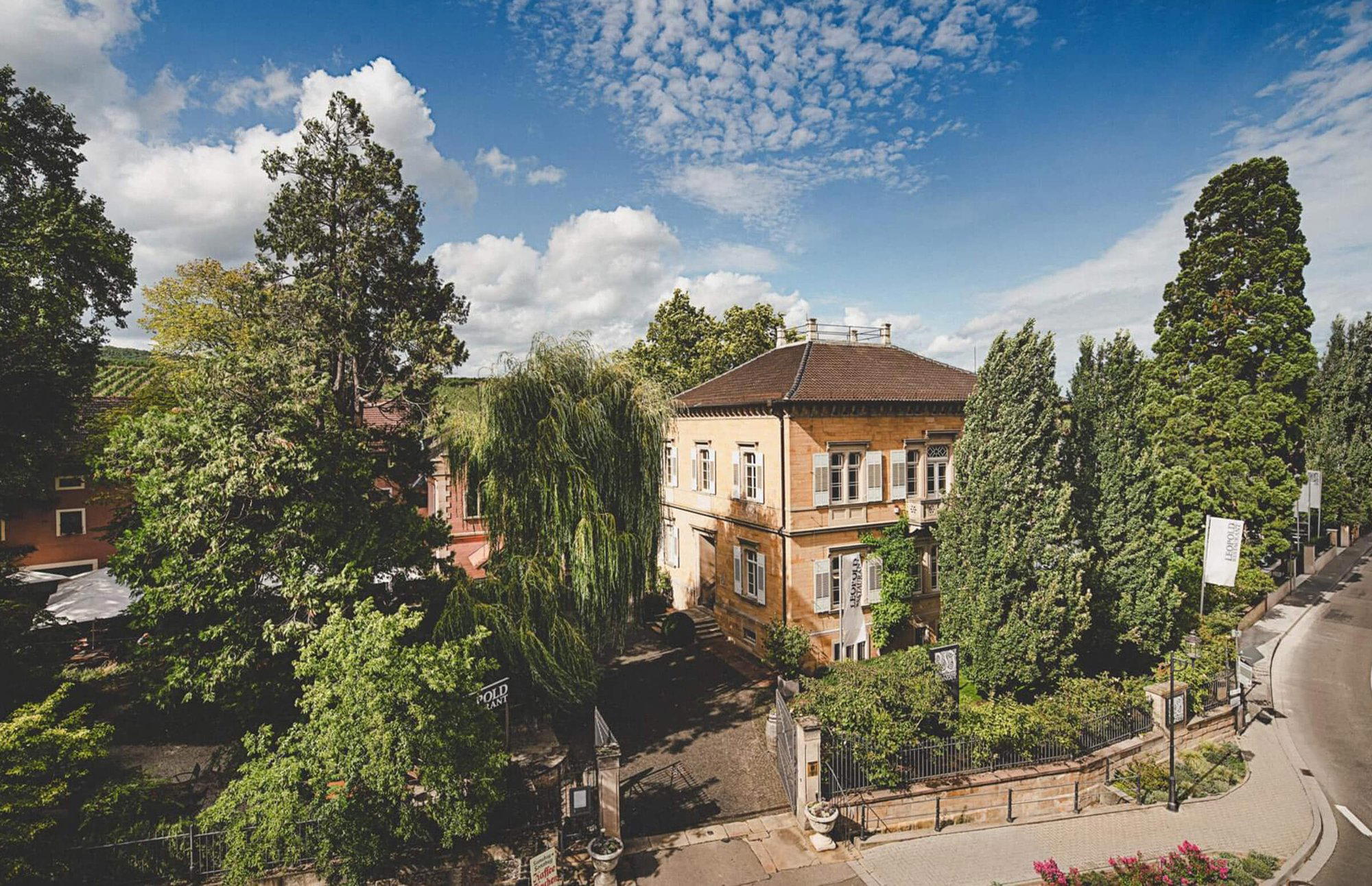
Wineries in Laumersheim
Browse all →
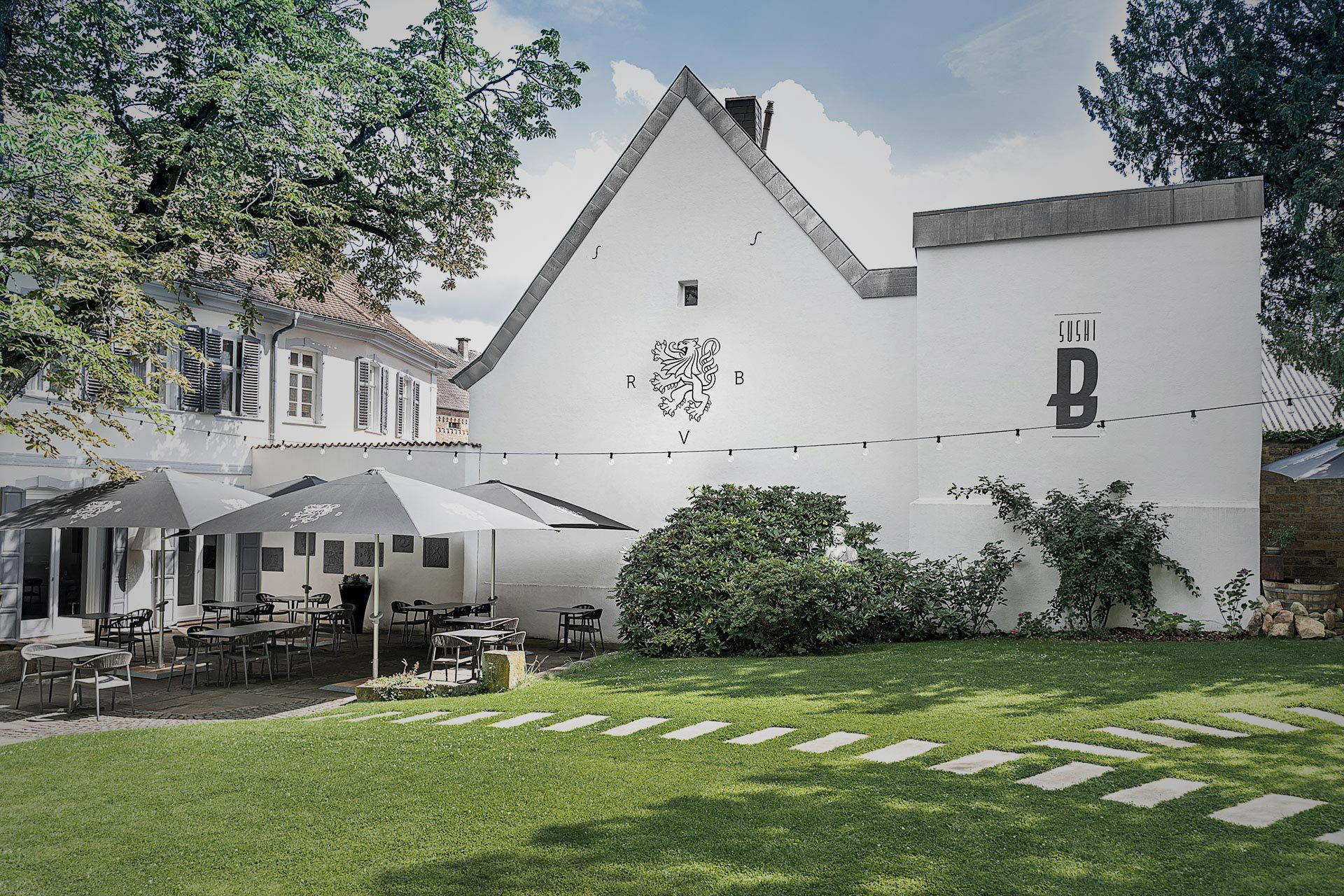
Bars in Laumersheim
Browse all →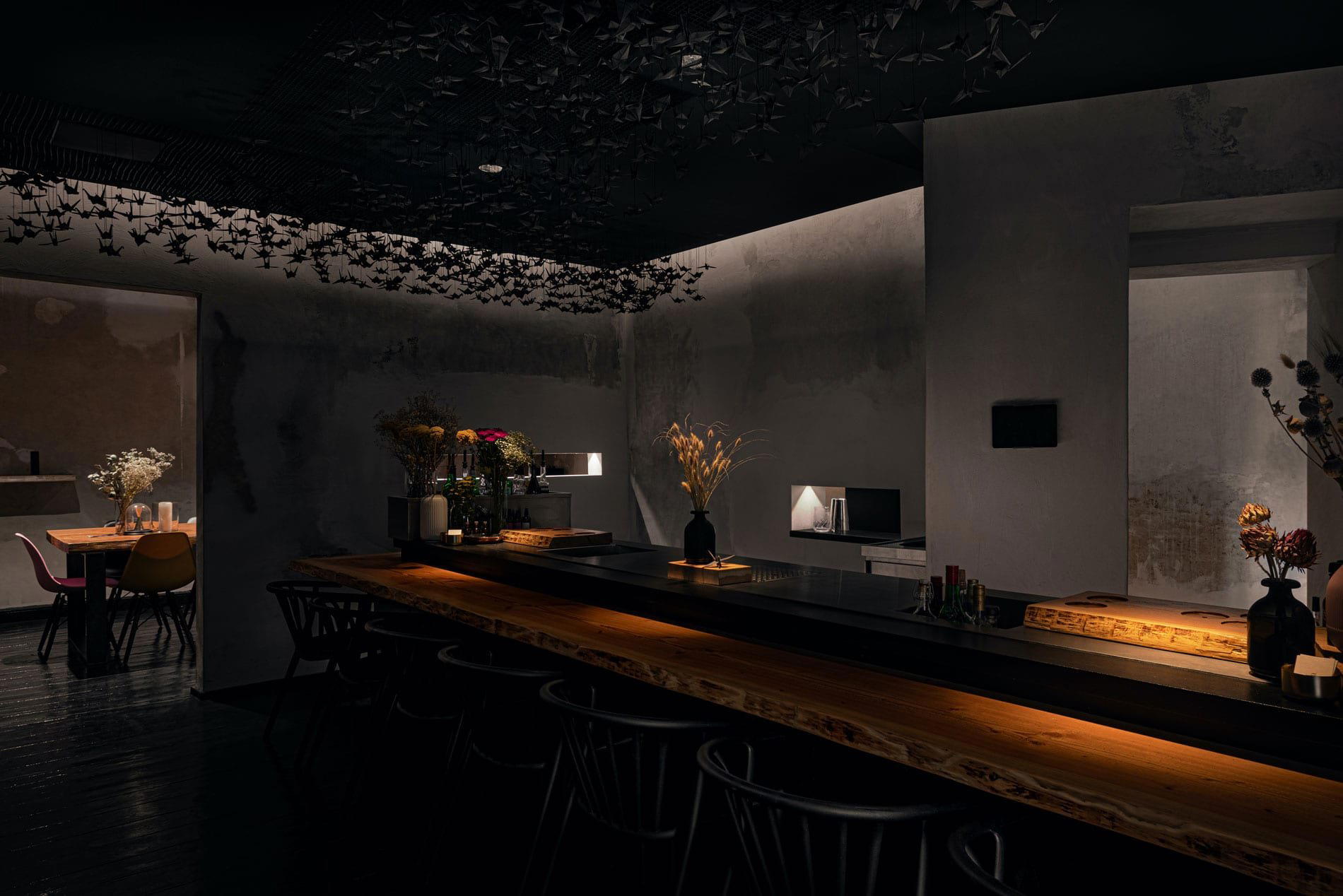
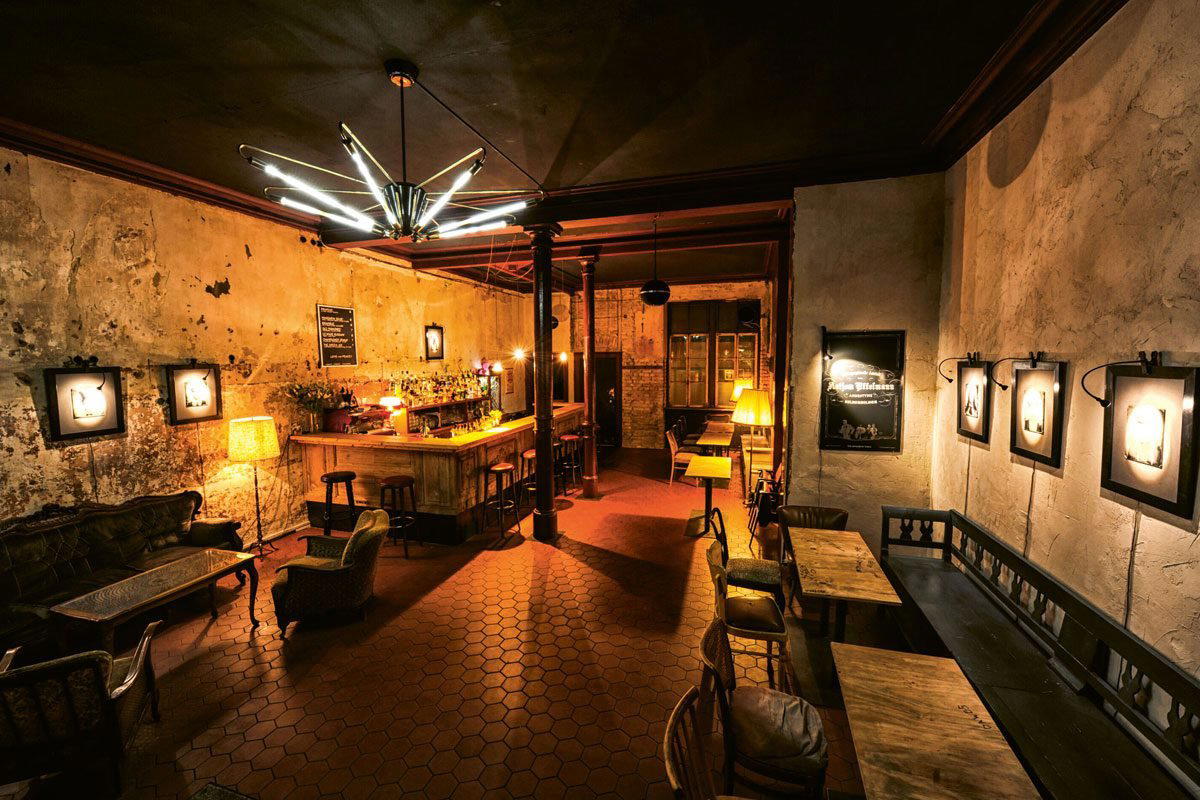
Restaurants in Laumersheim
Browse all →
At a Glance
- Classic
- Elegant
- Rustic
- Scenic
- Wine Education
- Special Occasion
- Group Outing
- Barrel Room
- Vineyard Tour
- Estate Grounds
- Private Tasting
- Sustainable
- Vineyard
- Garden
- Pfalz
- Riesling
- Pinot Noir
- Pinot Blanc
- Sauvignon Blanc
- Gewürztraminer
- Viognier
- Blaufränkisch
- Spätburgunder
- Still Red
- Still White
- Dessert
- Private Tasting
- Vintage Tasting
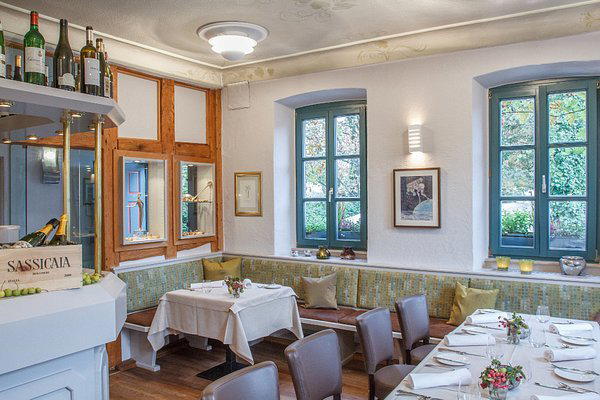
Welcoming and authentic, with a focus on serious winemaking; guests experience the working estate with its many small oak barrels and can taste rare vintage specialties in the inner courtyard.