
Falstaff Winery - 4 Stars
Umani Ronchi is one of the Marche's most recognised wine producers, operating from Osimo in the Conero and Verdicchio heartland..

Pearl is the En Primeur Club membership app — saves, bookings, and concierge access live there. Same editors, same standards.
- Address
- Via Adriatica, 12, 60027 Osimo AN
- Phone
- +39 071 710 8716
- Website
- umanironchi.com
- Directions
- Get directions
Where the Adriatic Shapes the Glass
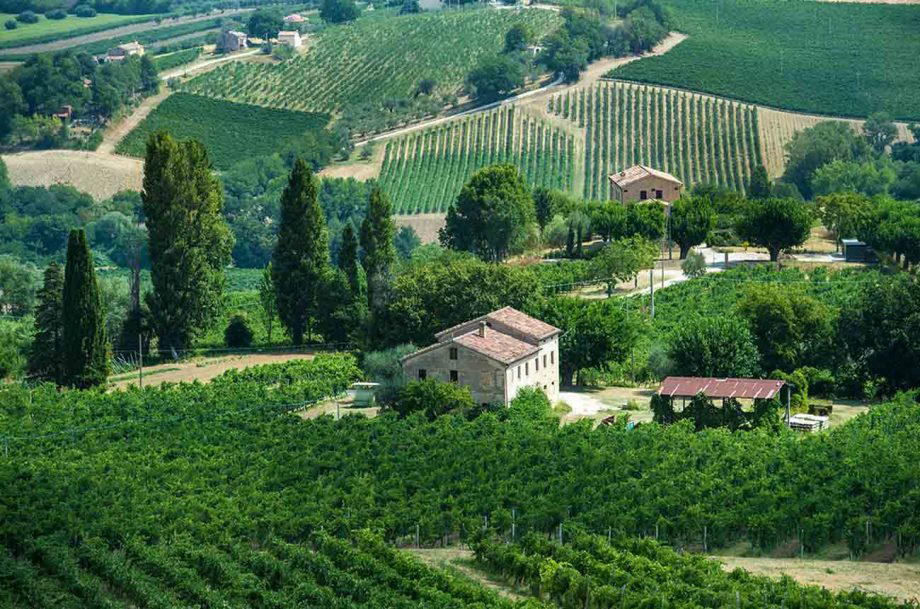
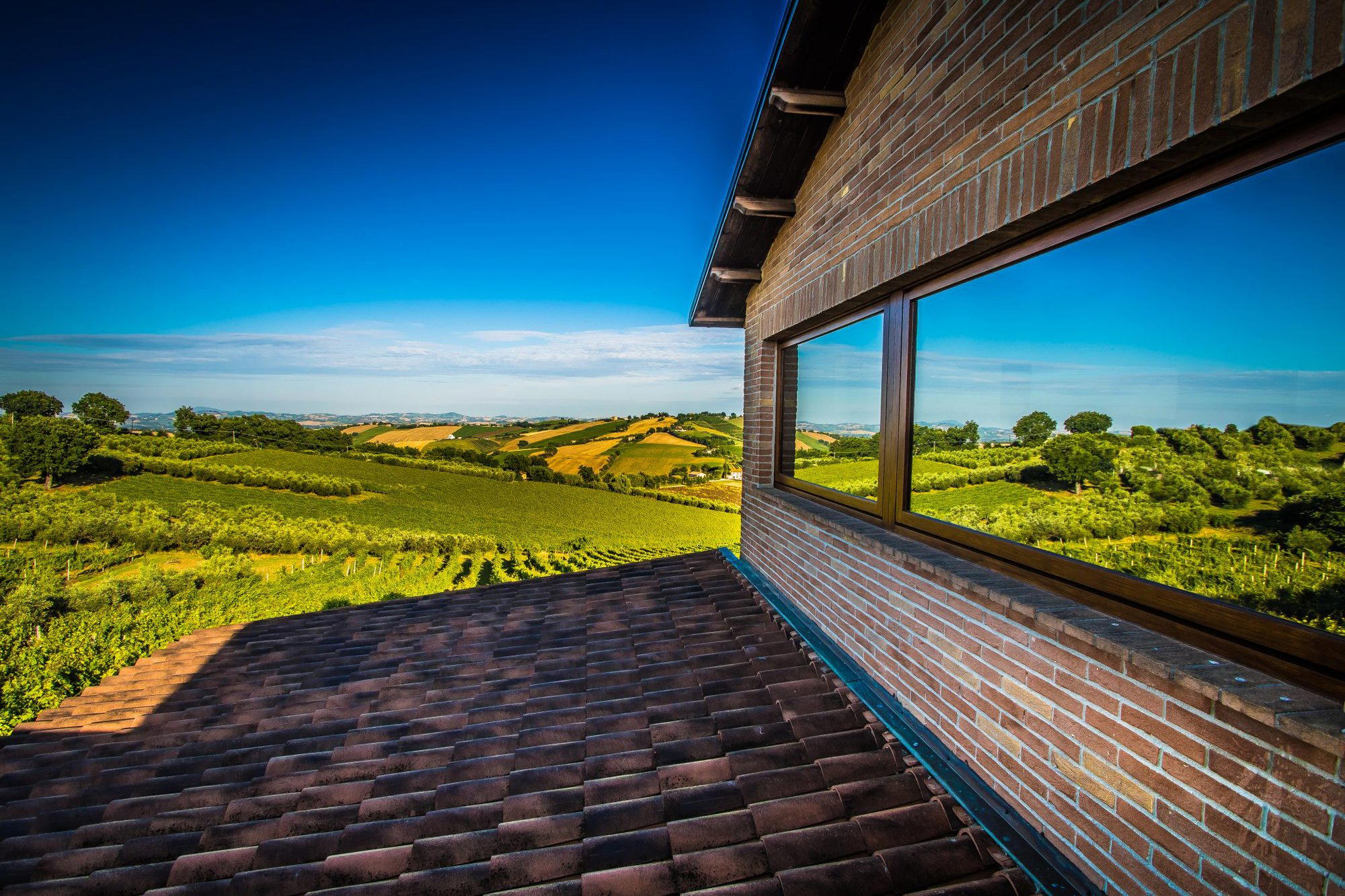
The road into Osimo climbs through a sequence of low hills that look, at first glance, like a gentler version of the Tuscan interior. Look east, though, and the Adriatic is never far from view, and it is that proximity — the saline air, the brightness of the light, the diurnal swings moderated by coastal influence — that explains why the Marche produces white wines with a structural precision that few other Italian regions can replicate. Umani Ronchi, based at Via Adriatica 12 in Osimo, sits at the centre of this argument. The address is almost programmatic: the Adriatic is not background scenery here but a direct participant in the character of every bottle.
In a regional context dominated by Verdicchio dei Castelli di Jesi and Montepulciano d'Abruzzo to the south, Umani Ronchi occupies a specific position: an estate large enough to work across multiple appellations, Verdicchio, Conero, and Pecorino among them, but with a winemaking record that places it in a different competitive tier from bulk-production Marche houses.
Terroir Before Everything
Central Italian viticulture is, in broad terms, a conversation between clay-limestone subsoils, continental temperature swings, and the particular character of indigenous varieties. In the Marche, that conversation has a distinct accent. Verdicchio, the region's signature white grape, is not a neutral vehicle. It carries a natural bitterness at the finish, a quality that some producers sand down and others choose to preserve as a marker of place. The more serious houses treat that bitter edge as an argument for food pairing and ageing potential rather than an obstacle to early drinkability.
Montepulciano in the Conero zone tells a different story. On the volcanic-influenced soils of Monte Conero, the variety acquires a density and tannic grip that distinguishes it from the same grape grown on flatter, more fertile ground further south. The altitude variation across even a single estate can produce measurably different ripening windows, which is why single-vineyard bottlings from this zone carry genuine site-specific meaning rather than serving as a marketing category. Estates with the viticultural depth to express those differences credibly, rather than blending them out, are the ones attracting serious collector attention. For context on how similar terroir-driven commitments play out in other Italian regions, the approach at Castello di Volpaia in Radda in Chianti and Lungarotti in Torgiano offers useful comparative framing.
The Marche in the Italian Wine Hierarchy
For most of the twentieth century, the Marche functioned as a supplier region, a source of inexpensive Verdicchio in amphora-shaped bottles, pleasant enough but rarely discussed in the same breath as Barolo or Brunello. That began to change as producers in the region invested in lower yields, better cellar technology, and a more serious engagement with their own indigenous varieties. The shift mirrors patterns visible across Italy during the 1980s and 1990s, when a generation of winemakers in regions from Piedmont to Sicily began treating local grapes as competitive assets rather than liabilities.
Umani Ronchi was among the Marche estates that participated in that re-evaluation. By the time Italian wine criticism had developed a serious infrastructure for assessing central Italian whites, the estate's Verdicchio bottlings were appearing in the kind of international coverage that established the region's credibility beyond domestic consumption.
The Marche also sits in an interesting competitive relationship with Umbria, where Lungarotti in Torgiano and Montalcino-adjacent producers like those found at L'Enoteca Banfi and Poggio Antico have built international followings on the back of Sangiovese-dominant programs. The Marche offers a different proposition: indigenous whites with structural complexity and reds that draw on a variety, Montepulciano, largely absent from the prestige conversation until relatively recently.
Osimo as a Wine Town
Osimo itself is a medieval hill town of approximately 35,000 residents in the province of Ancona, positioned roughly 20 kilometres south of Ancona city and about the same distance from the Adriatic coast. The town is not a wine-tourism destination in the way that Montalcino or Barolo are, there is no established circuit of enoteca, producer, and restaurant built around a single famous appellation. What it offers instead is a less mediated version of wine country: working estates embedded in an agricultural landscape that has not been reshaped primarily for visitor convenience.
For visitors arriving from outside the region, Ancona's airport provides the most direct access, with the drive to Osimo taking under 30 minutes. Trains from Rome reach Ancona in under three hours on faster services, placing Osimo within a plausible day-trip range from the capital for serious wine itineraries. Those building a broader central Italian wine trip can read more in our full Osimo restaurants guide.
How Umani Ronchi Sits Among Its Peers
Within the Marche, the estate occupies the tier where production scale and critical recognition overlap, large enough to maintain export relationships across multiple markets, recognised enough to attract collectors rather than just casual buyers. That combination is less common than it sounds: Italian wine is full of estates that achieve critical notice at tiny volumes, and others that achieve export scale without critical traction.
Comparison with producers in other Italian appellations who have navigated similar territory is instructive. Castello di Volpaia in Chianti Classico and Lungarotti in Umbria both built reputations as mid-to-large estates with serious quality credentials in regions that were, at the time of their rise, also underestimated. The Marche is at an analogous moment, and estates with institutional recognition are well placed if broader critical attention continues to follow.
For those whose Italian wine interests extend beyond still wine, the country's distilling tradition offers a parallel avenue of exploration: Nonino Distillery in Pavia di Udine, Distilleria Marzadro in Nogaredo, Distilleria Romano Levi in Neive, and Poli Distillerie in Schiavon each represent distinct regional expressions of grappa culture that complement a serious engagement with Italian viticulture. International spirits comparison can also be drawn with Campari in Milan and single-malt producers such as Aberlour for those mapping the full spectrum of terroir-driven production across categories. Further afield, Accendo Cellars in St. Helena offers a California counterpoint to Italian site-expression philosophy.
Planning a Visit
Given the limited publicly available data on current opening hours and booking protocols for Umani Ronchi, direct contact with the estate before travelling is advisable. The address, Via Adriatica 12, Osimo, is confirmed, and the estate is reachable from Ancona within a short drive. Visitors building a Marche wine itinerary should treat Osimo as a base from which to access both the Conero and Castelli di Jesi zones, as the geography of the two appellations makes single-day coverage of both achievable with a car. The region rewards unhurried itineraries: the hill towns are compact, the agricultural landscape is underdeveloped for mass tourism, and the wine-to-recognition ratio remains in the visitor's favour.
Comparable Spots, Quickly
Comparable venues nearby, for context on price, style, and recognition.
| Venue | Cuisine | Price | Awards | Notes |
|---|---|---|---|---|
| Umani RonchiThis venue — the venue you are viewing | Verdicchio, Montepulciano | Not listed | Falstaff Winery - 4 Stars | Not listed |
| Tenuta Sette Ponti | Sangiovese, Merlot | Not listed | Falstaff Winery - 5 Stars | Castiglion Fibocchi |
| Marchesi de’ Frescobaldi | Sangiovese, Merlot | $50–100 | Falstaff Winery - 5 Stars | Chianti Rufina |
| Stock Spirits (Stock 84) | Winery | Not listed | Not listed | Trieste |
| Antoniotti Odilio | Nebbiolo, Croatina | Not listed | Not listed | Casa del Bosco (Sostegno) |
| Famiglia Cotarella (Falesco) | Merlot, Roscetto | $20–30 | Falstaff Winery - 4 Stars | Montefiascone |
Recognition history
Dated appearances from independent guides and award organizations, with the underlying list record or original source where available.
Falstaff Winery - 4 Stars
Falstaff

Details
- Classic
- Elegant
- Rustic
- Sophisticated
- Wine Education
- Special Occasion
- Group Outing
- Vineyard Tour
- Barrel Room
- Estate Grounds
- Organic
- Vineyard
- Garden
- Verdicchio
- Montepulciano
- Chardonnay
- Pecorino
- Lacrima
- Still White
- Still Red
- Sparkling
- Cave Tasting
- Private Tasting
- English
- Italian
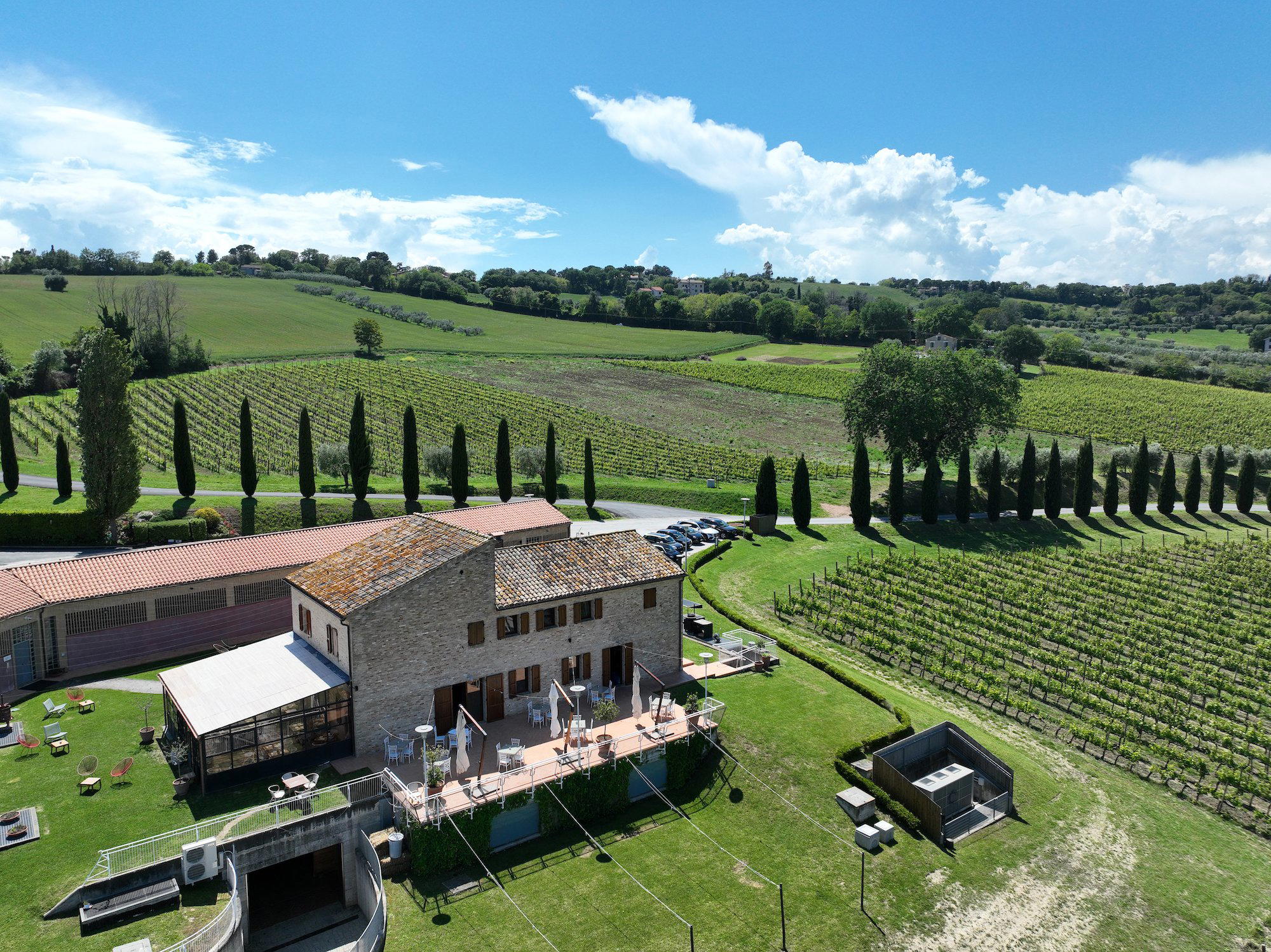
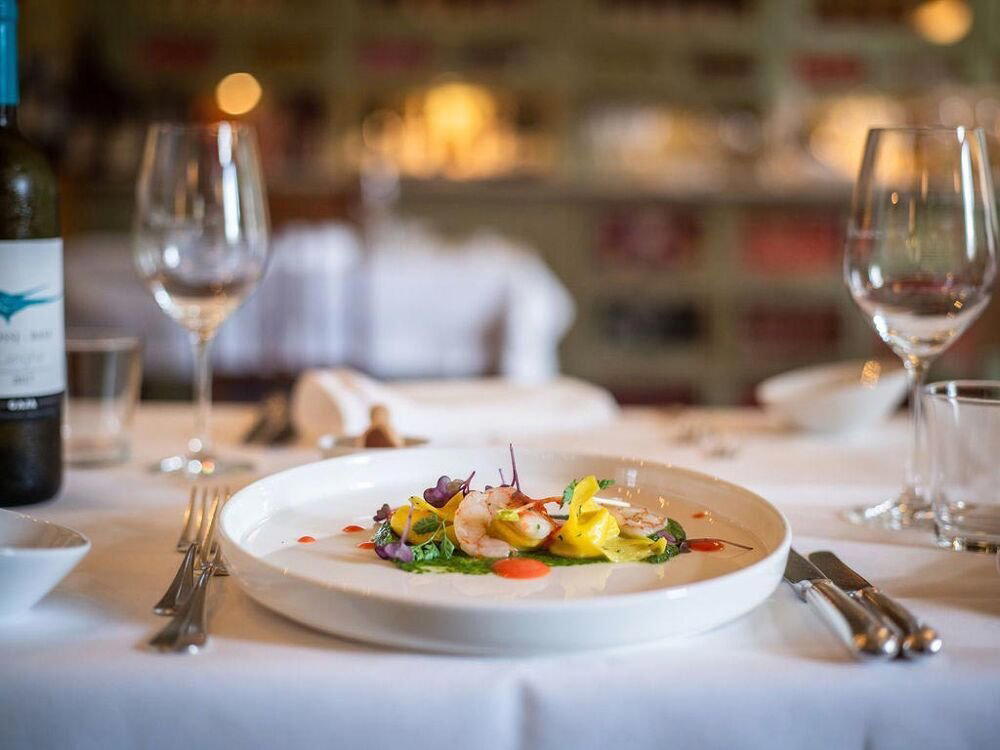
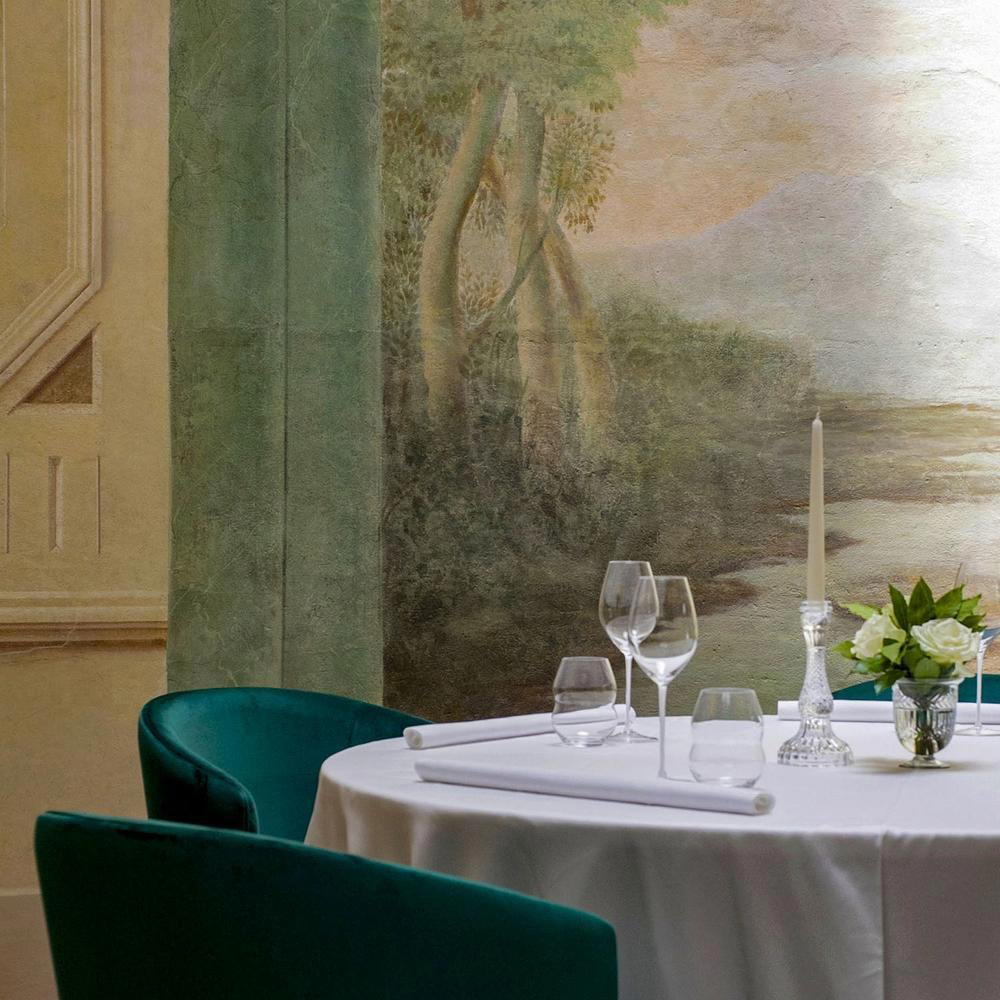
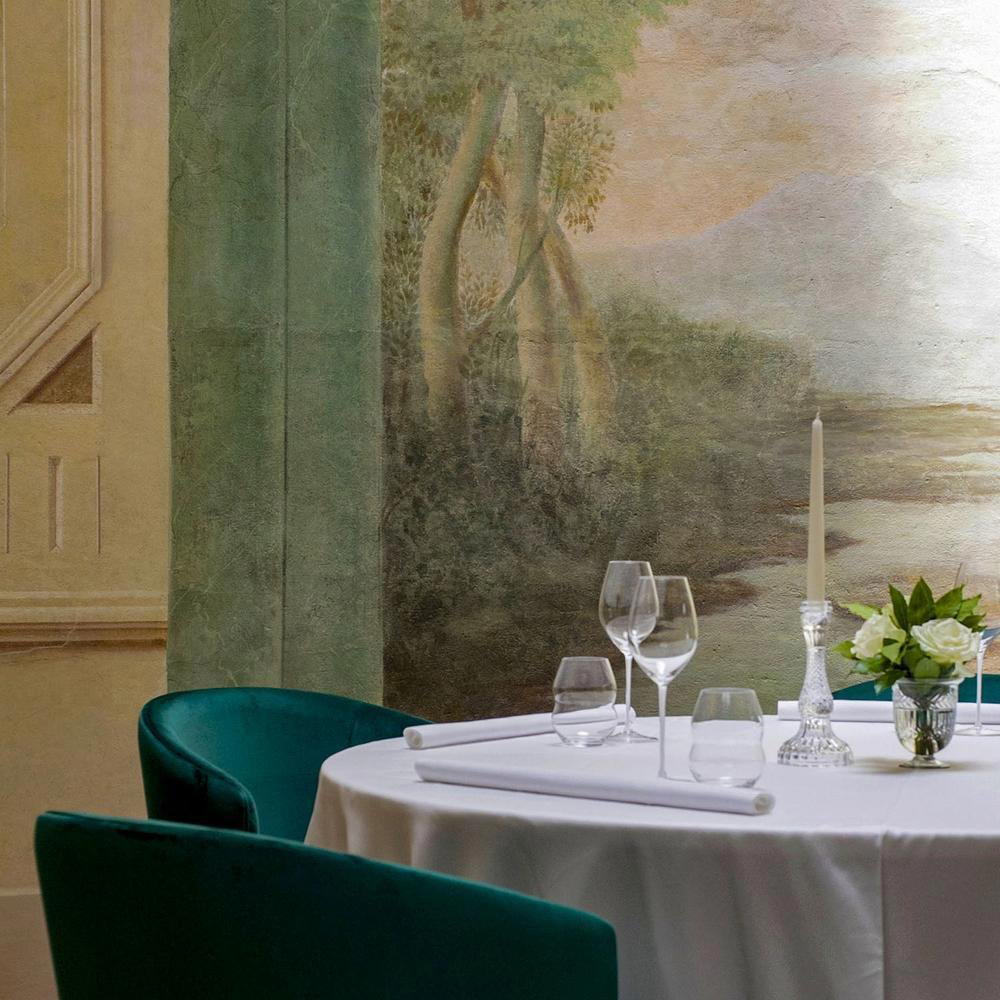
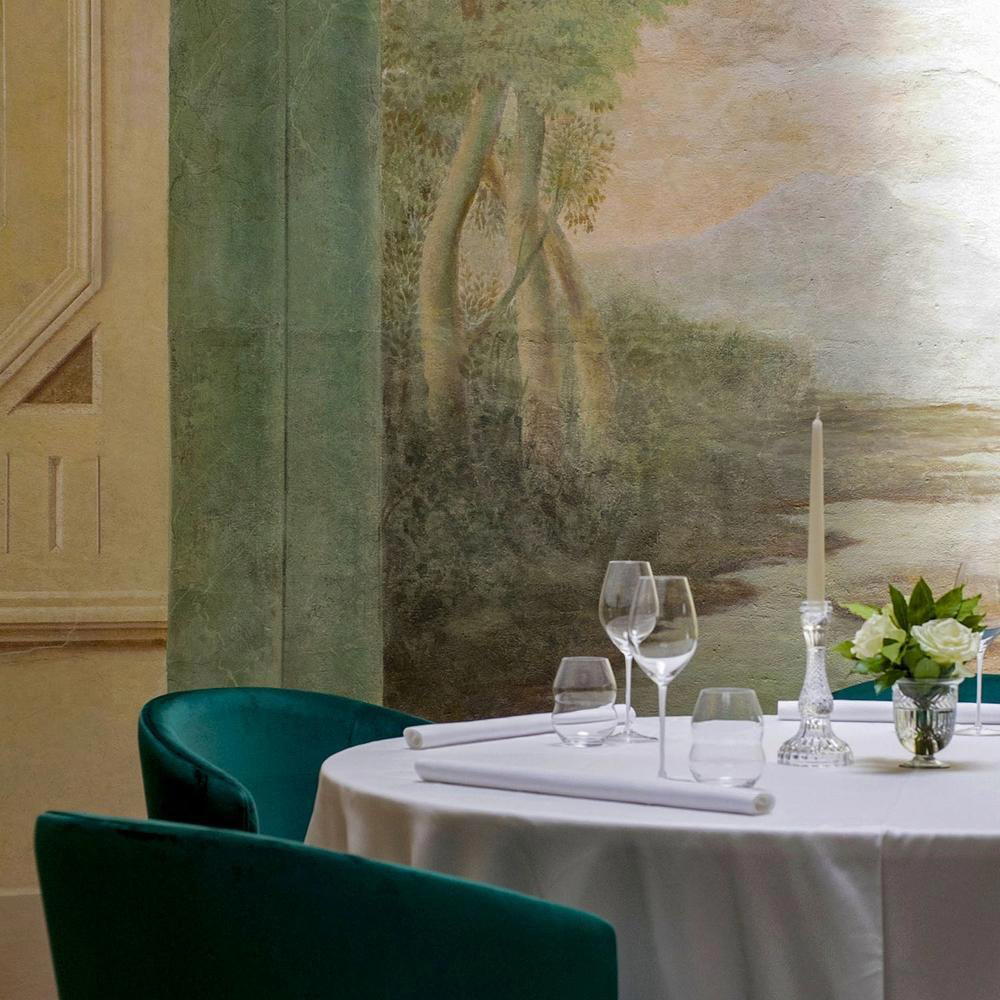
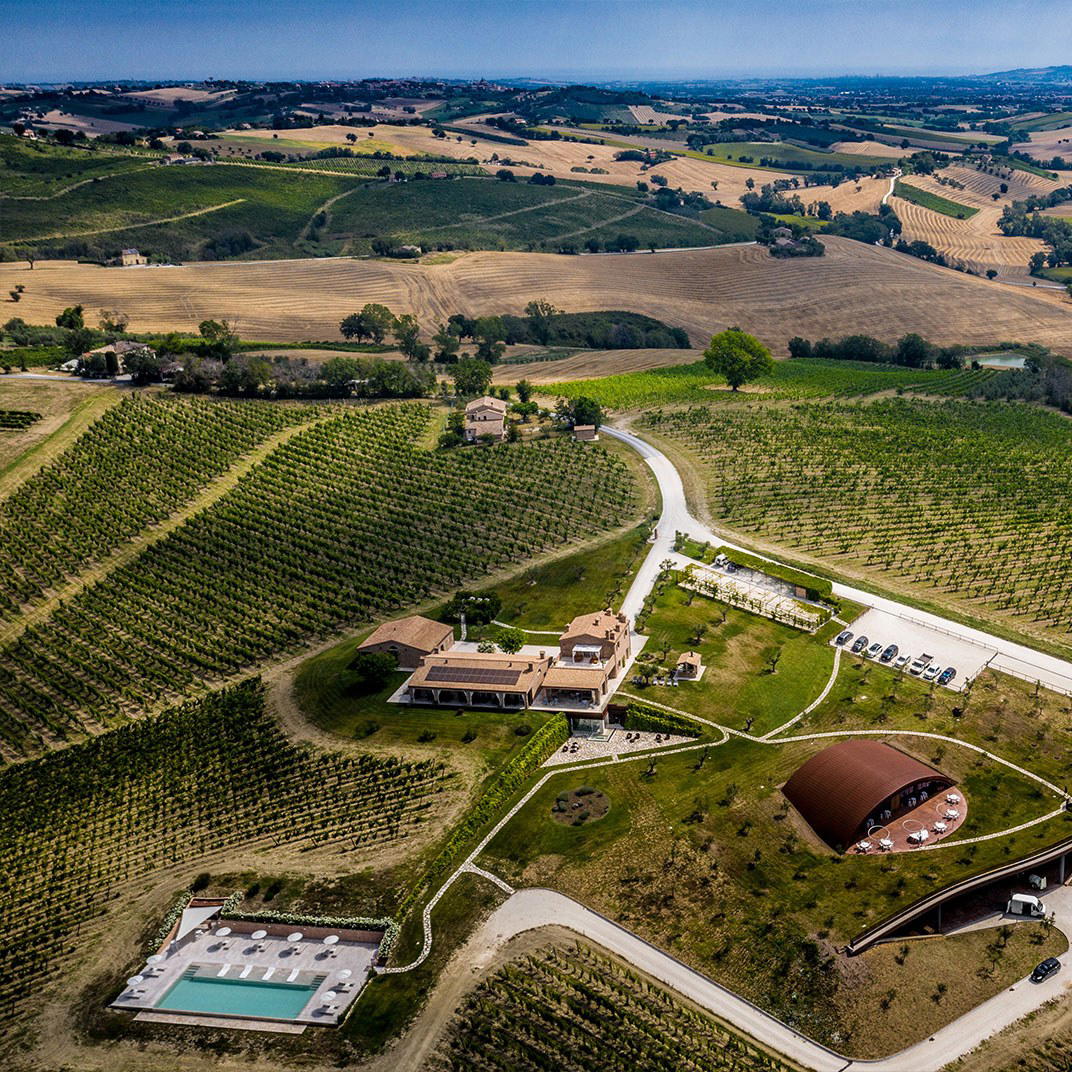
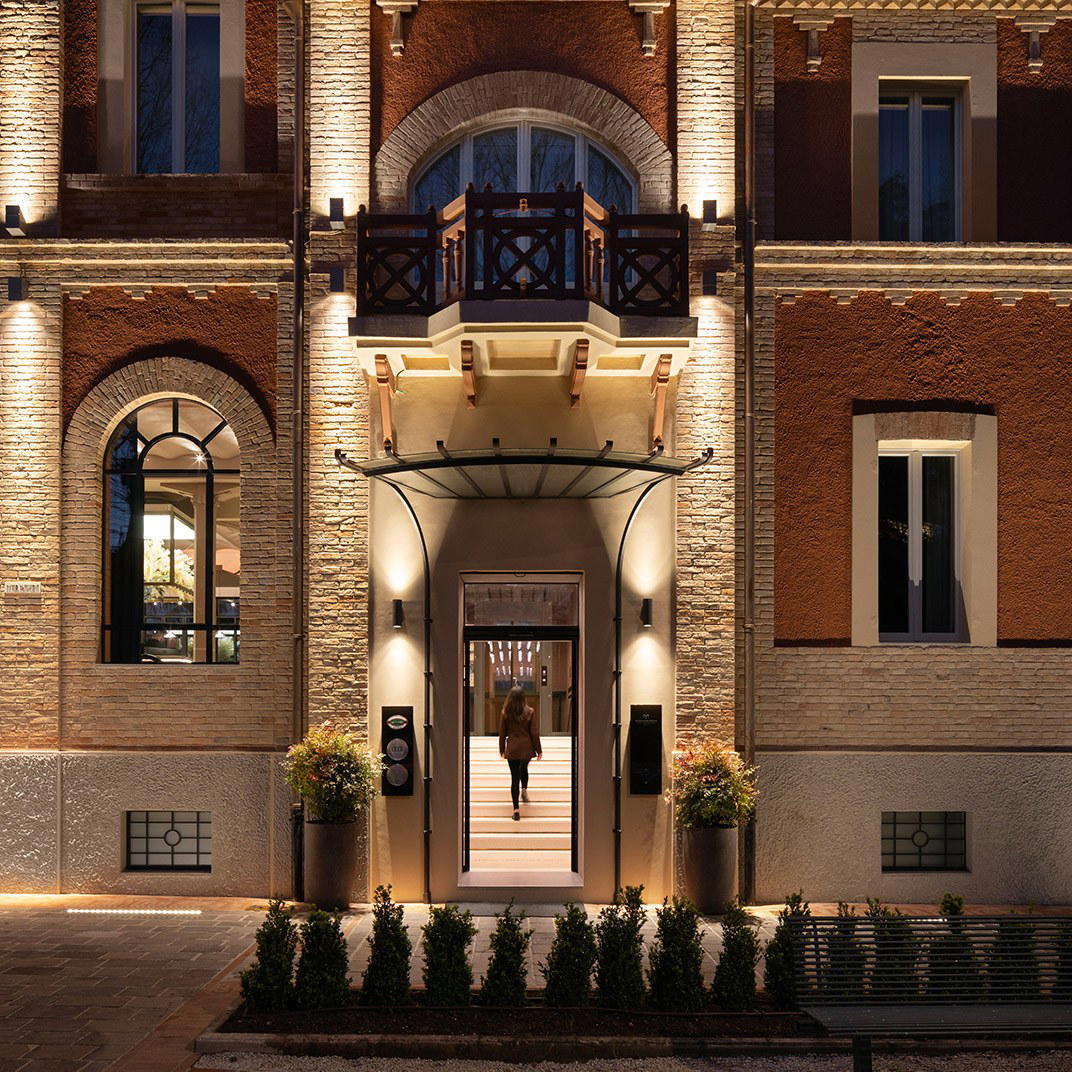
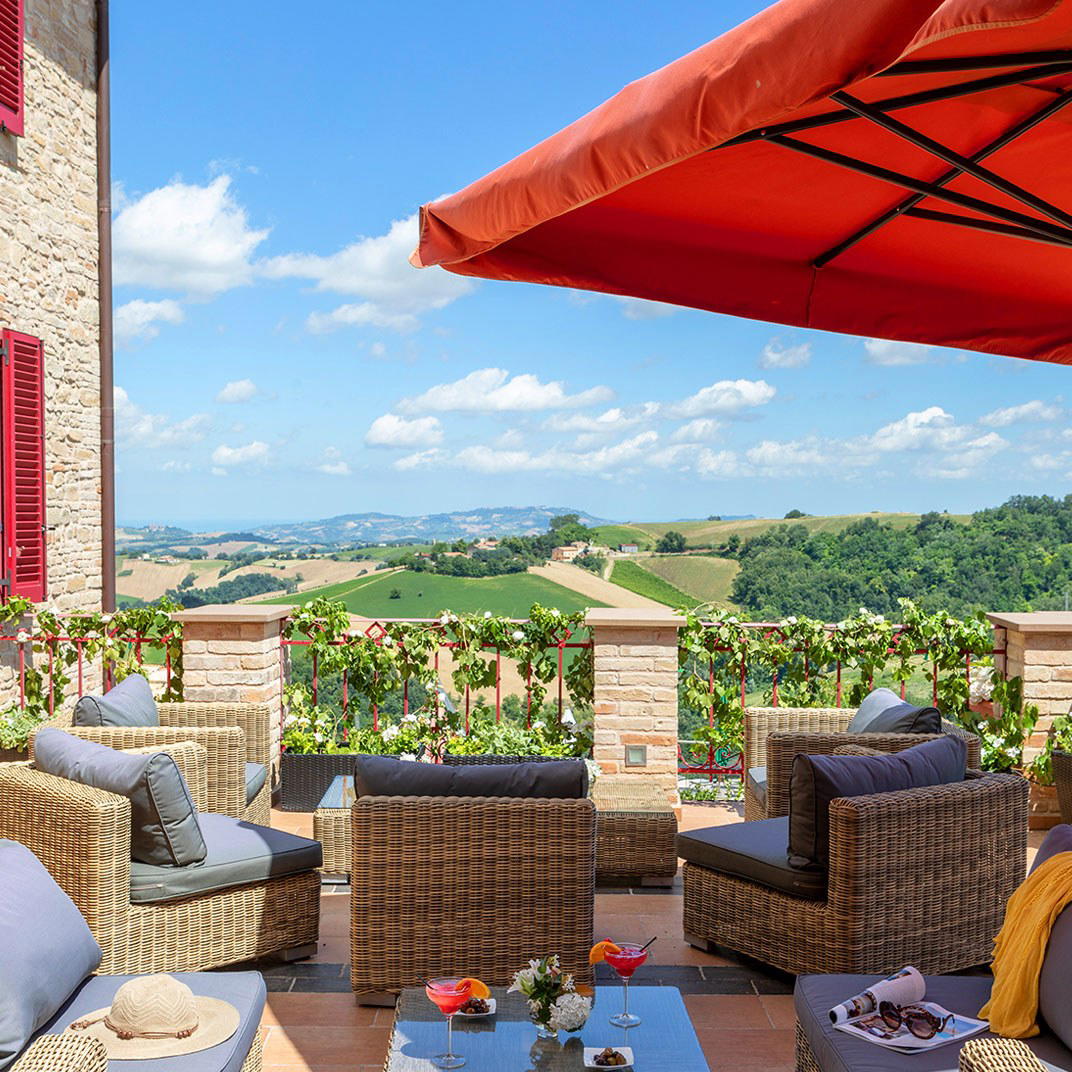
Professional and meticulous winery atmosphere focused on quality winemaking with modern facilities amid historic hillside vineyards.