
Falstaff Winery - 4 Stars
Bodegas Roda occupies a distinct position in Haro's wine quarter, translating the Rioja Alta's clay-rich soils and continental climate into structured, age-worthy Tempranillo. For those tracing the expression of place through Rioja's most serious terroirs, Roda is a considered stop.

Pearl is the En Primeur Club membership app — saves, bookings, and concierge access live there. Same editors, same standards.
- Address
- Av. Vizcaya, 5, 26200 Haro, La Rioja
- Phone
- +34 941 30 30 01
- Website
- roda.es
- Directions
- Get directions
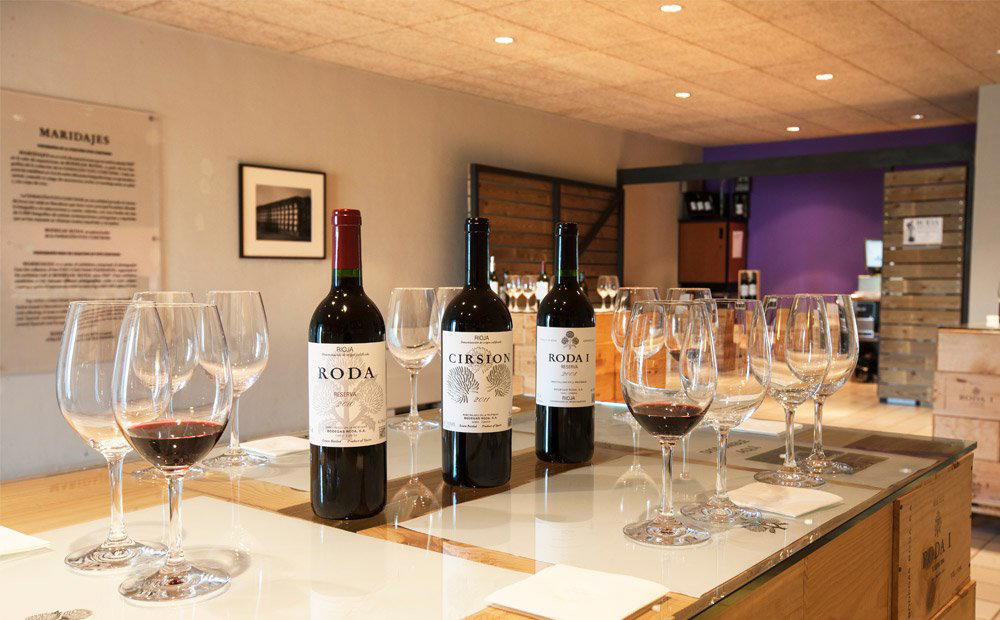
Where the Rioja Alta's Soils Find Their Voice
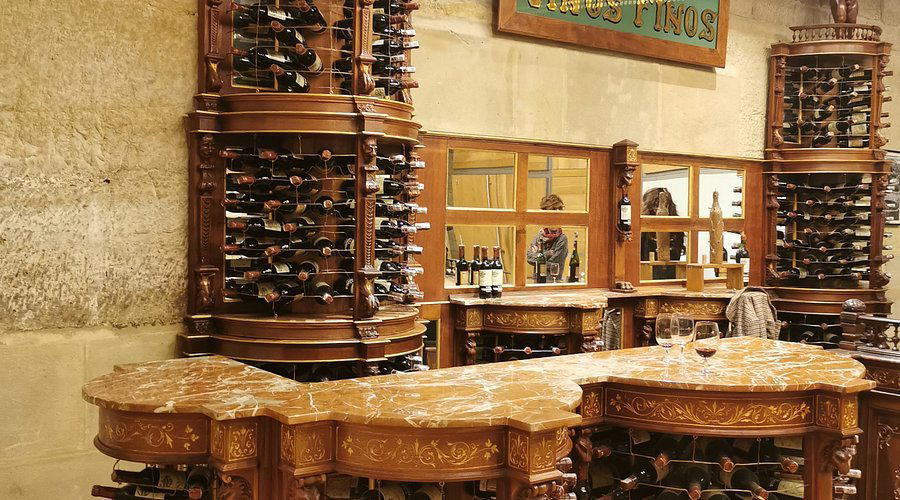
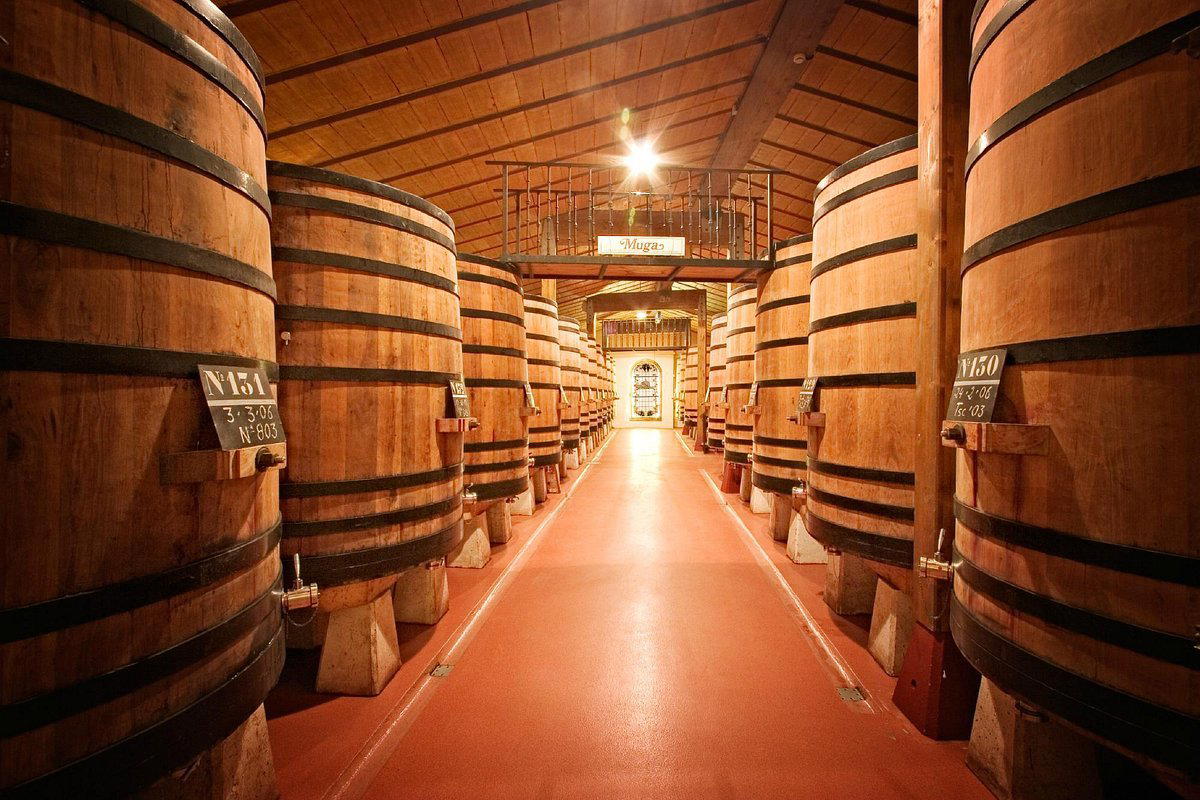
Haro's wine quarter — the Barrio de la Estación — is one of the more concentrated winemaking districts in Spain. Within a few hundred metres of the old railway station, several of the country's most significant Rioja producers operate from 19th-century bodegas, their cellars running deep into the hillside, their barrels stacked in cool stone galleries that smell of oak and slow time. Bodegas Roda sits within this framework, a producer whose identity is rooted firmly in the character of Rioja Alta's terrain rather than in the stylistic fashions that have periodically moved through the appellation. That grounding, in soil type, elevation, and the particular rhythm of continental climate at altitude, defines what the wines communicate.
The Rioja Alta subzone works differently from its neighbours. Cooler temperatures, higher rainfall than Rioja Oriental, and the moderating influence of the Cantabrian mountains produce fruit that builds structure gradually over a long growing season. Clay-limestone soils retain moisture without waterlogging roots, and the Tempranillo grape here tends toward finesse over extraction, with acidity levels that allow wines to cellar without losing their architecture. Bodegas Roda's approach aligns with this natural tendency: the wines aim to express the vineyard rather than override it with winemaking intervention.
The Haro Station Quarter in Context
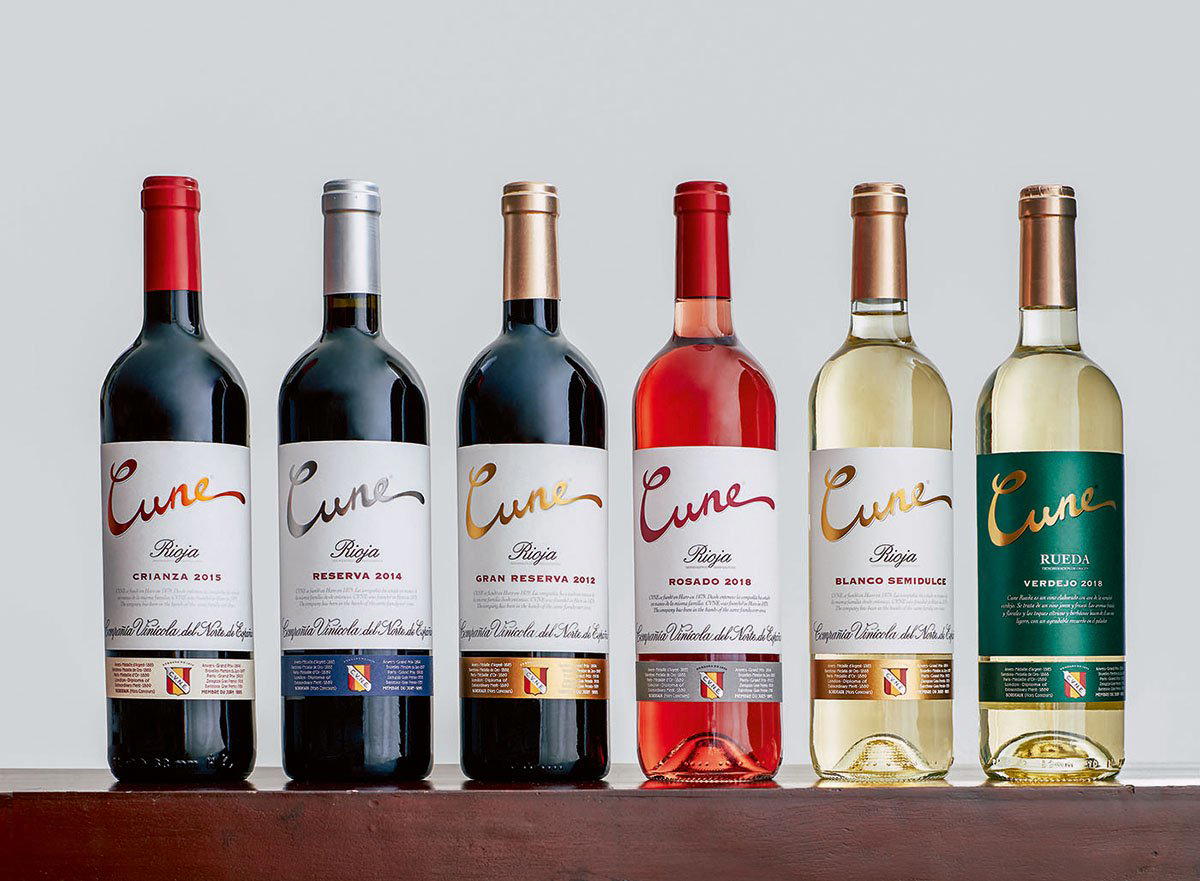
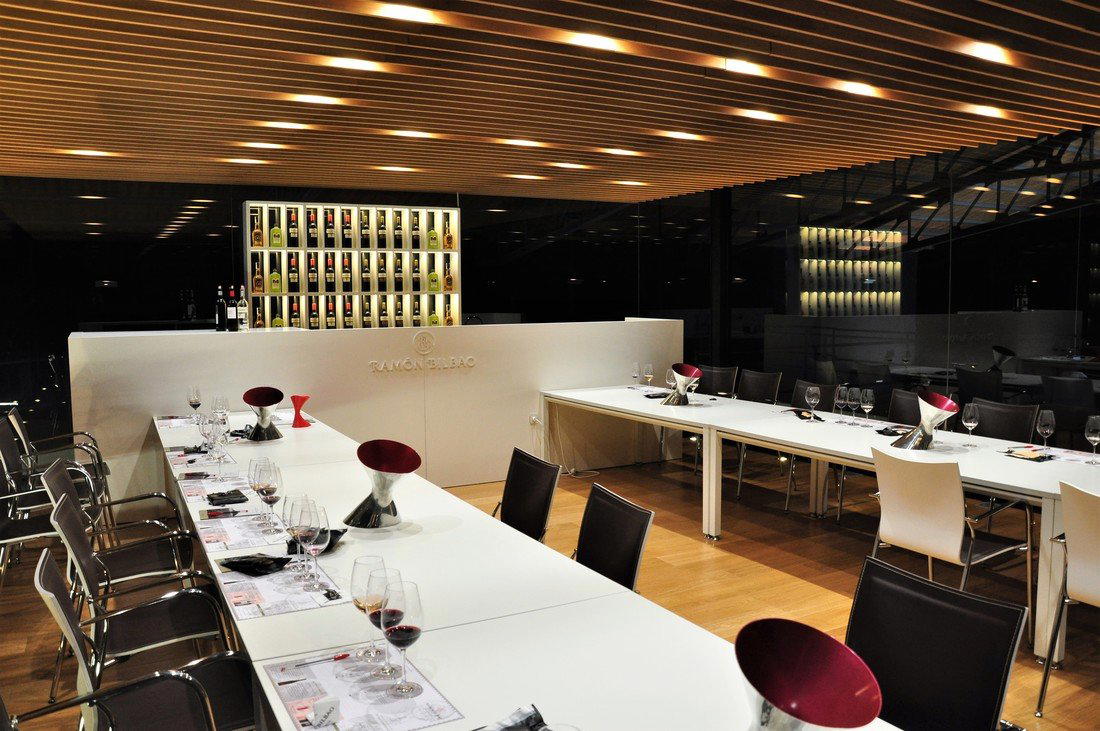
To understand where Roda sits in the broader Haro scene, it helps to map the district's range. López de Heredia (Viña Tondonia) is the quarter's most traditional house, ageing wines for decades under a deliberately oxidative, pre-modern philosophy. Bodegas Muga sits in the craft-traditional tier, known for its cooperage work and old-vine sourcing. La Rioja Alta and CVNE (Cune) both carry century-long histories and produce across a wide range of quality levels. Ramón Bilbao has moved in a more commercially scaled direction in recent decades.
Roda occupies its own position within this spectrum: a producer that arrived in Haro later than the historic estates but has built a reputation on selected old-vine parcels and a deliberate focus on single-site and single-variety expression. Practically speaking, visiting the Barrio de la Estación is most productive as a half-day exercise: the bodegas cluster closely enough to walk between, and advance contact is advisable at most houses, Roda included, before arriving on Avenida Vizcaya.
Terroir as the Central Argument
The dominant editorial case for Bodegas Roda is a terroir argument. Across Spain's serious wine regions, there has been a generational move toward site-specific production, away from blended regional expressions toward wines that make a coherent claim about a particular vineyard, soil composition, or altitude. In Rioja Alta, that shift has been slower than in, say, the Priorat or Ribera del Duero, partly because the appellation's commercial scale incentivises blending, and partly because the classic Rioja model, long oak ageing, house-style blending across vintages, is itself a form of terroir mediation rather than terroir expression.
Roda sits on the more territory-expressive side of that tension. The wines prioritise vine age and specific parcel selection, which in the Rioja Alta context means engaging directly with the soils of the Ebro basin's southern slopes: clay content that varies plot by plot, limestone beneath it that determines drainage, and aspect angles that shift ripening timing by days. These variables are not merely technical footnotes, they determine whether a Tempranillo from this area carries the herbal, iron-edged quality that distinguishes serious Rioja Alta from the softer, fruitier profile of the east. Producers elsewhere in Spain working with similar precision include Clos Mogador in Gratallops and Bodegas Protos in Peñafiel, both of whom treat terroir as the primary editorial statement of their labels.
Reading Roda Against Broader Spanish Wine
Within the wider architecture of Spanish fine wine, Haro-based producers occupy an interesting position: they benefit from one of the country's most internationally recognised appellations, but they also compete for attention against a growing tier of estate producers in lesser-known regions who are making terroir arguments with smaller volumes and sharper price-to-quality ratios. Emilio Moro in Pesquera de Duero and Marqués de Cáceres in Cenicero both illustrate how regional identity within Spain can cut differently depending on whether a producer leans into appellation heritage or builds its own estate-driven narrative.
That expectation shapes the kind of visit worth planning: this is not a bodega for a quick drop-in and a glass at the bar, but for a structured tasting that gives the wines time to open and allows the technical context, parcel selection, oak regime, vintage variation, to inform what is in the glass. For a comparable level of seriousness within a different Spanish region, Lustau in Jerez de la Frontera operates at a similar level of craft depth, though through an entirely different set of traditions.
Planning a Visit to Haro
Haro is a compact town of around 12,000 people in northern La Rioja, reached most practically by car from Logroño (roughly 45 kilometres west) or from Bilbao via the AP-68 motorway. The Barrio de la Estación is signposted from the town centre and takes under ten minutes to walk from the main plaza. Bodegas Roda's address is Avenida Vizcaya 5, and as with most serious producers in the district, scheduling ahead rather than arriving without notice is the appropriate approach. For a broader map of what to eat and drink across the town, our full Haro restaurants and wineries guide covers the range from the Station Quarter to the old town pintxos bars.
Those building a wider tour of Spanish wine production might pair a Haro visit with stops at Codorníu in Sant Sadurní d'Anoia, Marqués de Griñón in Malpica de Tajo, or Accendo Cellars in St. Helena for a comparative look at how old-vine Tempranillo and Cabernet-based wines perform across different continental climates. For those whose interests extend to distillation alongside viticulture, Aberlour in Aberlour offers a useful lens on how a different tradition, Speyside whisky, approaches the same question of climate and site as determinants of flavour.
How It Stacks Up
Comparable venues nearby, for context on price, style, and recognition.
| Venue | Cuisine | Price | Awards | Notes |
|---|---|---|---|---|
| Bodegas RodaThis venue — the venue you are viewing | Tempranillo, Graciano | $50–100 | Falstaff Winery - 4 Stars | Not listed |
| Ramón Bilbao | Tempranillo, Garnacha | Not listed | Falstaff Winery - 3 Stars | Haro |
| CVNE (Cune) | Tempranillo, Viura | Not listed | Not listed | Barrio de la Estación |
| La Rioja Alta | Tempranillo, Garnacha | Not listed | Falstaff Winery - 5 Stars | Barrio de la Estación |
| Bodegas Muga | Tempranillo, Garnacha | Not listed | World's 50 Best #53 · Falstaff Winery - 4 Stars | Barrio de la Estación |
| López de Heredia (Viña Tondonia) | Tempranillo, Garnacha | Not listed | World's 50 Best #3 · Falstaff Winery - 5 Stars | Barrio de la Estación |
Recognition history
Dated appearances from independent guides and award organizations, with the underlying list record or original source where available.
Falstaff Winery - 4 Stars
Falstaff
Details
- Elegant
- Sophisticated
- Rustic
- Scenic
- Wine Education
- Special Occasion
- Group Outing
- Barrel Room
- Vineyard Tour
- Terrace
- Historic Building
- Panoramic View
- Sustainable
- Dry Farmed
- Vineyard
- Tempranillo
- Graciano
- Garnacha
- Viura
- Malvasía
- Garnacha Blanca
- Still Red
- Still White
- Guided Tasting
- Private Tasting
- Spanish
- English
- French
- Founded: official source · checked
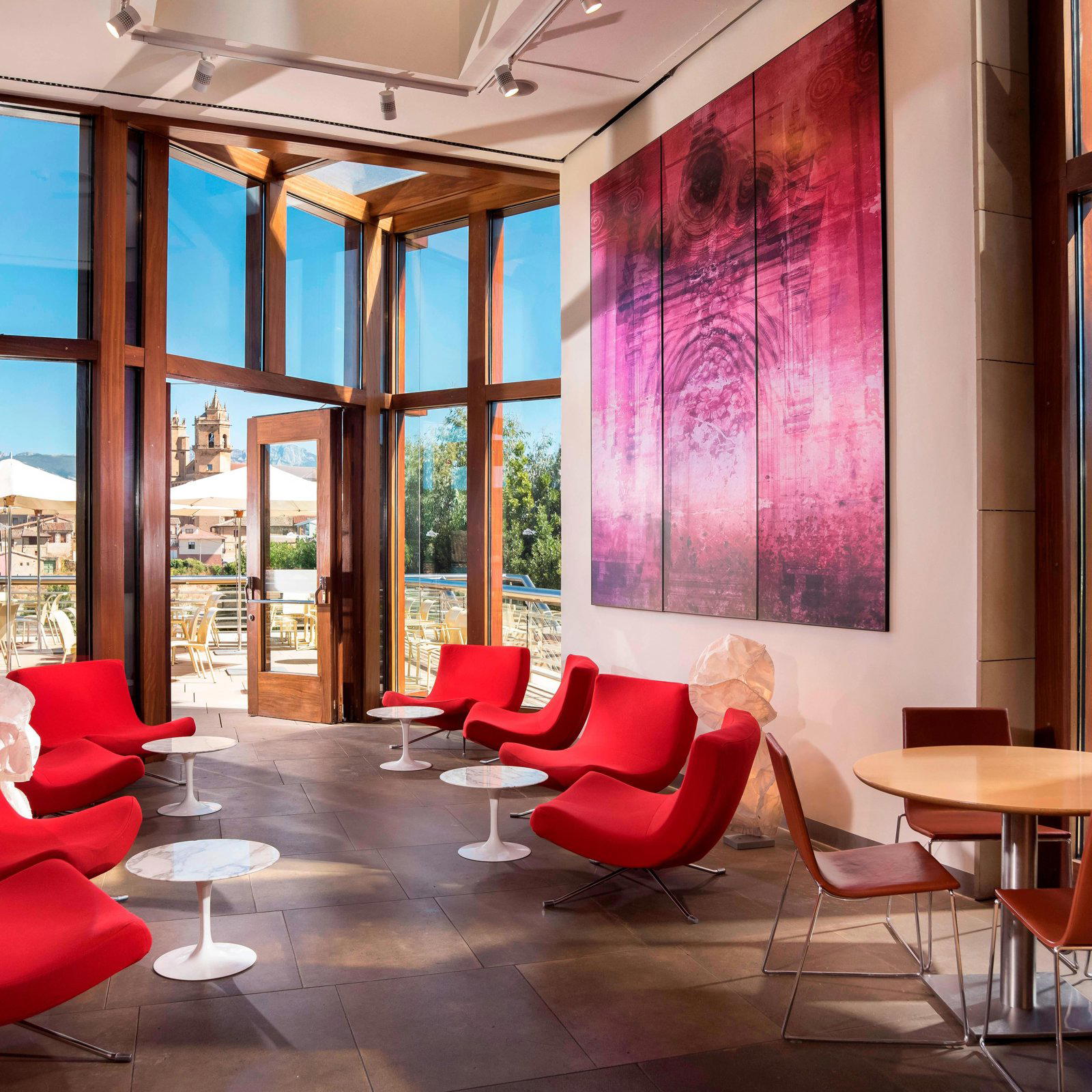
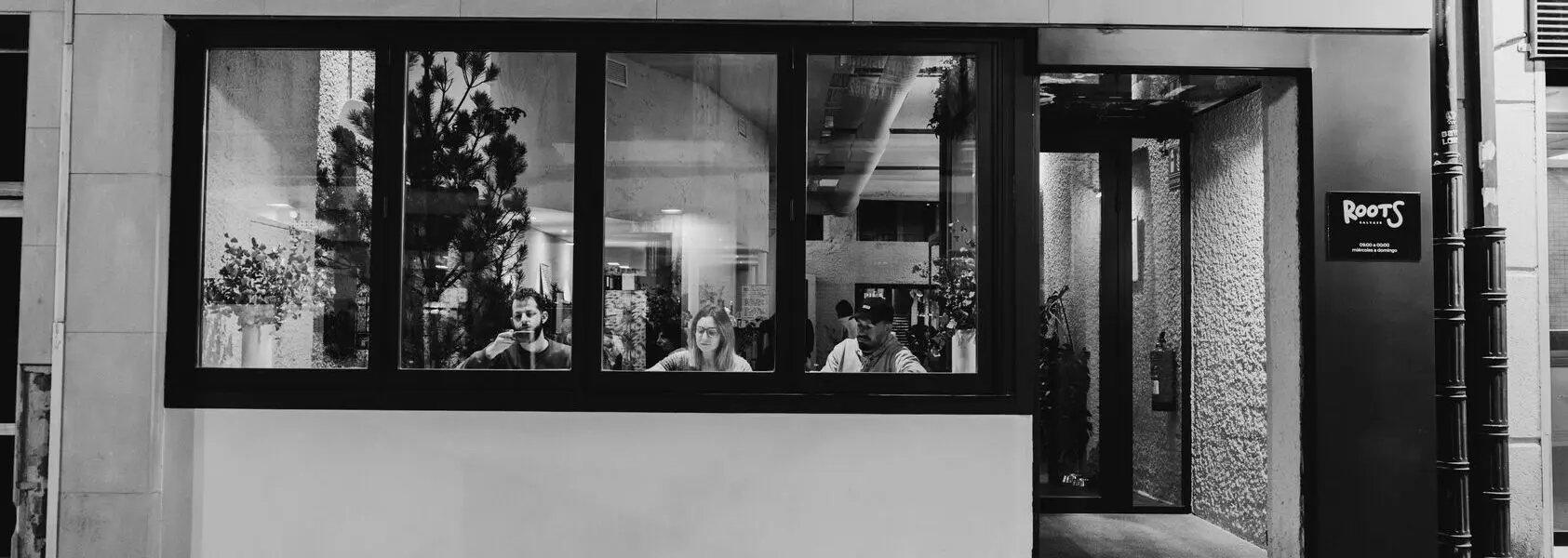
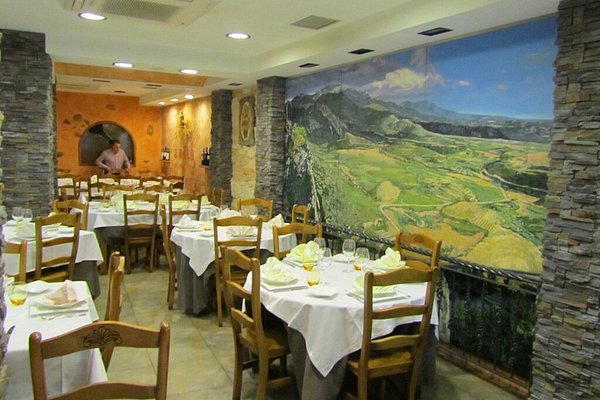
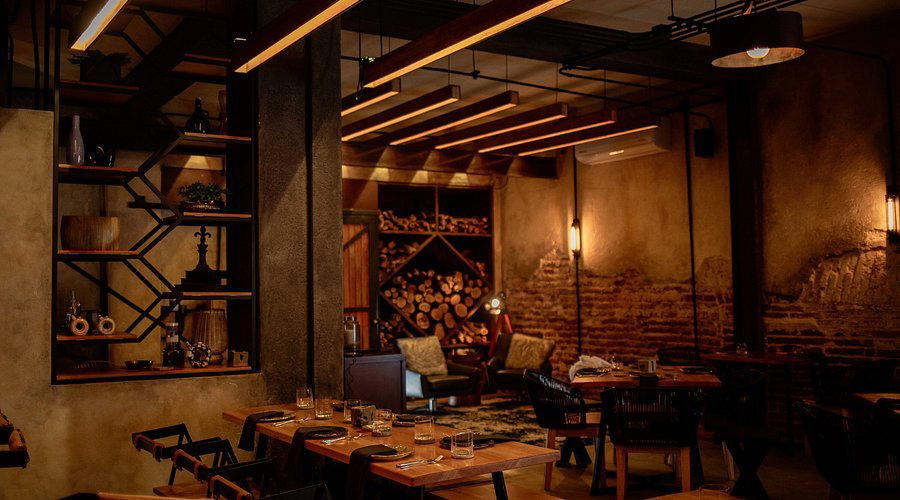
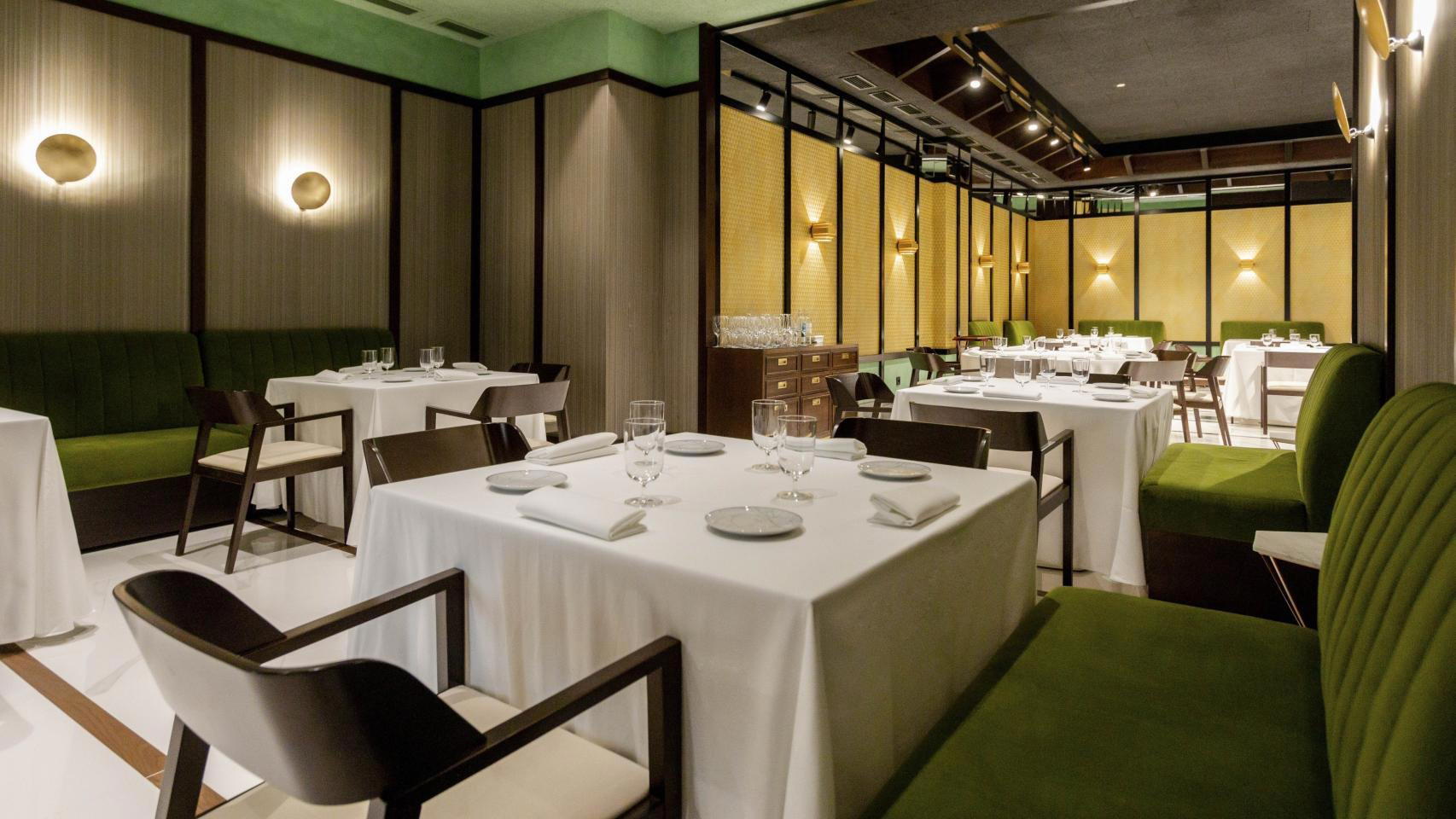
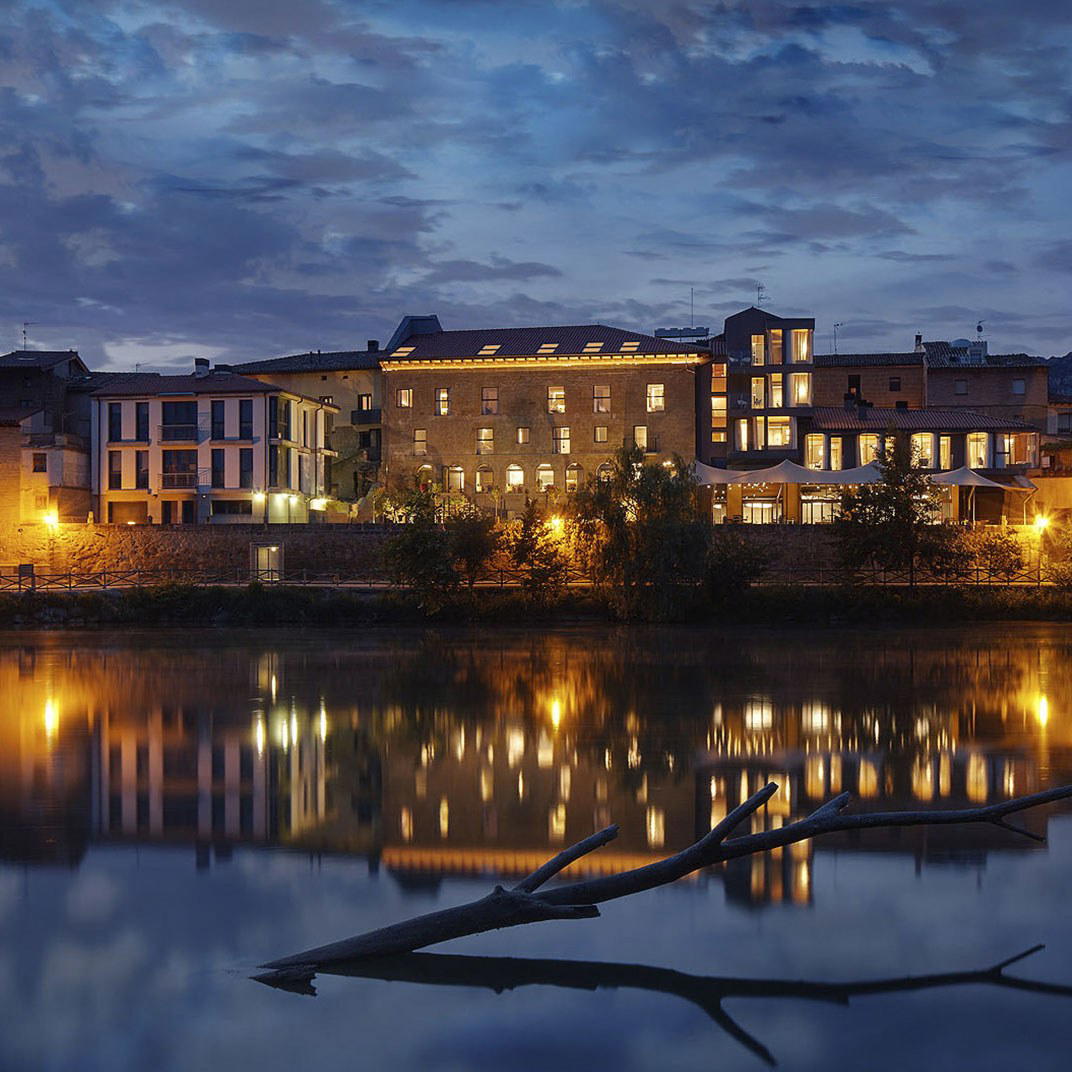
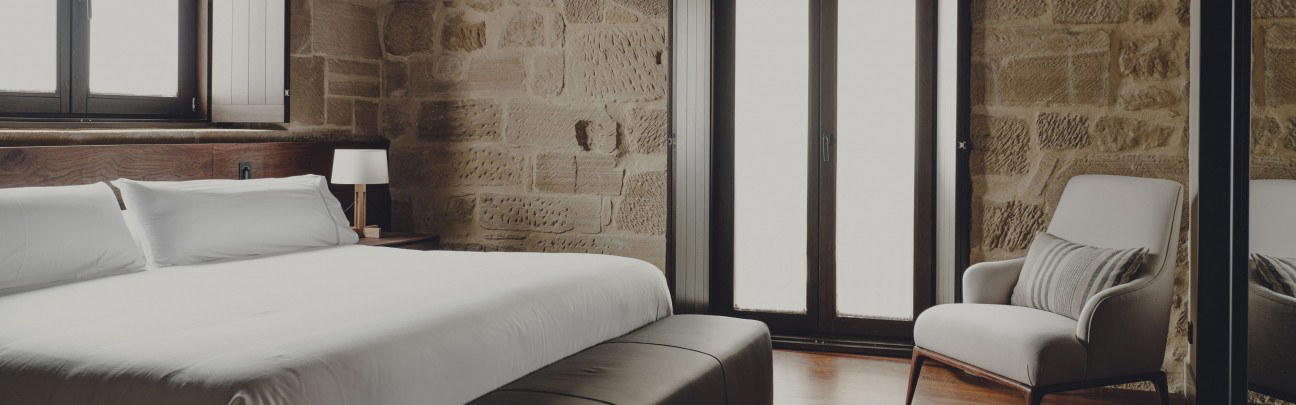
Sophisticated and harmonious with natural lighting from terraces overlooking the Ebro River, geothermal underground cellars, and elegant rock-hewn aging rooms.