Weingut Ludwig Neumayer

Falstaff Winery - 5 Stars
Weingut Ludwig Neumayer operates from the Traisental wine region in Lower Austria, where loess-heavy soils and a continental climate define a distinct house style. For those exploring Lower Austria's smaller appellations beyond the Wachau, Neumayer is a producer that rewards attention.

Pearl is the En Primeur Club membership app — saves, bookings, and concierge access live there. Same editors, same standards.
- Address
- Dorfstraße 37, 3131 Getzersdorf
- Phone
- +43 2782 82985
- Website
- weinvomstein.at
- Directions
- Get directions
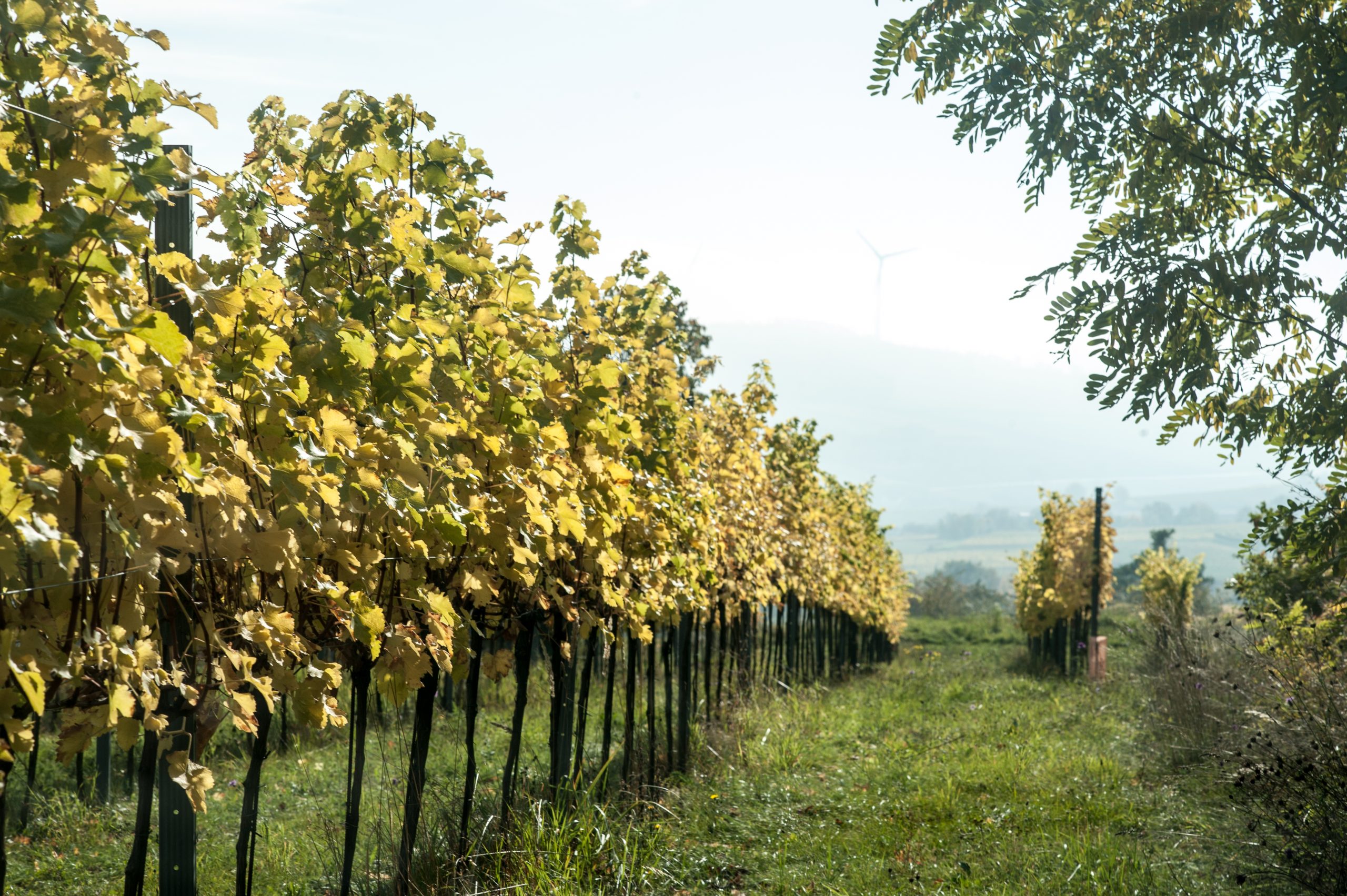
Traisental and the Case for Loess
Lower Austria's wine map is routinely read from west to east: the Wachau's steeply terraced gneis and mica schist, the Kamptal's basalt-inflected vineyards around Langenlois, the Kremstal's river-bend sites. The Traisental sits slightly apart from that tourist circuit, running south from the Danube along the Traisen river valley, and its producers have historically operated without the marketing infrastructure that surrounds the Wachau's celebrated slopes. That relative quiet, however, has not prevented serious winemaking. The soils here are dominated by loess — wind-deposited sediment from the last glacial period — and where loess runs deep, Grüner Veltliner and Riesling gain a textural weight and mineral character that distinguishes Traisental wines from the lighter, fruitier styles produced on lighter soils elsewhere in Lower Austria. Weingut Bründlmayer in Langenlois and Weingut Emmerich Knoll in Dürnstein represent the benchmark Kamptal and Wachau expressions respectively; Neumayer occupies a structurally different position rooted in Traisental's particular geology.
Weingut Ludwig Neumayer and Its Place in the Traisental Tier
The estate is based in Inzersdorf im Traisental, with its registered address on Dorfstraße in nearby Getzersdorf, a pair of small settlements that together sit within the broader Traisental DAC appellation. Austria's DAC (Districtus Austriae Controllatus) system, introduced progressively from 2002 onward, was designed to anchor regional identity to specific grape varieties and site characteristics. For Traisental, that means Grüner Veltliner and Riesling are the primary varieties entitled to carry the appellation name, and producers within the zone have strong commercial and reputational incentives to focus their flagship wines on those two grapes. At the 2 Star Prestige level, the estate sits in peer company with other recognized Austrian producers, though the specifics of what drove the 2025 assessment remain the domain of the award body rather than publicly disclosed tasting notes.
For comparative orientation: Weingut Heinrich Hartl in Oberwaltersdorf and Weingut Kracher in Illmitz represent other awarded Austrian producers operating in different regional and stylistic contexts, with Kracher's Burgenland base making it essentially a different conversation in terms of terroir and variety. Neumayer's Traisental focus is specifically continental, colder winters and warmer summers than Burgenland, with the loess profile creating a different soil-water dynamic than the Neusiedlersee's lake-moderated climate.
What the Soil Argues
Loess soils are not neutral ground. Their particular combination of fine particle size, calcium carbonate content, and water-retention capacity has a measurable effect on vine behavior and ultimately on wine character. Vines planted in deep loess develop root systems that access a relatively consistent moisture reserve, buffering them against summer drought stress in a way that sandy or rocky soils do not. The resulting wines tend toward body and texture rather than nervous acidity as their primary structural mode, though site elevation and aspect can introduce significant variation within any loess-dominant zone. In Traisental specifically, elevations across the DAC area vary enough that producers work with meaningfully different conditions depending on which parcels they farm. The Traisental river valley orientation, running roughly north-south, creates a range of aspect exposures that translate into divergent ripening curves and therefore stylistic range even within a single estate's portfolio.
This matters for how to read Neumayer's wines relative to the broader Austrian canon. Austrian Grüner Veltliner has an international reputation built largely on the Wachau's grand cru sites and the Kamptal's better-known Erste Lage parcels. Those wines carry the weight of critical attention and collector demand. Traisental's producers, Neumayer among them, make wines shaped by the same variety and the same general climate but processed through a different geological argument. The comparison set is not identical, and framing Traisental Grüner Veltliner as simply a cheaper alternative to Wachau misreads what loess actually contributes. Weingut Pittnauer in Gols and Weingut Wohlmuth in Kitzeck similarly demonstrate how Austria's smaller appellations develop their own internal logic rather than merely shadowing the famous names.
Visiting and Planning
Inzersdorf im Traisental sits south of the Danube and west of Vienna, in a part of Lower Austria that sees considerably less tourist foot traffic than the Wachau wine route. That means the area operates at a different rhythm: fewer organized tasting buses, smaller crowds, and a generally direct relationship between visitor and producer. For those driving from Vienna, the Traisental is a manageable day trip, roughly an hour southwest depending on route, and can be combined sensibly with a broader Lower Austrian circuit. The address on record is Dorfstraße 37, 3131 Getzersdorf. As with most small Austrian estates, cellar visits and tastings are typically arranged in advance rather than accommodated as walk-ins, particularly during harvest season in September and October when winery staff are occupied with the vintage. Spring and early summer, when the previous vintage's wines are ready and the new growing season is underway, tends to be a more relaxed window for visits across the Traisental.
For those building a wider Austrian itinerary, the Traisental pairs naturally with the Kremstal and Kamptal to the north, all accessible from a Krems base. Alternatively, the Lower Austrian wine country as a whole, including producers like those in our full Inzersdorf restaurants guide, rewards a multi-day approach rather than a rushed single-day circuit.
The Broader Austrian Producer Landscape This Fits Into
Austria's wine production is dominated by a small number of internationally recognized appellations and an even smaller number of producer names that travel reliably in export markets. Below that tier sits a substantial body of serious producers working in appellations that export lists underrepresent, Traisental among them. That gap between appellation visibility and production quality is precisely the condition in which informed buyers and visitors find value, whether in wine terms or in the experience of visiting an estate that operates without the commercial pressure of high tourist volumes.
Other Austrian producers in adjacent regions and styles, including Weingut Scheiblhofer in Andau, demonstrate that award recognition outside the Wachau is neither rare nor derivative. The country's appellation system, now well into its second decade of operation, has produced a generation of producers committed to site-specific winemaking across regions that extend well beyond the famous riverside slopes. Neumayer's place in that generation is confirmed by the 2025 award, even as the specific contours of its portfolio await direct tasting to verify.
For those exploring Austria's producer landscape beyond the obvious first-tier names, or for wine travelers who find the Wachau's summer season overcrowded and overpriced, the Traisental offers a structurally compelling alternative. Vienna's craft producers anchor the eastern end of a Lower Austrian drinks circuit; Neumayer and its Traisental neighbors anchor a quieter, loess-driven chapter in the middle. Other reference points for building context around Austrian craft production include 1310 Spirit of the Country Distillery in Sierning, A. Batch Distillery in Bergheim, Abfindungsbrennerei Franz in Leithaprodersdorf, 1404 Manufacturing Distillery in Sankt Peter-Freienstein, and Aberlour and Accendo Cellars in St. Helena for those mapping premium production across different traditions.
At-a-Glance Comparison
Comparable venues nearby, for context on price, style, and recognition.
| Venue | Cuisine | Price | Awards | Notes |
|---|---|---|---|---|
| Weingut Ludwig NeumayerThis venue — the venue you are viewing | Grüner Veltliner, Riesling | $30–50 | Falstaff Winery - 5 Stars | Not listed |
| Weingut Mantlerhof | Grüner Veltliner, Roter Veltliner | $50–100 | Falstaff Winery - 5 Stars | Gedersdorf |
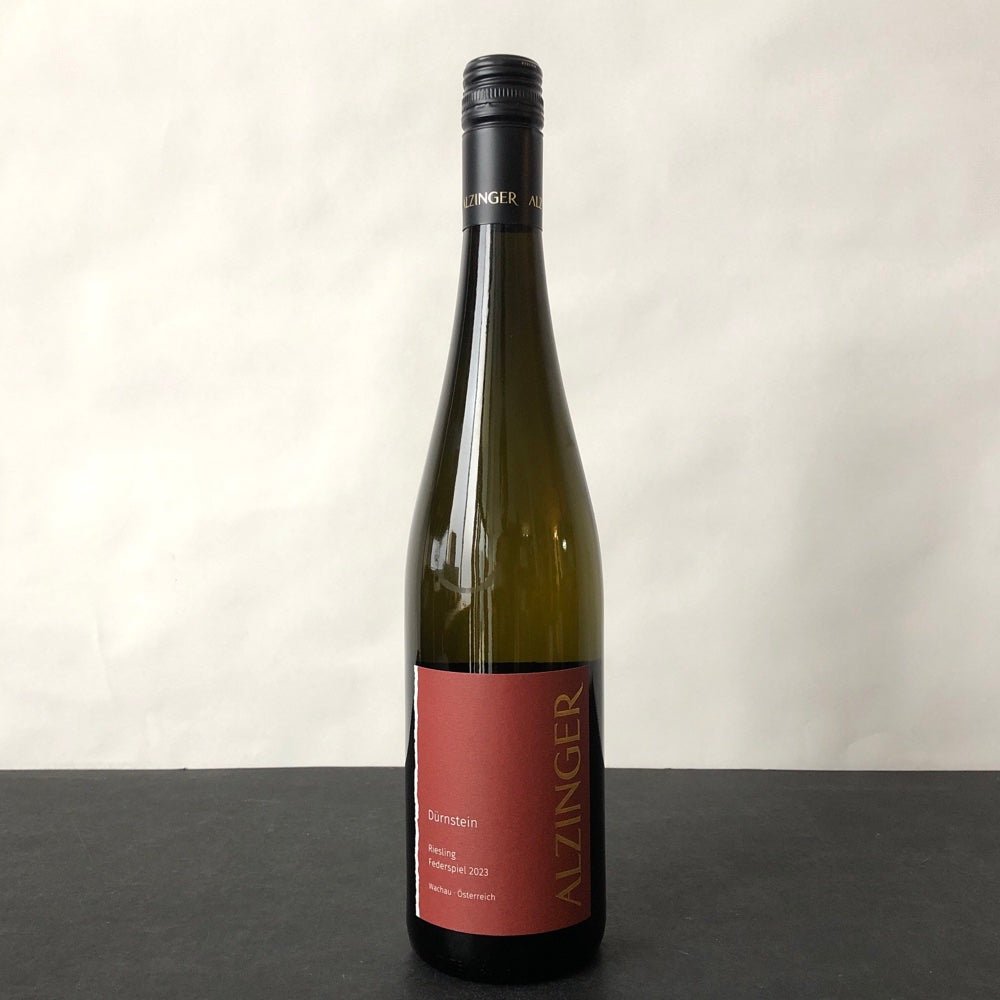
| Weingut Alzinger | Grüner Veltliner, Riesling | Not listed | Falstaff Winery - 5 Stars | Dürnstein |
| Weingut Prager | Riesling, Grüner Veltliner | $50–100 | Falstaff Winery - 5 Stars | Weißenkirchen |
| Weingut Kollwentz | Chardonnay, Blaufränkisch | Not listed | Falstaff Winery - 5 Stars | Großhöflein |
| Weingut Hans Tschida | Welschriesling, Chardonnay | Not listed | Falstaff Winery - 5 Stars | Illmitz |
Recognition history
Dated appearances from independent guides and award organizations, with the underlying list record or original source where available.
Falstaff Winery - 5 Stars
Falstaff
Continue exploring
More in Inzersdorf
Wineries in Inzersdorf
Browse all →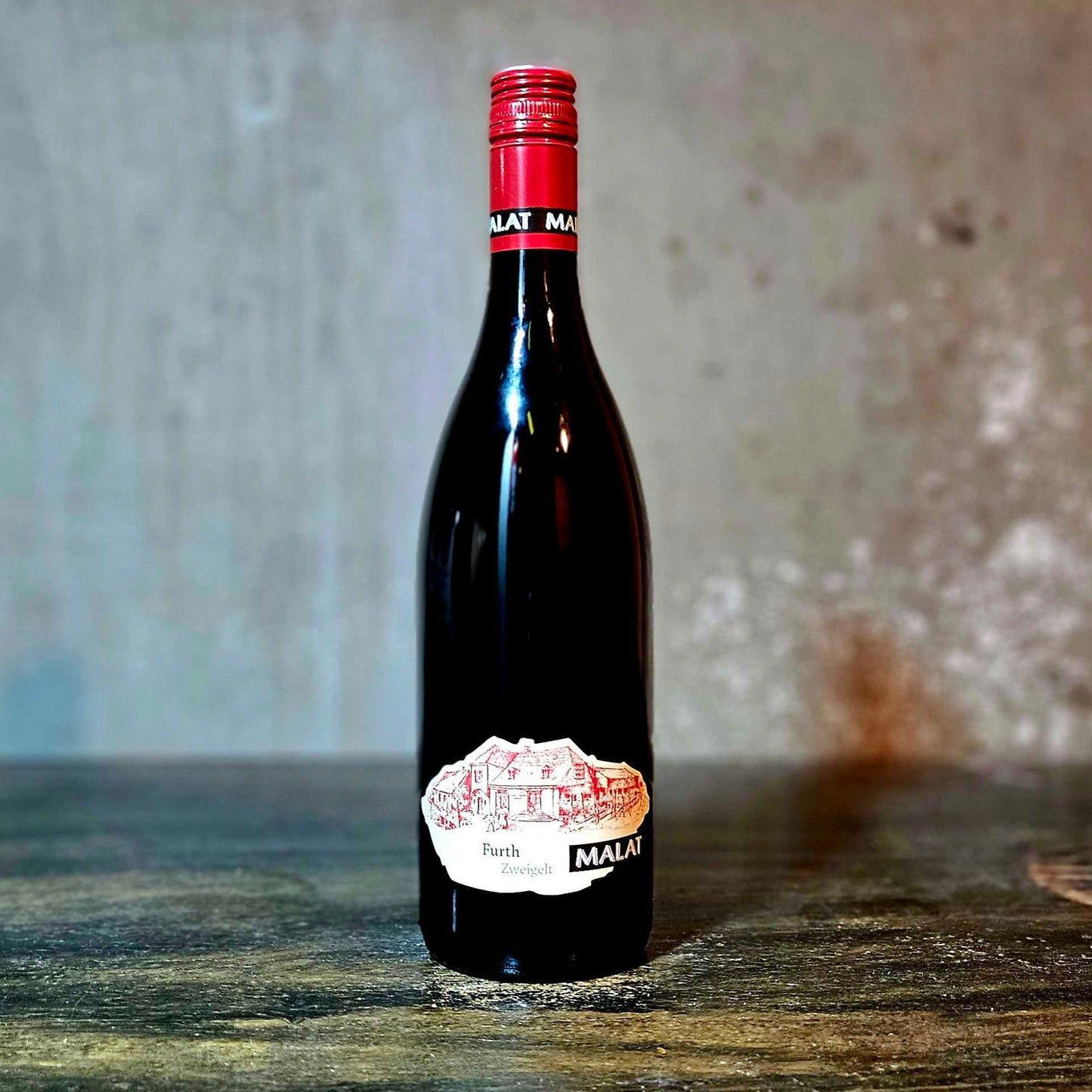
Bars in Inzersdorf
Browse all →
Restaurants in Inzersdorf
Browse all →
Details
- Classic
- Elegant
- Rustic
- Sophisticated
- Wine Education
- Solo Exploration
- Special Occasion
- Vineyard Tour
- Estate Grounds
- Private Tasting
- Sustainable
- Vineyard
- Grüner Veltliner
- Riesling
- Weißburgunder
- Sauvignon Blanc
- Chardonnay
- Still White
- Private Tasting
- German
- English
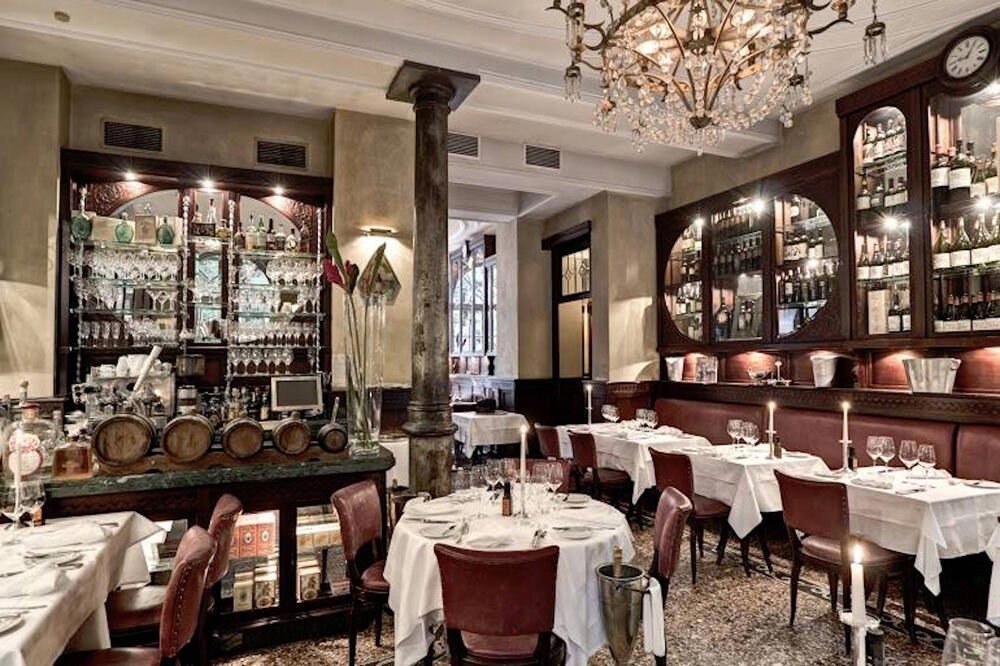
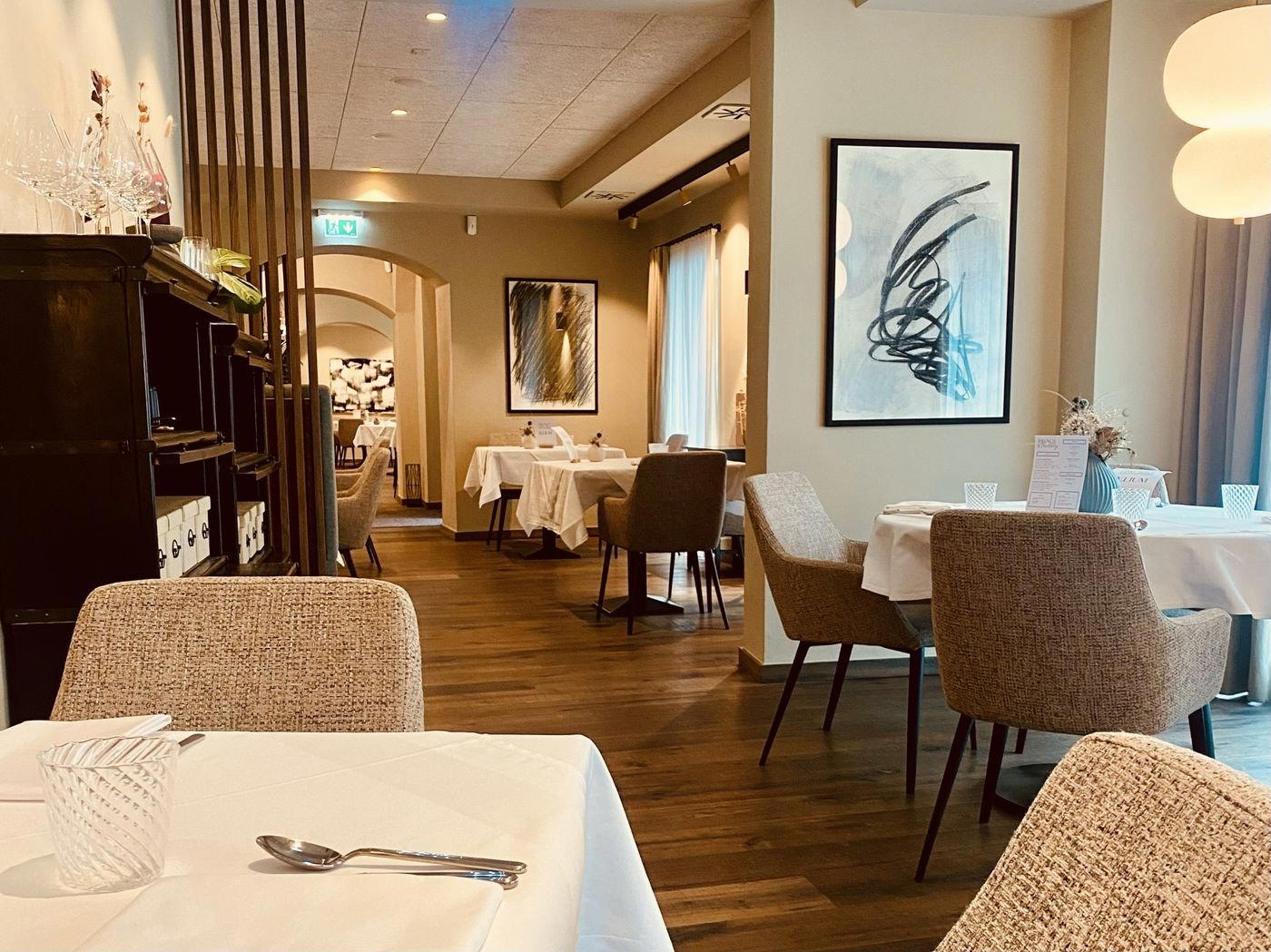
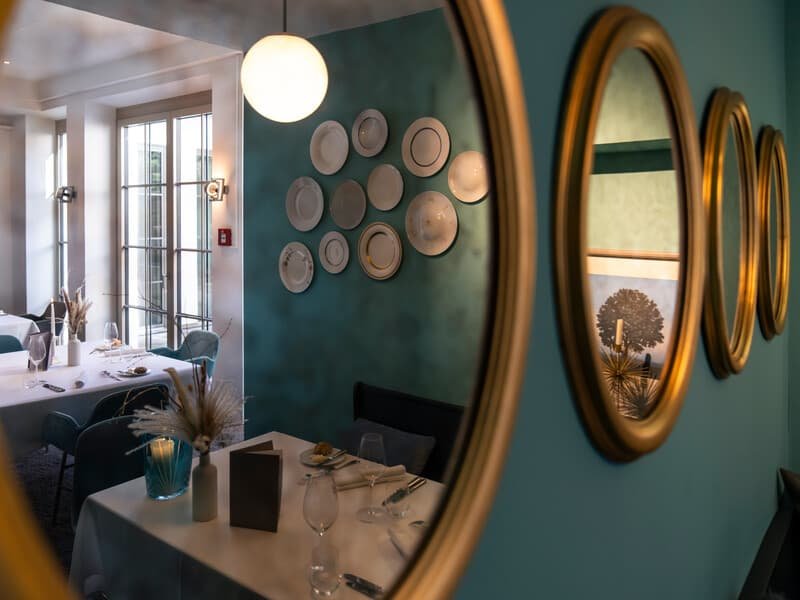
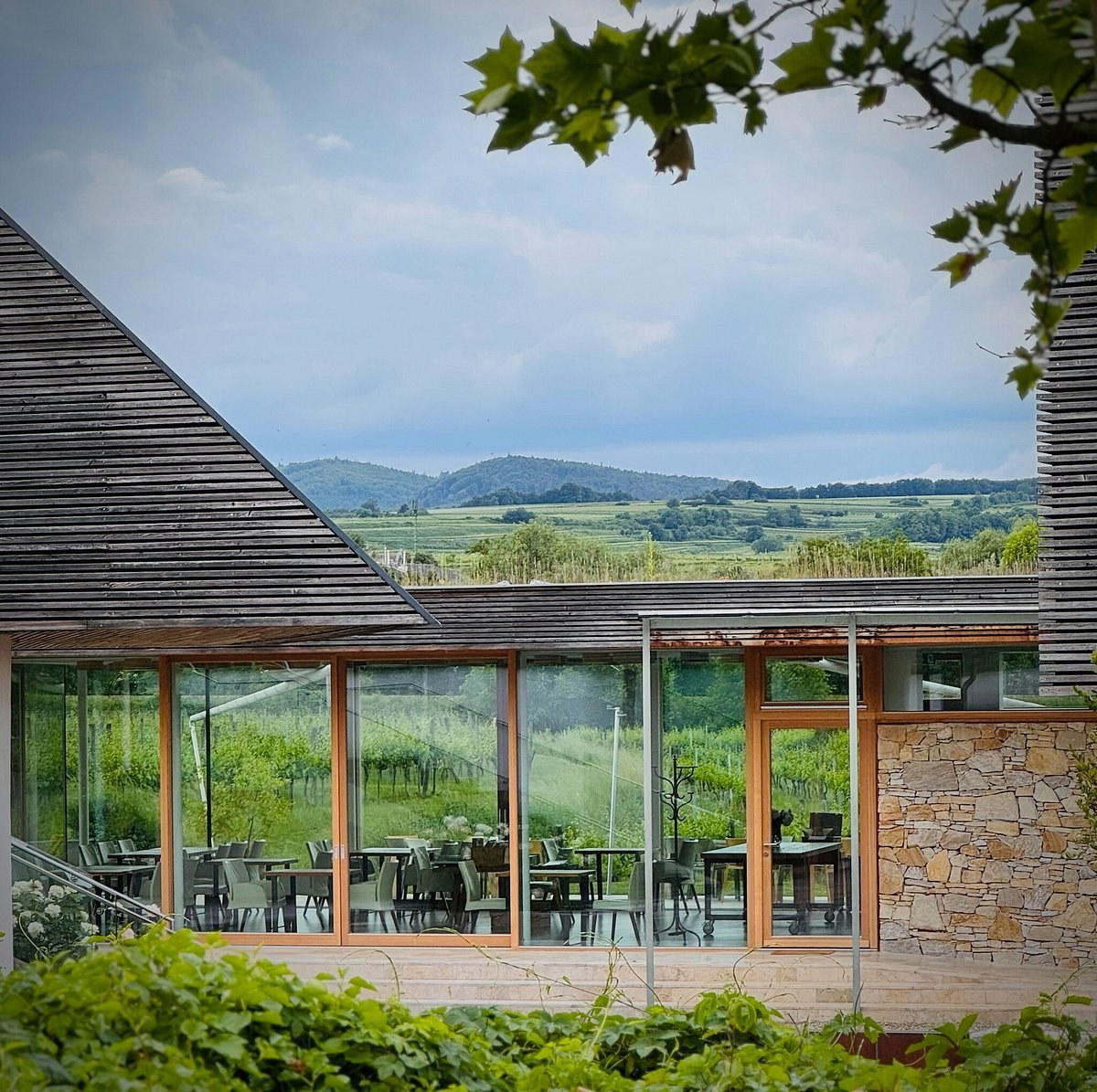
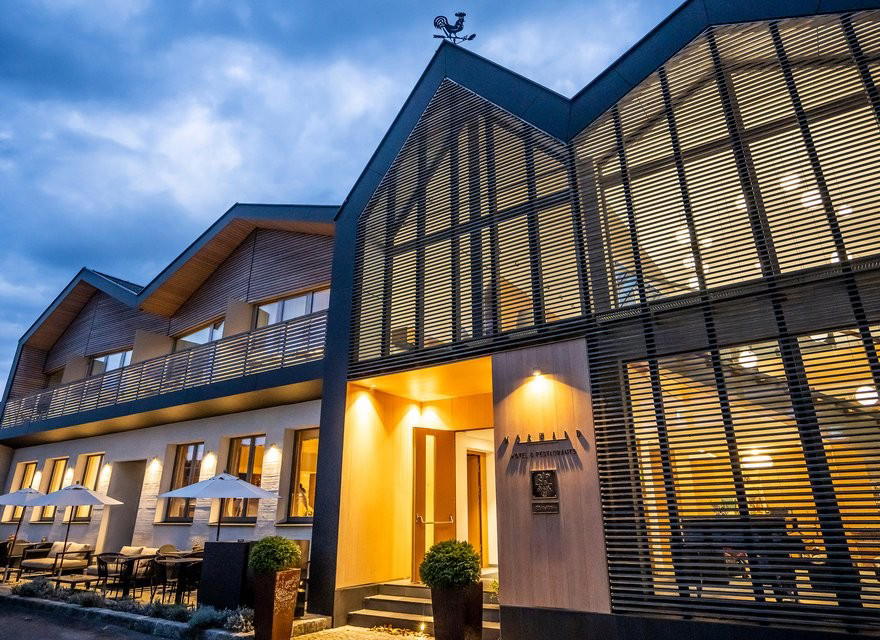
Austere, precision-focused winery emphasizing terroir expression and wine quality over hospitality amenities; intimate, serious tasting environment.