1
Dizy, France


Jacquesson
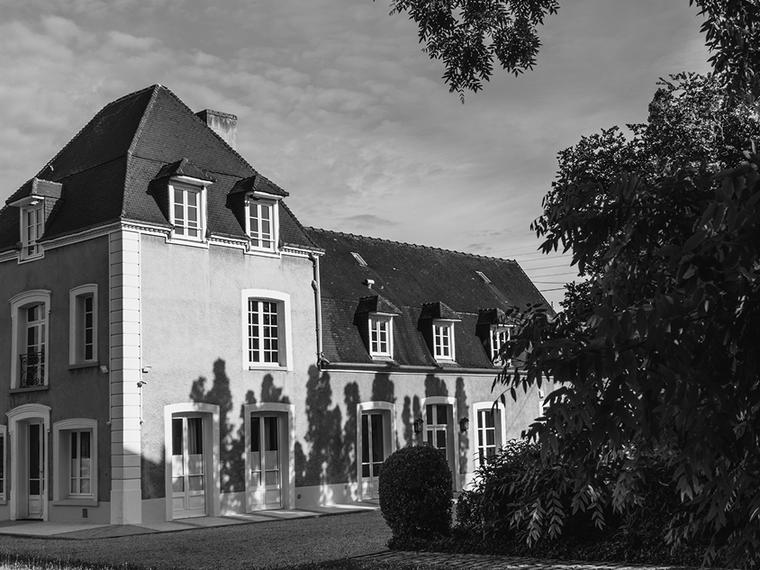
Jacquesson in Dizy is known for its numbered Cuvée 700 blends, each led by one harvest with reserve wine. Its published 2026 range includes Cuvée 749, late-disgorged Cuvée 744 and Avize Champ Caïn 2015.
Results
Dizy, France
Jacquesson in Dizy is known for its numbered Cuvée 700 blends, each led by one harvest with reserve wine. Its published 2026 range includes Cuvée 749, late-disgorged Cuvée 744 and Avize Champ Caïn 2015.
Torgiano, Italy
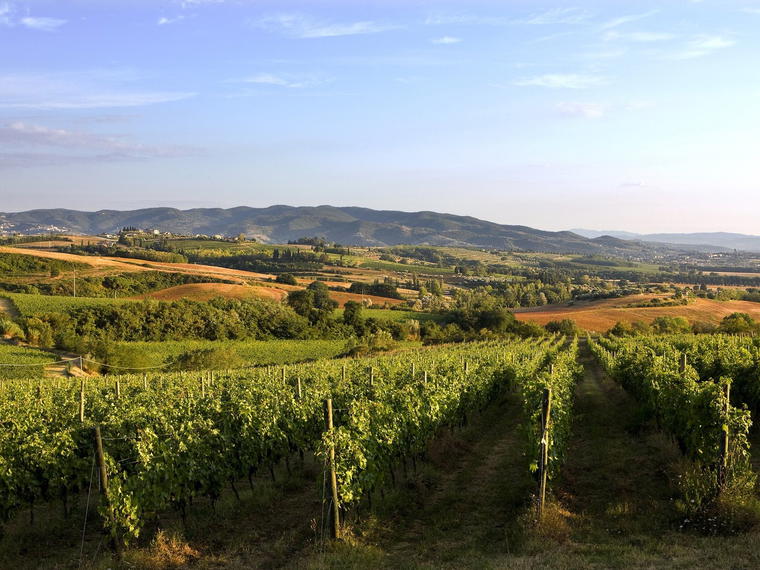
The estate sits where Sagrantino and Sangiovese territory converge, and its positioning reflects a long commitment to expressing the character of Umbrian soil through both glass and table.

Ribeauvillé, France
Maison Trimbach sits at the heart of Ribeauvillé's winemaking tradition. The address at 15 Route de Bergheim places it squarely within the Route des Vins corridor, where Riesling and Pinot Gris from grand cru slopes define the regional benchmark. A reference point for Alsace in any serious conversation about French white wine.
Menfi, Italy
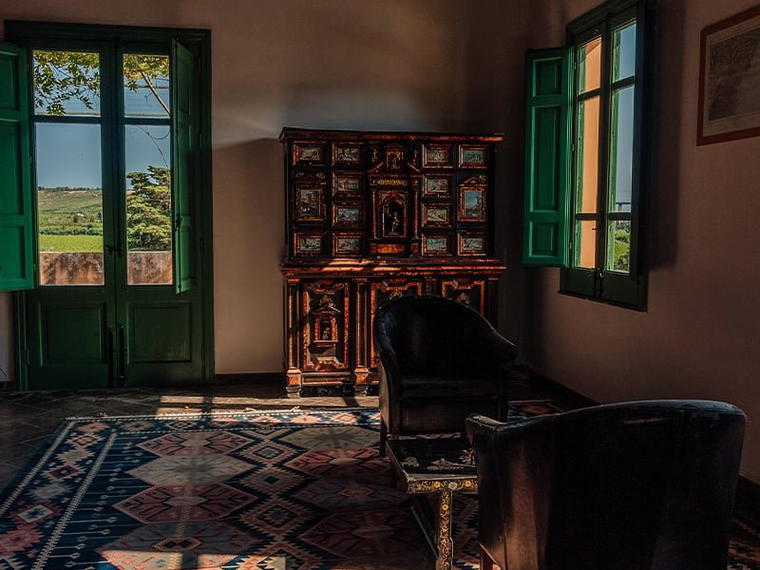
The property at Contrada Dispensa is a reference point for understanding how Sicilian viticulture has reshaped its international reputation over the past three decades.
Avio, Italy
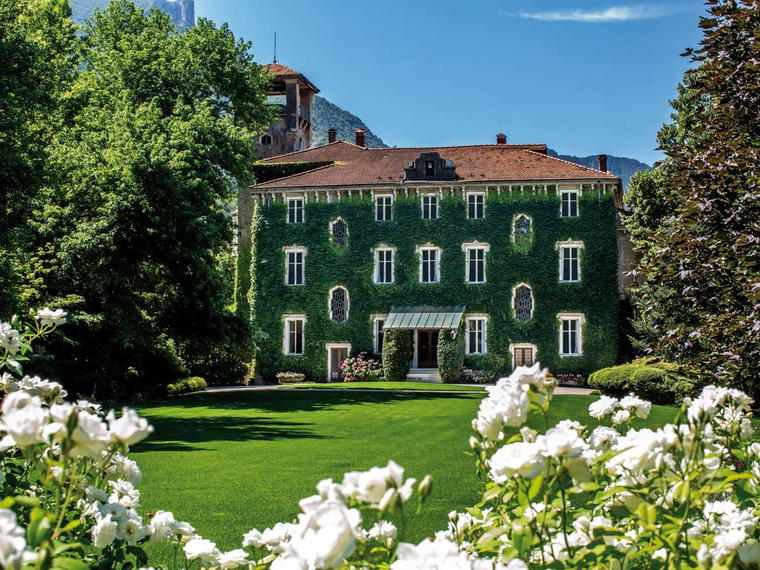
San Leonardo sits in the valley town of Avio, in the southern reaches of Trentino, where Alpine and Mediterranean influences converge on the vine. For those tracing the character of Trentino wine country, it belongs on the itinerary alongside the region's most considered producers.
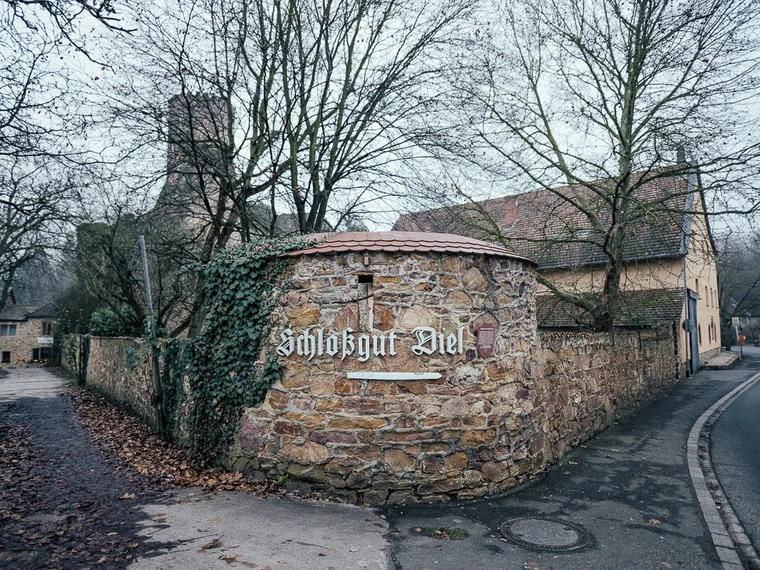
Rümmelsheim, Germany
Schlossgut Diel operates from the village of Rümmelsheim in the Nahe wine region. The estate is regarded as one of the Nahe's defining addresses for Riesling, with vineyard sites whose steep slate and volcanic soils produce wines with a tension rarely replicated elsewhere in the region. Visits warrant planning well in advance.
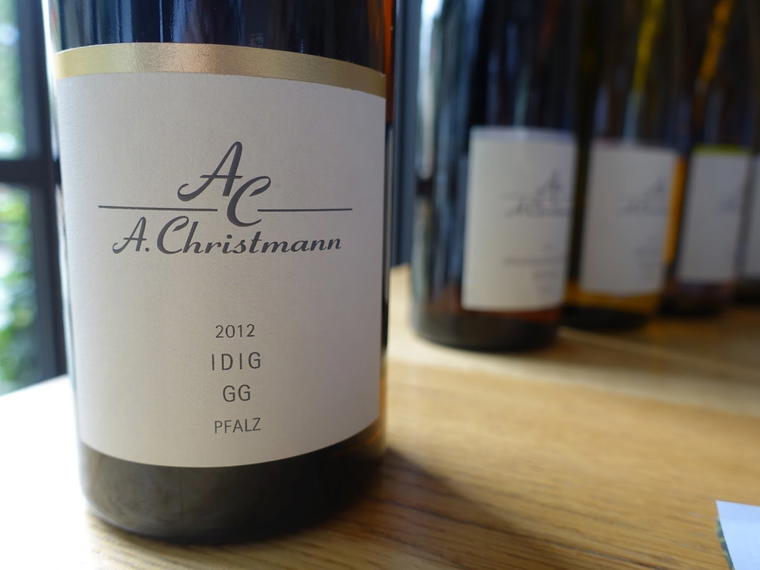
Neustadt an der Weinstraße, Germany
Weingut A. Christmann is a Pfalz estate based in Neustadt an der Weinstraße. The estate operates within one of Germany's most storied wine corridors, where Riesling and Spätburgunder grown on sandstone and limestone soils define the regional character. For serious wine travellers, Christmann sits in the upper tier of Pfalz producers worth tracking.
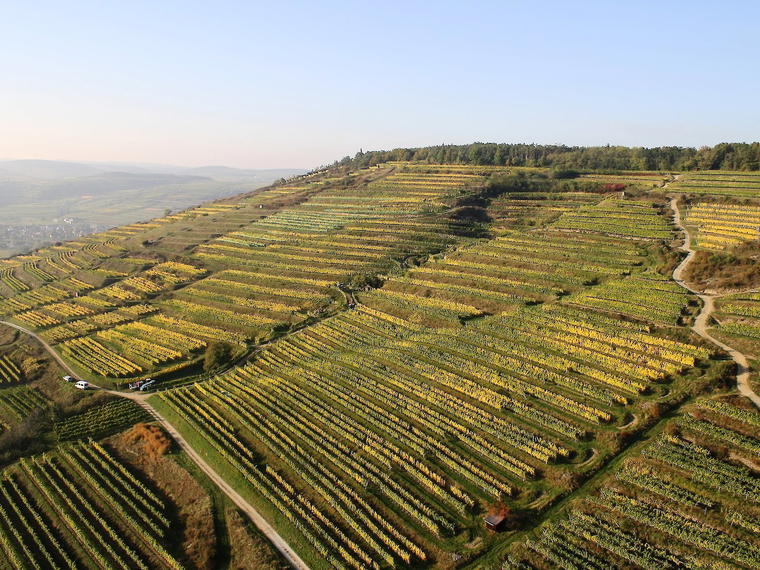
Langenlois, Austria
Weingut Bründlmayer holds among the more respected positions in the Kamptal, a wine region where loess, primary rock, and the thermal contrast between the Danube plain and the northern hills produce some of Austria's most expressive Grüner Veltliner and Riesling.
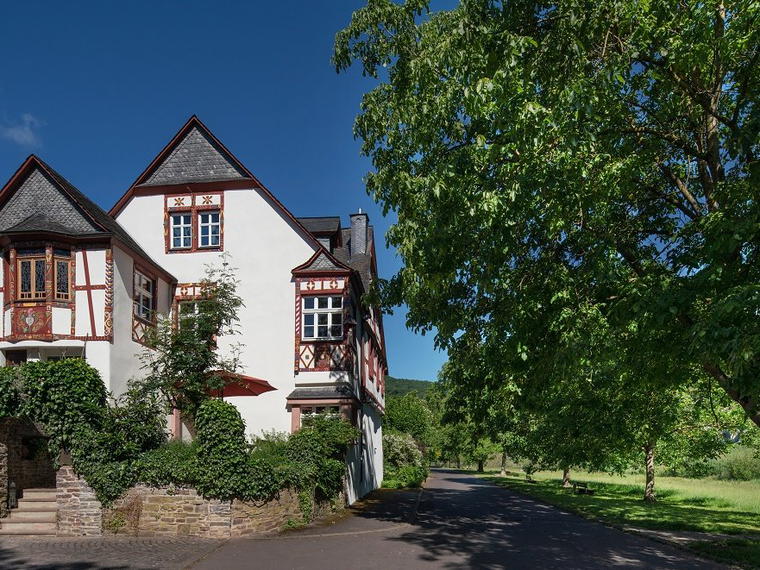
Pünderich, Germany
Weingut Clemens Busch operates from Kirchstraße 37 in the steep-slate village of Pünderich on the Mosel, producing Rieslings that rank among the more terroir-focused expressions in the region. Visitors and collectors seeking the Mosel's harder, more mineral edge tend to find what they are looking for here.
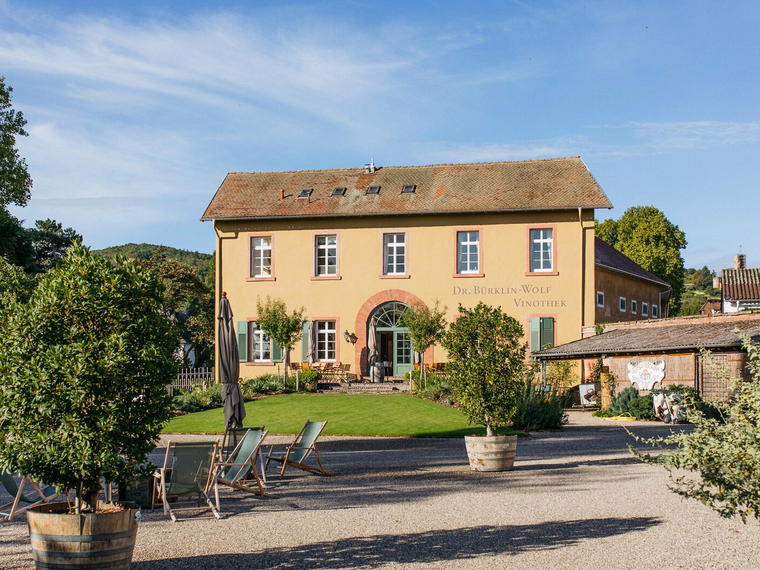
Wachenheim an der Weinstraße, Germany
One of the Pfalz's most historically grounded estates, Weingut Dr. The estate sits at the serious end of German white wine, where site specificity and generational continuity define the conversation.
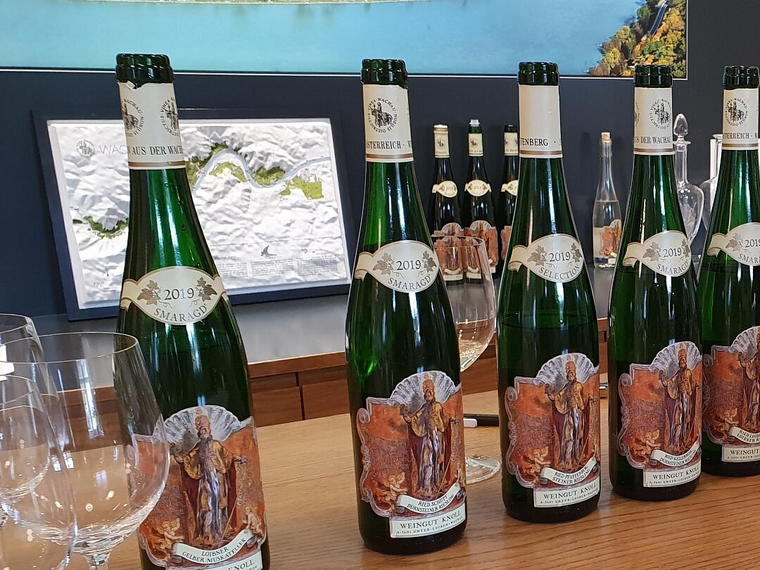
Dürnstein, Austria
Weingut Emmerich Knoll sits at Unterloiben 132 in the Wachau, one of Austria's most demanding wine regions, where the interplay of Danube climate, terraced gneiss and loess soils, and multi-generational craft produces Riesling and Grüner Veltliner that regularly draw international allocation attention.
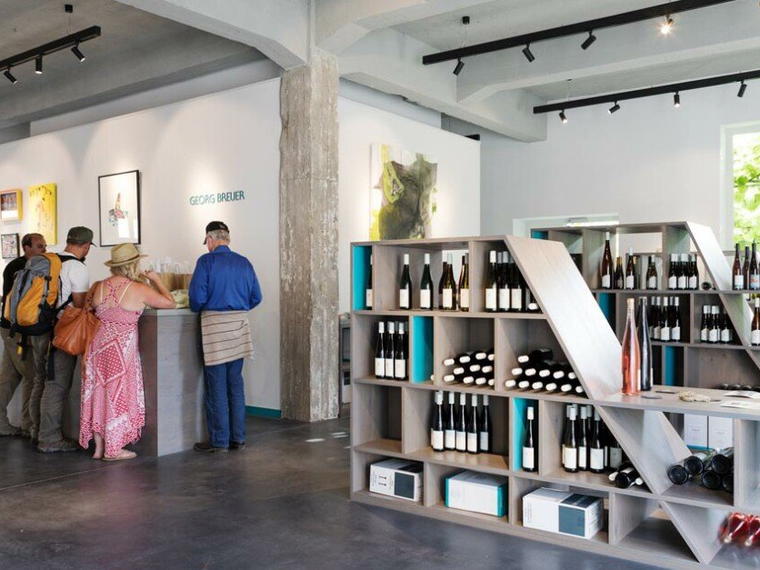
Rüdesheim am Rhein, Germany
The estate is positioned among the Rheingau's upper tier of Riesling producers, where the combination of slate soils, south-facing slopes, and the Rhine's moderating influence consistently produces wines of notable precision and depth.
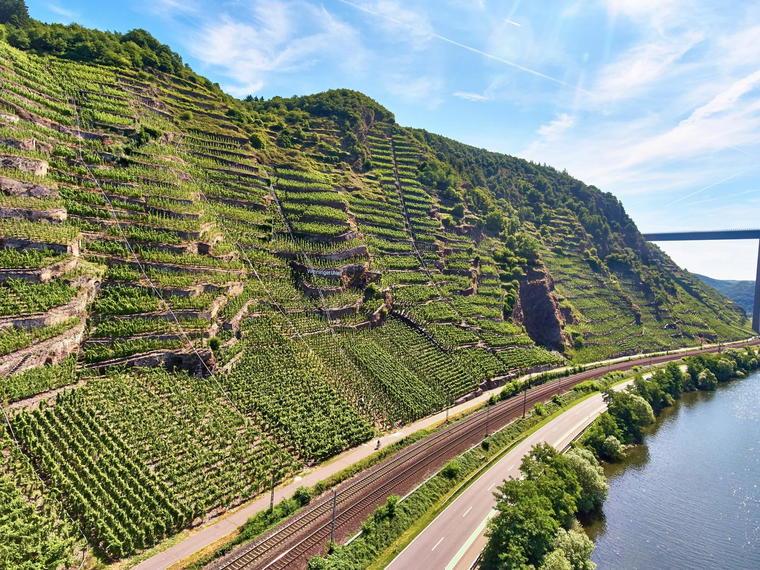
Winningen, Germany
Visiting or tasting here requires an appointment and some willingness to seek out a village most wine tourists pass through without stopping.
Hochheim am Main, Germany
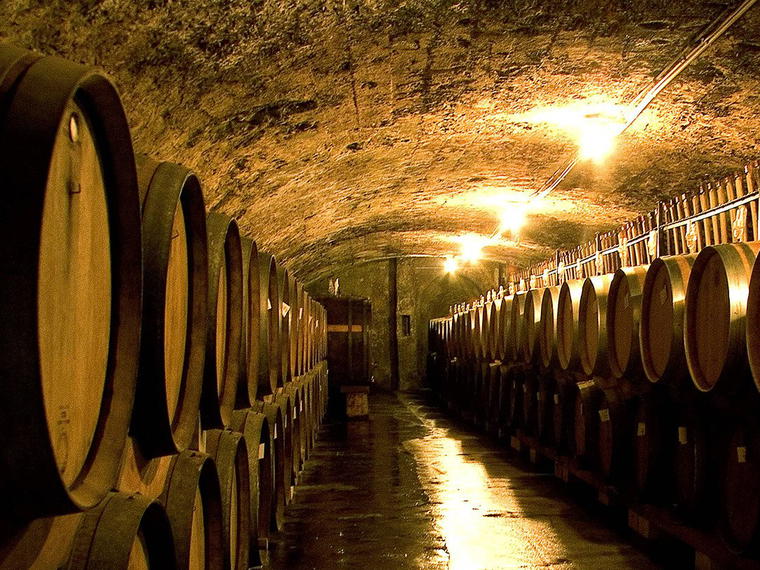
Weingut Künstler is a Hochheim am Main estate. Hochheim's position at the eastern edge of the Rheingau, where the Main meets conditions more akin to the Rhine's limestone and loam soils, gives Künstler a distinct site advantage for Riesling of pronounced minerality and structural precision.
Bockenau, Germany
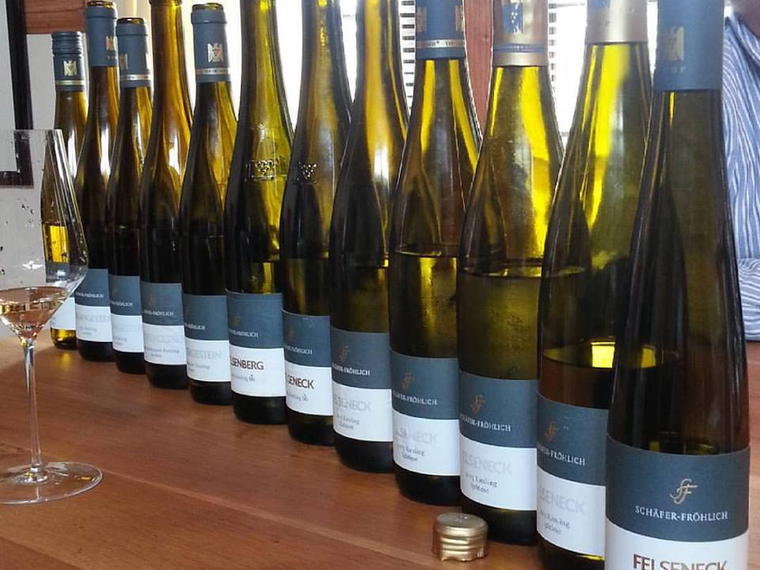
Weingut Schäfer-Fröhlich operates from the village of Bockenau in the Nahe, one of Germany's most compelling regions for Riesling with genuine terroir complexity. Visitors and collectors engaging with the Nahe should treat this address as a reference point for the region.
Wiltingen, Germany
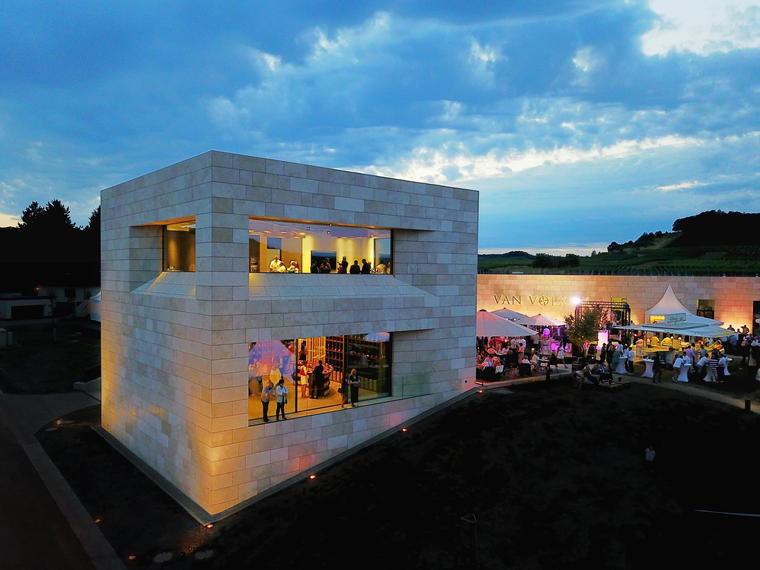
Weingut Van Volxem occupies a commanding position on the Saar's steep slate vineyards, producing dry Rieslings from some of the region's oldest and most demanding sites.
Deidesheim, Germany
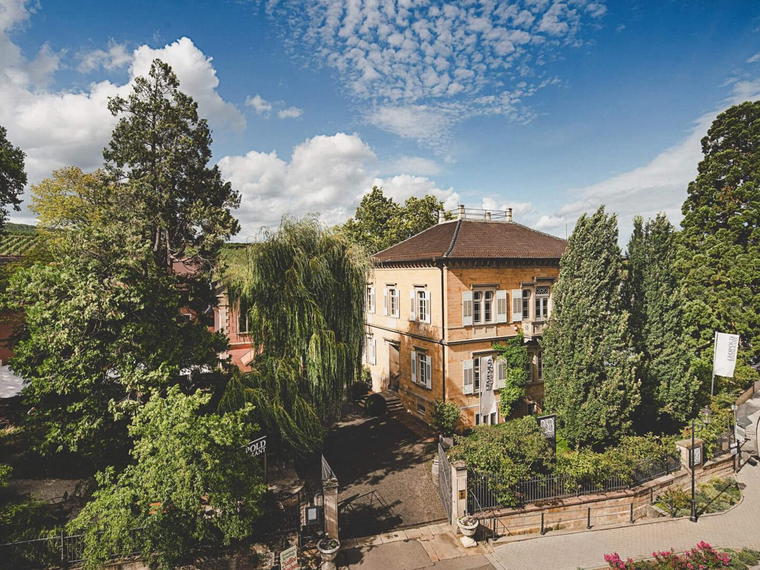
The winery occupies a position among the Mittelhaardt's most closely watched addresses, where the interplay between historic vineyard sites and precise cellar work defines the region's premium tier. Visitors encounter a tasting experience shaped by one of German wine's most compelling appellations.
Westhofen, Germany
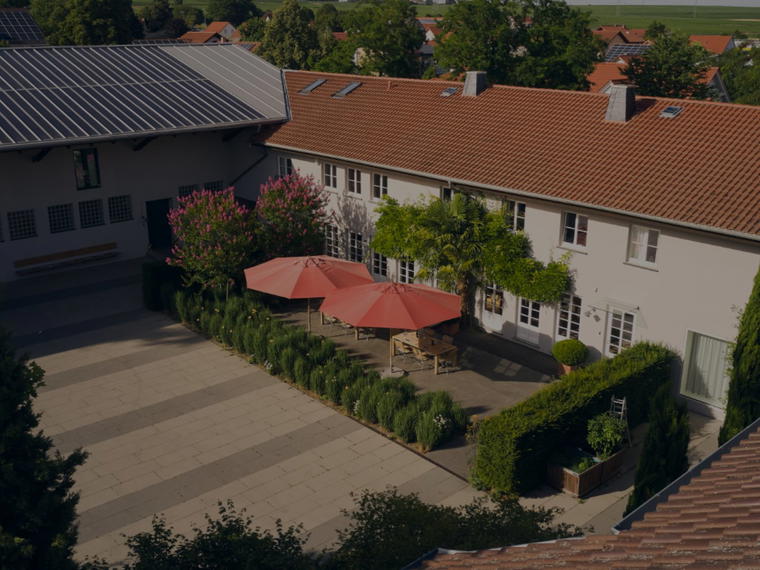
Weingut Wittmann operates from Mainzer Strasse in Westhofen, at the heart of Rheinhessen's limestone-rich terroir belt.. For anyone tracing the Rheinhessen revival, Wittmann is a fixed reference point.
Staplehurst, United Kingdom
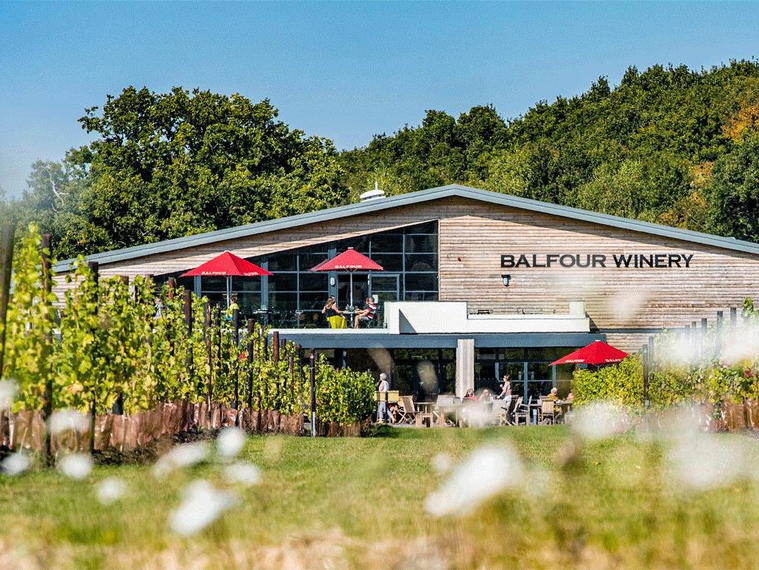
Set across 160 hectares of Kent countryside on a Tudor estate, Balfour Winery has been producing English sparkling and still wines since 2004. Two medals at the 2025 Decanter awards, including a Silver, signal consistent recognition at the competitive tier of English wine. The estate combines working vineyard with meadow walks, making it as much a pastoral destination as a production site.
Peñafiel, Spain
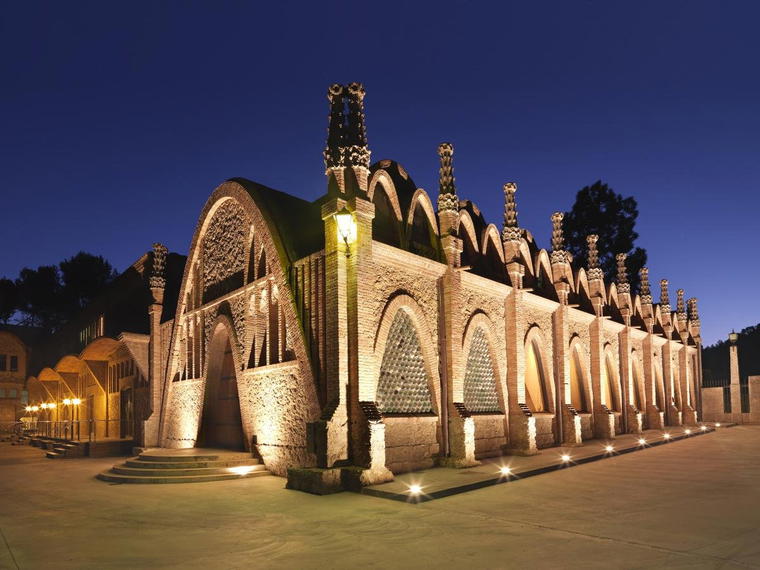
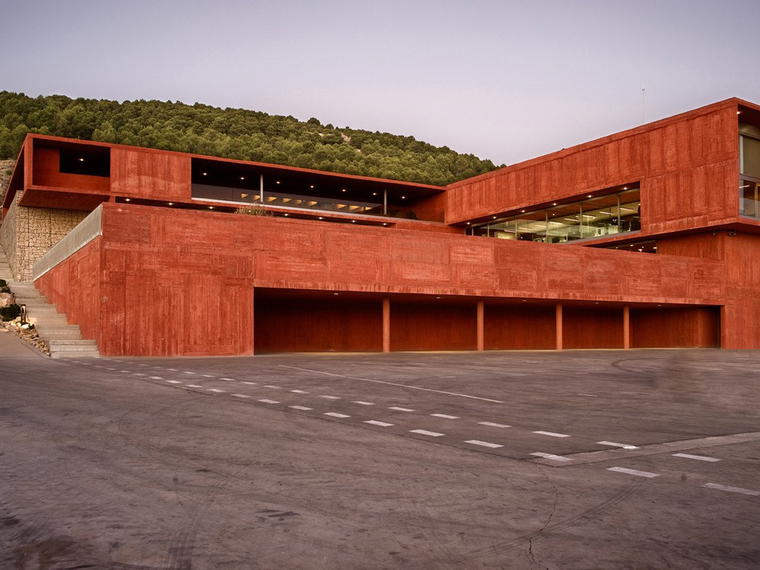
The estate produces Tempranillo-led Ribera del Duero wines from its red-stone winery complex, and operates within the tighter allocation tier of Spain's most closely watched Duero producers.
Covas do Douro, Portugal
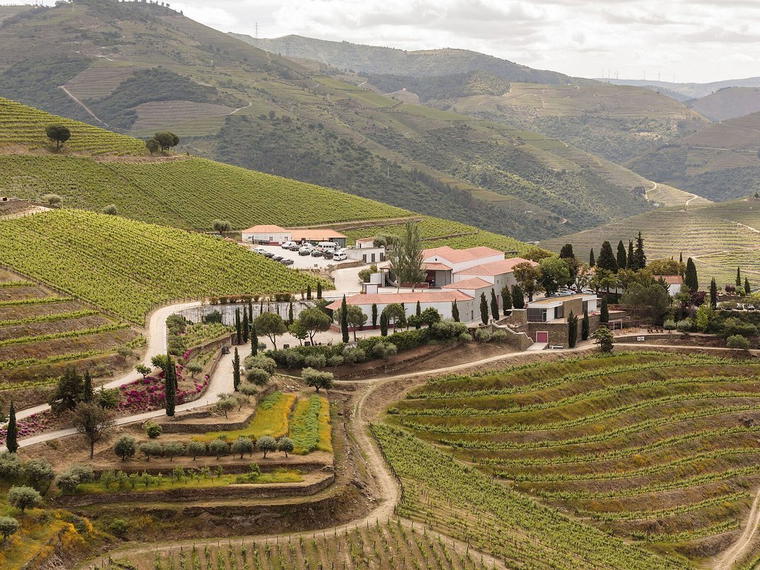
The Douro Valley's approach to terroir-driven winemaking reaches one of its most systematic expressions at Quinta Nova de Nossa Senhora do Carmo in Covas do Douro.
Saint-Émilion, France
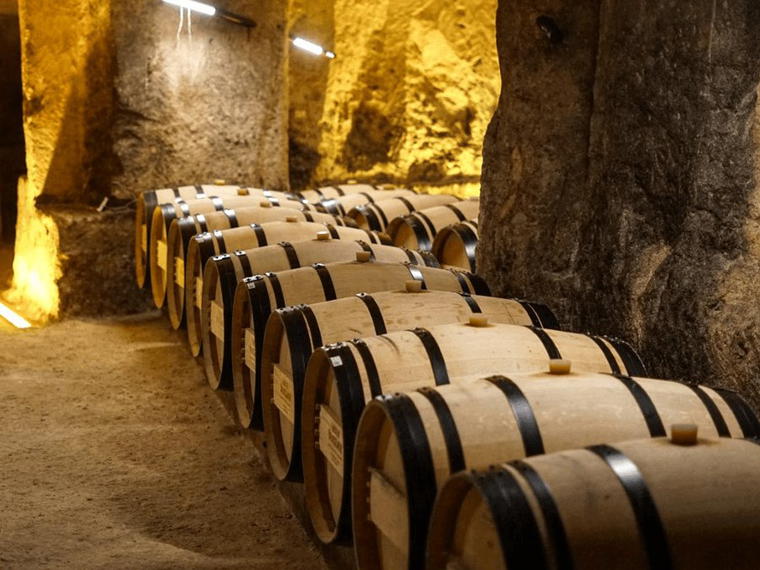
Château Beauséjour Duffau-Lagarrosse belongs to the limestone-driven side of Saint-Émilion, where slope, exposure, and old Merlot-Cabernet Franc plantings matter more than visitor theatre. The 6.8-hectare Premier Grand Cru Classé estate has been tied to the Duffau-Lagarrosse family since 1847, with a quiet, vineyard-led format focused on serious red Bordeaux.
Saint-Émilion, France
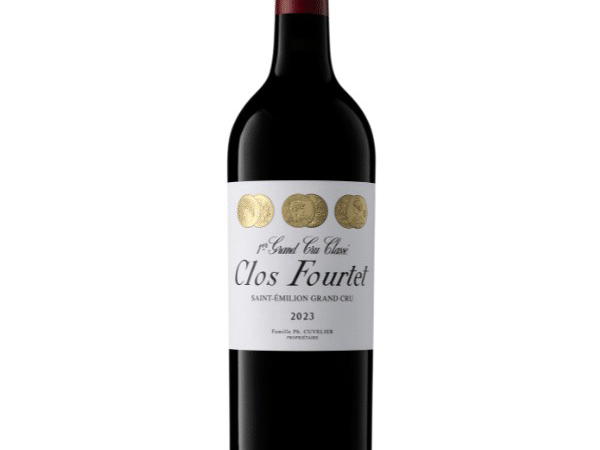
Château Clos Fourtet is a Saint-Émilion estate producing Merlot-dominant wines from limestone plateau vineyards on the plateau calcaire. Its position along the ancient town walls places it among the appellation's most historically rooted estates, operating within Saint-Émilion's Premier Grand Cru Classé tier alongside a compact peer group of plateau-focused producers.
Pomerol, France
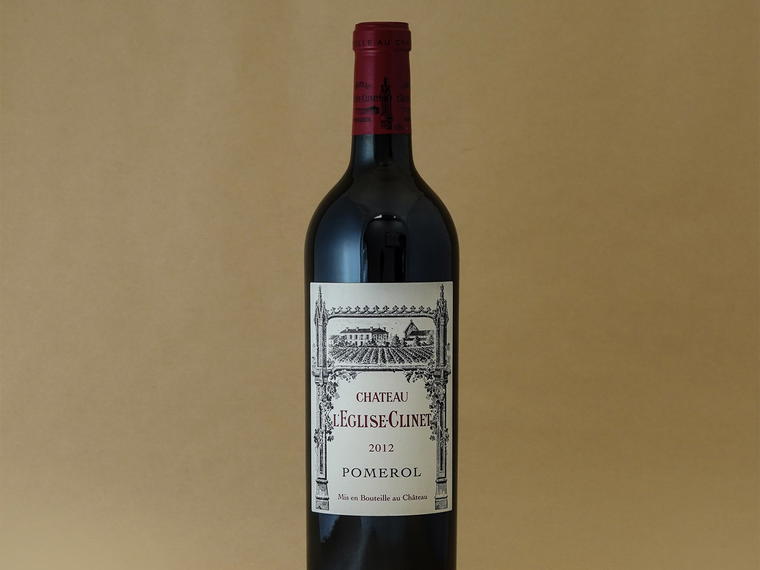
The estate's address on the plateau puts it in direct proximity to the appellation's most celebrated soils, and its wines carry the density and aromatic precision that define Pomerol's upper tier.
Saint-Émilion, France
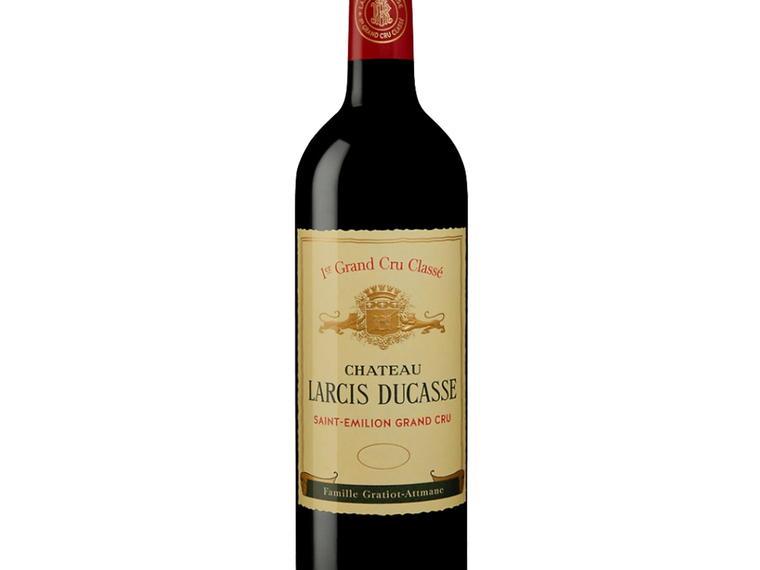
Château Larcis Ducasse sits on the limestone-clay slopes east of Saint-Émilion's medieval centre. The estate's position within Saint-Émilion's most demanding appellation tier places it among the appellation's compact group of high-calibre producers. For serious Bordeaux collectors, it represents one of the Right Bank's more quietly regarded addresses.
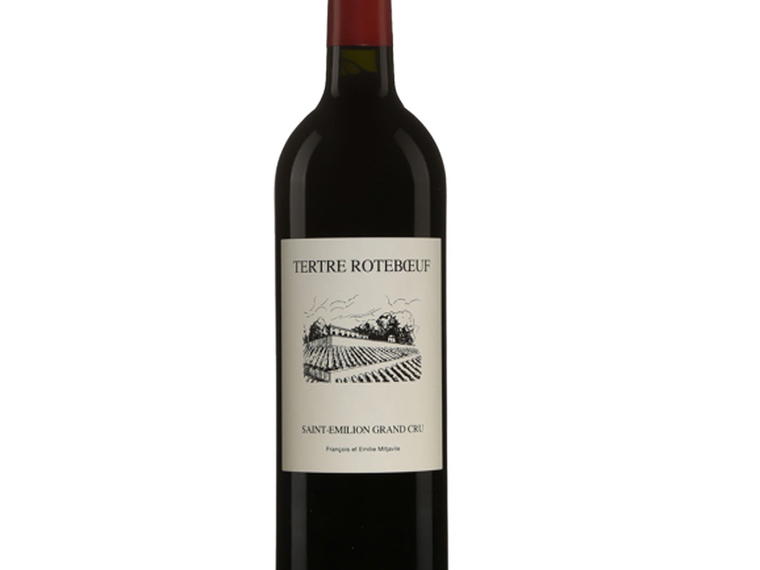
Saint-Émilion, France
Château Le Tertre Roteboeuf occupies a quiet plateau east of Saint-Émilion's medieval core, where winemaker François Mitjavile has spent decades producing some of the appellation's most discussed right-bank Merlot. Visiting requires planning: allocation access is limited and demand consistently outpaces supply.
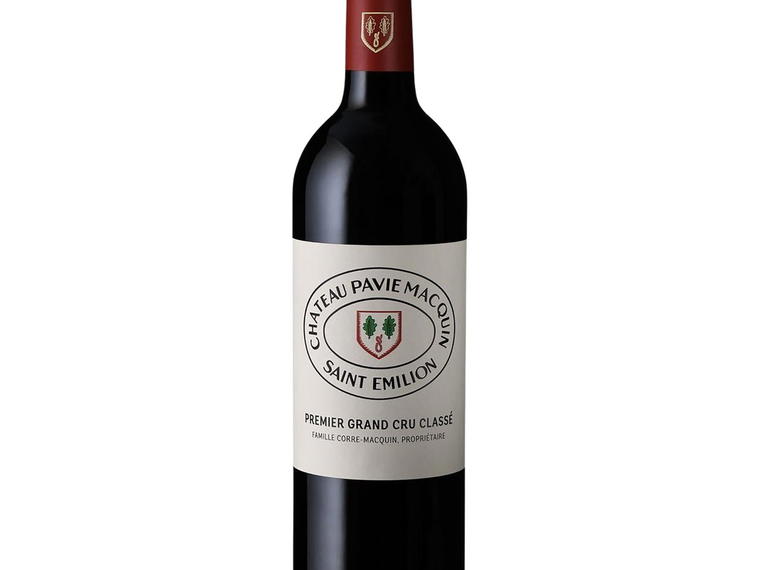
Saint-Émilion, France
Château Pavie Macquin sits among Saint-Émilion's upper-tier Right Bank estates. Located at 1 Peygenestau on the plateau adjacent to the appellation's most celebrated vineyards, it represents the kind of address that rewards planning well in advance. Visitors arriving with context — on the classification system, the terroir, and the booking process — get considerably more from the experience.
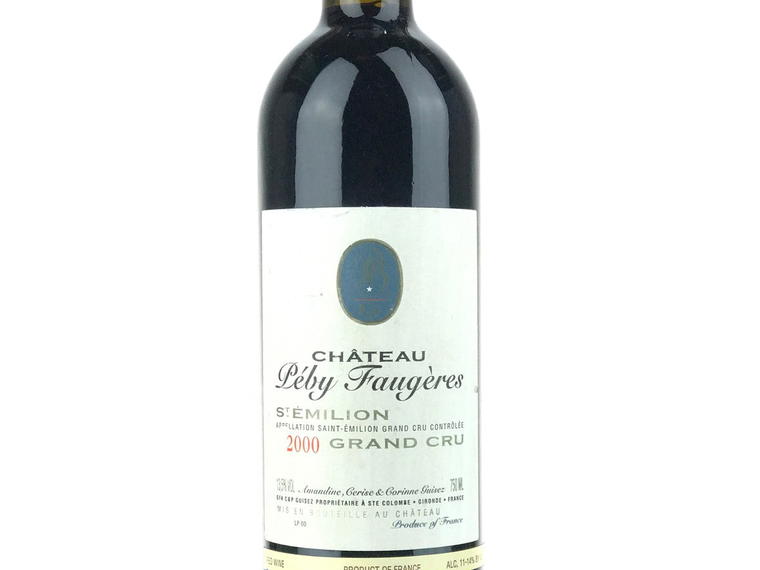
Saint-Émilion, France
The estate occupies the quieter fringes of the appellation, where the competitive set thins and terroir distinctions between plateau and hillside become most legible. For collectors tracking right-bank Bordeaux with serious recognition, it warrants close attention.
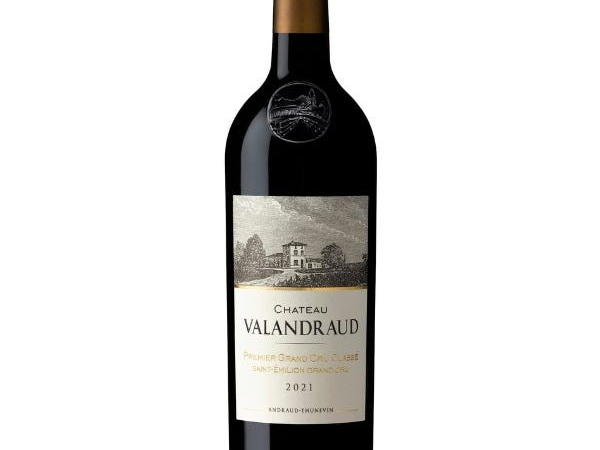
Saint-Émilion, France
Château Valandraud is one of Saint-Émilion's defining garage wine estates, the property that effectively established the garagiste movement on the Right Bank. Winemaker Jean-Luc Thunevin produces Merlot-dominant wines from parcels on the limestone-clay plateau east of the town. The estate sits at 1589 route de Jappeloup in Saint-Étienne-de-Lisse.
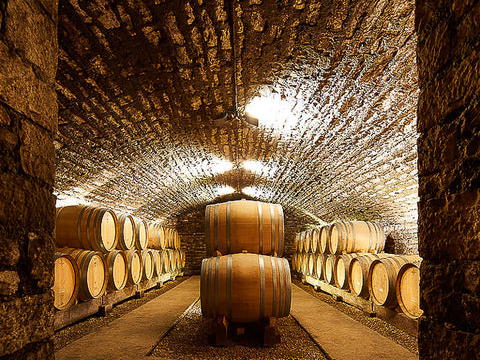
Meursault, France
One of Burgundy's most storied domaines, Domaine Jacques Prieur has been producing wine in Meursault since 1870, with holdings across some of the Côte d'Or's most recognised appellations.
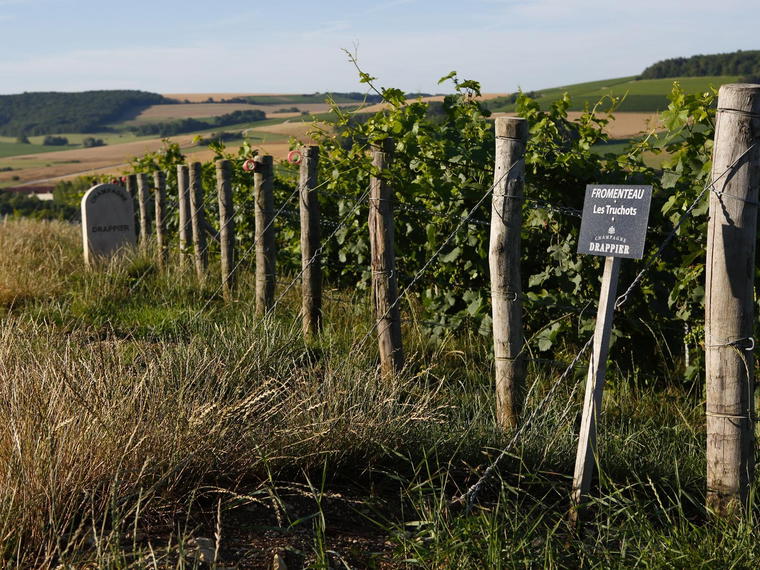
Urville, France
Drappier’s Urville cellar work includes slow, low-temperature second fermentation. Visit by reservation for a cellar tour and tasting or a tasting alone; a separate April–October gourmet picnic adds local products and a bottle for two. André and Micheline Drappier created Carte d’Or in 1952.
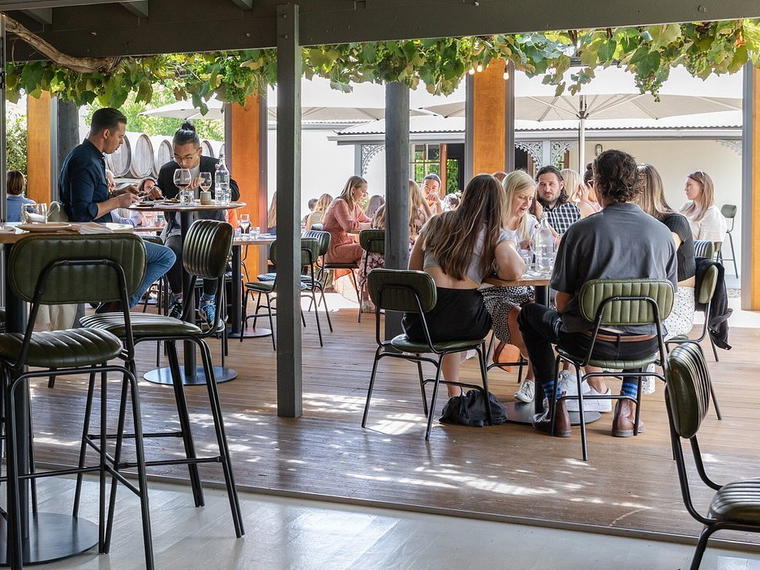
Waipara, New Zealand
Greystone Wines sits at the heart of North Canterbury's limestone-rich Waipara Valley, where a cool-climate growing season and free-draining soils produce wines of marked precision. For those exploring the region's serious wine identity, Greystone is a logical anchor point.
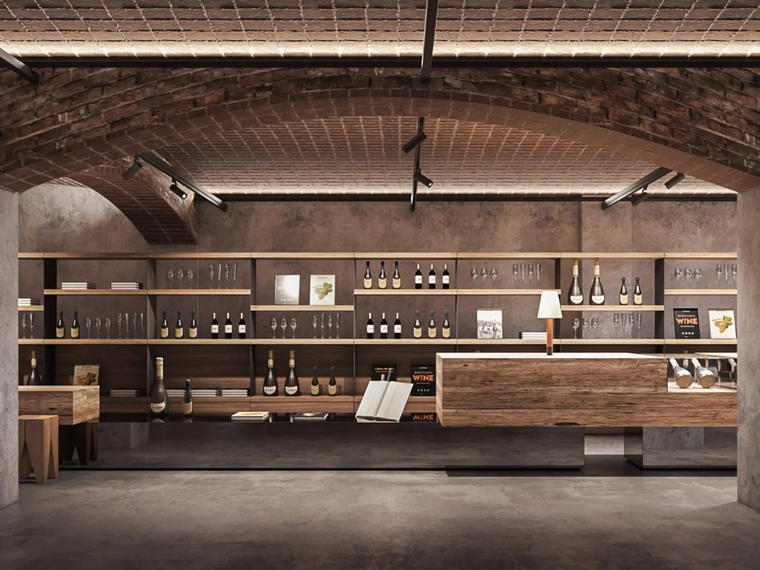
Sant Sadurní d'Anoia, Spain
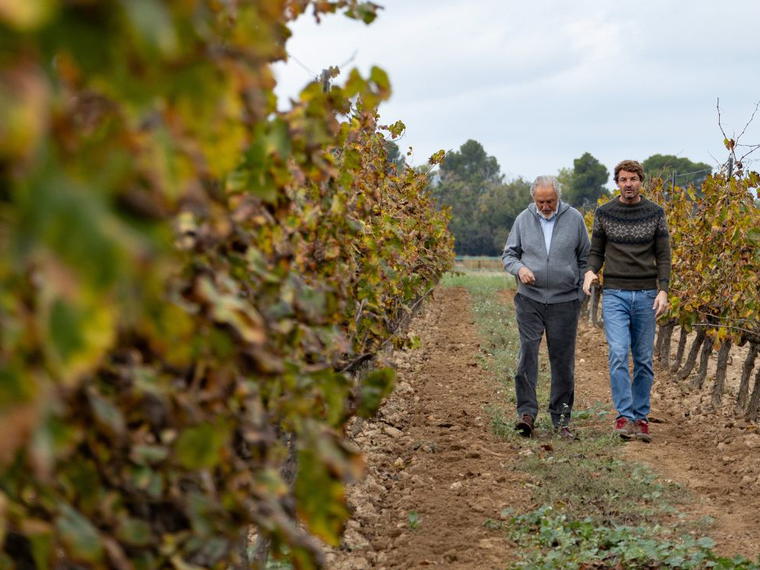
The estate sits within a town where Cava production defines the economy, the architecture, and the rhythm of daily life — making a visit as much about understanding a wine culture as tasting one.
Sant Sadurní d'Anoia, Spain
Among the town's historic sparkling wine houses, it represents the small-grower, estate-focused tier rather than the large-volume category dominated by neighbours like Codorníu and Freixenet.
Oestrich-Winkel, Germany
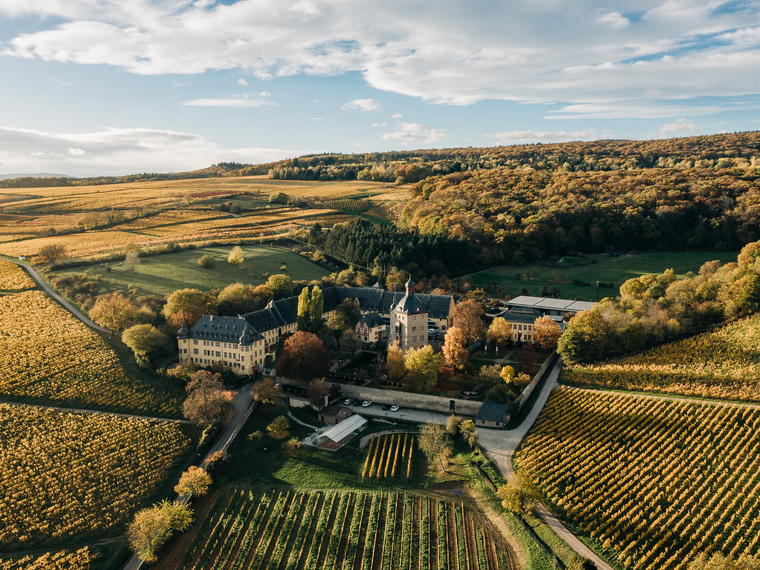
One of the Rheingau's most historically significant wine estates, Schloss Vollrads in Oestrich-Winkel has documented vinous activity dating to 1211, making it one of the oldest continuously operating wine properties in Germany.
Leiwen, Germany
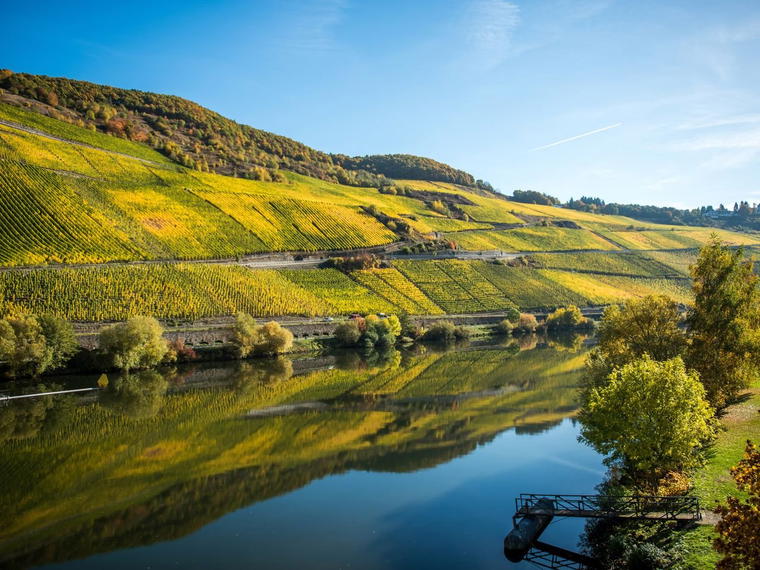
Weingut Grans-Fassian is a Mosel estate based in Leiwen. The winery sits on Römerstraße, the Roman road that threads through the heart of one of Germany's most storied Riesling villages. For visitors tracing the Mosel's slate-driven terroir from producer to producer, it represents serious local standing in a competitive field.
Oberwaltersdorf, Austria
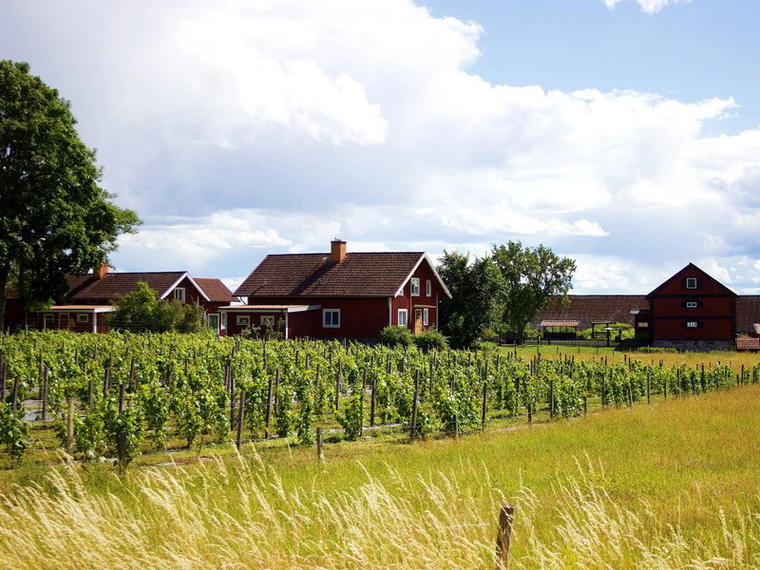
Weingut Heinrich Hartl operates from Oberwaltersdorf in the Thermenregion, a subregion of Lower Austria where volcanic soils and warm Pannonian air shape wines of distinct character. For visitors exploring Austria's wine country south of Vienna, Hartl represents a serious Thermenregion address.
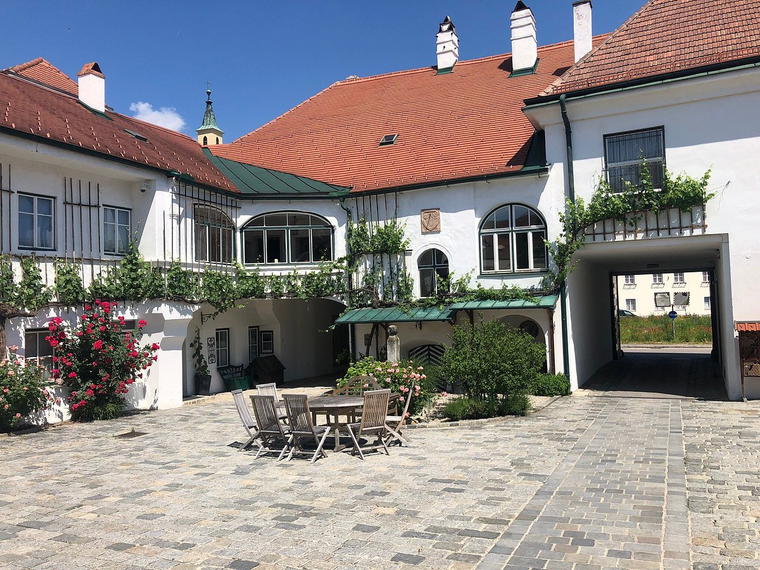
Langenlois, Austria
Weingut Jurtschitsch is a Langenlois estate operating at the summit tier of Kamptal winemaking. Positioned at Rudolfstraße 39, the winery sits within one of Lower Austria's most concentrated zones of serious viticulture, where loess soils and the Kamp valley's thermal conditions define the region's Grüner Veltliner and Riesling character.
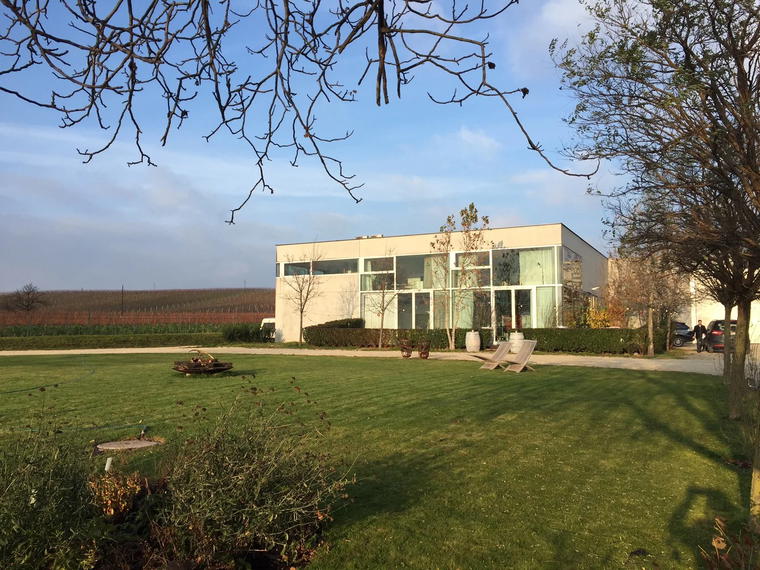
Gols, Austria
Weingut Pittnauer operates from the Burgenland village of Gols, where the flat Pannonian basin and warm, dry summers shape a distinct red-wine character.
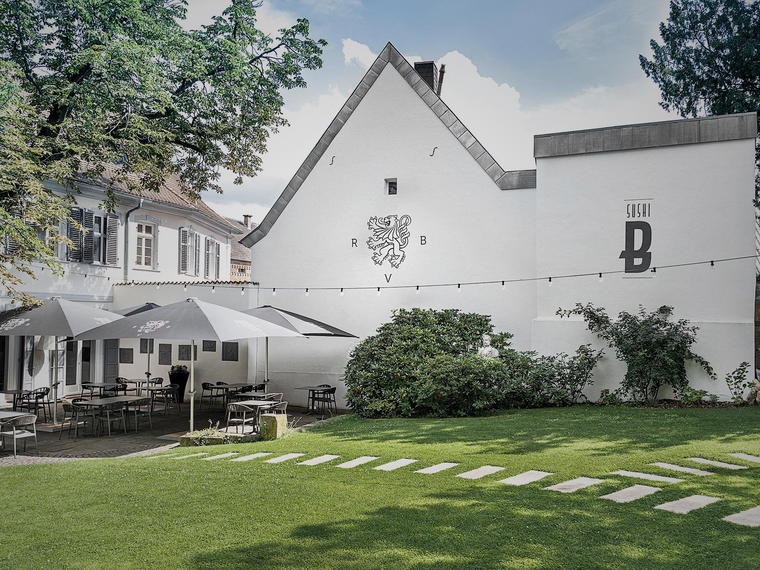
Deidesheim, Germany
Weingut Reichsrat von Buhl is one of the Pfalz's most historically significant estates, producing Riesling from premier vineyards along the Deutsche Weinstraße in Deidesheim. Visitors to Weinstraße 18 encounter a winery whose reputation rests on site-specific viticulture and decades of documented vineyard identity.
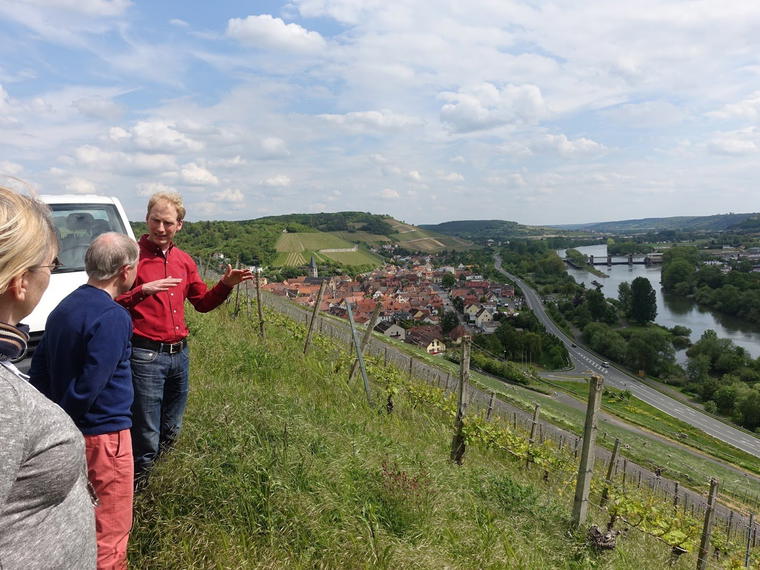
Randersacker, Germany
Weingut Schmitt's Kinder sits at the edge of Randersacker, a Franconian village whose south-facing slopes along the Main river have shaped serious Silvaner and Riesling for centuries. For anyone tracking Franconia's quiet resurgence, this address deserves close attention.
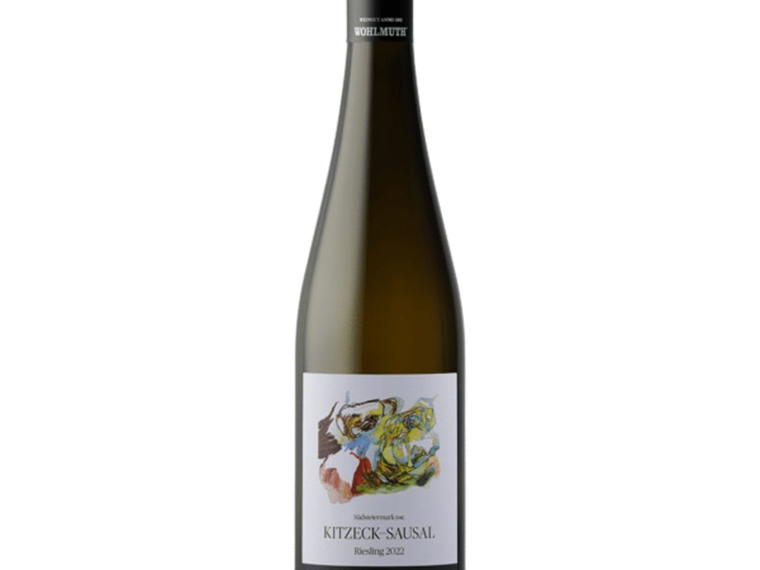
Kitzeck, Austria
Weingut Wohlmuth sits in Kitzeck, in the refined Sausal hills of southern Styria, where cool-climate viticulture produces some of Austria's most precise white wines. For visitors tracing the southern Styrian wine arc, this is a reference address.
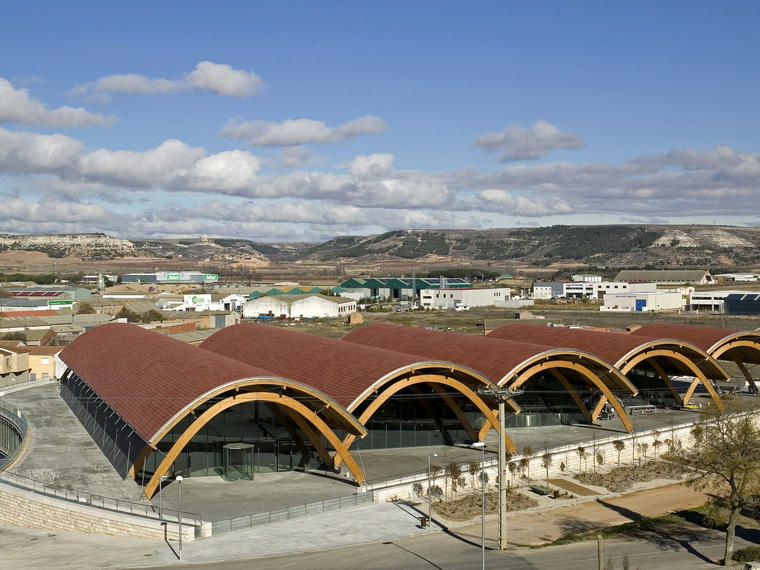
Peñafiel, Spain
Bodegas Protos sits beneath the medieval castle of Peñafiel in the heart of Ribera del Duero, where limestone-laced soils and extreme continental temperatures give Tempranillo a particular density and structure.
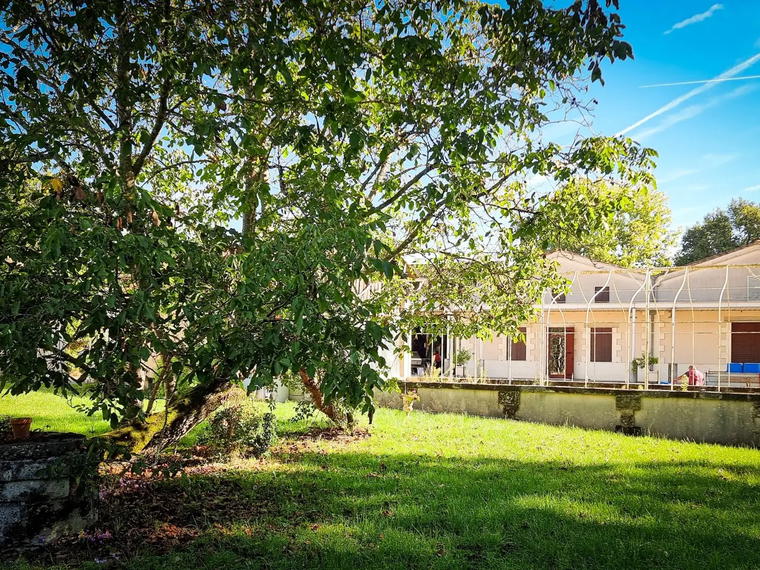
Cantenac, France
A Third Growth Margaux estate. The wines express the gravelly soils and maritime moderation that distinguish this appellation from its neighbours to the north and south. For collectors tracking Margaux's classified tier, Boyd-Cantenac represents a coherent, terroir-driven reference point.
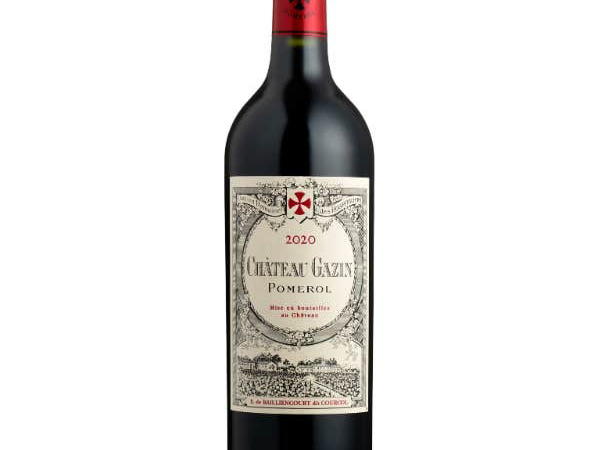
Pomerol, France
One of Pomerol's larger estates by appellation standards, Château Gazin has held its ground on the plateau for generations under the de Bailliencourt dit Courcol family.
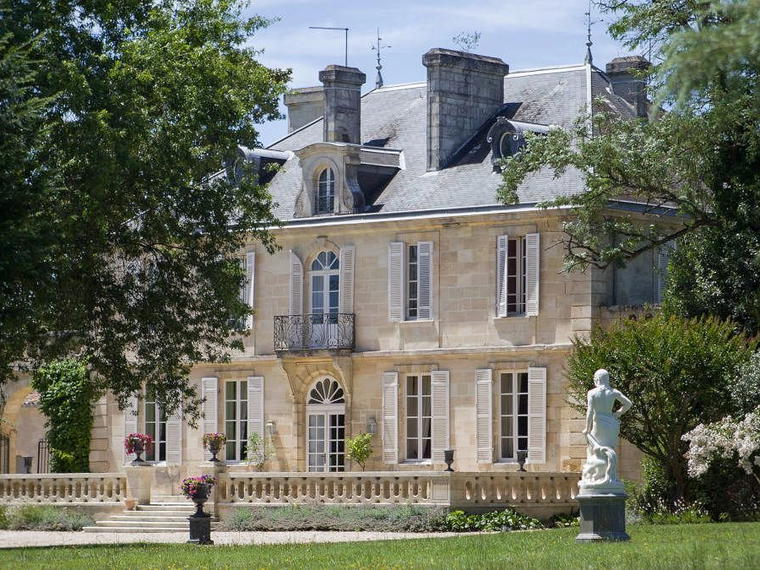
Cantenac, France
Its address on the Chemin de Kirwan places it among neighbours including Château d'Issan and Château Brane Cantenac, making Cantenac one of the left bank's densest concentrations of classified growth viticulture.
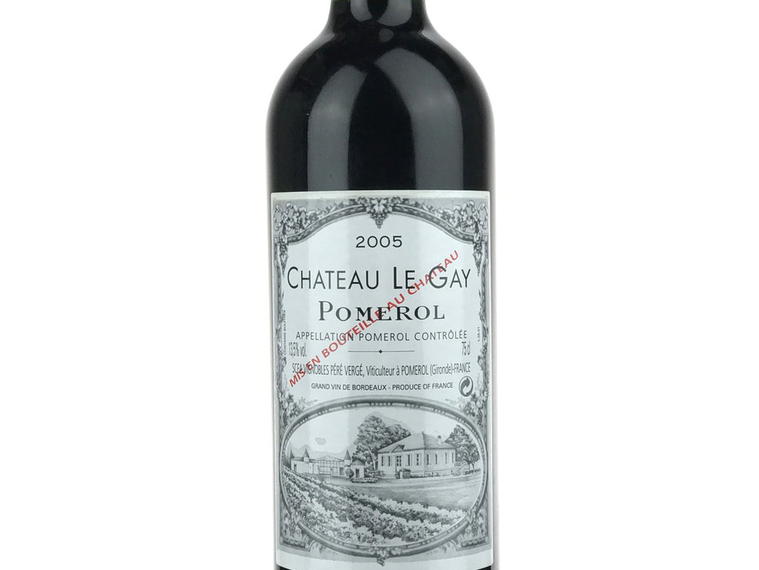
Pomerol, France
Château Le Gay occupies a quiet parcel of Pomerol clay-and-gravel terroir managed by Henri Parent and winemaker Marcelo Pelleriti. Located at 11 Chemin de Chantecaille, it sits within the dense network of right-bank estates that define Merlot-dominant winemaking at its most concentrated.
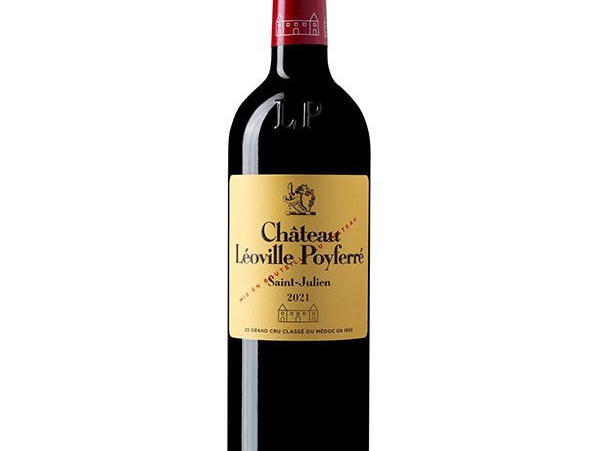
St-Julien, France
A Second Growth classified in 1855, Château Leoville Poyferre operates at the upper tier of St-Julien's left-bank canon. Visiting the estate places you inside the gravitational centre of the Médoc's most consistent mid-Pauillac corridor.
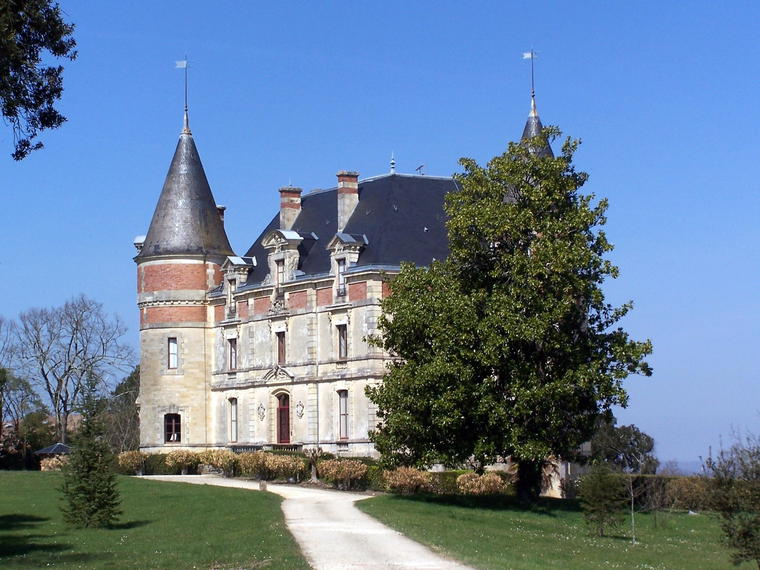
Bommes, France
A Premier Cru Classé estate in Bommes, Sauternes, Château Rayne-Vigneau produces botrytis-affected sweet white wines from vines grown on one of the appellation's most mineral-rich gravel and clay terroirs.
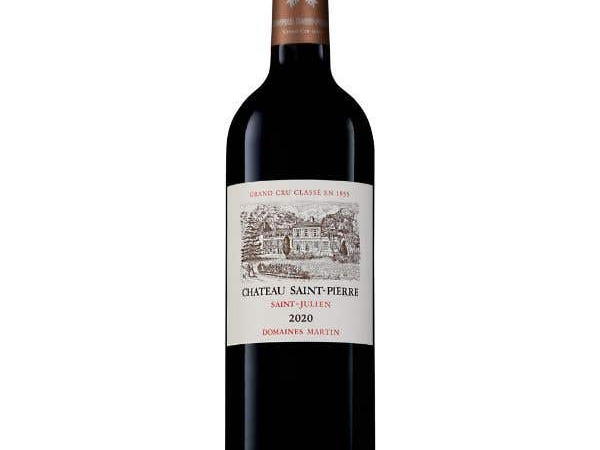
St-Julien, France
Under winemaker Jean-Louis Triaud, the estate produces Cabernet-dominant Médoc in the appellation's characteristic register: structured, slow-building, and built for the cellar.
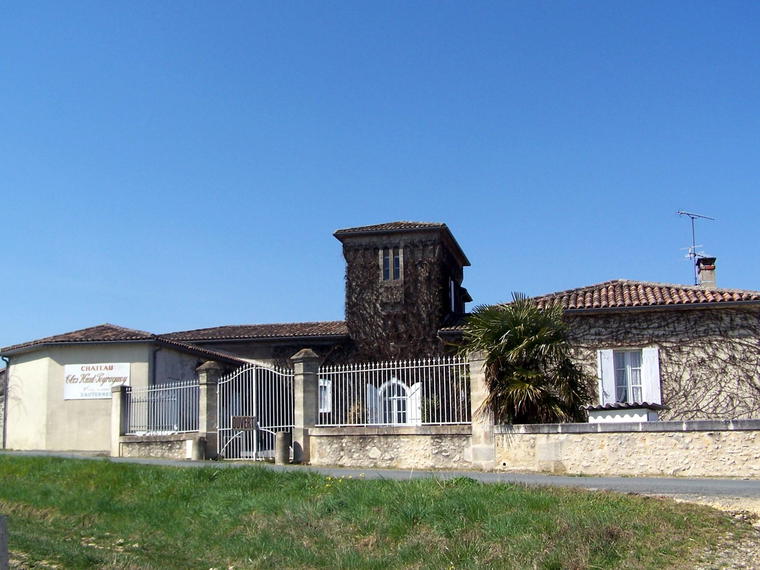
Bommes, France
Clos Haut-Peyraguey is a Premier Cru Classé estate in Bommes, at the heart of Sauternes. The property sits within the densest concentration of classified sweet-wine producers in Bordeaux, positioned in a peer group that includes Château Rayne-Vigneau and Château Rabaud-Promis. For collectors and visitors with serious interest in Sauternes, it represents one of the appellation's more focused addresses.
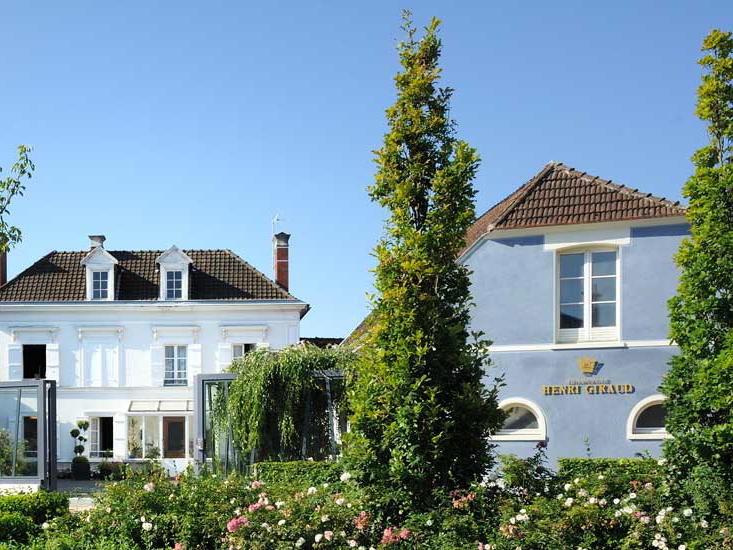
Germenay, France
One of Champagne's most historically grounded houses, Henri Giraud has been producing wine in Aÿ since 1775 — a run that places it among the region's longest-standing estates. For those following Champagne's shift toward terroir-driven, vineyard-specific production, Aÿ and Henri Giraud are a logical starting point.
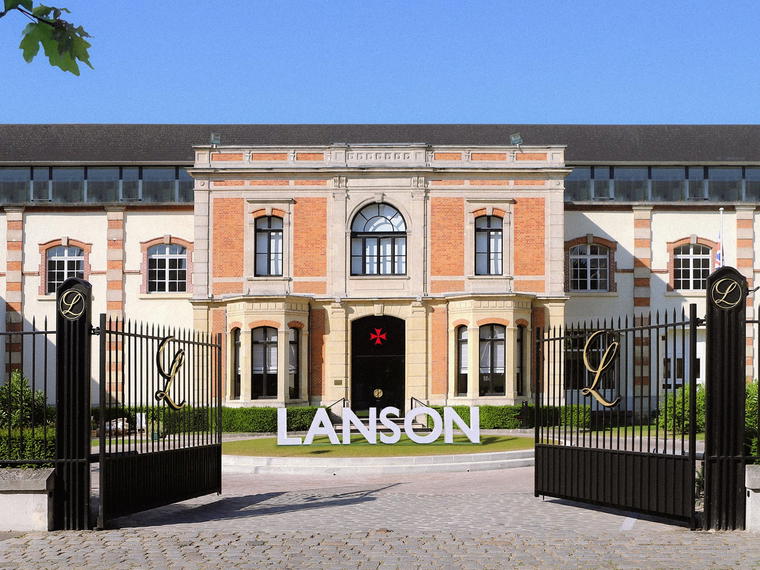
Reims, France
Founded in Reims in 1760, Lanson offers cellar visits and tastings at 66 rue de Courlancy. Le Black Création, Le Rosé Création and Clos Lanson show the range from house blends to a named parcel.
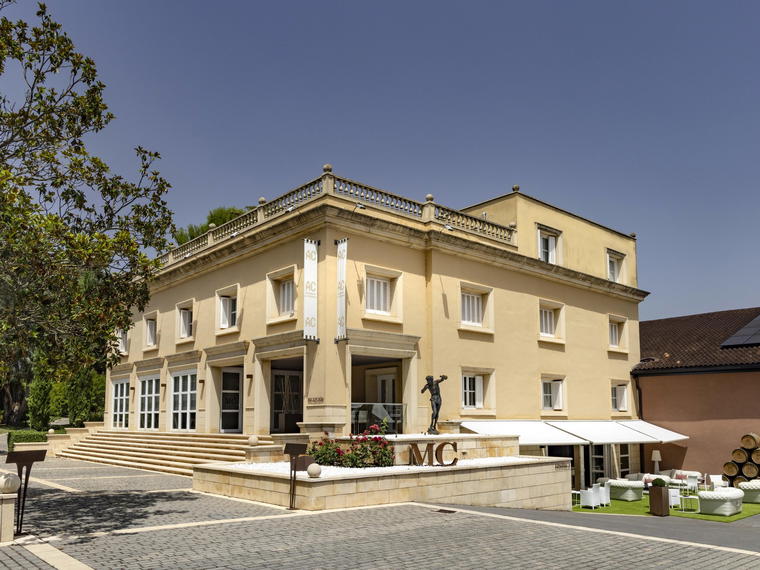
Cenicero, Spain
The winery sits where the Ebro valley's moderating climate and Rioja Alta's clay-limestone soils converge, conditions that define a particular style of Tempranillo-led winemaking distinct from the sandier terrain of Rioja Baja.
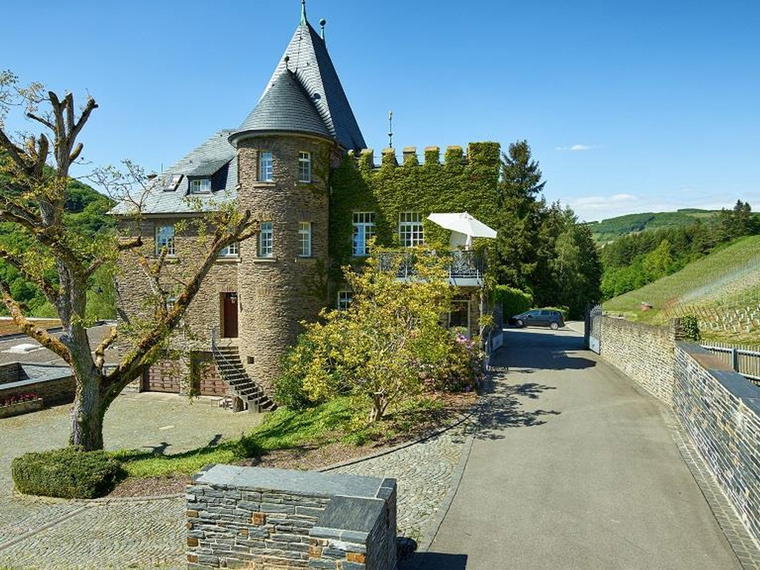
Trier, Germany
The estate's holdings span some of the region's most respected slate-terraced sites, placing it firmly within the upper tier of German Riesling producers. For anyone tracing the Mosel's leading expressions, Kesselstatt is a serious reference point.
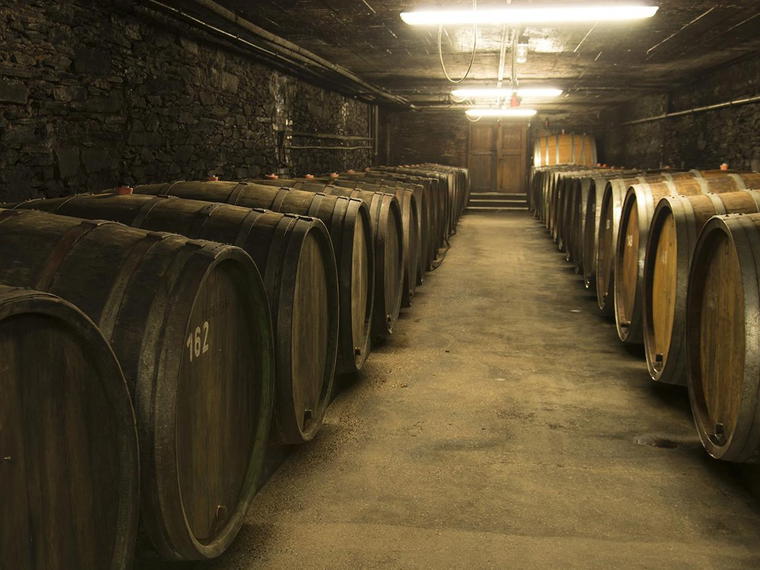
Zeltingen-Rachtig, Germany
Selbach-Oster sits on the steep slate banks of the Mosel in Zeltingen-Rachtig, producing Riesling from some of the river's most demanding vineyard sites. It is a reference point for anyone serious about how Mosel terroir translates to the glass.
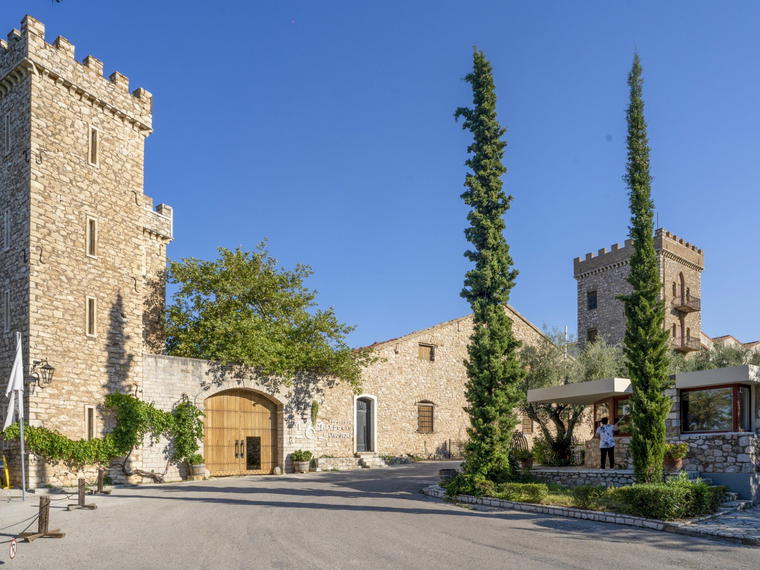
Patras, Greece
One of Greece's oldest wine estates, Achaia Clauss sits above Patras on the northern Peloponnese coast, where the Mavrodaphne grape found its modern identity. For anyone tracing the story of Greek fortified wine, this is an essential reference point.
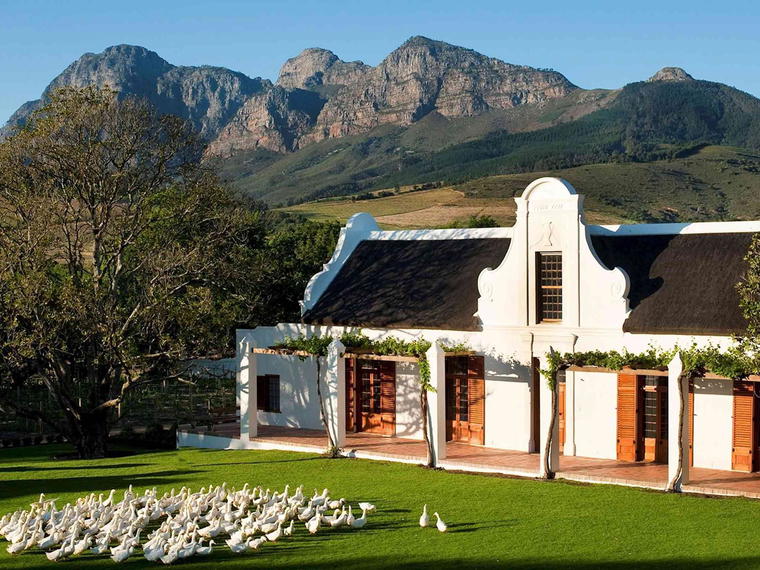
Franschhoek, South Africa
The property sits within the Franschhoek wine corridor, where farm-estate producers compete on terroir expression, visitor experience, and bottle-to-table coherence as much as on points alone.
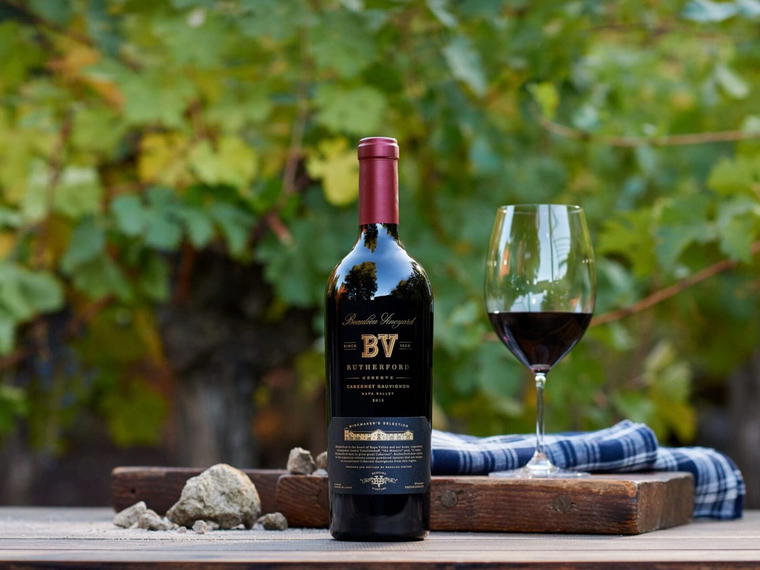
Rutherford, United States
One of Napa Valley's oldest continually operating wineries, Beaulieu Vineyard sits on St. Helena Highway in Rutherford, where it has shaped the region's Cabernet identity across more than a century. The tasting room format offers visitors a structured entry point into Napa's historic winemaking tradition.
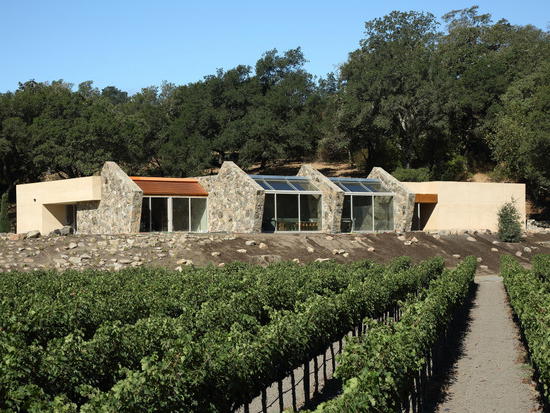
Napa, United States
Stag's Leap Wine Cellars sits along Silverado Trail in the Stags Leap District, its vineyards shaded by the volcanic palisades that give the appellation its name. Winemaker Marcus Notaro continues a lineage that helped define what Napa Cabernet can be at the cooler, rockier southern end of the valley.
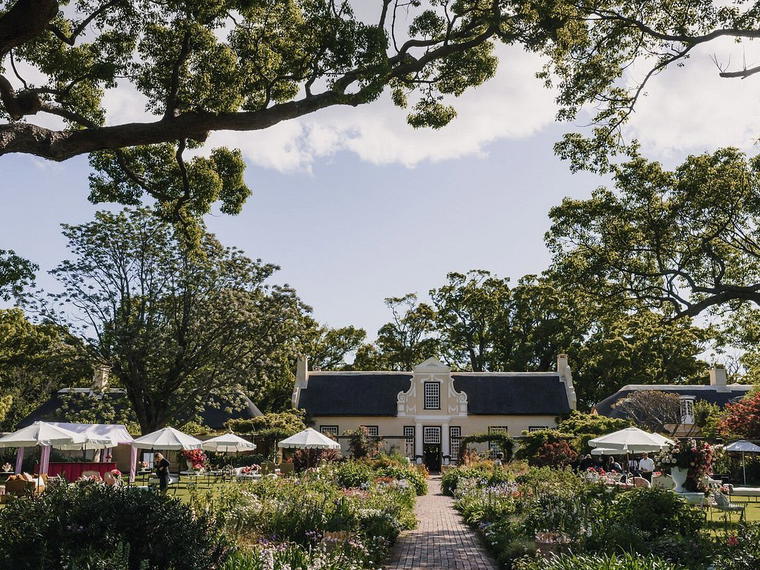
Somerset West, South Africa
Few Cape Winelands estates carry the historical and botanical weight of Vergelegen. The scale and composition of its 17 themed gardens alone warrant the drive from Cape Town.
Mendoza, Argentina
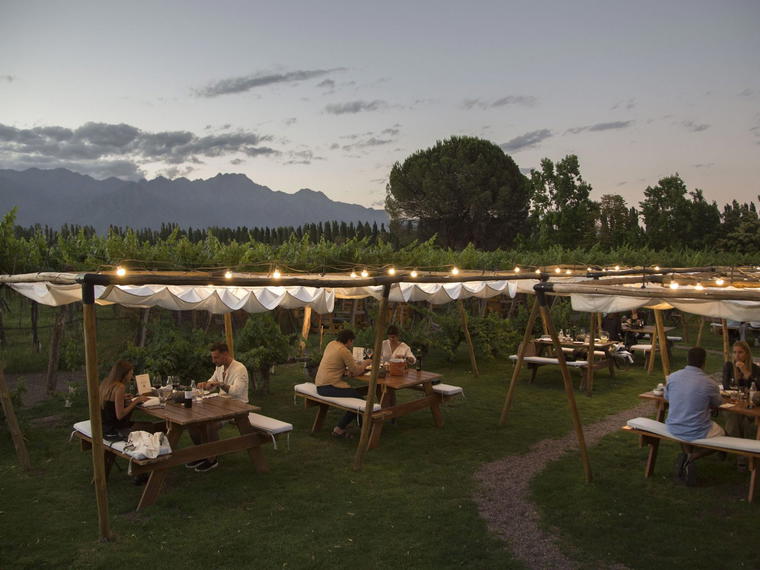
Bodega Kaiken sits at Roque Sáenz Peña 5516 in Mendoza's wine country. The bodega operates in a region where altitude viticulture and Andean terroir define the competitive tier, placing it among a select group of producers whose practices and credentials draw serious wine travelers from across the Southern Hemisphere and beyond.
Mád, Hungary
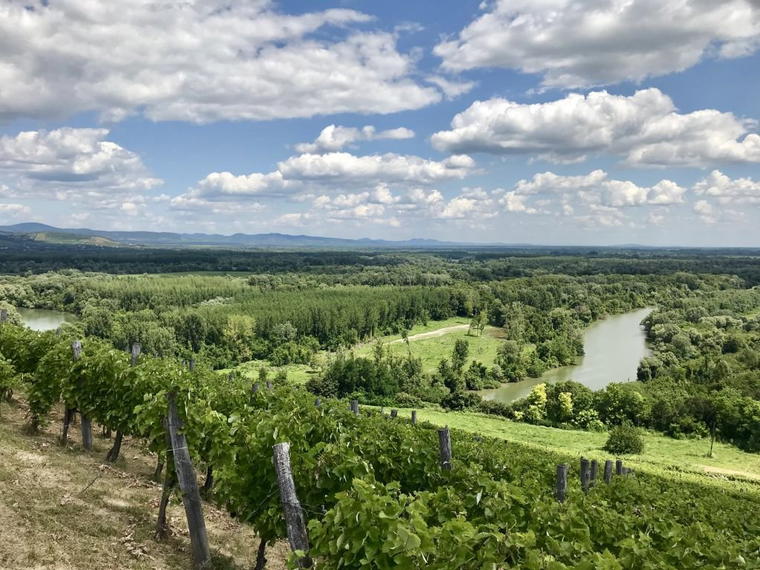
Szepsy in Mád carries one of Tokaj's longest continuous winemaking histories, with family records stretching back to the sixteenth century. For anyone tracing the deep lineage of Tokaji sweet wines, this address on Batthyány utca is the natural starting point.
Puente Alto, Chile
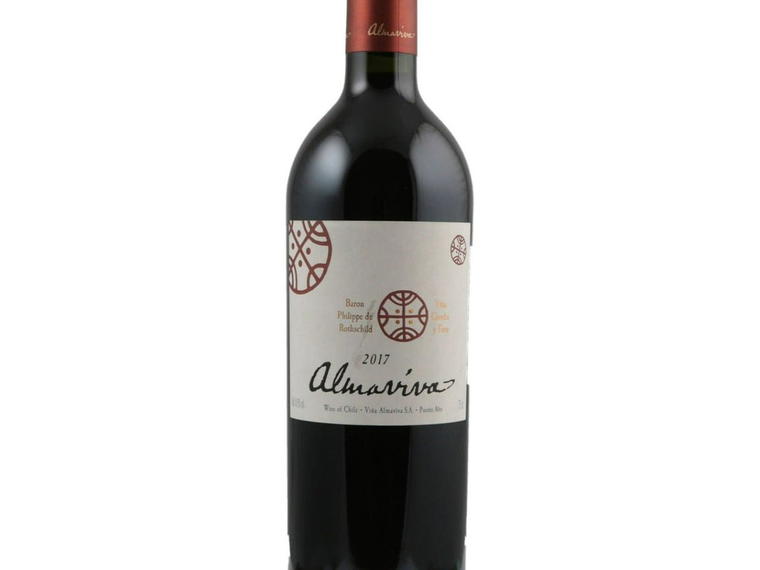
Viña Almaviva is Chile's flagship Franco-Chilean estate in Puente Alto, co-owned by the house behind Château Mouton Rothschild and built around the architecture and discipline of a classic Bordeaux château.
Luján de Cuyo, Argentina
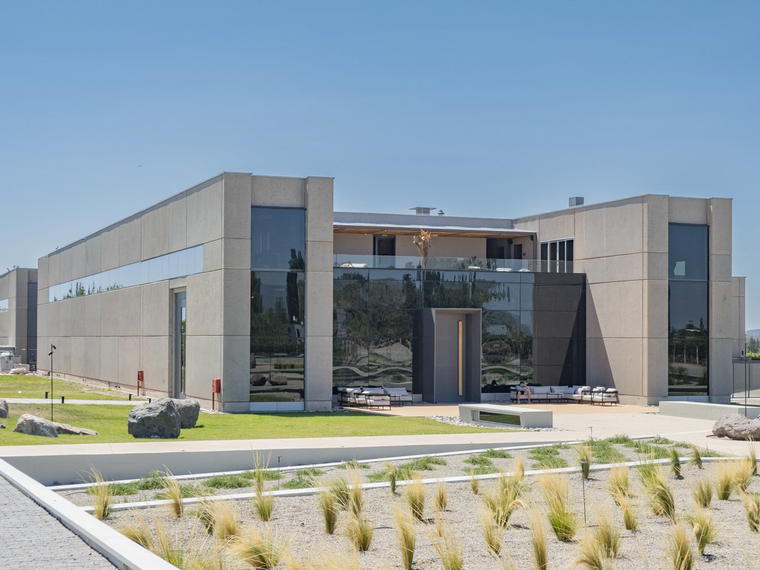
Viña Cobos is a Luján de Cuyo winery. Situated along Ruta Nacional 7 in the heart of the Cobos district, the estate is a reference point for allocation-level Argentine wine, drawing collectors and serious drinkers from across the region.
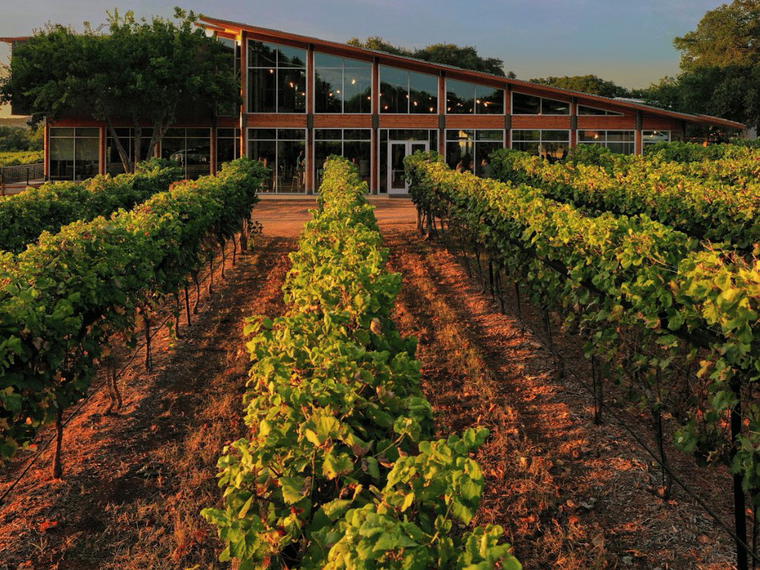
Hye, United States
On US-290 in Hye, William Chris Vineyards sits at the center of a Texas Hill Country wine conversation that has grown considerably more serious over the past decade. For anyone tracing the Hill Country's shift toward restrained, land-driven wines, it is a logical first stop.
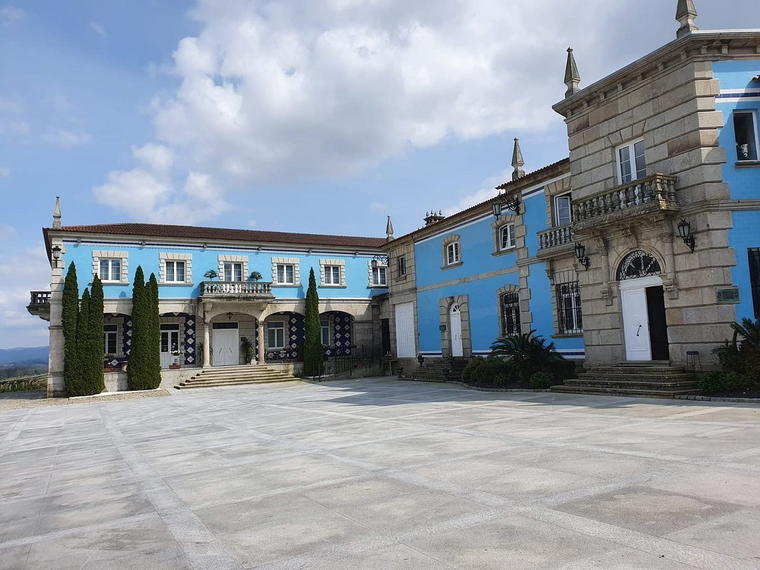
Vilanova de Arousa, Spain
Bodegas Granbazán operates from the Salnés Valley in Galicia's Rías Baixas, where Atlantic proximity and granite-heavy soils shape some of Spain's most distinctive white wines.. For those tracing Albariño from vineyard to bottle, Granbazán is a considered stop.
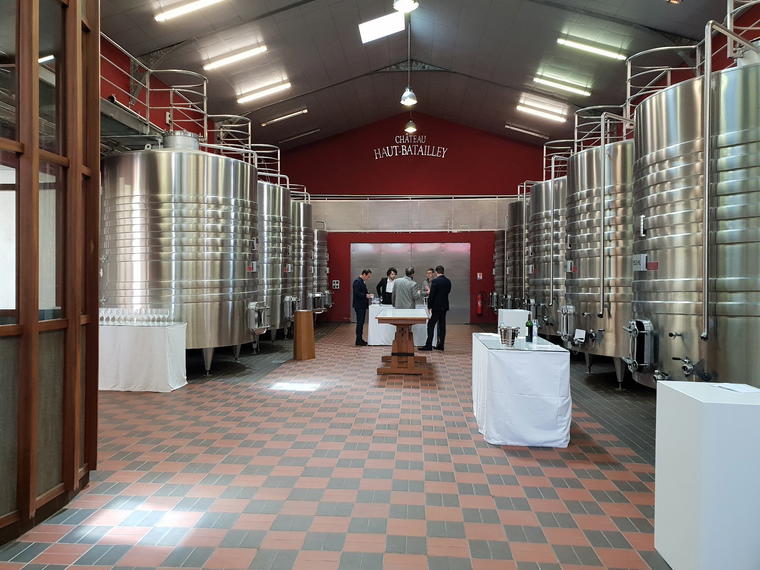
Pauillac, France
A Fifth Growth Pauillac with the structural weight of its appellation and the quiet consistency of a property that has never needed reinvention. The wines read as a textbook for what the Route de Batailley gravel plateau can do with Cabernet Sauvignon.
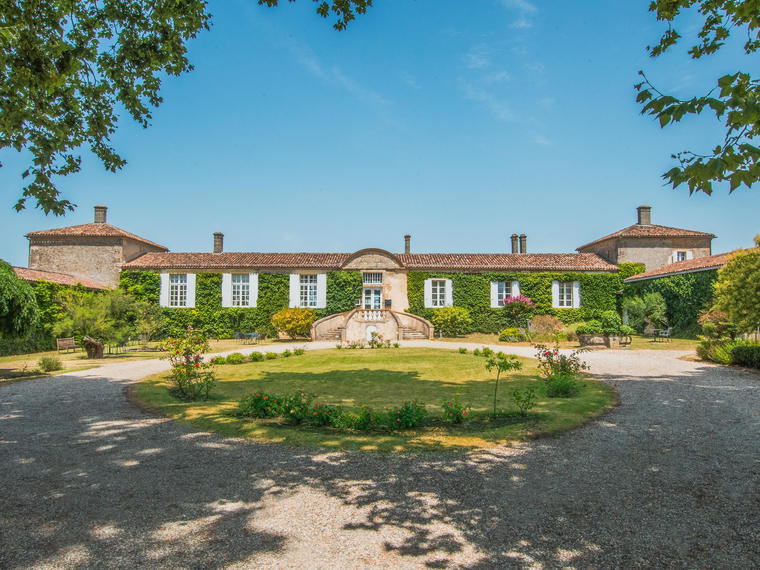
Sauternes, France
The estate's wines reflect the distinctive botrytis conditions of the Sauternes plateau, where morning mists from the Ciron river and warm afternoon sun create the fungal concentration that defines the region's style.
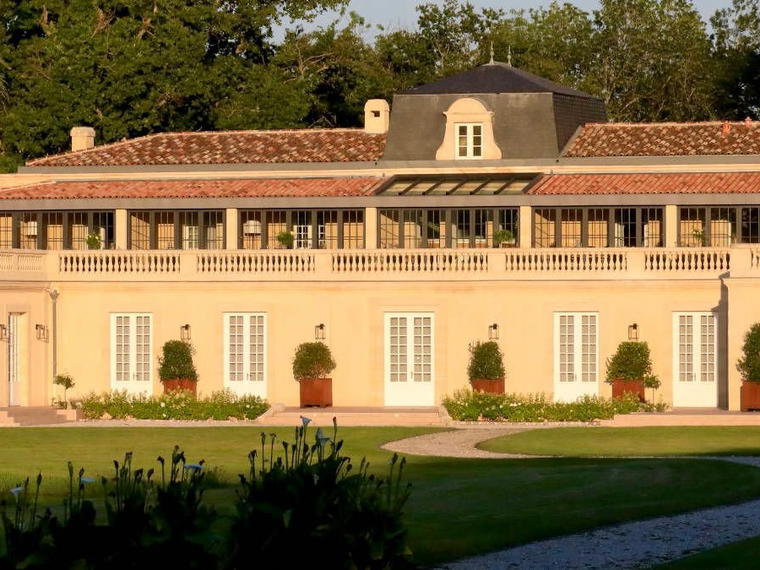
Labarde, France
The property at 1 Avenue Georges Johnston represents one of the appellation's more quietly considered addresses, where vineyard position and soil composition shape the wines as much as cellar technique.
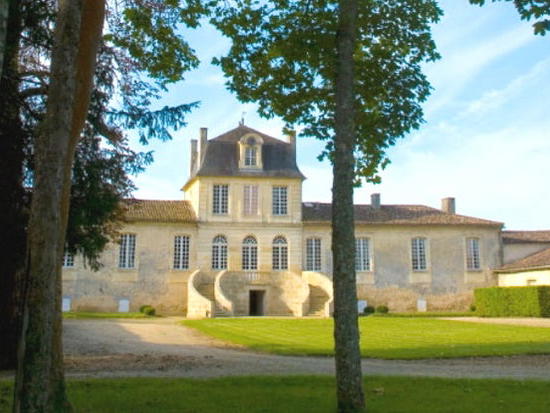
Bommes, France
Château de Myrat is a Barsac estate with vineyards recorded as far back as 1826. Under winemaker Slhane de Pontac, it represents a lesser-discussed tier of Sauternes-adjacent production where clay-limestone soils and the Ciron microclimate shape wines of notable concentration. For collectors and wine tourists approaching the Bommes commune, it occupies a distinct position in the regional classification hierarchy.
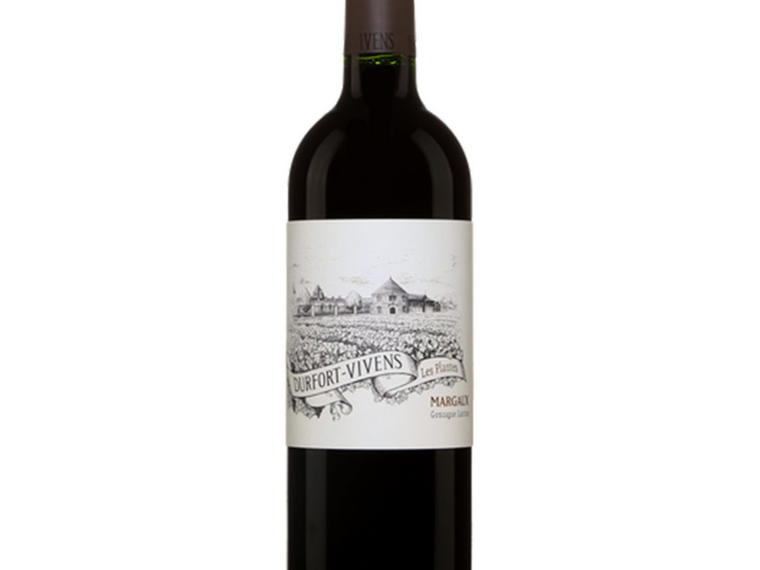
Margaux, France
The estate's address on the Rue du Général de Gaulle places it at the heart of the Margaux commune, within reach of the appellation's most storied neighbours.
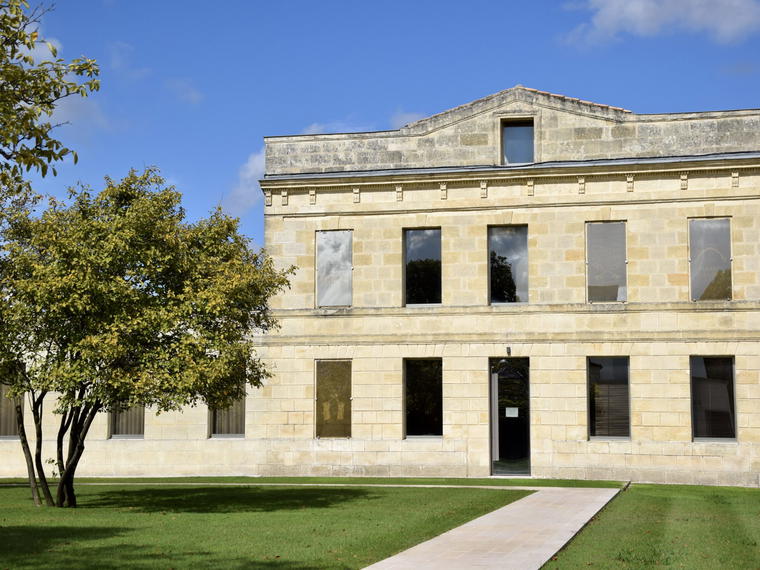
Saint-Julien-Beychevelle, France
Château Gloria occupies a specific and well-argued position in Saint-Julien-Beychevelle: a Cru Bourgeois property producing Cabernet-dominant blends that trade on appellation character rather than classification prestige.
Pauillac, France
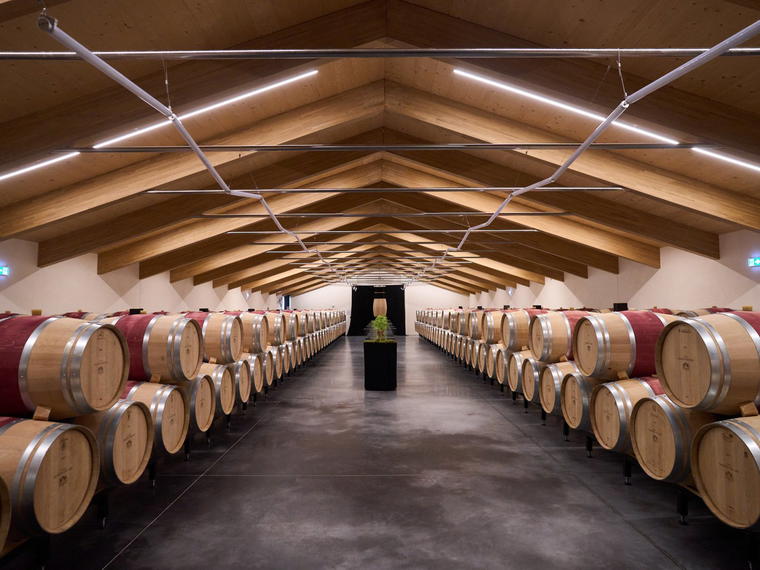
Château Grand-Puy-Ducasse holds a Fifth Growth classification within Pauillac's 1855 hierarchy, operating from a quayside address on the Gironde at 4 Quai Antoine Ferchaud. For Bordeaux en primeur buyers, it represents one of Pauillac's more accessible classified growth entry points.
Saint-Laurent-de-Médoc, France
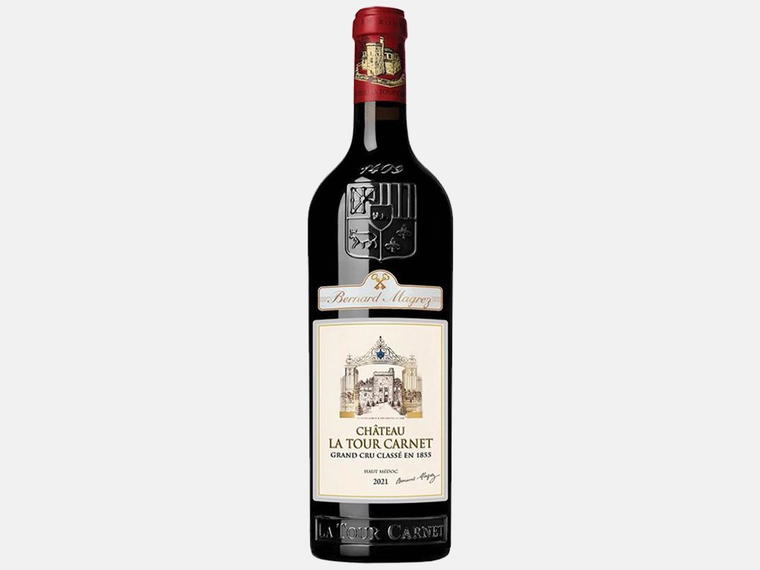
Château La Tour-Carnet sits in Saint-Laurent-de-Médoc, one of the Haut-Médoc's quieter appellations, where clay-rich soils and a cooler mesoclimate shape wines of structural weight rather than early opulence.
Margaux, France
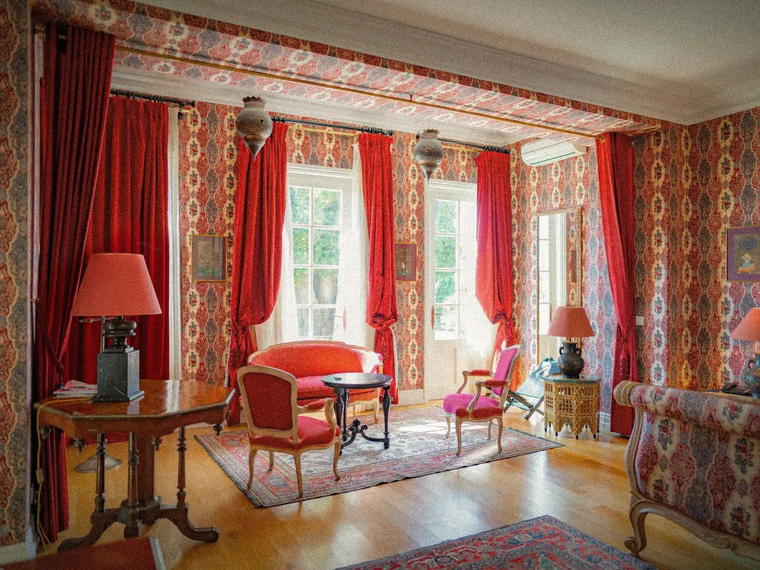
A Fourth Growth Margaux estate. The estate rewards visitors who arrive with an interest in what happens between harvest and bottling, rather than those seeking a quick tasting stop.