Château Peby Faugeres

The estate occupies the quieter fringes of the appellation, where the competitive set thins and terroir distinctions between plateau and hillside become most legible. For collectors tracking right-bank Bordeaux with serious recognition, it warrants close attention.
Pearl is the En Primeur Club membership app — saves, bookings, and concierge access live there. Same editors, same standards.
- Address
- 500 Rte de Pressac, 33330 Saint-Étienne-de-Lisse
- Phone
- +33 5 57 40 34 99
- Website
- vignobles-silvio-denz.com
- Directions
- Get directions
 Saves & bookings on Pearl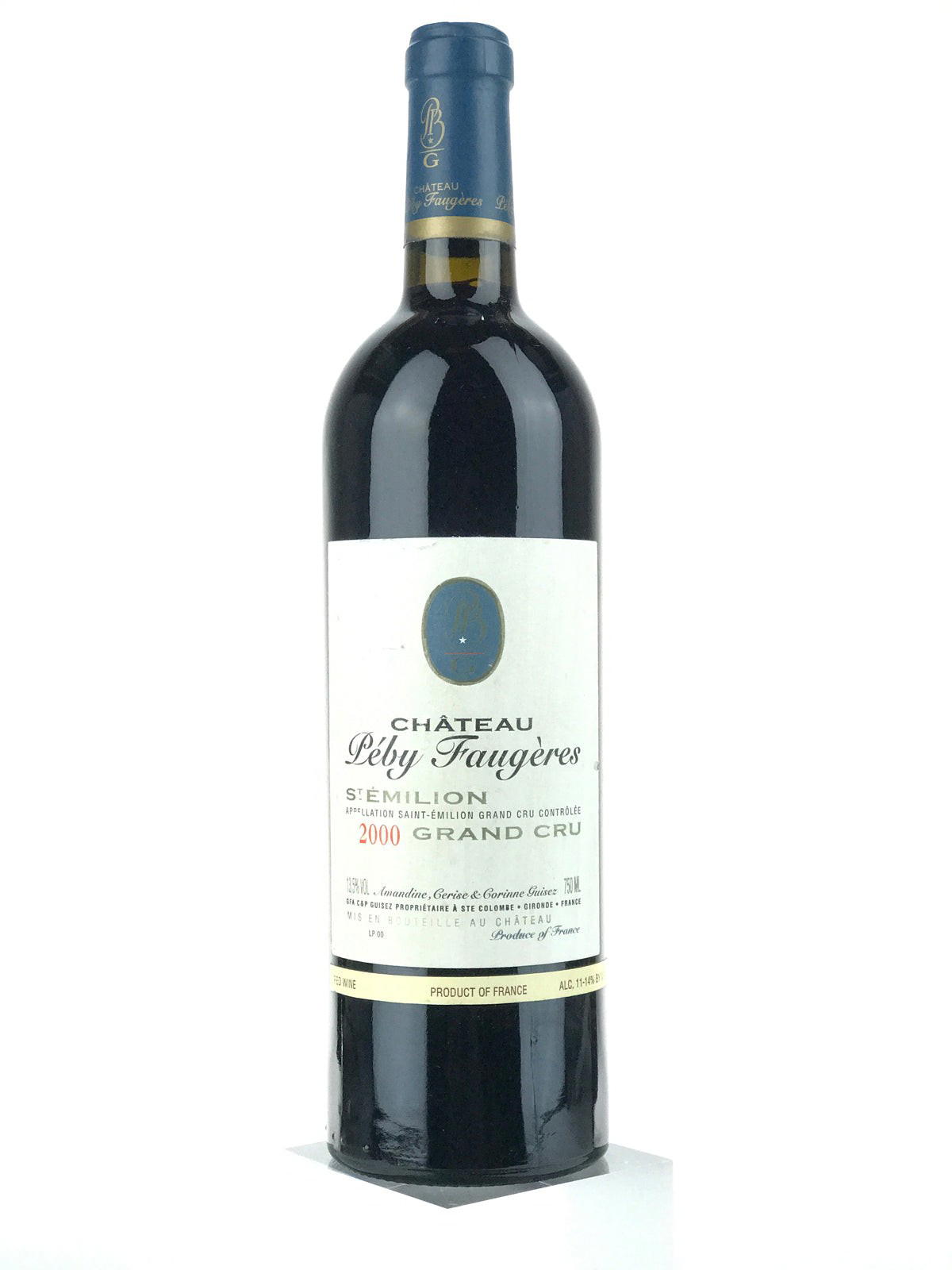
The Eastern Edge of Saint-Émilion's Prestige Belt
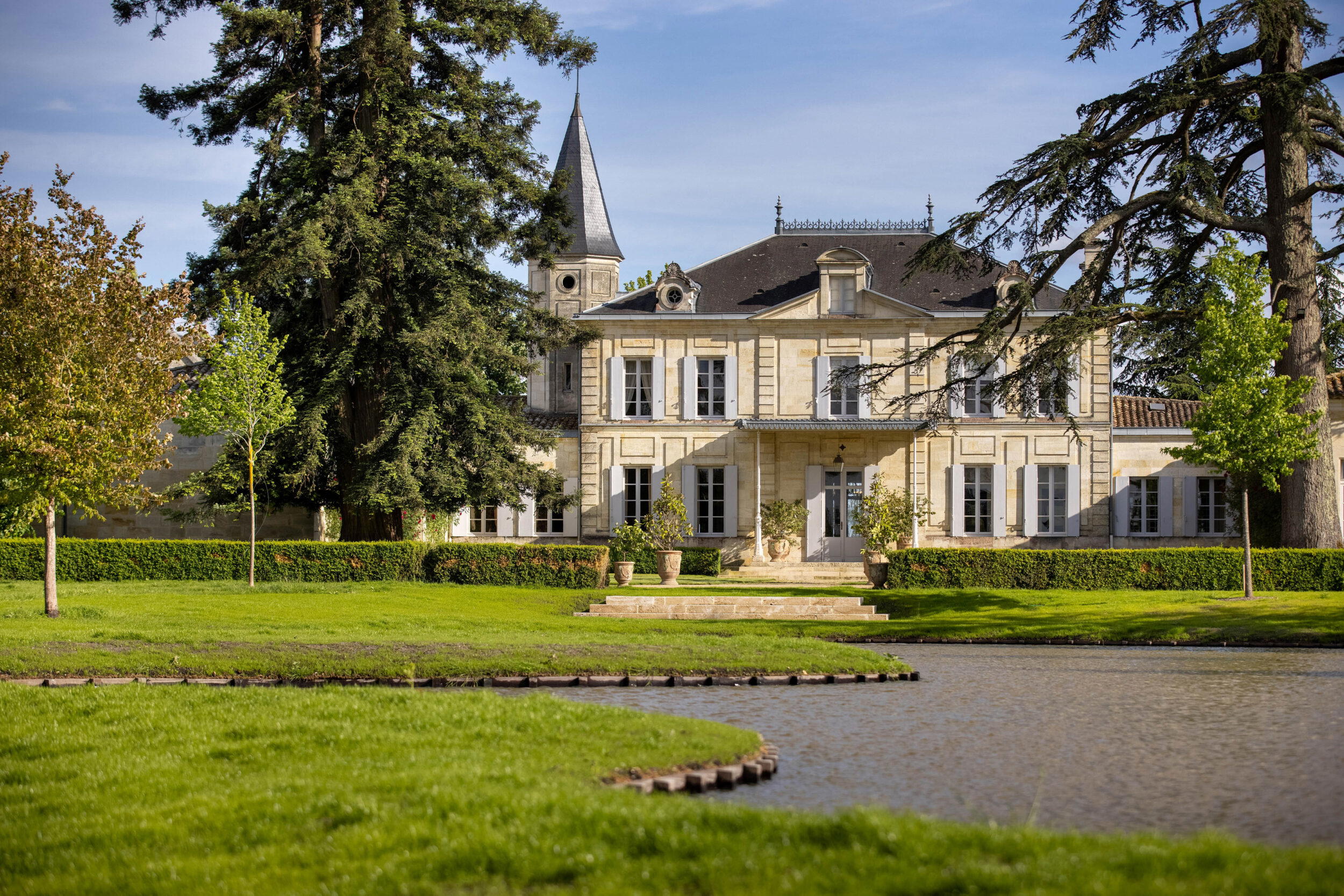
Saint-Émilion's most celebrated addresses cluster around the plateau and its limestone cliffs, where names like Château Bélair-Monange and Château Canon-la-Gaffelière occupy the appellation's most historically mapped terroirs. Travel east toward Saint-Étienne-de-Lisse, and the conversation shifts. The soils change from the pure limestone of the plateau to a more complex interplay of clay and limestone, the hillsides open out, and the producers working this ground tend to attract a different kind of collector: one less interested in classification prestige and more attuned to what the land actually delivers in the glass.
That positioning matters because the broader Saint-Émilion ecosystem has fragmented considerably: classification disputes, revisited rankings, and shifting critical attention have made it harder to read prestige signals from appellation status alone.
Silvio Denz and the Owner-Led Production Model
The right bank has seen significant consolidation over the past two decades, with corporate groups acquiring estates across Pomerol and Saint-Émilion. Against that backdrop, the owner-operated model carries distinct implications for production philosophy. At Peby Faugeres, Silvio Denz functions as both proprietor and the central decision-making presence, a model that concentrates creative and commercial authority rather than distributing it across a management structure. This is not unusual among the appellation's more expressive estates: Château La Mondotte has operated under similar concentrated stewardship, and the pattern tends to produce wines with a legible stylistic identity across vintages.
The editorial angle worth noting is less about any individual's biography and more about what owner-led viticulture means for consistency. When the same person controlling capital allocation also controls harvest decisions and blending, the estate behaves more like a singular artistic project than a managed asset. That coherence shows up in how the wine reads across years with very different growing conditions, and it is part of what specialist collectors are buying when they seek out smaller right-bank châteaux over appellation-name recognition.
Merlot Terroir on the Eastern Slopes
Saint-Émilion's reputation rests substantially on Merlot, but within that broad framing there is significant variation. The plateau's limestone favors a tighter, more mineral expression; the clay-rich soils of the eastern and southern zones tend toward richer texture and darker fruit profiles. Peby Faugeres sits in the latter category, where Merlot has the raw material for concentration and early approachability alongside the structural capacity to reward patience. This is comparable terroir logic to what drives interest in estates like Château Clos Fourtet on the plateau's western edge, though the two estates are working from meaningfully different soil compositions.
The regional context for this style extends well beyond Saint-Émilion. Across Bordeaux, the debate between finesse-oriented and texture-forward winemaking has run for decades, and the right bank's clay terroirs have consistently supplied the argument for the latter camp. What makes the eastern Saint-Émilion estates interesting right now is that critical attention, which spent years chasing concentration above all else, has partially recalibrated. Wines that can offer density without heaviness, and texture without extraction artifacts, are finding a more receptive audience than they would have a decade ago.
For comparison, estates at this recognition tier within Saint-Émilion and its satellites tend to fall into two commercial patterns: those with significant brand awareness that trade at premiums across all channels, and those where quality consistently runs ahead of market recognition, creating windows for collectors willing to engage early. The eastern and southeastern zones of Saint-Émilion have historically produced more examples of the second pattern than the first. Peer estates across the broader region, from Château Bastor-Lamontagne in Preignac to expressive producers across different French appellations like Albert Boxler in Niedermorschwihr, demonstrate that regional geography shapes not just wine character but the collector attention those wines attract.
The Collaboration That Shapes the Glass
At the production level, the distinction between a concentrated, terroir-driven Saint-Émilion and a technically competent but characterless one frequently comes down to the relationship between viticulture and winemaking teams. Estates working the more demanding clay-limestone soils of the eastern appellation face a specific challenge: the same conditions that generate textural richness can also produce wines that tip toward extraction and alcoholic weight if harvest timing and cellar handling are misaligned. The estates that consistently thread that needle, and Peby Faugeres' 2025 recognition suggests it belongs in that group, are those where field and cellar decisions are tightly coordinated rather than siloed.
This dynamic plays out differently depending on estate scale. At Peby Faugeres, the owner-led structure creates the conditions for integrated decision-making, but the practical execution depends on the vineyard and cellar personnel working in alignment with Denz's direction. The same logic applies across well-regarded right-bank addresses: Canon-la-Gaffelière and La Mondotte, both under the Neipperg family, are routinely cited as examples of how team coherence across ownership, viticulture, and winemaking produces recognizable stylistic continuity. Peby Faugeres is working toward a comparable identity from its own eastern terroir base.
Planning a Visit to the Estate
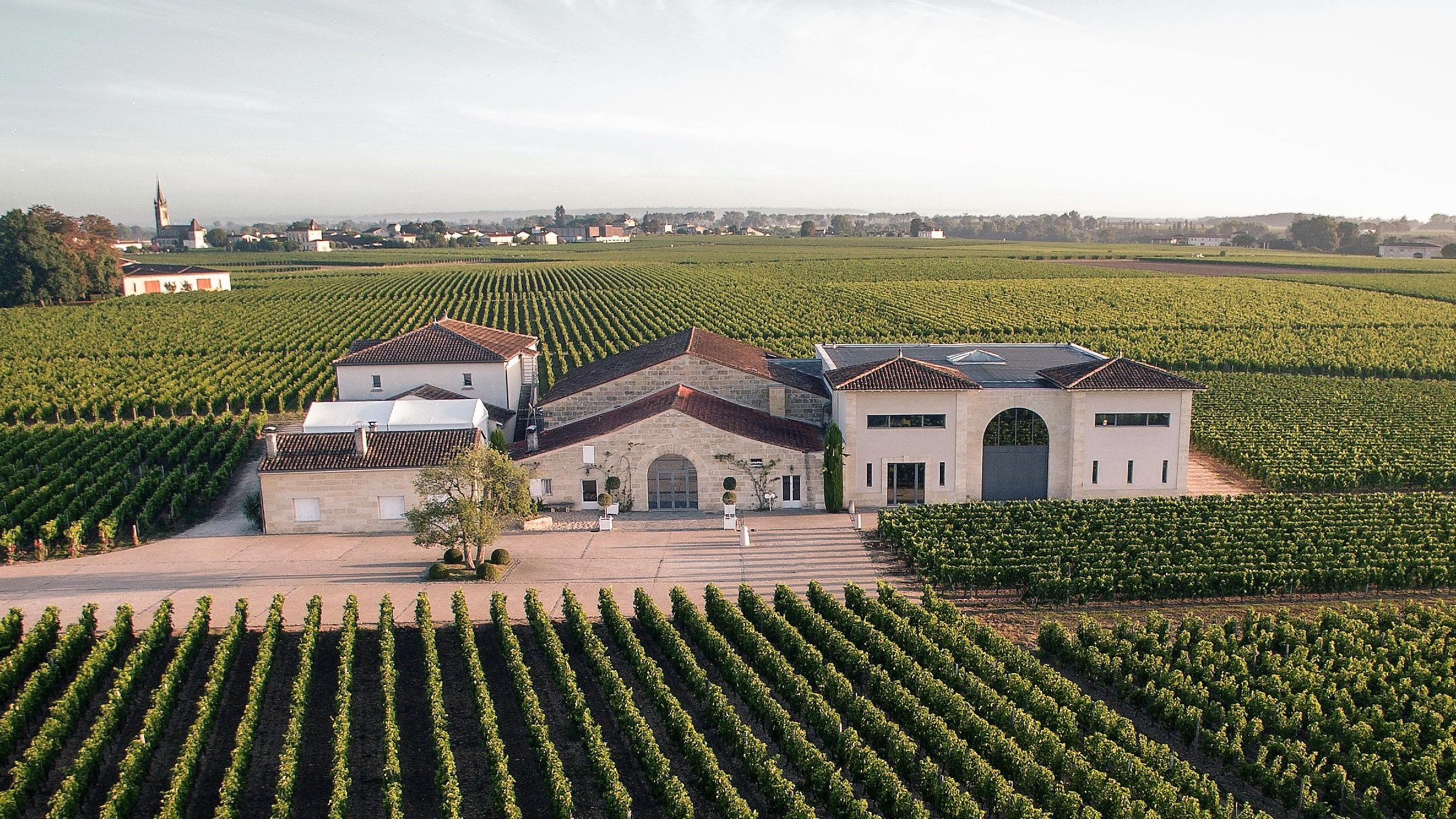
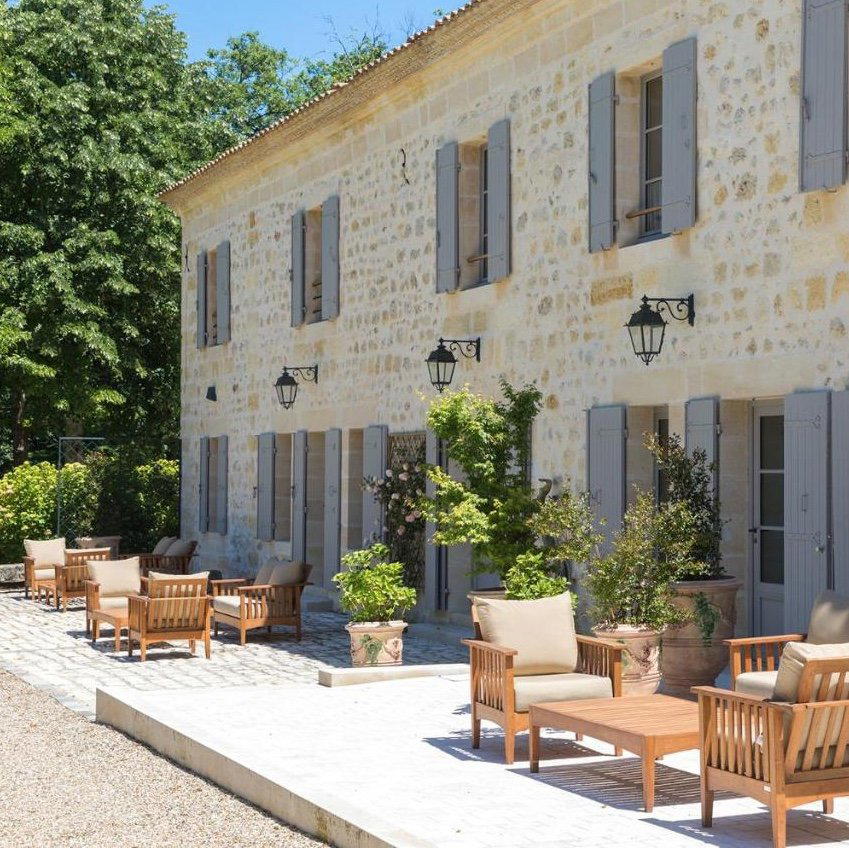
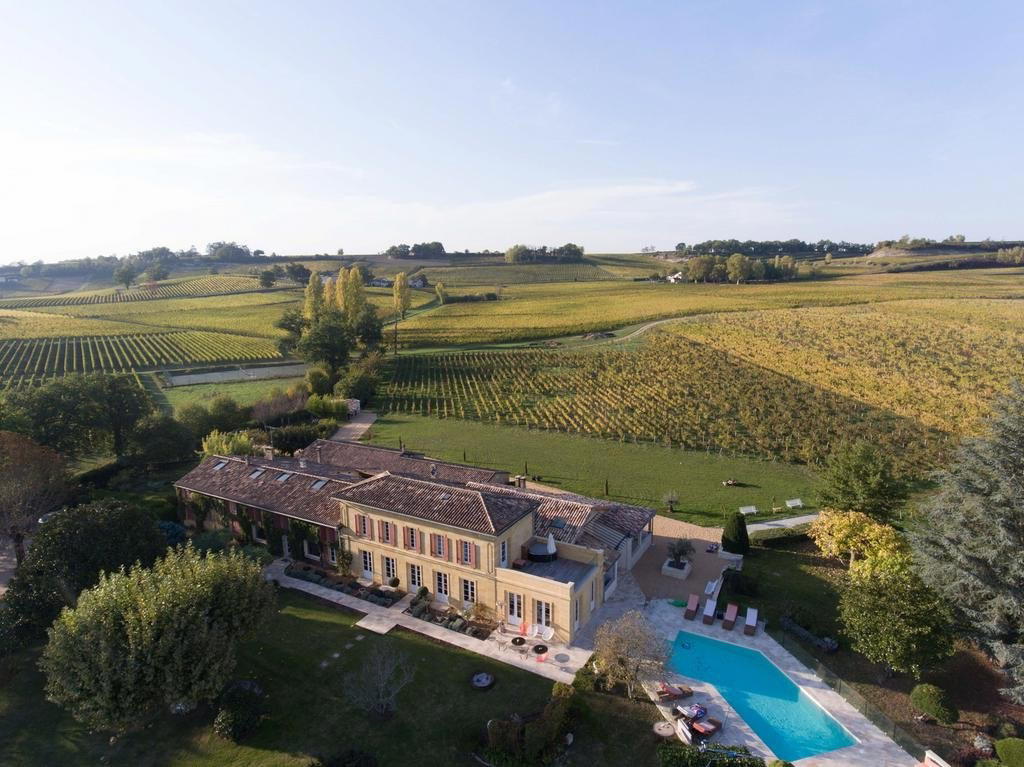
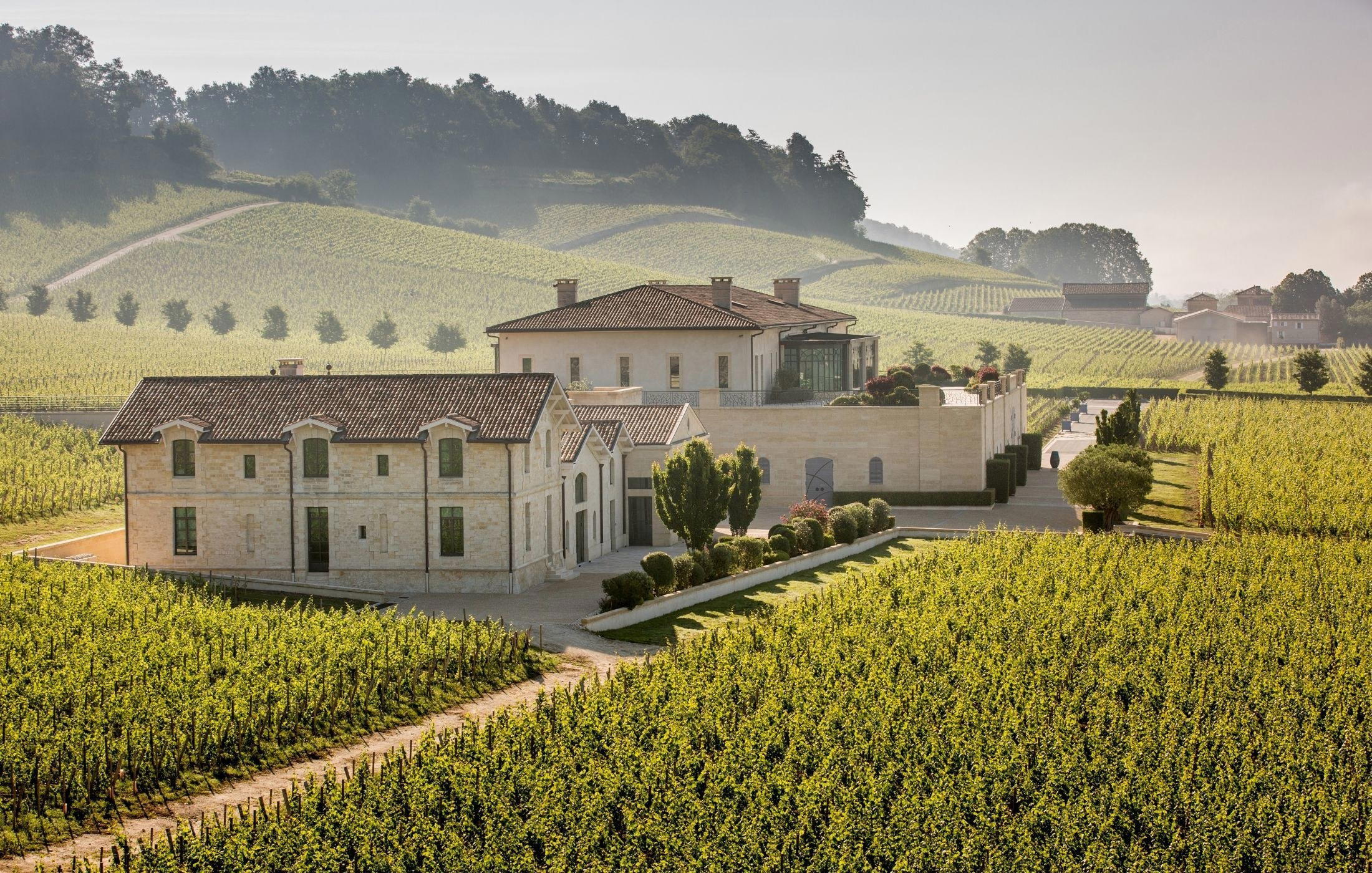
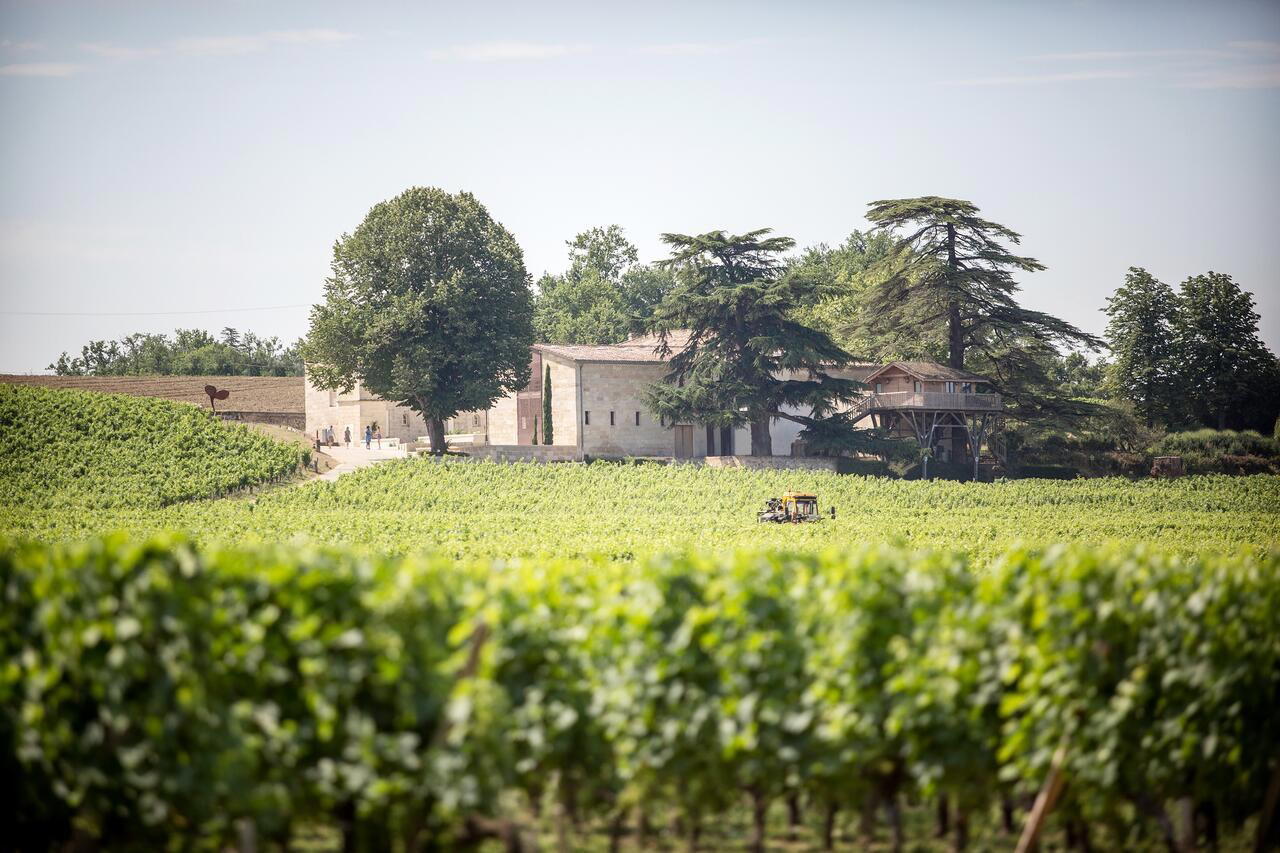
Saint-Étienne-de-Lisse sits southeast of the Saint-Émilion village itself, reached via a short drive through vineyards that transition noticeably from the town's immediate plateau surroundings. The address at 500 Route de Pressac places Peby Faugeres in one of the appellation's less trafficked corners, which has practical consequences: visits here feel less like scheduled tourism and more like deliberate research, the way serious collector travel to Burgundy's Côte de Nuits operates versus a general wine-country excursion. The broader Saint-Émilion area is well covered by our full Saint-Émilion guide, which maps visiting logistics across the appellation's key addresses.
Collectors with interest in Bordeaux's wider right-bank geography might pair a Peby Faugeres visit with stops at neighboring estates or, for Médoc counterpoints, reference estates like Château Batailley in Pauillac, Château Branaire Ducru in St-Julien, Château Boyd-Cantenac in Cantenac, or Château Cantemerle in Haut-Médoc to benchmark the stylistic range across the region. For estates with comparable independent recognition outside Bordeaux entirely, Accendo Cellars in St. Helena offers a useful transatlantic reference point for owner-driven, small-production viticulture operating at a prestige tier.
Recognition history
Dated appearances from independent guides and award organizations, with the underlying list record or original source where available.
Falstaff Winery - 4 Stars
Falstaff
Continue exploring
More in Saint-Émilion
Wineries in Saint-Émilion
Browse all →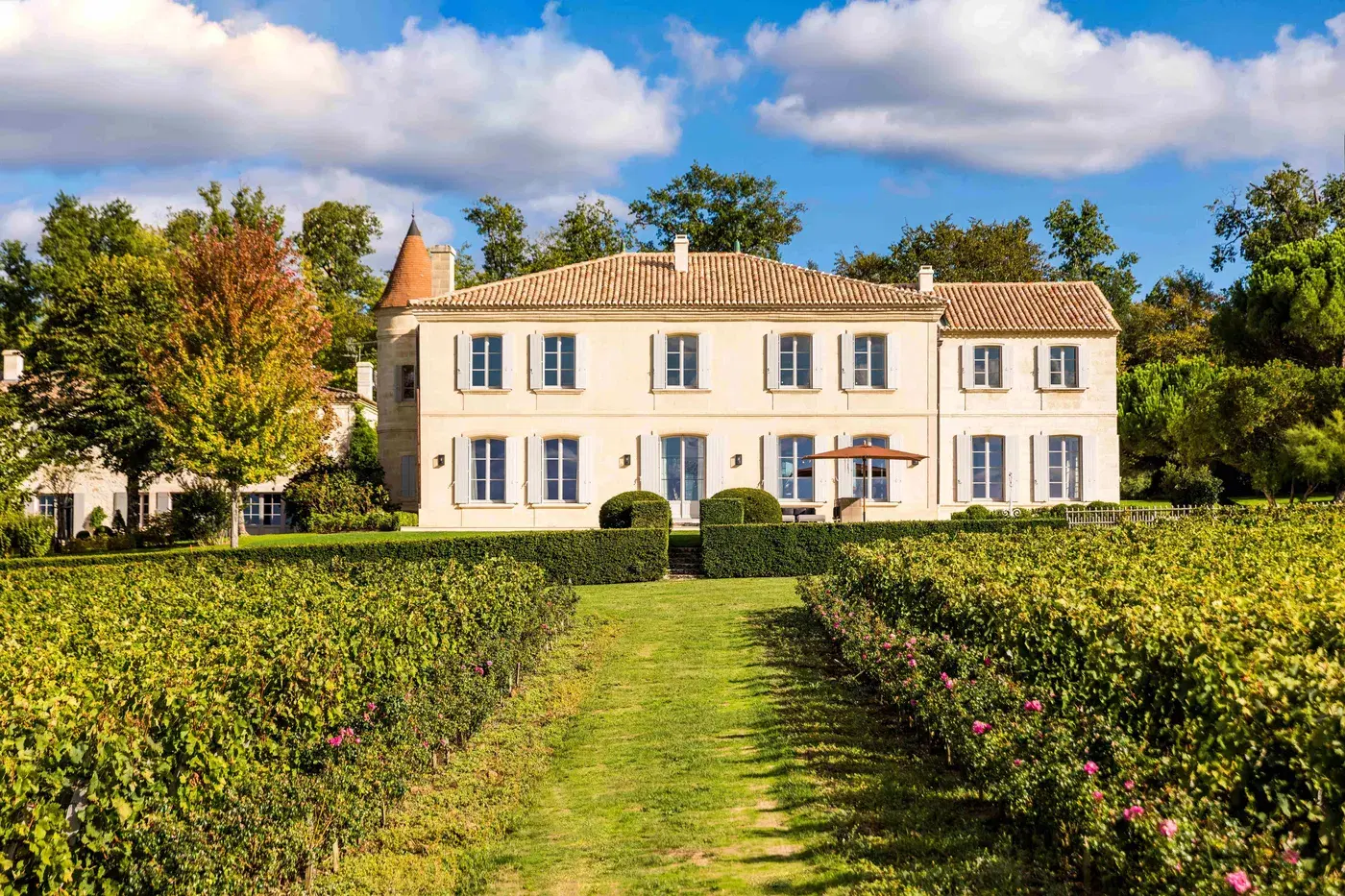
Bars in Saint-Émilion
Browse all →
Restaurants in Saint-Émilion
Browse all →
At a Glance
- Elegant
- Sophisticated
- Rustic
- Special Occasion
- Wine Education
- Cave Tasting
- Vineyard Tour
- Historic Building
- Organic
- Vineyard
- Saint Emilion Grand Cru Classé
- Merlot
- Cabernet Sauvignon
- Still Red
- Cave Tasting
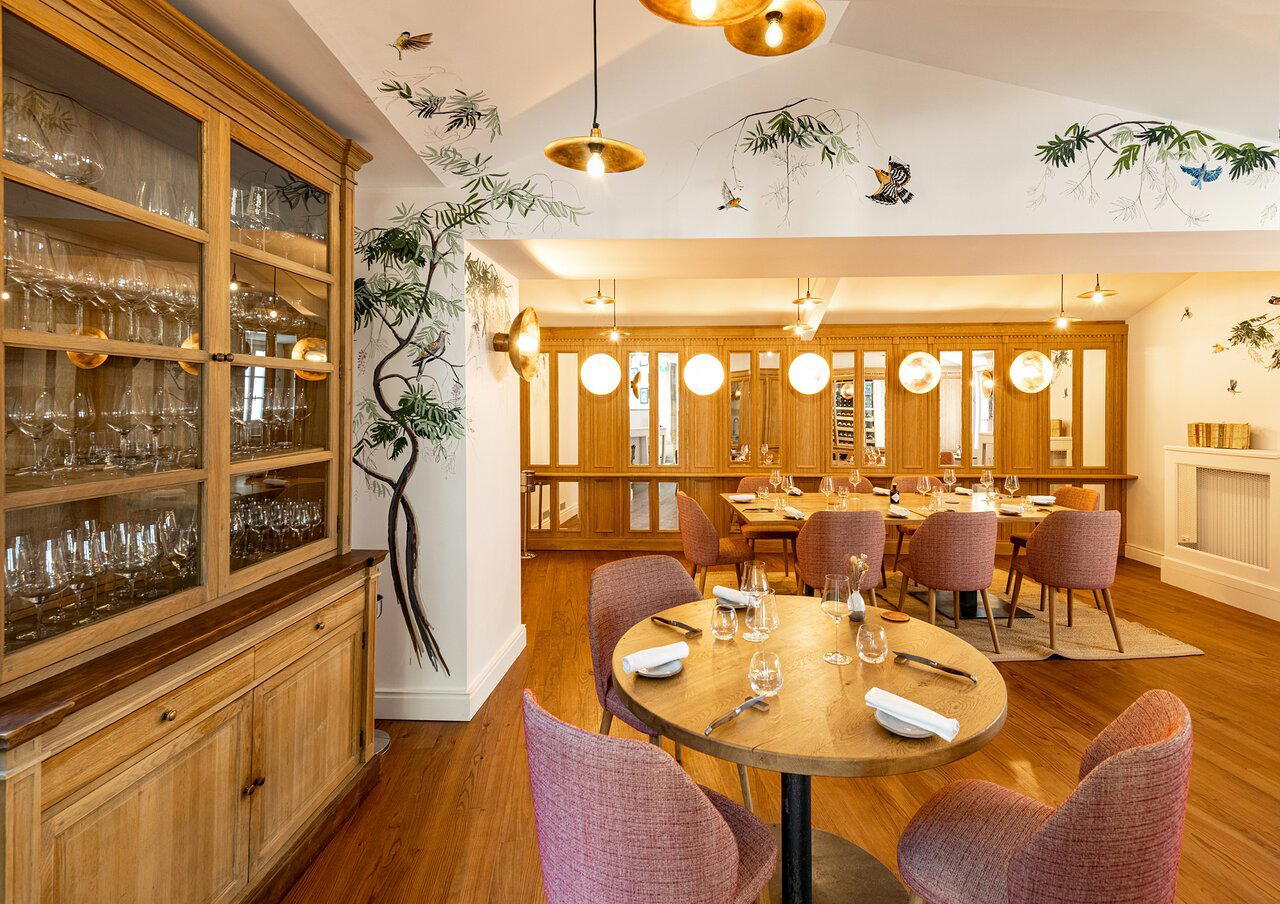
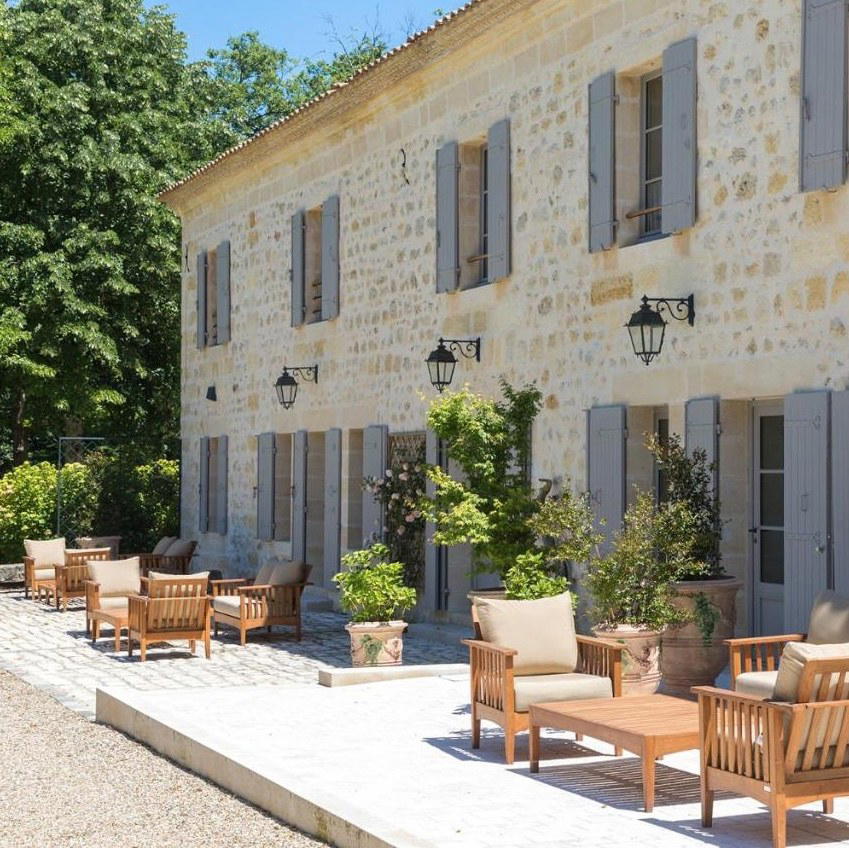
Ornate and elegant with a fusion of winemaking artistry and artistic elements like Lalique crystals in the cellars, creating a sophisticated, sensory-rich atmosphere.
Know Before You Go
- Getting there
- 500 Rte de Pressac, 33330 Saint-Étienne-de-Lisse