
Falstaff Winery - 2 Stars
Château de Myrat is a Barsac estate with vineyards recorded as far back as 1826. Under winemaker Slhane de Pontac, it represents a lesser-discussed tier of Sauternes-adjacent production where clay-limestone soils and the Ciron microclimate shape wines of notable concentration. For collectors and wine tourists approaching the Bommes commune, it occupies a distinct position in the regional classification hierarchy.

Pearl is the En Primeur Club membership app, where members save venues, book tables and use the concierge.
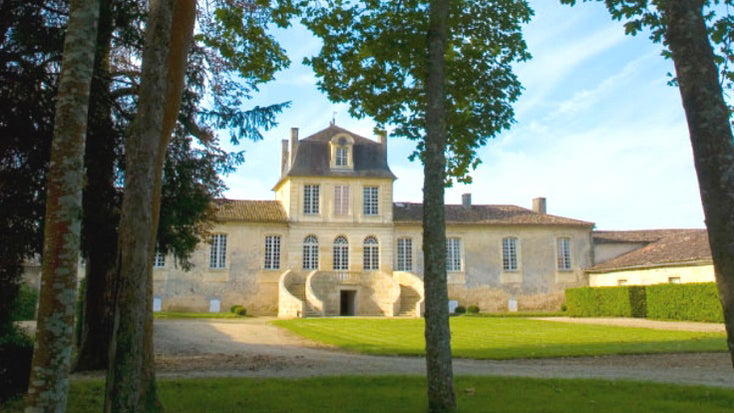
Where Barsac Soil Speaks Before the Label Does
The road into the Barsac-Sauternes corridor runs flat and unremarkable until the vines begin. This part of the Gironde, tucked south of Bordeaux where the Ciron river feeds cold water into the Garonne, has produced botrytised sweet wines since before any classification system existed to rank them. Château de Myrat, addressed at Myrat-Sud in the commune of Bommes with records of continuous production dating to 1826, sits in that long-established tradition. The estate is not a frequent subject of international press cycles. That relative quietness is worth understanding, because it tells you something about where Barsac producers sit in the current wine market more broadly.
Sweet wine from this corridor occupies a niche that the wider Bordeaux trade has periodically struggled to position. Sauternes and Barsac classification from 1855 assigned ranks that still hold legal force today, but the commercial energy in Bordeaux shifted firmly toward red Médoc and Right Bank production over the last three decades. Estates like Myrat operate in a category where critical attention is real but intermittent, and where the physical work of the vineyard, coaxing Botrytis cinerea from autumn fog, harvesting in multiple passes by hand, remains as labour-intensive as anywhere in France.
The Ciron Effect and What Barsac Clay Does to Botrytis Wine
No Sauternes or Barsac wine can be understood without the Ciron microclimate. The smaller, spring-fed Ciron runs considerably colder than the Garonne it joins just south of Barsac. On autumn mornings, the temperature differential generates fog that settles across the vineyards, creating the humid conditions that trigger noble rot across Sémillon, Sauvignon Blanc, and Muscadelle grapes. By afternoon, those same days often bring sun that dries the berries rather than encouraging grey rot. The cycle repeats across weeks. No mechanical intervention replicates it, and no other significant wine-producing region in France operates under quite the same mechanism.
Barsac sits on a slightly different geological base than most of Sauternes. Where the Bommes and Fargues communes tend toward sandy gravel over limestone subsoils, Barsac's soils carry more red clay and limestone at the surface. This difference in drainage and mineral composition produces wines that tend toward a lighter body relative to Sauternes, with higher natural acidity. The style is less opulent at its structural core, though botrytis concentration can push sugar and glycerol to similar levels. Winemaker Slhane de Pontac works within this physical reality. The land, not the winemaker, sets the parameters here, which is precisely what terroir expression means in practice, rather than in marketing language.
For context, Château de Myrat shares this Barsac geography with a classification tier that includes several other notable estates. Producers in the neighbouring Bommes commune, such as Château Rabaud-Promis, Château Rayne-Vigneau, and Clos Haut-Peyraguey, operate under Sauternes appellation rather than Barsac, which means the soil and fog dynamics are related but not identical. The comparison is worth making precisely because it shows how small shifts in geology and commune boundaries produce categorically different wine styles from vineyards separated by a few kilometres.
Production Continuity Since 1826
The 1826 first vintage date in Château de Myrat's record places it in a category of Bordeaux estates with documented production history predating the 1855 classification itself. That classification, commissioned by Napoleon III for the Paris Exhibition, remains the legal framework that governs Sauternes and Barsac rankings today. Myrat's longevity of record is not a decorative detail: estates with continuous documented production through changes of ownership, war, economic depression, and the phylloxera crisis carry a material advantage in understanding their own terroir. Vine age, rootstock history, and long-term soil data all accumulate across generations in ways that newer operations cannot replicate on any timeline.
For a point of comparison outside Bordeaux, consider what documented production continuity means at other long-established estates. Albert Boxler in Niedermorschwihr works Alsatian grand cru parcels with comparable generational depth, and the connection between vine age and wine complexity is broadly accepted in the critical literature for both regions. The principle applies to Barsac as it does to Alsace: old vines on understood soils produce grapes with greater concentration and lower yields, and that reduction in quantity generally translates to greater intensity in the glass.
Where Château de Myrat Sits in the Regional Picture
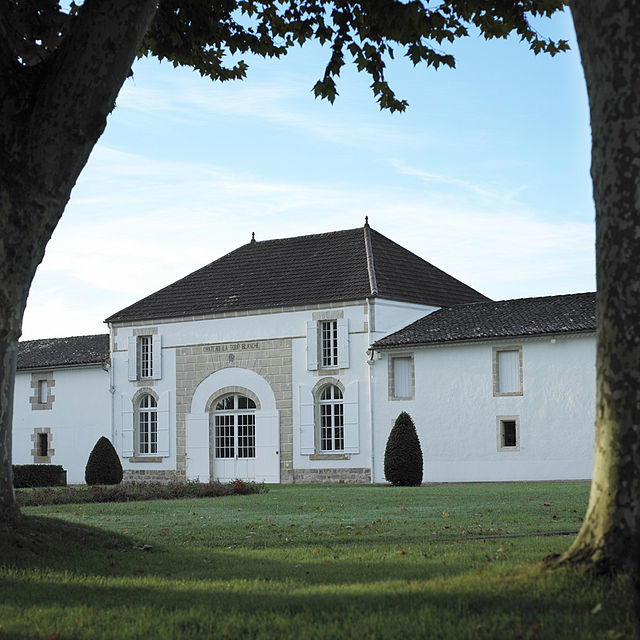
Château La Tour Blanche, classified as a Premier Cru in 1855 and now operating as a winemaking school under state ownership, represents the institutional end of the regional spectrum. Château La Mission Haut-Brion sits in a different appellation entirely, but its profile as a Pessac-Léognan red illustrates how Bordeaux reputation operates across classification tiers: the 1855 system has enormous commercial weight, but it is not the only measure of critical standing in the region.
Within the sweet wine category, the more relevant peer reference is Château Bastor-Lamontagne in Preignac, a Sauternes producer operating just outside the classified growth system but with consistent critical respect. The comparison is instructive because it shows that classification rank and quality reputation are correlated but not identical in this part of Bordeaux. Myrat's 2025 award recognition suggests the estate is performing at a level that critics consider notable independent of its historical classification position.
Collectors who track sweet wine production across regions will also find useful context in looking at Château Boyd-Cantenac in Cantenac and Château Branaire Ducru in St-Julien as examples of how classified Bordeaux estates position themselves in the current market across different styles. The structural challenge facing all Bordeaux classified growth producers, managing legacy reputation against contemporary critical assessment, applies as much to Barsac sweet wine as to Médoc reds.
Planning a Visit to Château de Myrat
Bommes is a small commune in the Gironde, and the address at 1 Myrat-Sud, 33720 Barsac, places the estate squarely within the Sauternes appellation geography accessible from Bordeaux. The Sauternes wine road draws serious wine tourists from across Europe and beyond, and the concentration of classified estates within a relatively tight radius makes the area viable for multi-estate visits. For those building an itinerary around the broader commune, our full Bommes guide covers the regional context in greater detail. Estates in this area rarely operate with the same open-door tourism infrastructure as Médoc châteaux, so confirming visit arrangements directly before arrival is worth the effort. No current website or public phone number is listed in EP Club's records for Château de Myrat, which is not uncommon among smaller classified estates in this appellation.
Visitors approaching the region from outside Bordeaux who are planning broader French wine itineraries might also consider how Barsac fits alongside other sweet or specialised producers across France. Chartreuse in Voiron and Accendo Cellars in St. Helena represent different categories entirely, but the logic of planning around producers with documented critical recognition and clear production identity applies across regions. Autumn is the most active period in the Sauternes vineyards, when harvest passes are underway and the Ciron fog follows its own timetable regardless of visitor convenience. Late autumn to early winter visits can offer a closer look at the post-harvest estate, while spring and early summer tend to be quieter and more accessible for appointments.
Side-by-Side Snapshot
Comparable venues nearby, for context on price, style, and recognition.
| Venue | Cuisine | Price | Awards | Notes |
|---|---|---|---|---|
| Château de MyratThis venue (the venue you are viewing) | Semillon, Sauvignon Blanc | Not listed | Falstaff Winery - 2 Stars | Not listed |
| Château La Mission Haut-Brion | Cabernet Sauvignon, Merlot | Not listed | Michelin 2 Grapes · Falstaff Winery - 4 Stars | Pessac-Léognan |
| Château Rabaud-Promis | Sémillon, Sauvignon Blanc | Not listed | Falstaff Winery - Listed | Bommes |
| Château Sigalas-Rabaud | Sémillon, Sauvignon Blanc | $10–20 | Michelin 1 Grape · Falstaff Winery - 3 Stars | Bommes |
| Château La Tour Blanche | Sémillon, Sauvignon Blanc | Not listed | Michelin Main Selection · Falstaff Winery - 3 Stars | Bommes |
| Château Rayne-Vigneau | Sémillon, Sauvignon Blanc | Not listed | Falstaff Winery - 3 Stars | Bommes |
Recognition history
Dated appearances from independent guides and award organizations, with the underlying list record or original source where available.
Falstaff Winery - 2 Stars
Falstaff
Continue exploring
More in Bommes
Wineries in Bommes
All wineries in Bommes →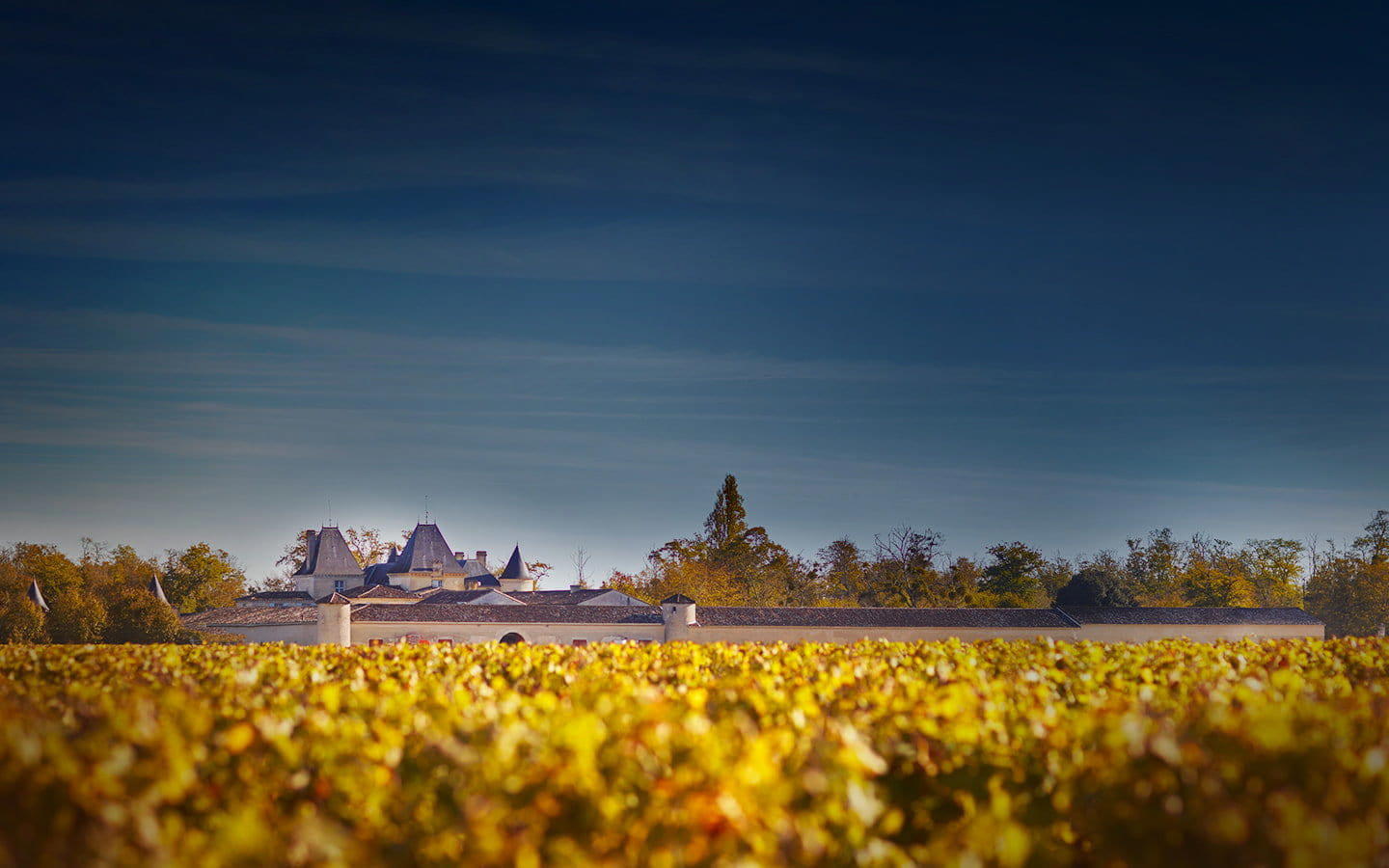
Bars in Bommes
Browse all →

Restaurants in Bommes
All restaurants in Bommes →
Details
- Elegant
- Classic
- Scenic
- Wine Education
- Family
- Special Occasion
- Historic Building
- Estate Grounds
- Garden
- Vineyard
- Garden
- Semillon
- Sauvignon Blanc
- Muscadelle
- Dessert
- Still White
- Cave Tasting
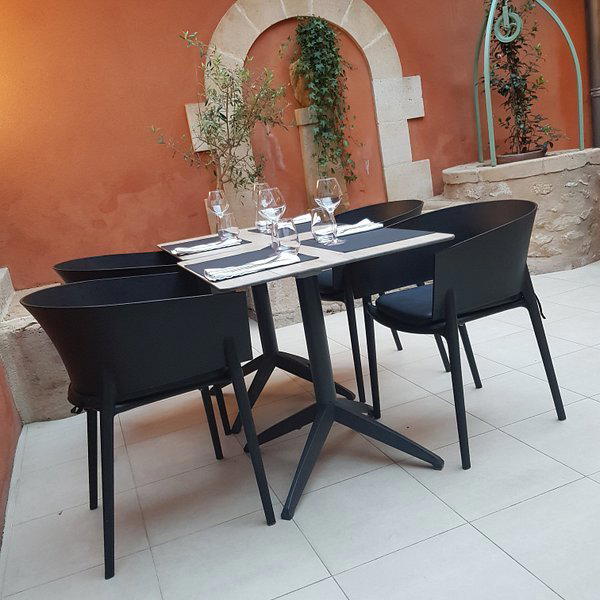
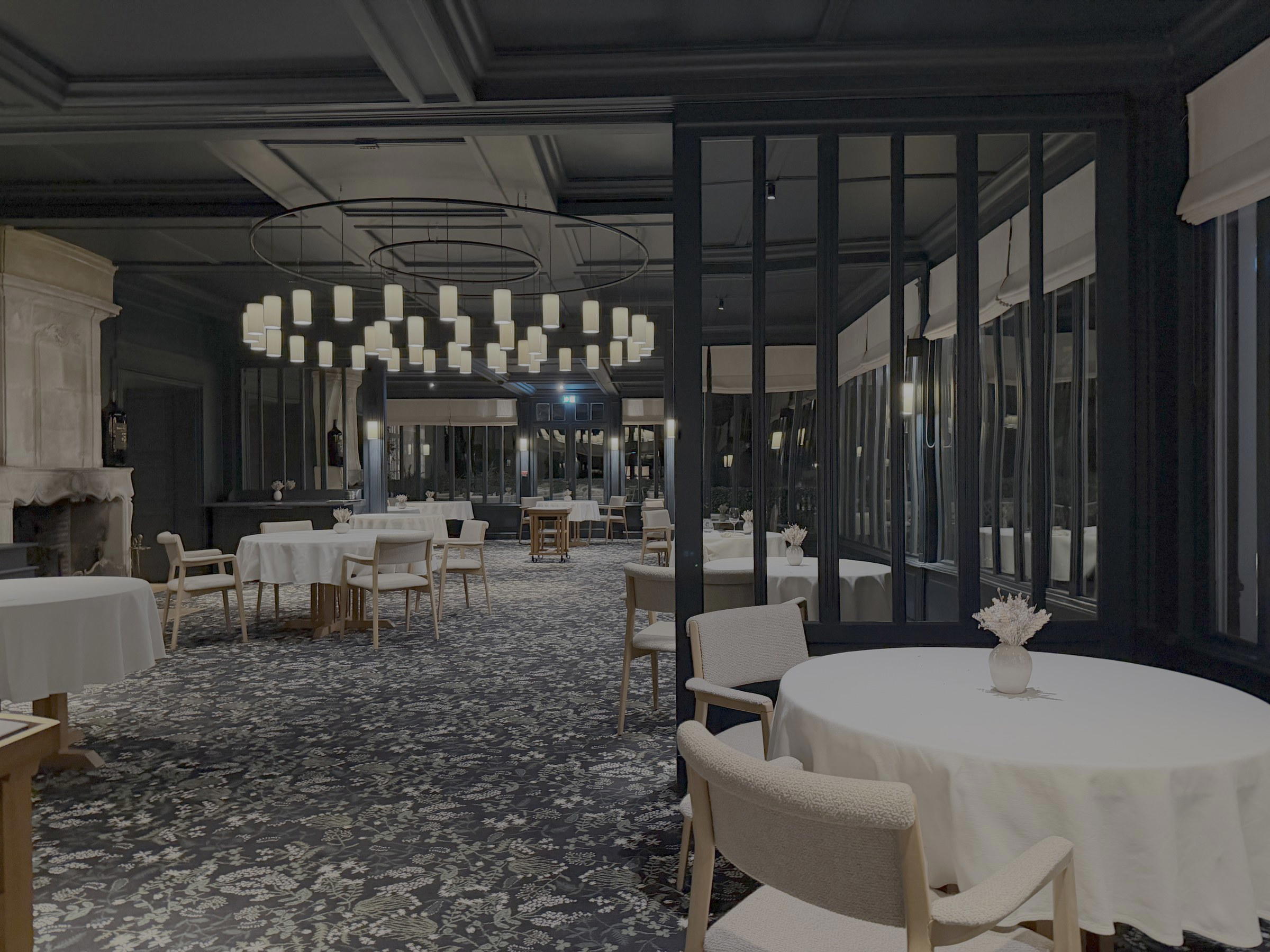
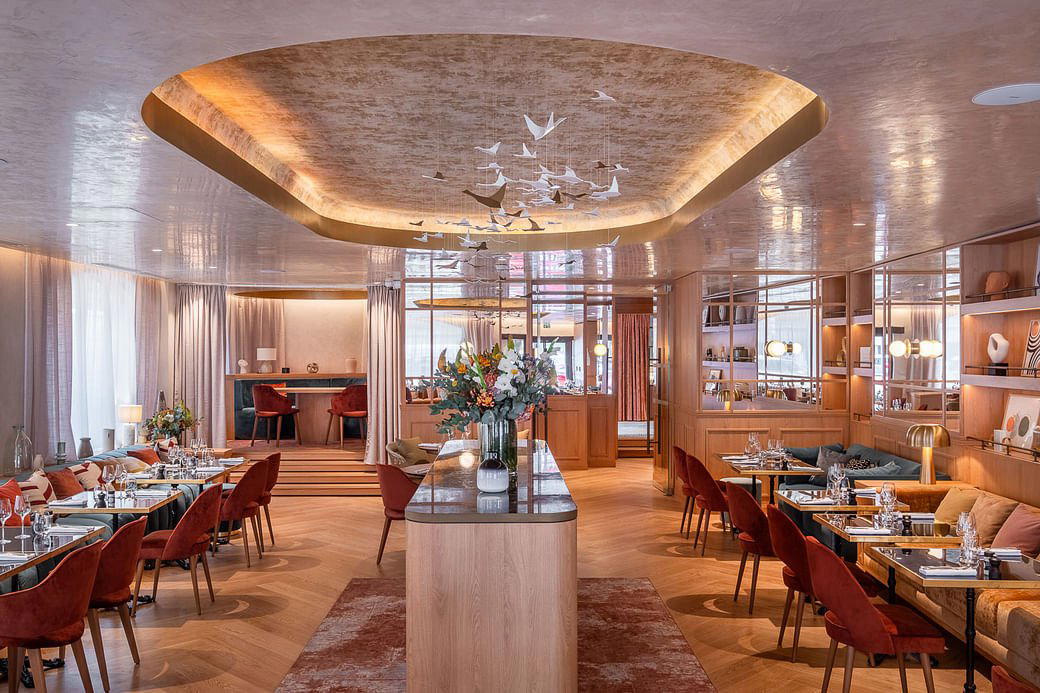
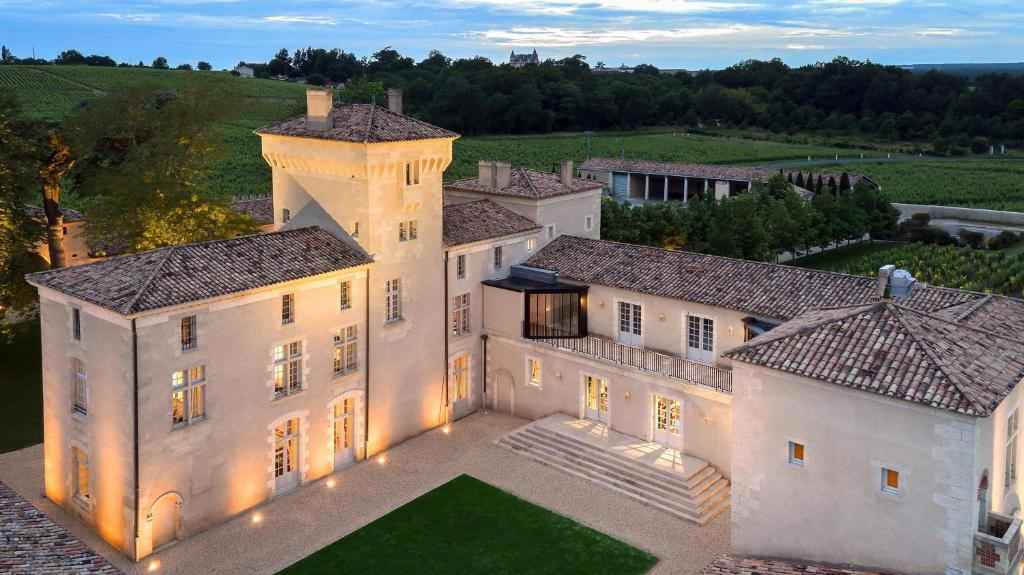
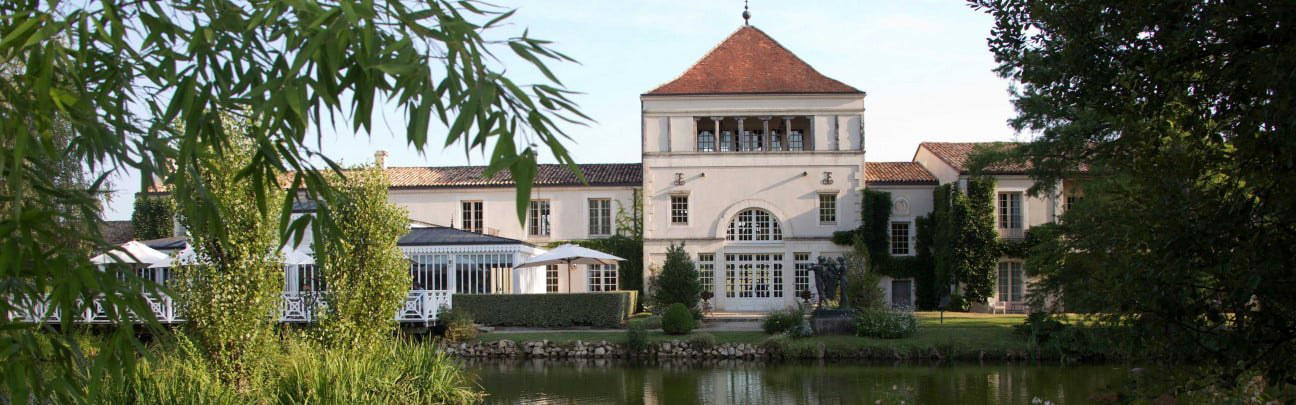
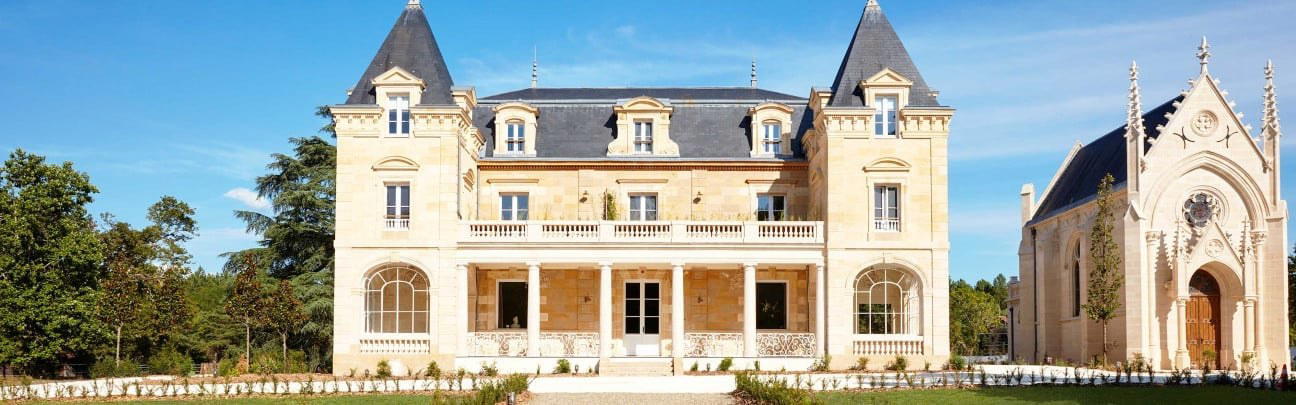
Elegant and serene atmosphere in a beautifully landscaped parkland surrounding the château.