
The property at 1 Avenue Georges Johnston represents one of the appellation's more quietly considered addresses, where vineyard position and soil composition shape the wines as much as cellar technique.
Pearl is the En Primeur Club membership app — saves, bookings, and concierge access live there. Same editors, same standards.
- Address
- 1 Av. Georges Johnston, 33460 Labarde
- Phone
- +33 5 57 88 98 51
- Website
- chateaudauzac.com
- Directions
- Get directions
 Saves & bookings on Pearl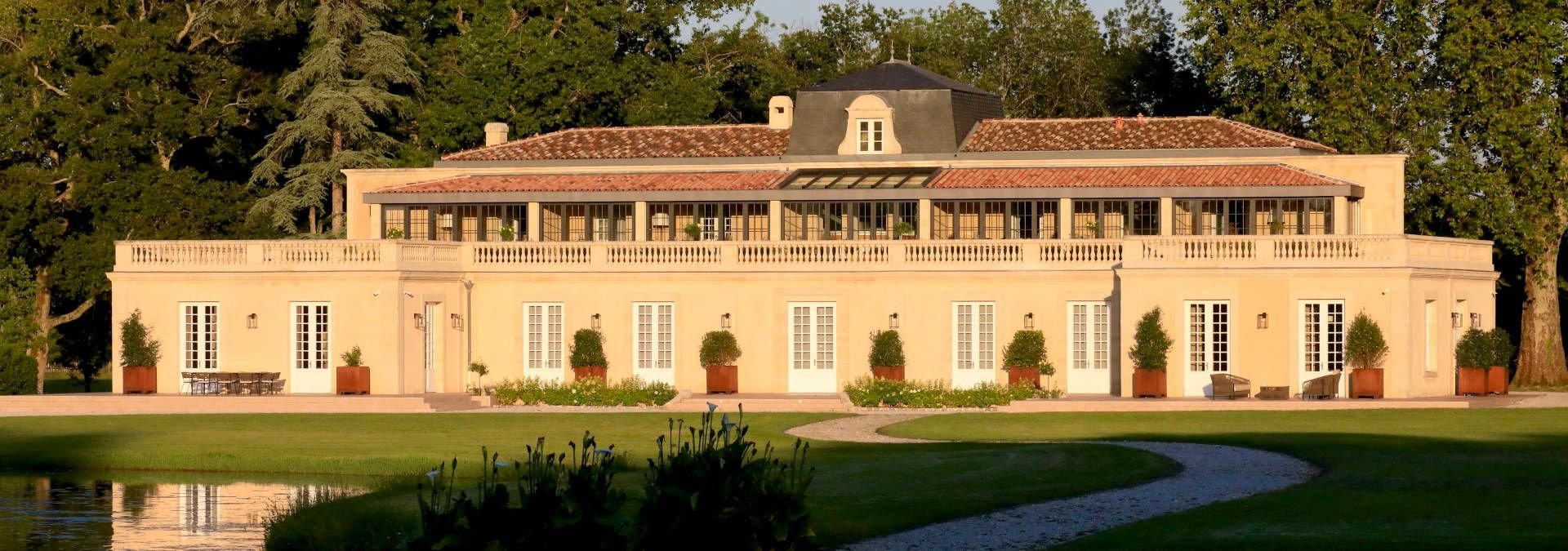
Where Labarde Meets the Margaux Appellation
The approach to the southern Médoc rewards patience. Beyond the more trafficked châteaux of Margaux town itself, the commune of Labarde sits at the appellation's quieter southern edge, where the Gironde's gravitational pull on viticulture softens slightly and the gravel ridges that define the entire left bank thin into subtly different configurations. It is this position, at once inside the Margaux appellation boundary and distinct from its geographic centre, that gives Château Dauzac's terroir its particular character. The estate at 1 Avenue Georges Johnston occupies ground where drainage and soil depth interact differently than they do two kilometres north, and that gap in the geology, modest as it sounds, compounds across decades of vintages.
The Margaux Appellation's Classified Estate Tier
The 1855 Classification established a hierarchy that the Médoc has largely preserved, with meaningful adjustments rare enough to be historical events. Château Dauzac holds fifth-growth status in that classification, a tier that in the Margaux appellation sits below the famous names of the village proper but above the broader Haut-Médoc category. The distinction matters practically: fifth-growth Margaux producers price and allocate against a comparable set that includes classified estates from Saint-Julien and Pauillac, not just their immediate neighbours. Labarde's other classified estate, Château Giscours, occupies third-growth status and therefore sits in a different competitive bracket, meaning Dauzac operates somewhat independently within its own commune's hierarchy.
Across the broader Médoc, the fifth-growth tier produces some of the appellation's most interesting bottles precisely because the prestige discount relative to first and second growths forces rigour. Estates like Château Batailley in Pauillac and Château Cantemerle in Haut-Médoc illustrate how fifth-growth classification, when paired with attentive viticulture, can deliver wines that outperform their rank's reputation in the bottle. Dauzac competes in that same conversation.
Terroir as the Primary Argument
In the Margaux appellation, terroir expression depends on a specific combination of factors: the depth of the gravel croupes, the proportion of clay and sand beneath them, and the distance to the estuary's moderating influence. Labarde sits at a point where the gravel cover is present but the beds shift, which means the vines work harder for water during dry summers and drain more efficiently during wet ones. The result, in Cabernet Sauvignon-dominant blends, tends toward wines with slightly more structural tension than those produced on the deeper, more generous gravel directly beneath Margaux village.
This kind of geological granularity is what separates appellation-level thinking from simple geographic labelling. The Margaux designation covers multiple communes, each with its own soil profiles, and the Dauzac terroir at Labarde produces wines that carry the appellation's floral, aromatic character while reflecting the slightly tighter mineral underpinning of its specific plot position. Comparing this with the approaches taken at estates across different left-bank appellations, such as Château Branaire Ducru in Saint-Julien or Château Clinet in Pomerol, clarifies how dramatically appellation geography shapes house style before a winemaker makes a single decision.
That kind of rating, applied to a classified Médoc estate, signals consistency and terroir fidelity rather than novelty. The Prestige designation within the Pearl system is not awarded on a single vintage assessment but reflects a pattern of performance that extends across multiple years and price points. For a fifth-growth estate in a competitive appellation, the recognition confirms that Dauzac is tracking above its classification tier in at least some dimensions of quality assessment.
Trust signals in the Bordeaux market carry particular weight because the region's reputation is built on consistency over decades rather than single-vintage brilliance. An estate that earns contemporary recognition while holding a 170-year-old classification position is doing something right in the vineyard and the cellar, even if the specific techniques remain secondary to the land's own contribution.
The Broader Left-Bank Context
The left bank of the Gironde operates as a coherent wine region precisely because the gravel soils and Cabernet Sauvignon dominance create a recognisable family of wines, but the appellation-to-appellation and commune-to-commune differences within that family are what drive serious collectors. Estates like Château Bélair-Monange in Saint-Emilion and Château Bastor-Lamontagne in Preignac illustrate how sharply expression changes once you move to the right bank or into Sauternes. The left-bank classified Médoc, by contrast, maintains a discipline of style that makes comparative tasting across its châteaux a genuinely instructive exercise.
Dauzac occupies a position in that exercise as a Margaux appellation fifth growth with a specific commune identity. Alongside Château Boyd-Cantenac in Cantenac and the other classified growths that sit at the appellation's edges, it forms part of the map that serious Bordeaux drinkers use to triangulate style preferences. For those building a comparative understanding of Margaux, the southern communes are an important data set rather than an afterthought.
Visiting Château Dauzac
The estate is located at 1 Avenue Georges Johnston in Labarde, and visits are by appointment only. Labarde itself is accessible from Bordeaux city by road in under an hour, and the D2 Route des Châteaux that connects the Médoc's classified estates passes through the commune, making it direct to incorporate a Dauzac visit into a broader Médoc itinerary.
What the Pearl Prestige Rating Means for the Buyer
It positions Château Dauzac above the baseline classified-growth tier and suggests that its recent vintages are performing at a level worth tracking. In practical terms, this means the estate merits attention during en primeur release cycles, where classified Médoc wines are offered as futures before bottling. The combination of fifth-growth classification, Margaux appellation identity, Labarde terroir specificity, and 2025 Prestige recognition gives the buyer four distinct data points to work with when assessing allocation and cellar potential.
Frequently Asked Questions
How would you describe the overall feel of Château Dauzac?
The winery reads as a focused, terroir-driven estate operating within the discipline of the 1855 Classification. For those who approach Bordeaux through appellation geography rather than name recognition, it sits in a rewarding bracket of estates.
What wines should I try at Château Dauzac?
The winery produces Cabernet Sauvignon-dominant blends in the Margaux appellation tradition. The estate's specific terroir in Labarde, with its particular gravel and soil configuration, shapes a house style that carries Margaux's recognisable aromatic character with slightly firmer structural underpinning than the appellation's central commune plots. Specific current releases and library stock are best confirmed directly with the château.
What's the defining thing about Château Dauzac?
The defining quality is the combination of classified-growth status, Margaux appellation identity, and a commune-specific terroir that differentiates it within the appellation's southern geography. Labarde is not Margaux village, and that distinction produces wines with a character worth understanding on its own terms. For buyers comparing across Margaux's classified estates, that combination of historical position and contemporary recognition is a clear signal.
Is Château Dauzac reservation-only?
Classified Médoc châteaux, as a general category, operate on a booked-visit basis rather than open cellar-door access. The expectation at estates of Dauzac's standing is that visitors contact the property in advance to arrange tastings and tours. The address is 1 Avenue Georges Johnston, 33460 Labarde, and the estate is accessible via the D2 Route des Châteaux from Bordeaux.
A Quick Peer Check
Comparable venues nearby, for context on price, style, and recognition.
| Venue | Cuisine | Price | Notes |
|---|---|---|---|
| Château DauzacThis venue — the venue you are viewing | Cabernet Sauvignon, Merlot | $$$ | Not listed |
| Château Giscours | Cabernet Sauvignon, Merlot | $$$$ | Labarde |
| Château Marquis-de-Terme | Cabernet Sauvignon, Merlot | $$$ | Margaux |
| Château Sigalas-Rabaud | Sémillon, Sauvignon Blanc | $$$ | Bommes |
| Château de Ferrand | Merlot, Cabernet Franc | $$$ | Saint-Hippolyte |
| Château Cantemerle | Cabernet Sauvignon, Merlot | $$$ | Haut-Médoc |
Recognition history
Dated appearances from independent guides and award organizations, with the underlying list record or original source where available.
Falstaff Winery - 2 Stars
Falstaff
Continue exploring
More in Labarde
Wineries in Labarde
Browse all →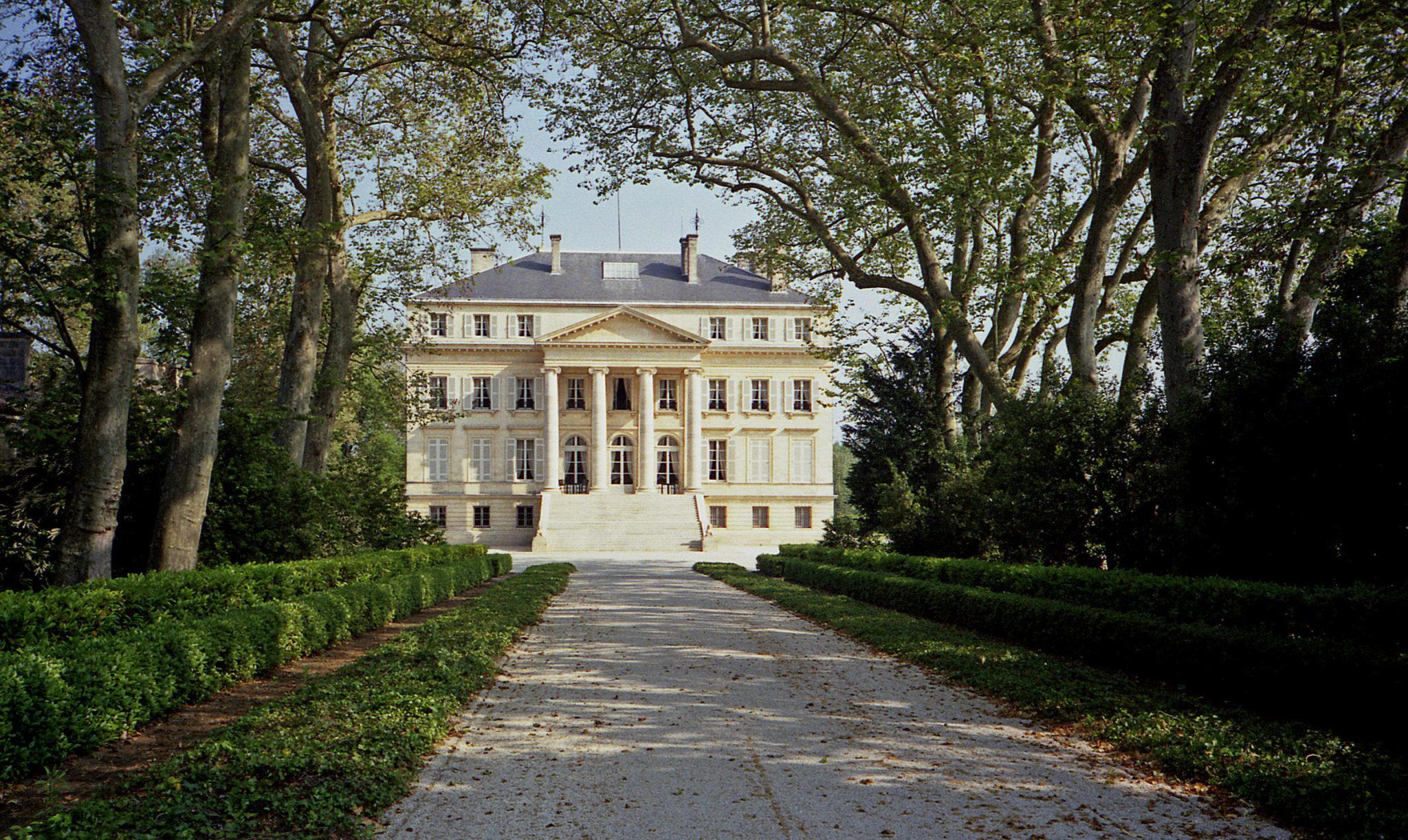
Bars in Labarde
Browse all →
Restaurants in Labarde
Browse all →

At a Glance
- Elegant
- Classic
- Scenic
- Sophisticated
- Wine Education
- Special Occasion
- Vineyard Tour
- Estate Grounds
- Historic Building
- Sustainable
- Organic
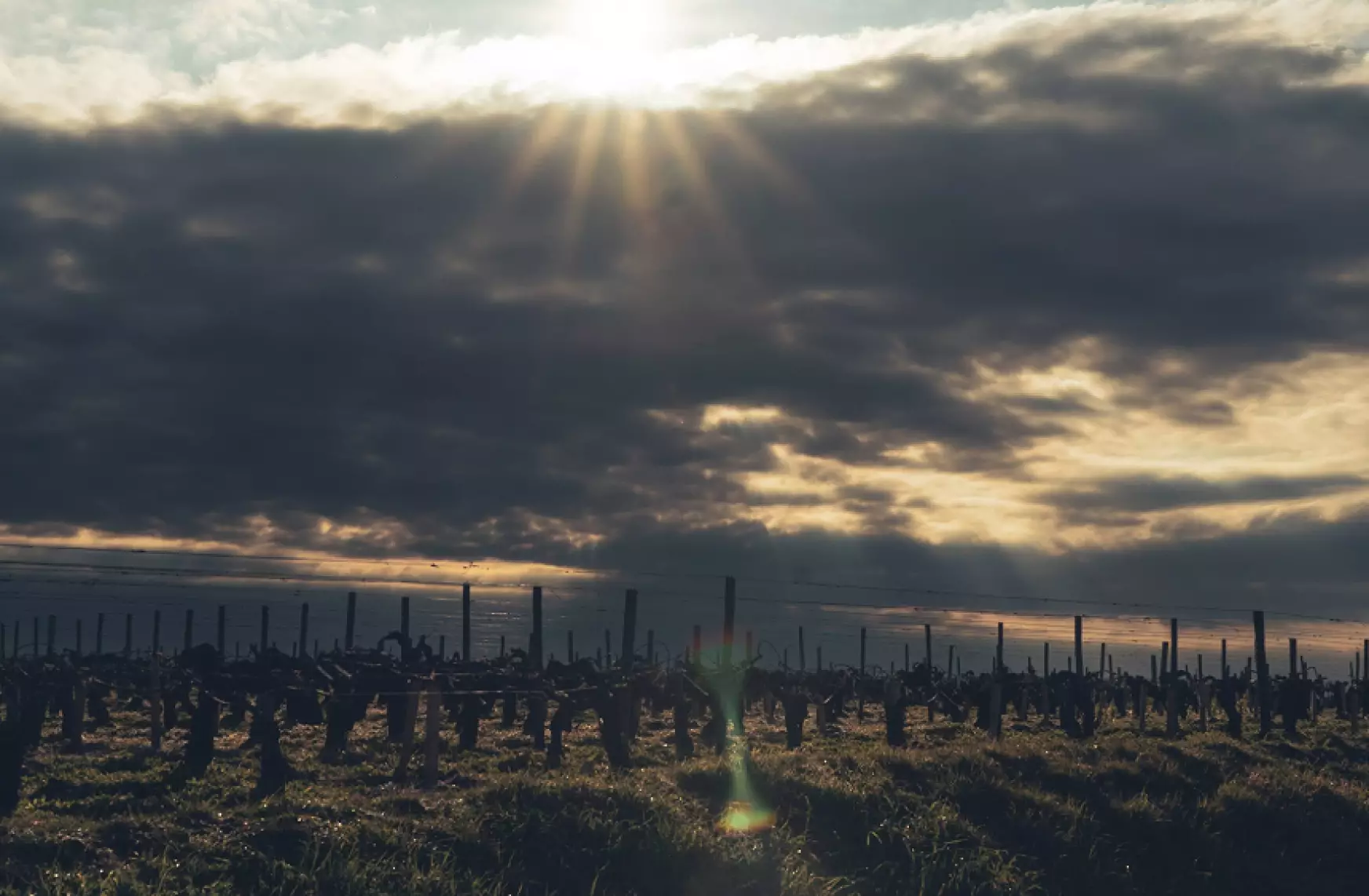
- Vineyard
- Garden
- Margaux AOC
- Cabernet Sauvignon
- Merlot
- Petit Verdot
- Still Red
- Cave Tasting
Elegant historic château surrounded by parkland, lakes, and greenery with a sophisticated winery atmosphere.