Skip to Main Content
← Collection
WinemakerHervé Dantan
First Vintage1772
Pearl

Established in 1772, Lanson is one of Champagne's oldest continuously operating houses, releasing bottles under the stewardship of Chef de Cave Hervé Dantan. Its 2025 Pearl 3 Star Prestige award places it among the top tier of grower and négociant producers assessed by EP Club. For travellers visiting the Marne Valley, Lanson operates from Reims and offers a reference point for understanding how the region's chalk-driven terroir shapes prestige cuvée production.

Pearl is the En Primeur Club membership app — saves, bookings, and concierge access live there. Same editors, same standards.

Plan your visit on PearlPlan Your Visit
Address
66 Rue de Courlancy, 51100 Reims
Phone
+33 3 26 78 50 50
Website
lanson.com
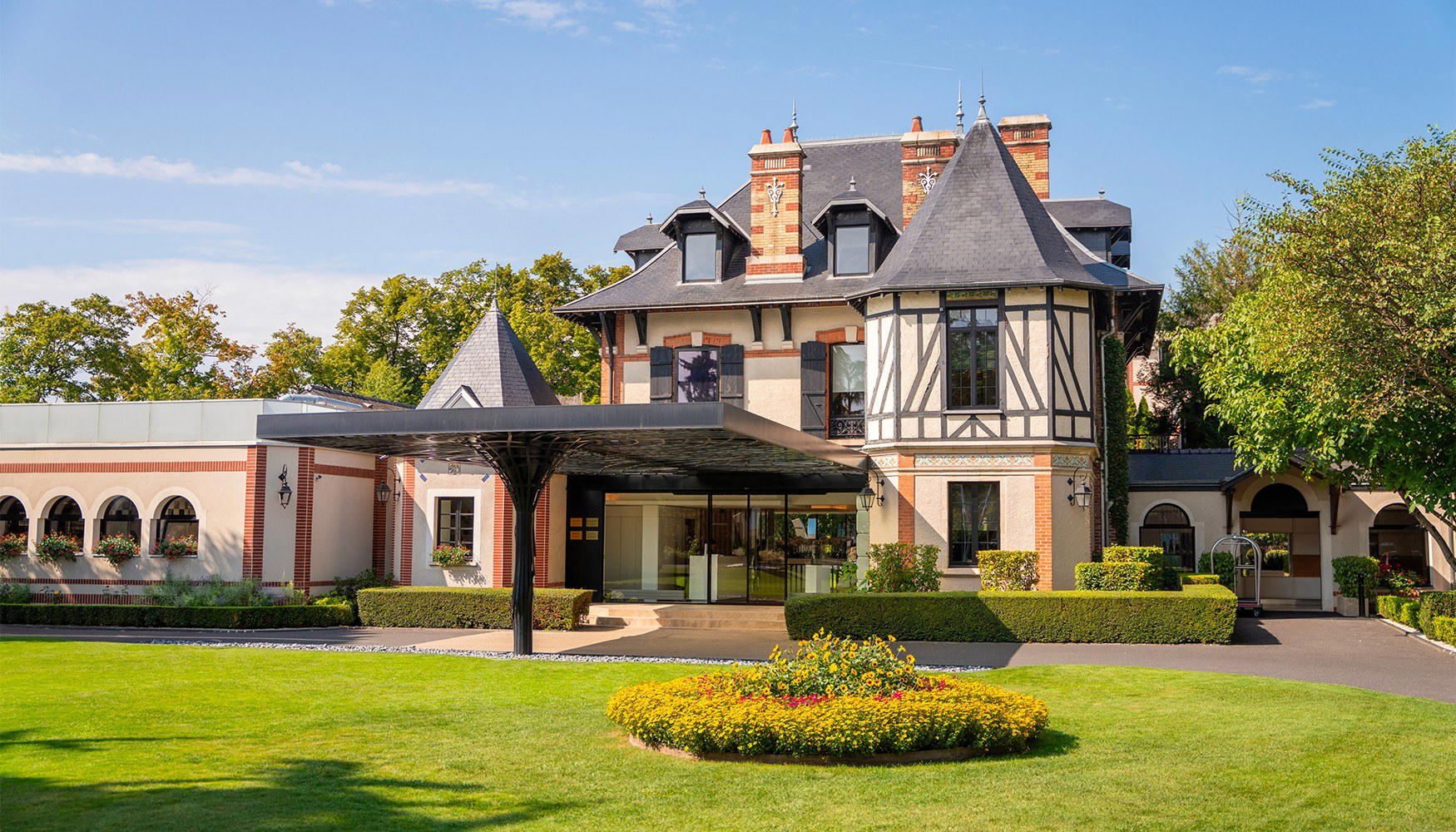
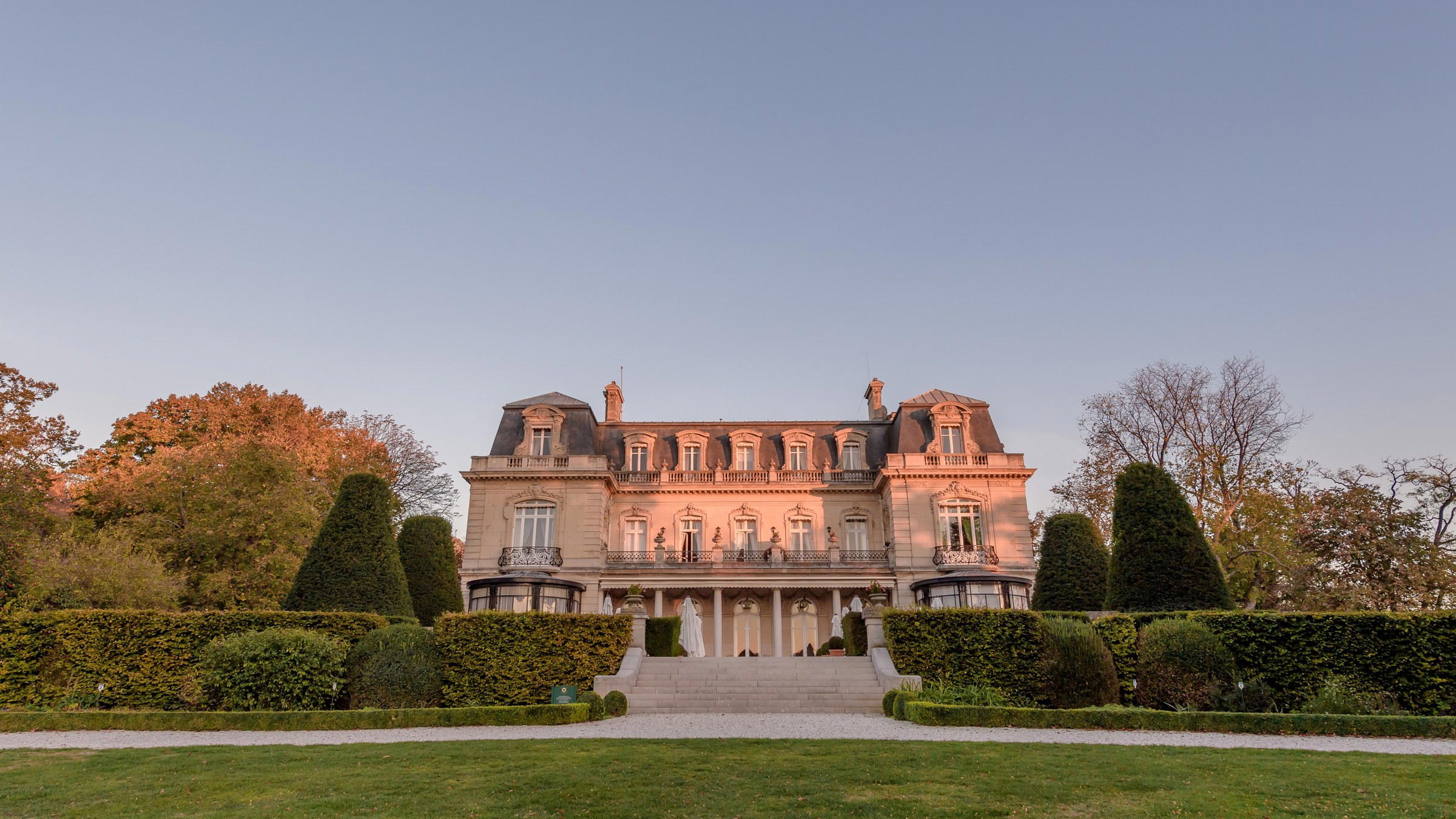
Lanson winery in Tours-sur-Marne, France
About

Chalk, Cold Winters, and Two and a Half Centuries of Marne Terroir

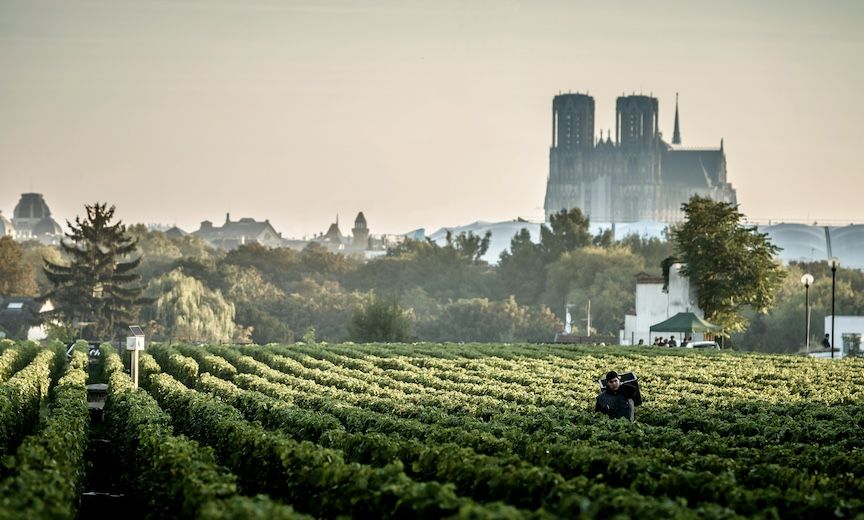
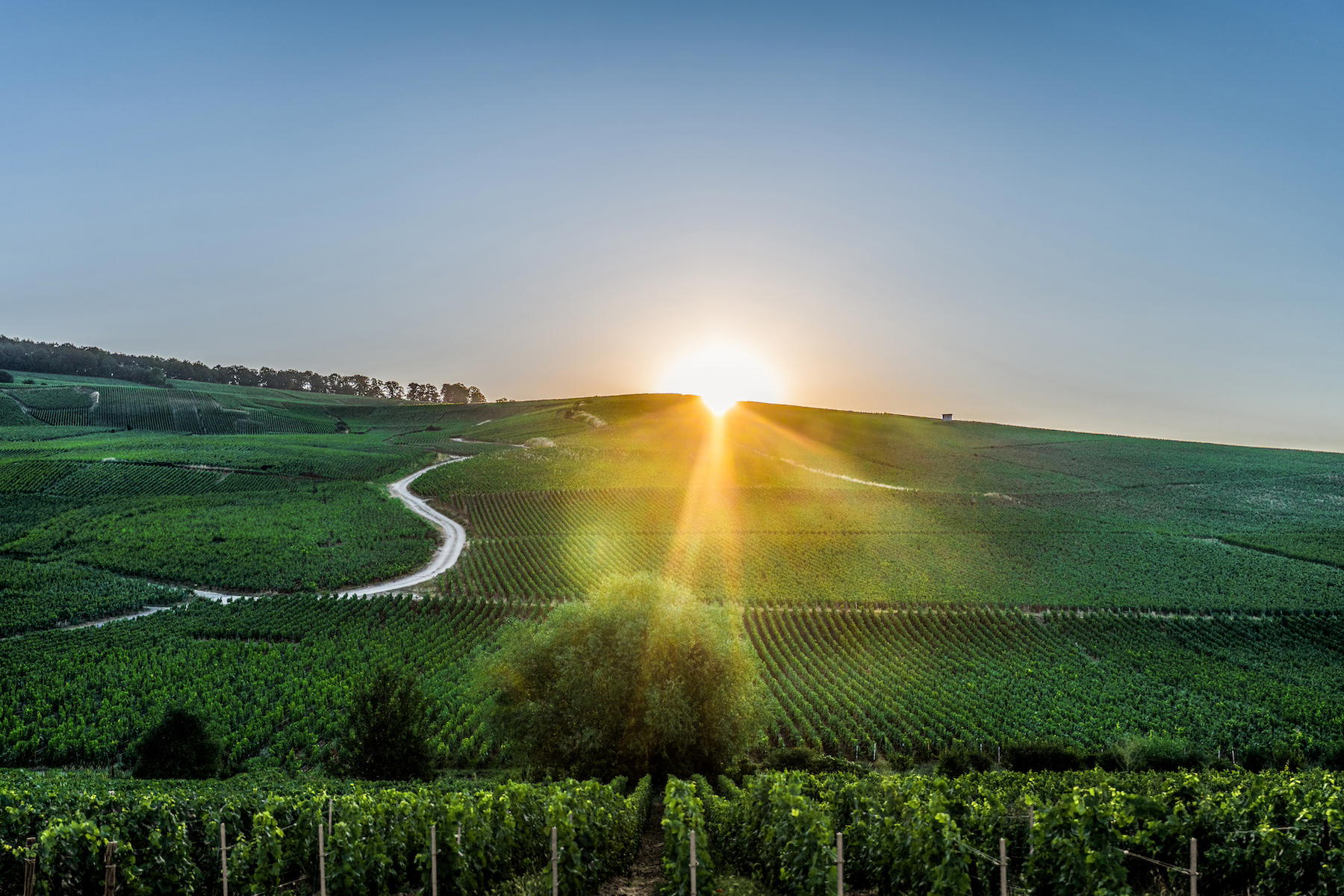
The Champagne region's identity is inseparable from geology. The Côte des Blancs and the Montagne de Reims sit above one of the deepest chalk deposits in western Europe, and that chalk does two things with unusual consistency: it drains moisture sharply, forcing vine roots downward, and it retains enough subsoil humidity to buffer the region's cold continental winters. The result is a growing environment that produces grapes with pronounced acidity and restrained fruit weight, qualities that make the region's sparkling wines structurally distinct from those produced in warmer limestone or granite terroirs. Lanson, operating from 66 Rue de Courlancy in Reims, has been working with that geology for generations. Under winemaker Hervé Dantan, the house is guided by a seasoned hand focused on balance and consistency.

What the Marne Chalk Produces in the Glass

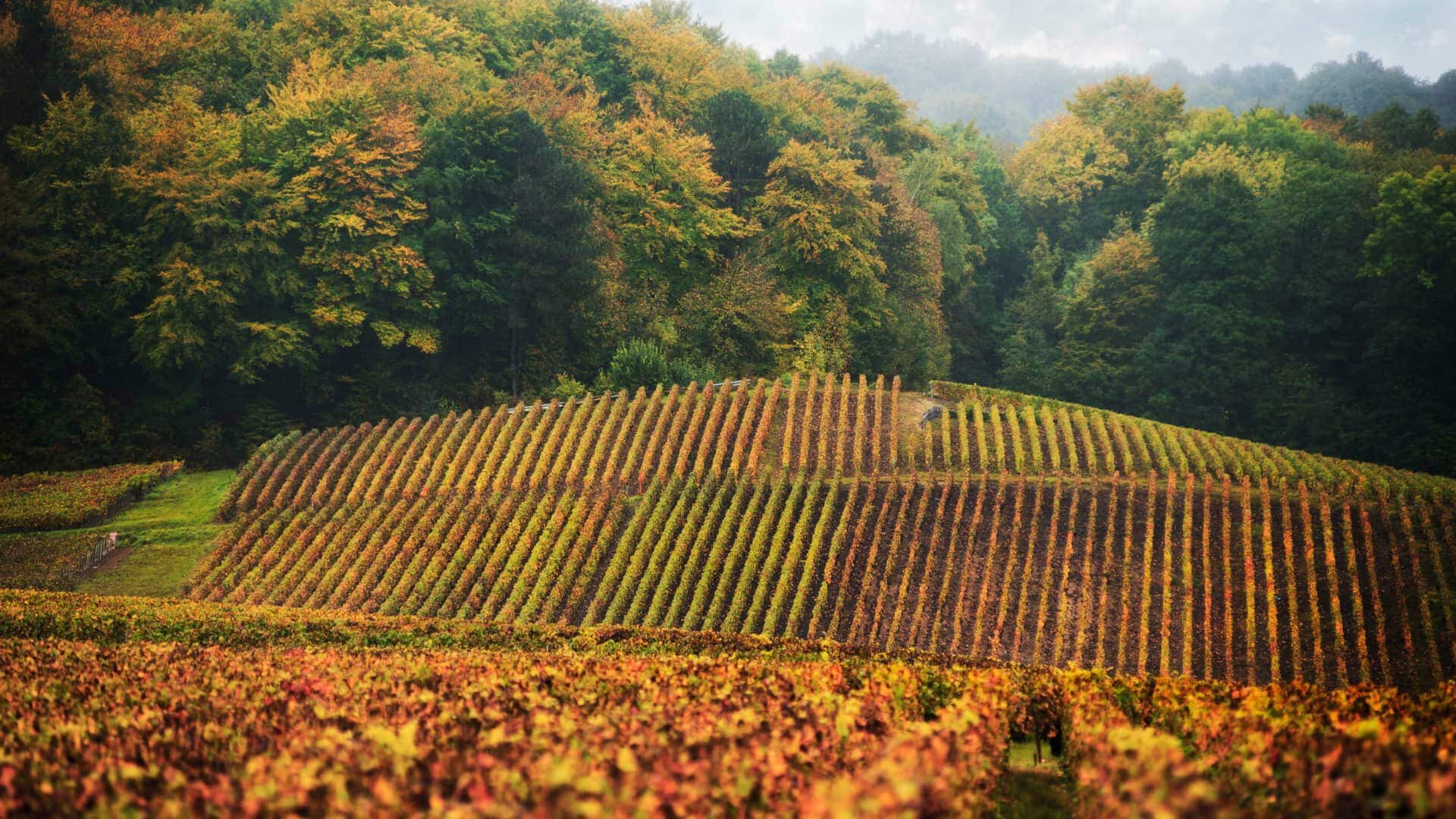
Champagne's chalk subsoil is the foundation of the region's argument for terroir-driven sparkling wine. Unlike the clay-limestone mix that defines much of Burgundy, or the gravel and sand profiles of Bordeaux's left bank, Champagne's belemnite chalk is soft enough for root penetration, porous enough to manage water stress, and mineral-rich in ways that consistent viticulture work can trace from soil into wine. The cold climate lengthens the growing season, preserving natural acidity in Chardonnay, Pinot Noir, and Pinot Meunier through a slow accumulation of sugar. That retained acidity is not a stylistic choice made in the winery; it is a climatic fact, and the winemaking tradition built around it, including the secondary fermentation in bottle and extended lees contact, amplifies rather than suppresses the chalk's contribution. For visitors to the Marne Valley, understanding this relationship between the region's subsoil and its wines makes tasting a more considered exercise. The fizz is not decoration; it is the technical mechanism by which the region concentrates and expresses what its terroir provides. See also Laurent-Perrier, whose operations in Tours-sur-Marne offer a neighbouring reference point for how different houses interpret the same chalk-rooted raw material.

Lanson in the Context of Champagne's Prestige Houses

The Champagne négociant system, in which houses purchase grapes or must from growers across multiple appellations and blend them into a consistent house style, is a model built for scale and continuity. The oldest houses in Reims and Épernay have maintained house styles across wars, phylloxera, and multiple ownership changes, a form of institutional terroir memory that grower producers, however excellent, rarely replicate. Lanson's founding date of 1772 places it among the oldest continuously operating houses in the appellation, a category that also includes Ruinart (1729) and Moët (1743). That longevity reflects accumulated knowledge about the appellation's growing sites, which parcels perform well in difficult vintages, and how the Marne's cold springs and variable harvests require blending discipline to produce consistent results year on year. Lanson's 2025 recognition places it within the upper bracket of assessed producers, comparable to other prestige-tier houses rather than to entry-level Champagne brands. For context on how similar precision and longevity translate across French wine regions, Albert Boxler in Niedermorschwihr and Château Bélair-Monange in Saint-Emilion offer useful contrasts in how long-standing estate management shapes wine character across different terroirs and traditions.

Hervé Dantan and the Chef de Cave Role

In the Champagne house structure, the Chef de Cave holds a position that does not map cleanly onto the winemaker role in other regions. Where a Burgundy or Bordeaux winemaker works primarily with what a single estate or appellation produces in a given year, the Chef de Cave at a major house manages a library of reserve wines, a portfolio of supply relationships across multiple villages and appellations, and the blending decisions that produce both non-vintage and vintage releases across different cuvée tiers. The role is as much archival as creative: knowing what reserves are available, understanding how a given harvest fits within the house's established style profile, and deciding when to declare a vintage rather than fold the year's production into non-vintage blends. Hervé Dantan holds that position at Lanson, and the 2025 EP Club rating reflects the current quality level of the house's releases under his stewardship. The parallel for travellers interested in long-form institutional winemaking is Chartreuse in Voiron, where long-running production traditions are maintained by a small group of specialists over generations.

The Reims Address and the Regional Visit

Lanson's address at 66 Rue de Courlancy places it in Reims, the larger of the two Champagne capitals and the city with the more developed visitor infrastructure. Reims is accessible by TGV from Paris Gare de l'Est in approximately 45 minutes, making it a viable day trip from the capital or a base for a longer Champagne circuit. The city's cathedral, a UNESCO World Heritage site where French kings were coronated for centuries, sits at the centre and provides a useful orientation point: the major Champagne houses are distributed around the city's residential and industrial perimeter. Tours-sur-Marne, where Lanson takes its traditional association, is a small village on the Marne River roughly 15 kilometres southeast of Reims by road, marking the point where the Côte des Blancs and the Montagne de Reims growing zones meet the valley floor. That geographical junction is worth understanding before visiting: the chalk deposits are most concentrated in the hillside vineyards on either side of the valley, and wines from sites closer to the river tend to show differently than those from the upper slopes. For the broader regional context and planning purposes, see our full Tours-sur-Marne restaurants guide.

Placing Lanson in a Broader Prestige Tasting Circuit

Travellers who structure their France itinerary around prestige-tier producers across multiple appellations will find that Lanson's EP Club rating makes it a logical anchor for the Champagne segment of such a circuit. For Bordeaux comparison, Château Batailley in Pauillac, Château Branaire Ducru in St-Julien, Château Cantemerle in Haut-Médoc, Château Boyd-Cantenac in Cantenac, and Château Clinet in Pomerol represent the kind of appellation-specific prestige that pairs usefully against the Champagne house model when thinking about how different French wine regions structure quality and reputation. For Sauternes, Château Bastor-Lamontagne in Preignac and Château d'Arche in Sauternes offer the botrytis-driven counterpoint to Champagne's acid-driven elegance. Outside France, Château d'Esclans in Courthézon, Aberlour in Aberlour, and Accendo Cellars in St. Helena extend the prestige-tier comparison into Provençal rosé, Scotch whisky, and Napa Cabernet respectively, all categories where long-standing producer identity and terroir coherence drive the same kind of sustained recognition Lanson holds in its own appellation.

Planning Your Visit

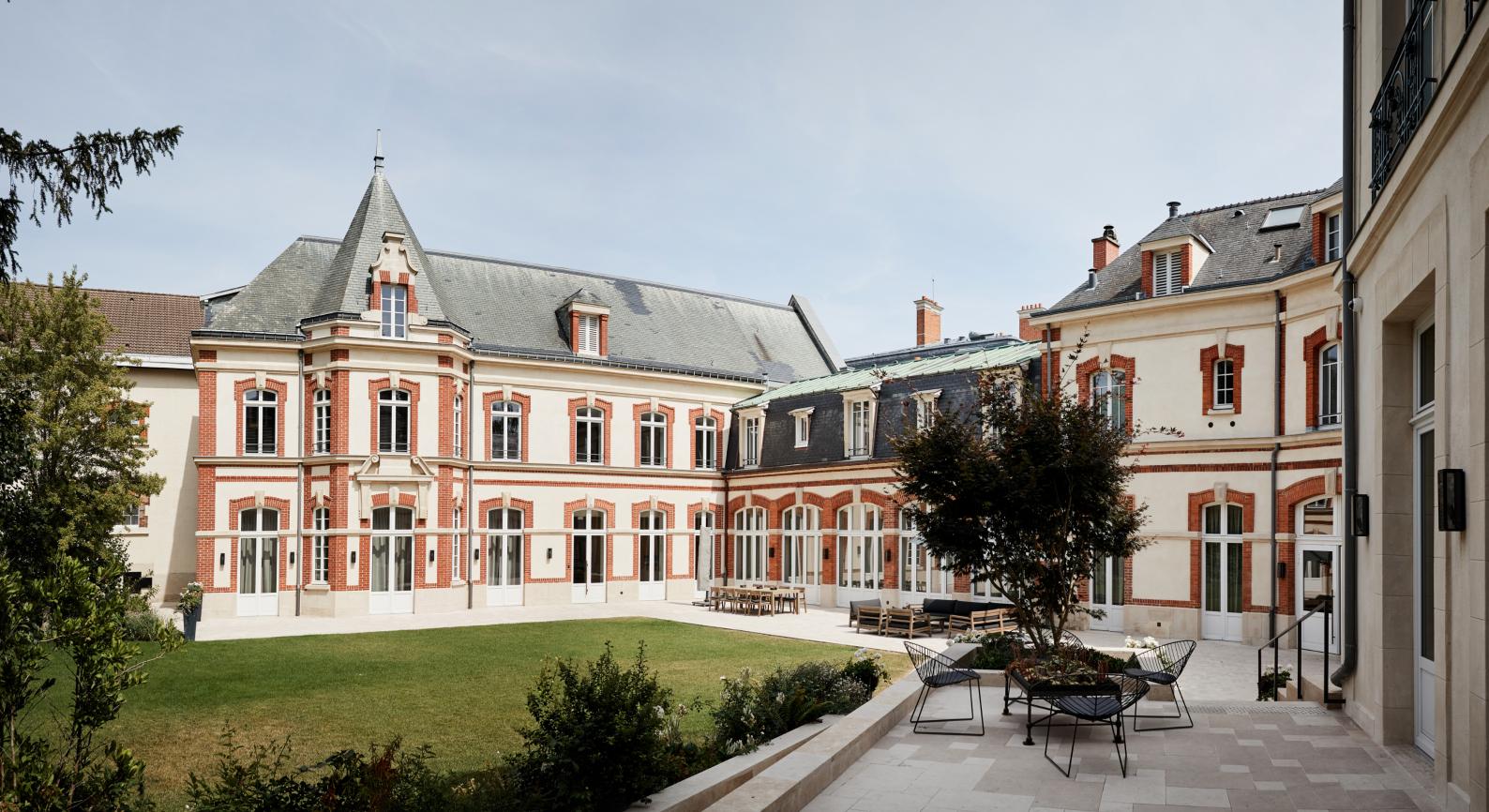
Lanson's maison at 66 Rue de Courlancy, Reims is the practical starting point. Booking logistics, tour formats, and tasting availability are best confirmed directly with the house, as prestige-tier Champagne visits of this calibre typically require advance arrangement rather than walk-in access. The harvest window in Champagne generally runs from late September into October, and visiting in the weeks immediately surrounding harvest provides a different and more operationally active experience of the estate than off-season visits. Spring and early summer are quieter and allow for more considered tastings. Demand for structured tastings at Lanson can be high, so plan accordingly.

Frequently asked questions

At-a-Glance Comparison

Comparable venues nearby, for context on price, style, and recognition.

At a Glance
Vibe
  • Elegant
  • Classic
  • Sophisticated
  • Historic
Best For
  • Wine Education
  • Special Occasion
Experience
  • Cave Tasting
  • Vineyard Tour
  • Historic Building
Sourcing
  • Organic
Views
  • Vineyard
Dress CodeSmart Casual
Noise LevelQuiet
CapacityMedium

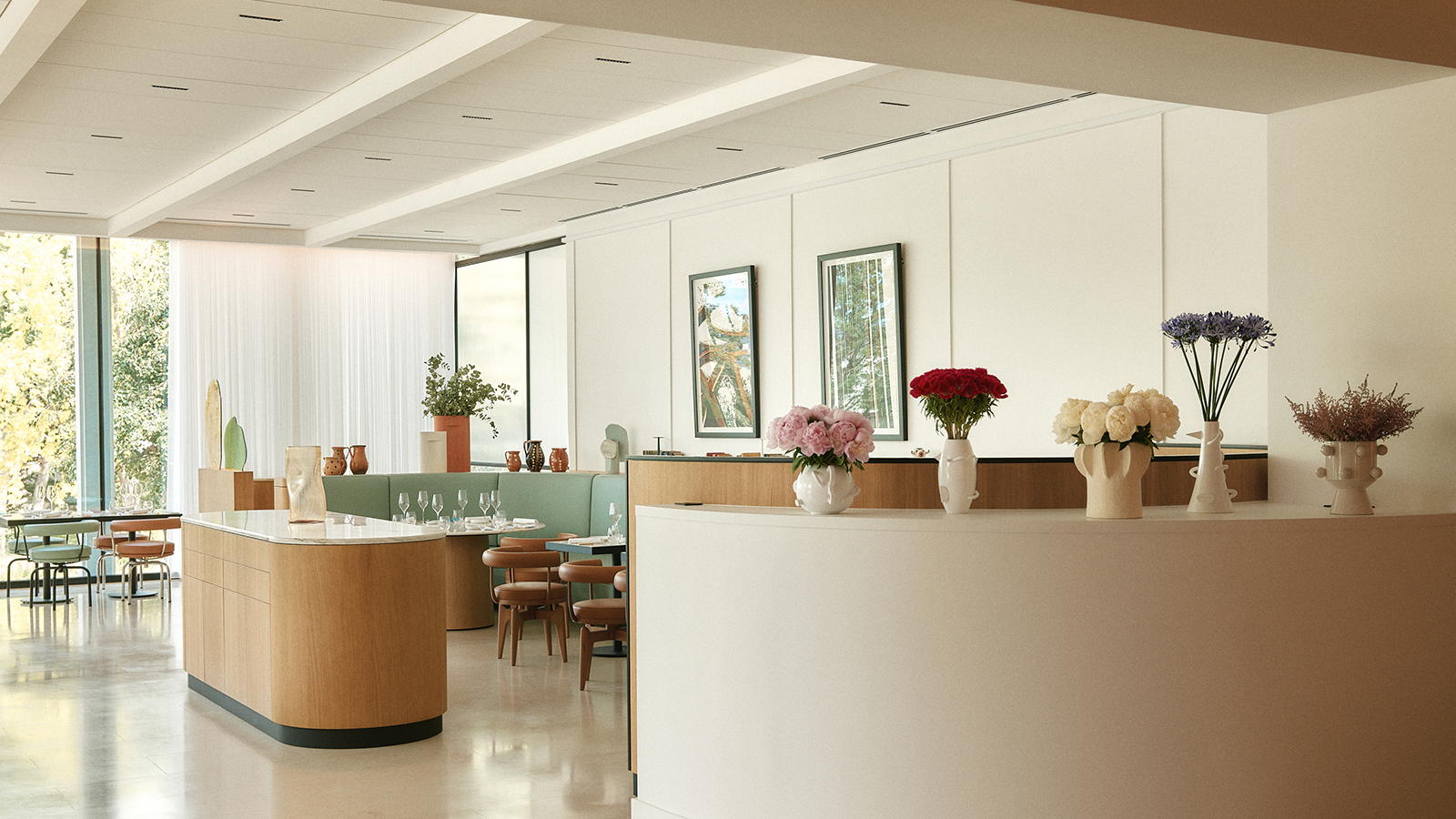
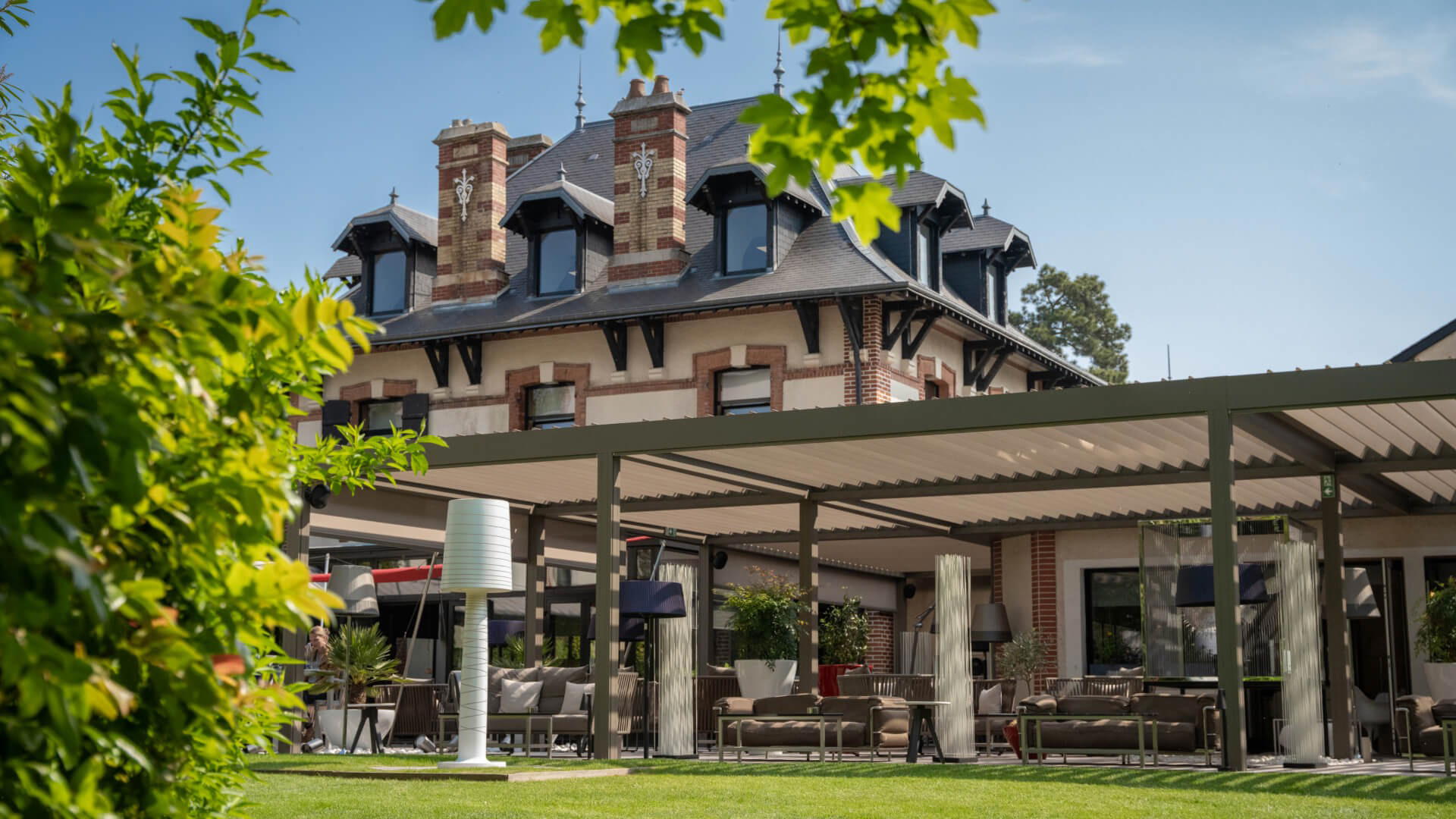
Elegant and atmospheric with dimly lit tasting rooms in historic underground cellars, offering an intimate glimpse into centuries of Champagne tradition.

Additional Properties
AVAChampagne AOC
VarietalsChardonnay, Pinot Noir, Pinot Meunier
Wine Stylessparkling
Wine ClubNo
DTC ShippingNo