
Falstaff Winery - 1 Stars
Château Grand-Puy-Ducasse holds a Fifth Growth classification within Pauillac's 1855 hierarchy, operating from a quayside address on the Gironde at 4 Quai Antoine Ferchaud. For Bordeaux en primeur buyers, it represents one of Pauillac's more accessible classified growth entry points.

Pearl is the En Primeur Club membership app, where members save venues, book tables and use the concierge.
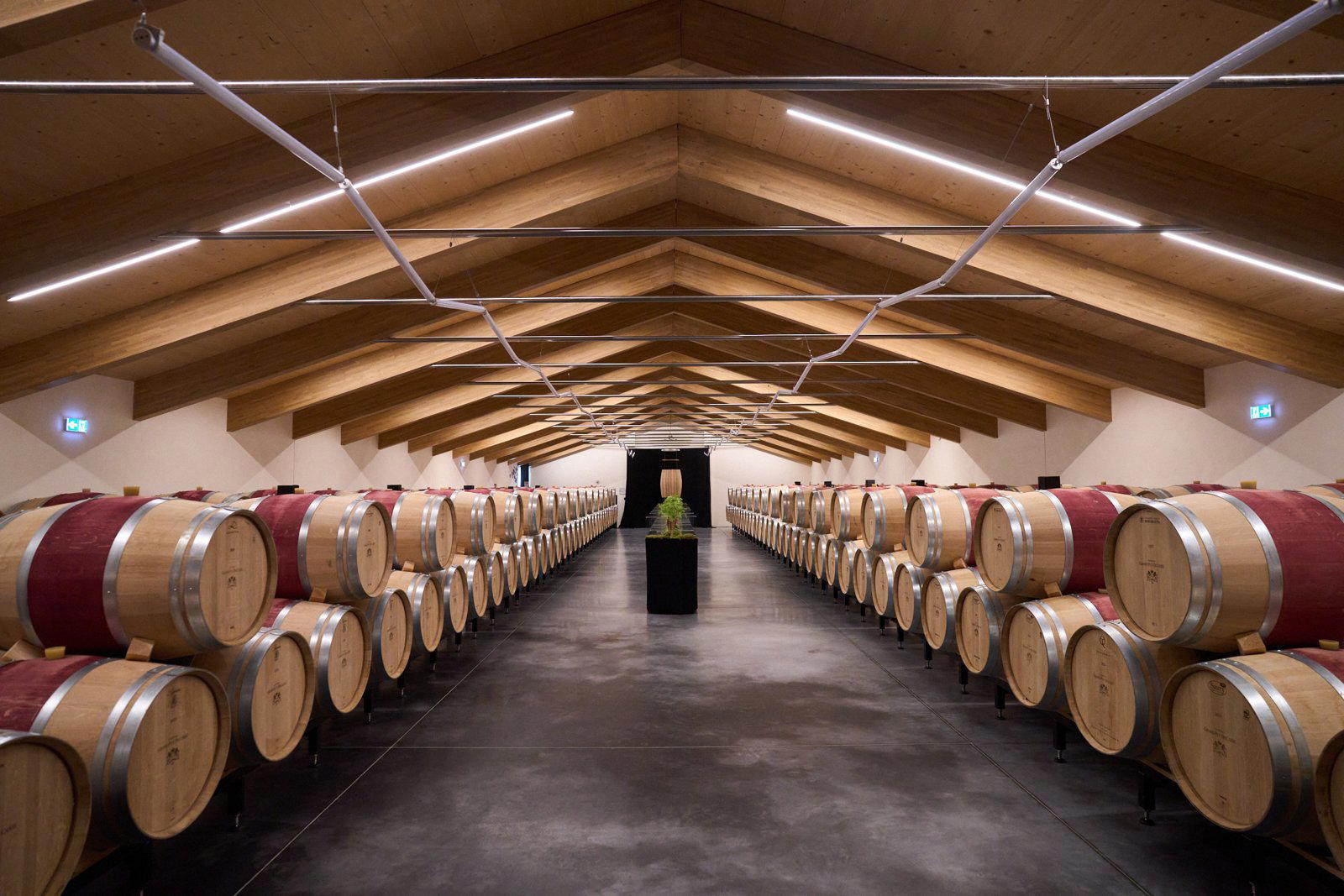
Where the Gironde Sets the Terms
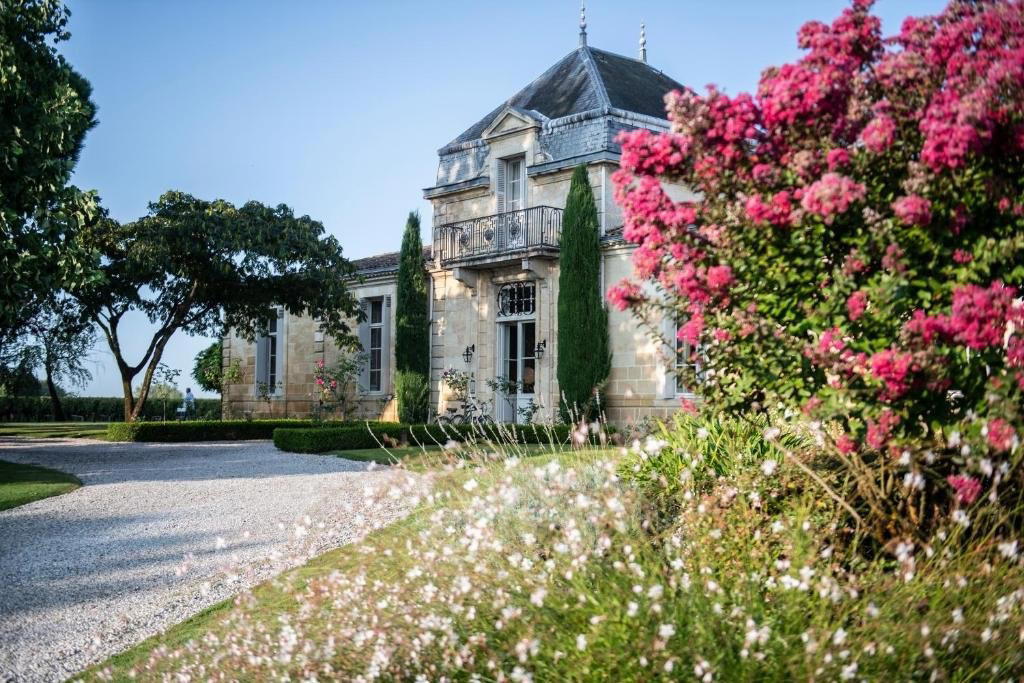
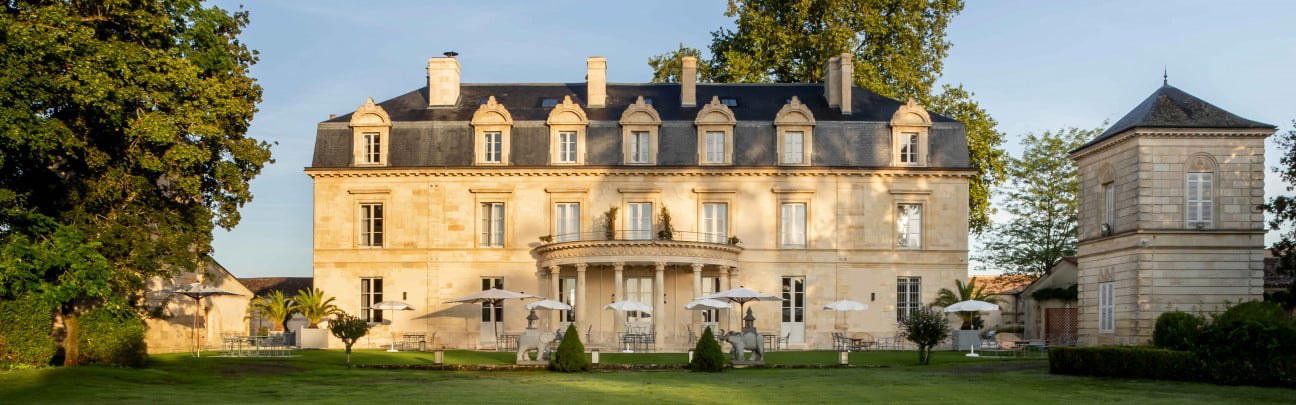
The approach to Château Grand-Puy-Ducasse is not through vines but through a town. Its address on the Quai Antoine Ferchaud places the château directly on Pauillac's waterfront, where the Gironde estuary stretches wide enough that the far bank disappears on grey mornings. Most classified growths in the Médoc sit back from the river, surrounded by their own parcels. Grand-Puy-Ducasse is different: the water is the immediate context, and the working port character of Pauillac, with its industrial edge softened by the estuary light, frames the estate rather than open countryside. That positioning matters to how the property reads physically. It is a town château before it is a rural domaine, and visitors arriving from the vineyard-dense interiors of Saint-Estèphe or Saint-Julien will notice the difference.
The Médoc's classified growths are distributed unevenly across the peninsula's communes, and Pauillac holds an outsized share of the prestige tier: three of the five First Growths sit here, alongside clusters of Second, Fourth, and Fifth Growths whose reputations span more than a century and a half of the 1855 classification.
The Physical Logic of a Scattered Estate
Pauillac's geography rewards patience. The commune's finest gravel outcrops, the deep Quaternary ridges that drain freely and warm early, are distributed across the plateau in ways that do not follow neat property boundaries. Grand-Puy-Ducasse works with parcels spread across multiple sectors of the appellation rather than consolidated around a single hill. This is not unusual in the Médoc, where historical subdivision and inheritance have scattered many estates across non-contiguous blocks, but it gives the property a breadth of soil types that shapes blending decisions and vintage-to-vintage expression.
The parcels closest to the gravel outcrops that define classic Pauillac structure share the same geological logic as neighbours including Château Haut-Bages-Libéral and Château d'Armailhac. The Cabernet Sauvignon-dominant plantings that characterise the appellation respond to those gravel ridges in a consistent way across properties: the mineral tension and structured tannin that mark mature Pauillac at its reference quality are products of drainage and heat retention as much as any individual winemaking choice.
Classification Placement and What It Signals
The 1855 classification placed Grand-Puy-Ducasse among the Fifth Growths, the broadest tier in the hierarchy and one that contains some of the Médoc's most varied performers. Fifth Growth status is sometimes misread as a ceiling rather than a floor. In Pauillac, the category sits in a competitive field that includes Château Pédesclaux, which has attracted attention following investment and renovation in recent years, and Château d'Armailhac, which benefits from the visibility of its Mouton-Rothschild ownership. Within that group, classification placement shapes how en primeur buyers and secondary market traders price and position each vintage.
For context, the same recognition framework covers estates as different as Château Bélair-Monange in Saint-Emilion, Château Bastor-Lamontagne in Preignac, and Château Branaire Ducru in St-Julien. The award signals a level of consistent quality and prestige that positions the estate above the general Fifth Growth baseline in terms of collector interest and critical attention.
Reading Pauillac Through Its Landscape
Understanding what Grand-Puy-Ducasse produces requires understanding what Pauillac produces at the appellation level. The commune sits at the heart of the Haut-Médoc's gravel plateau, where deep beds of Günzian gravel over clay and limestone create the drainage conditions that Cabernet Sauvignon uses to build concentration without excess water retention. The estuary moderates temperature swings that would otherwise produce irregular ripening across the late-maturing varieties that dominate here. These are not romantic abstractions but practical explanations for why Pauillac Cabernet develops the particular combination of blackcurrant density, cedar-driven secondary character, and tannin architecture that distinguishes aged examples from equivalent wines in Margaux or Saint-Estèphe.
The appellation's vineyards sit broadly between two drainage streams, the Chenal du Gahet to the north and the Jalle du Breuil to the south, with the plateau's highest gravel ridges concentrated in the central band. The physical sensation of standing on that plateau in late summer, with the estuary visible in the distance and the low-growing vines spreading across the pale gravel, gives a material sense of why producers in this commune speak about terroir with less qualification than is typical elsewhere. The landscape makes the argument for them. Estates like Château Cantemerle in Haut-Médoc and Château Boyd-Cantenac in Cantenac offer useful comparisons for how the broader Médoc corridor expresses similar soils across different communes.
Planning a Visit to Pauillac's Classified Estates
Visiting Grand-Puy-Ducasse requires advance planning. The estate, like most Médoc classified growths, does not operate as an open-door tourist site; appointments are the standard protocol, and the route into Pauillac from Bordeaux runs north through the D2 wine road, a roughly 50-kilometre drive that passes through Margaux, Saint-Julien, and the southern reaches of the commune before reaching the waterfront. The town itself offers a compact base from which to cover multiple estates in a single day, and the concentration of classified properties within a few kilometres of each other makes Pauillac one of the more efficient communes to explore seriously. For context on what to plan around in the commune more broadly, our full Pauillac guide covers the wider scene.
Those building itineraries across the Médoc can extend intelligently into adjacent appellations. The logical comparators within Pauillac itself include Château Batailley, whose Fifth Growth classification and consistent style offer a useful benchmark, and the more recently profiled Château Pédesclaux. Collectors with broader regional interests might also find value in comparing the Médoc's gravel-dominant approach against the limestone and clay-driven character of estates like Albert Boxler in Niedermorschwihr or the distinct production logic at Chartreuse in Voiron, though the differences in category make those comparisons more conceptual than practical.
For en primeur buyers considering Pauillac's Fifth Growth tier, the timing of release windows and allocation structures varies by vintage and négociant relationship. The standard Bordeaux en primeur campaign runs in spring following harvest, with château and négociant pricing shaped by vintage quality assessments from critics and the broader release calendar of the Place de Bordeaux.
The Short List
| Venue | Awards |
|---|---|
| Château Grand-Puy-DucasseThis venue (the venue you are viewing) | Falstaff Winery - 1 Stars |
| Château Clerc Milon | Michelin 1 Grape · Falstaff Winery - 3 Stars |
| Château Grand-Puy-Lacoste | Michelin 1 Grape · Falstaff Winery - Listed |
| Chateau Lafite Rothschild | Michelin 3 Grapes · Falstaff Winery - 5 Stars |
| Château Lynch-Bages | Michelin 1 Grape · Falstaff Winery - 4 Stars |
| Château Pichon-Longueville-Comtesse-de-Lalande | Michelin 2 Grapes · Falstaff Winery - 4 Stars |
Recognition history
Dated appearances from independent guides and award organizations, with the underlying list record or original source where available.
Falstaff Winery - 1 Stars
Falstaff
Continue exploring
More in Pauillac
Wineries in Pauillac
All wineries in Pauillac →
Bars in Pauillac
Browse all →
Details
- Classic
- Elegant
- Sophisticated
- Historic
- Wine Education
- Special Occasion
- Historic Building
- Panoramic View
- Estate Grounds
- Organic
- Sustainable
- Waterfront
- Vineyard
- Cabernet Sauvignon
- Merlot
- Petit Verdot
- Still Red
- Cave Tasting
- English
- French
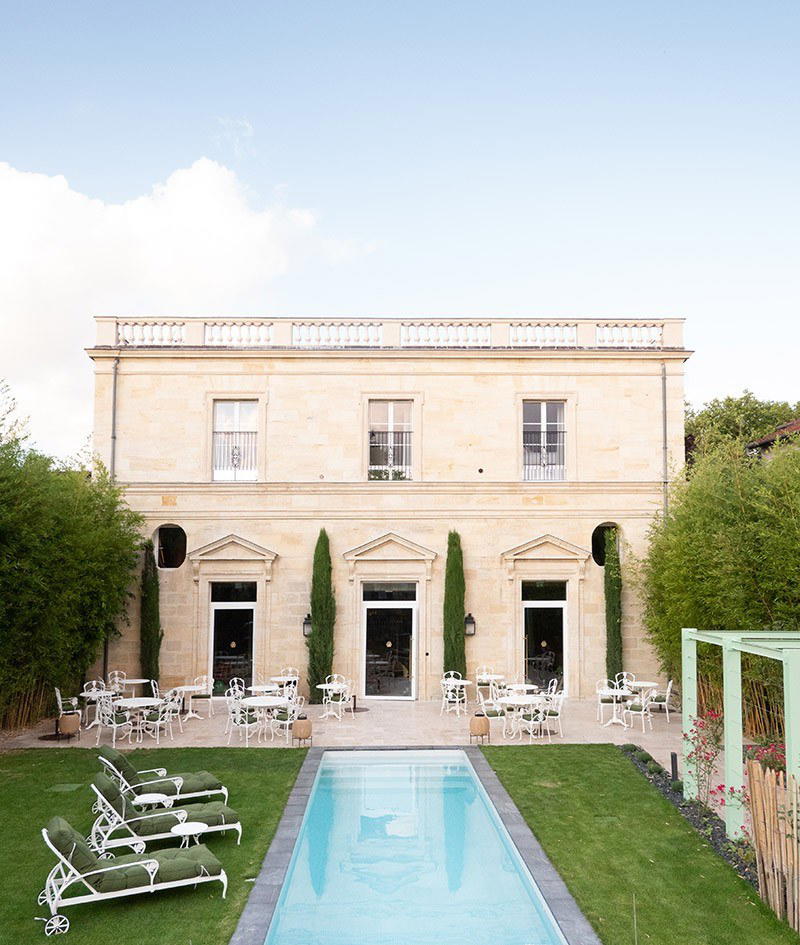
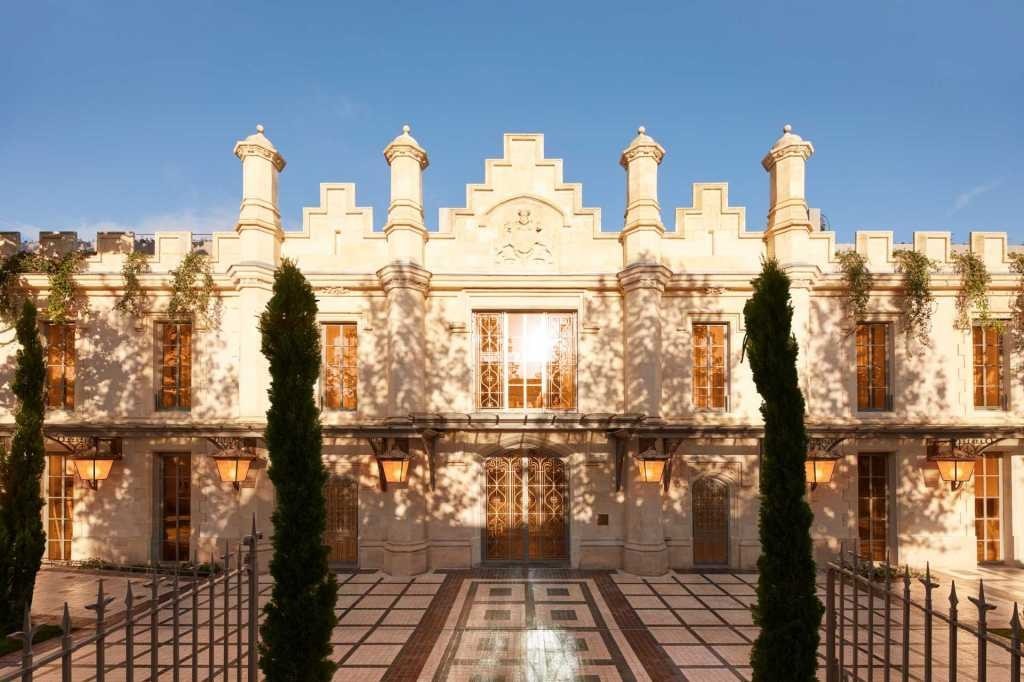
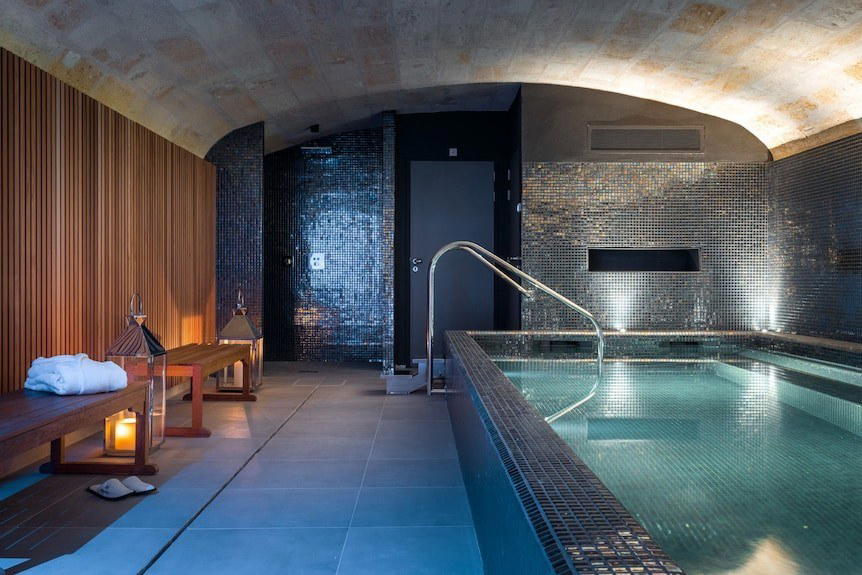
Elegant neoclassical architecture blending historical salons with modern facilities and panoramic estuary views.