Château Gloria

Château Gloria occupies a specific and well-argued position in Saint-Julien-Beychevelle: a Cru Bourgeois property producing Cabernet-dominant blends that trade on appellation character rather than classification prestige.
Pearl is the En Primeur Club membership app — saves, bookings, and concierge access live there. Same editors, same standards.
- Address
- Rue Marie Amélie, 33250 Saint-Julien-Beychevelle
- Phone
- +33 5 56 59 08 18
- Website
- domaines-henri-martin.com
- Directions
- Get directions
 Saves & bookings on Pearl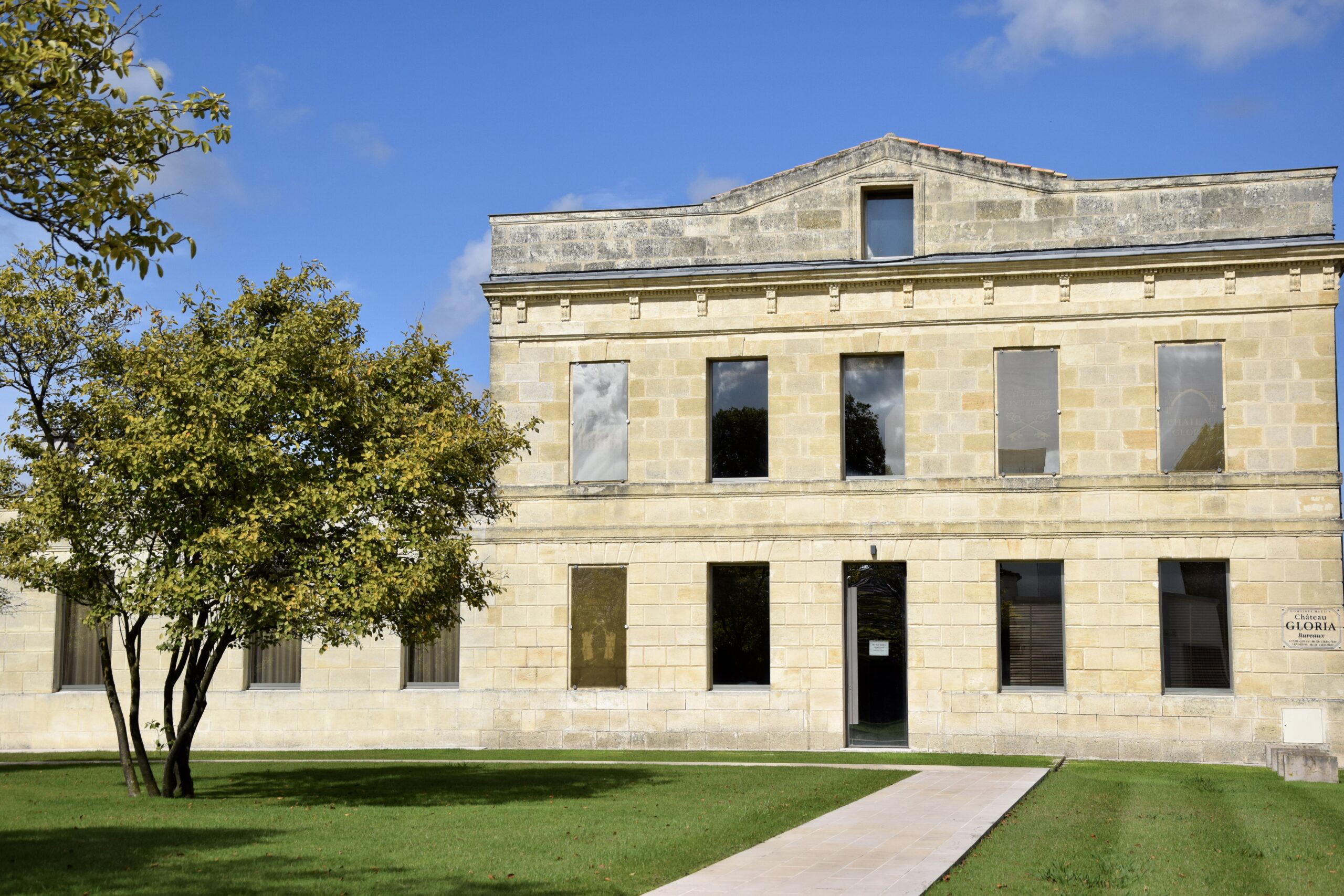
Saint-Julien Without the Classification Ceiling
The Médoc's classification system, frozen in 1855, has always left a handful of estates in an awkward position: producing wine that competes on quality with Classed Growths but selling without the official ranking that commands their price premiums. Saint-Julien-Beychevelle is the commune where this tension plays out most visibly. The appellation delivers some of the Left Bank's most consistent Cabernet Sauvignon-led blends, and the gap between a classified and an unclassified neighbour here can be a matter of administrative history as much as anything in the glass. Château Gloria sits precisely in that gap, and has built its reputation on that positioning for decades.
The estate holds an address on Rue Marie Amélie in Saint-Julien-Beychevelle, surrounded by classified neighbours whose labels carry the weight of Cru Classé designations earned nearly 170 years ago. Château Beychevelle and Château Langoa-Barton represent that classified tier in the same commune, each carrying the formal credentials that anchor their pricing and collector demand. Gloria's argument has never been to compete on that axis. Its case rests on terroir access, parcels assembled across Saint-Julien over generations, and on the appellation's inherent quality floor, which in a well-regarded vintage is high enough to make the classification gap feel less consequential.
The Competitive Position Inside Saint-Julien
Saint-Julien is the smallest of the major Médoc appellations by volume, but it produces a disproportionate share of the Left Bank's most commercially consistent wine. The commune has no Premier Cru estate, which keeps attention on its Second and Third Growths and creates room for unclassified properties to attract buyers who want appellation character at a step below Classed Growth pricing. Gloria occupies that commercial niche with some confidence.
Within this comparable set, the comparison that matters most is not with the grands châteaux but with other Cru Bourgeois and unclassified estates in the Médoc producing at similar ambition levels. Across the Gironde estuary and further south, properties like Château Bastor-Lamontagne in Preignac or in Pauillac, Château Batailley represent similar dynamics: estates making serious, appellation-representative wine outside the 1855 hierarchy. The comparison with Château Branaire Ducru in St-Julien, a Fourth Growth classified neighbour, is instructive in the other direction: what a classification actually buys in terms of market positioning, and where Gloria's value proposition sits relative to that ceiling.
For collectors tracking Saint-Emilion alongside the Médoc, the broader dynamic of classified versus unclassified is visible there too. Château Bélair-Monange in Saint-Emilion operates within a classification system that has itself been subject to legal challenge and revision, a reminder that the authority of these rankings is always more contested than the labels suggest.
It is worth placing this alongside what similar recognition means in other French wine regions. Albert Boxler in Niedermorschwihr represents the Alsace equivalent of a domaine that accumulates critical recognition outside formal appellation classification structures. The pattern, serious producers earning critical traction without formal classification support, repeats across French wine geography.
Winemaking Philosophy in Saint-Julien Context
The editorial angle assigned to any serious Saint-Julien producer has to begin with what the appellation demands: Cabernet Sauvignon dominance, gravel-over-clay subsoil profiles that deliver the commune's characteristic combination of firm structure and relatively early accessibility compared to Pauillac, and a blending tradition that typically incorporates Merlot to soften and round. Gloria's assembled parcels across the appellation mean its wine is constructed from multiple terroir inputs rather than a single contiguous vineyard, which gives the winemaking team flexibility but also demands judgement about how to blend across site variations.
This approach to assembled-parcel blending is worth contextualising against the single-vineyard prestige model that drives pricing at properties like Chateau Le Pin in Pomerol, where scarcity and a defined, singular plot underpin the wine's extraordinary valuation. Gloria's model is structurally different: breadth of appellation access rather than concentrated singularity. Neither is inherently superior as a winemaking philosophy; they speak to entirely different commercial and stylistic objectives. Saint-Julien's classified estates generally fall somewhere between these poles, which is part of why the commune produces such commercially reliable wine across the range.
The alternative is to look outside Bordeaux entirely for comparison. Accendo Cellars in St. Helena represents the Napa Valley's own tradition of precision Cabernet-led winemaking built on sourced and assembled hillside fruit, where winemaker philosophy around extraction and aging shapes identity in the absence of a formal appellation hierarchy. The contrast with Bordeaux's classification-anchored system sharpens what is distinctive about how Gloria and its peers construct their market position.
Visiting the Appellation
Saint-Julien-Beychevelle is a working wine commune rather than a tourist destination in the conventional sense. The village sits on the D2, the Route des Châteaux, which is especially practical road through the Médoc and the logical spine for any itinerary in the area. Visits are by appointment only. Gloria's physical address on Rue Marie Amélie places it within the commune proper, accessible from Bordeaux city in under an hour by car.
Neighbouring properties Château Lagrange and Château Langoa-Barton both offer visitor programmes that complement a Gloria visit, and together they give a reasonable cross-section of the appellation's range from classified to unclassified.
For those who want to extend beyond Bordeaux into other French prestige production, Chartreuse in Voiron sits at an entirely different end of the French artisanal spectrum, while Château Boyd-Cantenac in Cantenac provides a Margaux-appellation comparison point for buyers tracking quality and value across Médoc communes. Château Doisy-Védrines offers the Sauternes perspective for those who include sweet Bordeaux in their itinerary. And for non-French prestige production to frame the comparison further, Aberlour in Aberlour sits in a completely different tradition of barrel-aged prestige production, useful context for collectors who move across categories.
Who Visits Château Gloria and Why
The buyer profile for an unclassified Saint-Julien estate with prestige recognition tends to be someone who has already worked through the classified tier and is either looking for value at appellation level, building a broader understanding of what the commune actually produces across its full range, or tracking critical recognition systems like EP Club's as an alternative filter to the 1855 hierarchy.
What wines is Château Gloria known for?
Château Gloria produces red wine in the Saint-Julien-Beychevelle appellation, a commune whose identity is built around Cabernet Sauvignon-led blends with Merlot support, structured on the Médoc's characteristic gravel and clay soils. The estate's assembled parcels across the appellation give it access to a range of Saint-Julien terroir expressions.
Why do people go to Château Gloria?
The winery sits in Saint-Julien-Beychevelle, one of the Médoc's most respected appellations, and offers appellation-level quality from an unclassified estate. For visitors on the Route des Châteaux itinerary, it provides a meaningful comparison point alongside classified neighbours like Château Beychevelle and Château Langoa-Barton.
Cost and Credentials
Comparable venues nearby, for context on price, style, and recognition.
| Venue | Cuisine | Price | Notes |
|---|---|---|---|
| Château GloriaThis venue — the venue you are viewing | Not listed | $$$ | Not listed |
| Château Léoville Barton | Saint-Julien, Cabernet Sauvignon, Merlot | $$$$ | Not listed |
| Château Langoa-Barton | Not listed | $$$ | Saint-Julien-Beychevelle, Cabernet Sauvignon, Merlot |
| Château Doisy-Védrines | Barsac, Sémillon, Sauvignon Blanc | $$$ | Not listed |
| Château Lagrange | Not listed | $$$$ | Saint-Julien-Beychevelle, Cabernet Sauvignon, Merlot |
| Chateau Le Pin | Pomerol, Merlot | $$$$ | Not listed |
Recognition history
Dated appearances from independent guides and award organizations, with the underlying list record or original source where available.
Falstaff Winery - 2 Stars
Falstaff
Continue exploring
More in Saint-Julien-Beychevelle
Wineries in Saint-Julien-Beychevelle
Browse all →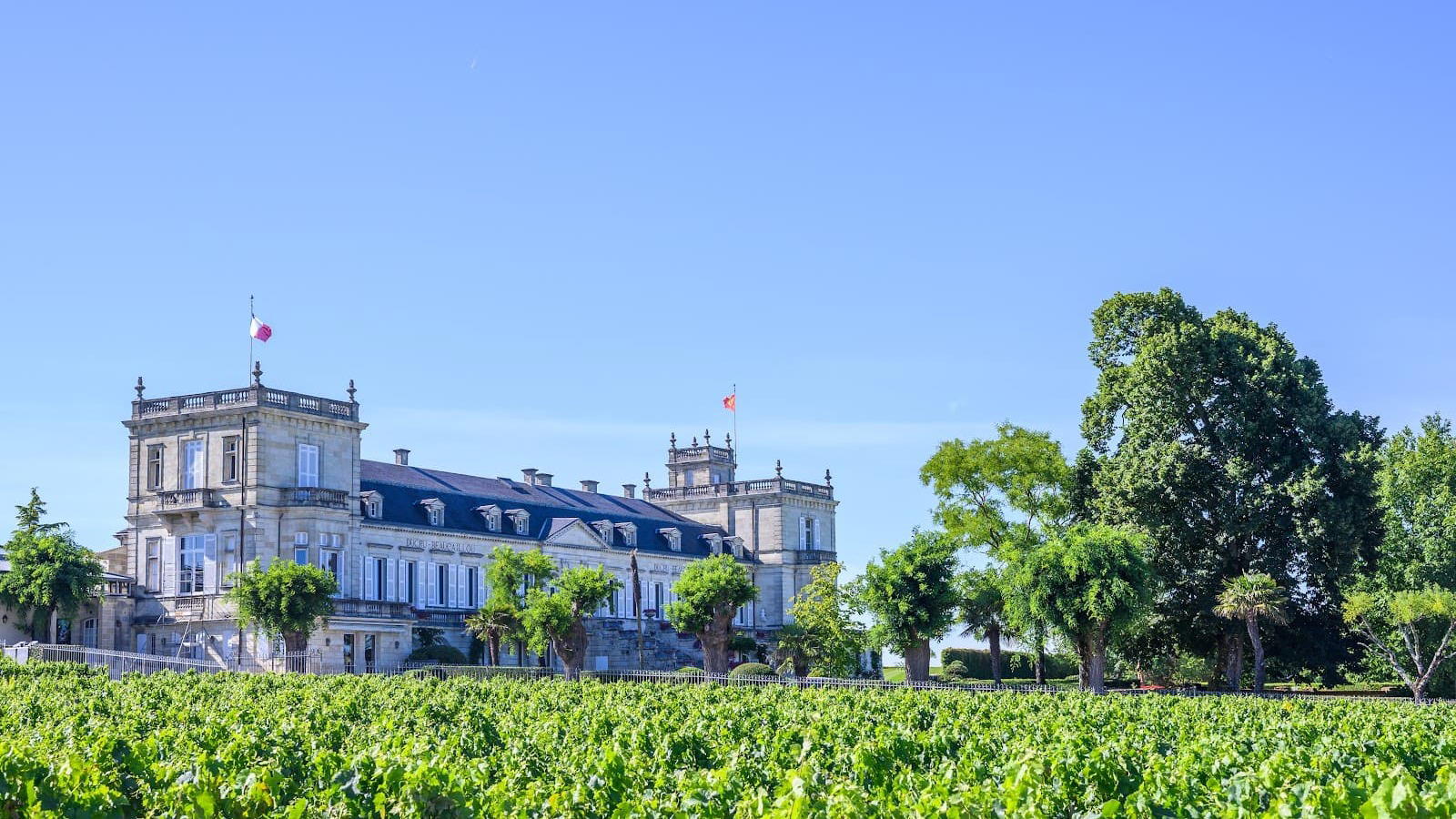
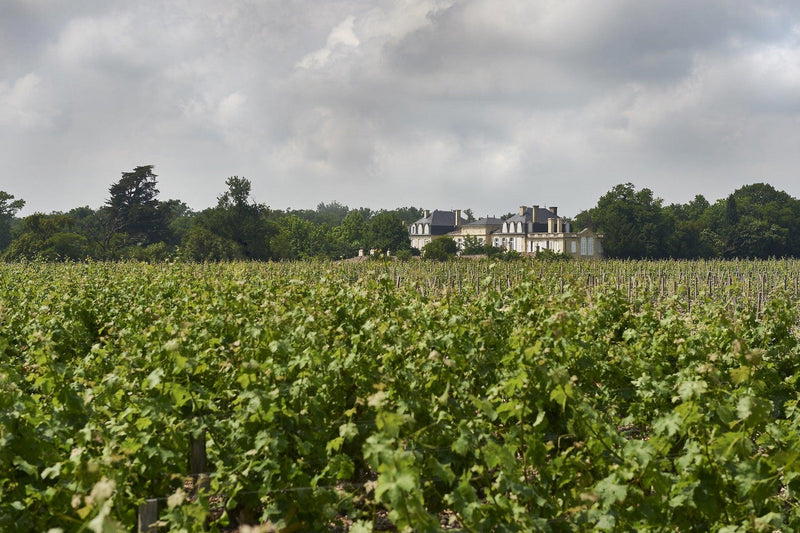
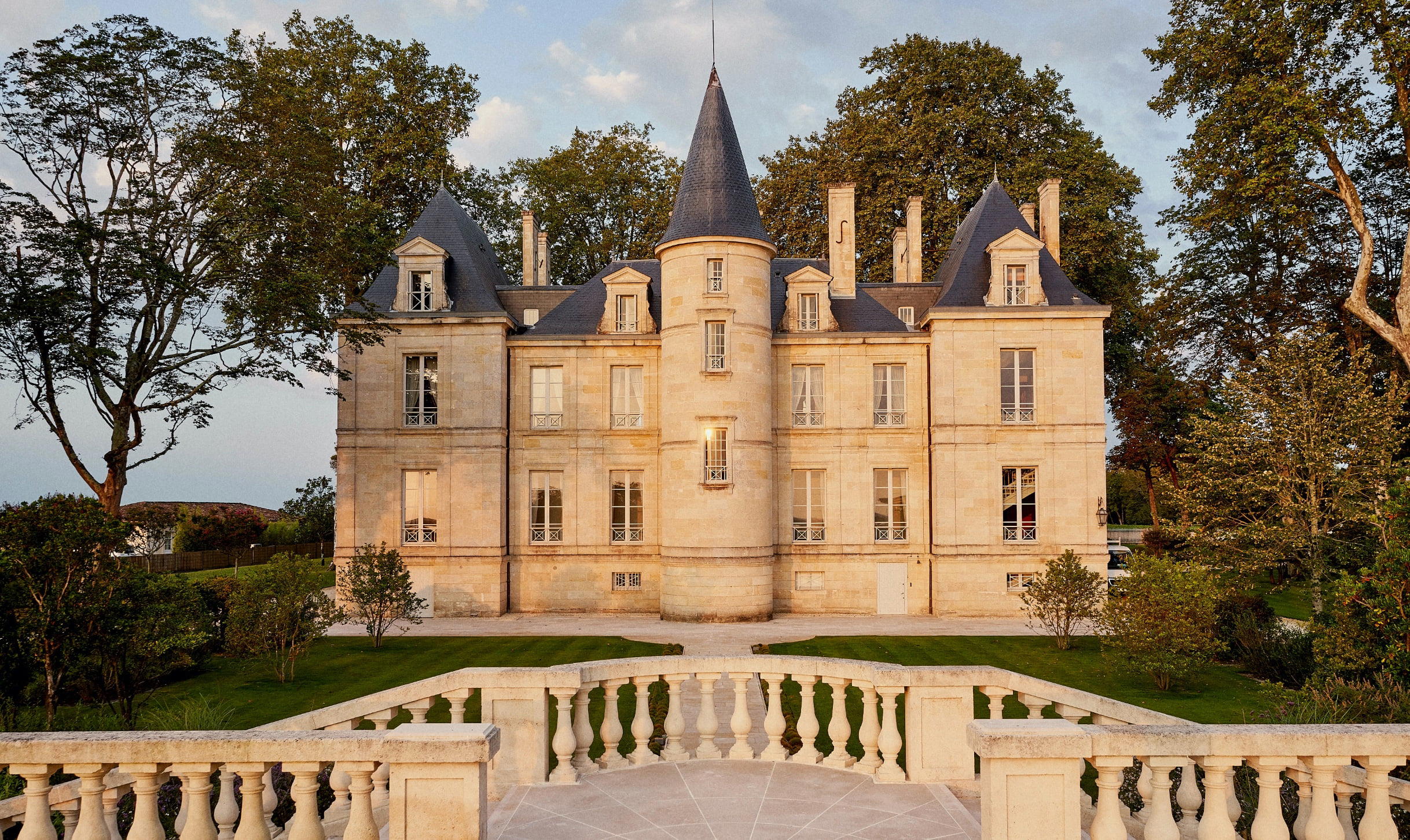
Bars in Saint-Julien-Beychevelle
Browse all →
Restaurants in Saint-Julien-Beychevelle
Browse all →
At a Glance
- Classic
- Sophisticated
- Elegant
- Well Known
- Wine Education
- Special Occasion
- Corporate Event
- Family
- Group Outing
- Historic Building
- Vineyard Tour
- Estate Grounds
- Private Tasting
- Organic
- Vineyard
- Saint Julien AOC
- Cabernet Sauvignon
- Merlot
- Cabernet Franc
- Petit Verdot
- Still Red
- Private Tasting
- By Reservation
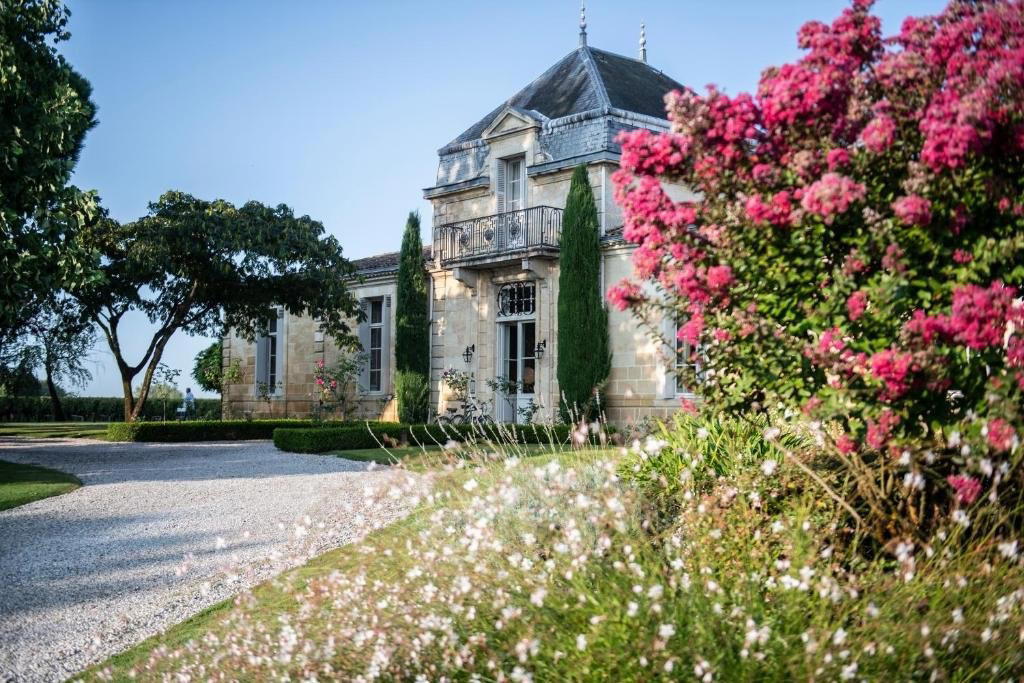
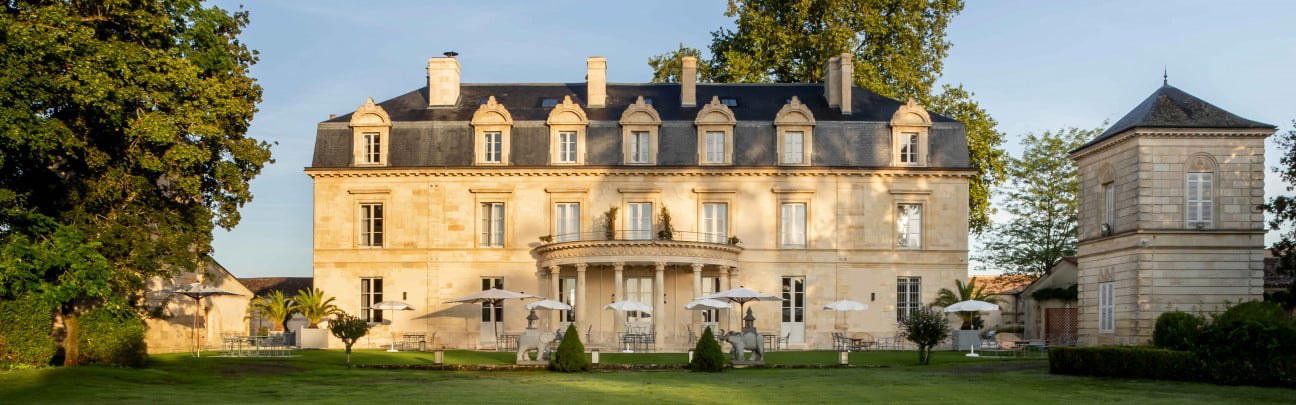
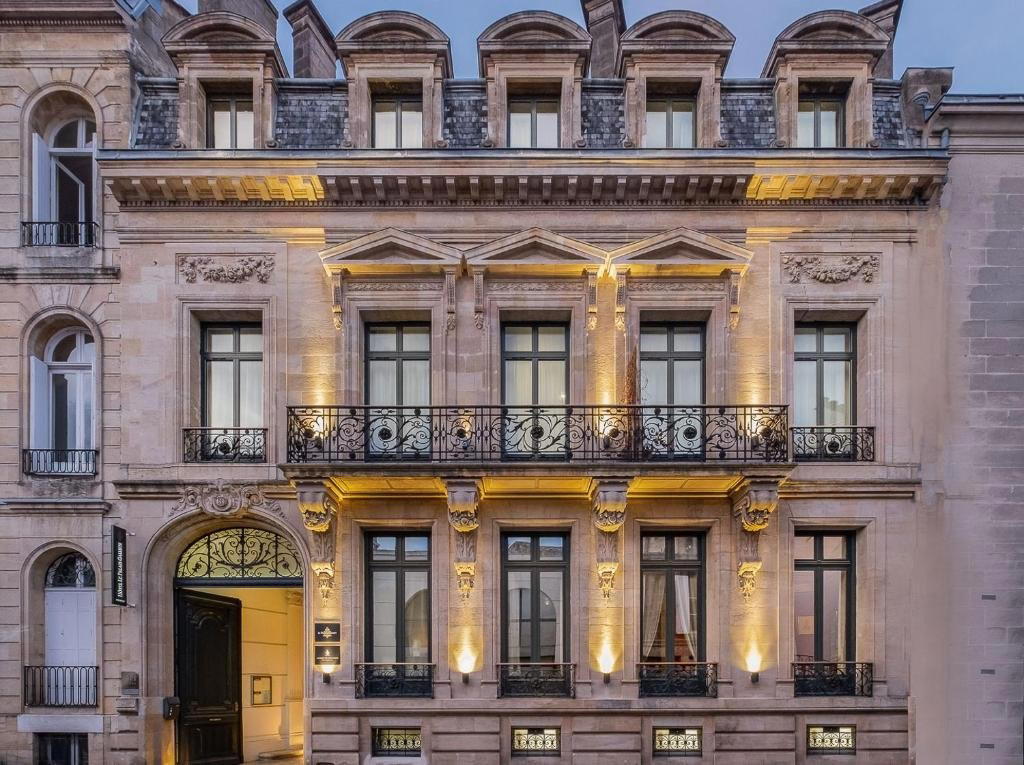
Classic Bordeaux estate atmosphere centered on family heritage, traditional winemaking, and a historic Saint-Julien terroir spread across several vineyard parcels.