Skip to Main Content
← Collection
Winningen, Germany

Weingut Heymann-Löwenstein

RegionWinningen, Germany
Pearl

Weingut Heymann-Löwenstein operates from the steep slate terraces above Winningen, in the Mosel's westernmost arc before the river bends toward Koblenz. The estate holds a Pearl 3 Star Prestige rating for 2025 and is regarded as one of the Mosel's most serious addresses for site-specific Riesling. Visiting or tasting here requires an appointment and some willingness to seek out a village most wine tourists pass through without stopping.

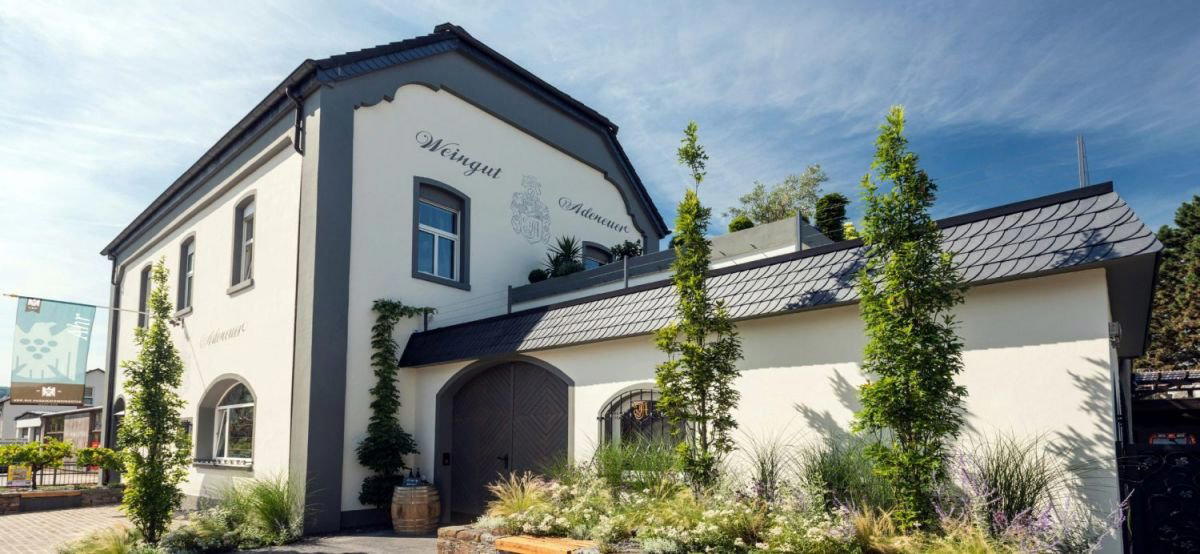
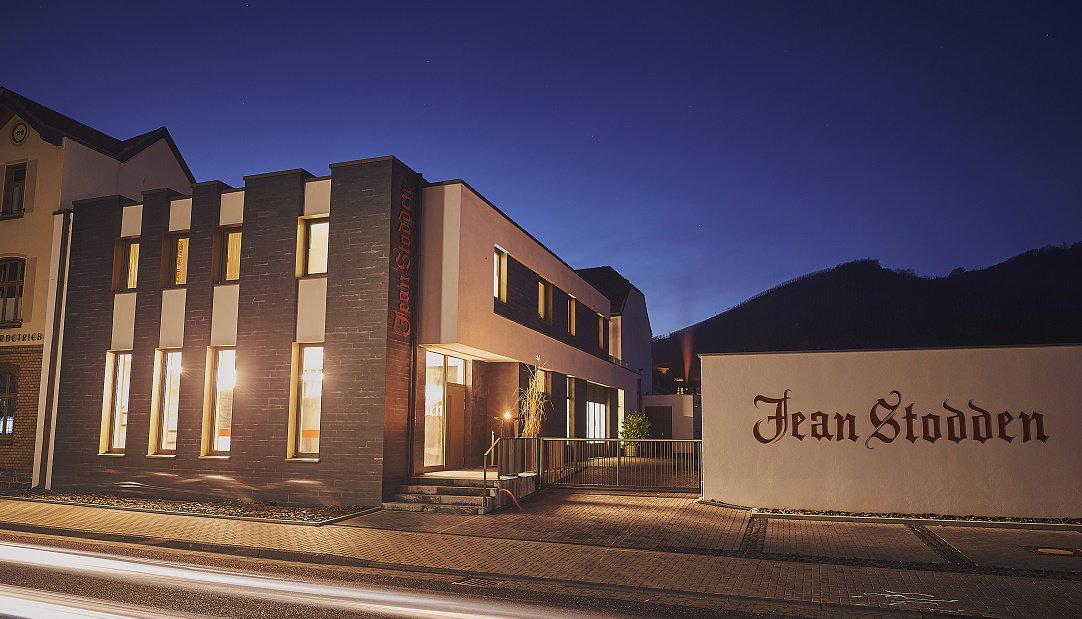
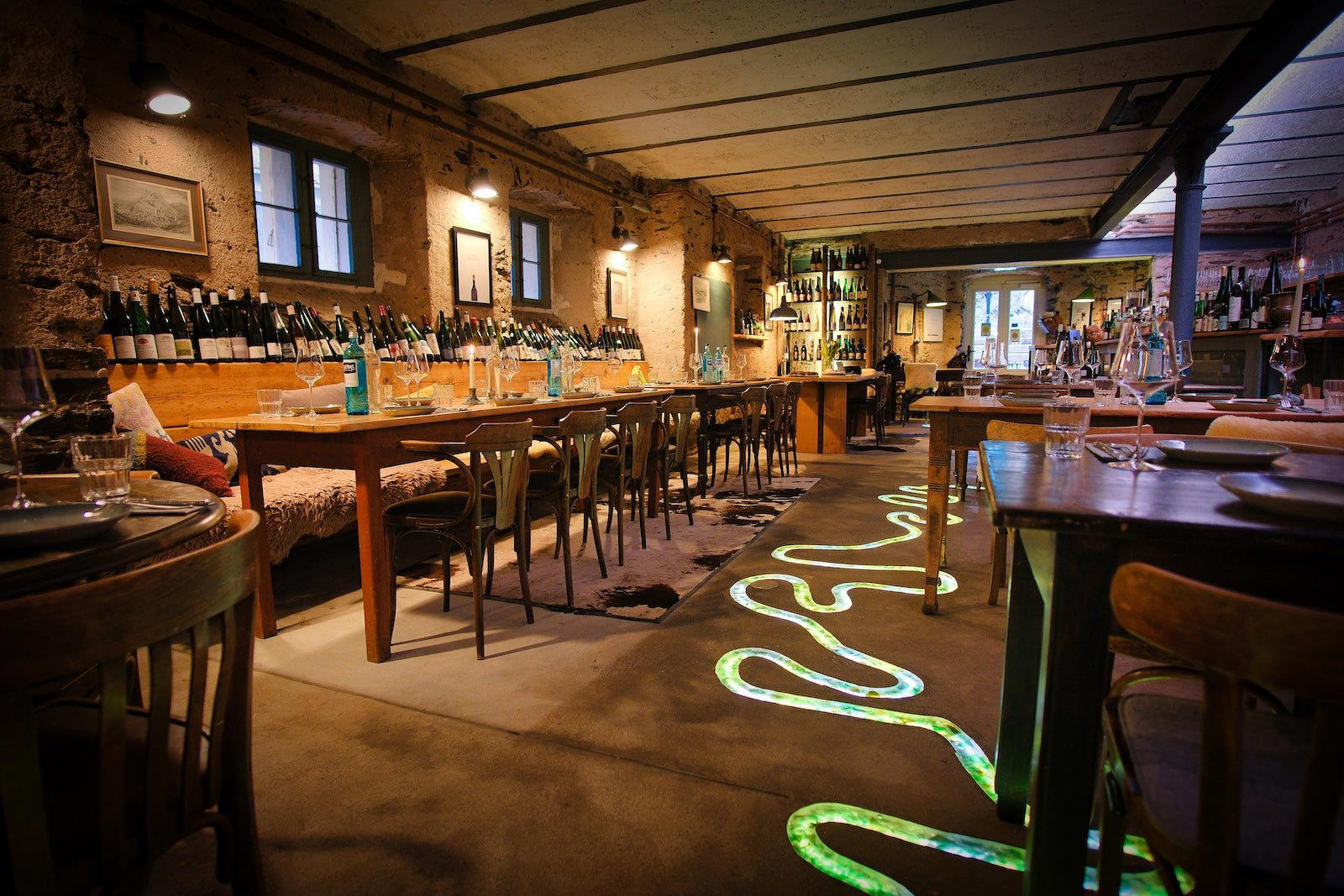
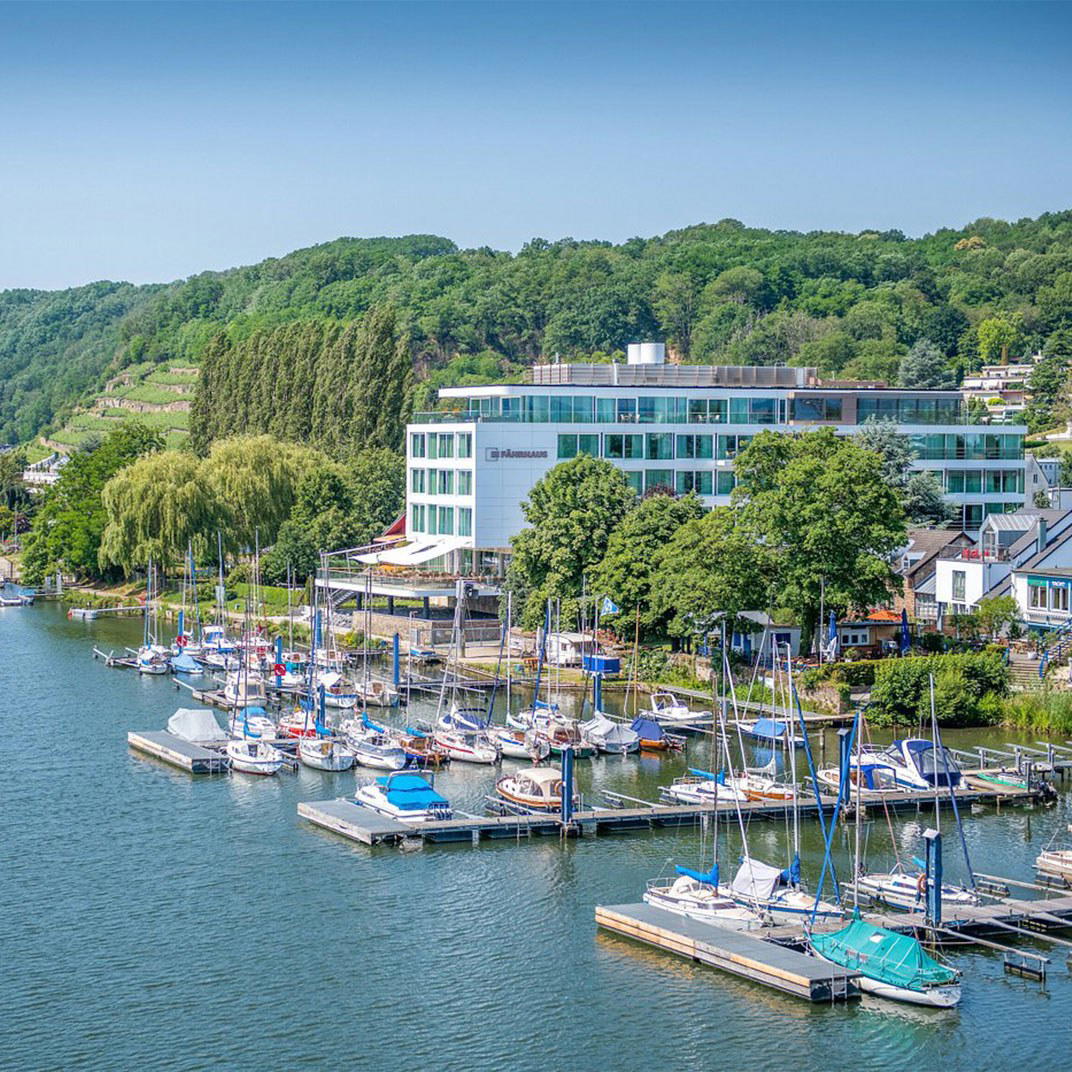
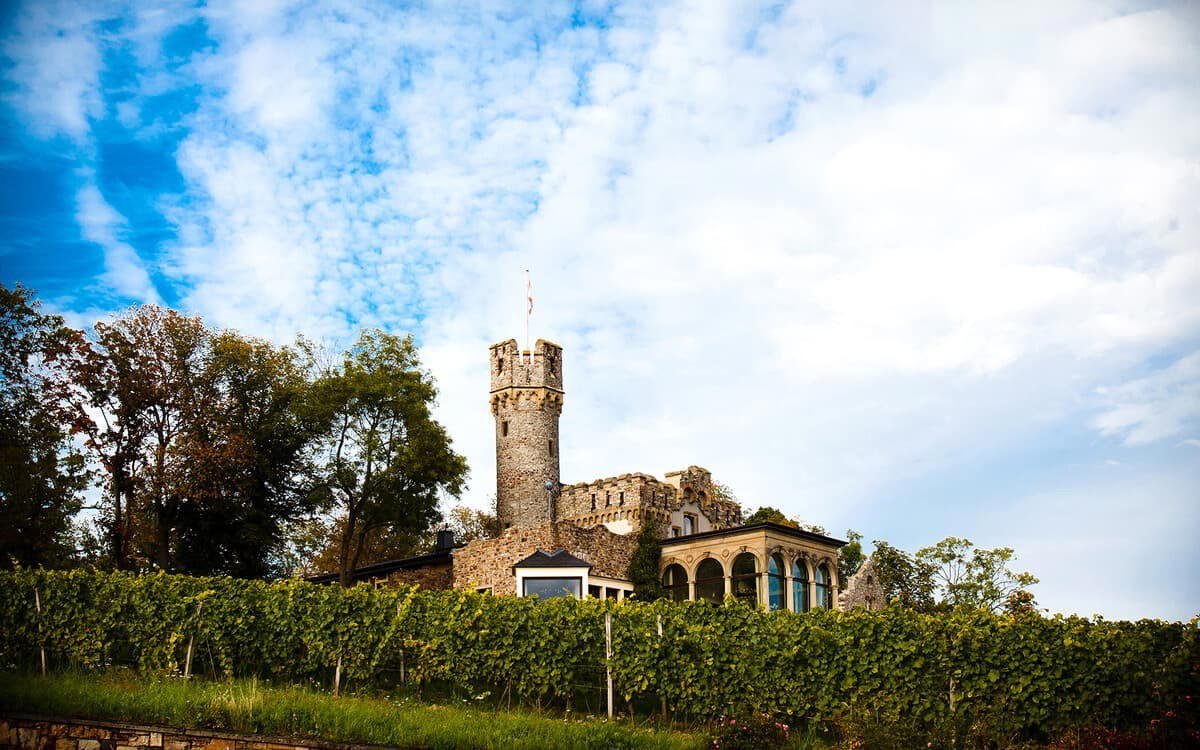
Weingut Heymann-Löwenstein winery in Winningen, Germany
About

Where the Mosel Meets the Slate

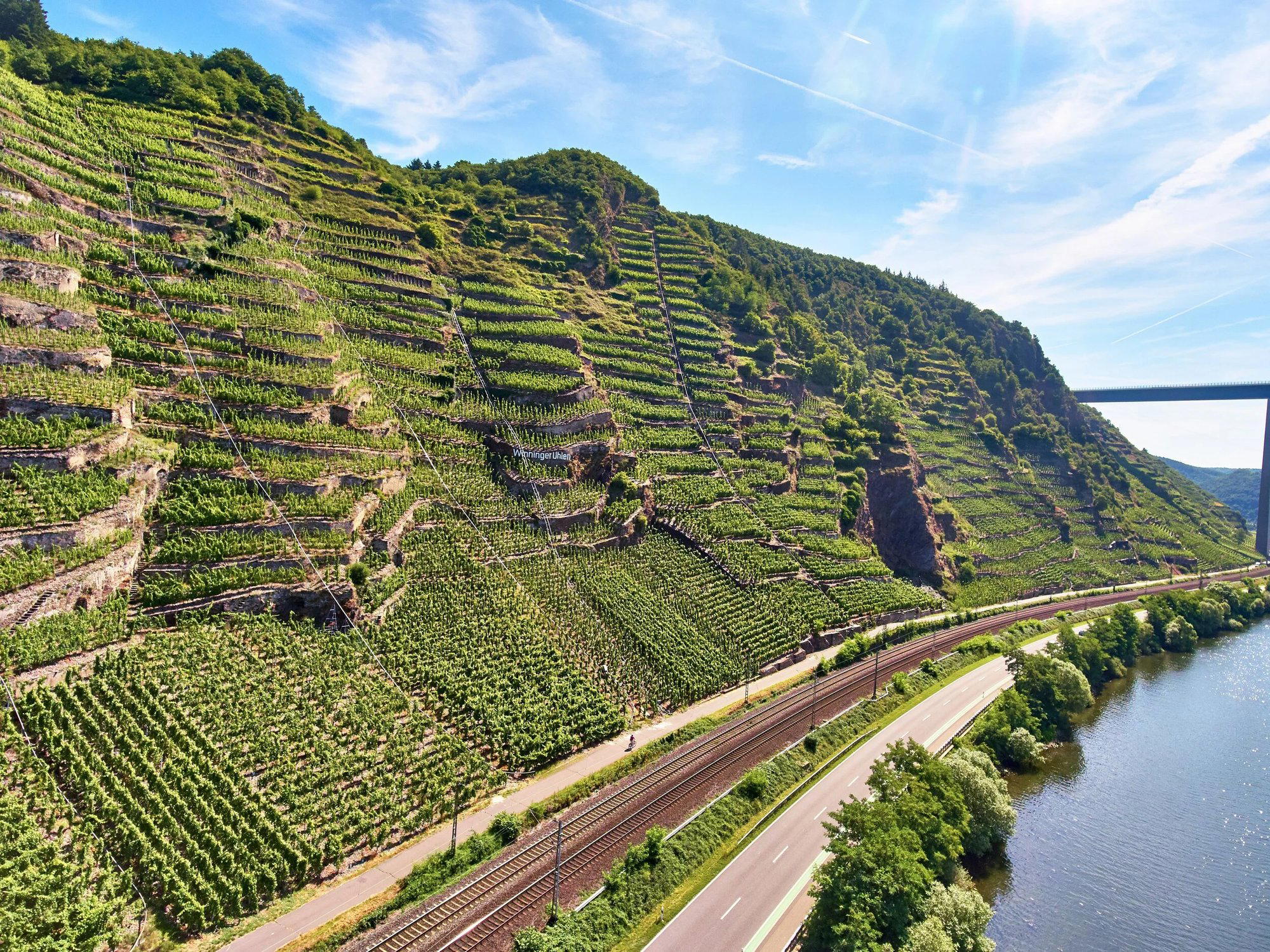
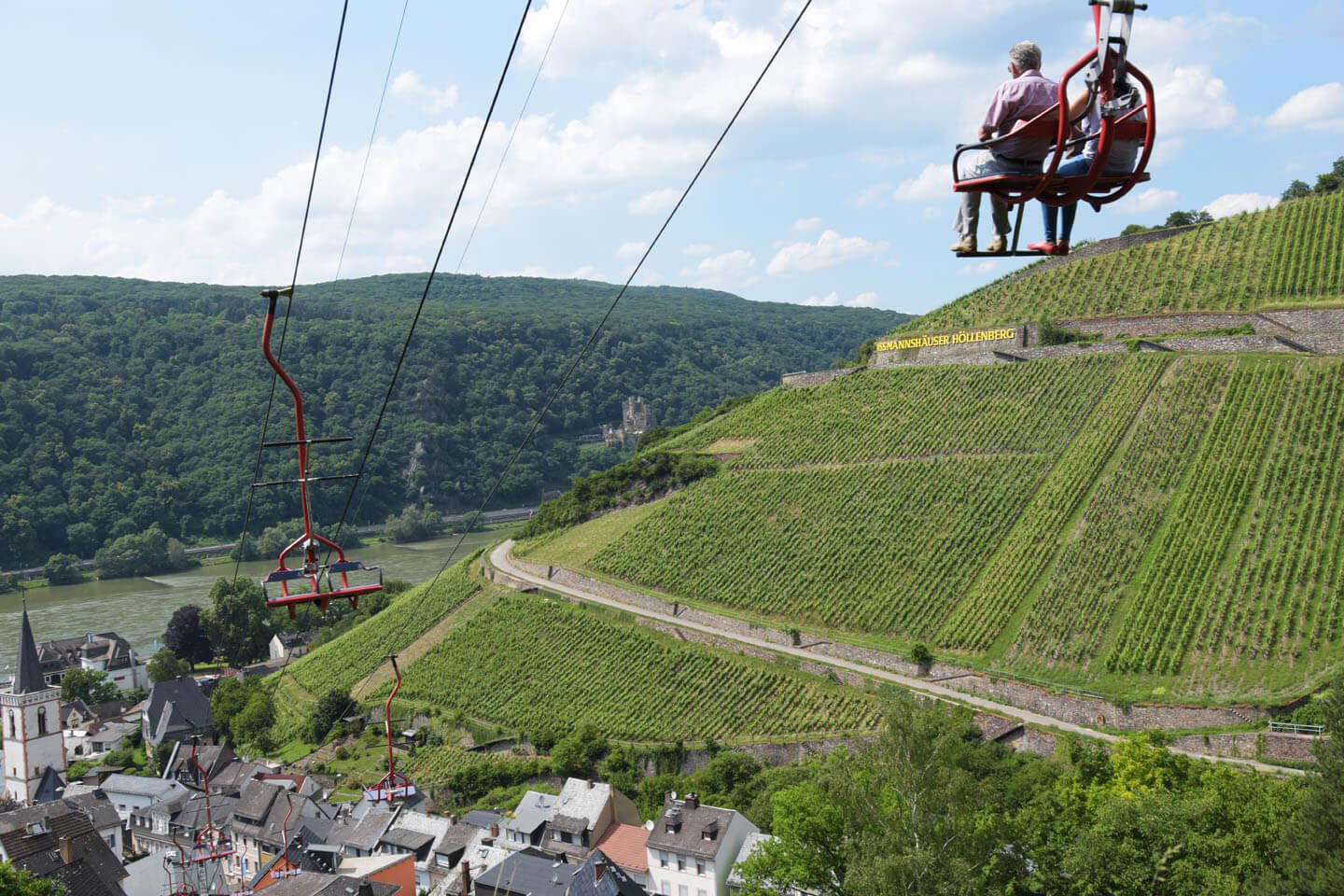
Winningen sits at the river's western edge, a few kilometres south of Koblenz, where the Lower Mosel's gorge is at its most dramatic and its most demanding. The vineyards here are not the gently sloping parcels of the Mittelmosel tourist corridor. They are near-vertical walls of Devonian blue-grey slate, fractured into thin plates that drain water fast, concentrate solar radiation, and transfer heat to the vine roots through the night. Working these sites by hand is not a stylistic choice — there is no other option. Machinery cannot operate on gradients that can exceed 60 degrees, which is why the wines that come from them carry a cost and a specificity that flatland production cannot match.

Against that backdrop, Weingut Heymann-Löwenstein, based at Bahnhofstraße 10, has built a reputation as one of the most articulate interpreters of what this particular stretch of river can produce. The estate holds a Pearl 3 Star Prestige (2025) rating, placing it in the company of Germany's most closely watched producers. That credential matters partly because the Lower Mosel receives far less critical attention than the Bernkastel or Graach corridor upstream, and an estate earning this level of recognition here is arguing for a re-evaluation of the whole region, not just its own output.

Members Only

The shortlist, unlocked.

Hard-to-book tables, cellar releases, and concierge-planned trips.

Get Exclusive Access →

The Terroir Argument the Lower Mosel Is Making

The broader story of German Riesling over the past two decades has been a gradual redistribution of critical esteem. The Middle Mosel — Wehlener Sonnenuhr, Brauneberger Juffer, the great Piesporter monopoles , dominated the international conversation for most of the twentieth century. The Lower Mosel's case rested on producers willing to push back against that hierarchy, arguing that the slate composition, microclimate, and soil depth in Winningen and its immediate neighbours produced something structurally distinct: wines with higher minerality, tighter acidity architecture, and a vertical rather than expansive aromatic profile.

This is not a peripheral argument. Comparable debates have played out in Burgundy between Chambolle and Gevrey, and in the Mosel itself between the Saar's razor-edged precision and the river's riper, more baroque expression. Heymann-Löwenstein sits at the pointed end of the Lower Mosel's claim, with single-vineyard bottlings from sites including Röttgen and Uhlen that are cited repeatedly in German wine literature as evidence that the region's ceiling is higher than its fame suggests. Producers further upstream making the case for their own terroir precision , such as Weingut Clemens Busch in Pünderich and Weingut Fritz Haag in Brauneberg , occupy the same critical tier but draw on different geological compositions, which makes direct comparison instructive rather than reductive.

Reading the Slate in the Glass

The editorial angle on Heymann-Löwenstein is inseparable from the wider German Riesling debate about intervention, site fidelity, and what it means for a wine to express terroir rather than winemaking. The Devonian slate of the Winningen sites differs from the rounder, more layered blue slate of the Bernkastel area. It produces a leaner, more saline baseline character , less tropical fruit, more citrus pith, longer acid persistence. For drinkers accustomed to Mosel Riesling as a category defined by Kabinett sweetness and floral lift, wines from this address can read as austere on first encounter. Context helps: these are wines built for the table and for time.

The principle connects to broader shifts in how German estates position themselves internationally. Weingut A. Christmann in Neustadt an der Weinstraße and Weingut Dr. Bürklin-Wolf in Wachenheim an der Weinstraße have pursued similar arguments in the Pfalz, where the terrain is gentler but the ambition toward site-specificity is comparable. The Mosel's extreme topography simply makes the argument more legible: when a vineyard takes forty times the labour hours of a flatland plot to farm, the wine it produces is already defined by geography before the winemaker makes a single decision.

Winningen as a Destination

Winningen's village scale is worth accounting for before planning a visit. This is not a Bernkastel-Kues with a pedestrianised wine street and multiple tasting rooms open on a Saturday afternoon. Winningen has a train station (the estate address is literally Bahnhofstraße , railway station street), which means it is reachable on the Mosel Valley line without a car, but the village itself offers limited hospitality infrastructure beyond the producers themselves. The Mosel Wein-Nacht festival held in Winningen each summer draws regional visitors, but outside that window, the town operates on appointment logic rather than walk-in tourism.

For anyone building a Lower Mosel itinerary, Winningen pairs naturally with the short drive or train leg to Koblenz, where accommodation options expand considerably. The Deutsche Eck , the confluence of the Mosel and the Rhine , is within a few kilometres, and the Mittelrhein wine region begins immediately to the north, giving a visiting trip a logical geographic shape. Our full Winningen restaurants guide covers the area's wider hospitality options for those planning to extend a visit.

Placing Heymann-Löwenstein in the German Prestige Tier

Germany's premium Riesling producers cluster around a small number of appellation areas, and the critical and commercial infrastructure around them has grown more sophisticated over the past decade. The VDP classification system provides a shared framework, with Grosse Lage vineyard designations functioning as the German equivalent of Premier and Grand Cru. Producers earning Pearl 3 Star Prestige recognition in 2025 , the tier Heymann-Löwenstein holds , sit at the sharper end of this already selective group.

Comparison estates across Germany's major white wine regions illustrate the competitive context. In the Rheingau, Weingut Georg Breuer in Rüdesheim am Rhein and Kloster Eberbach in Eltville represent the region's historic anchor estates. In the Nahe, Weingut Jakob Schneider in Niederhausen occupies a quieter but critically attentive position. In Franken, Weingut Bürgerspital zum Heiligen Geist in Würzburg brings the weight of centuries of institutional winemaking. Further afield, Weingut Bassermann-Jordan in Deidesheim, Weingut Battenfeld-Spanier in Hohen-Sülzen, and Weingut Allendorf in Oestrich-Winkel each represent distinct regional arguments about what German fine wine means. Weingut Grans-Fassian in Leiwen provides the closest Mittelmosel counterpoint for those who want to triangulate between the two river sections.

Beyond Germany, the conversation around terroir-driven production connects to producers in entirely different contexts: Accendo Cellars in St. Helena makes the case in Napa for restraint within a region more associated with power, while Aberlour in Aberlour demonstrates how provenance-led production translates to a Speyside whisky context where site and process are similarly inseparable.

Planning a Visit

Heymann-Löwenstein operates from the estate address at Bahnhofstraße 10, Winningen. No phone number or website appears in current listings, which is consistent with how many small German prestige estates manage visitor access: through word of mouth, importer introductions, or direct written contact rather than open-door tasting room models. Visitors planning a trip should budget time for this logistics reality and consider approaching through a specialist German wine importer if they lack a direct contact point. The estate's Pearl 3 Star Prestige standing for 2025 confirms its active, commercially available status, but the format and pricing of any tasting experience are not publicly detailed and should be confirmed before travel.

Frequently Asked Questions

Is Weingut Heymann-Löwenstein more formal or casual?
The estate's Pearl 3 Star Prestige (2025) recognition and its position in the German fine wine tier suggest a serious, appointment-driven environment rather than a casual drop-in tasting room. Winningen's village scale and the estate's limited public-facing infrastructure point toward a producer-led rather than hospitality-led experience. Visitors should treat it as a working winery visit rather than a service venue.
What wine should a first-time visitor focus on at Weingut Heymann-Löwenstein?
The Lower Mosel's Devonian slate vineyards , particularly Röttgen and Uhlen, both closely associated with this address in German wine literature , are the strongest editorial argument for seeking out the estate's single-vineyard Rieslings. These sites are cited as the clearest expression of what distinguishes the Lower Mosel from the more commercially prominent Mittelmosel corridor. If availability and format allow, comparing a village-level bottling against a Grosse Lage from one of these sites is the most instructive way to read what the terroir is doing.
What is the main draw of Weingut Heymann-Löwenstein?
The estate's primary claim is site specificity in a wine region that most international visitors pass through without stopping. Holding a Pearl 3 Star Prestige award for 2025 while based in Winningen rather than a better-known Mosel village is itself a signal: this is a producer making the case for the Lower Mosel's distinct geological and climatic profile. For anyone building a serious German Riesling itinerary, the estate represents a measurable gap in most standard routes.
Is Weingut Heymann-Löwenstein reservation-only?
Based on available information, the estate does not list a phone number or website through public channels, and no walk-in tasting format is documented. This is consistent with the reservation-only model common among prestige German producers at this recognition level. Prospective visitors should plan contact well in advance, ideally through an importer or specialist wine retailer who handles the estate's allocation.
How does Weingut Heymann-Löwenstein's Pearl 3 Star Prestige rating compare to other Mosel producers?
The Pearl 3 Star Prestige designation for 2025 places Heymann-Löwenstein among a small cohort of German estates recognised at the highest tier of current critical assessment. On the Mosel specifically, very few Lower Mosel producers reach this level of sustained recognition, which reinforces the estate's role as the region's most visible advocate for taking Winningen's steep slate sites as seriously as the more celebrated addresses upstream. For comparison, peer Mosel producers at comparable prestige levels typically operate from the Mittelmosel's most established grand cru sites.

Quick Comparison

These are the closest comparables we have in our database for quick context.

Collector Access

Access the Cellar?

Our members enjoy exclusive access to private tastings and priority allocations from the world's most sought-after producers.

Get Exclusive Access
Members Only

The shortlist, unlocked.

Hard-to-book tables, cellar releases, and concierge-planned trips.

Get Exclusive Access →