
Jacquesson in Dizy belongs to the terroir-led side of Champagne, where single-vineyard expression matters as much as house style. Its range includes parcel work shaped by details such as Chardonnay vines planted in 1960 on a 1-hectare plot, with malolactic fermentation part of the winemaking vocabulary.
Pearl is the En Primeur Club membership app — saves, bookings, and concierge access live there. Same editors, same standards.
- Address
- 68 Rue du Colonel Fabien, 51530 Dizy
- Phone
- +33 3 26 55 68 11
- Website
- champagnejacquesson.com
- Directions
- Get directions
 Saves & bookings on Pearl
Dizy is not Champagne’s grand-hotel lobby or polished tasting salon; it is a working Marne village where talk turns quickly to parcels, pruning, ripeness and the decisions shaping wine before the cellar. Jacquesson fits that register: less ceremony than a specific piece of land speaking through Champagne’s technical grammar.
Single-vineyard Champagne with the vineyard in the foreground
Champagne has long been defined by blending villages, grape varieties and vintages for continuity. The counter-current is parcel specificity, and Jacquesson sits firmly there. Its single-vineyard wines are described as a natural development in the range, emphasizing site rather than house consistency alone.
The clearest evidence is agricultural, not decorative: one 1-hectare plot has 9,000 Chardonnay vines, planted in 1960 and pruned by the Chablis method. Vine age, density and pruning are not lifestyle details; they are the scaffolding behind how fruit is grown, moderated and selected. In a region where bubbles and dosage can hide many decisions, those specifics matter.
Ripeness, timing and cellar choices
The harvest note, 26 August to 10 September, marks an early picking window, with ripe grapes brought in over a defined period rather than treated as an abstract vintage condition. For terroir-led Champagne, timing is central: too soon and site character can read as severity; too late and the wine risks losing Champagne’s essential tension.
Malolactic fermentation is also part of the stated approach, shaping the line between acidity and roundness, especially with Chardonnay central. The result is technical transparency: vineyard identity shaped by deliberate cellar work, not simplicity or rustic purity.
How to place it in a Dizy itinerary
Jacquesson works well as a wine address within a broader Dizy day, not an all-purpose hospitality stop. Build context around the village and surrounding categories: The Dizy wineries guide gives the clearest frame, while The Dizy restaurants guide, The Dizy hotels guide, The Dizy bars guide and The Dizy experiences guide help map the stay without making the wine visit the whole plan.
Comparable Spots, Quickly
Comparable venues nearby, for context on price, style, and recognition.
| Venue | Cuisine | Price | Notes |
|---|---|---|---|
| JacquessonThis venue — the venue you are viewing | Chardonnay, Pinot Noir | $$$ | Not listed |
| Château de Ferrand | Merlot, Cabernet Franc | $$$ | Saint-Hippolyte |
| Pierre Peters | Chardonnay | $$$ | Le Mesnil-sur-Oger |
| Bérêche et Fils | Pinot Noir, Chardonnay | $$$ | Ludes |
| Vilmart & Cie | Pinot Noir, Chardonnay | $$$ | Rilly-la-Montagne |
| Lallier | Pinot Noir, Chardonnay | $$$ | Aÿ |
Recognition history
Dated appearances from independent guides and award organizations, with the underlying list record or original source where available.
Falstaff Winery - 5 Stars
Falstaff
At a Glance
- Classic
- Elegant
- Sophisticated
- Rustic
- Wine Education
- Special Occasion
- Solo Exploration
- Vineyard Tour
- Historic Building
- Cave Tasting
- Organic
- Vineyard
- Champagne AOC
- Chardonnay
- Pinot Noir
- Pinot Meunier
- Sparkling
- Still Red
- Still White
- Single Vineyard Tasting
- Numbered Cuvée Tasting
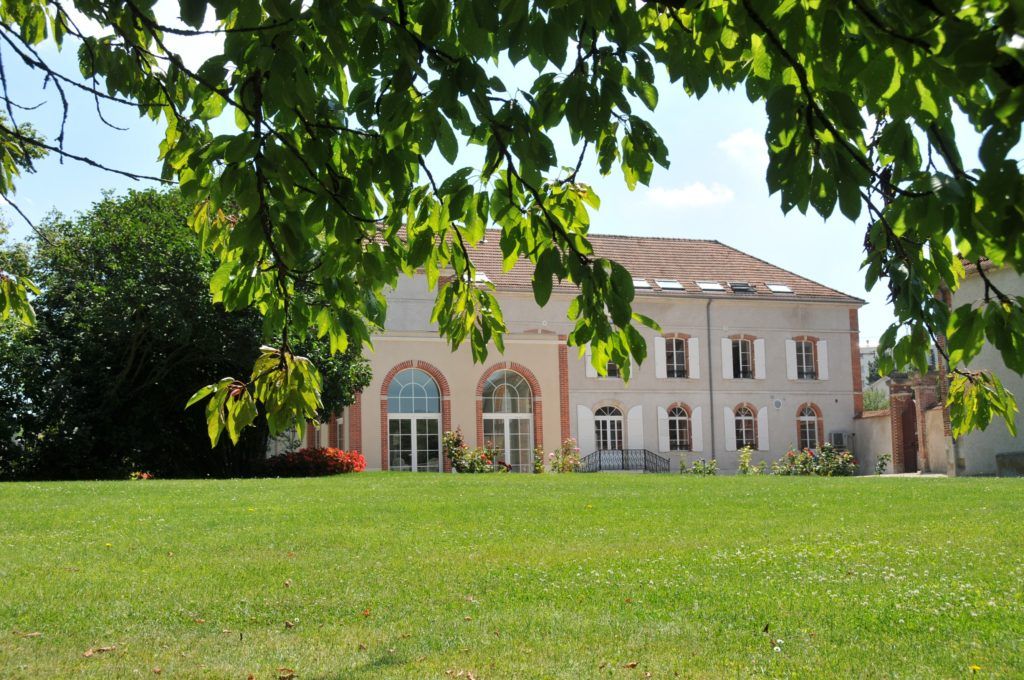
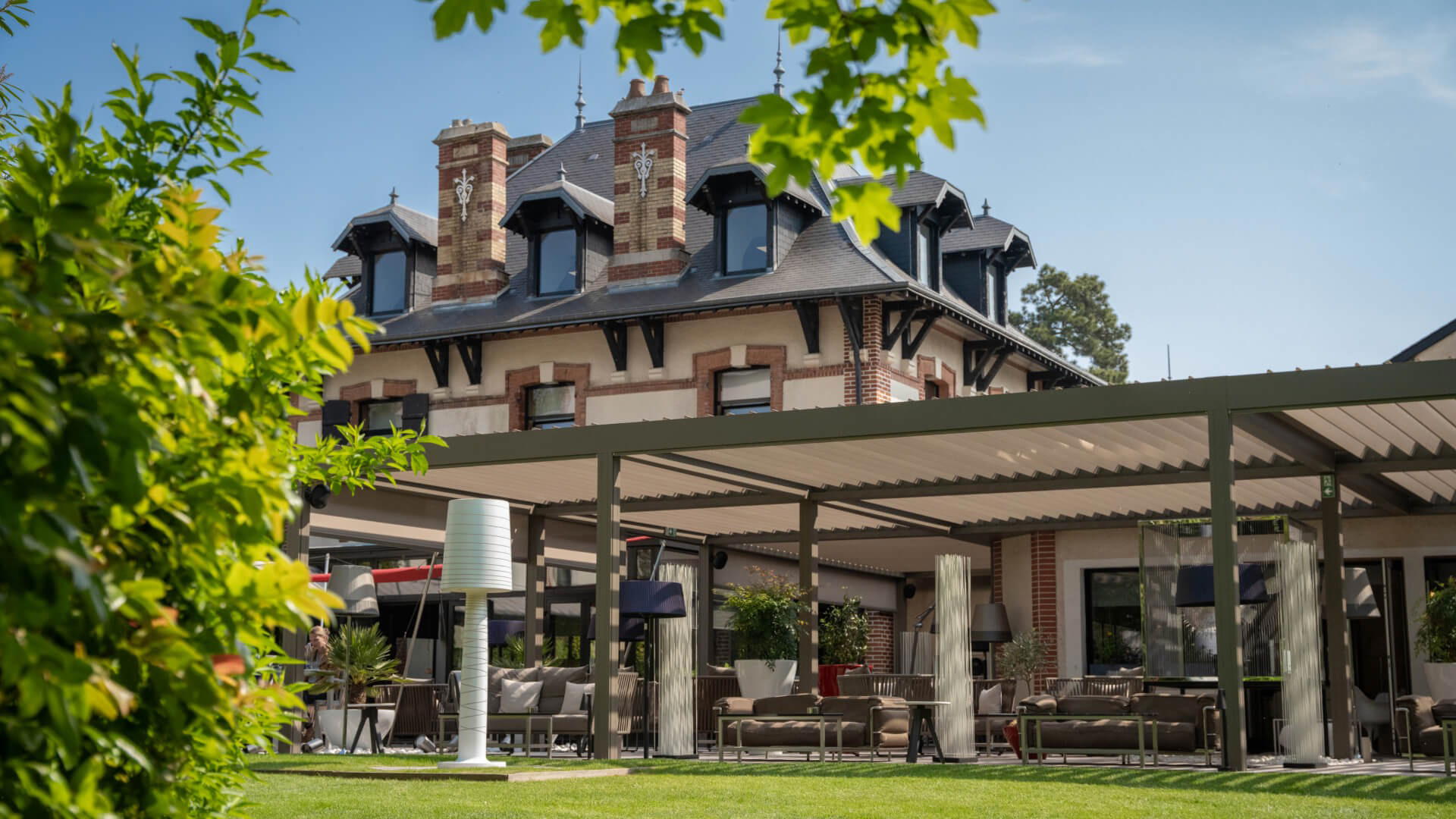
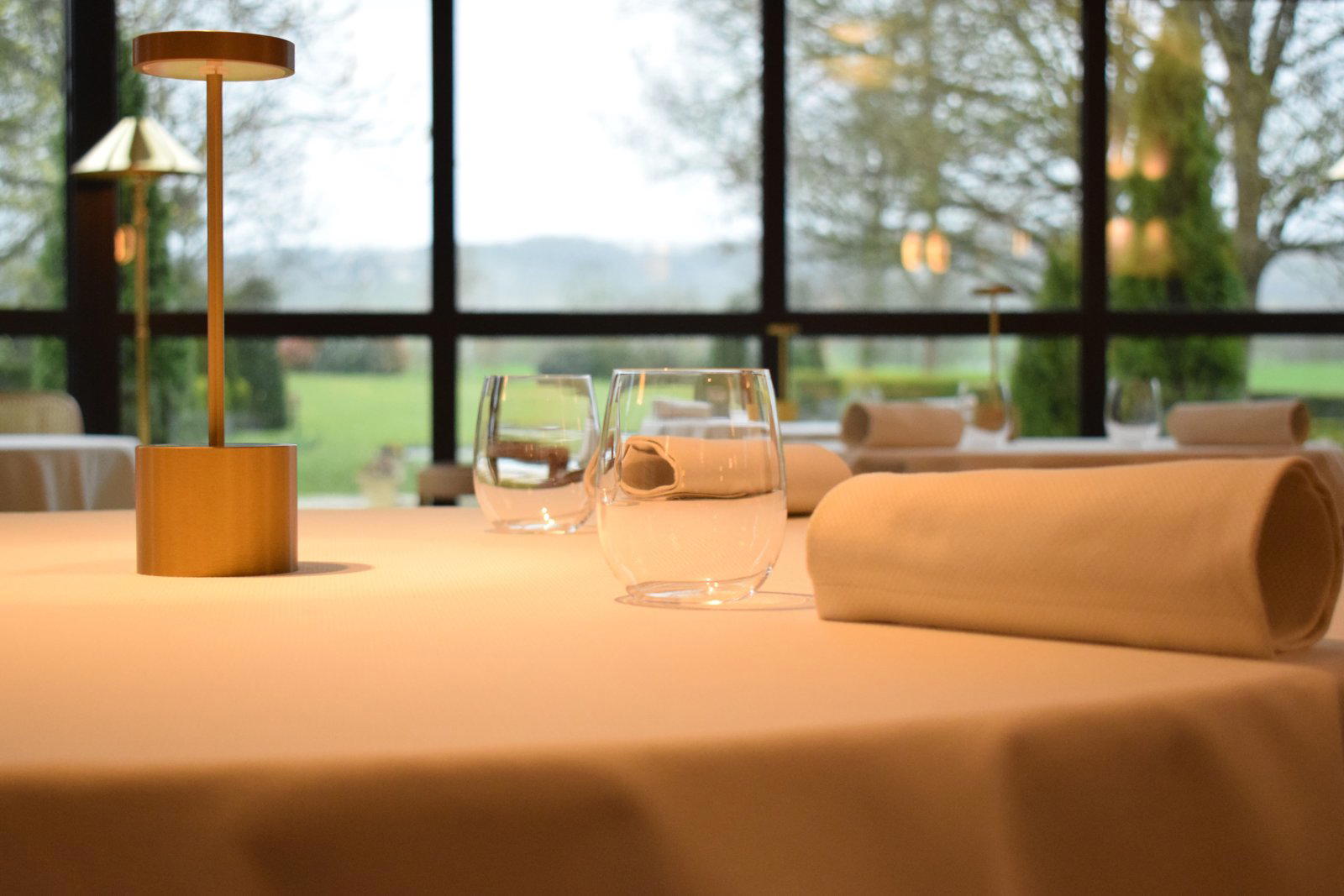
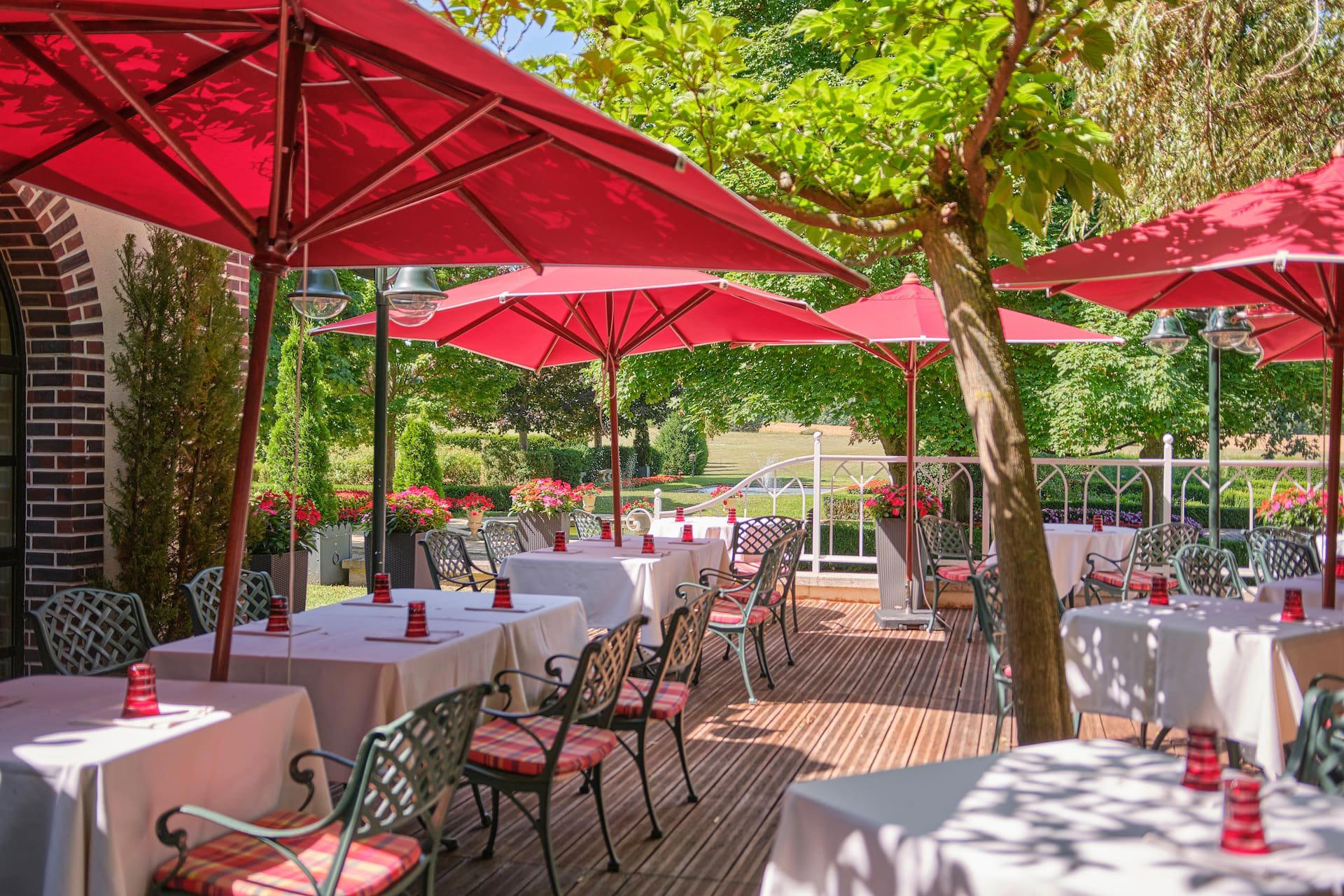
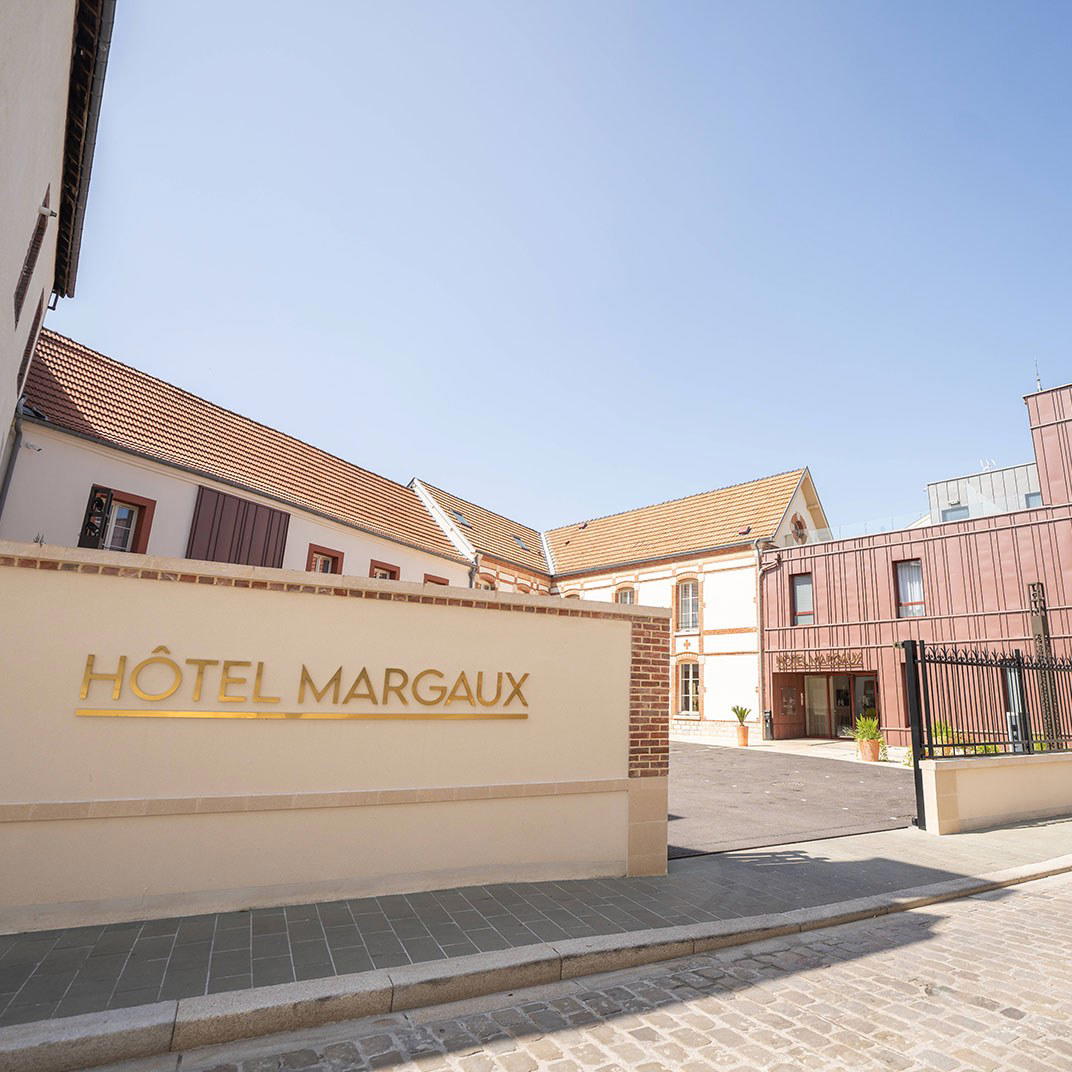
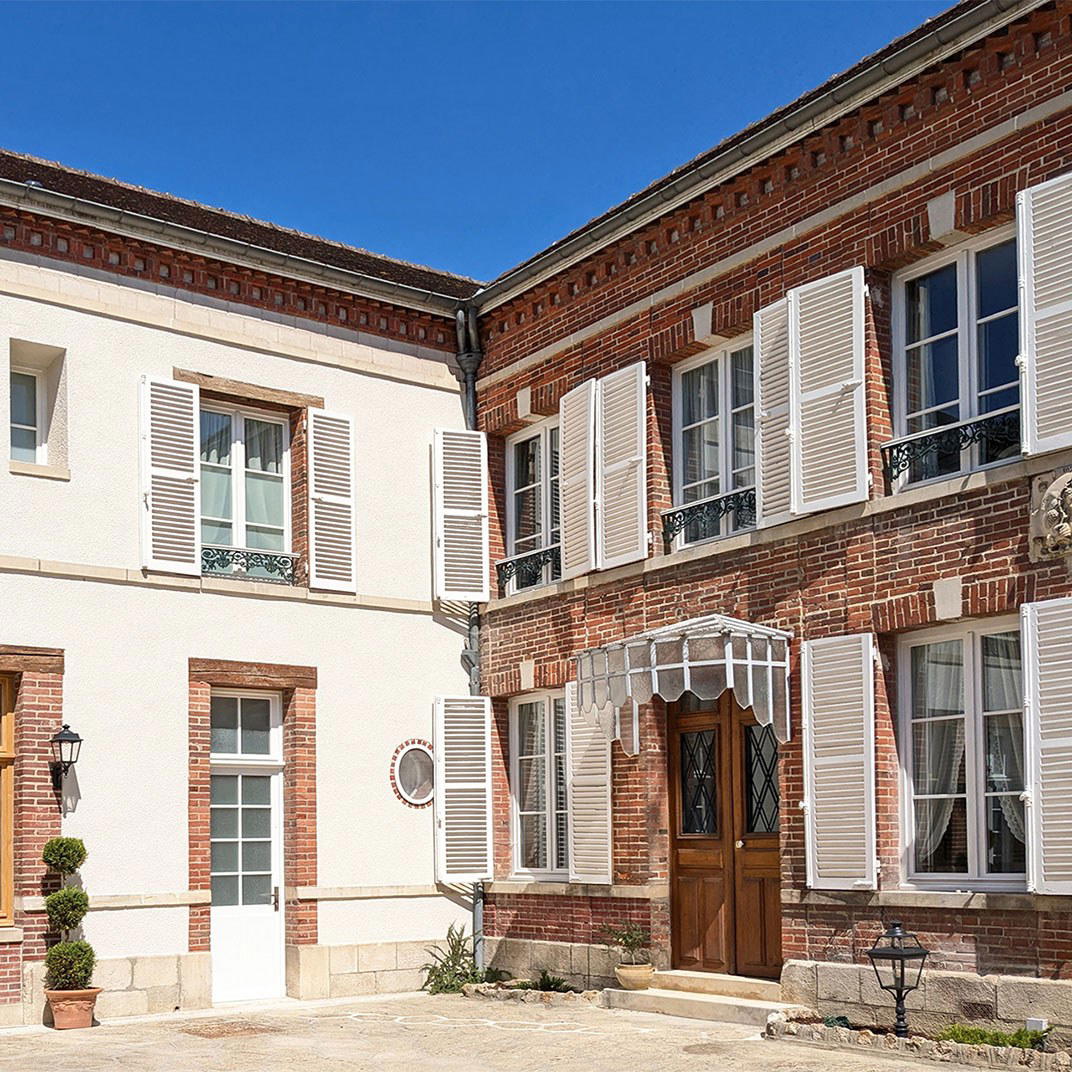
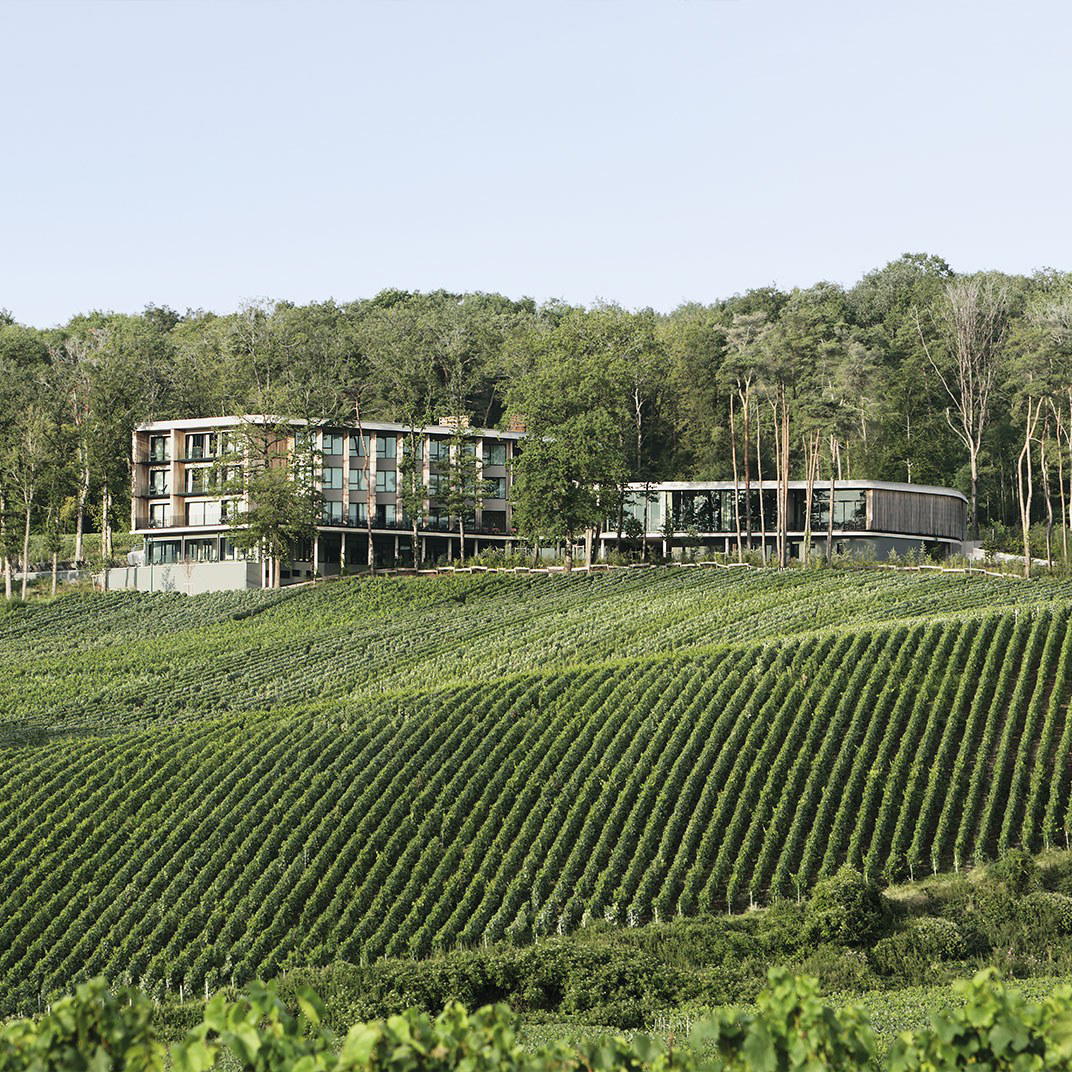
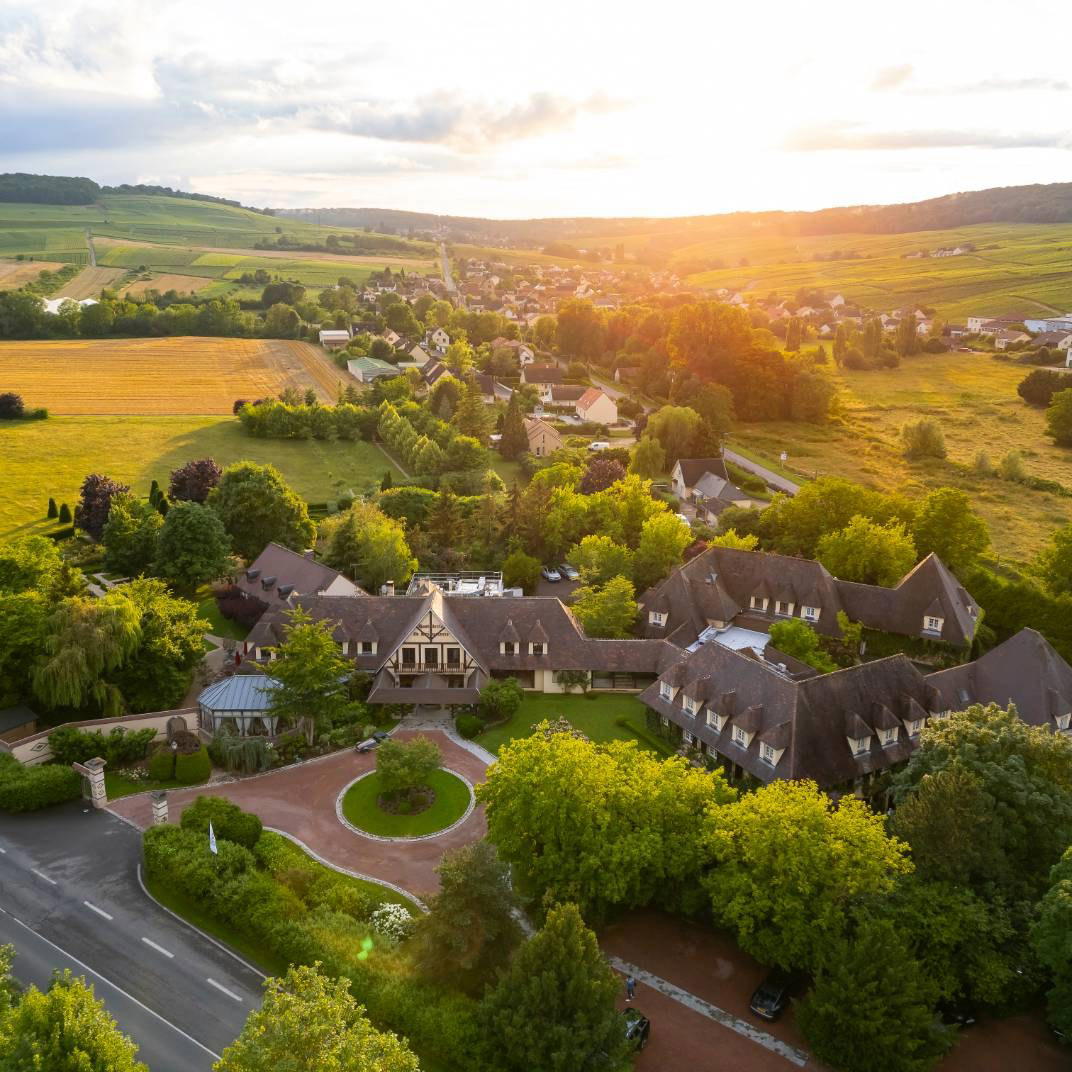
Historic and atmospheric with beautiful grounds, cobbled courtyards, and a deeply peaceful feel evoking timeless elegance.