Weingut Jurtschitsch

Falstaff Winery - 4 Stars
Weingut Jurtschitsch is a Langenlois estate operating at the top tier of Kamptal winemaking. Positioned at Rudolfstraße 39, the winery sits within one of Lower Austria's most concentrated zones of serious viticulture, where loess soils and the Kamp valley's thermal conditions define the region's Grüner Veltliner and Riesling character.

Pearl is the En Primeur Club membership app — saves, bookings, and concierge access live there. Same editors, same standards.
- Address
- Rudolfstraße 39, 3550 Langenlois
- Phone
- +43 2734 2116
- Website
- jurtschitsch.com
- Directions
- Get directions
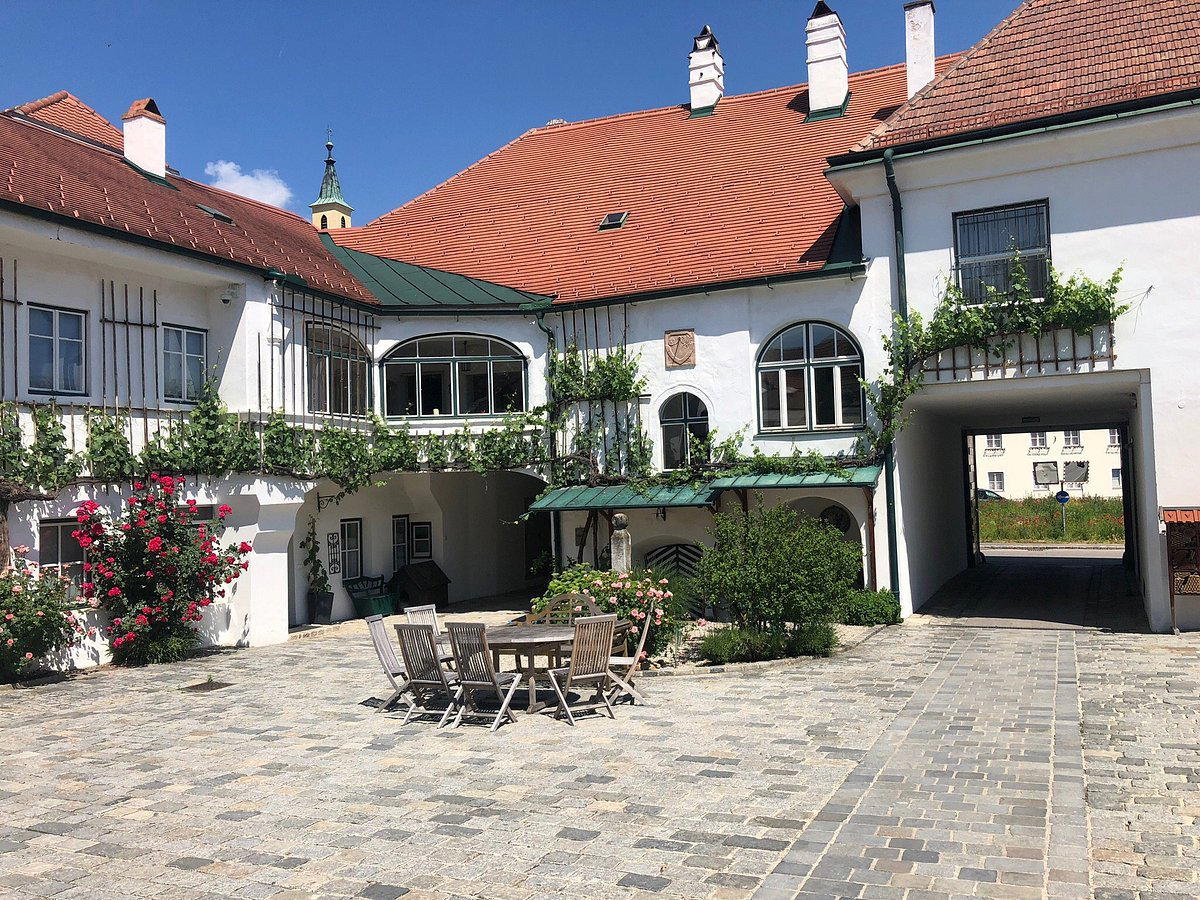
Kamptal in the Afternoon Light
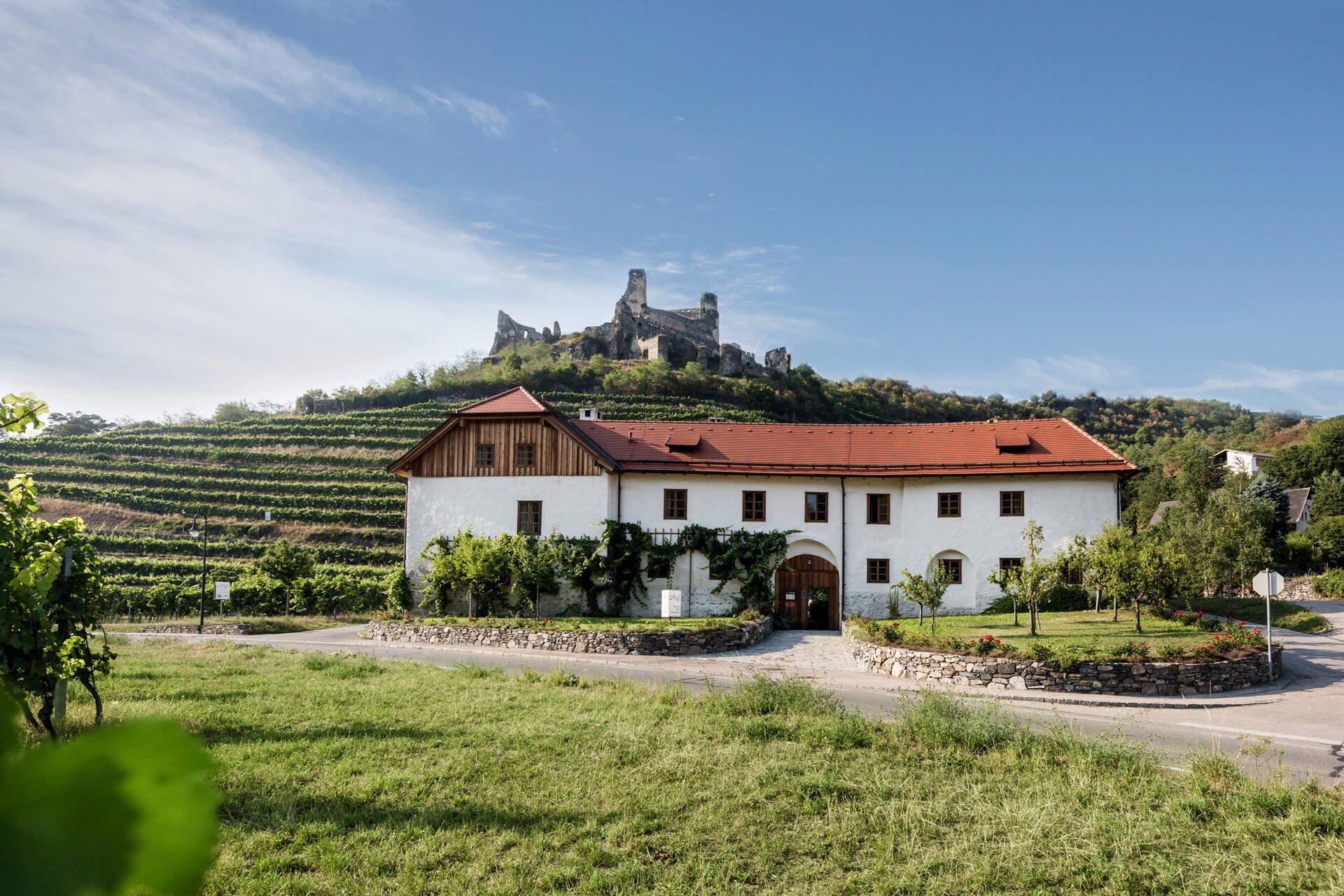
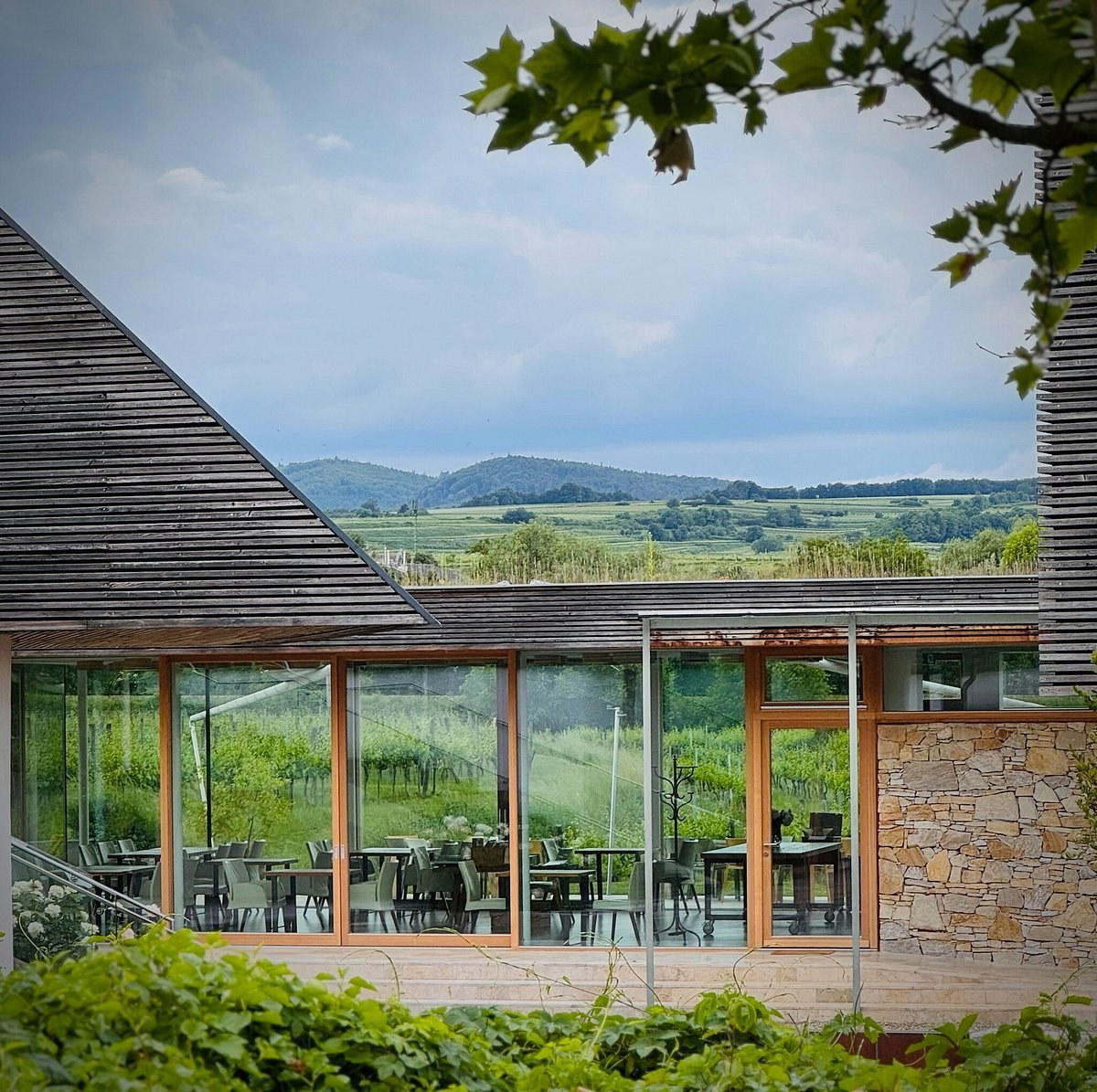
Approach Langenlois from the south and the town announces itself through vineyard rather than rooftop. The slopes that frame the Kamp valley here are not decorative backdrop; they are working ground, planted densely with Grüner Veltliner and Riesling across soils that alternate between ancient loess and crystalline primary rock. The Kamptal DAC designation, awarded to this region to formalise what serious drinkers had long understood, draws a line around a specific combination of continental climate, river-cooled air, and geological complexity that produces whites with a particular tension — neither the opulence of Wachau nor the softer register of Kremstal, but something more mineral and architecturally precise.
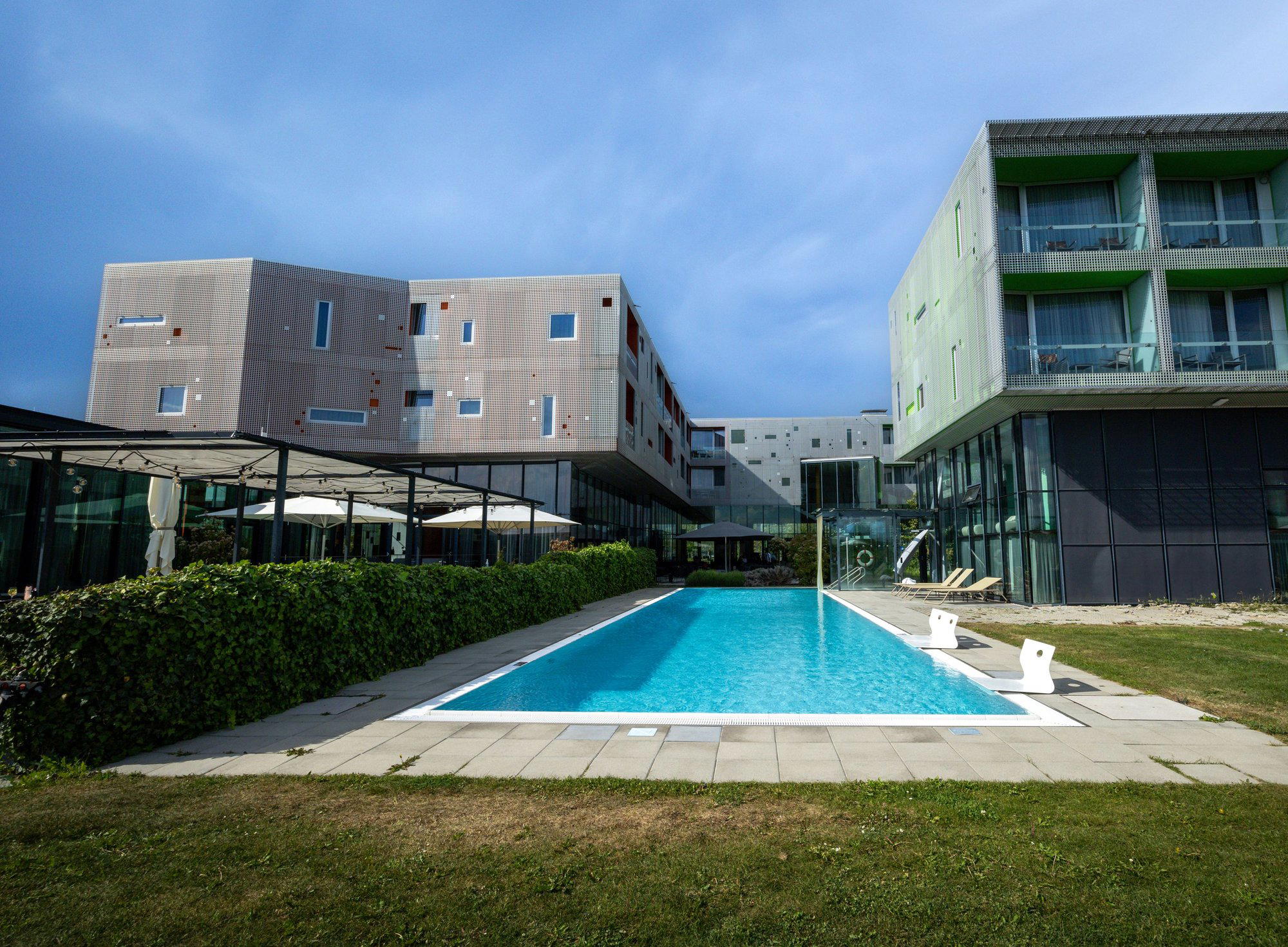
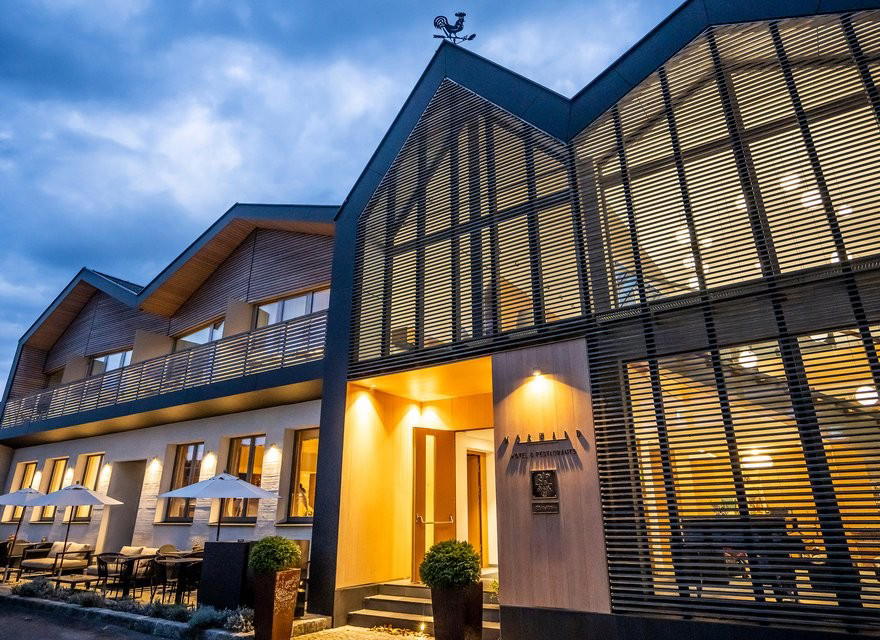
Weingut Jurtschitsch sits inside this tradition at Rudolfstraße 39, within easy reach of the town centre. The address places it in a winemaking corridor where the density of serious producers is higher than almost anywhere else in Austria. Within a short radius, Weingut Bründlmayer, Schloss Gobelsburg, Weingut Fred Loimer, and Weingut Hiedler all operate at a level that would be the centrepiece of any other Austrian wine town. Langenlois is not a town that happens to have wineries; it is, in measurable terms, one of the most important wine addresses in the German-speaking world.
The Physical Place
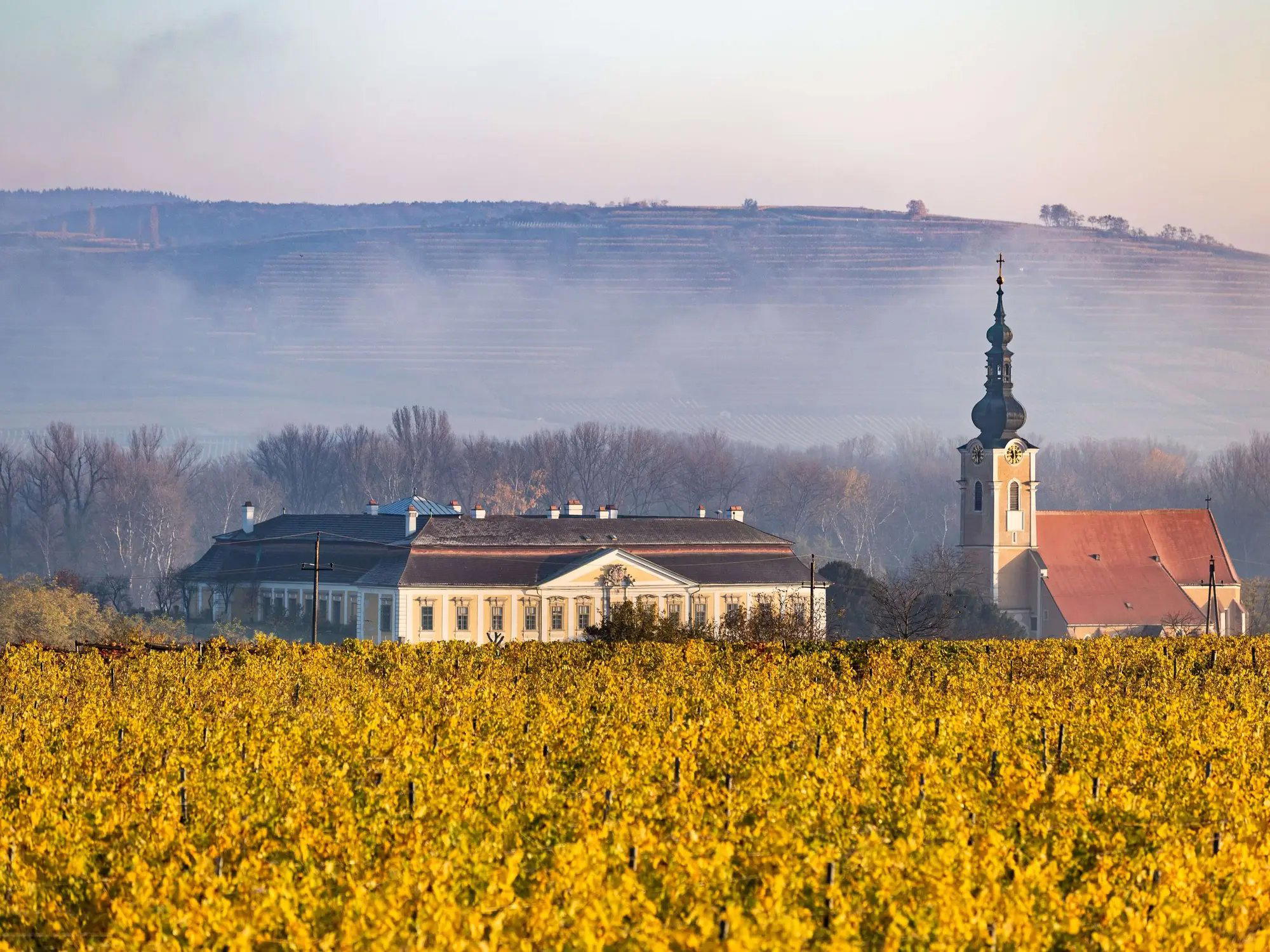
The winery's position in Langenlois puts the visitor at the intersection of town and terroir in the way that defines the leading Central European wine estates. The Kamp river valley runs to the south and east, moderating temperatures through the growing season and creating the slow, even ripening that underpins the region's better single-vineyard wines. The Heiligenstein — a long, refined ridge of volcanic Zöbing sandstone that rises above the valley floor, is the most discussed individual site in Kamptal, capable of producing Rieslings that age over decades. Grüner Veltliner, planted across the loess terraces, produces wines here with a spice and structure that separate them clearly from the rounder, earlier-drinking versions grown in the plains further north.
The landscape has a logic that reveals itself over multiple visits. Vine rows follow contour lines rather than roads; the oldest parcels have that slightly untended, deeply rooted look that high-density old-vine planting produces. For those coming from wine regions where everything is manicured and immediately legible, Kamptal's physicality requires a moment of adjustment, but the reward is wines that carry a clear sense of where they were grown.
Where Jurtschitsch Sits in the Kamptal Hierarchy
It reflects consistent quality across multiple vintages and, typically, a commitment to single-vineyard expression that allows serious wine drinkers to trace individual sites across years.
Kamptal's leading estates generally operate across two broad approaches: those focused on producing larger volumes of technically accomplished varietal wine at accessible price points, and those working smaller parcels with lower intervention and longer elevage to produce cellar-worthy single-site wines. Jurtschitsch, at the Prestige level of the Pearl system, sits in the latter cohort. The comparison set here is producers like Weingut Emmerich Knoll in Dürnstein, another Austrian producer operating at the intersection of traditional method and serious critical recognition, rather than the entry-level cooperative output that also carries the Kamptal name.
Across Austria more broadly, the producers at this recognition tier share a common set of practices: hand harvesting, low or no added sulphur in some cases, extended maceration or skin contact for specific cuvées, and a willingness to work with the vintage rather than engineer around it. The result is a range of wines that varies more year-to-year than mass-market alternatives but accumulates meaning in a way that rewards collectors and curious drinkers equally. For context on the range of ambitions operating across Austrian wine country, producers like Weingut Pittnauer in Gols and Weingut Wohlmuth in Kitzeck illustrate how differently the country's serious estates have positioned themselves across region, grape, and philosophy.
Visiting Langenlois: Practical Context
Langenlois is approximately 70 kilometres northwest of Vienna, reachable by train via Krems an der Donau and then local connection, or by car in around an hour from the capital. The town itself is compact enough to visit multiple estates in a single day without requiring a vehicle between appointments, the concentration of wineries in and around the Rudolfstraße and Kamptalstraße corridors means that serious tasting itineraries can be constructed on foot or by short drive.
The Kamptal's harvest window, broadly September through October depending on the vintage, brings the highest visitor traffic and the most active atmosphere at estate tasting rooms. Spring and early summer offer quieter access to cellars, often with recent releases newly available and winemakers more present on-site. Visitors planning a broader Lower Austria itinerary will find Langenlois functions naturally as a complement to Wachau, with Weingut Emmerich Knoll and the terraced Danube estates easily accessible on a two-day circuit through the region.
For a full picture of what the town and its surrounding producers offer, see our full Langenlois guide. Those extending visits into other Austrian wine country might consider Weingut Kracher in Illmitz for the Burgenland's entirely different register, or Weingut Heinrich Hartl in Oberwaltersdorf for the Thermenregion's quietly distinctive output.
Just the Basics
Comparable venues nearby, for context on price, style, and recognition.
| Venue | Cuisine | Price | Awards |
|---|---|---|---|
| Weingut JurtschitschThis venue — the venue you are viewing | Langenlois, Grüner Veltliner, Riesling | Not listed | Falstaff Winery - 4 Stars |
| Weingut Hiedler | Langenlois, Grüner Veltliner, Riesling | Not listed | Falstaff Winery - 4 Stars |
| Weingut Fred Loimer | Langenlois, Grüner Veltliner, Riesling | $20–30 | Falstaff Winery - 4 Stars |
| Weingut Bründlmayer | Langenlois, Grüner Veltliner, Riesling | Not listed | Falstaff Winery - 5 Stars |
| Schloss Gobelsburg (Weingut) | Langenlois, Grüner Veltliner, Riesling | $30–50 | World's 50 Best #50 · Falstaff Winery - 5 Stars |
| Weingut Sepp Moser | Rohrendorf, Grüner Veltliner, Riesling | Not listed | Falstaff Winery - 3 Stars |
Recognition history
Dated appearances from independent guides and award organizations, with the underlying list record or original source where available.
Falstaff Winery - 4 Stars
Falstaff
Continue exploring
More in Langenlois
Wineries in Langenlois
Browse all →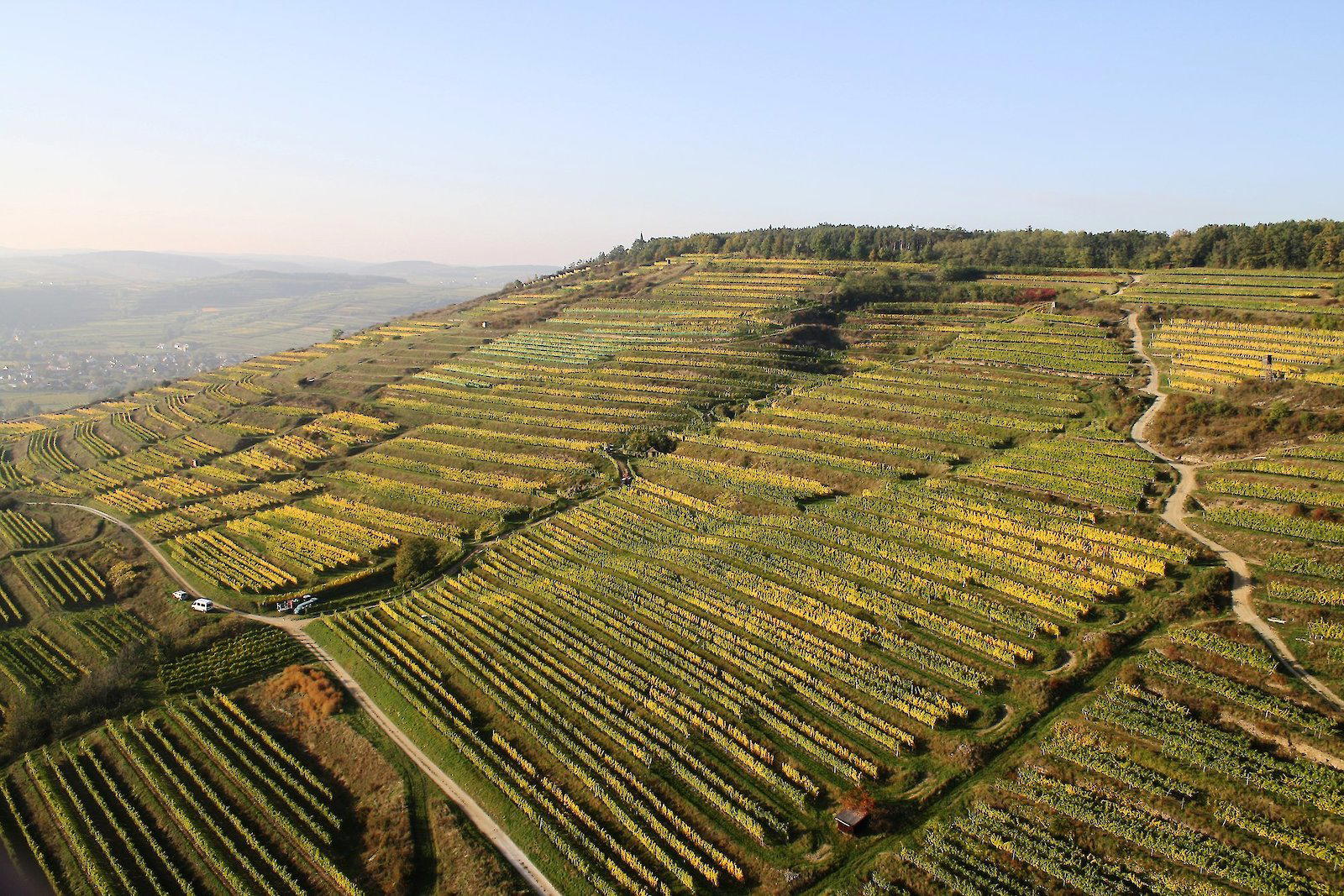
Bars in Langenlois
Browse all →
Restaurants in Langenlois
Browse all →
Details
- Rustic
- Classic
- Elegant
- Scenic
- Wine Education
- Solo Exploration
- Vineyard Tour
- Estate Grounds
- Organic
- Vineyard
- Grüner Veltliner
- Riesling
- Pinot Blanc
- Sauvignon Blanc
- Zweigelt
- Pinot Noir
- Still White
- Still Red
- Sparkling
- Skin Contact
- Single Vineyard Tasting
- Experimental Tasting
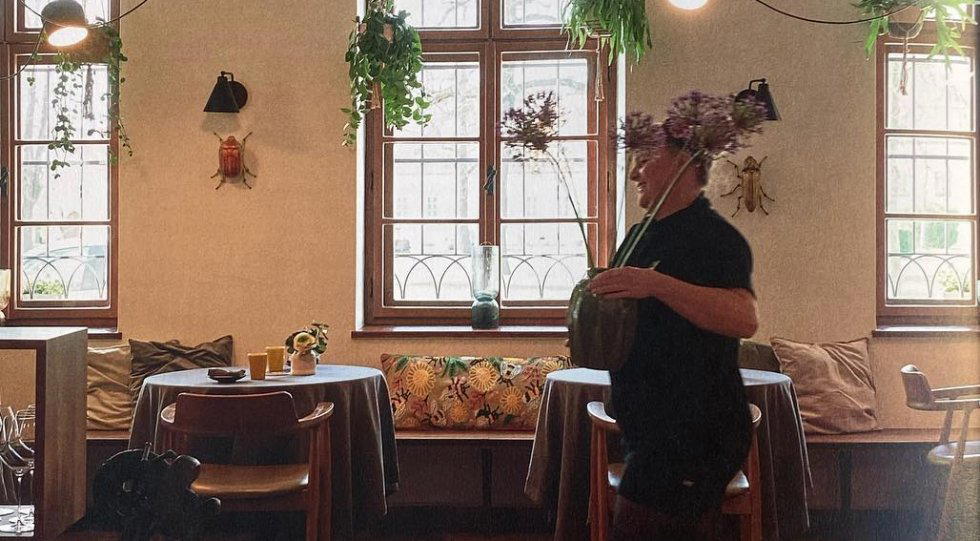
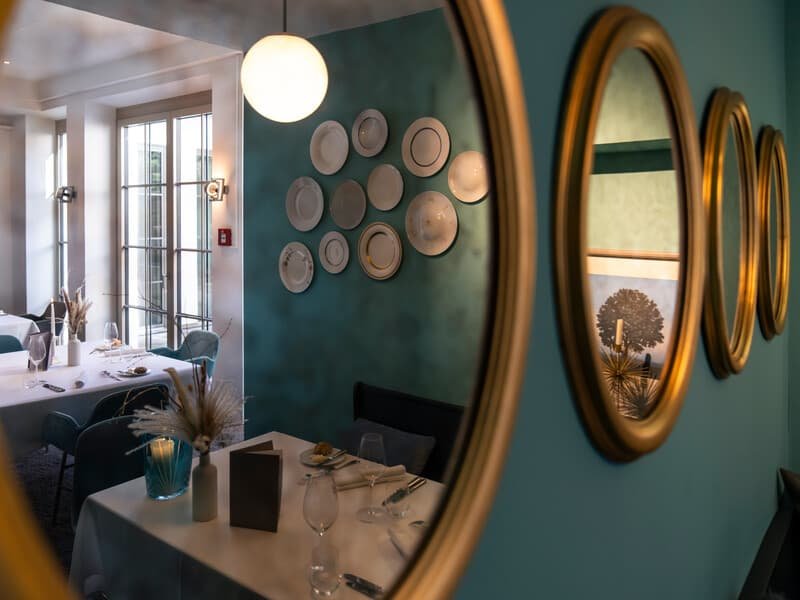
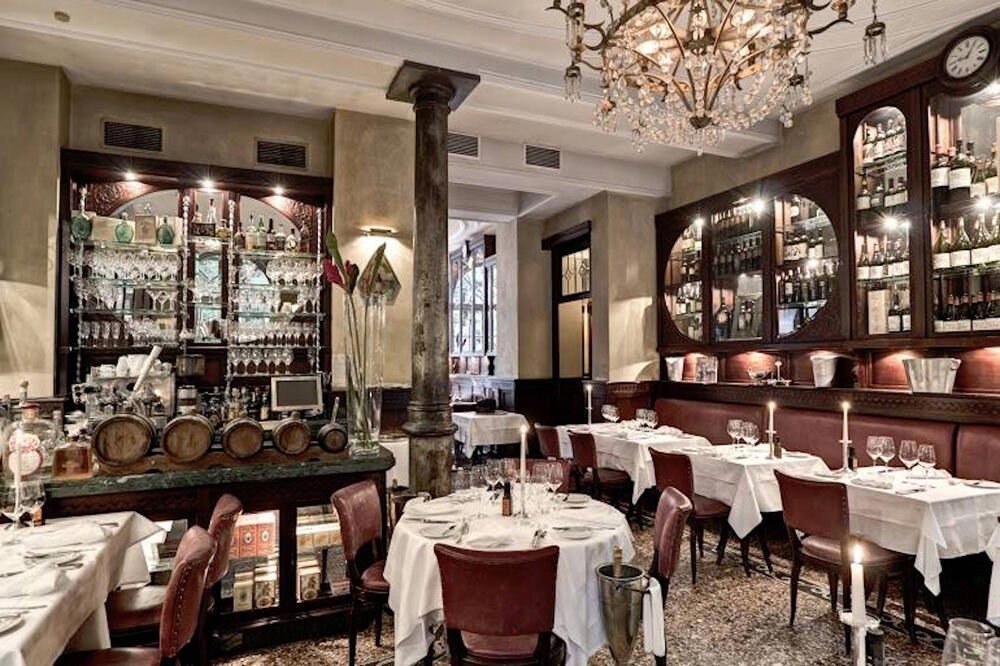
Elegant and understated atmosphere emphasizing terroir precision with cool-climate finesse and minerality.