1
Ambonnay, France

Egly-Ouriet
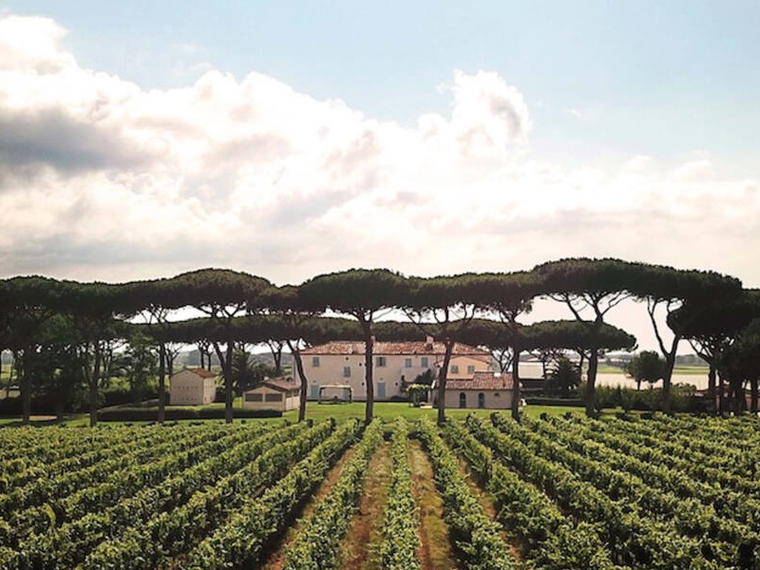
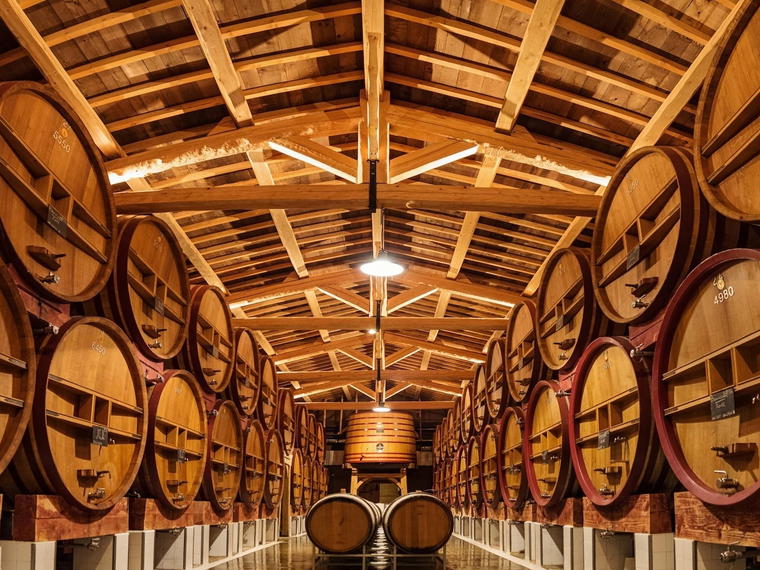
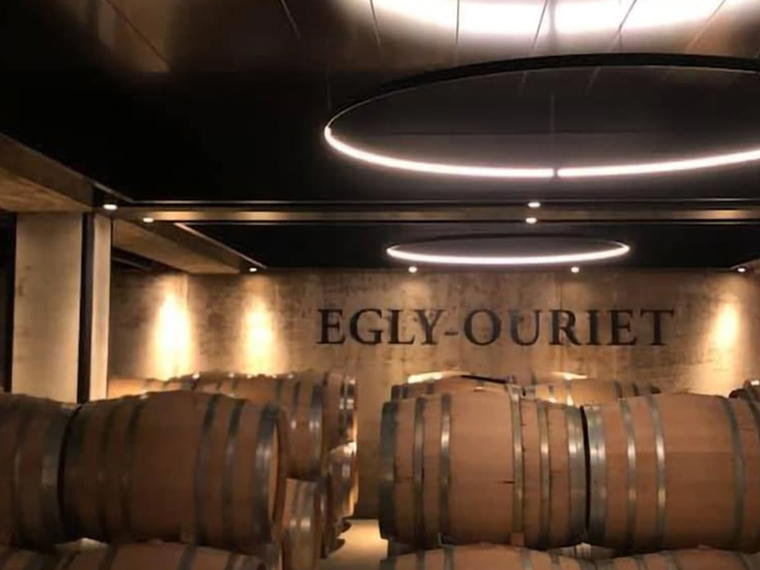
Egly-Ouriet is Francis Egly's fourth-generation grower domaine in Ambonnay. Its Pinot Noir-led Grand Cru Extra Brut and extended-aged cuvées show a patient, vineyard-centered approach to Champagne.
Results
Ambonnay, France
Egly-Ouriet is Francis Egly's fourth-generation grower domaine in Ambonnay. Its Pinot Noir-led Grand Cru Extra Brut and extended-aged cuvées show a patient, vineyard-centered approach to Champagne.
Greve in Chianti, Italy
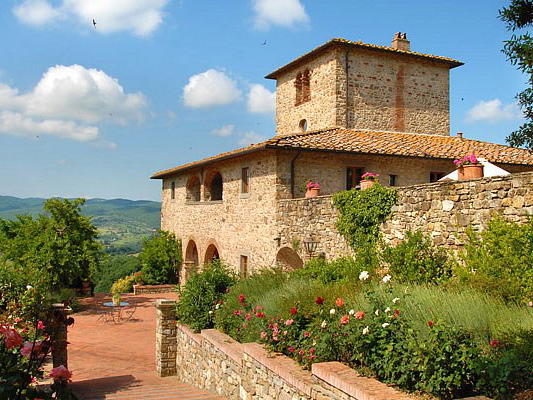
Fontodi has shaped the identity of Chianti Classico's Panzano in Chianti zone since its first vintage in 1979, with Giovanni Manetti steering a program built on Sangiovese grown in some of the appellation's most discussed soils.
Florence, Italy
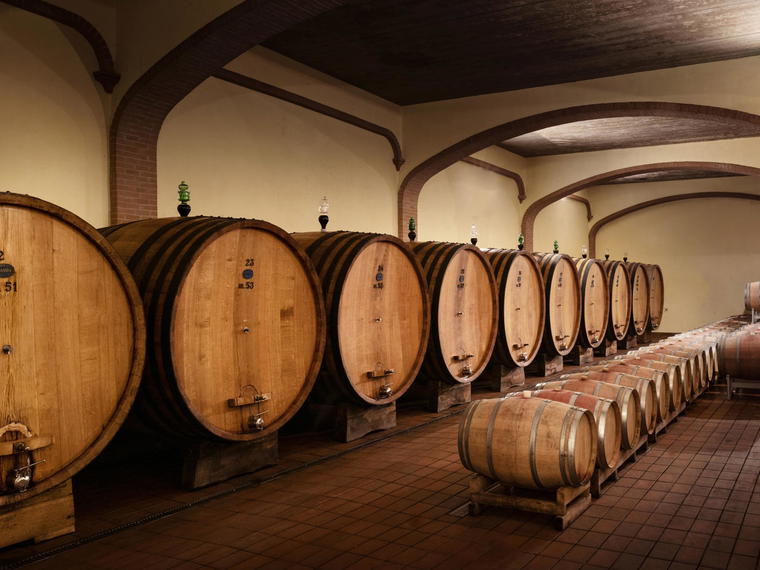
On the Oltrarno side of the Arno, Marchesi de' Frescobaldi brings one of Tuscany's most consequential wine dynasties directly to a Florence address. For anyone tracing Tuscan terroir from vineyard to glass, it warrants serious attention.
Radda in Chianti, Italy
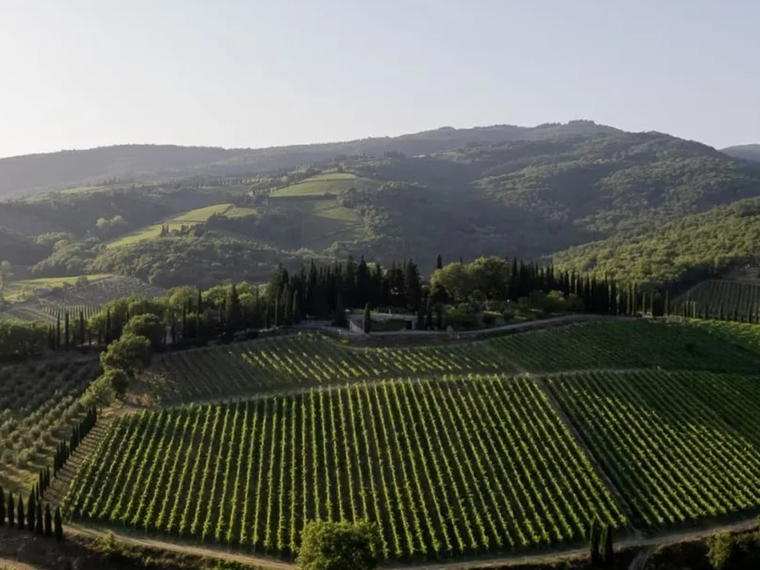
Montevertine is a small estate in Radda in Chianti that has shaped the identity of Sangiovese-dominant winemaking in Tuscany since its first vintage in 1971.
Ribera del Duero, Spain
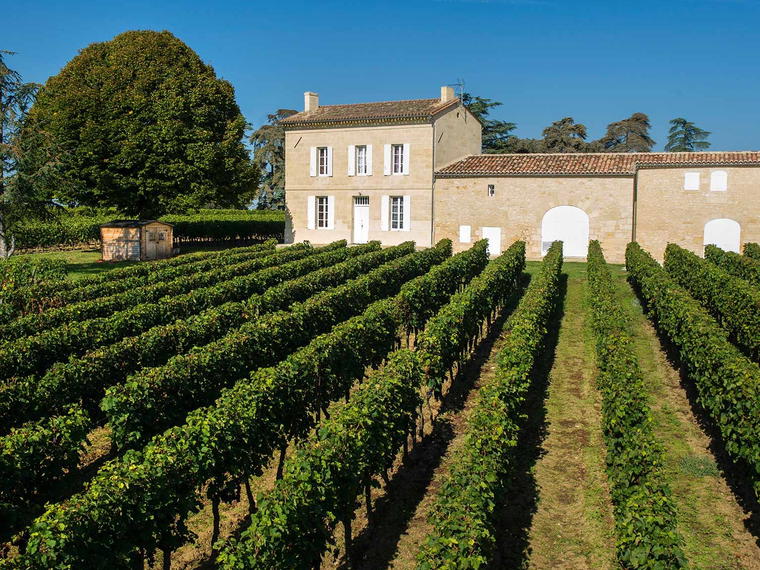
Pingus is the Ribera del Duero estate that changed how the world reads Spanish Tempranillo. Under winemaker Peter Sisseck, its flagship wine operates in a global allocation tier usually reserved for Burgundy grands crus.
Montalcino, Italy
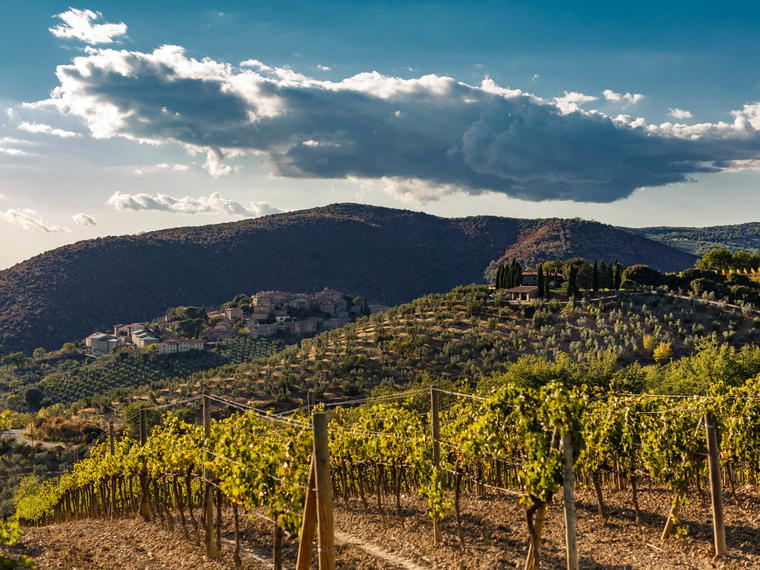
Cult-status Poggio di Sotto crafts Montalcino's most coveted Brunello from 50-year-old Sangiovese vines, where Pier Paolo Pagiusco's traditional methods create allocation-only wines commanding devotion from collectors worldwide.
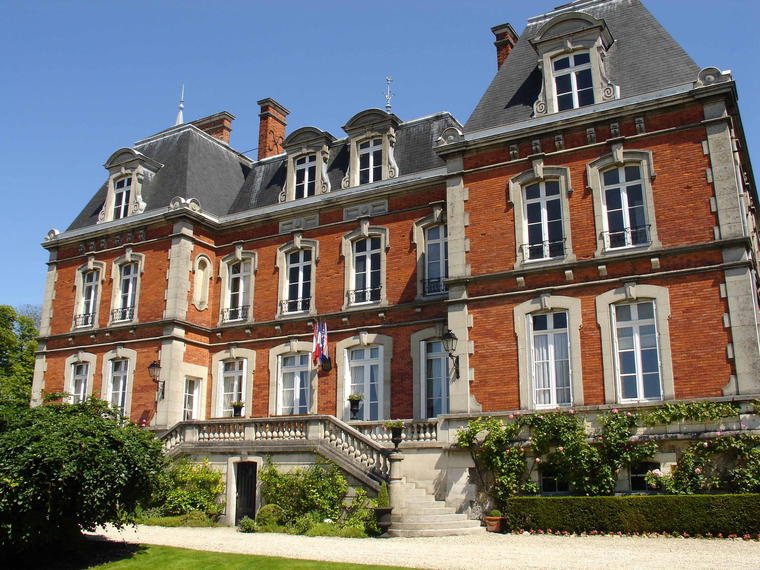
Épernay, France
Pol Roger began in Aÿ in 1849 and moved to Épernay in 1851. The Champagne house owns 92 hectares of vines, blends across its vineyards and grower sources, and ages its wines in deep, cool cellars.
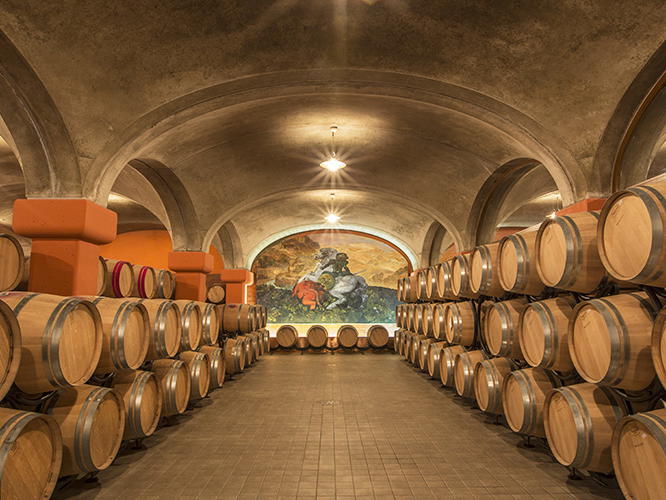
Suvereto, Italy
Tua Rita occupies a specific position in the Suvereto story: a winery that helped put the Tuscan coastal hills on the international fine wine map when its first vintage appeared in 1992.
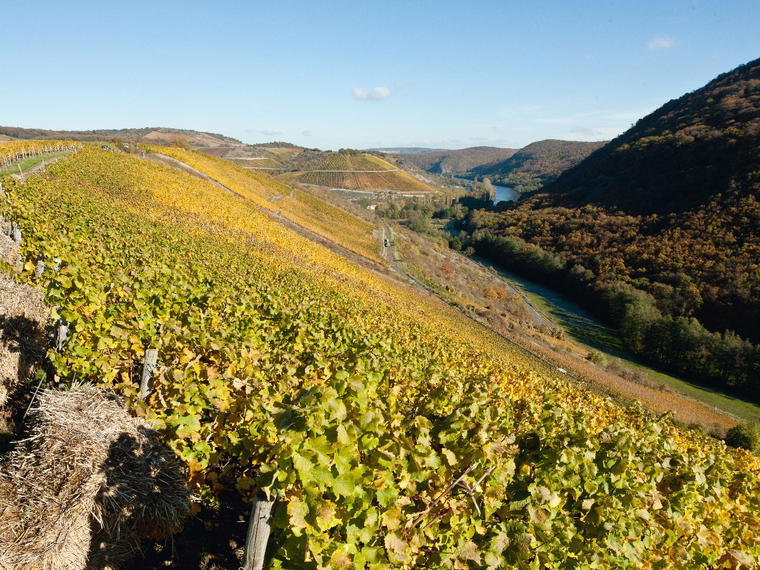
Oberhausen an der Nahe, Germany
Weingut Hermann Dönnhoff operates from Oberhausen an der Nahe, in one of Germany's most geologically complex wine valleys.
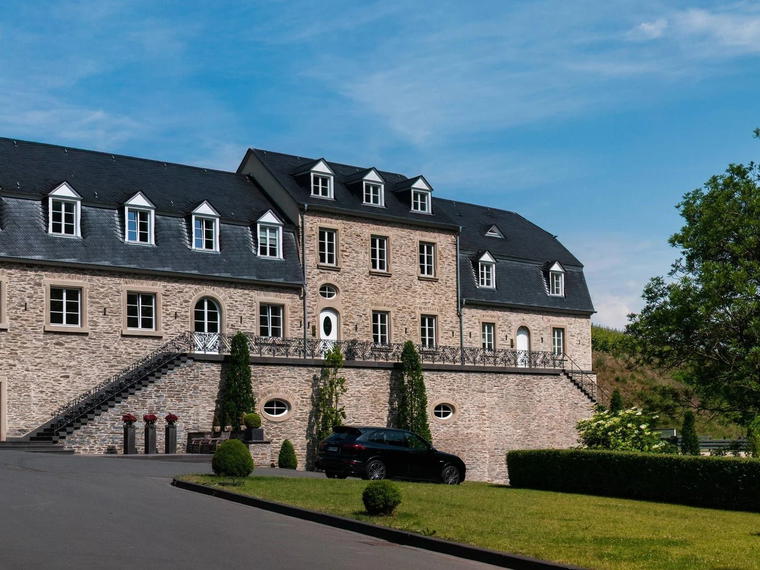
Bernkastel-Kues, Germany
Weingut Markus Molitor operates from Zeltingen-Rachtig in the Mosel's Bernkastel-Wehlen zone, producing Riesling from some of the river's most closely watched slate sites. Serious collectors track its releases alongside peers such as Weingut Joh. Jos. Prüm.
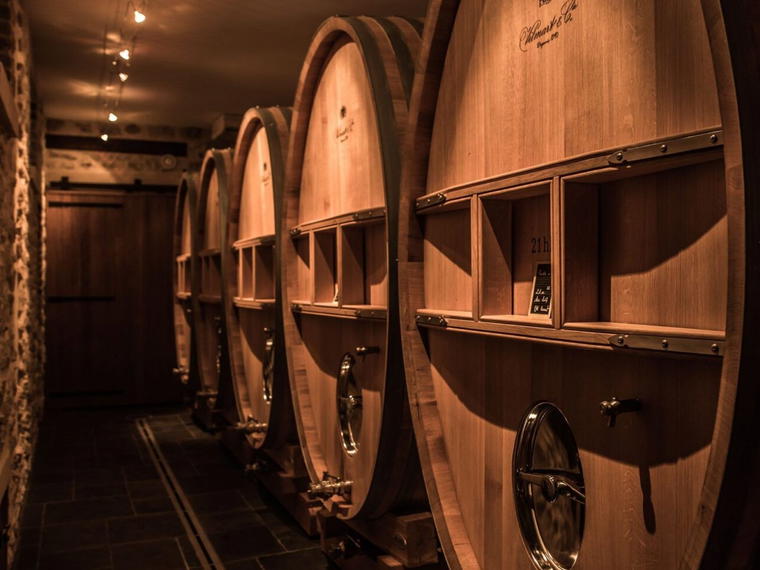
Cuis, France
Pierre Gimonnet & Fils has farmed the Côte des Blancs since 1947, producing Champagne from some of the appellation's most respected Chardonnay plots. Olivier and Didier Gimonnet continue to oversee production from the family's base in Cuis, with the house.
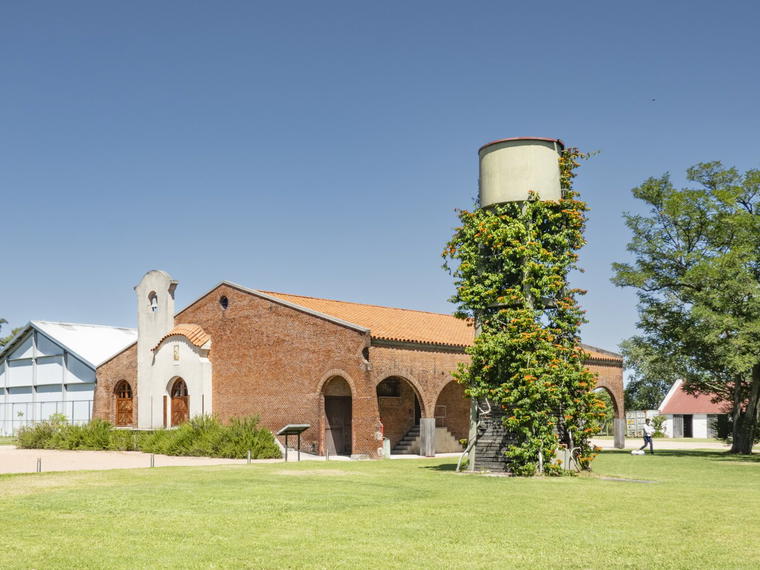
Montevideo, Uruguay
Bodega Bouza is a working winery on the outskirts of Montevideo where dining and production share space with an extraordinary collection of vintage cars and motorcycles.
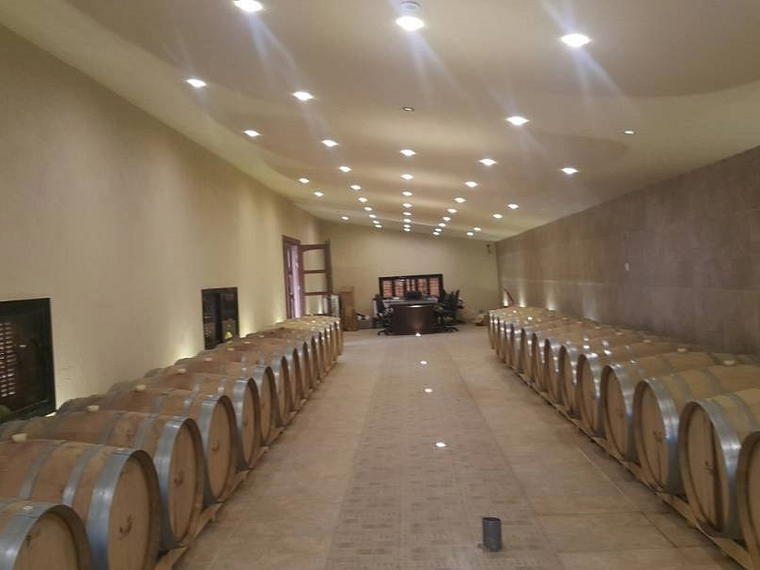
Bekaa Valley, Lebanon
Set against a backdrop where Roman temples dedicated to Bacchus once stood, the winery positions itself within Lebanon's small tier of prestige producers. Visitors approaching the region encounter a winemaking tradition that predates most European appellations by several millennia.
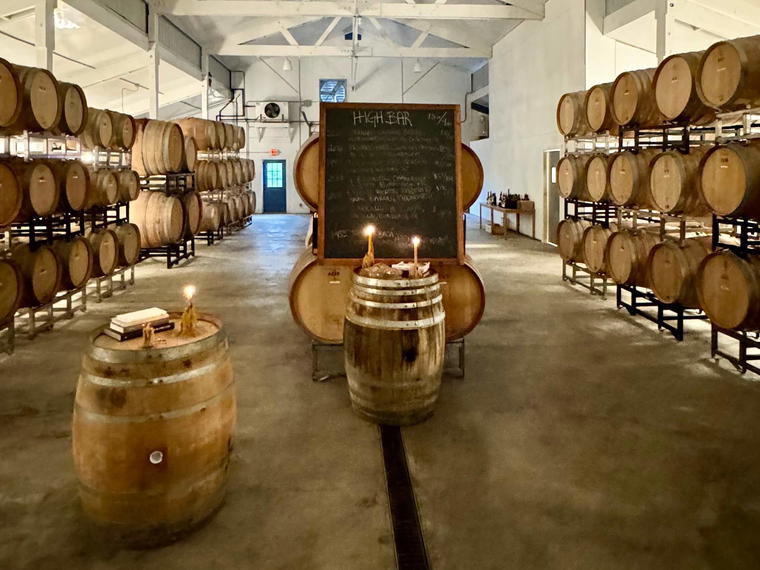
Amity, United States
Antica Terra is a Willamette Valley winery operating from Amity, Oregon, with a first vintage dating to 1989 and winemaker Maggie Harrison at the helm. The property sits among a small peer group of Oregon producers who trade on allocation-model distribution and minimal-intervention philosophy.
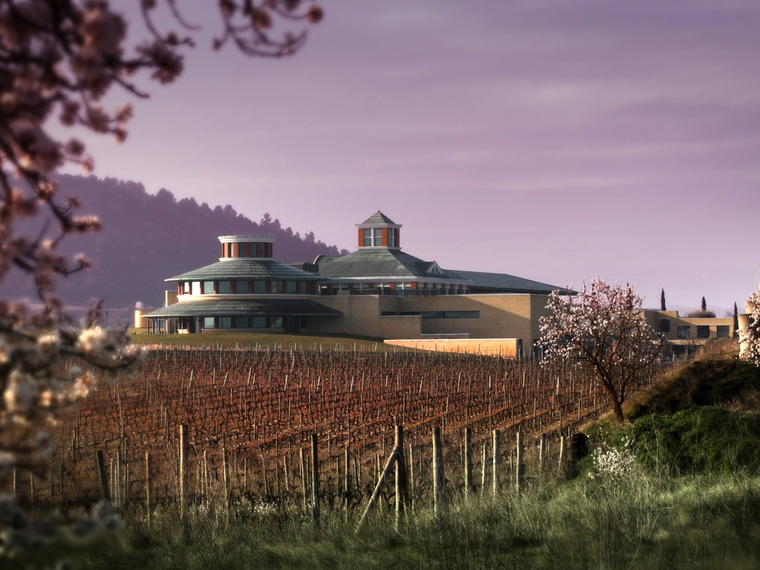
Valle de Mena, Spain
Set against the Cantabrian foothills with views across the surrounding hills and valleys, it represents one of the region's most serious engagements with both viniculture and wine heritage.
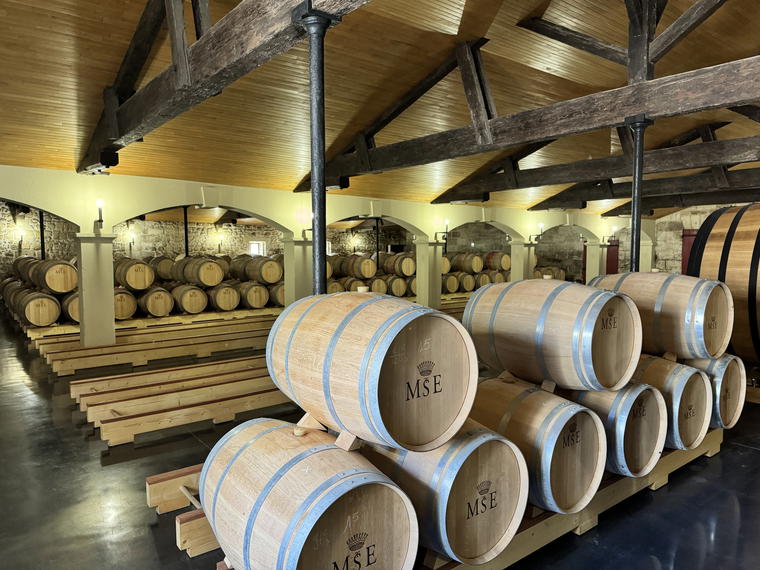
Margaux, France
One of Margaux's oldest continuously operating estates, Chateau Malescot St.
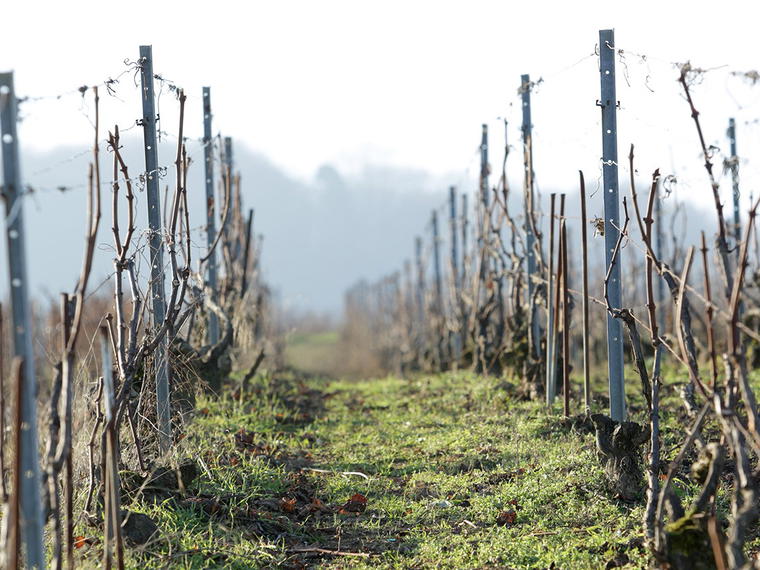
Avize, France
Agrapart & Fils works roughly seven hectares of grand cru Chardonnay in Avize, one of the Côte des Blancs villages that defines the intellectual edge of grower Champagne.
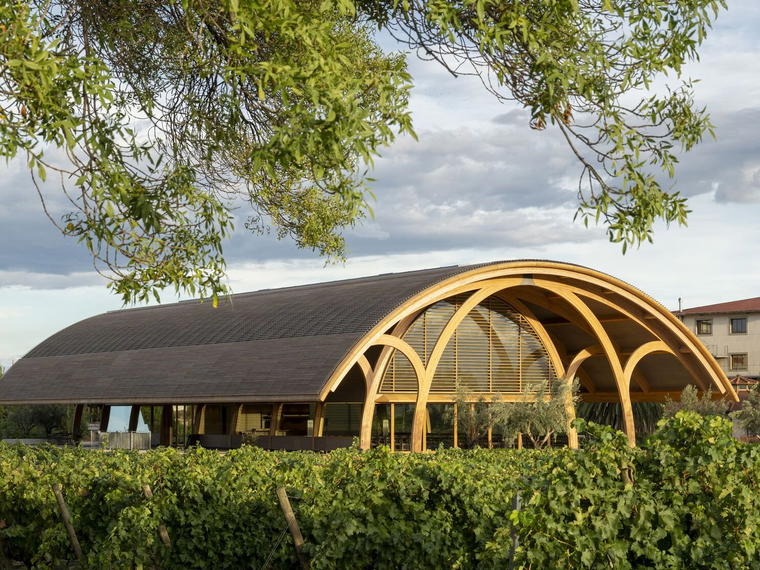
Oyón, Spain
The winery represents a significant scale of production within the Spanish appellation system, with medals across multiple tiers confirming consistent quality from a house with deep roots in the region.
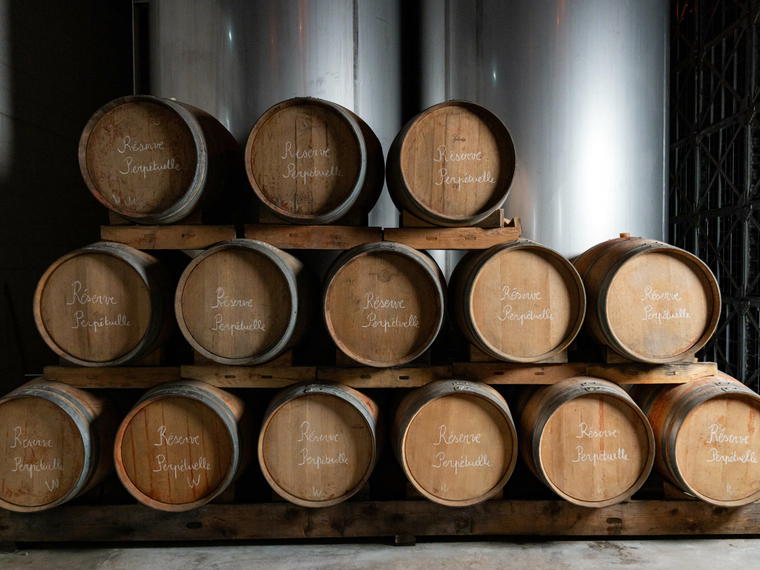
Reims, France
Under winemaker Alice Paillard, the house pursues low-dosage, terroir-driven Champagne from a range built on transparency and traceability, each bottle carries its disgorgement date, a rarity in the category.
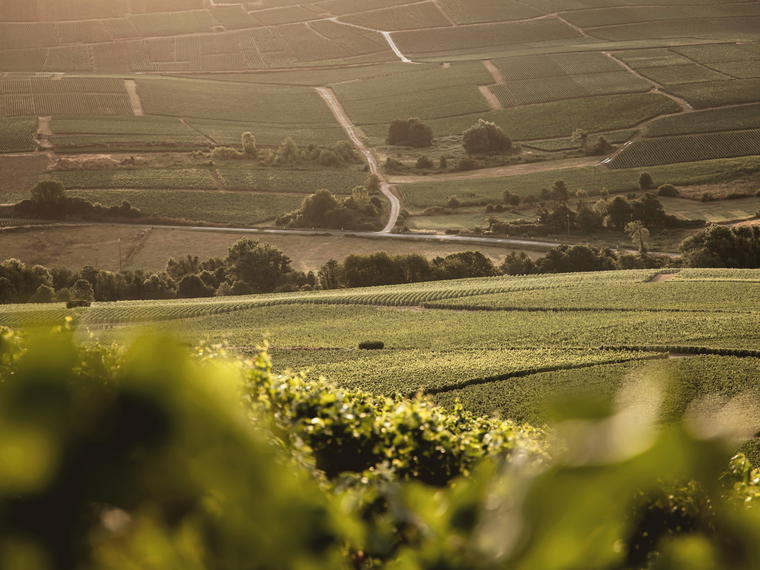
Ludes, France
Bérêche et Fils is a grower Champagne estate at Le Craon de Ludes, led by brothers Raphaël and Vincent Bérêche. Its range includes Brut Réserve, Le Cran and Les Beaux Regards, wines that give different views of the family’s vineyard and cellar work.
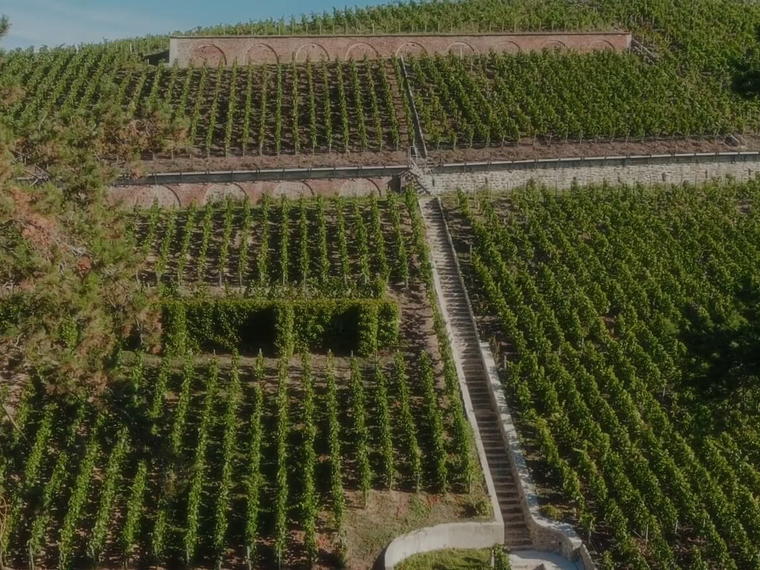
Aÿ, France
Philipponnat's visitor house is in Mareuil-sur-Ay. Its range spans Royale Réserve, signature Blanc de Noirs and single-vineyard Clos des Goisses; appointment-only experiences pair cellar visits with cuvée tastings.
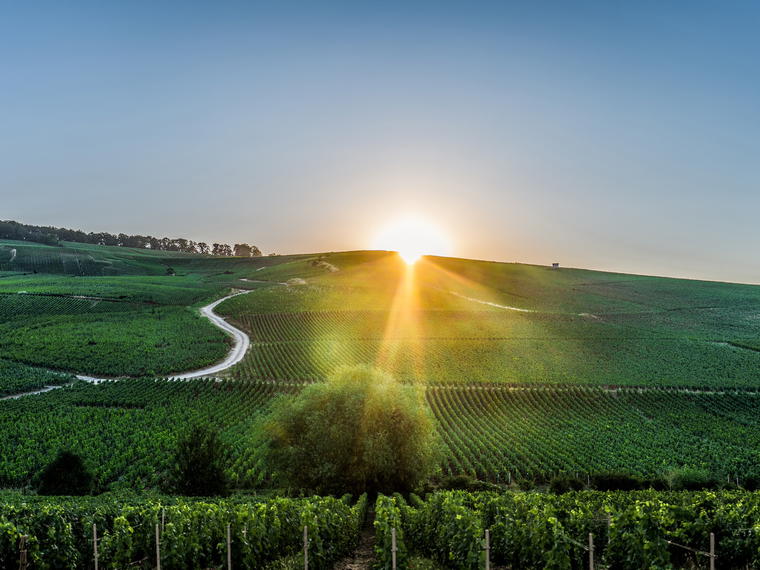
Reims, France
One of Champagne's most storied houses, Charles Heidsieck has produced wine since 1851 from its base at 12 Allée du Vignoble in Reims. Under Chef de Cave Cyril Brun, the house occupies a restrained, cellar-driven position in the prestige tier. The cellars, carved from Gallo-Roman chalk crayères beneath the city, are among the more historically significant in the region.
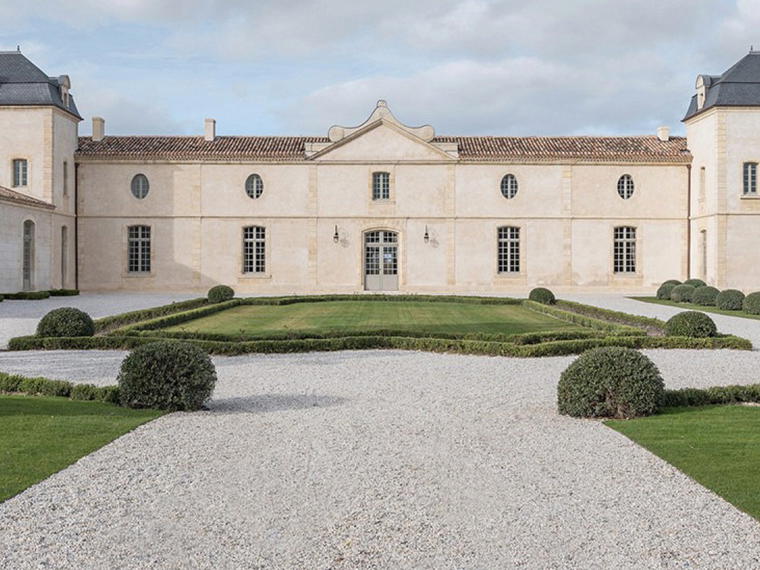
Saint-Estèphe, France
Château Calon Ségur has produced wine in Saint-Estèphe since 1779, placing it among the oldest continuously active estates in the Médoc.
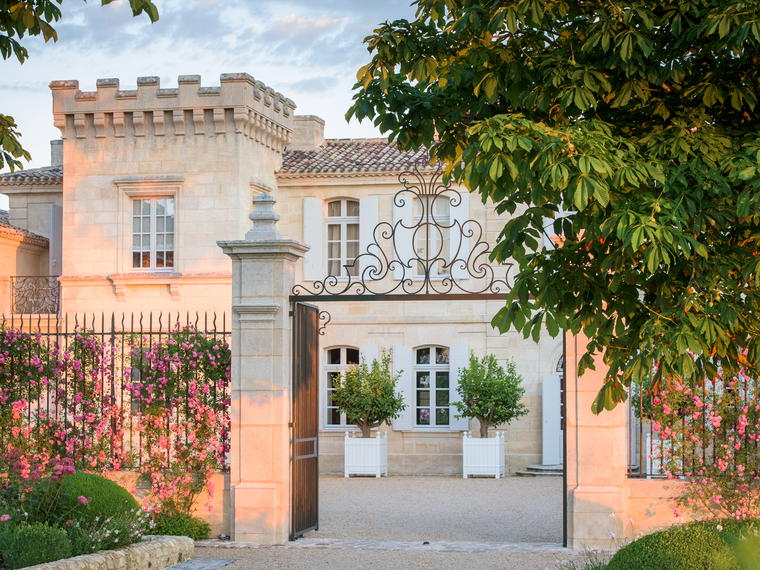
Saint-Émilion, France
One of Saint-Émilion's oldest continuously producing estates, Château Canon has operated from its limestone plateau position since 1770. The estate's approach to the plateau's clay-limestone soils anchors it in the regenerative viticulture conversation that is reshaping the appellation's upper tier.
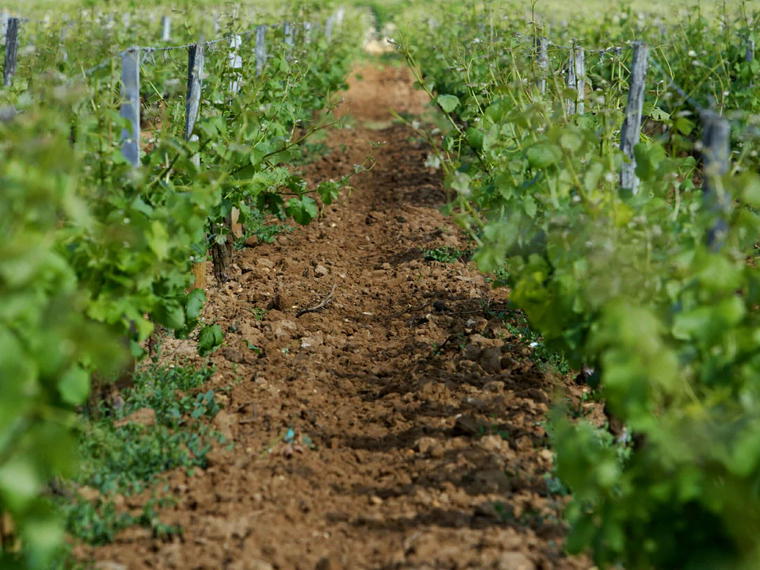
Barsac, France
Château Climens is among Barsac's most closely watched addresses for Sémillon-based sweet wine. The estate sits within the Barsac appellation, where the combination of red fissured clay over limestone bedrock and proximity to the Ciron river drives the botrytis conditions that define the region's character. For collectors and serious sweet wine drinkers, it occupies a distinct tier in the Bordeaux dessert wine hierarchy.
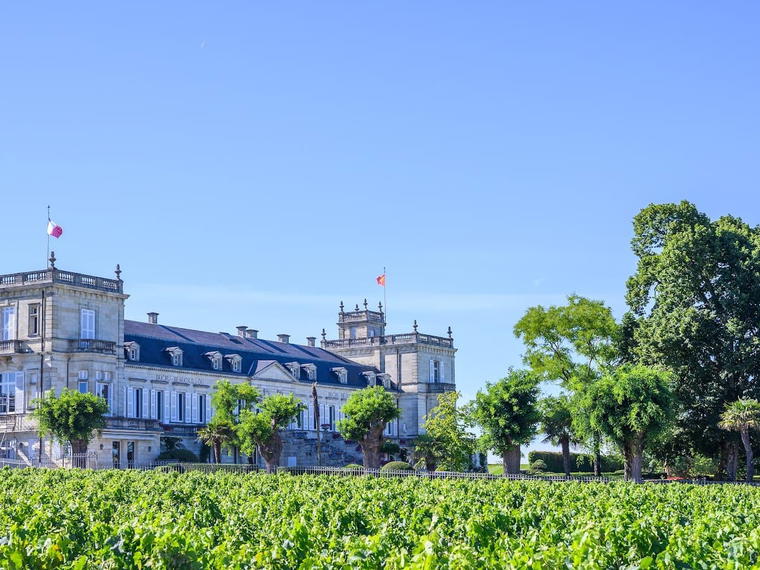
Pauillac, France
Well-known 'beautiful stones' terroir defines Château Ducru-Beaucaillou's 75-hectare Saint-Julien estate, where Bruno Borie crafts investment-grade Bordeaux from century-old vines, creating wines of unusual elegance that collectors worldwide consider essential.
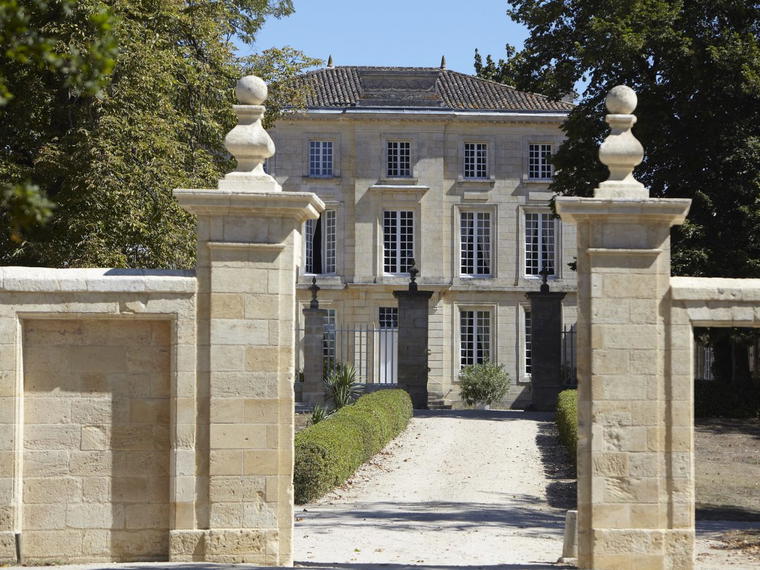
Saint-Émilion, France
One of Saint-Émilion's oldest documented estates, Château Figeac holds a first vintage dating to 1776 and sits on a gravel plateau at the western edge of the appellation, placing it in a distinct terroir tier from the limestone-dominant Right Bank norm. Guided by winemaker Frédéric Faye and.
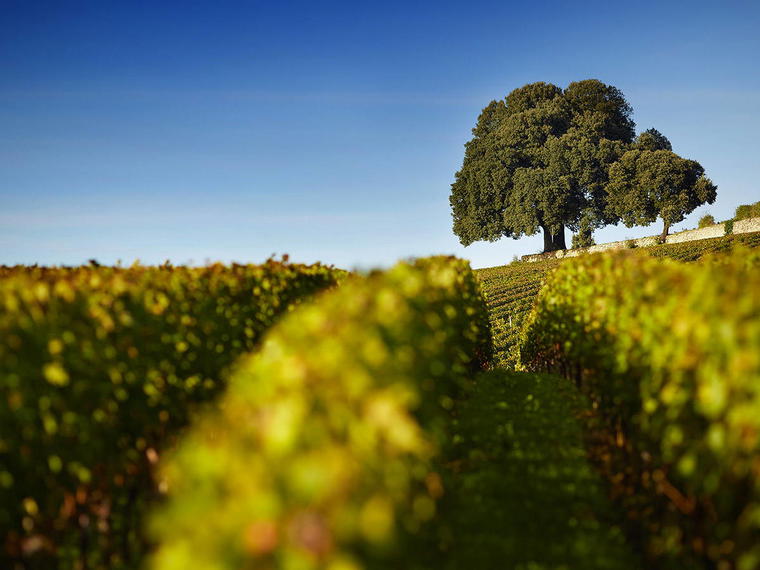
Saint-Émilion, France
The estate occupies one of the appellation's most geologically complex sites, where clay, limestone, and sandy soils converge across a single slope. For serious collectors, it sits at the upper tier of Right Bank Bordeaux.
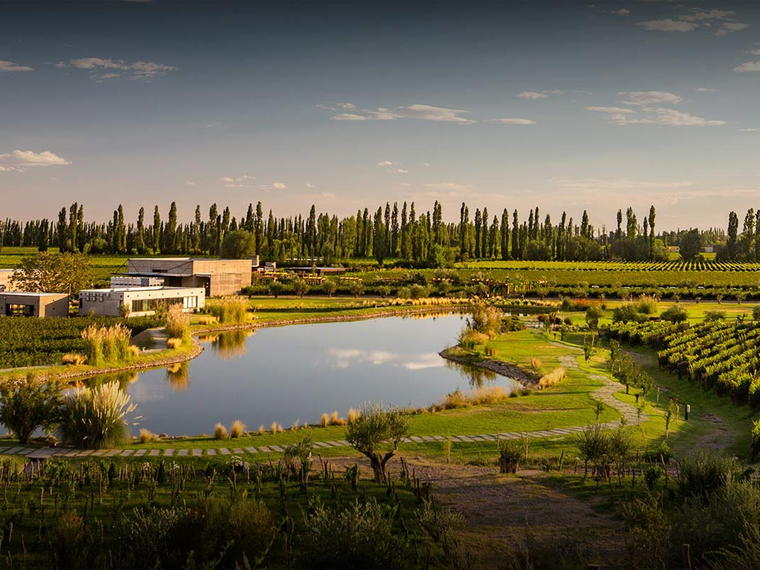
Luján de Cuyo, Argentina
Durigutti Winemakers operates out of Las Compuertas, one of Luján de Cuyo's most closely watched sub-zones, where high-altitude growing conditions and old-vine material define the region's premium identity. For visitors interested in where Argentine fine wine is heading, this address is worth tracking.
Aÿ, France
Deutz is one of the grand Champagne houses based in Aÿ, under the direction of winemaker Michel Davesne and. The house operates from 16 Rue Jeanson in the heart of Aÿ-Champagne, a village whose grand cru vineyards underpin some of the region's most structured and age-worthy wines.
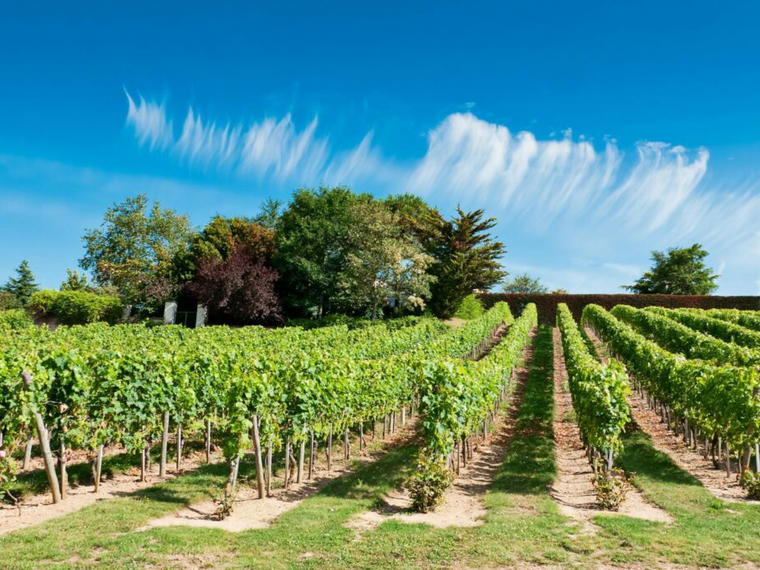
Saint-Andelain, France
In the Loire's Pouilly-Fumé appellation, Didier Dagueneau represents the clearest argument for Sauvignon Blanc as a fine wine grape capable of genuine complexity and age.
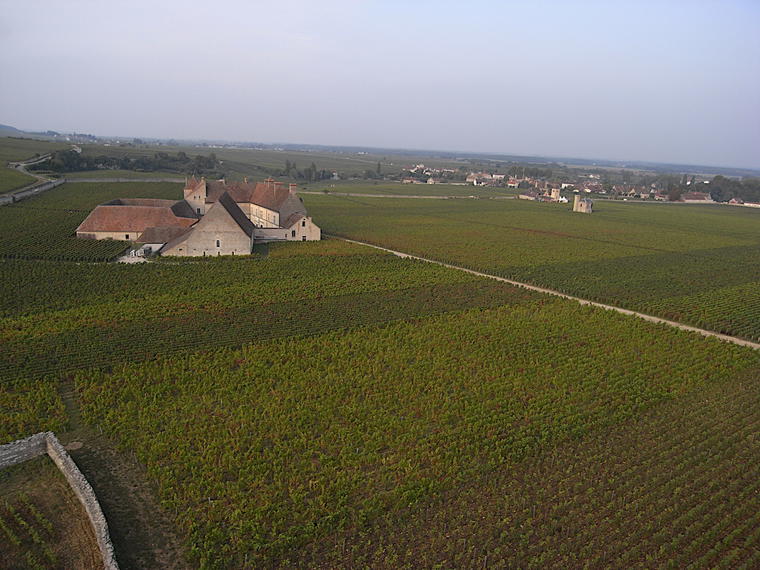
Vosne-Romanée, France
Domaine Anne Gros has operated from its address at 11 Rue des Communes in Vosne-Romanée since Anne Gros took charge of the estate in 1988, building a reputation in the village's demanding upper tier. Its wines are read as precise expressions of Côte de Nuits terroir rather than winemaker intervention.
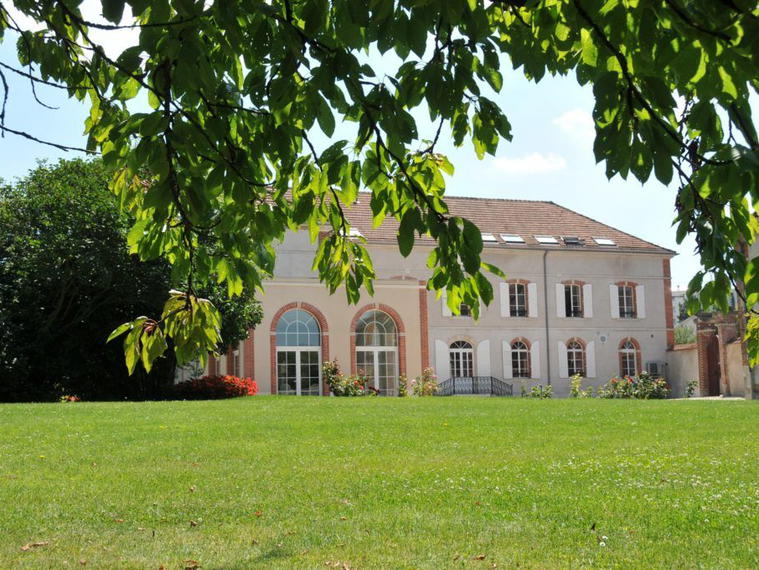
Épernay, France
Gosset, operating from Épernay since its founding year of 1584, holds the distinction of being among Champagne's oldest continuously operating houses. Winemaker Odilon de Varine leads a production philosophy oriented toward depth and maturation.
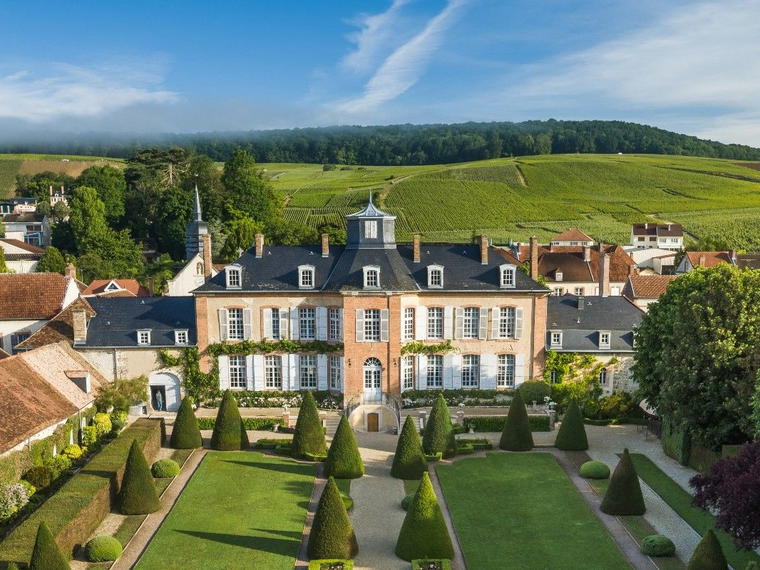
Reims, France
Founded by Apolline Henriot in 1808, Henriot is a Reims Champagne house with deep ties to the Côte des Blancs. Alice Tétienne leads its cellar; the house became part of Terroirs & Vignerons de Champagne in 2023.
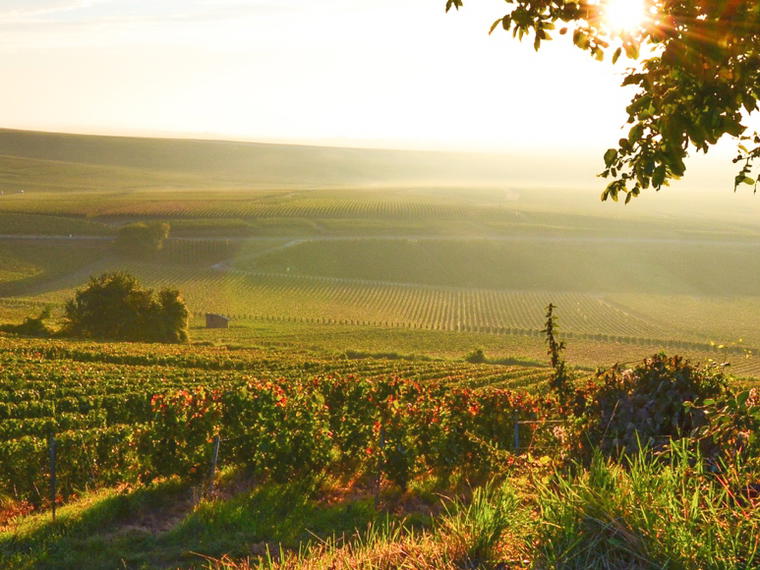
Vertus, France
In Vertus, Larmandier-Bernier makes Chardonnay-led Champagnes from biodynamically farmed, organically certified vineyards. Latitude, Longitude and Terre de Vertus show distinct facets of the estate's work; visits require an appointment.
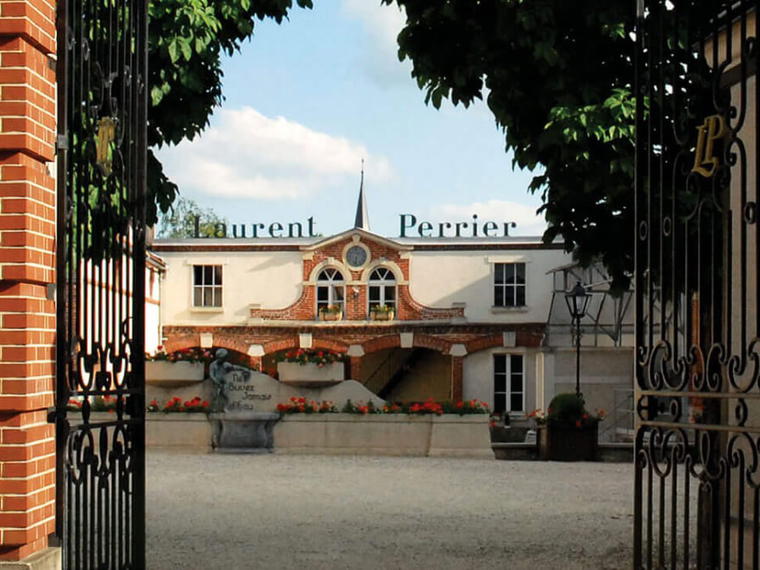
Tours-sur-Marne, France
Laurent-Perrier began in Tours-sur-Marne in 1812. Its range includes La Cuvée, Cuvée Rosé, Grand Siècle and a 100% Chardonnay Blanc de Blancs Brut Nature.
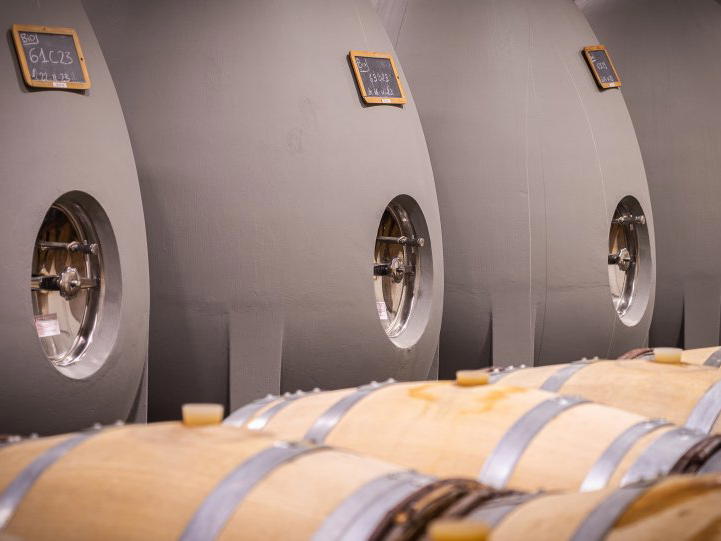
Tain-l'Hermitage, France
One of the Northern Rhône's most historically rooted négociants, Paul Jaboulet Aîné has operated out of Tain-l'Hermitage since 1834. Visiting puts you at the centre of one of France's most concentrated fine wine appellations.
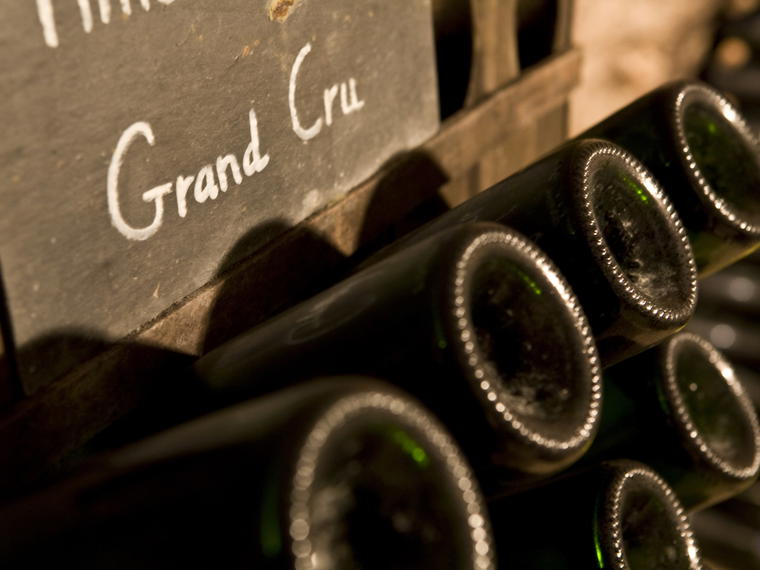
Le Mesnil-sur-Oger, France
Rodolphe Péters leads his family’s Champagne estate in Le Mesnil-sur-Oger. Cuvée de Réserve blends Chardonnay from several Côte des Blancs grand cru villages, while vintage Les Chétillons comes from three plots in one Le Mesnil lieu-dit.