
Falstaff Winery - 4 Stars
Weingut Wohlmuth sits in Kitzeck, in the refined Sausal hills of southern Styria, where cool-climate viticulture produces some of Austria's most precise white wines. For visitors tracing the southern Styrian wine arc, this is a reference address.

Pearl is the En Primeur Club membership app — saves, bookings, and concierge access live there. Same editors, same standards.
- Address
- Fresing 24, 8441 Fresing
- Phone
- +43 3456 2303
- Website
- wohlmuth.at
- Directions
- Get directions
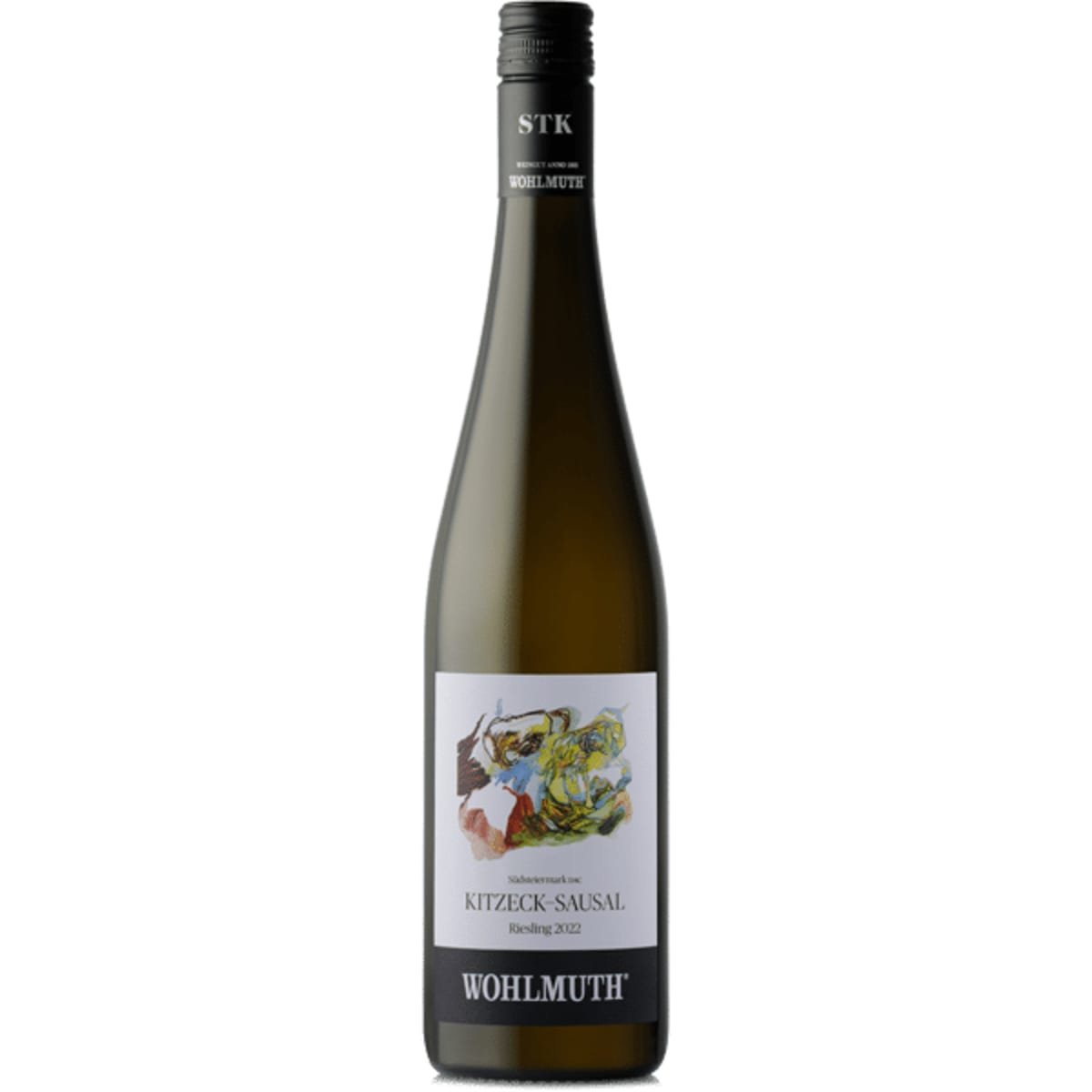
Where the Sausal Speaks
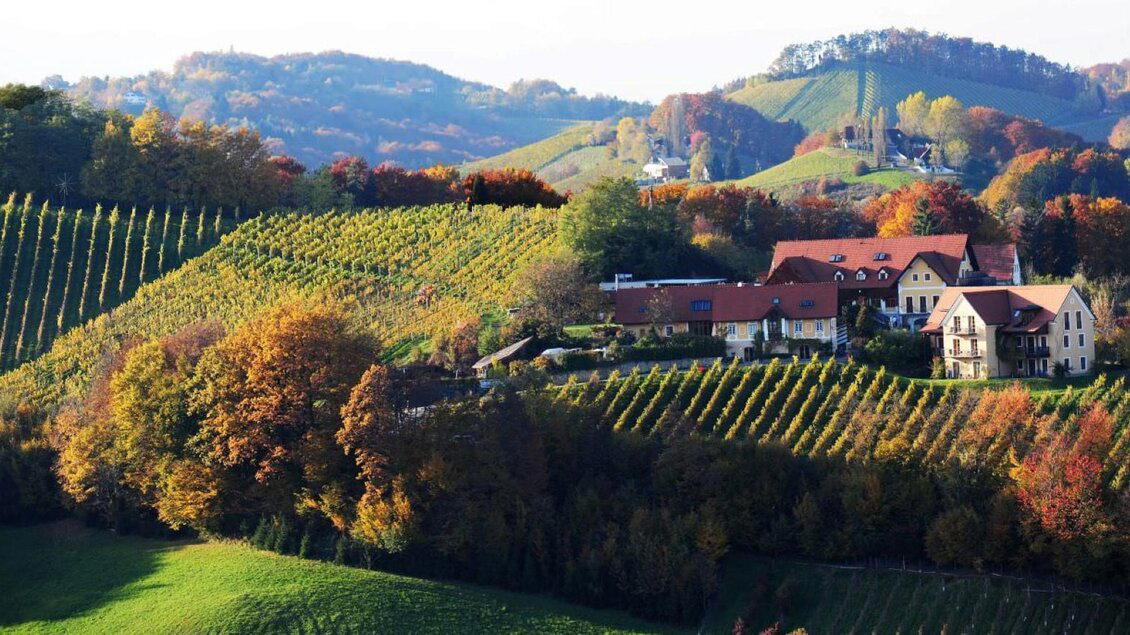
The approach to Kitzeck already tells you something. The roads narrow as the elevation climbs above the Sulm Valley, vineyards appearing on gradients so steep that mechanisation is largely impractical. At around 560 metres above sea level, Kitzeck sits among the highest wine-growing terrain in central Europe, and the landscape imposes itself on every bottle made here. This is not a region that allows winemakers to ignore their site. The Sausal hills, with their ancient schist and gneiss soils, their east-to-southeast exposures, and their sharp temperature differentials between warm summer days and cool nights, create conditions that consistently push aromatic intensity into white wines without sacrificing structure. Weingut Wohlmuth, located at Fresing 24 in this same refined pocket, works within that framework.
The Sausal as a Wine Region: What the Soil Does
Southern Styria draws the most international attention, but within it, the Sausal is a distinct sub-zone that operates differently from the flatter, more accessible Südsteiermark vineyards along the Slovenian border. The bedrock shifts here. Where much of lower Styria sits on limestone and sandstone, the Sausal's metamorphic schist retains heat selectively and drains freely, forcing vine roots to reach deep for moisture. The result is wines with a tighter mineral frame than you typically find from warmer Austrian sites. Grüner Veltliner from this terrain reads differently than Wachau Grüner, the pepper-driven, sometimes more muscular character giving way to a finer-grained texture driven by the altitude and the underlying stone. Welschriesling in the Sausal can achieve a precision that justifies comparison with more famous cool-climate expressions of the variety elsewhere in Europe. For anyone tracing how Austrian white wine expresses terroir across its various regions, the Sausal is a necessary point of reference, and Wohlmuth sits at the address where that argument is easiest to make in Kitzeck.
The comparison set for an estate at this recognition level would include names like Weingut Bründlmayer in Langenlois and Weingut Emmerich Knoll in Dürnstein, both operating within their own distinct terroir signatures in Kamptal and Wachau respectively. The shared thread is a commitment to site-specific expression over stylistic homogenisation, a stance that separates the critically recognised tier of Austrian wine from more commercially driven production.
At the 3-star level, the recognition implies consistent, measurable quality across the range rather than a single standout bottling. That kind of sustained performance in a region as variable as the Sausal, where vintage conditions can swing significantly year to year, is not incidental. Cool, late springs can compress the growing season; wet autumns can compromise the aromatic precision these vineyards are capable of. The award suggests that the estate has developed the technical discipline and the vineyard management to maintain standard even when the Sausal's high-altitude climate makes that difficult. Across Austria's critically recognised estates, awards at this prestige tier consistently correlate with allocation-model selling, limited volume, and a visitor experience oriented toward the serious rather than the casual. For context, other Austrian producers operating in comparable recognition tiers include Weingut Kracher in Illmitz and Weingut Pittnauer in Gols, both of whom have built international reputations on the back of site-specific discipline in their own contrasting corners of Austria.
Kitzeck's Position in the Broader Austrian Wine Conversation
Austria's wine identity internationally runs through Wachau and Burgenland, with the Kamptal and Kremstal often cited as the next tier of serious interest. Southern Styria has been slower to break through in export markets, partly because its leading estates produce relatively small volumes and partly because the grape varieties that define the region, particularly Sauvignon Blanc and Welschriesling at altitude, don't always map neatly onto how international buyers think about Austrian wine. Within Austria itself, the picture is different. The Sausal's refined vineyards have a long-standing reputation among Austrian wine professionals, and Kitzeck as a village sits at the heart of that internal recognition. Wohlmuth is part of an estate network across southern Styria and beyond that includes operations with different stylistic priorities. Weingut Heinrich Hartl in Oberwaltersdorf and Weingut Scheiblhofer Distillery in Andau represent the range of ambition operating across Austria's producing regions at the prestige level. For a complete picture of Austrian craft production that extends into distillation, the Aeijst Gin Distillery in Sankt Nikolai im Sausal is worth noting, operating in the same Sausal geography with a different product focus.
Planning a Visit: How the Sausal Works Logistically
The Sausal is not a spontaneous destination. Kitzeck sits roughly 25 kilometres south of Graz, but the approach roads demand careful navigation, and the village itself has limited infrastructure beyond its wineries and the panoramic views over the Sulm Valley that draw visitors who make the effort. The surrounding area of our full Kitzeck restaurants guide covers additional context for planning a day or overnight in this corner of southern Styria. Spring through autumn are the functional visiting months, with harvest season in September and October offering the most atmospheric access to the vineyards themselves, though it is also when estate teams have the least bandwidth for casual visits. Contacts with Austrian wine importers or specialist travel operators familiar with Styrian wine routes are the most reliable route into a properly structured visit.
For those building a broader Austrian craft itinerary that extends beyond wine into spirits, the 1310 Spirit of the Country Distillery in Sierning, the 1404 Manufacturing Distillery in Sankt Peter-Freienstein, the 1516 Brewing Company Distillery in Vienna, the A. Batch Distillery in Bergheim, and the Abfindungsbrennerei Franz in Leithaprodersdorf represent a cross-section of what Austria produces beyond wine. For those comparing Austrian terroir expression internationally, Aberlour in Aberlour and Accendo Cellars in St. Helena provide useful reference points for how different regions approach craft-level production with comparable seriousness.
Comparison Snapshot
Comparable venues nearby, for context on price, style, and recognition.
| Venue | Cuisine | Price | Awards | Notes |
|---|---|---|---|---|
| Weingut WohlmuthThis venue — the venue you are viewing | Sauvignon Blanc, Riesling | $50–100 | Falstaff Winery - 4 Stars | Not listed |
| Familienweingut Sattlerhof | Sauvignon Blanc, Morillon | $50–100 | Falstaff Winery - 5 Stars | Gamlitz |
| Schwarzer Distillery | Winery | Not listed | Not listed | Leutasch |
| Brennerei Baumann | Winery | Not listed | Not listed | Stanz im Landeck |
| Aeijst Gin Distillery | Südsteiermark | Not listed | Not listed | Sankt Nikolai im Sausal |
| Abfindungsbrennerei Franz | Thermenregion | Not listed | Not listed | Leithaprodersdorf |
Recognition history
Dated appearances from independent guides and award organizations, with the underlying list record or original source where available.
Falstaff Winery - 4 Stars
Falstaff
Continue exploring
More in Kitzeck
Wineries in Kitzeck
Browse all →
Bars in Kitzeck
Browse all →
Restaurants in Kitzeck
Browse all →
Details
- Scenic
- Classic
- Elegant
- Rustic
- Wine Education
- Romantic Getaway
- Group Outing
- Vineyard Tour
- Estate Grounds
- Barrel Room
- Private Tasting
- Sustainable
- Vineyard
- Mountain
- Sauvignon Blanc
- Riesling
- Welschriesling
- Gelber Muskateller
- Pinot Blanc
- Chardonnay
- Pinot Gris
- Zweigelt
- Pinot Noir
- Blaufränkisch
- Still White
- Still Red
- Sparkling
- Estate Tasting
- Vineyard Tour
- Cellar Door
- German
- English
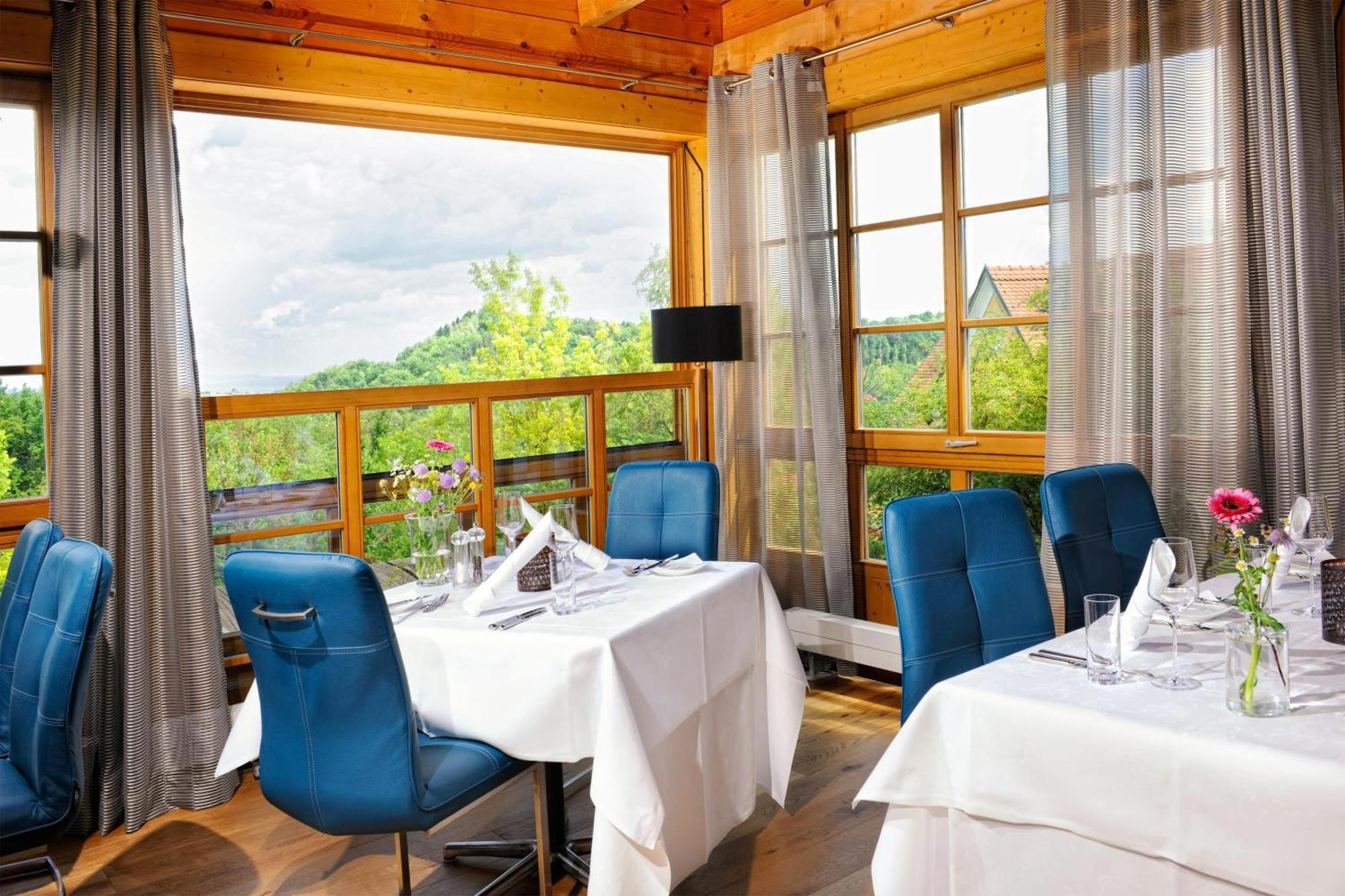
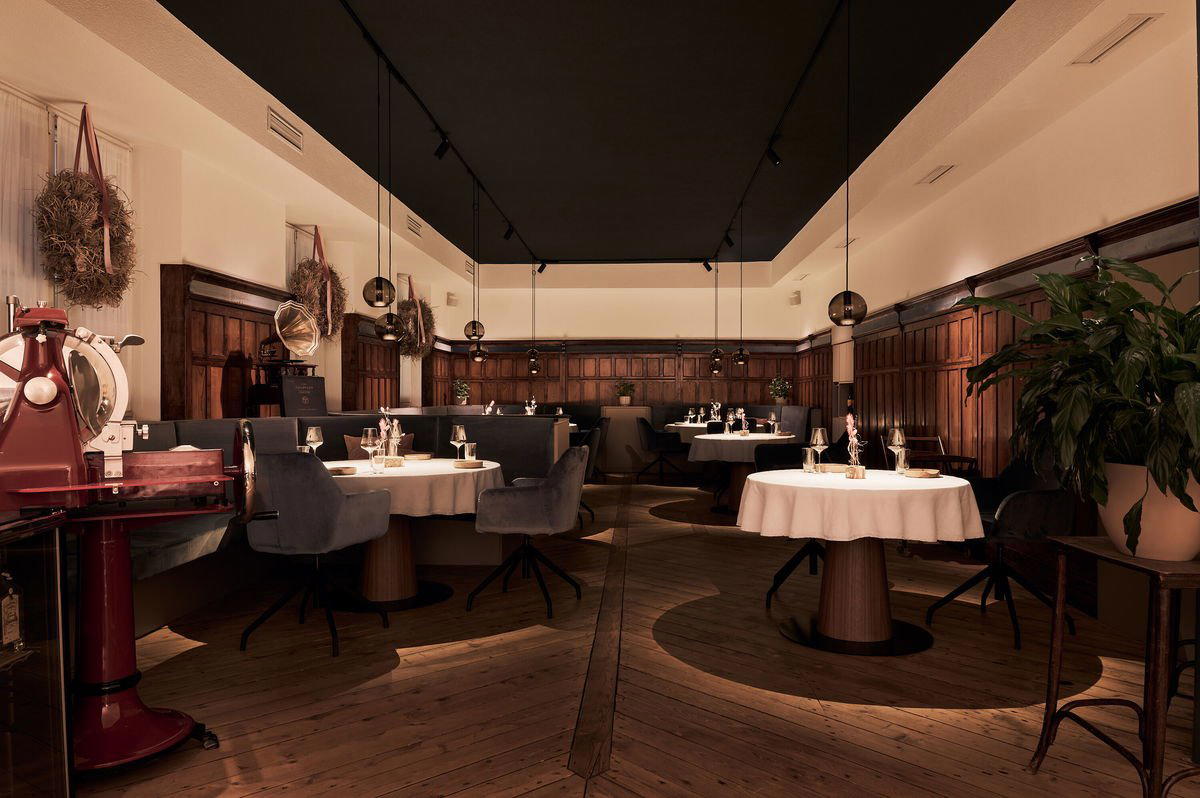
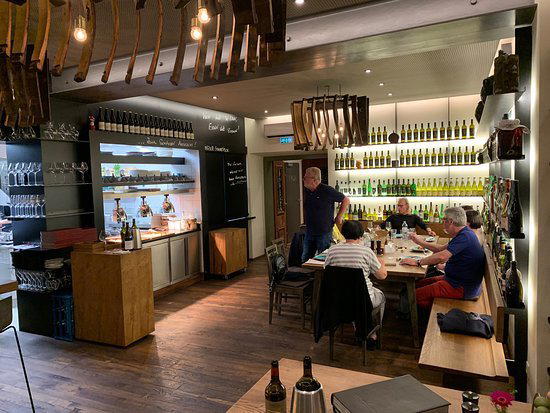
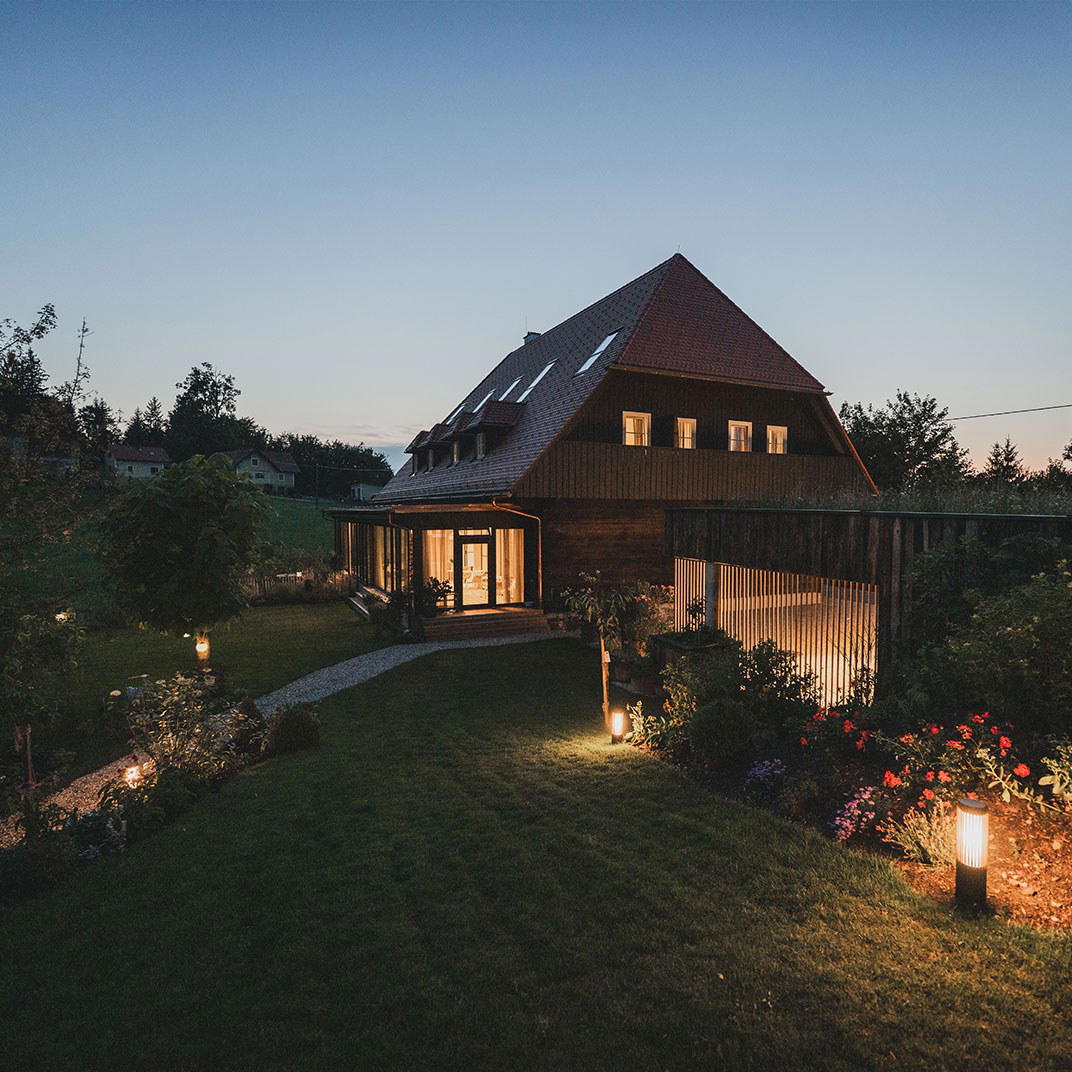
Rustic, traditional Austrian winery atmosphere with focus on terroir-driven winemaking in a historic family estate setting.