Schloss Vollrads


One of the Rheingau's most historically significant wine estates, Schloss Vollrads in Oestrich-Winkel has documented vinous activity dating to 1211, making it one of the oldest continuously operating wine properties in Germany.
Pearl is the En Primeur Club membership app — saves, bookings, and concierge access live there. Same editors, same standards.
- Address
- Schloss Vollrads 1, 65375 Oestrich-Winkel
- Phone
- +49 6723 660
- Website
- schlossvollrads.com
- Directions
- Get directions
 Saves & bookings on Pearl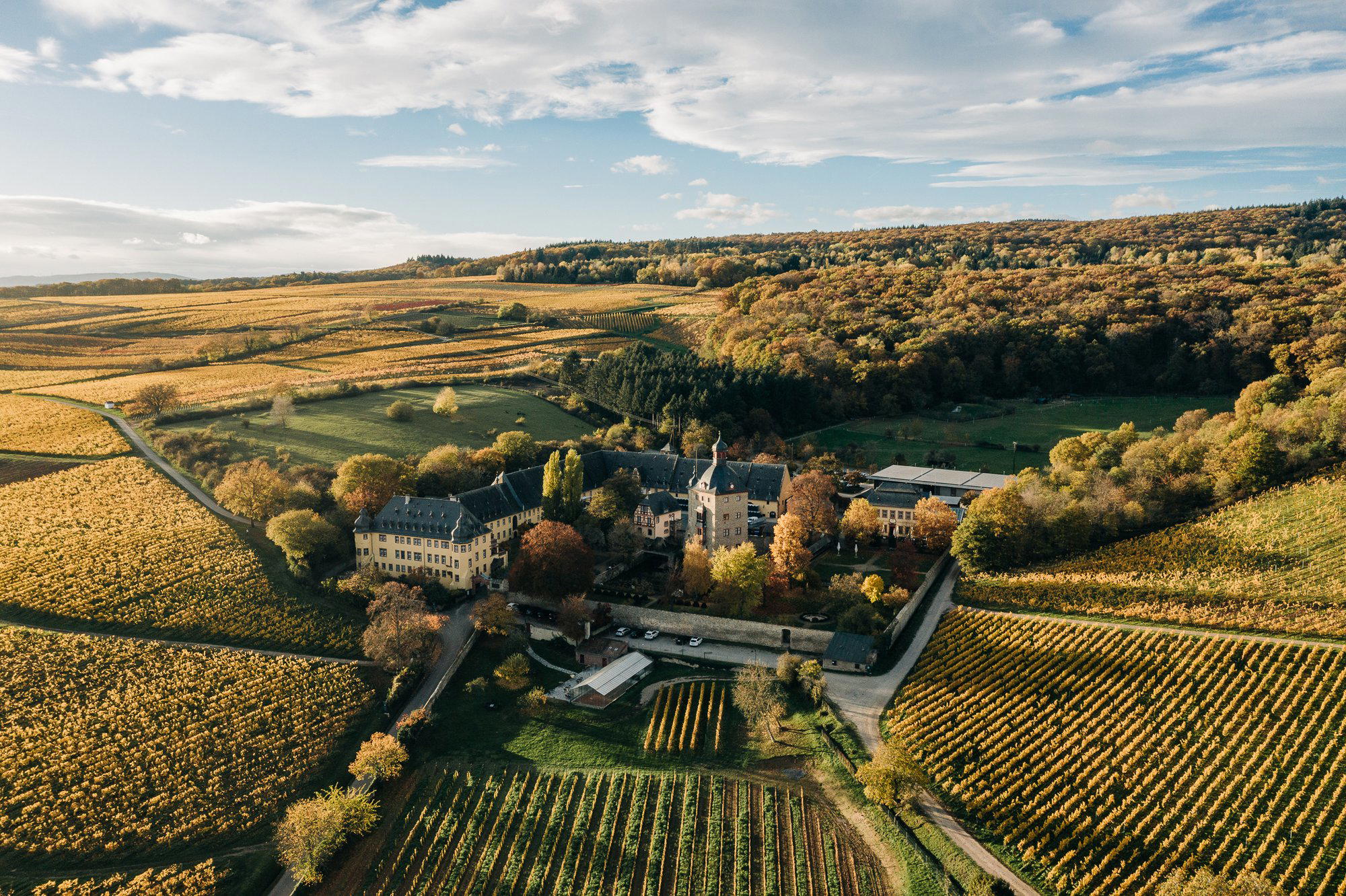
Eight Centuries of Slope and Stone
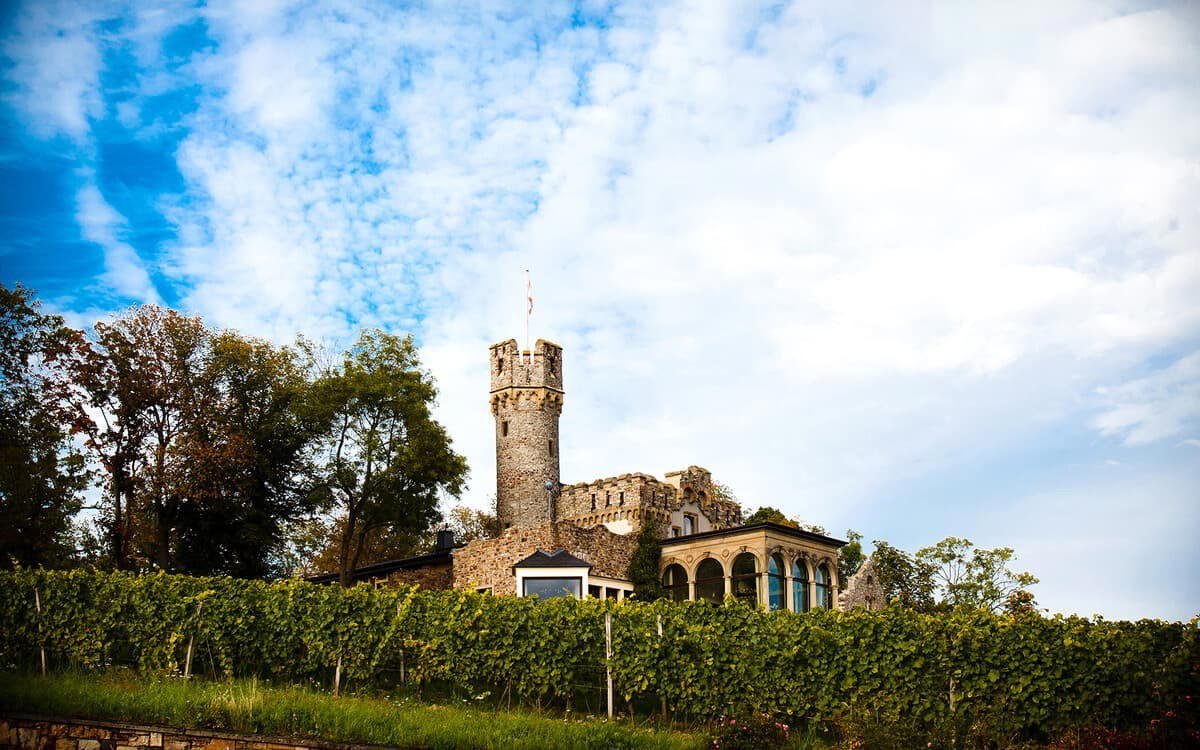
Approaching Schloss Vollrads from the valley road, the tower that has defined this estate since the medieval period rises above the vines before the winery itself comes into view. The Rheingau's particular topography, south-facing slopes angled to catch Rhine-reflected light, sheltered from northern winds by the Taunus ridge, has made this stretch of Germany one of Riesling's most consistently argued-over addresses for centuries. Schloss Vollrads sits at the summit of that argument. Documented vinous activity here dates to 1211, a record that places it among the oldest traceable wine-producing operations in Germany.
That depth of history could easily tip into self-congratulation. It does not. The estate has positioned itself as a producer focused on the present quality of its wines and the character of its site, wearing the 800-year archive as context rather than identity.
Riesling, Site, and the Rheingau Tradition
The Rheingau's identity as a Riesling region is not accidental. The orientation of the Rhine as it flows westward through this stretch, combined with the slate, quartzite, and loess soils of the upper slopes, creates conditions that translate into wines with pronounced minerality and the structural tension that ages well in bottle. Schloss Vollrads' vineyards sit within this framework, and the estate's focus has remained singular: Riesling, expressed through gradations of ripeness and site that define the German classification system from Kabinett through the Prädikat hierarchy to the upper Spätlese and Auslese categories.
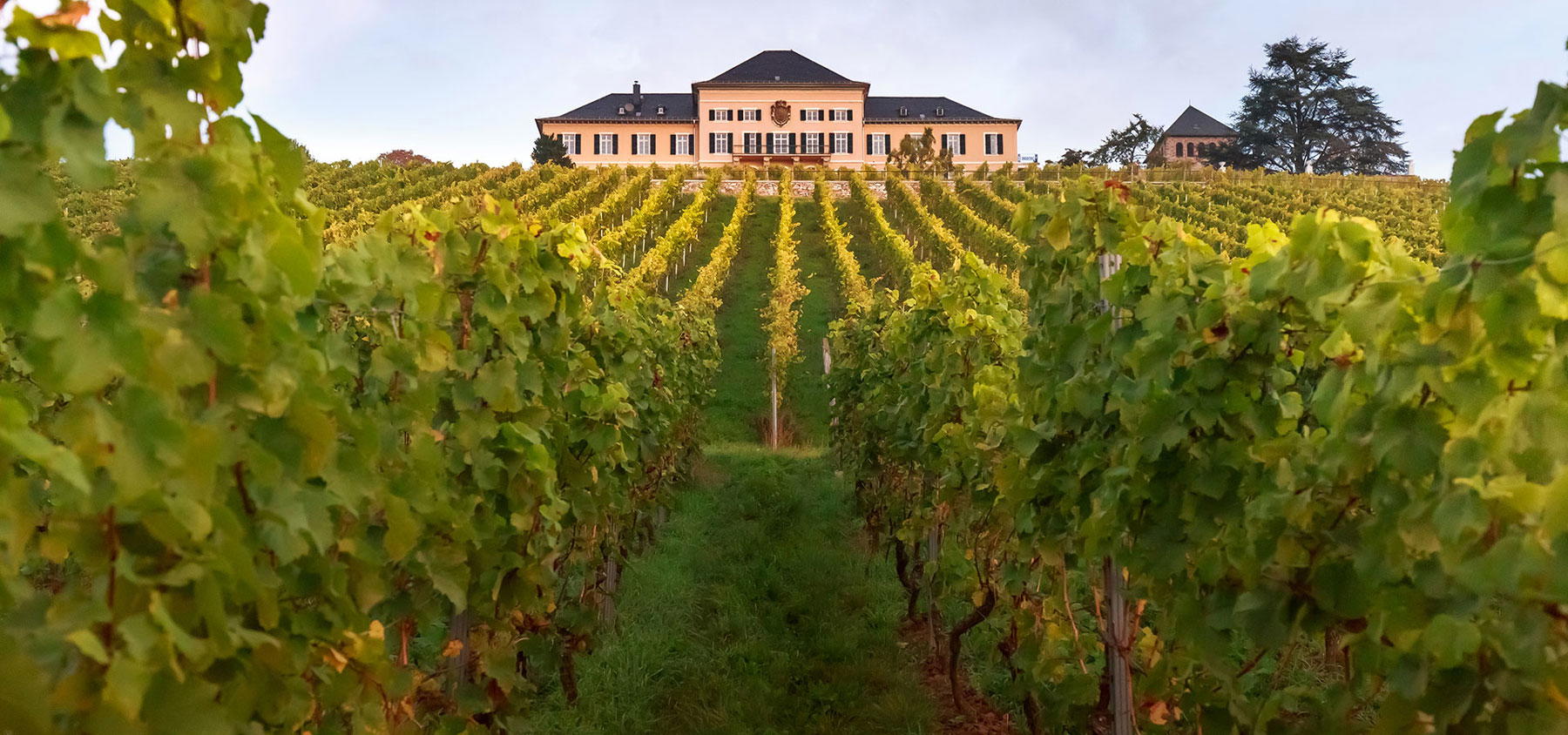
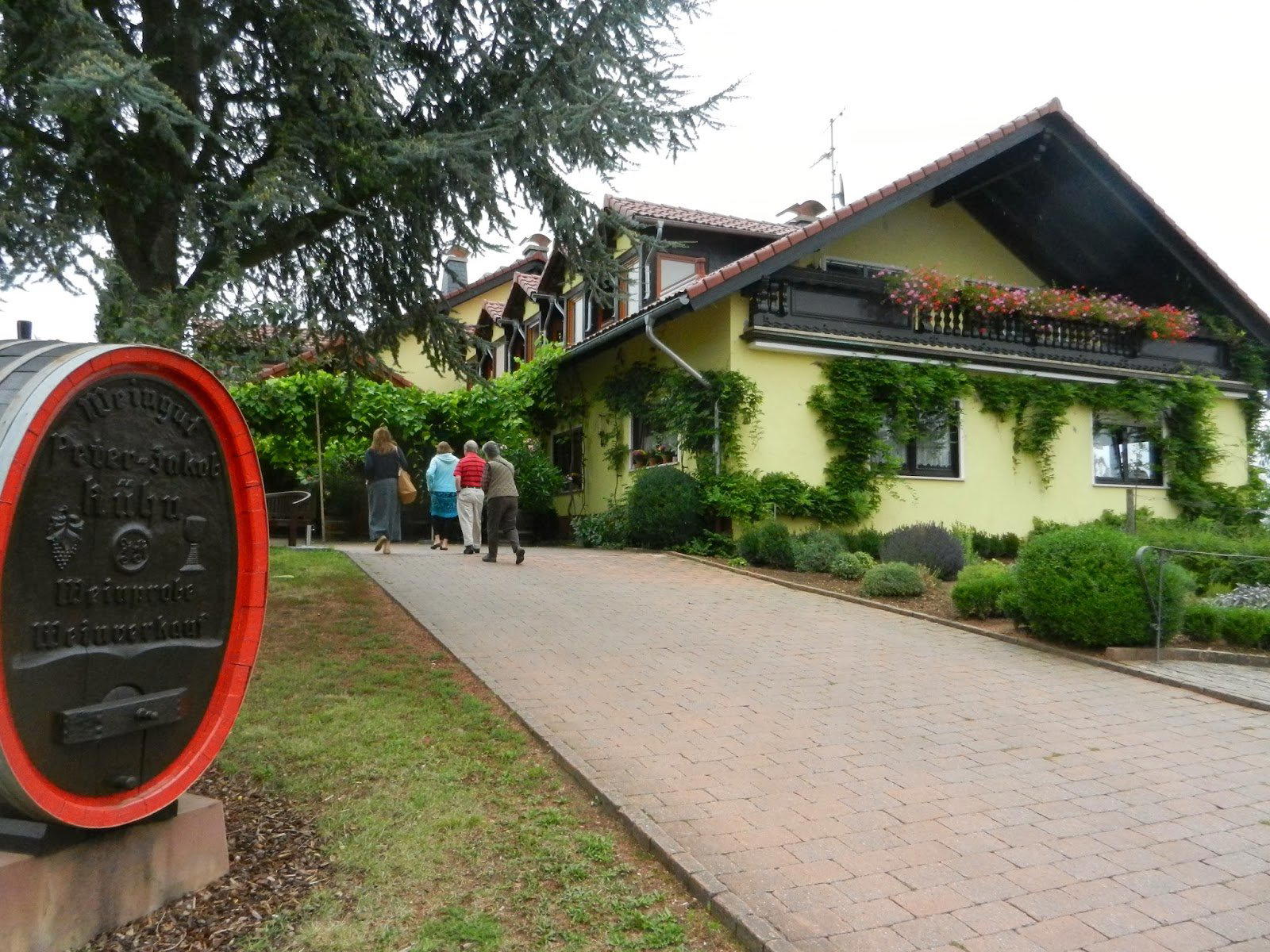
For a visitor calibrating expectations, it helps to understand how the winery fits within the local peer group. Weingut Josef Spreitzer and Weingut Peter Jakob Kühn operate from the same postcode, both working with Rheingau Riesling but through distinct vineyard philosophies and stylistic registers. Weingut Allendorf and Weingüter Wegeler extend that local concentration further. Oestrich-Winkel as a wine commune is unusually dense with serious producers, which makes it one of the more rewarding single-day itineraries in German wine country.
Viticulture, Stewardship, and a Long-Term View
Estates with century-deep land tenure tend to think about viticulture differently from newer operations. At the winery, the logic of stewarding vineyards held across eight centuries has shaped a practical orientation toward sustainability that goes beyond marketing language. The Rheingau's slate and quartzite soils require careful canopy management and yield discipline to produce the clean, textural Rieslings the region is known for; shortcuts damage both fruit quality and long-term soil health in measurable ways.
This connects the winery to a broader German winemaking trend. Producers across the Rheingau, Mosel, and Pfalz have been steadily moving toward lower intervention, whether certified organic, biodynamic, or working under looser sustainability frameworks that prioritise soil biology and reduced chemical input. Weingut Peter Jakob Kühn is among the Oestrich-Winkel producers who have formalised that commitment with biodynamic certification. Weingut Clemens Busch in Pünderich on the Mosel and Weingut A. Christmann in Neustadt an der Weinstraße in the Pfalz represent the same thinking applied to different soils and grape varieties. The shared pressure across all these estates is that climate shift is accelerating the need for decisions about vine density, cover crops, and water retention that were once optional.
For an estate of the winery' scale and public profile, each vintage decision carries weight beyond the winery's own ledger. The tower, the slope, and the medieval cellars are part of the Rheingau's collective architectural and agricultural identity in a way that connects viticulture directly to heritage conservation.
The Rheingau in Wider German Wine Context
The Rheingau is a small appellation. At roughly 3,300 hectares under vine, it produces a fraction of the volume that comes from the Mosel or the Pfalz, but it commands disproportionate attention in the premium Riesling conversation, partly because of historic estates like Schloss Vollrads and Kloster Eberbach in Eltville, and partly because the region's classification system, codified in the nineteenth century, gave German wine much of its prestige infrastructure.
Comparative reference points outside the Rheingau help situate the style. Weingut Fritz Haag in Brauneberg produces Mosel Riesling from the Brauneberger Juffer-Sonnenuhr with a finesse and mineral depth that represents the Mosel's lighter, more delicately structured end of the German Riesling spectrum. Rheingau Riesling, by contrast, tends toward more body and a broader mid-palate, a product of warmer sites and different soil profiles. Weingut Bürgerspital zum Heiligen Geist in Würzburg illustrates Franconian Riesling's drier, earthier register, another point of differentiation. Weingut Bassermann-Jordan in Deidesheim and Weingut Dr. Bürklin-Wolf in Wachenheim an der Weinstraße anchor the Pfalz's own interpretation, where Riesling runs fuller and more textured still. Weingut Battenfeld-Spanier in Hohen-Sülzen pushes into Rheinhessen's limestone-influenced expression. Each of these estates makes a different argument about what German white wine can be. The winery, in this company, represents the Rheingau's most archivally grounded case.
Planning a Visit
The winery is located at Schloss Vollrads 1, 65375 Oestrich-Winkel, in the heart of the Rheingau wine route. The estate is accessible from Frankfurt in under an hour by road or via the Rhine Valley train line to Oestrich, which puts it within a practical half-day or full-day itinerary from the city. The Rheingau's concentrated producer geography means a single visit to the region can incorporate multiple tastings; pairing the winery with neighbouring estates in Oestrich-Winkel is direct logistically.
For visitors building a longer German wine itinerary, the Rheingau connects naturally westward to the Mosel and south to the Pfalz and Nahe. Accendo Cellars in St. Helena and Aberlour in Aberlour represent the international breadth of estate wine culture that EP Club tracks across categories and regions, but for Riesling specifically, few corners of the wine world offer the density of serious producers that the Rheingau delivers across a ten-kilometre stretch of river valley.
A Credentials Check
Comparable venues nearby, for context on price, style, and recognition.
| Venue | Cuisine | Price | Awards | Notes |
|---|---|---|---|---|
| Schloss VollradsThis venue — the venue you are viewing | Riesling | $$$ | World's 50 Best #33 | Not listed |
| Weingut Josef Spreitzer | Riesling, Pinot Noir | $$ | Not listed | Oestrich-Winkel |
| Weingut Peter Jakob Kühn | Riesling, Spätburgunder | $$ | Not listed | Oestrich-Winkel |
| Weingüter Wegeler | Riesling, Pinot Noir | $$$ | Not listed | Oestrich-Winkel |
| Weingut Allendorf | Riesling, Spätburgunder | $$ | Not listed | Oestrich-Winkel |
| Weingut Dr. Loosen | Riesling, Weissburgunder | $$ | World's 50 Best #9 | Bernkastel-Kues |
Recognition history
Dated appearances from independent guides and award organizations, with the underlying list record or original source where available.
Falstaff Winery - 3 Stars
Falstaff
World's 50 Best Best Vineyards #33
World's 50 Best
Continue exploring
More in Oestrich-Winkel
Wineries in Oestrich-Winkel
Browse all →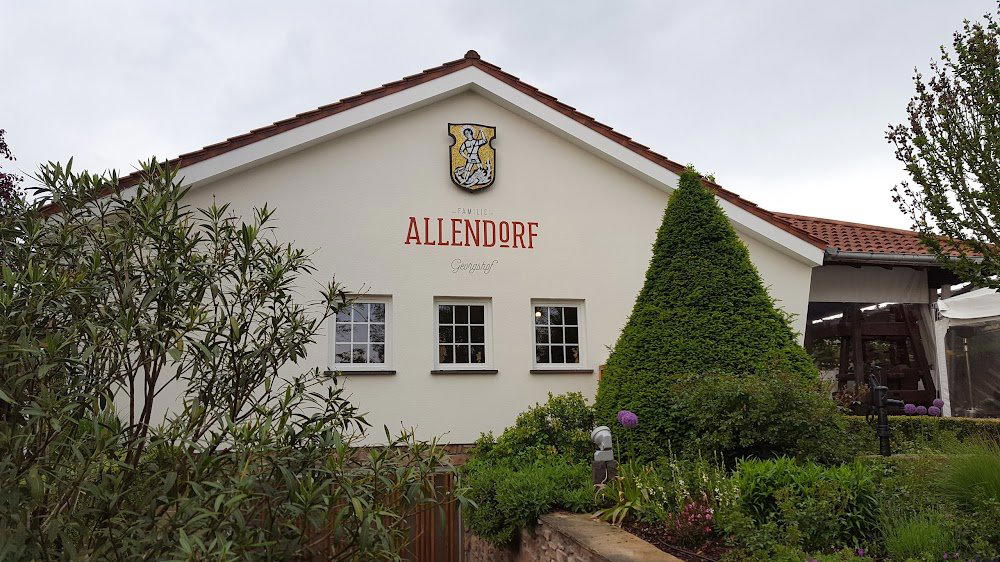
Bars in Oestrich-Winkel
Browse all →
Restaurants in Oestrich-Winkel
Browse all →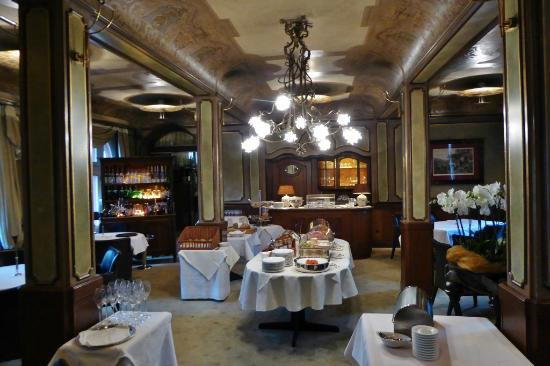
At a Glance
- Classic
- Elegant
- Scenic
- Well Known
- Sophisticated
- Wine Education
- Special Occasion
- Group Outing
- Vineyard Tour
- Historic Building
- Estate Grounds
- Terrace
- Sustainable
- Vineyard
- Garden
- Rheingau
- Riesling
- Still White
- Sparkling
- Cave Tasting
- Private Tasting
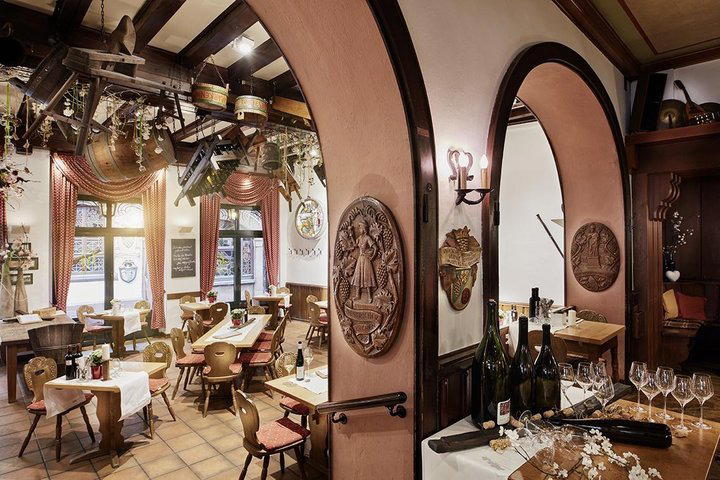
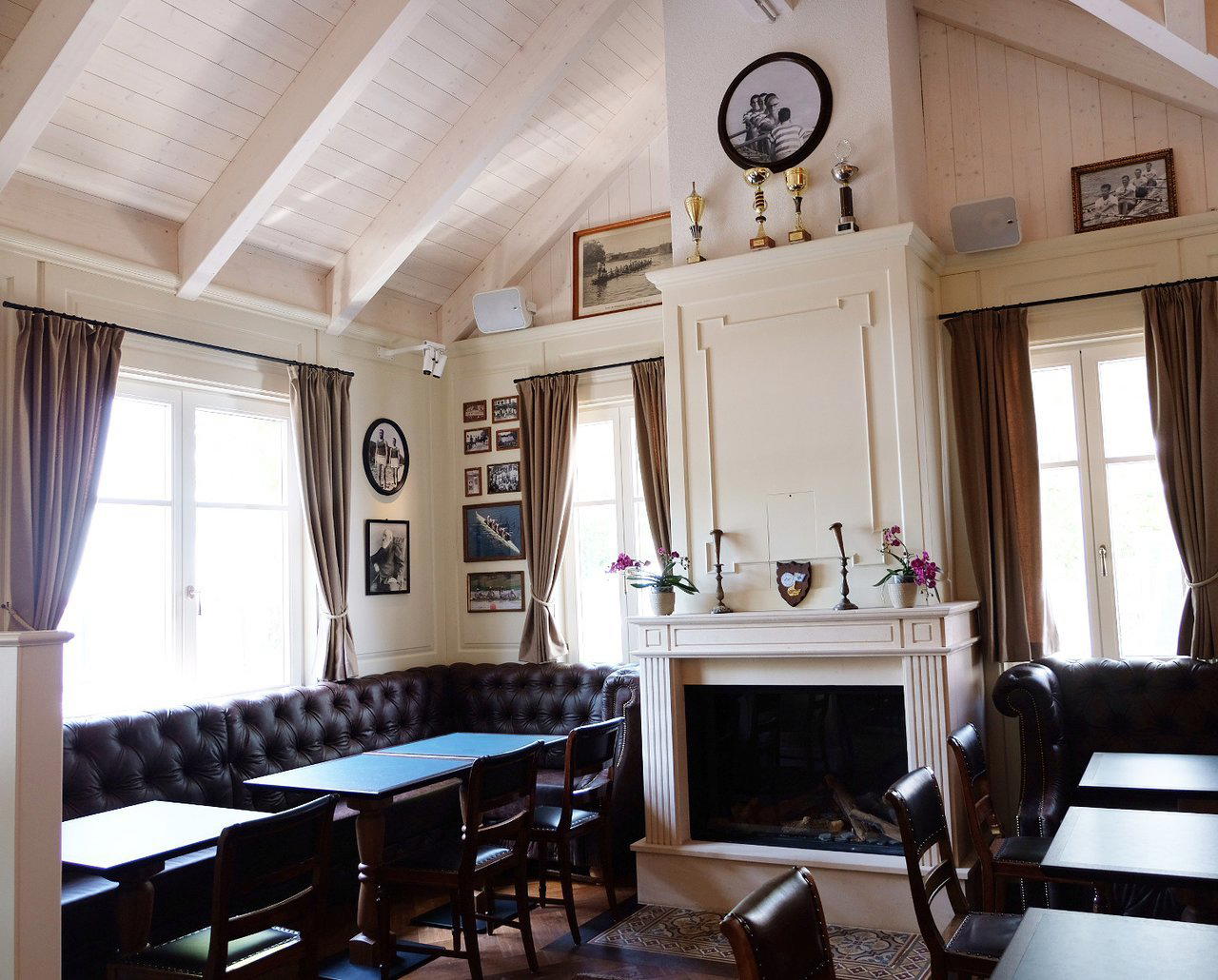
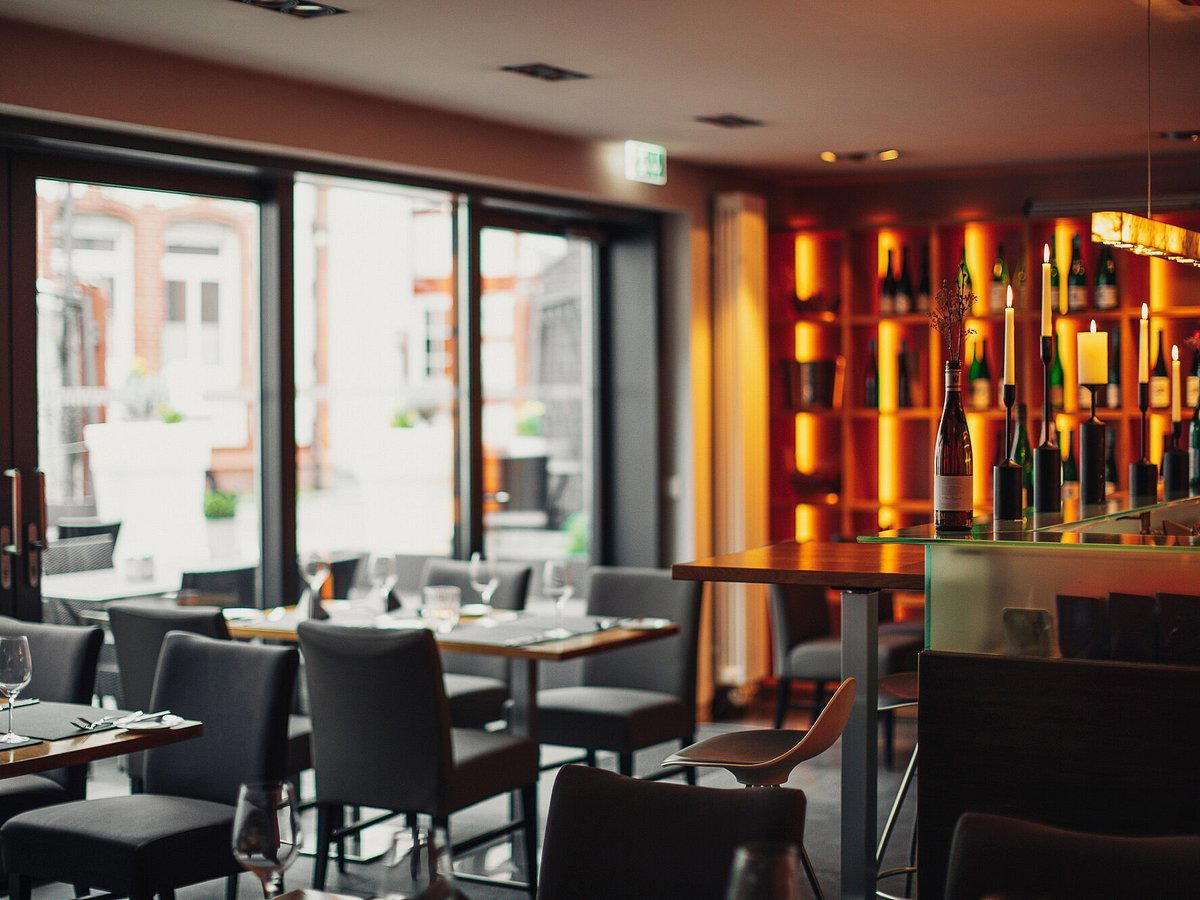
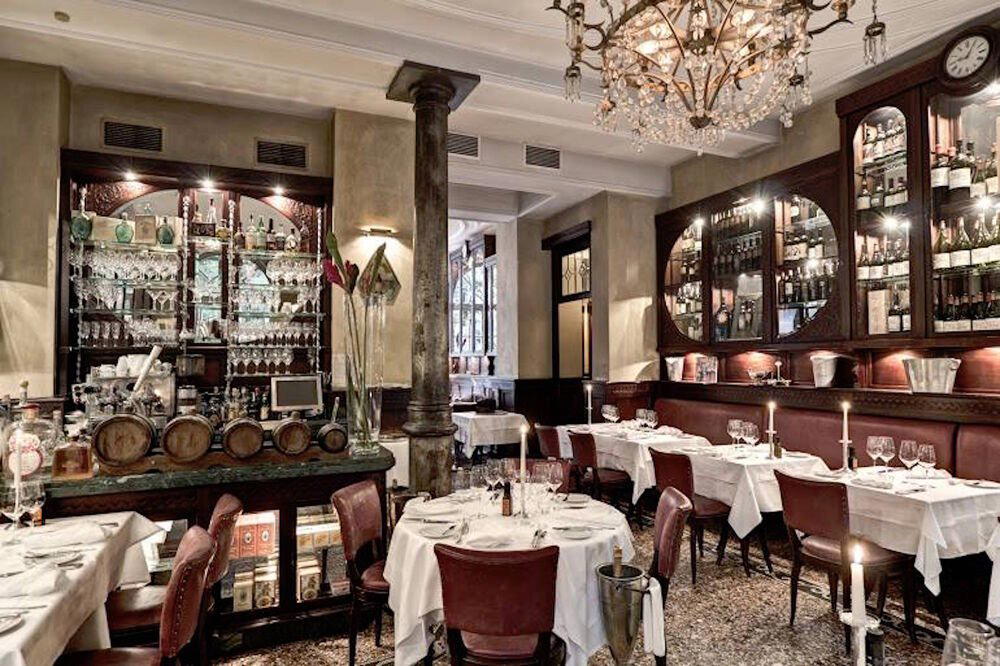
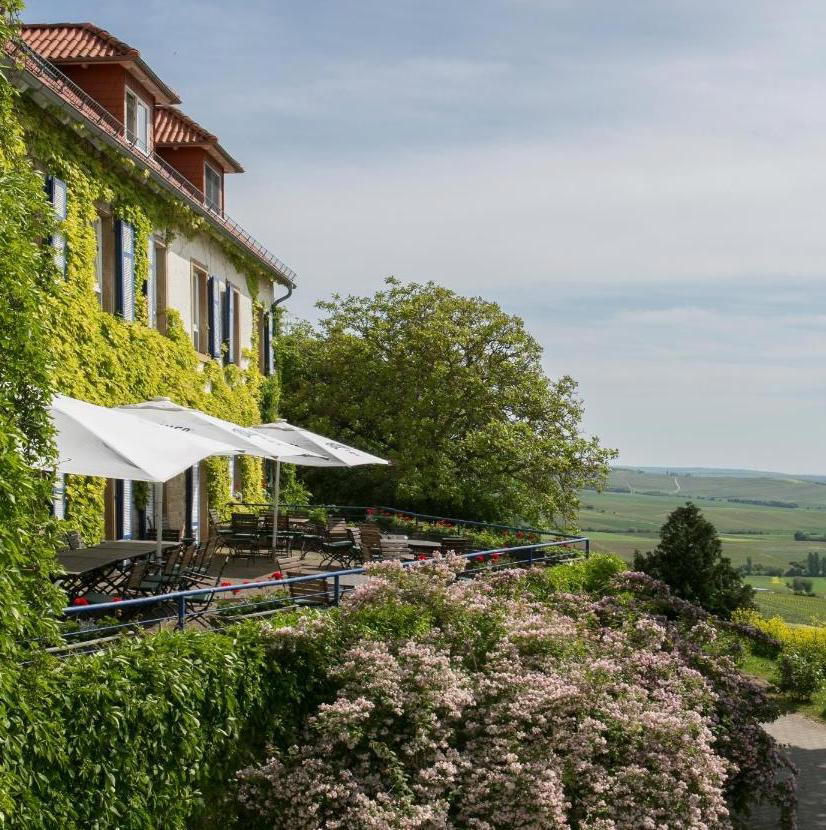
Historic castle setting with palatial orangery and elegant 17th-century squire’s house, offering a refined and culturally rich atmosphere amid vineyards.