Weingut Selbach-Oster

Falstaff Winery - 3 Stars
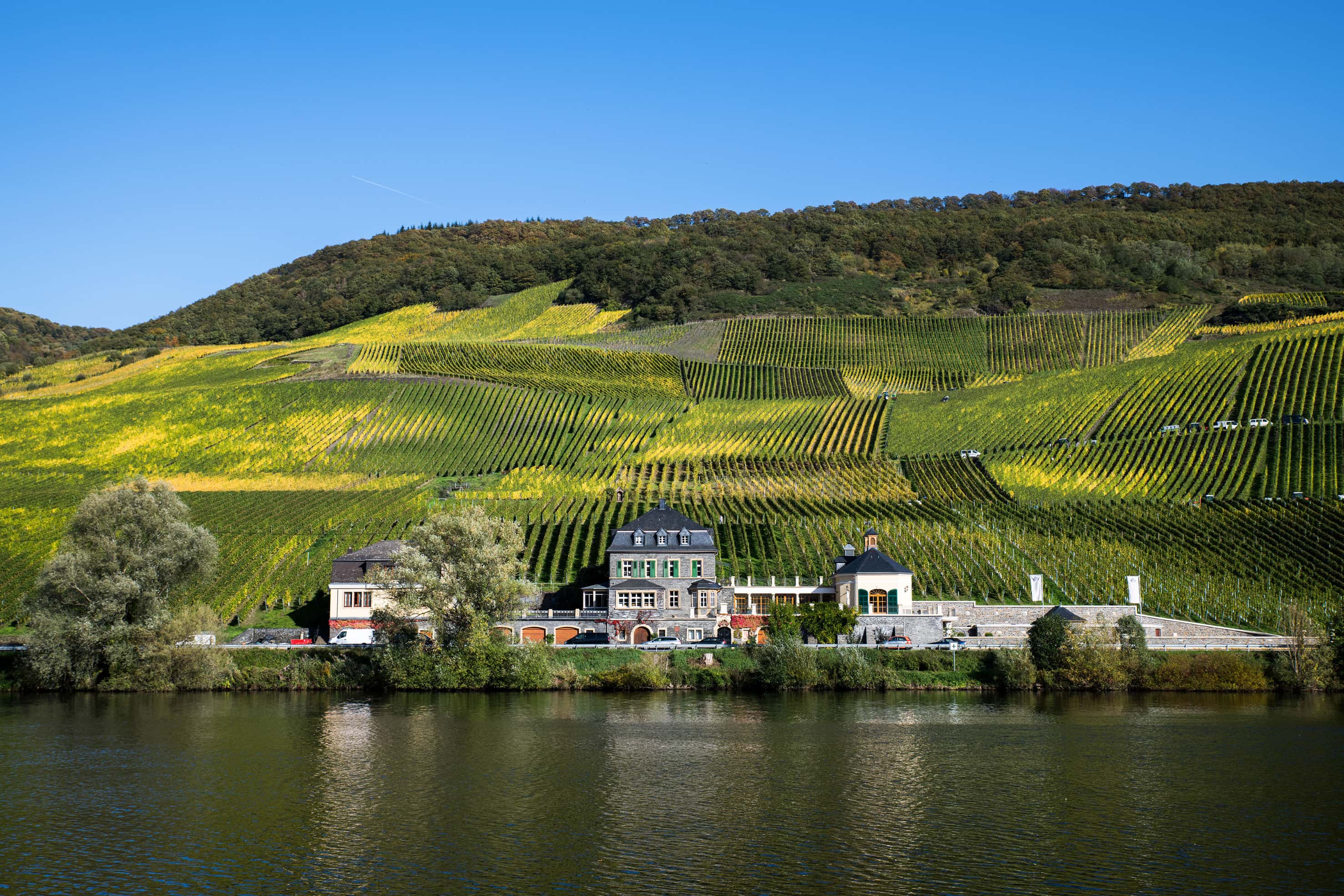
Selbach-Oster sits on the steep slate banks of the Mosel in Zeltingen-Rachtig, producing Riesling from some of the river's most demanding vineyard sites. It is a reference point for anyone serious about how Mosel terroir translates to the glass.

Pearl is the En Primeur Club membership app — saves, bookings, and concierge access live there. Same editors, same standards.
- Address
- Gänsfelderstraße 20, 54492 Zeltingen-Rachtig
- Phone
- +49 6532 2081
- Website
- selbach-oster.de
- Directions
- Get directions
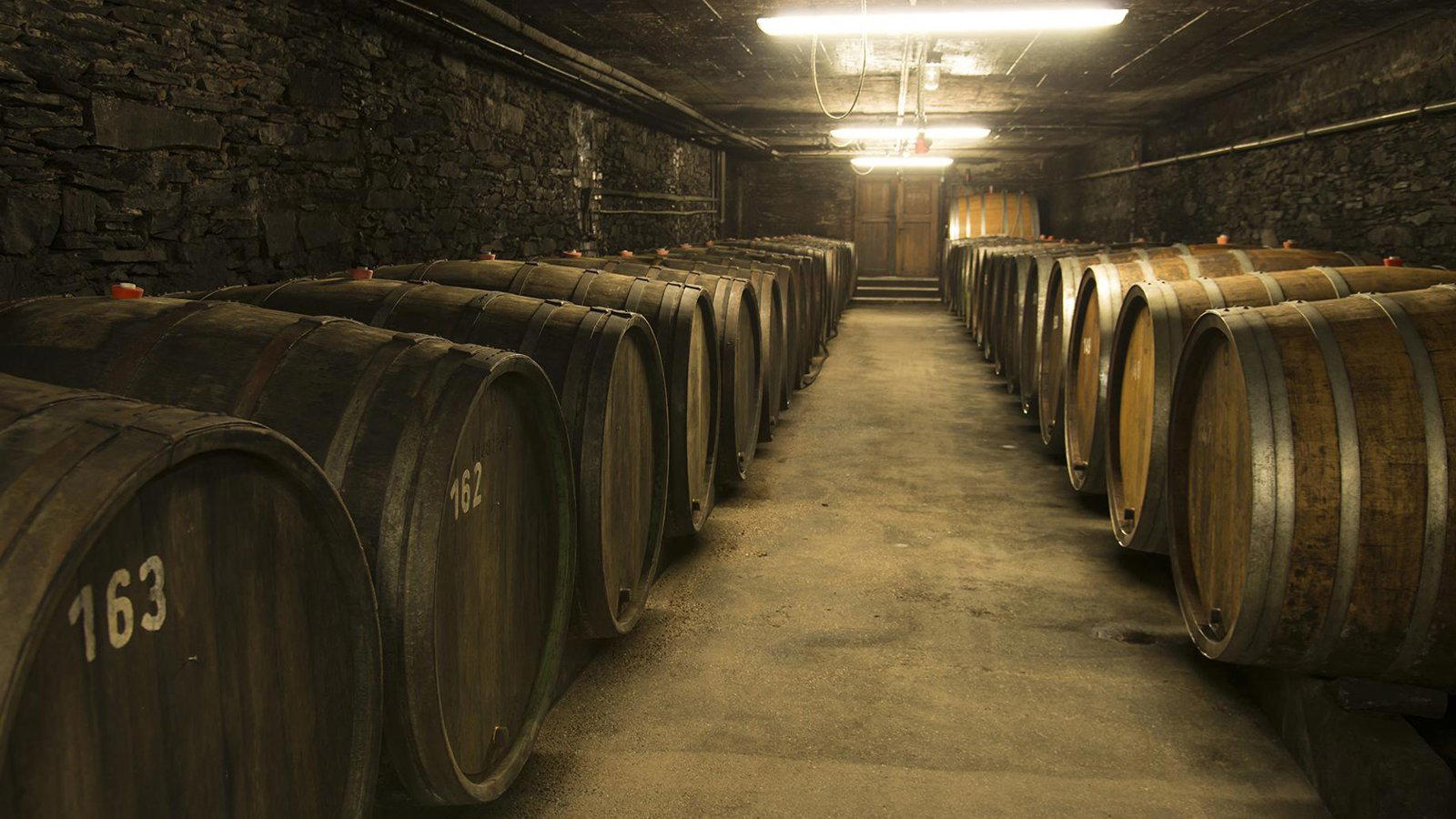
The Mosel's Slate Arithmetic
The middle Mosel between Bernkastel and Traben-Trarbach runs a series of steep, south-facing vineyard amphitheatres that produce some of Germany's most site-specific Riesling. The geology here is not uniform: blue Devonian slate in Zeltingen, grey slate shifting to red in adjacent parcels, each variation transmitting different mineral signatures into the wine.
Context helps here. The Mosel is not a homogeneous wine region. Producers in Pünderich, such as Weingut Clemens Busch, work volcanic Ruwer-Hunsrück slate that gives wines a different structural weight than the blue slate of Zeltingen. Further downstream in Winningen, Weingut Heymann-Löwenstein extracts something wilder and more mineral from the Terrassenmosel's near-vertical plots. Selbach-Oster occupies the central Mosel corridor, where the balance of soil, sun angle, and river reflection creates the textbook conditions that made this stretch internationally recognised in the first place.
What Slate Does to Riesling
Slate's role in Mosel viticulture is both thermal and mineral. During the day, dark slate absorbs heat and radiates it back to the vines at night, allowing Riesling to ripen under conditions that would otherwise be marginal for a cool-climate variety. That extended, slow ripening cycle is directly responsible for the tension between residual sweetness and high natural acidity that defines classic Mosel Riesling. The wine is not sweet in a dessert sense; it is balanced, the sugar acting as a counterweight to acidity rather than a flavour in its own right.
This thermal dynamic is amplified in the steep sites above Zeltingen, where gradient forces vine roots deep into fractured slate layers rather than allowing lateral spread through topsoil. The result, in terms of yield and concentration, is that steep-site Mosel Riesling tends toward intensity without the weight associated with warmer-climate viticulture. Selbach-Oster's position in Zeltingen-Rachtig puts the estate at the centre of this tradition, working with the same site variables that have defined the town's viticultural reputation across generations.
Where Selbach-Oster Sits Among Its Peers
Among Mosel producers, the upper tier is a relatively small cohort defined by access to premier vineyard parcels, long-standing export markets, and the kind of stylistic consistency that lets critics benchmark vintages against a house character rather than treating each year as a separate event. Selbach-Oster belongs to that cohort.
Comparing across the Mosel and into other German regions sharpens the picture. Moving to the Pfalz, estates such as Weingut A. Christmann and Weingut Bassermann-Jordan operate in a sandstone and limestone context that produces structurally different Riesling, richer and broader, against which Mosel versions read as more precise and nervy. The comparison is useful because it clarifies that Selbach-Oster's identity is not just about quality level but about a specific mineralic register that the Zeltingen slate delivers and that no other geology replicates.
For a broader view of how German wine estates across multiple regions approach terroir expression, producers including Weingut Dr. Bürklin-Wolf, Weingut Allendorf, and Weingut Georg Breuer in the Rheingau each offer reference points for how different German appellations handle Riesling and, increasingly, other varieties. The Rheingau's historical weight and the Mosel's geological specificity remain distinct categories, and Kloster Eberbach in Eltville is a further anchor for understanding the Rheingau's monastic winemaking tradition against which the Mosel's family-estate model looks quite different in character.
Reading the Vintage in Zeltingen
Vintage variation on the Mosel is pronounced in a way that matters to buyers. Because the region sits at the northern edge of commercial Riesling viticulture, the difference between a warm, dry year and a cool, wet one translates directly into the wine's structure. Warm years push residual sugar levels and body; cool years deliver higher acidity and lighter extract. Neither is categorically superior, but they require different reading.
For visitors to the region, the physical approach to Zeltingen-Rachtig adds its own context. The village sits on the Mosel's northern bank, directly opposite Wehlen, and the road through the valley passes vineyard walls close enough to read the slate layers in cross-section. The full Zeltingen-Rachtig guide covers the wider context of the village's wine culture and the practical information for planning a visit to the area's producers.
Planning a Visit
Selbach-Oster operates from its address at Gänsfelderstraße 20, Zeltingen-Rachtig, in the heart of the central Mosel wine corridor. The estate sits within a cluster of recognised producers that makes the area practical for a multi-stop wine visit rather than a single-destination trip. Neighbouring villages Wehlen, Graach, and Bernkastel are all within a short drive, and the concentration of highly rated estates means any serious Mosel itinerary will include this stretch. Given the estate's standing and the high volume of trade and consumer interest in this tier of Mosel producer, advance contact before arriving is advisable. The harvest period in October brings heightened activity to the valley, while summer weekdays tend to offer more access than weekend peak season.
Those building a broader German wine itinerary will also find value in estates such as Weingut Grans-Fassian in Leiwen, Weingut Battenfeld-Spanier in Hohen-Sülzen, and Weingut Bürgerspital zum Heiligen Geist in Würzburg, each operating in distinct regional contexts. For reference points outside Germany entirely, Accendo Cellars in St. Helena and Aberlour offer contrast at the premium end of their own categories.
Side-by-Side Snapshot
Comparable venues nearby, for context on price, style, and recognition.
| Venue | Cuisine | Price | Awards | Notes |
|---|---|---|---|---|
| Weingut Selbach-OsterThis venue — the venue you are viewing | Riesling, Pinot Blanc | Not listed | Falstaff Winery - 3 Stars | Not listed |
| Weingut Immich-Batterieberg | Riesling, Pinot Noir | $30–50 | Falstaff Winery - 3 Stars | Enkirch |
| Weingut Allendorf | Riesling, Spätburgunder | $20–30 | Falstaff Winery - 3 Stars | Oestrich-Winkel |
| Bethel Heights Vineyard | Pinot Noir, Chardonnay | Not listed | Not listed | Eola-Amity Hills |
| Weingut Bercher | Pinot Noir, Pinot Gris | $20–30 | Falstaff Winery - 4 Stars | Burkheim |
| Weingut Joh. Bapt. Schäfer | Riesling, Grauburgunder | $20–30 | Falstaff Winery - 4 Stars | Burg Layen |
Recognition history
Dated appearances from independent guides and award organizations, with the underlying list record or original source where available.
Falstaff Winery - 3 Stars
Falstaff
Continue exploring
More in Zeltingen-Rachtig
Wineries in Zeltingen-Rachtig
Browse all →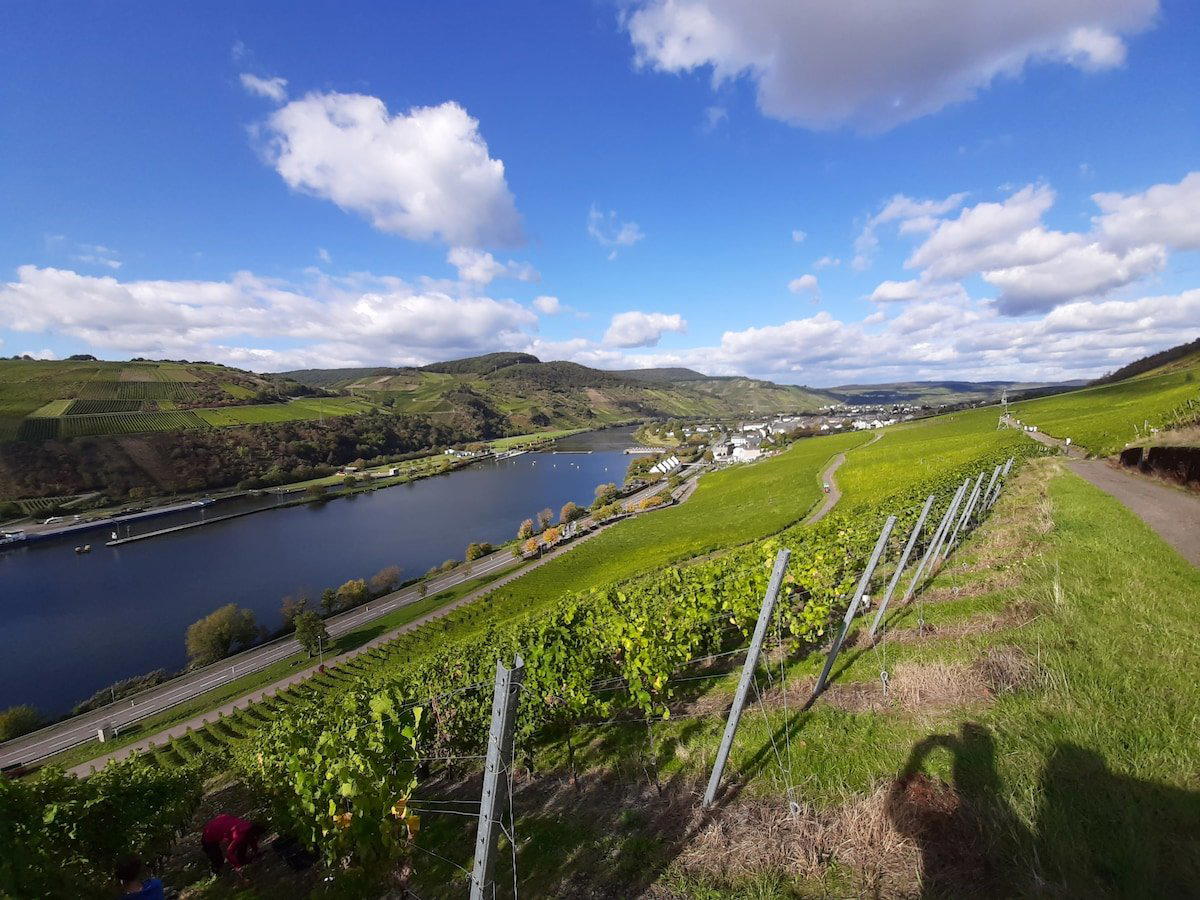
Bars in Zeltingen-Rachtig
Browse all →
Restaurants in Zeltingen-Rachtig
Browse all →
Details
- Elegant
- Classic
- Intimate
- Scenic
- Wine Education
- Solo Exploration
- Estate Grounds
- Vineyard Tour
- Vineyard
- Riesling
- Pinot Blanc
- Pinot Noir
- Gewürztraminer
- Still White
- Personalised Tasting
- English
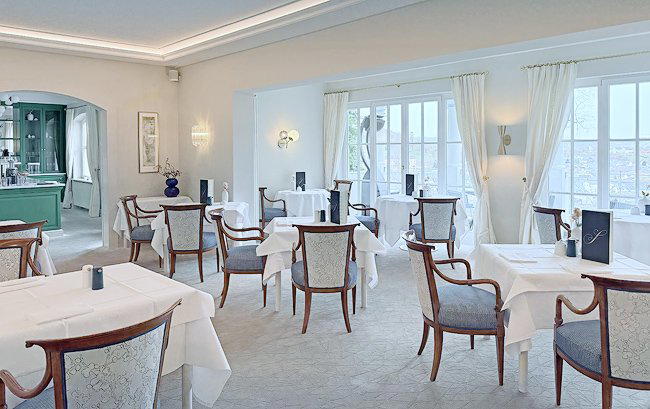
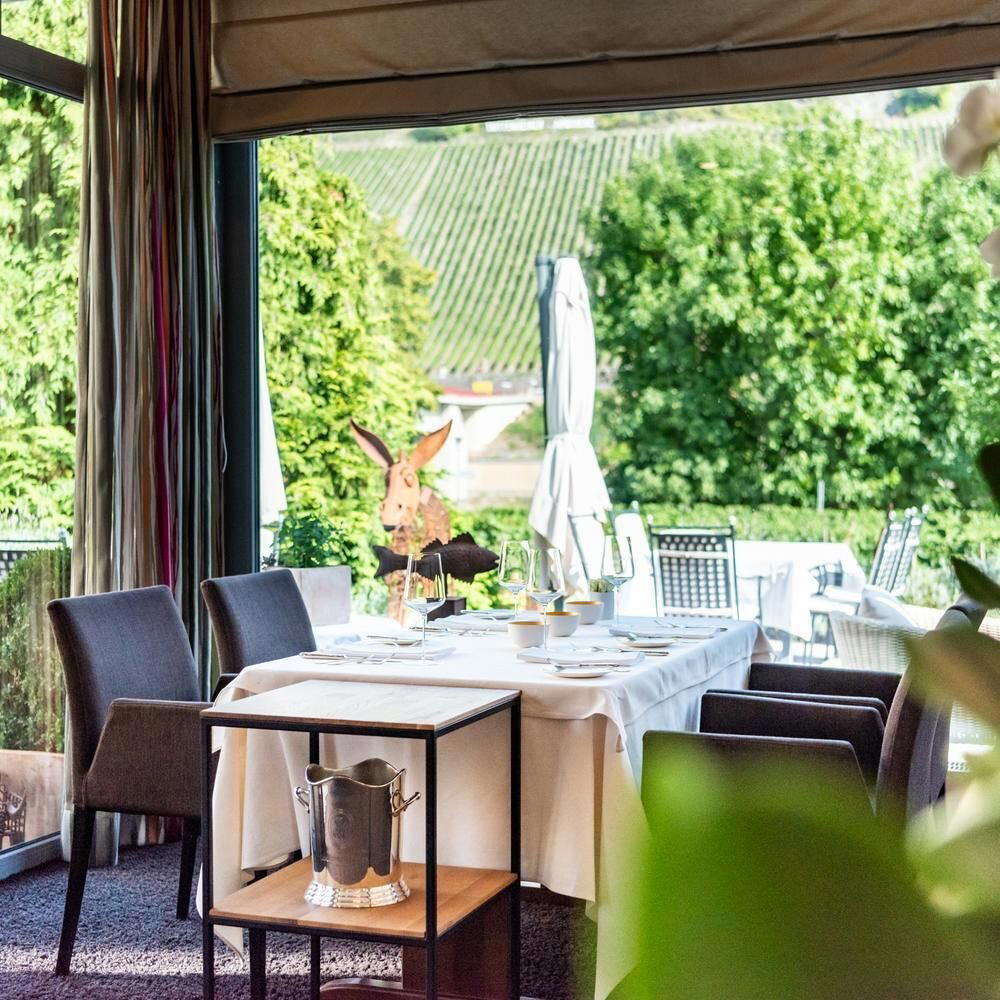
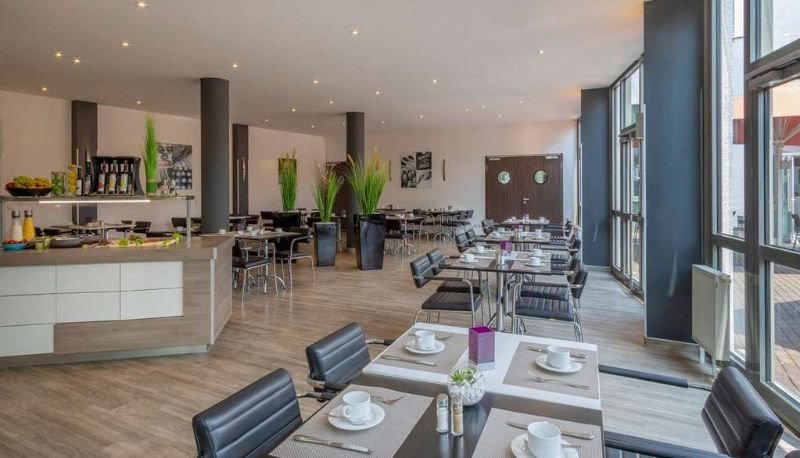
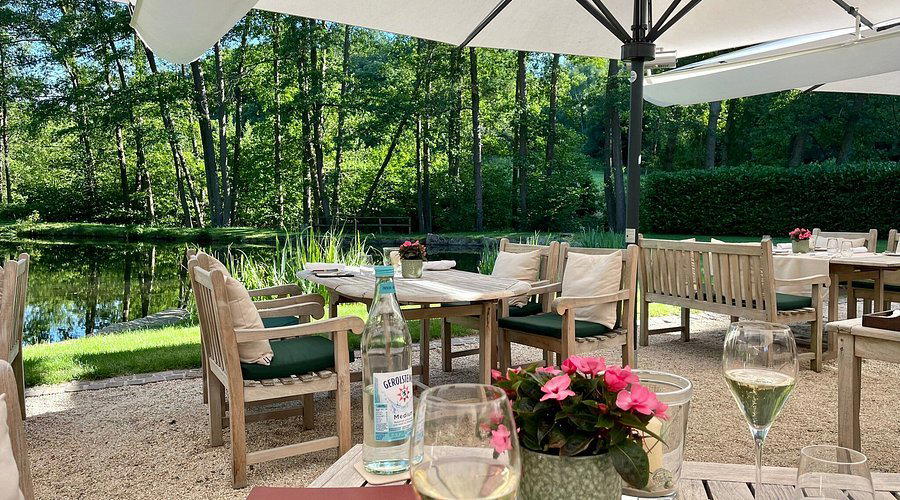
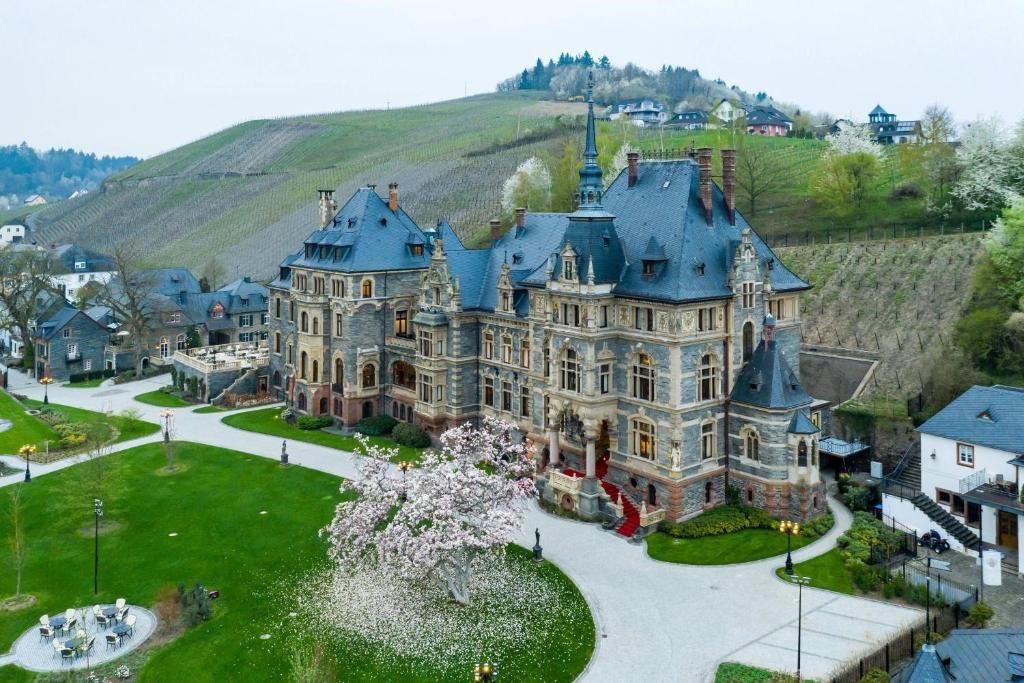
Elegant and hospitable with personalized tastings in a modern tasting area amid the scenic Mosel valley.