Château Le Tertre Roteboeuf

Falstaff Winery - 4 Stars
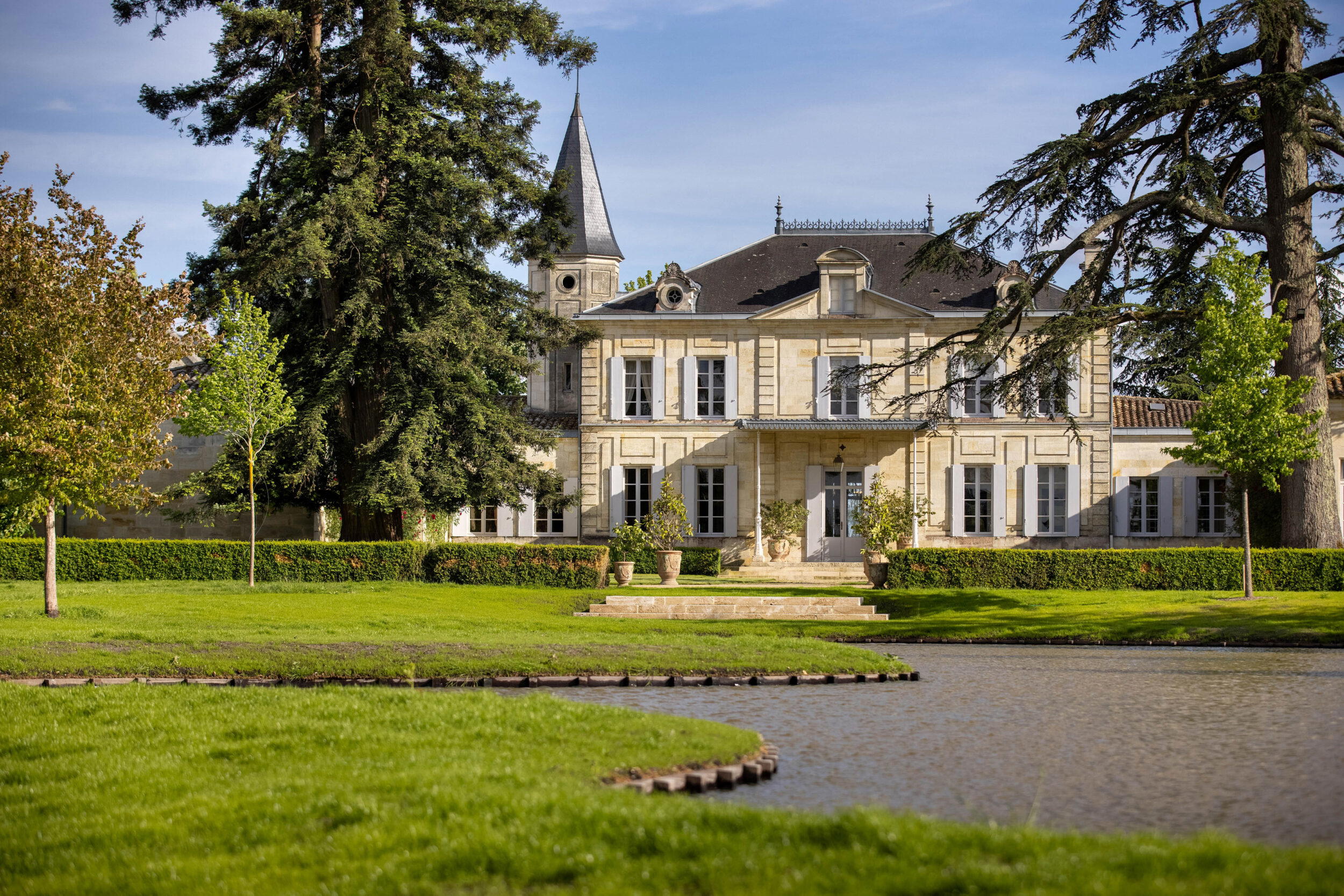
Château Le Tertre Roteboeuf occupies a quiet plateau east of Saint-Émilion's medieval core, where winemaker François Mitjavile has spent decades producing some of the appellation's most discussed right-bank Merlot. Visiting requires planning: allocation access is limited and demand consistently outpaces supply.

Pearl is the En Primeur Club membership app — saves, bookings, and concierge access live there. Same editors, same standards.
- Address
- 1 lieu-dit Tertre, 33330 Saint-Laurent-des-Combes
- Website
- tertre-roteboeuf.com
- Directions
- Get directions
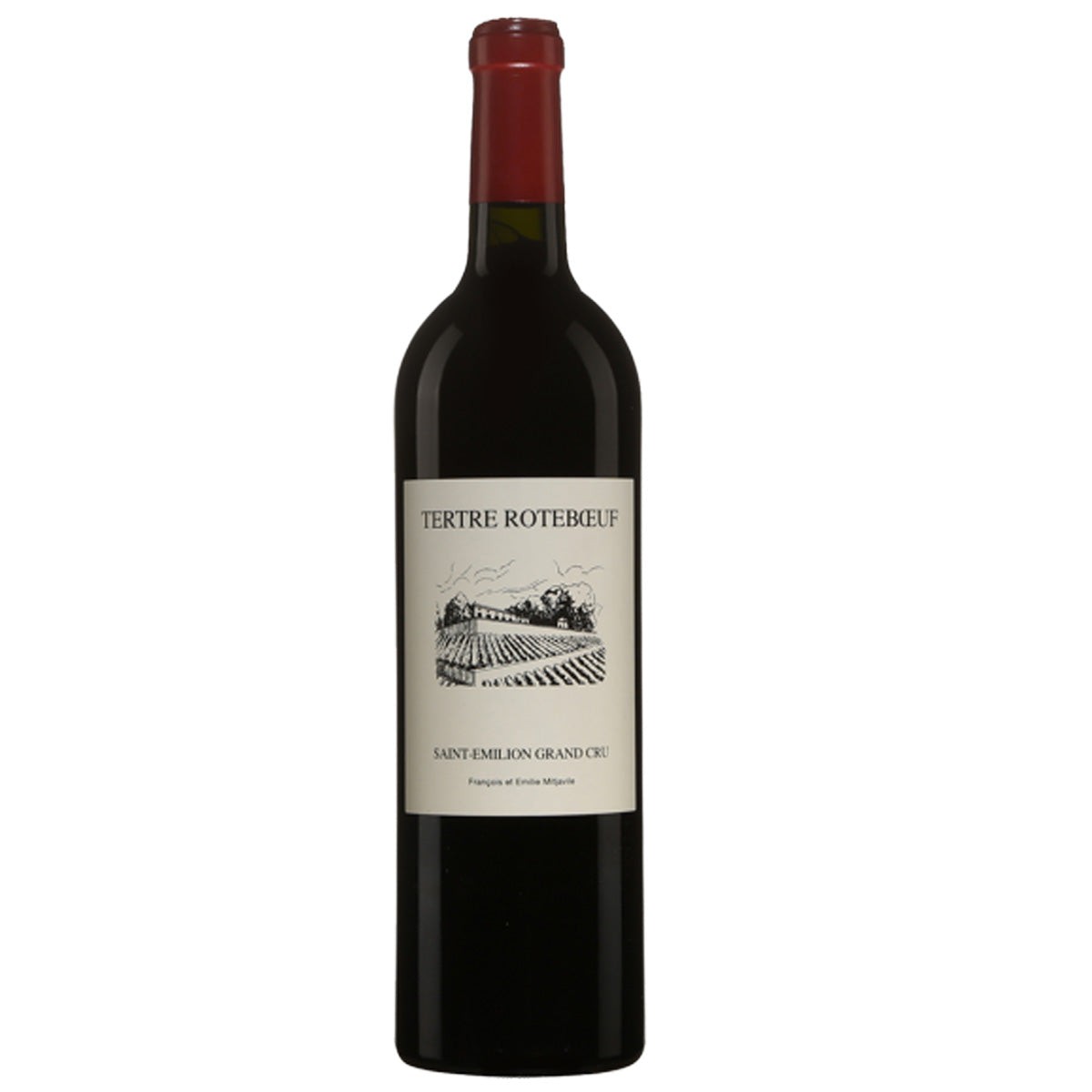
A Plateau Apart: The Setting and Its Significance
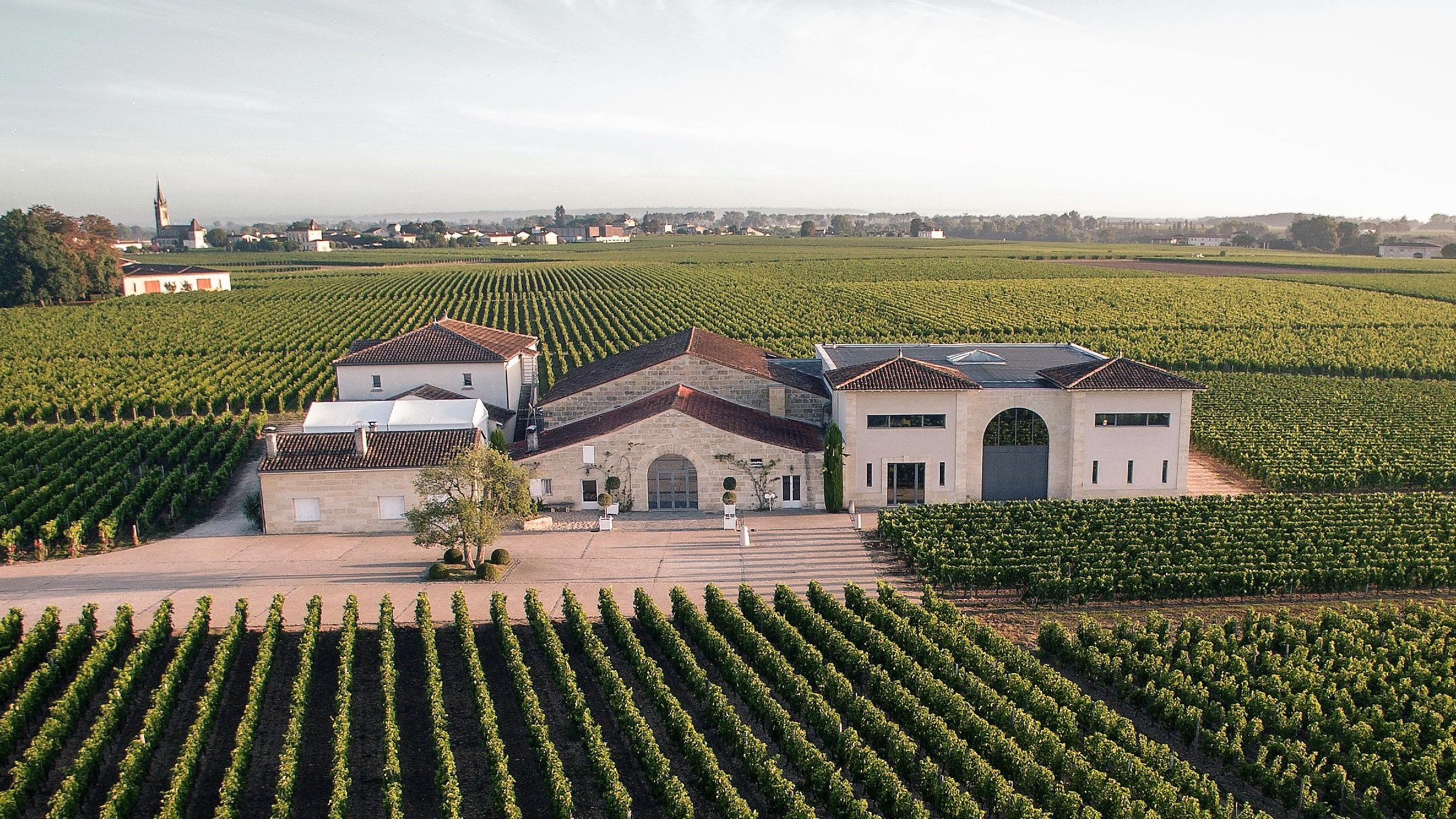
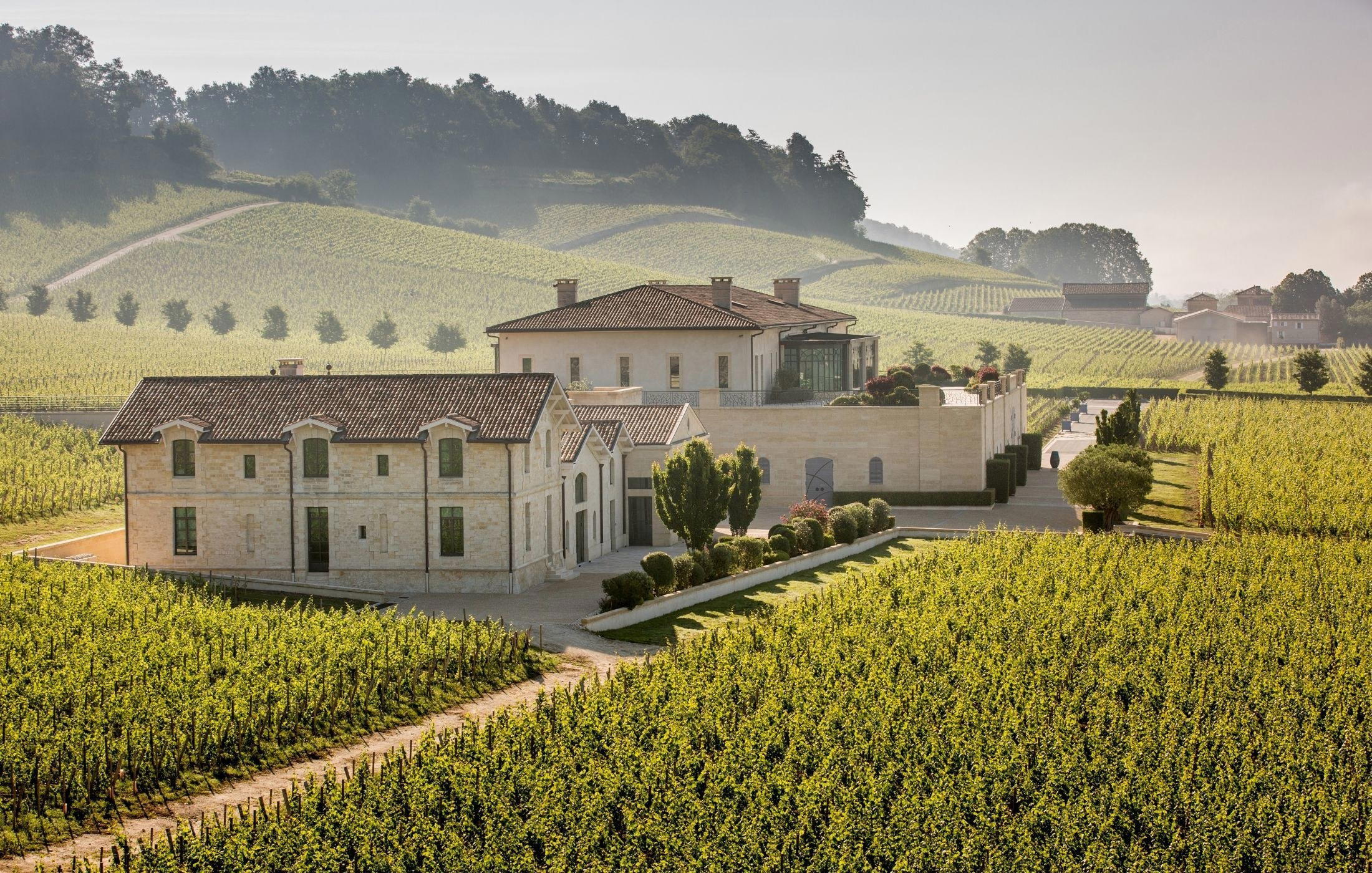
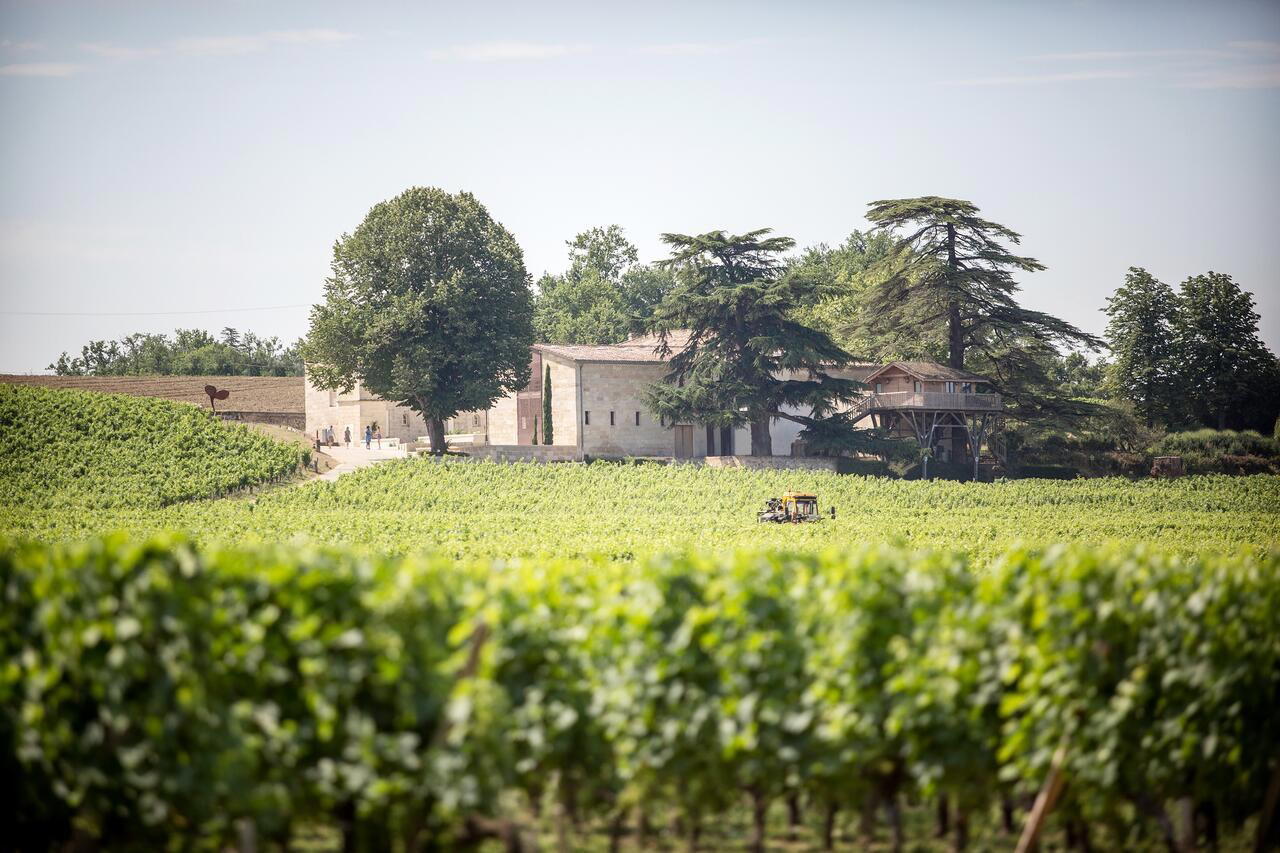
The eastern edge of the Saint-Émilion appellation is quieter than the tourist-worn limestone streets of the town itself. The plateau at Saint-Laurent-des-Combes sits on clay-limestone soils that drain differently from the sandy gravels closer to the Dordogne, and this geological distinction is not incidental to what Château Le Tertre Roteboeuf produces. Approaching the estate along the narrow agricultural lanes that characterise this part of the right bank, the absence of signage or spectacle is deliberate. The property does not announce itself. The wines do that elsewhere, in auction rooms and collectors' cellars across three continents.
That restraint in presentation is itself a statement about where this estate sits within the broader Saint-Émilion picture. The appellation has, since its 2012 and subsequent classification revisions, become a place of considerable institutional drama. Lawsuits, reclassifications, and lobbying have occupied many of its most prominent names. Tertre Roteboeuf has remained outside that system entirely, never seeking classified growth status, and that decision has done nothing to diminish its standing among serious buyers.
The Sensory Grammar of a Right-Bank Estate
What distinguishes a visit to a property like this from a tasting-room experience at a larger operation is the compression of scale. The smell of a working Bordeaux cellar during the early months after harvest — new oak, fermenting lees, the faint mineral edge of cold stone floors — is particular to this part of France in a way that no amount of descriptive prose fully captures. At Tertre Roteboeuf, where production volumes are low and the winemaking approach is hands-on under François Mitjavile, that atmosphere is more present than at estates where the cellar has been rationalised into something closer to a production facility.
The vineyard itself is worth examining for what it tells you about the style of wine that results. The southeast-facing slope on the côtes provides extended afternoon sun exposure, and the clay-limestone subsoil retains moisture without waterlogging. These are not neutral conditions. They produce grapes that ripen fully, which partly explains the density of colour and concentration that has characterised the wine across the decades Mitjavile has been working here. This is not the cool-fruit, high-acid profile associated with Burgundy-trained producers or the more restrained strand of Bordeaux winemaking. It is opulent in the structural sense: generous, warm, built to age but immediately communicative even young.
The right bank's most closely watched estates outside the classification include a handful of properties that have built their reputations on consistent critical scores and limited production rather than appellation hierarchy. Château La Mondotte and Château Canon-la-Gaffelière operate in adjacent territory, with the Von Neipperg family's investment in both properties giving them a different kind of institutional anchor. Château Bélair-Monange and Château Clos Fourtet occupy the Premier Grand Cru Classé tier and carry the weight of classification expectations alongside their winemaking ambitions.
For context on how this compares to producers operating in quite different French wine traditions, consider the contrast with Albert Boxler in Niedermorschwihr, where Alsatian Grand Cru classification does provide the formal architecture for quality signalling. In Bordeaux, the classification has become a contested rather than stable currency. Château Coutet in Sauternes demonstrates the other end of that spectrum: a classified estate where the Premier Cru designation carries genuine market weight. Tertre Roteboeuf has found a third way, operating as what the market has effectively come to treat as an honorary classified growth without the formal credential.
Beyond France, the dynamic of small-production estates commanding prices that outstrip their official tier is familiar. Accendo Cellars in St. Helena occupies a comparable position in Napa Valley, where critical scores and allocation scarcity substitute for any formal hierarchy. The collector logic is similar in both cases: limited volume, documented quality over time, and a winemaker whose tenure is long enough to constitute a track record.
Allocation, Access, and the Practical Reality
Purchasing Tertre Roteboeuf through normal retail channels is not direct. The estate's production is small, and allocation tends to flow through a small number of négociants and specialist importers who have maintained relationships over many vintages. En primeur access, where available, typically requires an existing relationship with a Bordeaux merchant. For collectors approaching the wine through the secondary market, auction houses in London, Hong Kong, and New York regularly offer back vintages, though prices have tracked upward with the estate's growing international profile.
Visiting the property in person requires prior arrangement. This is not a château with a public tasting room or walk-in appointment schedule. Contact through the formal address at 1 lieu-dit Tertre, 33330 Saint-Laurent-des-Combes is the appropriate starting point, though given null contact details in public listings, the practical route for most visitors is through a négociant or wine merchant with an existing estate relationship. The broader Saint-Émilion area is accessible from Bordeaux by car in under an hour, and the town itself has sufficient accommodation and dining to anchor a multi-day visit, our full Saint-Émilion guide covers the surrounding context in detail.
Vintages worth tracking in the current market include the years that produced the richest fruit concentration from the southeast-facing slope, typically the warmer Bordeaux growing seasons that have become more frequent since 2000.
The Wider Bordeaux Frame
Tertre Roteboeuf exists in a Bordeaux that has become more internationally diverse in its reference points. Collectors who also follow Château Batailley in Pauillac, Château Branaire-Ducru in Saint-Julien, or Château Boyd-Cantenac in Cantenac are engaging with the left bank's classified system on its own terms. The right bank offers a different set of reference points, and Tertre Roteboeuf is among the clearest examples of how a small, unclassified estate can operate at the top of the market on the strength of production quality and winemaker continuity alone. For collectors building a Bordeaux position that goes beyond the obvious classified names, it represents a serious study in what the appellation can produce when the formal hierarchy is treated as optional rather than definitive.
Other French producers in quite different categories, from Chartreuse in Voiron to Château Bastor-Lamontagne in Preignac and Château Cantemerle in Haut-Médoc, illustrate how the French wine landscape accommodates both classification-anchored producers and those who have built their standing through other means. Tertre Roteboeuf belongs firmly in the latter group, and its 2025 recognition confirms that the critical market has not lost track of it.
Booking and Cost Snapshot
Comparable venues nearby, for context on price, style, and recognition.
| Venue | Cuisine | Price | Awards |
|---|---|---|---|
| Château Le Tertre RoteboeufThis venue — the venue you are viewing | Saint-Emilion, Merlot, Cabernet Franc | Not listed | Falstaff Winery - 4 Stars |
| Château Pavie | Saint-Emilion, Merlot, Cabernet Franc | Not listed | Falstaff Winery - 4 Stars |
| Château TrotteVieille | Saint-Emilion, Merlot, Cabernet Franc | Not listed | Falstaff Winery - Listed |
| Château Beau-Séjour (héritiers Duffau-Lagarrosse) | Saint-Emilion, Merlot, Cabernet Franc | Not listed | Michelin 1 Grape · Falstaff Winery - 4 Stars |
| Château Cheval Blanc | Saint-Emilion, Cabernet Franc, Merlot | Not listed | Michelin 3 Grapes · Falstaff Winery - 5 Stars |
| Le Dome | Saint-Emilion, Cabernet Franc, Merlot | $50–100 | Falstaff Winery - Listed |
Recognition history
Dated appearances from independent guides and award organizations, with the underlying list record or original source where available.
Falstaff Winery - 4 Stars
Falstaff
Continue exploring
More in Saint-Émilion
Wineries in Saint-Émilion
Browse all →
Bars in Saint-Émilion
Browse all →

Restaurants in Saint-Émilion
Browse all →
Details
- Elegant
- Sophisticated
- Rustic
- Intimate
- Wine Education
- Special Occasion
- Vineyard Tour
- Barrel Room
- Sustainable
- Vineyard
- Merlot
- Cabernet Franc
- Still Red
- Private Tasting
- English
- French
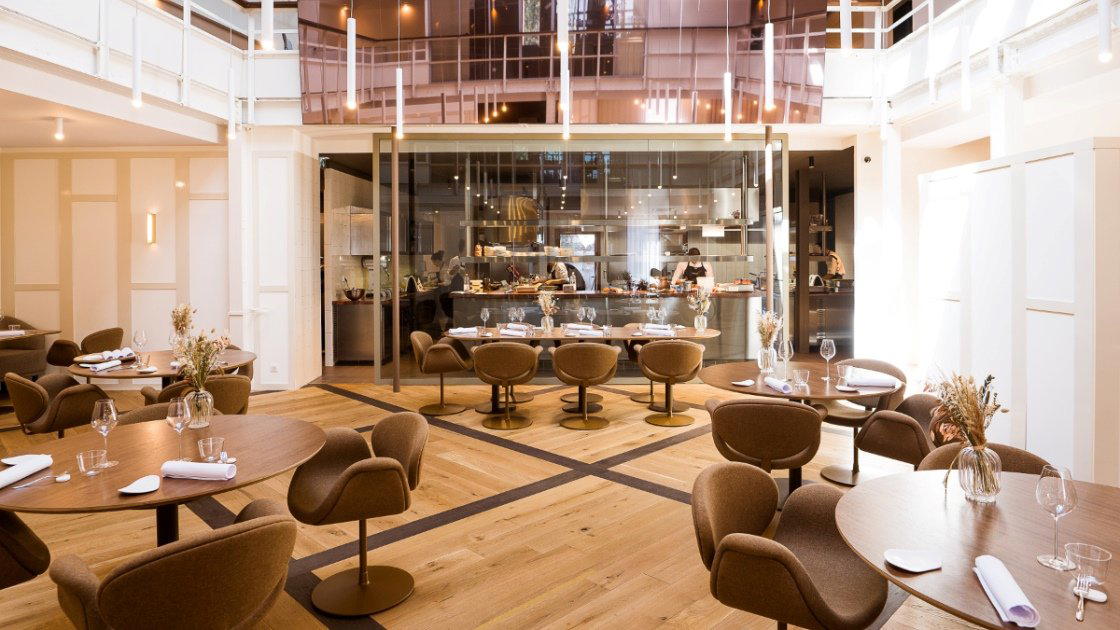
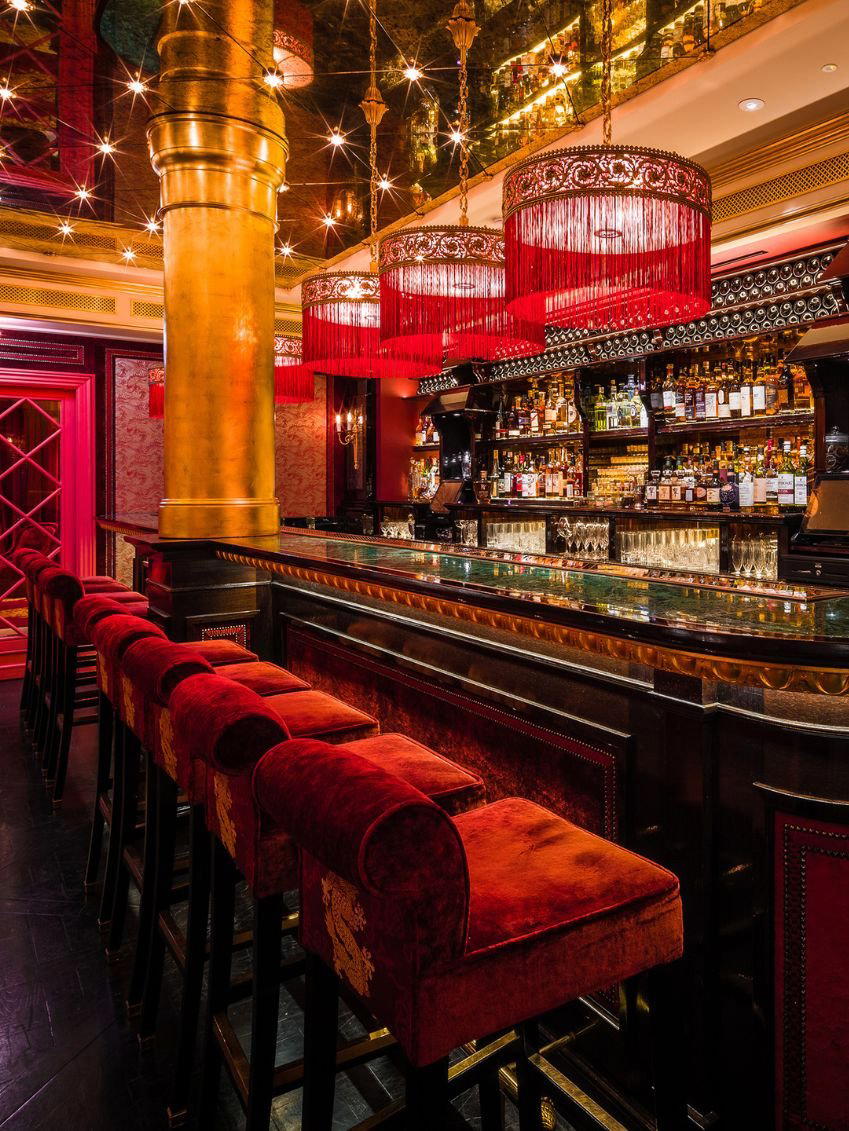
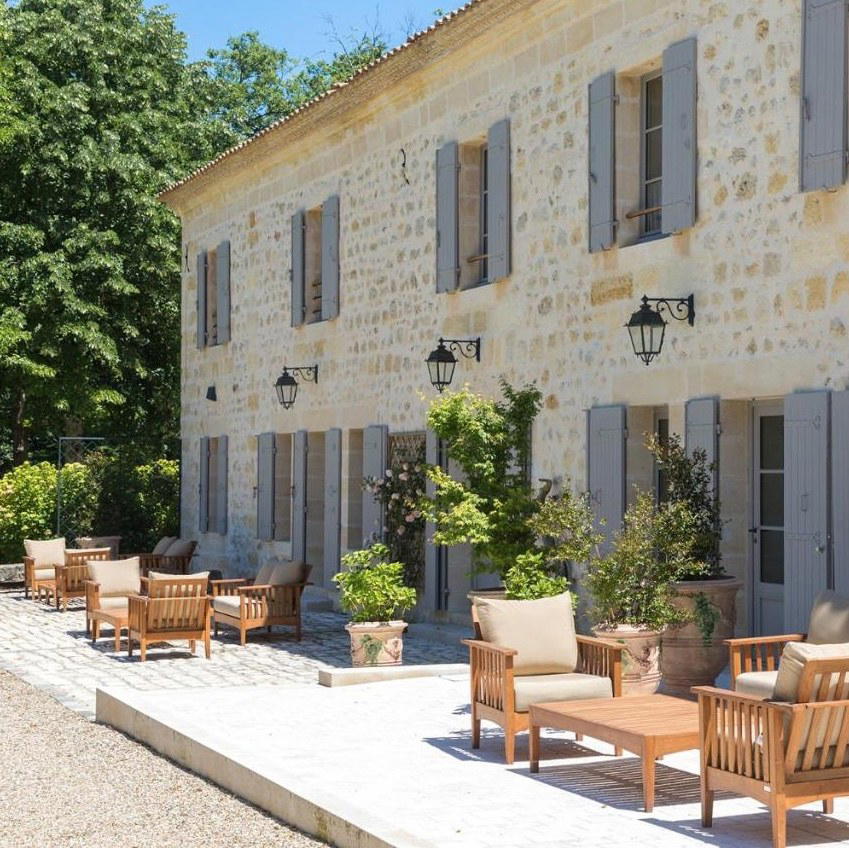
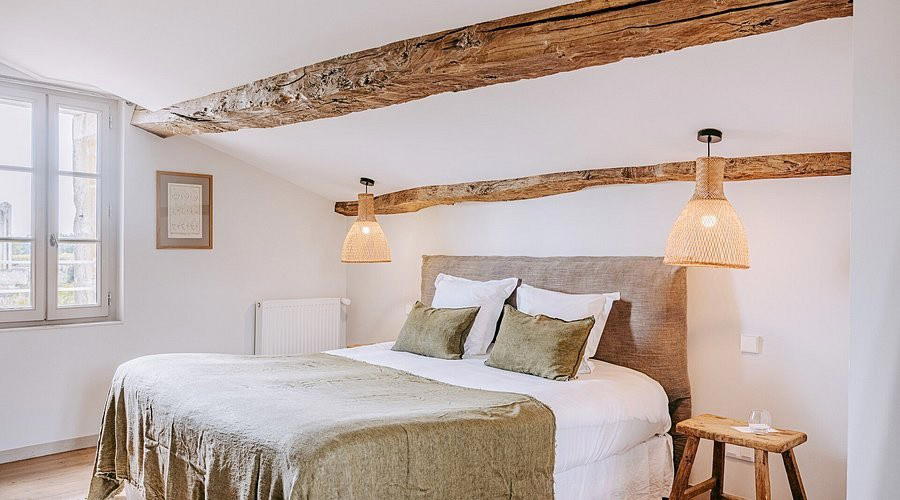
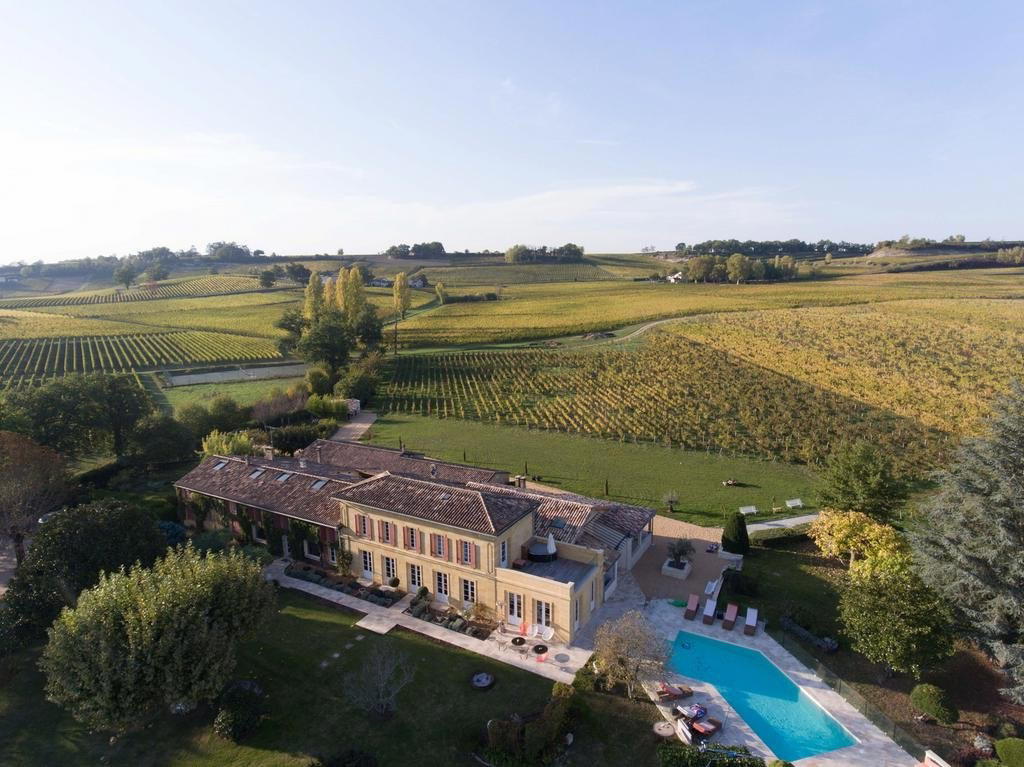
Ornate and intimate with a classic rustic farmhouse atmosphere, featuring a sophisticated, hedonistic wine experience.