Quinta Nova de Nossa Senhora do Carmo


World's 50 Best #74 · Falstaff Winery - Listed
The Douro Valley's approach to terroir-driven winemaking reaches one of its most systematic expressions at Quinta Nova de Nossa Senhora do Carmo in Covas do Douro.

Pearl is the En Primeur Club membership app — saves, bookings, and concierge access live there. Same editors, same standards.
- Address
- Quinta Nova, 5085-222 Covas do Douro
- Phone
- +351 254 730 430
- Website
- quintanova.com
- Directions
- Get directions
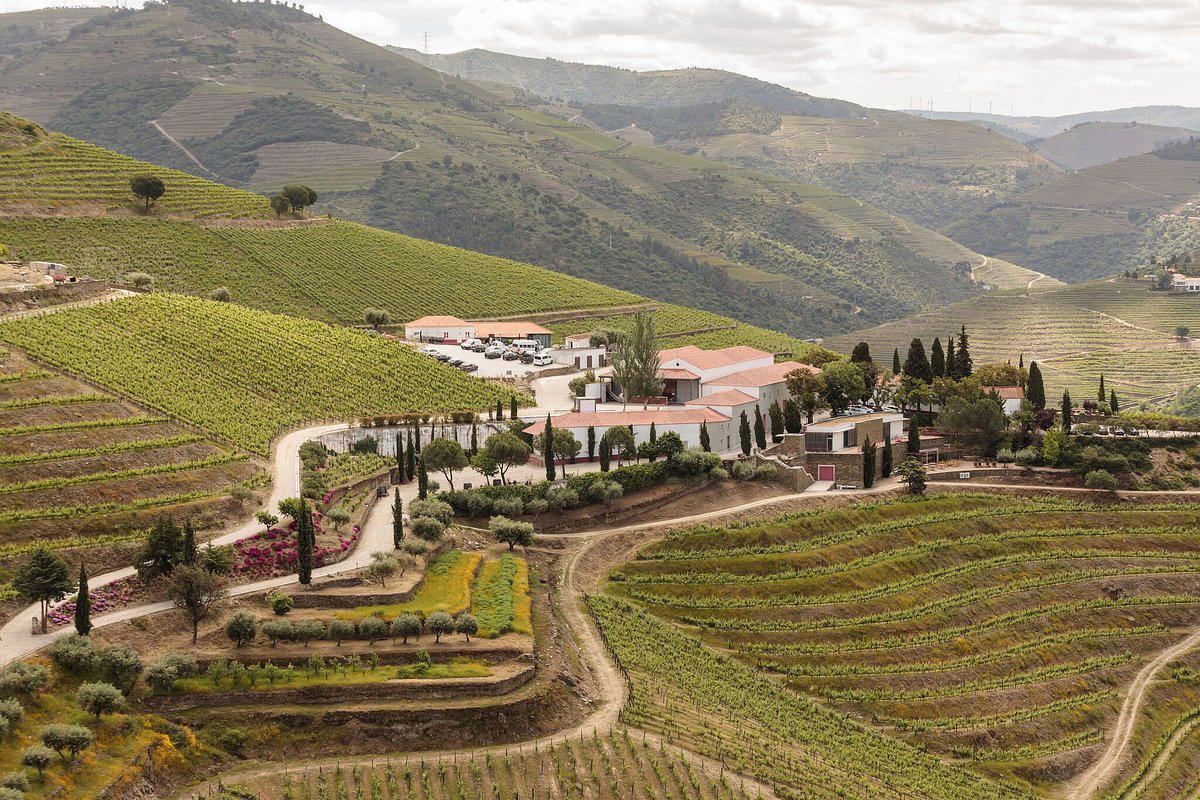
Where the Douro Reads Itself Aloud
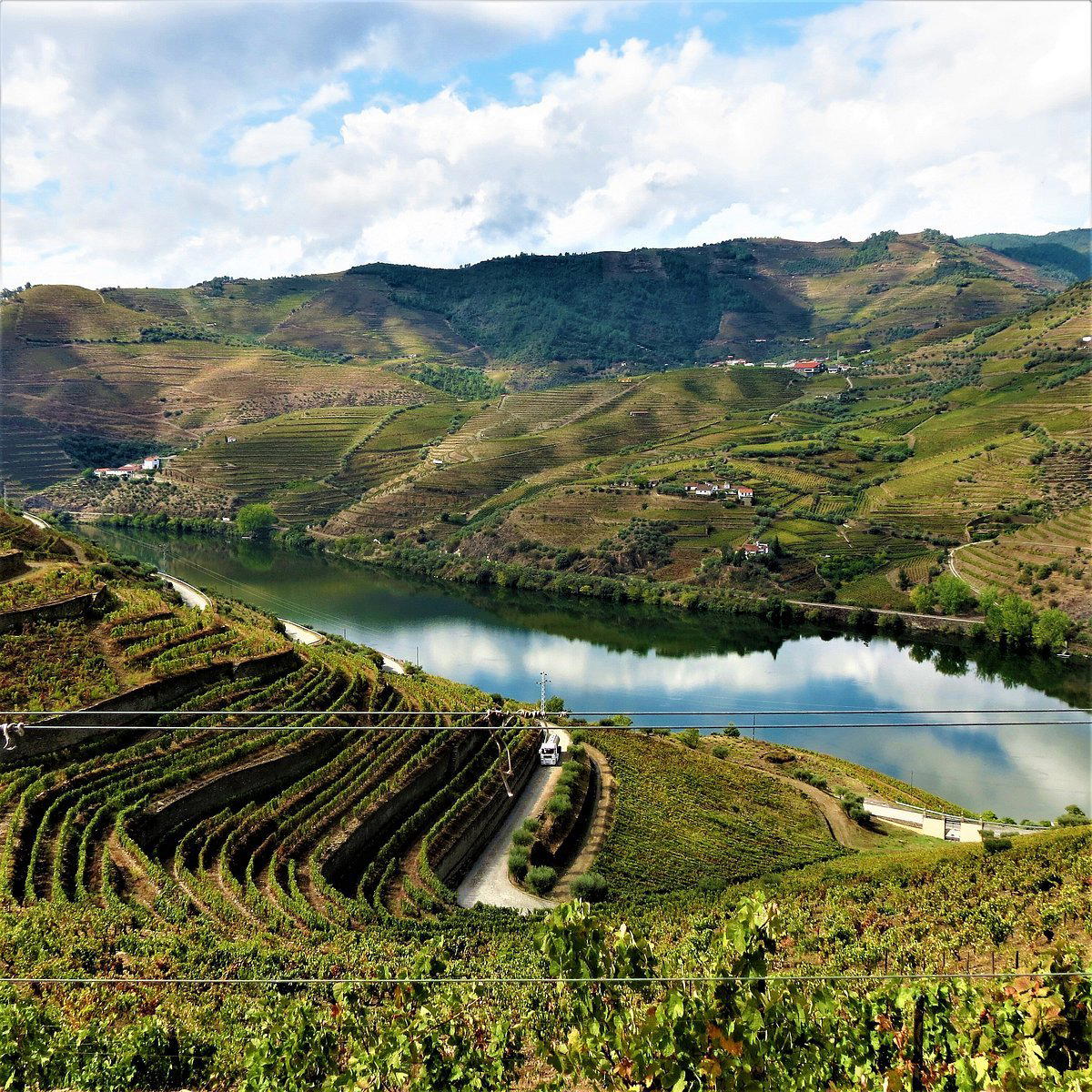
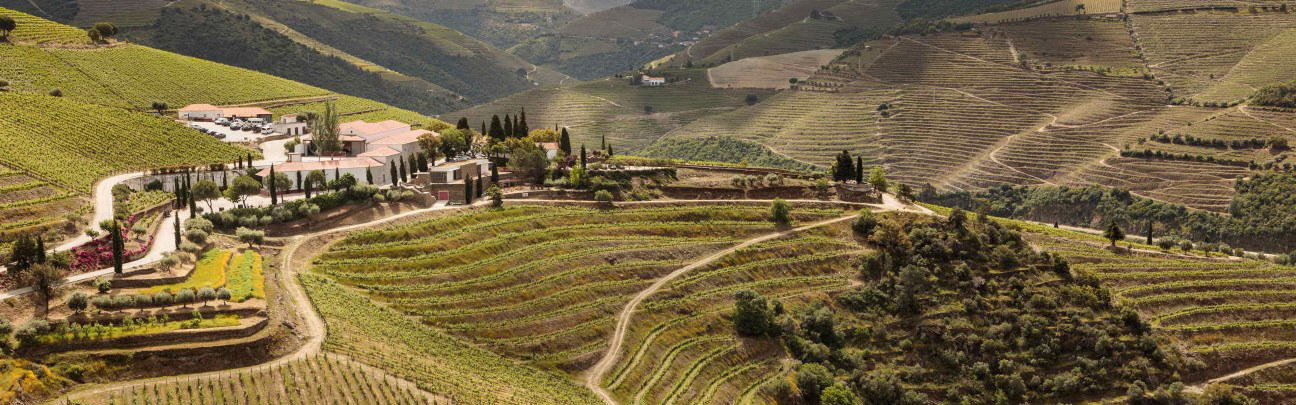
The upper Douro, above Pinhão, is less trafficked than the river bends that draw most visitors to the valley. Covas do Douro sits in this quieter corridor, where the schist terracing runs steeper and the amphitheatres of vines catch light at angles that shift the ripening calculus noticeably from estates further downstream. It is the kind of geography that either frustrates a winemaker or compels one toward obsessive site mapping — and Quinta Nova de Nossa Senhora do Carmo chose the latter path, beginning that process in 1979.
That date matters. When most of Portugal's wine establishment was focused on blending tradition and yield management, Quinta Nova was already separating its land into 41 individually identified microterroirs and planting monovarietals against each one. No other Douro winery had attempted this at scale at the time, which makes the estate less a product of current natural-wine or precision-viticulture fashion and more a precursor to both.
The Microterroir Argument in Practice
The Douro's complexity as a wine region rests partly on its unusual grape diversity — over 80 authorised varieties, many still undercharacterised, and partly on the way its slopes, exposures, and soil compositions shift across short distances. Schist dominates but varies in depth, fracture density, and mineral content from plot to plot. Altitude changes ripening windows by days or weeks. North-facing terraces hold moisture; south-facing ones push phenolic concentration. These are not abstractions: they produce measurable differences in acid retention, tannin structure, and aromatic profile in finished wines.
What the 41-microterroir programme at Quinta Nova established was a framework for reading those differences systematically rather than absorbing them into a house blend. Planting monovarietals against identified sites allows the estate to track how a single variety behaves across different schist configurations, exposures, and altitudinal bands over vintage cycles. That is a long-term data set now spanning more than four decades, and it is the kind of institutional knowledge that cannot be replicated quickly by estates starting the process now. For visitors with a serious interest in how Douro terroir expresses itself at the variety level, Quinta Nova offers a reference point that sits outside the standard tasting-room circuit. For broader context on how other serious Portuguese producers approach site and variety, the profiles of Herdade do Esporão in Reguengos de Monsaraz and Quinta do Vallado in Peso da Régua offer useful comparisons.
The Douro's Competitive Frame
Portugal's wine estates vary widely in how they position visitor experiences. At one end, co-operatives and large commercial producers offer volume tastings with broad accessibility. At the other, a smaller group of estate wineries, typically those with international critical recognition and allocation-based wines, operate at a premium tier where the visit is structured around wine education, site access, and a connection to the production philosophy.
Quinta Nova's location in Covas do Douro places it slightly off the primary tourist corridor, which tends to concentrate visitor numbers lower in the valley near Régua and Pinhão. That positioning means the experience here is generally less crowded than at estates closer to the river cruise itineraries, though it also requires more deliberate planning to reach.
For Portuguese wine producers operating outside the Douro, the comparison points shift: Bacalhôa Vinhos in Azeitão and Adega Cartuxa in Évora represent the kind of historically grounded, critically recognised estates that operate in different appellations but share a commitment to site-specific production. Casa de Santar in Nelas and Aliança Vinhos in Sangalhos extend the map further into the Dão and Bairrada, while Adega Regional de Colares and Adega Cooperativa de Borba illustrate the co-operative model at contrasting ends of the prestige spectrum.
Planning a Visit
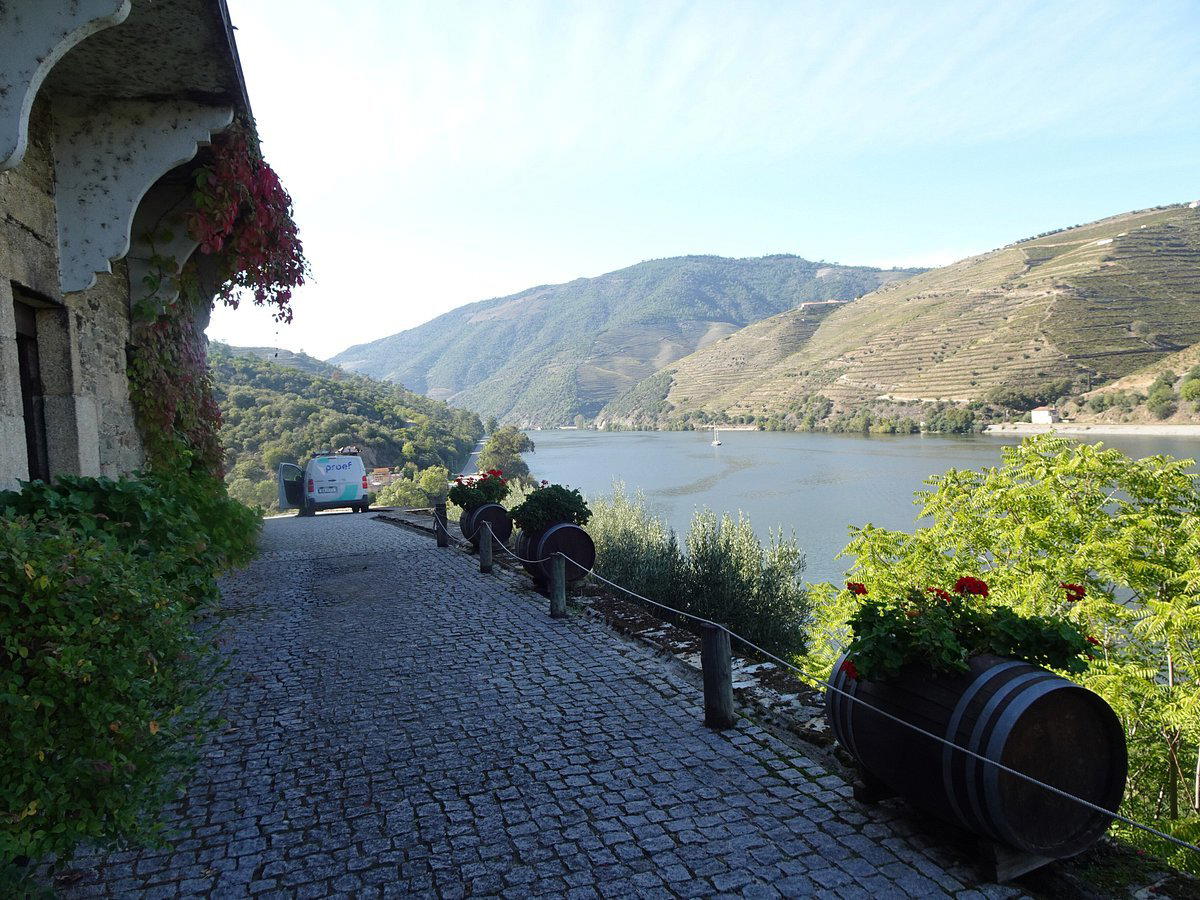
Covas do Douro is accessible by road from Pinhão, roughly following the river and then climbing into the upper valley. The drive through terraced schist slopes gives a direct visual education in why microterroir mapping is relevant here: the vineyard texture shifts visibly every few kilometres, and the altitude gain is noticeable before you arrive. Most serious visitors combine Quinta Nova with a broader upper Douro itinerary rather than treating it as a standalone day trip from Porto, which sits around two hours away by car.
Advance planning is recommended; contact via the estate directly to confirm visit formats, availability, and any accommodation options the property may offer. The Douro's harvest season, running roughly from late August through October depending on vintage conditions, is both the most atmospheric time to visit and the most constrained in terms of winery access, as production activity takes priority. Spring and early summer offer better availability for in-depth site visits, while autumn visits that can be arranged in advance tend to provide the most vivid context for understanding the harvest-driven rhythm of the estate. For a broader orientation to the area, our full Covas do Douro guide covers the region in more depth.
For context on how the fortified wine tradition fits into the broader Portuguese wine picture, the profiles of Churchill's in Vila Nova de Gaia and Blandy's Wine Lodge in Funchal offer useful parallels from the Port and Madeira categories respectively.
Side-by-Side Snapshot
Comparable venues nearby, for context on price, style, and recognition.
| Venue | Cuisine | Price | Awards | Notes |
|---|---|---|---|---|
| Quinta Nova de Nossa Senhora do CarmoThis venue — the venue you are viewing | Touriga Nacional, Touriga Franca | $50–100 | World's 50 Best #74 · Falstaff Winery - Listed | Not listed |
| Quinta do Seixo (Sandeman), Douro Valley | Touriga Nacional, Tinta Roriz | $30–50 | World's 50 Best #62 | Cima Corgo |
| Quinta da Pacheca | Touriga Nacional, Touriga Franca | $50–100 | World's 50 Best #31 | Cambres |
| Quinta do Vallado | Touriga Nacional, Touriga Franca | Not listed | World's 50 Best #84 · Falstaff Winery - Listed | Peso da Régua |
| Quinta do Noval | Touriga Nacional, Touriga Franca | $50–100 | World's 50 Best #73 · Falstaff Winery - Listed | Pinhão |
| Graham's Port | Touriga Nacional, Touriga Franca | $30–50 | World's 50 Best #40 · Falstaff Winery - Listed | Vila Nova de Gaia |
Recognition history
Dated appearances from independent guides and award organizations, with the underlying list record or original source where available.
World's 50 Best Vineyards #74
World's 50 Best
Falstaff Winery - Listed
Falstaff
Full recognition history (3 entries)
World's 50 Best Vineyards #42
World's 50 Best
Continue exploring
More in Covas do Douro
Wineries in Covas do Douro
Browse all →
Bars in Covas do Douro
Browse all →
Restaurants in Covas do Douro
Browse all →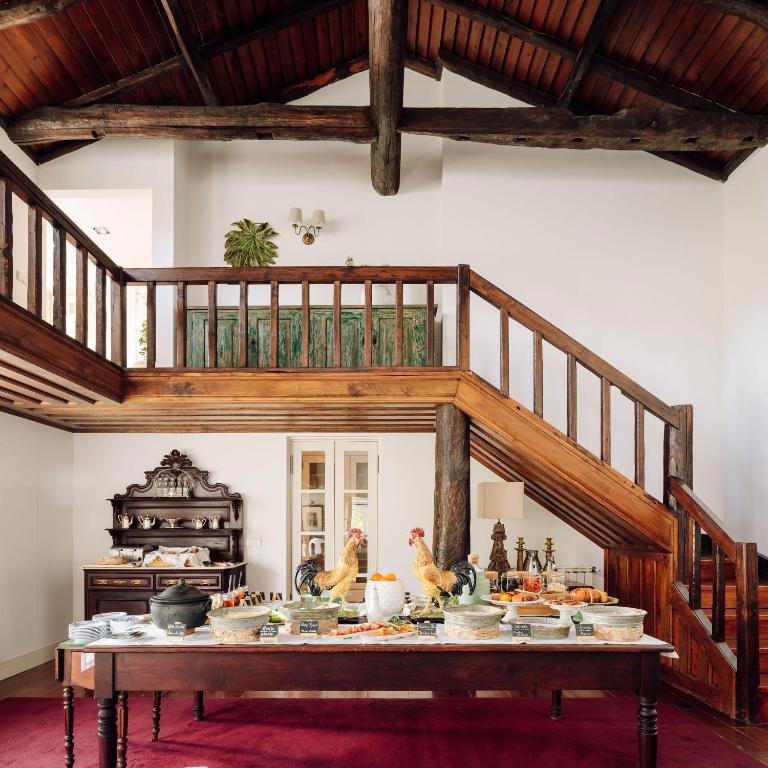
Details
- Romantic
- Scenic
- Elegant
- Classic
- Sophisticated
- Romantic Getaway
- Wine Education
- Special Occasion
- Celebration
- Vineyard Tour
- Estate Grounds
- Panoramic View
- Historic Building
- Private Tasting
- Terrace
- Barrel Room
- Sustainable
- Vineyard
- Waterfront
- Touriga Nacional
- Touriga Franca
- Tinta Roriz
- Tinto Cão
- Tinta Barroca
- Tinta Amarela
- Still Red
- Still White
- Fortified
- Private Tasting
- Wine Education
- Vineyard Tour
- Winery Lounge Experience
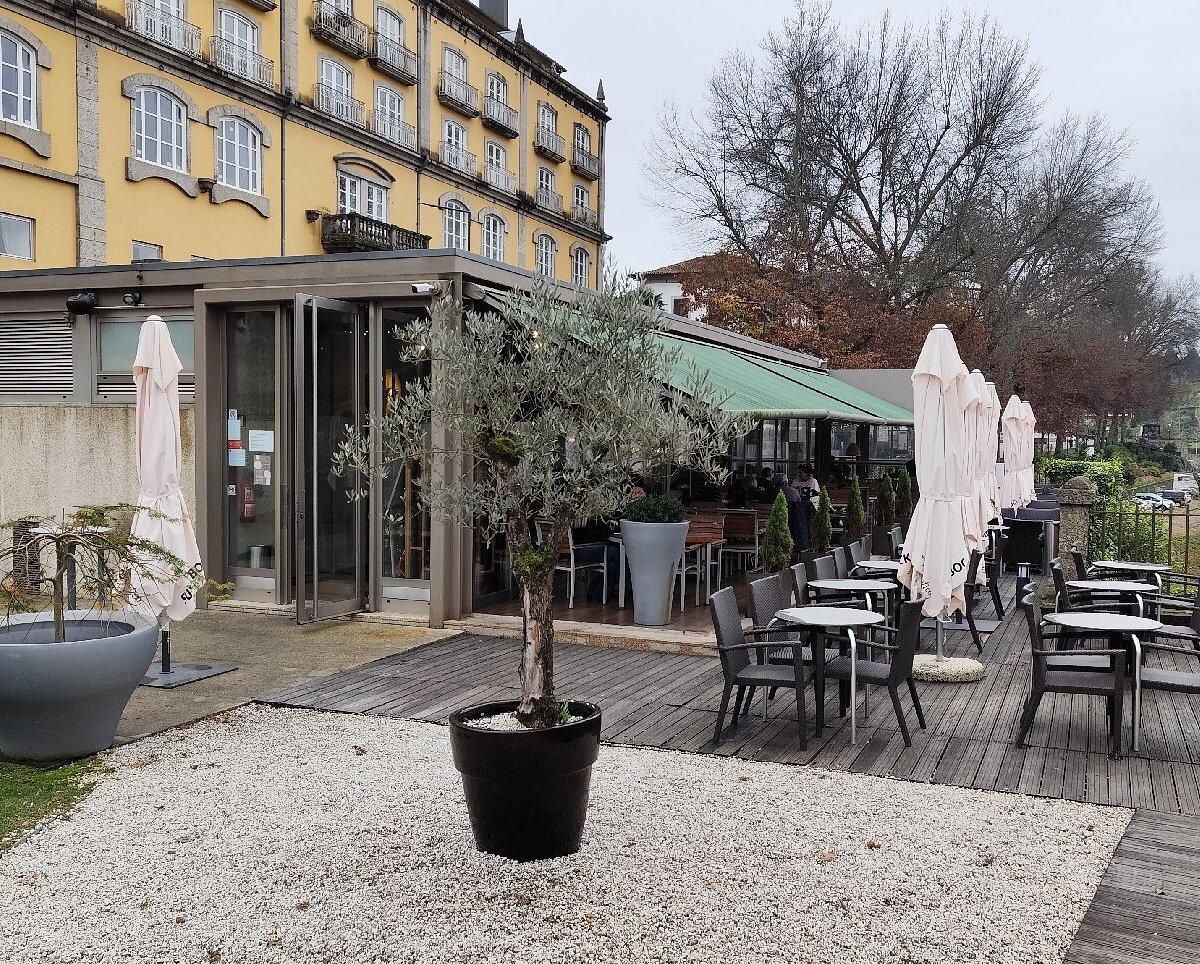
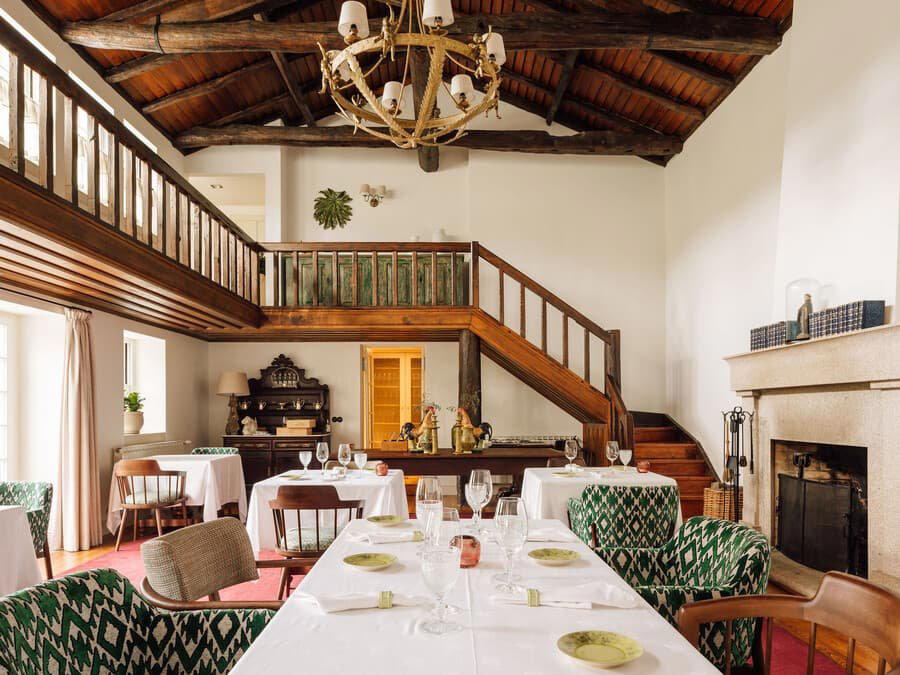
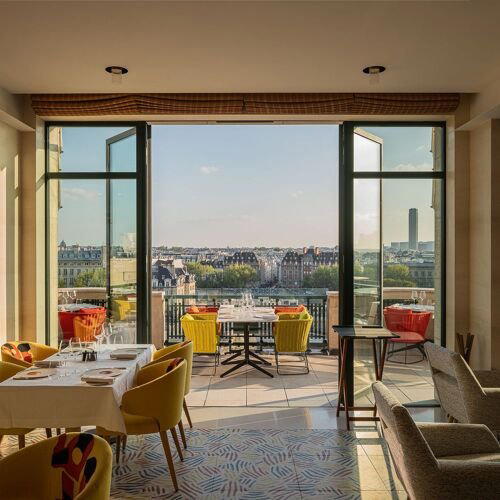
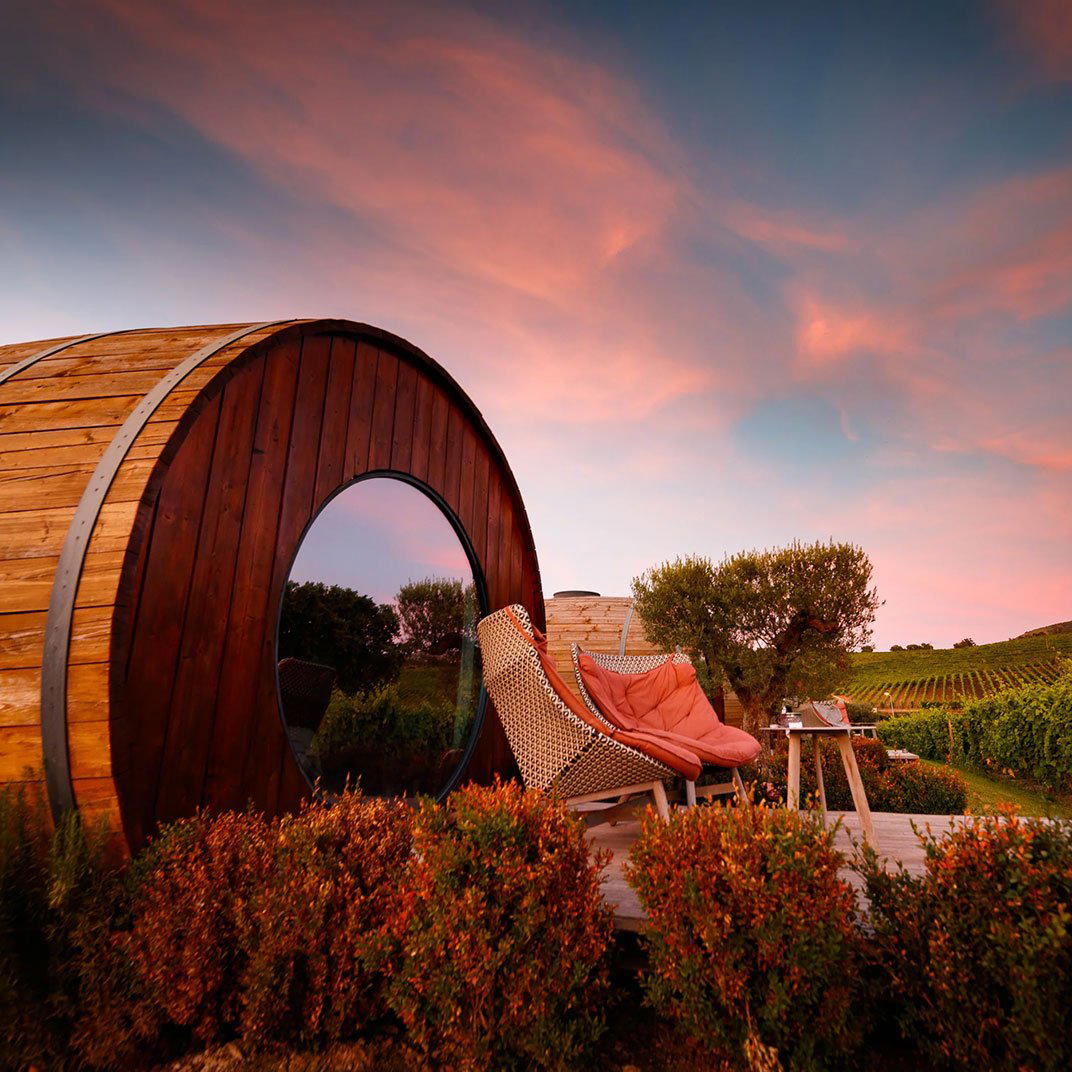
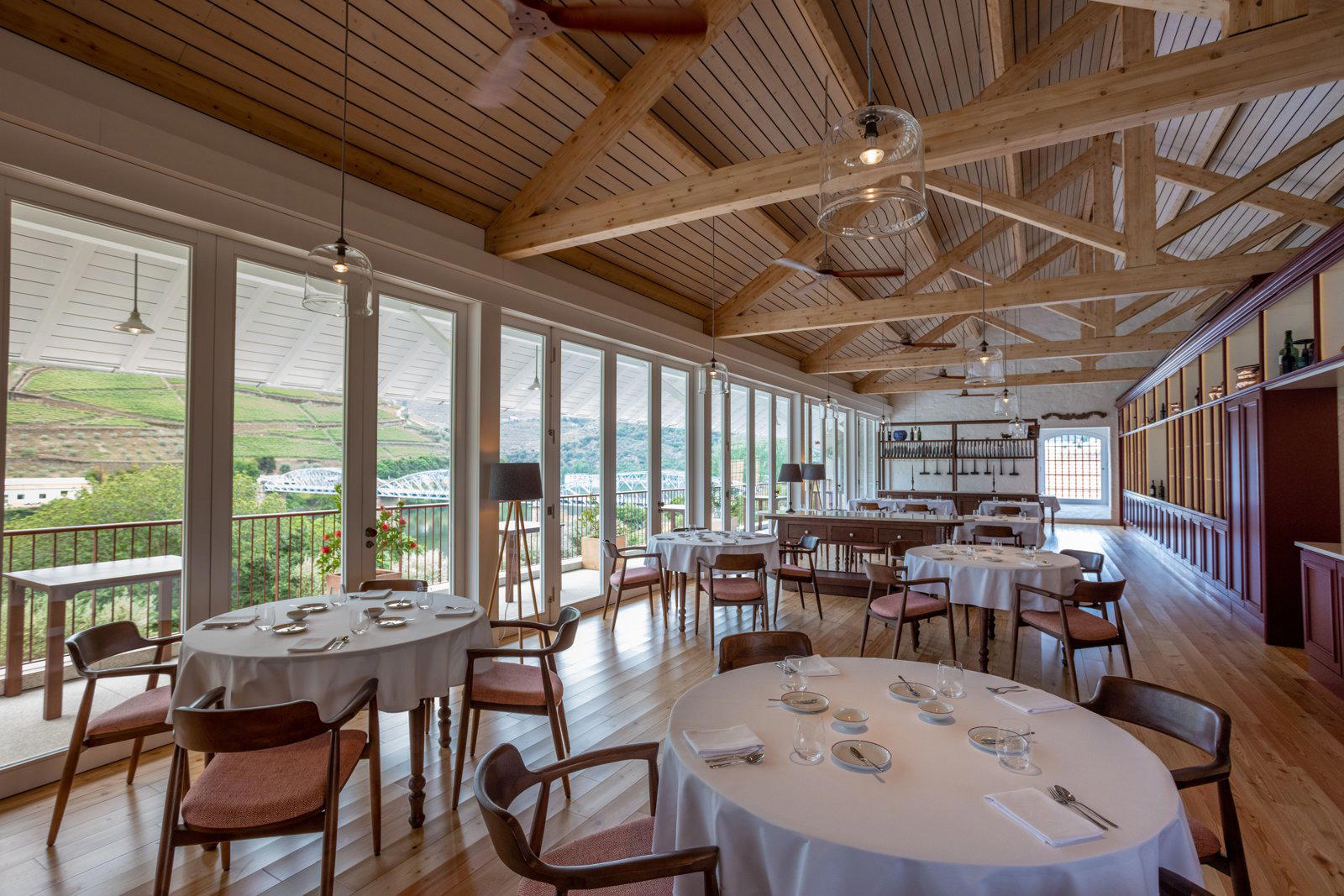
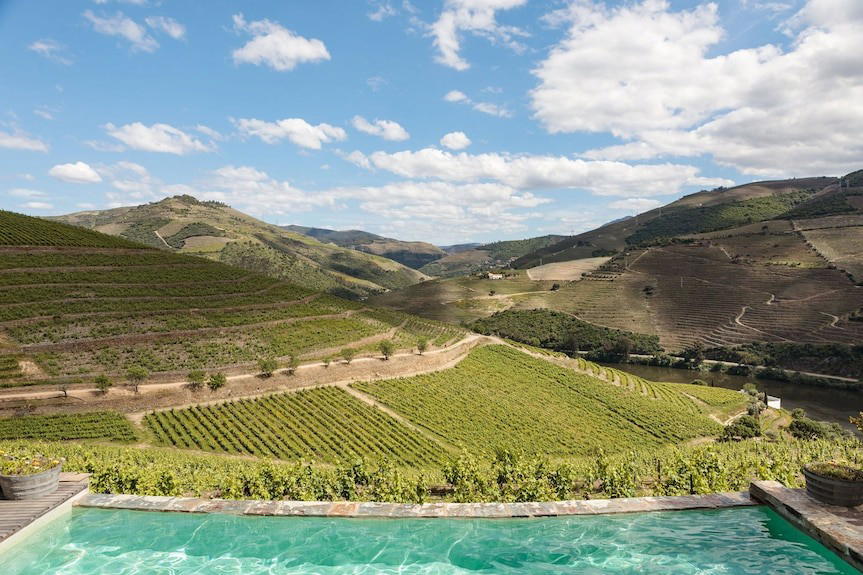
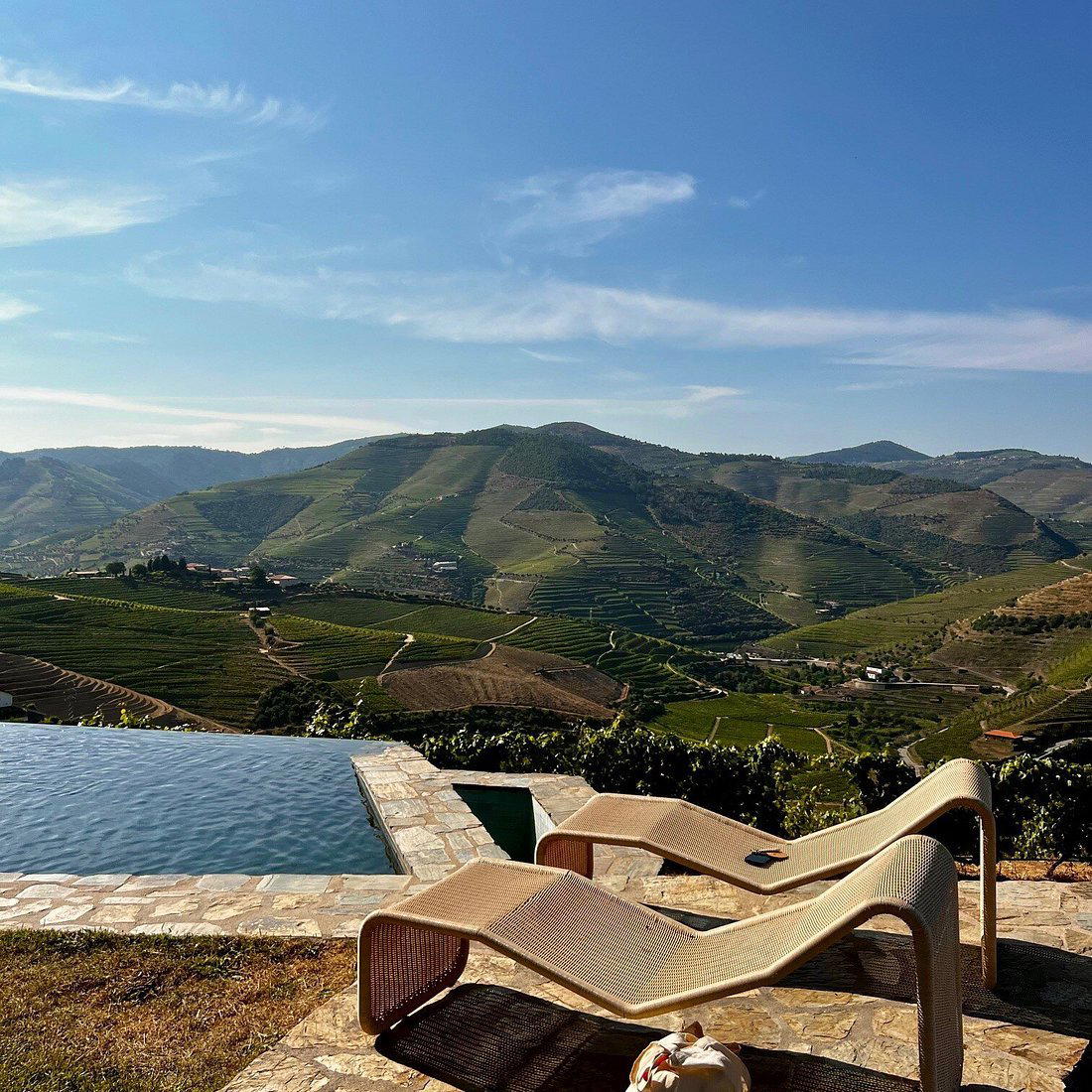
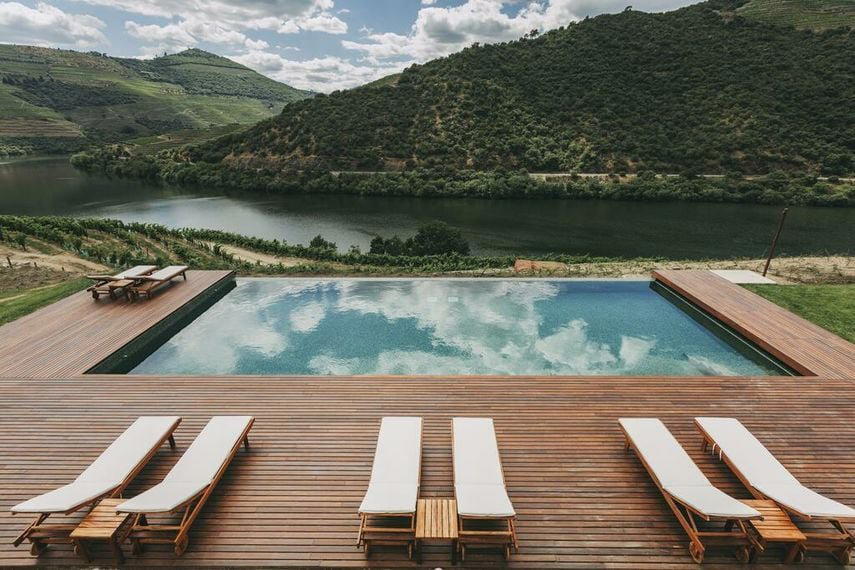
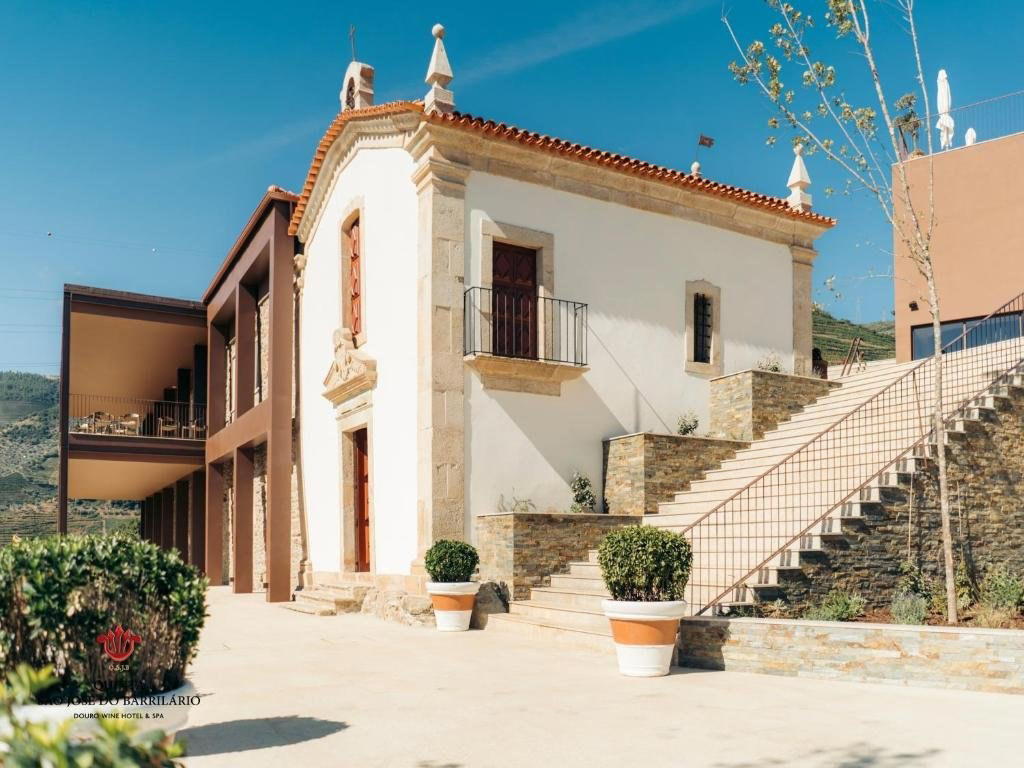
Historic elegance with natural light from airy tasting spaces opening onto terraced vineyards and river views; serene and contemplative atmosphere reflecting centuries-old traditions.