

World's 50 Best #43 · Falstaff Winery - Listed
Szepsy in Mád carries one of Tokaj's longest continuous winemaking histories, with family records stretching back to the sixteenth century. For anyone tracing the deep lineage of Tokaji sweet wines, this address on Batthyány utca is the natural starting point.

Pearl is the En Primeur Club membership app — saves, bookings, and concierge access live there. Same editors, same standards.
- Address
- Mád, Batthyány u. 59, 3909
- Phone
- +36 47 348 349
- Website
- szepsy.hu
- Directions
- Get directions
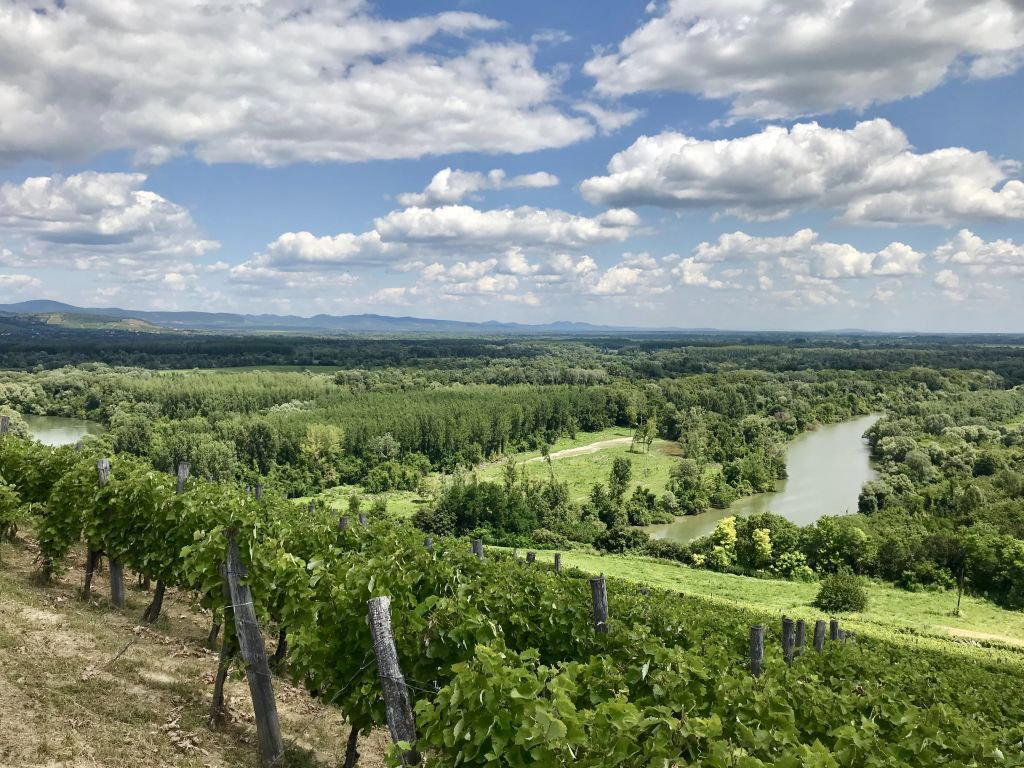
Where Tokaj's Longest Memory Lives
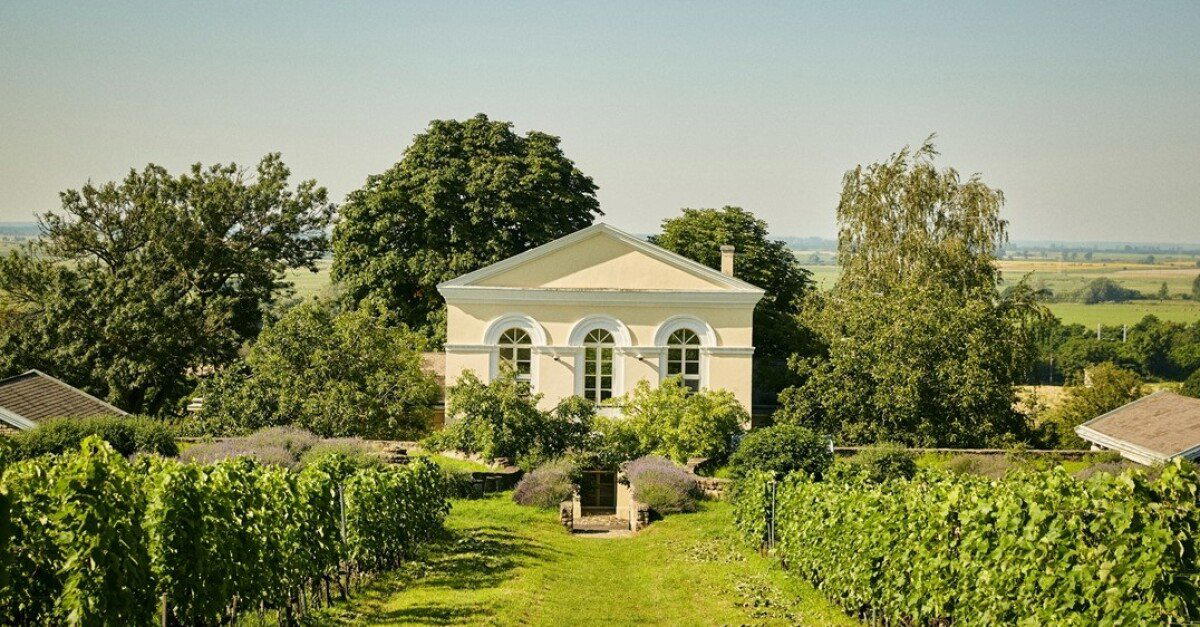
Approach Mád from the main road through the Zemplén foothills and the village announces itself quietly: a church tower, terraced vineyards pressing close to the rooftops, and stone walls that predate most of what Europeans think of as wine history. The Tokaj wine region earned its UNESCO World Heritage designation in part because of precisely this kind of deep, unbroken continuity, and nowhere in the village does that continuity run longer than at Szepsy. The estate's winemaking records reach back to the sixteenth century, placing the family inside the founding chapter of Tokaji wine rather than at any later point of arrival. That context shapes every visit before a single glass is poured.
Mád sits at the heart of a compact peer group. Within the village or a short drive, producers including Royal Tokaji, Barta Pince, Holdvölgy, Szent Tamás Winery, and Zsirai Winery represent the current generation of serious viticulture in what many consider the appellation's most consistently expressive sub-zone. Szepsy sits in that group not as a newcomer asserting a position but as a reference point against which others orient themselves. See our full Mád guide for the broader picture of how the village's producers fit together.
Six Centuries of Viticulture, One Coherent Philosophy
The deeper story of Tokaj is inseparable from the history of aszú production, the painstaking harvest of botrytis-affected berries that defines the region's sweet wine tradition. Historical scholarship places the Szepsy family within that origin story, not as distant spectators but as participants in the codification of the practice. That kind of documented lineage is rare in European wine, where most estates count their heritage in decades rather than centuries. It functions here as more than a marketing footnote: it explains why the estate's approach to the vineyards carries a weight of accumulated observation that newer producers are still building toward.
Across Tokaj's sub-regions, the relationship between viticulture and soil type governs everything. Mád's volcanic rhyolite tuff and clay-limestone soils produce a particular mineral tension in the wines, a quality that running a single estate across generations allows producers to understand at a granular level. Where newer entrants and foreign-backed operations, including some excellent ones such as Disznókő in Mezőzombor or Tokaj Oremus in Tolcsva, have brought capital and technical rigour to the appellation since the post-1989 reopening, Szepsy brings something those operations are still accumulating: multigenerational site knowledge in a single continuous line.
Sustainability in a Region That Predates the Term
The current conversation around organic and low-intervention viticulture in Central Europe often focuses on younger producers self-consciously breaking from industrial-era practices. In Tokaj, the picture is more layered. The region's small-parcel structure, its dependence on natural botrytis rather than inoculation, and its emphasis on long cellar ageing in traditional vessels predate modern sustainability frameworks by centuries. Estates with deep roots in the region were, in many cases, practising what would now be called minimal-intervention viticulture before the term existed, not out of ideology but because the appellation's specific requirements demanded it.
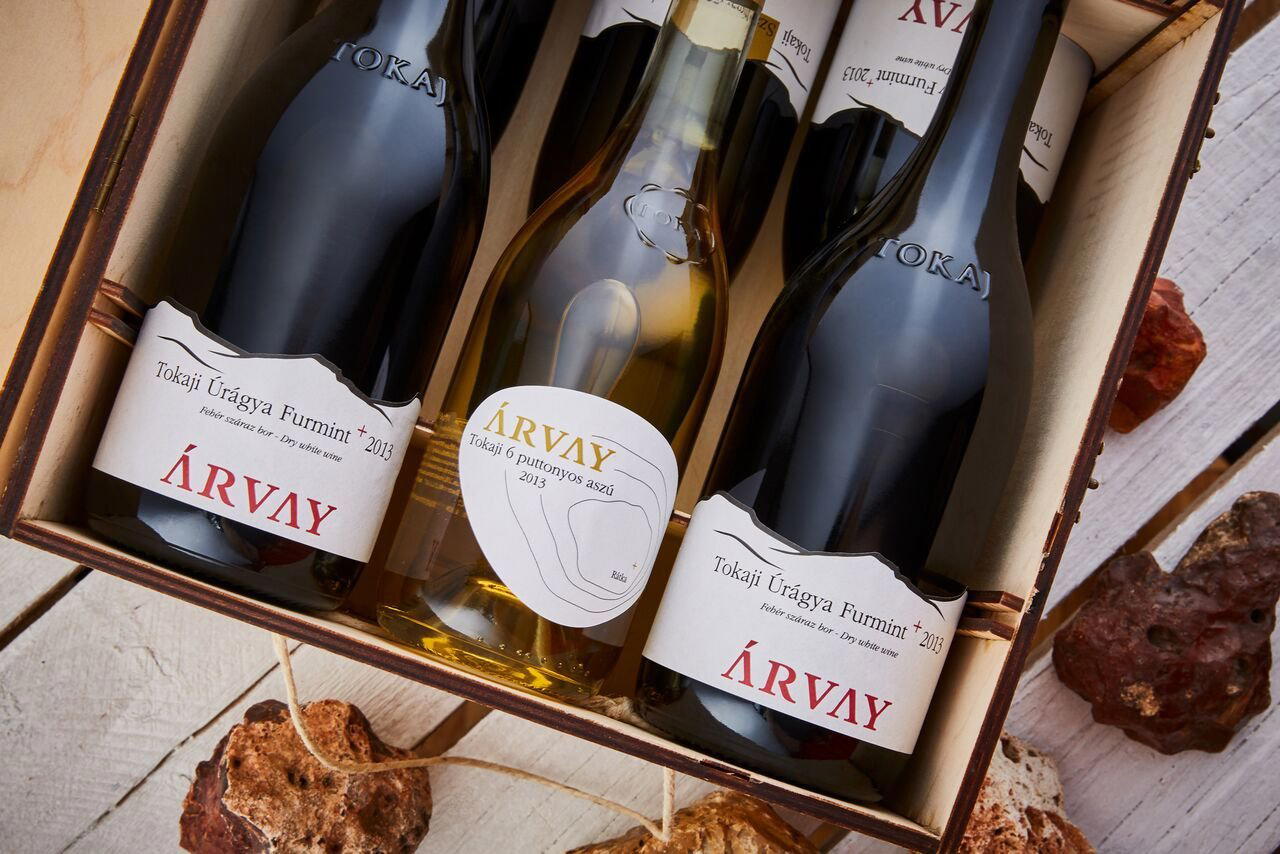
For visitors approaching Szepsy through the lens of sustainable wine production, this context matters. The estate's centuries-long presence in these specific parcels represents a form of agronomic knowledge that no certification programme can fully replicate. Understanding which vine rows face the morning sun on the Nyulászó or Úrágya vineyards, how the volcanic soils drain after autumn rains, when the aszú berries typically reach optimal botrytis concentration on a given slope: these are details accumulated across generations of working the same ground. Among the Mád producers, and across the wider appellation from Tokaj Hétszőlő to Árvay Winery in Rátka, Szepsy's particular claim is this depth of site continuity.
That said, Tokaj's broader trajectory since the 1990s has not been uniformly traditional. International investment brought modern winery infrastructure, temperature-controlled fermentation, and in some cases a shift toward drier Furmint styles positioned at export markets. Szepsy occupies a specific position in that evolution: an estate that held its line on sweet wine production and on its historical vineyards through a period when both were under commercial pressure. That choice, sustained over decades rather than announced as a single dramatic decision, defines the estate's character more precisely than any single award.
The Wines: Sweet Wine at Its Most Serious
Tokaji aszú is among the most labour-intensive wines produced anywhere. Each berry is harvested individually by hand, over multiple passes through the vineyard as botrytis develops unevenly across the cluster. The resulting paste is measured in puttonyos, a unit that reflects the concentration of botrytis-affected fruit relative to the base wine, with higher numbers indicating greater sugar concentration and complexity.
For comparison within the appellation, producers such as Béres Winery in Erdőbénye and Babarczi Winery represent the range of styles now operating across the Tokaj wine region, from elegant dry Furmint to late-harvest sweet formats. Szepsy's sweet wines hold a different reference point: they are benchmarked not against regional peers but against the historical standard the family helped establish. The estate is not operating in the same frame as, say, Bock Winery in Villány or Aberlour or Accendo Cellars in St.
Planning a Visit to Mád
Mád sits in the northern Tokaj region, accessible by car from Budapest in roughly two and a half hours via the M3 motorway toward Nyíregyháza and then east through the Zemplén hills. The village is small enough that arrivals by car will find Batthyány utca, where Szepsy is located at number 59, without difficulty. The town itself warrants time beyond a single estate visit: the Jewish synagogue, the Reformed church, and the surrounding vineyard parcels with their named classifications reward a half-day of exploration before or after tasting.
Booking arrangements and visiting hours for Szepsy are not listed in publicly available databases at the time of writing; direct contact through local tourism offices or via established wine travel specialists is advisable for those planning a dedicated visit. The wider Mád producer group is leading approached across two days if the intent is to visit multiple estates in depth, as the volumes produced at the leading level are small and tasting appointments at houses like Szepsy are typically arranged in advance rather than accepted as walk-ins. Autumn, during and immediately after harvest, is when the appellation is most active, though the sweet wines require years of cellar time before release, so the vintage you taste on arrival will not be the one currently being picked.
Reputation Context
Comparable venues nearby, for context on price, style, and recognition.
| Venue | Cuisine | Price | Awards | Notes |
|---|---|---|---|---|
| SzepsyThis venue — the venue you are viewing | Furmint, Hárslevelű | Not listed | World's 50 Best #43 · Falstaff Winery - Listed | Not listed |
| Zsirai Winery | Furmint, Hárslevelű | Not listed | Not listed | Mád |
| Barta Pince | Furmint, Hárslevelű | $50–100 | Falstaff Winery - Listed | Mád |
| Royal Tokaji | Furmint, Sárgamuskotály | Not listed | Falstaff Winery - Listed | Mád |
| Holdvölgy | Furmint, Hárslevelű | $20–30 | Falstaff Winery - Listed | Mád |
| Szent Tamás Winery | Furmint, Hárslevelű | $50–100 | Not listed | Mád |
Recognition history
Dated appearances from independent guides and award organizations, with the underlying list record or original source where available.
World's 50 Best Vineyards #43
World's 50 Best
Falstaff Winery - Listed
Falstaff
Full recognition history (3 entries)
World's 50 Best Vineyards #35
World's 50 Best
Continue exploring
More in Mád
Wineries in Mád
Browse all →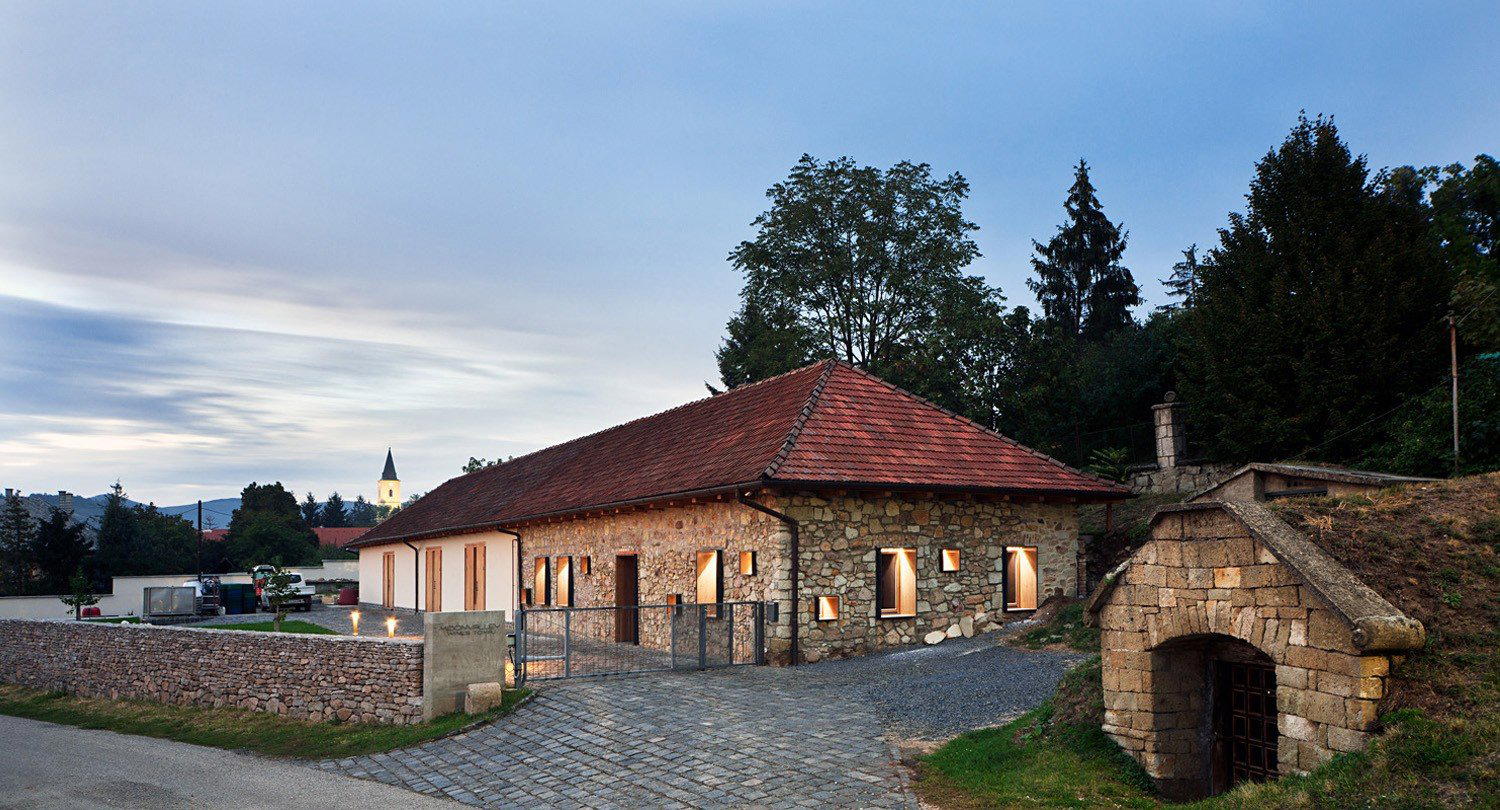
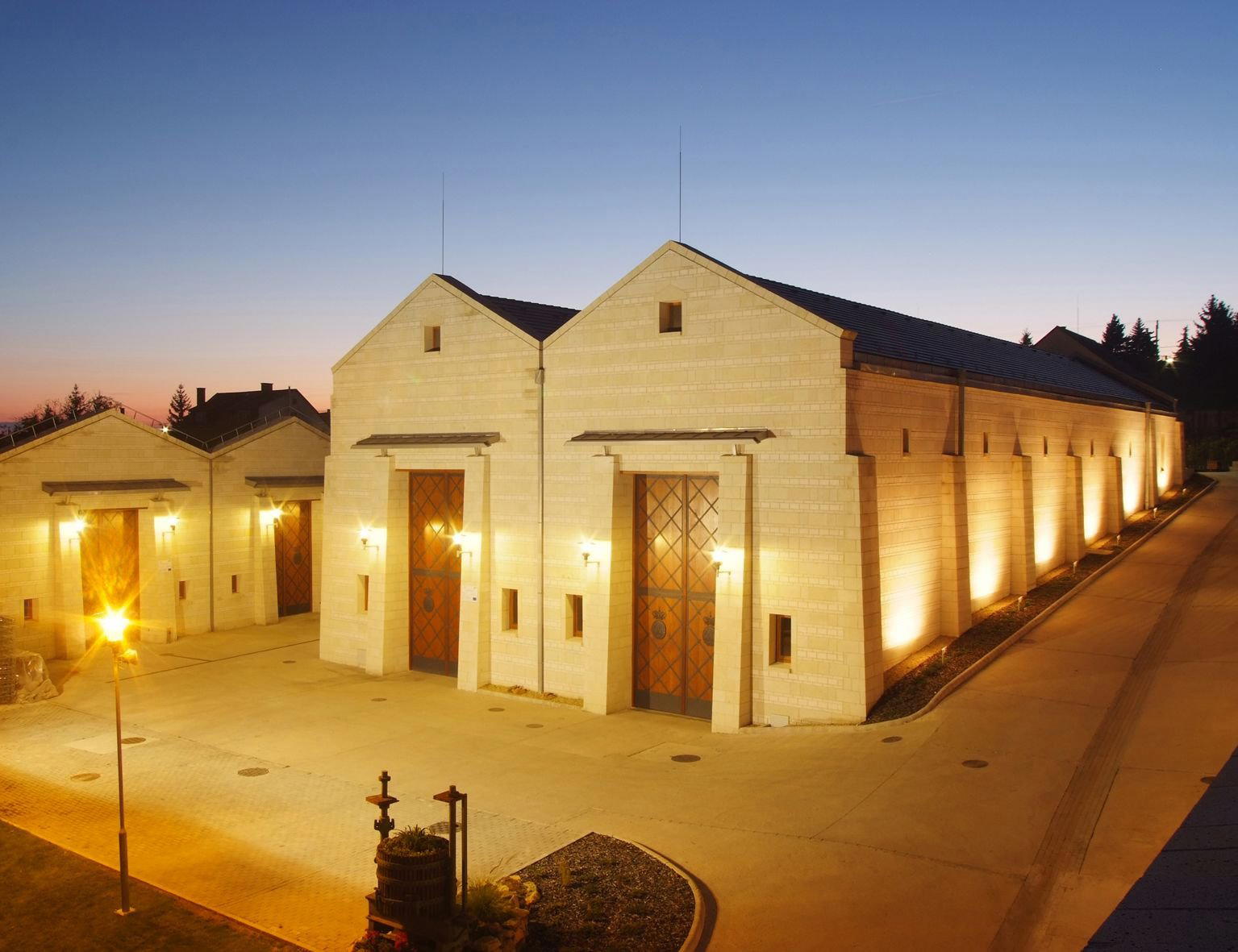
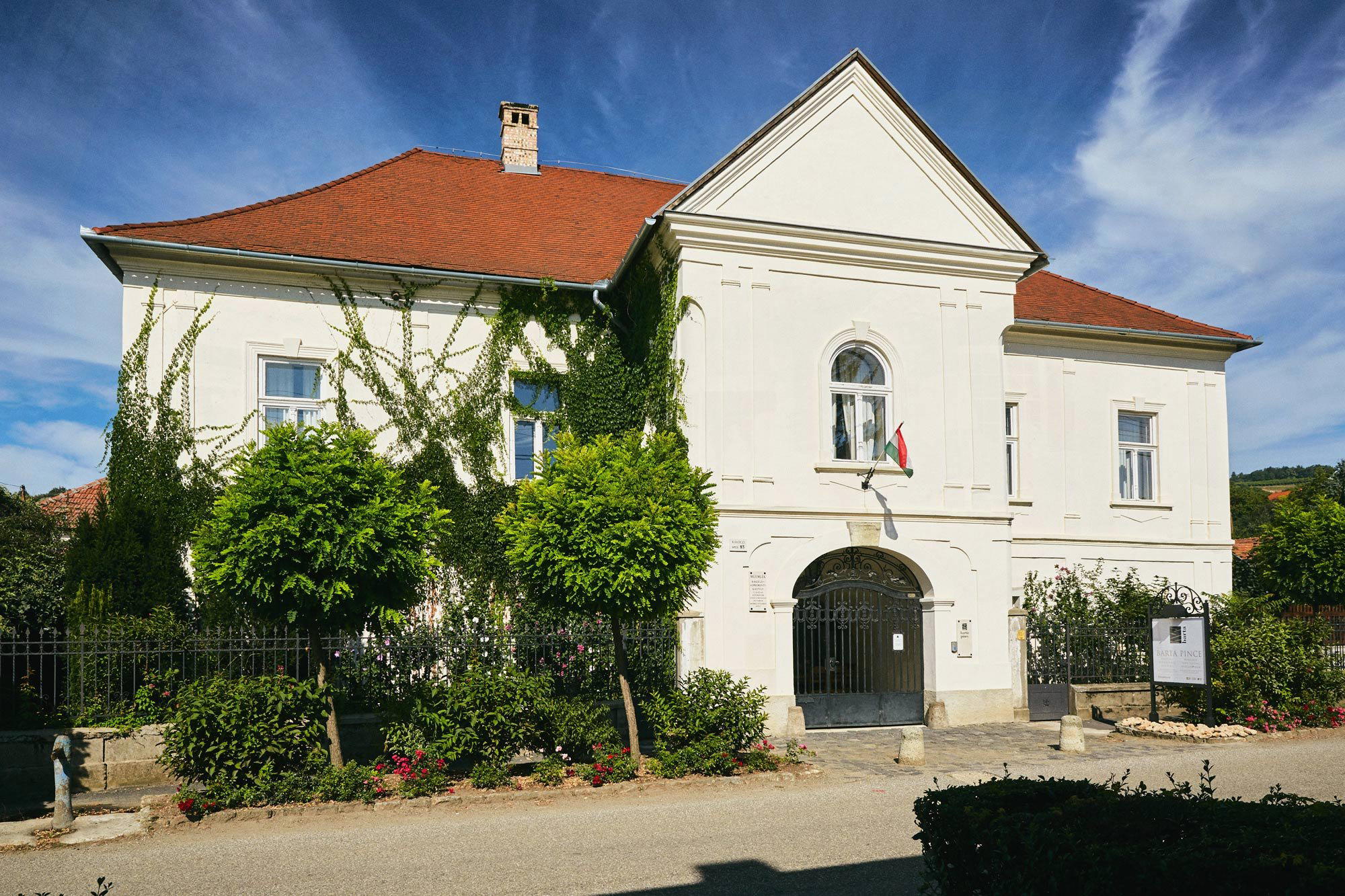
Restaurants in Mád
Browse all →
Hotels in Mád
Browse all →
Details
- Classic
- Rustic
- Elegant
- Intimate
- Scenic
- Wine Education
- Special Occasion
- Vineyard Tour
- Historic Building
- Sustainable
- Vineyard
- Mountain
- Furmint
- Hárslevelű
- Still White
- Dessert
- Single Vineyard Tasting
- Hungarian
- English
Elegant and historic atmosphere reflecting meticulous traditional winemaking heritage.