Weingut A. Christmann

Falstaff Winery - 5 Stars
Weingut A. Christmann is a Pfalz estate based in Neustadt an der Weinstraße. The estate operates within one of Germany's most storied wine corridors, where Riesling and Spätburgunder grown on sandstone and limestone soils define the regional character. For serious wine travellers, Christmann sits in the upper tier of Pfalz producers worth tracking.

Pearl is the En Primeur Club membership app — saves, bookings, and concierge access live there. Same editors, same standards.
- Address
- Peter-Koch-Straße 43, 67435 Neustadt an der Weinstraße
- Phone
- +49 6321 66039
- Website
- weingut-christmann.de
- Directions
- Get directions
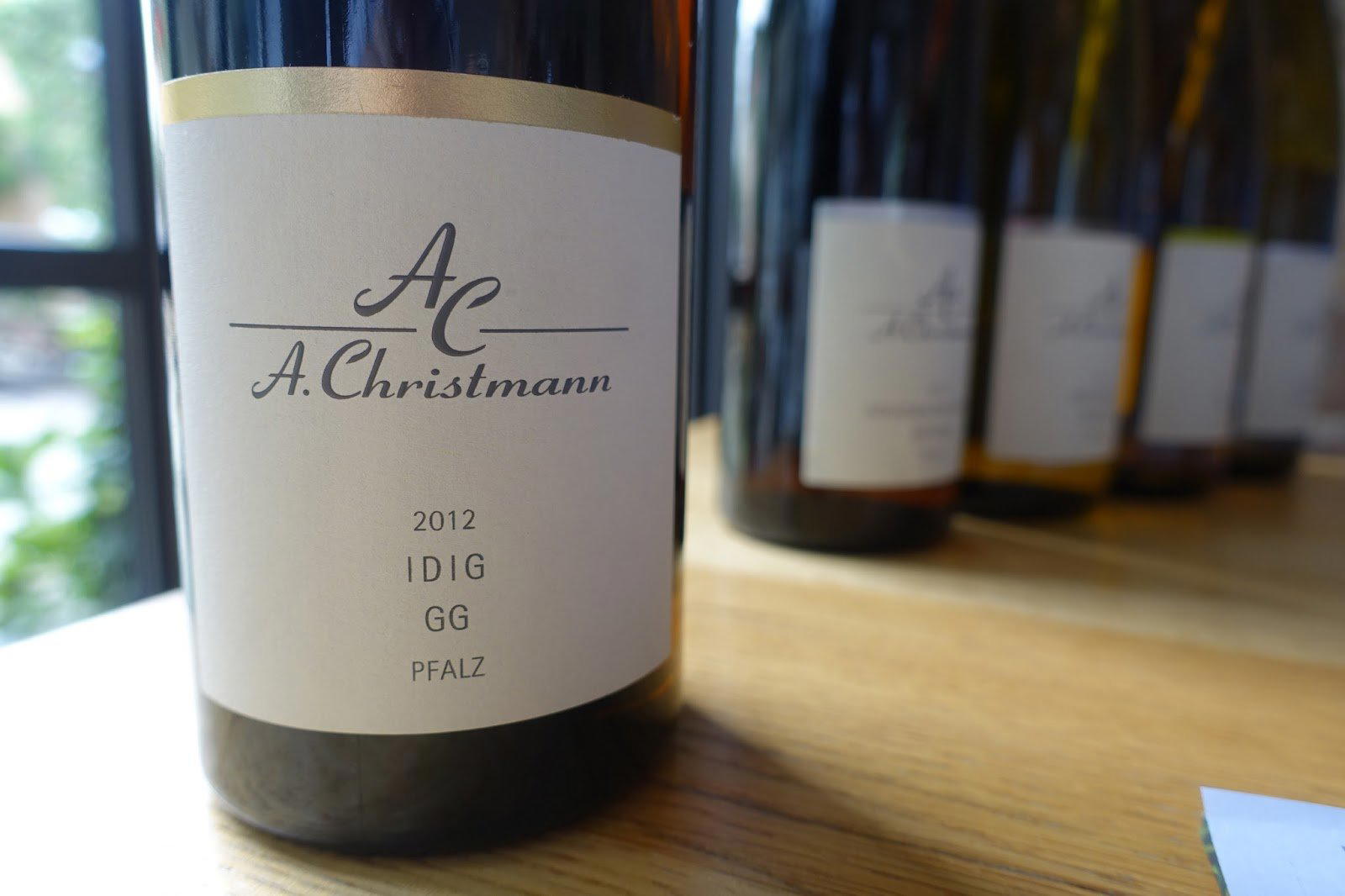
Where Pfalz Terroir Sets the Terms
The road into Neustadt an der Weinstraße arrives through a corridor of vines before the town itself comes into view. This is not incidental geography. The Pfalz is one of Germany's warmest and most productive wine regions, a stretch of Rhenish Palatinate that runs south from Bad Dürkheim along the eastern edge of the Haardt mountains. The Mittelhaardt, the central section of this corridor, concentrates the region's most reputed estates, and it is here that the character of the land speaks most directly through the glass. Sandstone, limestone, basalt, and loam create a mosaic of soil types across individual vineyard parcels, and the Haardt ridge to the west functions as a windbreak, delivering a microclimate warmer and drier than most of Germany. Riesling planted in these conditions ripens fully without losing the acidity that gives Pfalz wines their definition.
Weingut A. Christmann is headquartered at Peter-Koch-Straße 43 in Neustadt, placing it at the administrative and geographic heart of this zone. In a region where entry-level estates number in the hundreds, that distinction reflects consistency across vintages rather than a single outstanding year.
The Soil Logic of the Mittelhaardt
Understanding what makes a Pfalz Riesling from this part of the corridor distinct from, say, a Mosel Riesling or an Alsatian version requires thinking in geological terms rather than stylistic ones. The Mittelhaardt's soils are heavier and more mineral-rich than the pure slate of the Mosel, which gives Pfalz Riesling a different textural register: broader, with more mid-palate weight, while the mountain windbreak allows harvest dates to extend later into autumn without the rain risk that other German regions contend with. Estates working with these conditions can push toward physiological ripeness without relying on residual sugar to fill out the wine.
This is the core argument for biodynamic and organic viticulture gaining serious traction in the Mittelhaardt over the past two decades. When the soil is this compositionally varied and the climate this favourable, the instinct among precision-focused producers is to remove interventions that might obscure what the vineyard is actually expressing. Christmann has been associated with this direction in Pfalz viticulture, working within a tradition that prioritises site fidelity over stylistic manipulation. That approach situates the estate in a particular competitive conversation: not the fruit-forward, commercially accessible tier of Pfalz production, but the site-expressive, allocation-tracked segment that draws collectors and wine professionals.
Comparable producers working within this regional frame include Weingut Müller-Catoir, also based in Neustadt, and Weingut Bassermann-Jordan in Deidesheim and Weingut Dr. Bürklin-Wolf in Wachenheim an der Weinstraße, both of which occupy the premium Mittelhaardt classification tier. These estates collectively define what critical attention to the Pfalz looks like at the top of the market.
Spätburgunder and the Secondary Register
Riesling commands the narrative in the Mittelhaardt, but the Pfalz's warmer conditions also support Spätburgunder at a level that most other German regions cannot match. The grape requires enough warmth to achieve full skin development without yielding the extracted, over-structured profile that appears when yields are pushed too high or harvest comes too late. In the Pfalz, the combination of warm days and cooler nights from the Haardt elevation creates a ripening window where Spätburgunder can develop genuine complexity. The reference point for serious German red wine production is not domestic: the comparison that serious Pfalz producers aim for is Burgundy, and the estates working at the top of the Spätburgunder tier tend to apply the same site-specific logic they use for Riesling.
This dual-variety strength is part of what makes the Mittelhaardt's leading estates function differently from single-variety specialists elsewhere in Germany. Estates like Weingut Battenfeld-Spanier in Hohen-Sülzen to the north have built reputations on a similar dual-register approach, and the contrast with purely Riesling-focused producers in the Mosel, such as Weingut Fritz Haag in Brauneberg or Weingut Grans-Fassian in Leiwen, is instructive. Those estates operate in a region where the conversation is almost entirely about Riesling in its various ripeness expressions. The Pfalz's top tier must argue for both varieties simultaneously.
The Estate in its Regional Context
Neustadt an der Weinstraße sits at the southern end of the Mittelhaardt and functions as a practical base for understanding the Pfalz as a whole. The town's position on the Deutsche Weinstraße, the wine route that runs the length of the region, means it sits within easy reach of estates across the full spectrum of Pfalz production. For visitors arriving specifically for the Christmann estate, the address at Peter-Koch-Straße 43 is accessible from the town centre. Advance contact directly with the estate is the standard approach for visits at this tier of Pfalz producer; the allocation-level wines are not typically available through retail channels in volume.
Placing Christmann within the broader German premium wine geography requires drawing comparisons beyond the immediate region. Kloster Eberbach in Eltville represents a different model entirely, operating more as a heritage institution than a precision-focused estate. Weingut Georg Breuer in Rüdesheim am Rhein and Weingut Allendorf in Oestrich-Winkel operate in the Rheingau, a region with its own distinct limestone-and-slate argument for Riesling. In Franconia, Weingut Bürgerspital zum Heiligen Geist in Würzburg works in a sandstone-dominant environment with an entirely different thermal profile. Christmann and the Mittelhaardt cluster are distinguished by the combination of warmth, soil complexity, and serious producer density that no other German region matches at quite the same concentration.
For context outside Germany, the site-expressive logic Christmann applies shares a methodology with producers like Weingut Clemens Busch in Pünderich on the Mosel and Weingut Heymann-Löwenstein in Winningen, though the soil and variety arguments diverge significantly once you move away from the Pfalz's particular warm-site conditions. Internationally, the precision single-vineyard approach has parallels at Accendo Cellars in St. Helena in Napa, where allocation-level production and site specificity define the competitive position.
For the EP Club guide to the wider city and region, the full Neustadt an der Weinstraße restaurants and venues guide covers the broader picture. For a non-German reference point on prestige winery visits with a long institutional history, Aberlour in Aberlour demonstrates how production heritage translates into visitor experience at a different end of the premium drinks spectrum.
Planning a Visit
Weingut A. Christmann is located at Peter-Koch-Straße 43, 67435 Neustadt an der Weinstraße. Given the estate's recognition tier and the nature of Mittelhaardt premium producers, visits and tastings are arranged directly with the estate rather than on a walk-in basis. The optimal period to visit the Pfalz for cellar visits is late spring through early autumn, when the vineyards are active and the region's characteristic warmth is most apparent. Harvest, typically running through October given the Pfalz's later ripening calendar, offers a different kind of access to the production process, though estate availability during that period is limited by the demands of picking and sorting.
Side-by-Side Snapshot
Comparable venues nearby, for context on price, style, and recognition.
| Venue | Cuisine | Price | Awards | Notes |
|---|---|---|---|---|
| Weingut A. ChristmannThis venue — the venue you are viewing | Riesling, Spätburgunder | Not listed | Falstaff Winery - 5 Stars | Not listed |
| Weingut Müller-Catoir | Riesling, Scheurebe | $50–100 | Falstaff Winery - Listed | Haardt |
| Cristom Vineyards | Pinot Noir, Chardonnay | Not listed | Falstaff Winery - Listed | Eola-Amity Hills |
| Weingut Knipser | Spätburgunder, Pinot Noir | Not listed | Falstaff Winery - 5 Stars | Laumersheim |
| Weingut August Kesseler | Pinot Noir, Riesling | Not listed | Falstaff Winery - 5 Stars | Assmannshausen |
| Weingut Rainer Schnaitmann | Pinot Noir, Lemberger | Not listed | Falstaff Winery - 5 Stars | Fellbach |
Recognition history
Dated appearances from independent guides and award organizations, with the underlying list record or original source where available.
Falstaff Winery - 5 Stars
Falstaff
Continue exploring
More in Neustadt an der Weinstraße
Wineries in Neustadt an der Weinstraße
Browse all →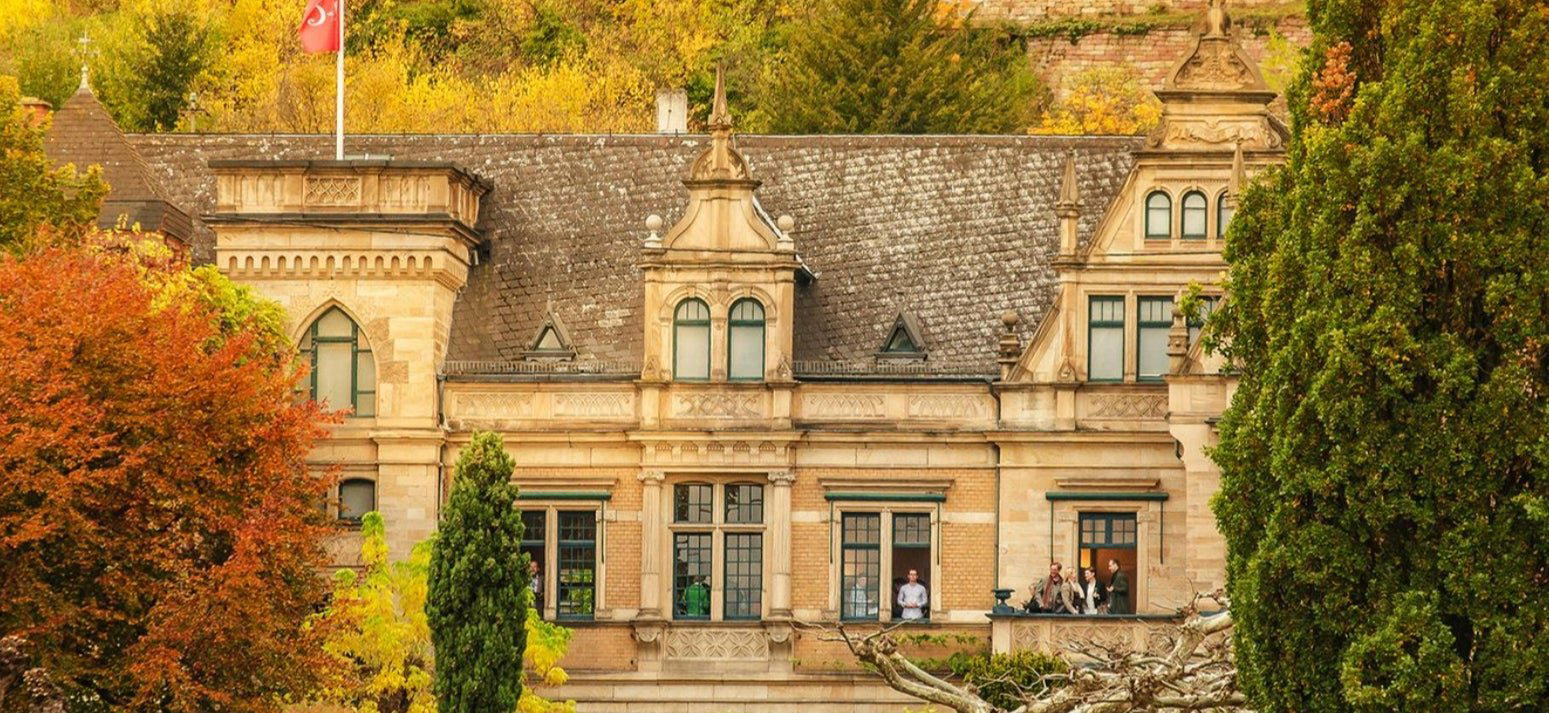
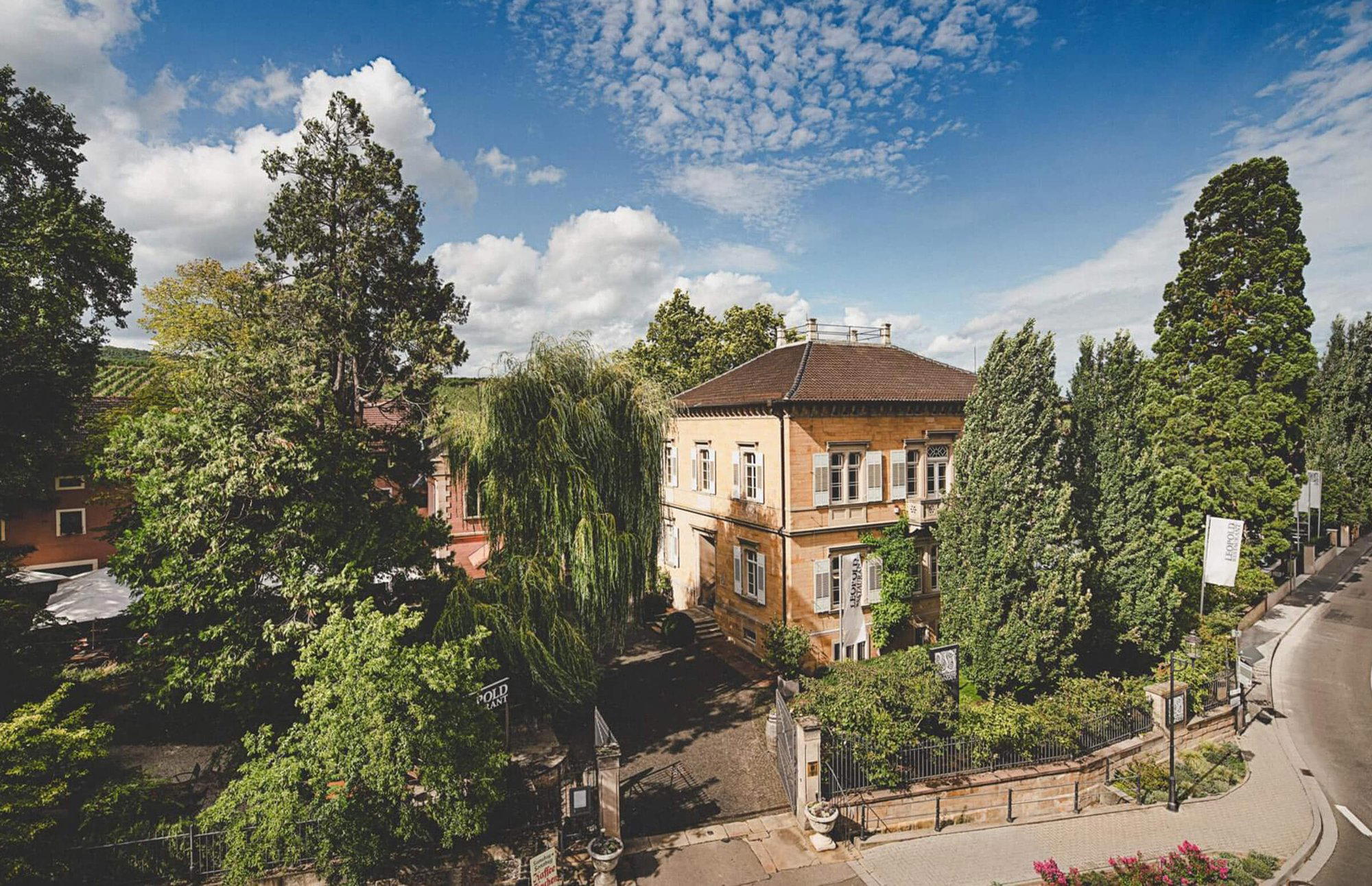
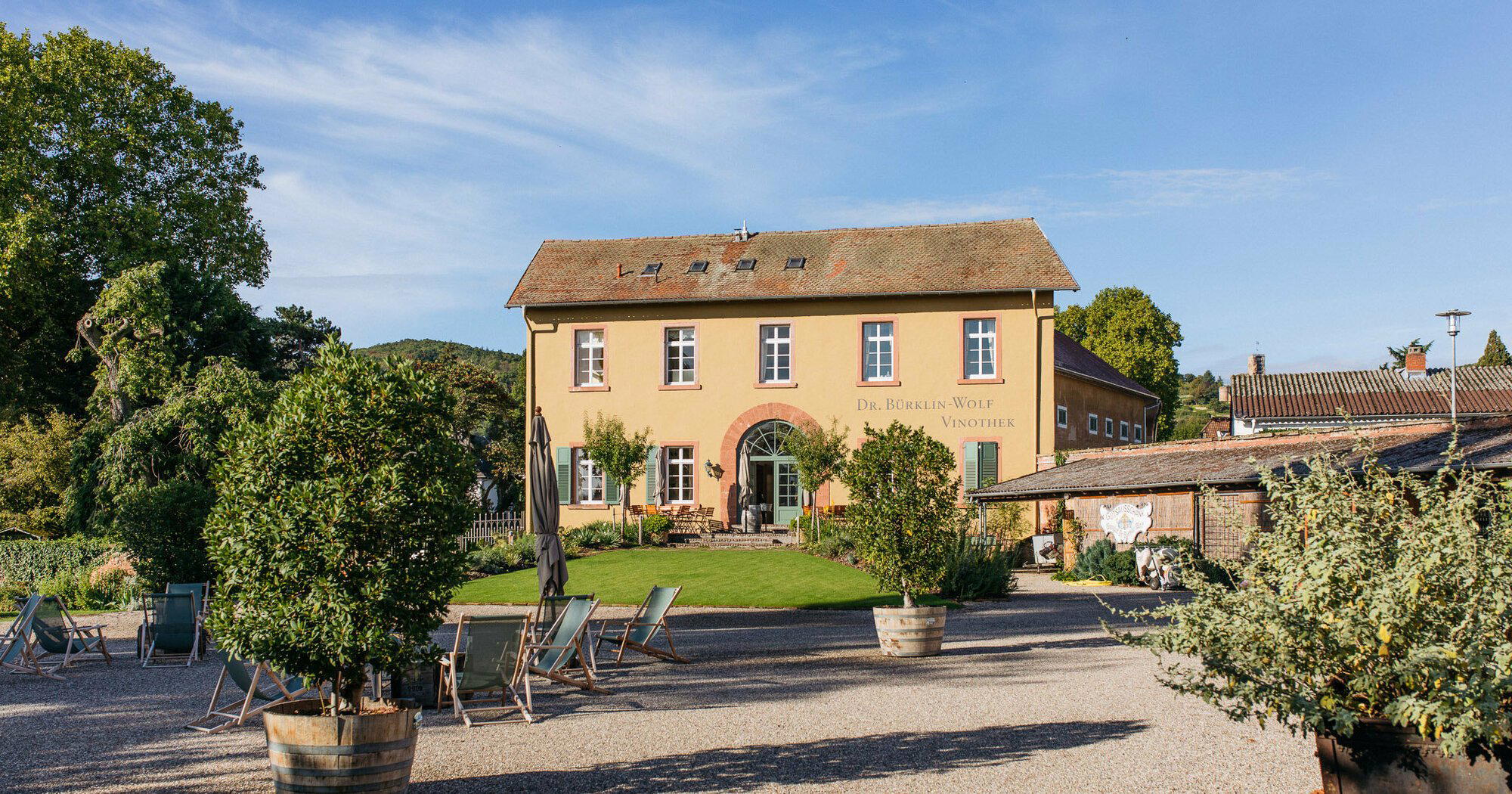
Bars in Neustadt an der Weinstraße
Browse all →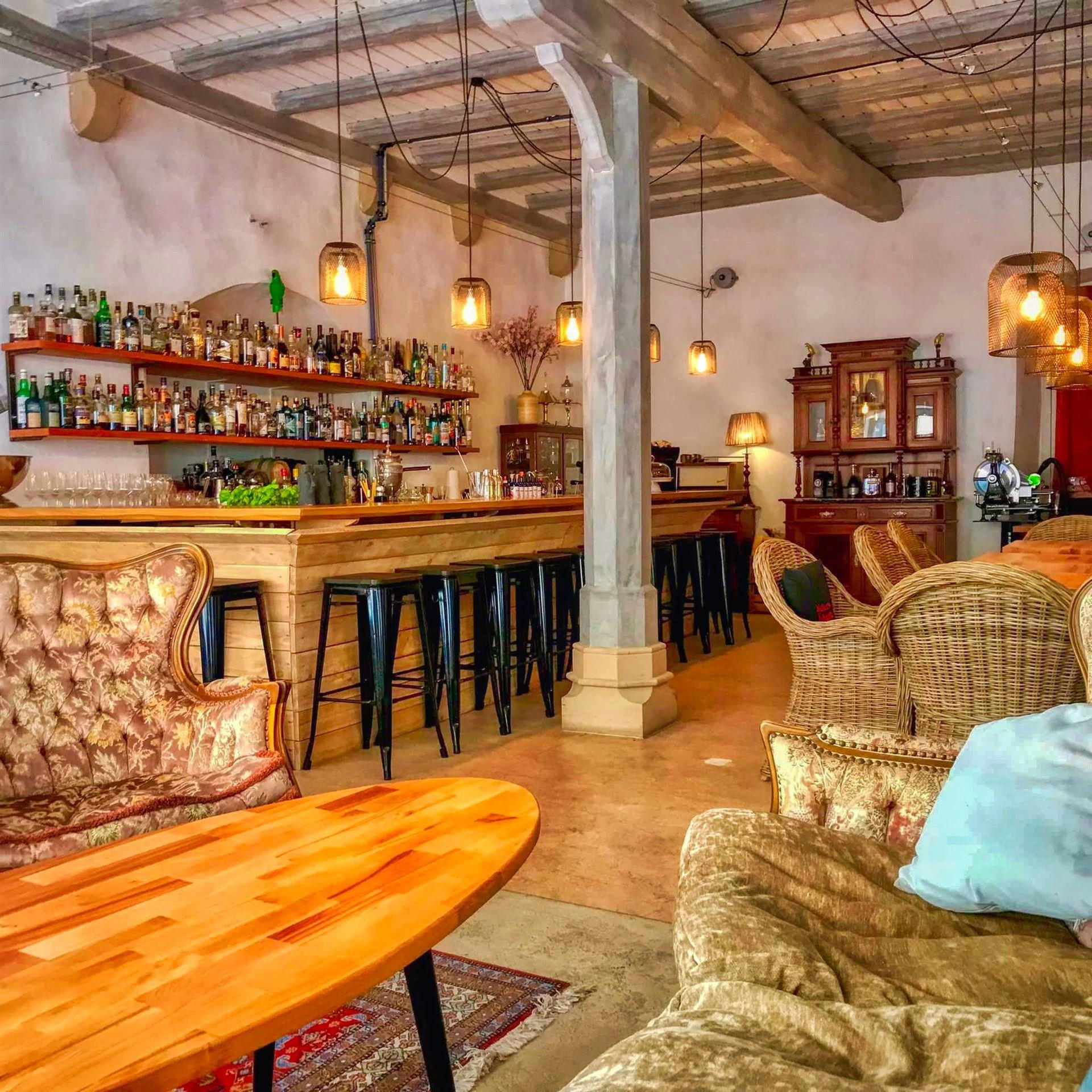
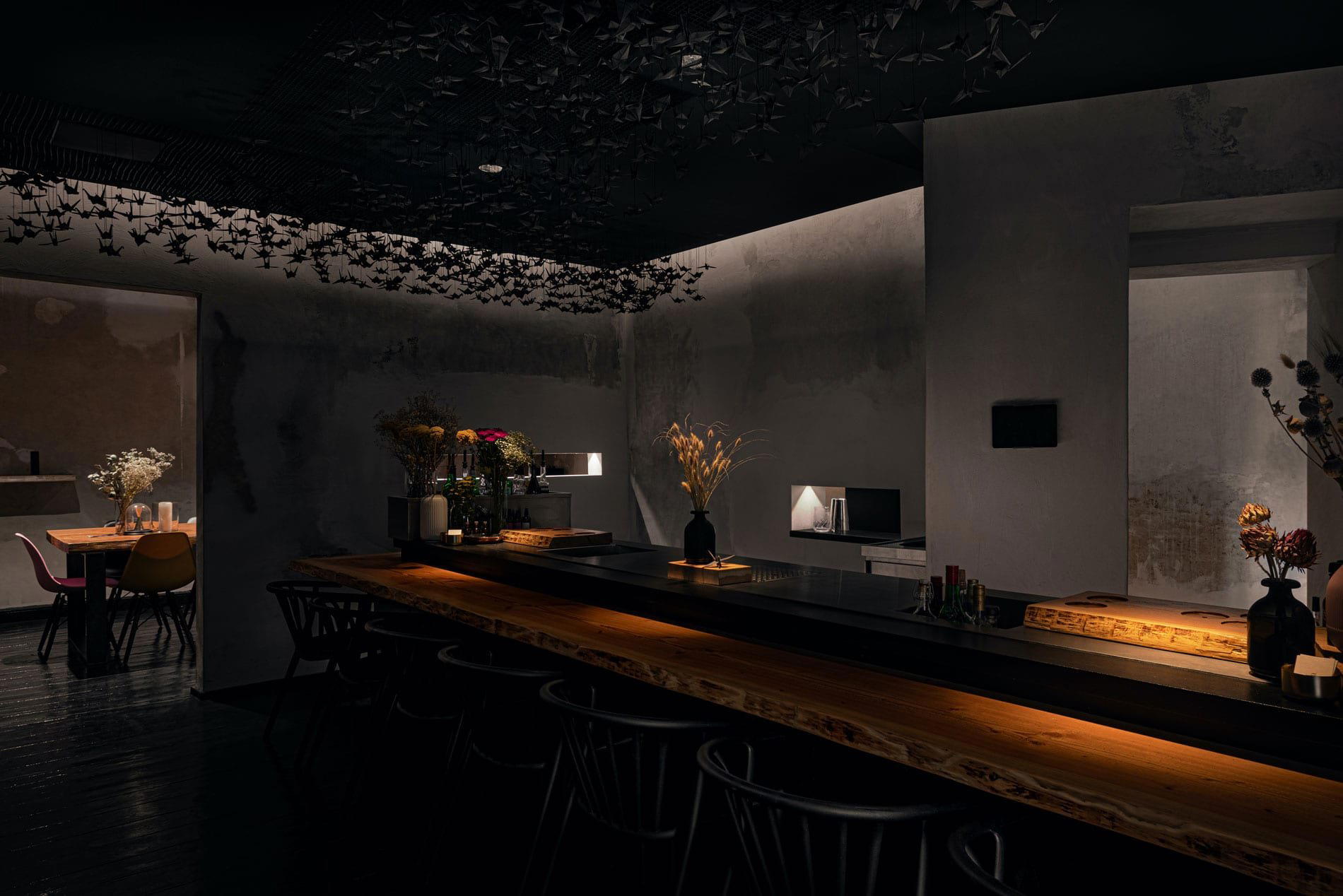
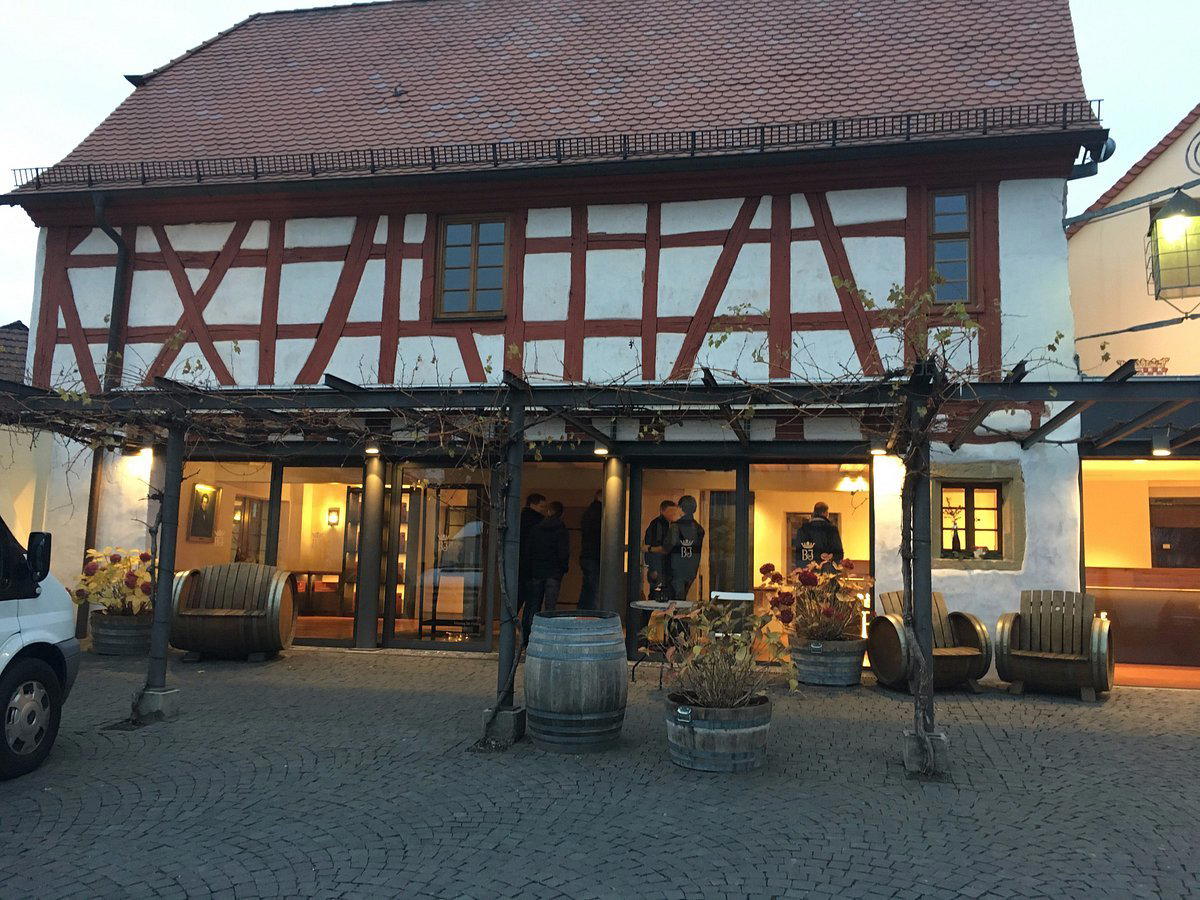
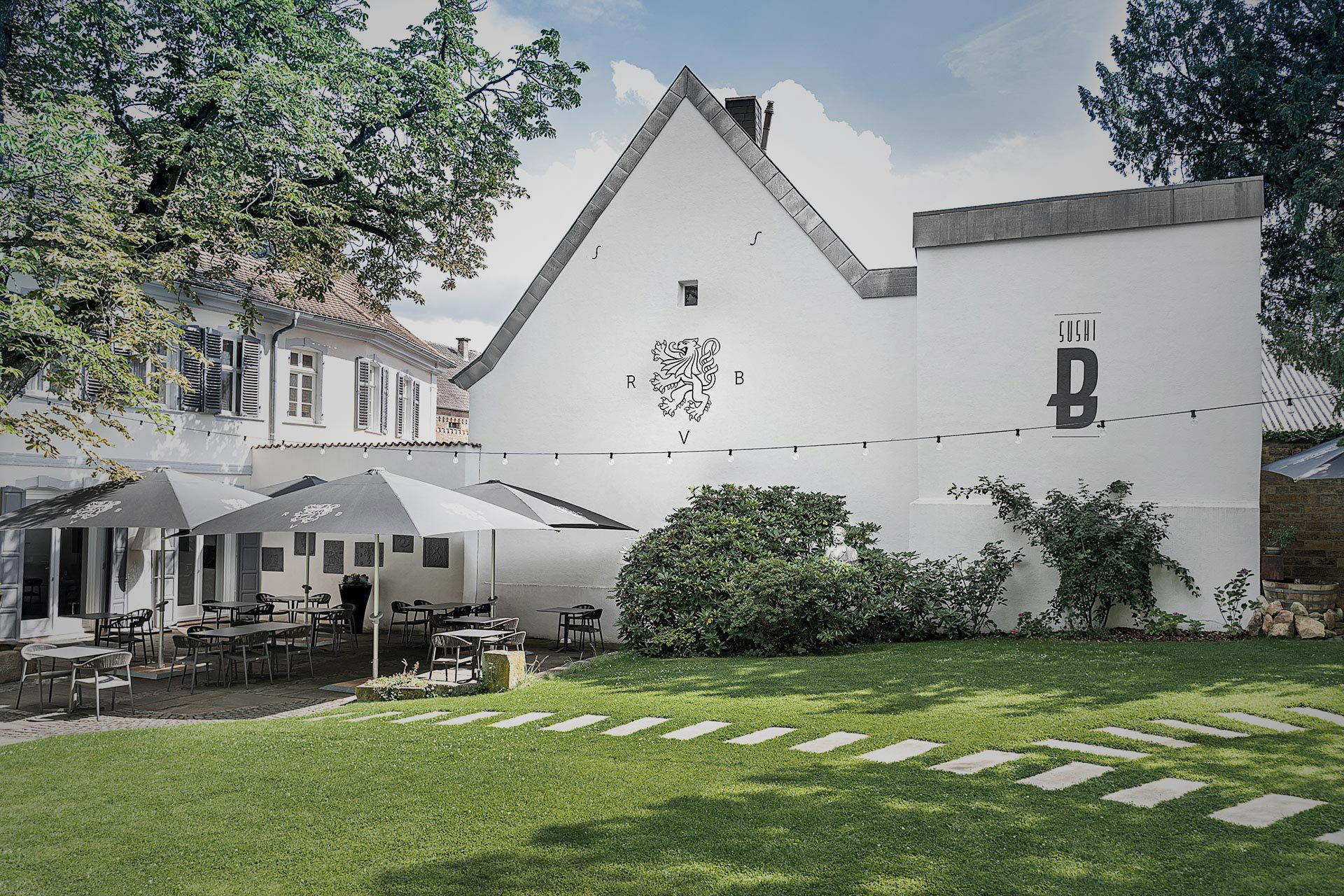
Restaurants in Neustadt an der Weinstraße
Browse all →
Details
- Elegant
- Scenic
- Quiet
- Rustic
- Wine Education
- Solo Exploration
- Special Occasion
- Vineyard Tour
- Estate Grounds
- Biodynamic
- Organic
- Vineyard
- Riesling
- Spätburgunder
- Weissburgunder
- Still White
- Still Red
- Cave Tasting