Château Saint-Pierre


Michelin Main Selection · Falstaff Winery - 3 Stars
Under winemaker Jean-Louis Triaud, the estate produces Cabernet-dominant Médoc in the appellation's characteristic register: structured, slow-building, and built for the cellar.

Pearl is the En Primeur Club membership app, where members save venues, book tables and use the concierge.
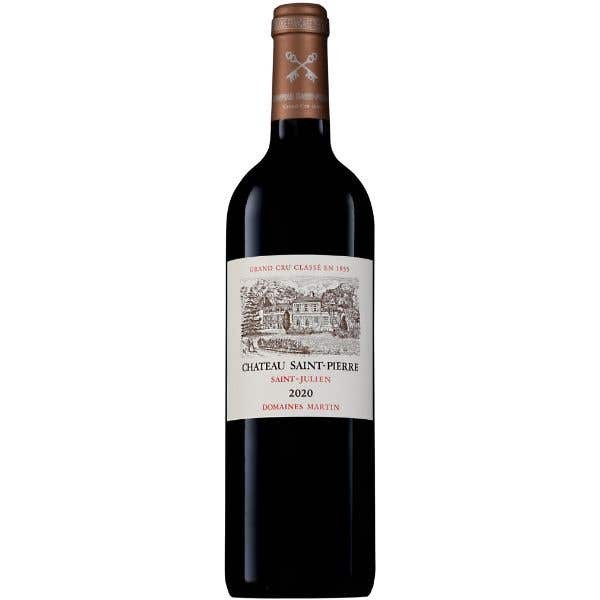
Stone, Gravel, and the Particular Stillness of Saint-Julien
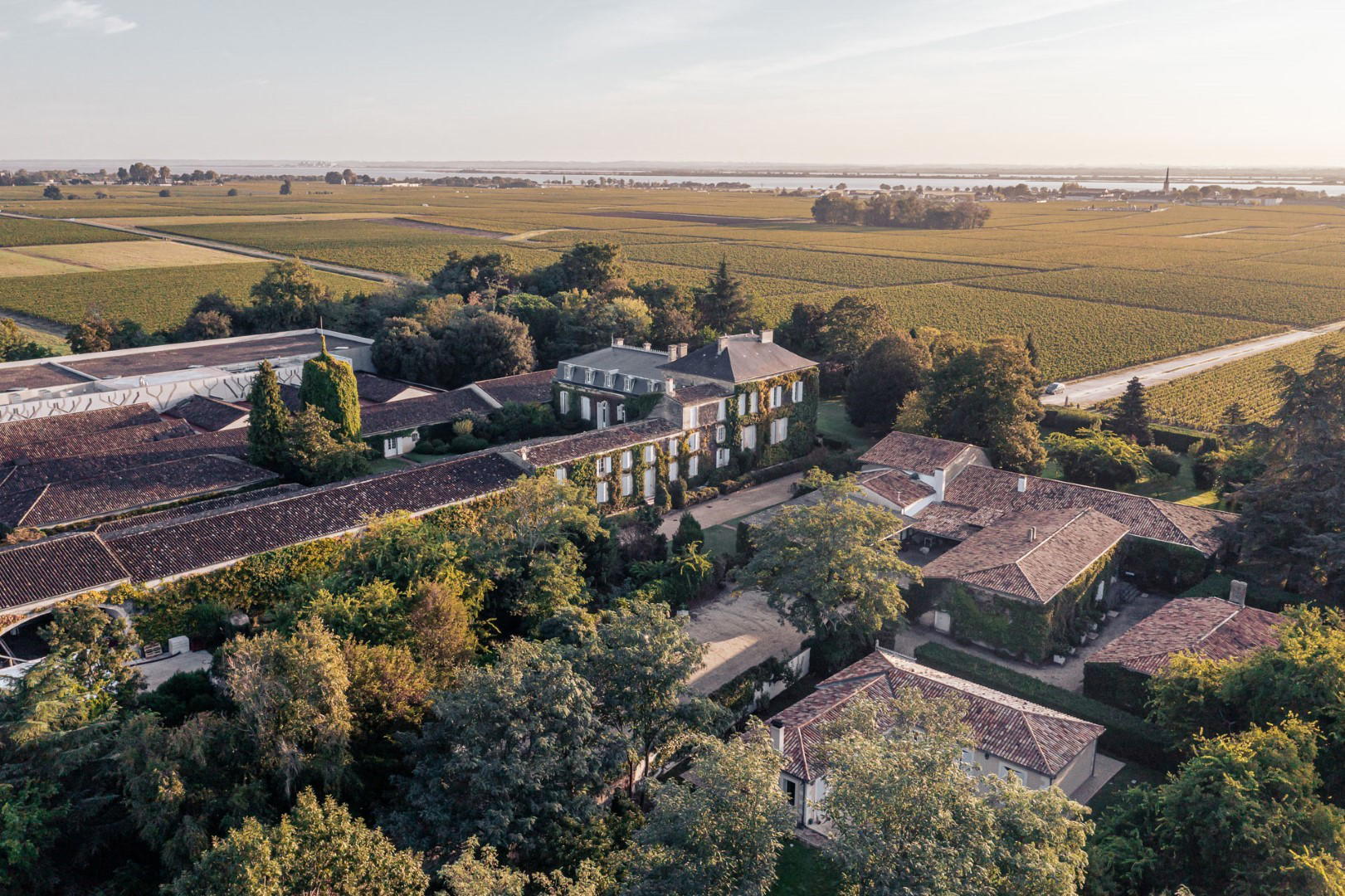
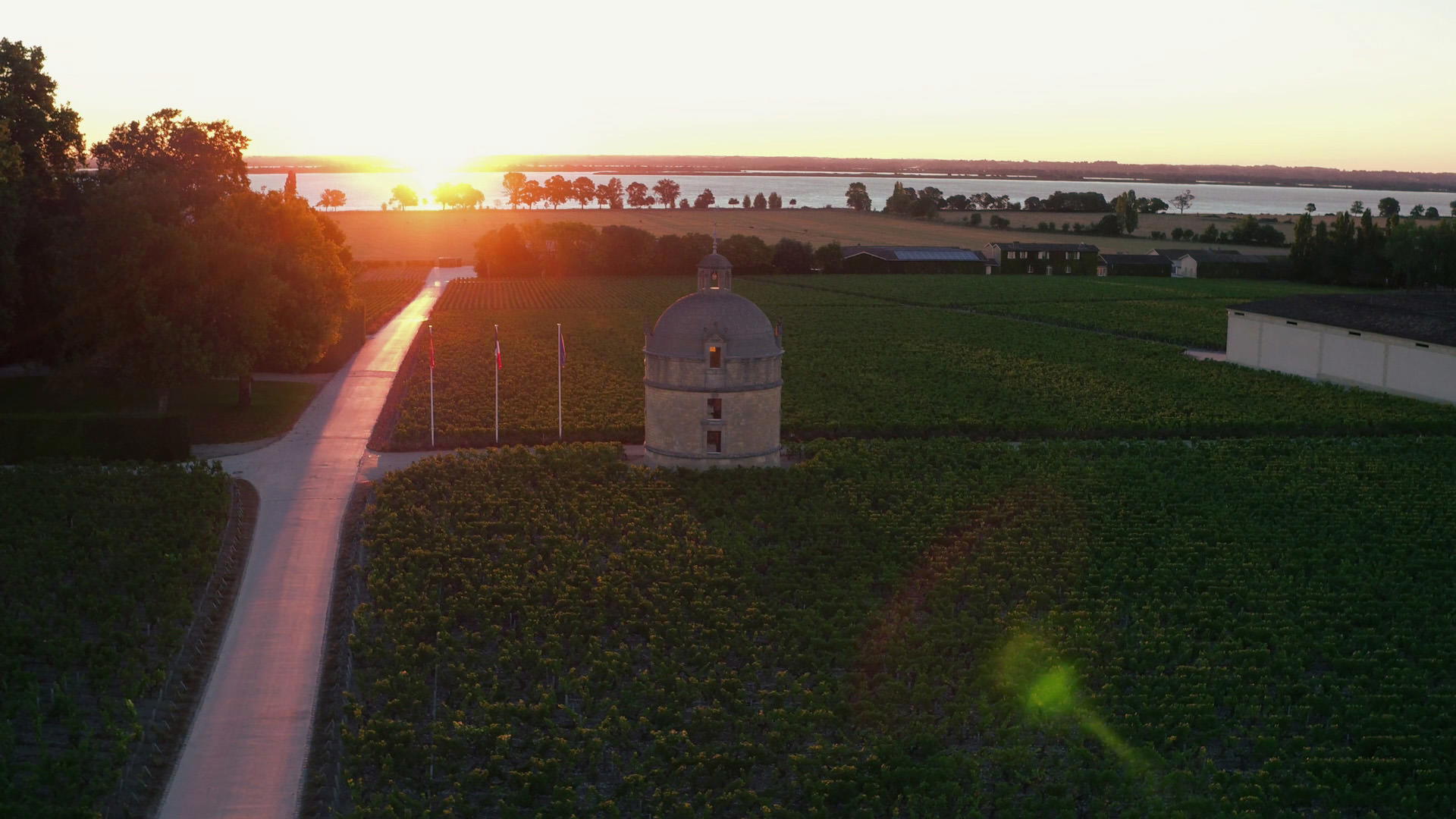
Approach the Médoc in any season and the villages along the D2 reveal themselves slowly, estate by estate, each one set back from the road behind iron gates and plane trees. Saint-Julien-Beychevelle sits roughly midway along that corridor, its Grand Cru facades rising close to the Gironde estuary where the gravel banks are deepest and the drainage sharpest. The physical setting is not incidental to what ends up in the glass: this is terrain where geology does most of the explaining, and where a winery's address on the gravel plateau carries more weight than almost any other credential in Bordeaux.
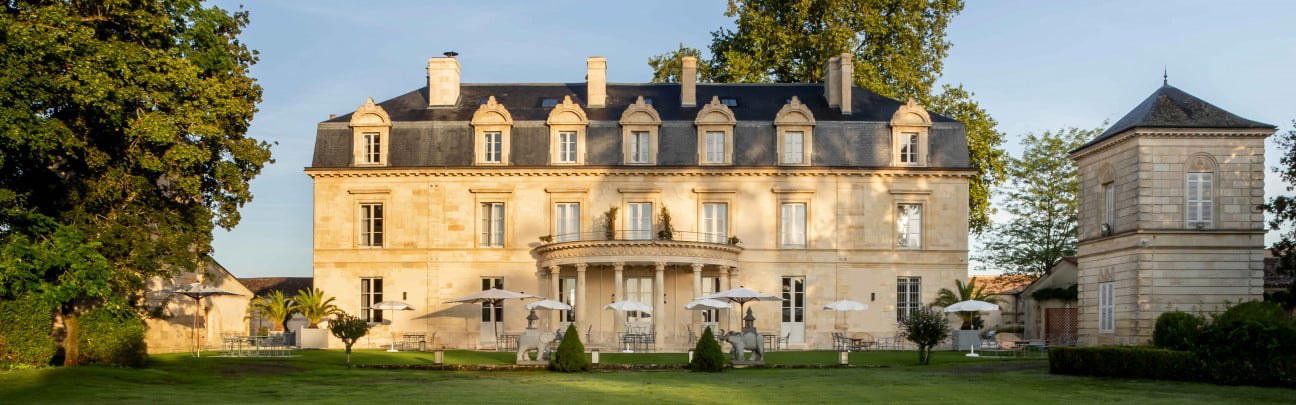
Château Saint-Pierre stands on the Grand Rue in that village, a Fourth Growth estate whose parcels sit within one of the appellation's densest concentrations of classified land. Its neighbours include Château Branaire Ducru and Château Gruaud-Larose, two estates whose reputations draw substantial collector attention. That proximity matters: the terroir Saint-Pierre works with is not categorically different from those peers, which makes comparative tasting across the appellation's classified tier a particularly instructive exercise.
What the Vineyard Position Actually Means
Saint-Julien as an appellation covers a relatively compact area, yet its internal geography produces wines that split into recognisable stylistic camps. Estates on the northern plateau, closer to Pauillac, tend toward firmer tannic architecture. Those nearer the southern boundary, approaching Margaux, often show a lighter hand. The village of Saint-Julien-Beychevelle itself sits in the central band, where the deep gravel soils over limestone bedrock produce Cabernet Sauvignon with notable mineral precision and a capacity for long development in bottle.
Château Saint-Pierre's parcels, positioned within that central zone, inherit those soil characteristics directly. For comparison, Château Leoville Poyferre, a Second Growth in the same appellation, provides a useful benchmark for how the broader Saint-Julien style scales with parcel quality and investment level.
Winemaker Jean-Louis Triaud oversees production here. In Bordeaux, winemaker continuity at a classified estate typically signals a house with stable ownership and a clear stylistic direction, and Triaud's tenure reflects that pattern. The profile Saint-Pierre has maintained, structured and Cabernet-forward, aligns with what the appellation's leading parcels are capable of producing when vinification stays out of the way of terroir expression.
The Médoc's Classified Tier: Where Saint-Pierre Sits
The 1855 Classification remains Bordeaux's primary commercial sorting mechanism, and Saint-Pierre's Fourth Growth status places it in the middle of a five-tier hierarchy that has changed remarkably little in 170 years. That classification creates a complex pricing and perception market: Fourth and Fifth Growths from leading appellations like Saint-Julien often outperform their official rank in blind tasting, particularly in strong vintages, while trading at prices below the First and Second Growths that dominate collector demand.
This dynamic is not unique to Saint-Pierre. Across the Médoc, classified estates outside the leading two tiers have spent the past two decades building reputations through consistent quality rather than headline pricing.
For broader context on how Bordeaux classified estates compare to other premium French producers working outside the Bordeaux system, the contrast with Albert Boxler in Niedermorschwihr or Château Bélair-Monange in Saint-Emilion illustrates how differently prestige is constructed in different French appellations. Right Bank estates like Château Clinet in Pomerol operate on a proprietor-reputation model rather than a classification model, which shapes both pricing and collector behaviour in ways that Médoc buyers should understand before moving between regions.
Visiting the Estate and Planning Access
The logistics of visiting a classified Médoc estate like Saint-Pierre differ from winery tourism in most other regions. The Médoc's grands châteaux are not set up for drop-in visitors in the manner of, say, Napa Valley properties. Appointments are the standard approach, arranged in advance through the estate directly. Château Saint-Pierre's address on the Grand Rue in Saint-Julien-Beychevelle makes it accessible from Bordeaux city in under an hour by car, with the D2 route north through the Médoc serving as the main artery connecting the classified estates. Our full St-Julien guide covers the appellation's geography and key estates in more detail.
Timing a visit around the harvest period, from late September into October, allows visitors to observe the estate at its most active, though logistically it is also the period when winery teams are at their most stretched. The quieter months of winter and early spring offer a different perspective on the Médoc: the vines stripped back, the plateau open and grey, and the scale of the gravel terroir visible without summer foliage. It is a more austere experience but arguably a more instructive one for understanding what makes this strip of land consistently produce some of France's most age-worthy red wines.
Across the broader Bordeaux region, estates in Pauillac such as Château Batailley and in Haut-Médoc such as Château Cantemerle offer useful points of comparison for tasting trips that extend beyond Saint-Julien's boundaries. Sauternes estates like Château Bastor-Lamontagne in Preignac and Château d'Arche round out the Left Bank geography for visitors building a structured itinerary across the Gironde's classified appellations. For Margaux-area context, Château Boyd-Cantenac in Cantenac provides a comparable mid-classification reference point.
The Broader Frame: Why Saint-Julien Matters at This Level
Saint-Julien is the smallest of the Médoc's four main communes by area, yet it accounts for a disproportionate share of the peninsula's classified vineyard land. There are no First Growths here, but the commune's Second Growths, which include the three Léovilles, are considered among the most consistent overperformers in all of Bordeaux. That cluster effect raises the quality floor across the appellation: estates at the Fourth and Fifth Growth tier operate in a context where the benchmarks immediately above them are maintained by estates with significant investment and global reputations.
Château Saint-Pierre operates in exactly that context. For collectors and visitors approaching the Médoc systematically, it belongs in the same itinerary as its better-publicised neighbours rather than being filtered out by classification tier alone.
Producers from entirely different premium wine contexts, such as Accendo Cellars in St. Helena, illustrate how Cabernet-dominant winemaking has developed globally. That comparison sharpens what remains particular to Saint-Julien: the restraint that comes from genuinely deep gravel soils, the slow tannin development, and the way the wines close down in youth before opening across a decade or more in the cellar. It is a profile that Napa's most ambitious Cabernet houses have studied carefully, and the original remains instructive.
Frequently Asked Questions
- What wines is Château Saint-Pierre known for? Château Saint-Pierre produces Cabernet Sauvignon-dominant red Bordeaux within the Saint-Julien appellation, a commune whose deep gravel soils over limestone produce wines known for structured tannins, mineral precision, and extended ageing potential. Under winemaker Jean-Louis Triaud, the estate has maintained a consistent house profile aligned with the appellation's classical register. For appellation context, the estate sits alongside peers including Château Branaire Ducru and Château Gruaud-Larose.
- What is Château Saint-Pierre leading at? The estate sits in a peer group of Fourth Growth Médoc producers that have built reputations for quality above what their classification alone implies. Our full St-Julien guide provides further context on how the appellation's estates compare across the classification tiers.
- What is the ideal way to book Château Saint-Pierre? Visiting a classified Médoc estate like Château Saint-Pierre typically requires advance contact directly with the estate to arrange an appointment; walk-in visits are not standard practice in this part of Bordeaux. The estate is located on the Grand Rue in Saint-Julien-Beychevelle, accessible from Bordeaux city by car in under an hour via the D2 Médoc route. Current contact details, including any available website or phone information, should be verified through the estate directly or through a specialist wine tourism operator covering the Left Bank appellations.
The Quick Read
Comparable venues nearby, for context on price, style, and recognition.
| Venue | Cuisine | Price | Awards |
|---|---|---|---|
| Château Saint-PierreThis venue (the venue you are viewing) | Saint-Julien, Cabernet Sauvignon, Merlot | Not listed | Michelin Main Selection · Falstaff Winery - 3 Stars |
| Château Gruaud-Larose | Saint-Julien, Cabernet Sauvignon, Merlot | Not listed | Michelin Main Selection · Falstaff Winery - 3 Stars |
| Château Branaire Ducru | Saint-Julien, Cabernet Sauvignon, Merlot | $50–100 | Michelin 1 Grape · Falstaff Winery - 3 Stars |
| Château Leoville Poyferre | Saint-Julien, Cabernet Sauvignon, Merlot | Not listed | Falstaff Winery - 3 Stars |
| Château Léoville Barton | Saint-Julien, Cabernet Sauvignon, Merlot | Not listed | Michelin 1 Grape · Falstaff Winery - 4 Stars |
| Le Dome | Saint-Emilion, Cabernet Franc, Merlot | $50–100 | Falstaff Winery - Listed |
Recognition history
Dated appearances from independent guides and award organizations, with the underlying list record or original source where available.
Michelin Main Selection
Michelin
Falstaff Winery - 3 Stars
Falstaff
Continue exploring
More in Saint-Julien-Beychevelle
Wineries in Saint-Julien-Beychevelle
All wineries in Saint-Julien-Beychevelle →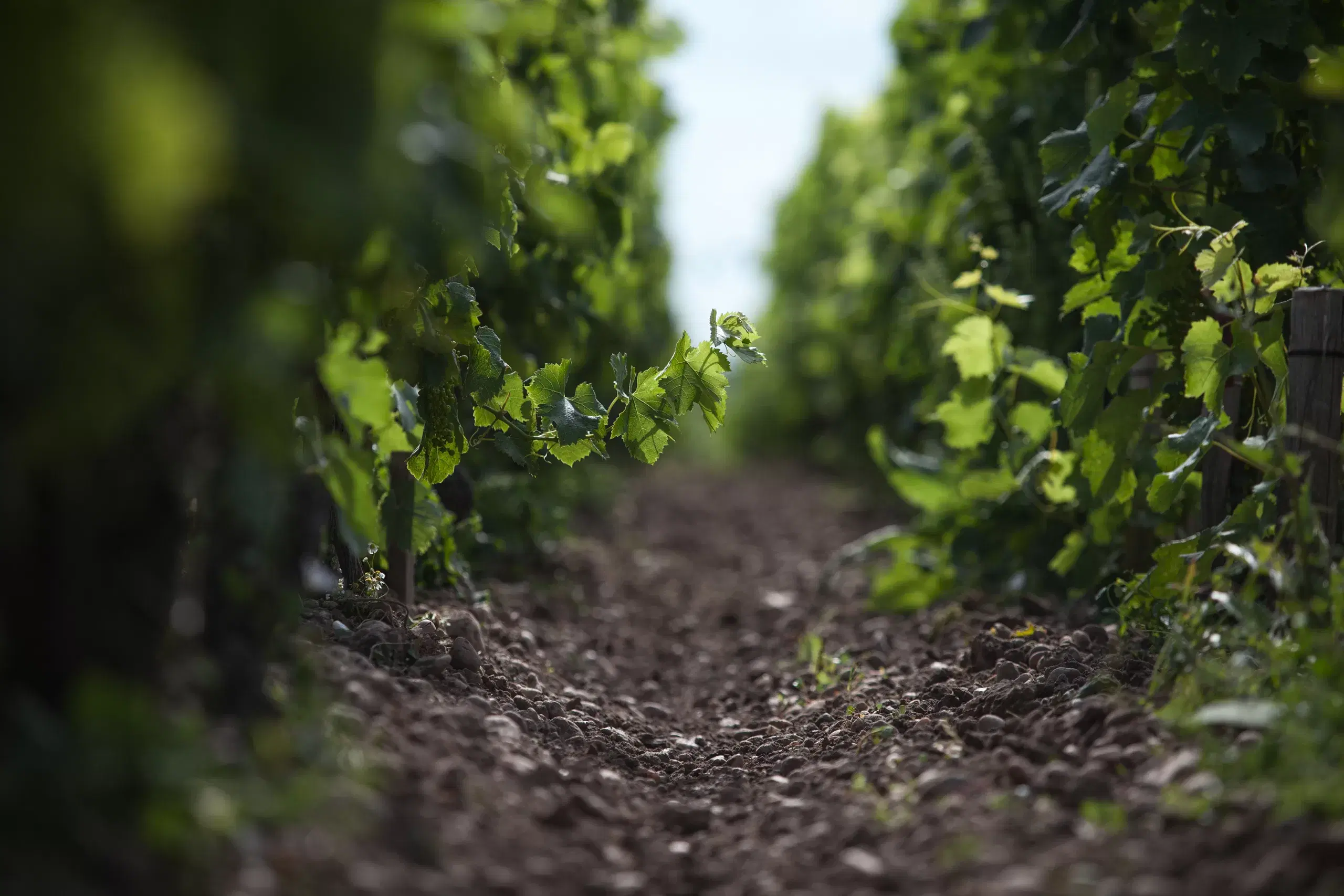
Bars in Saint-Julien-Beychevelle
Browse all →
Restaurants in Saint-Julien-Beychevelle
Browse all →
Details
- Classic
- Elegant
- Sophisticated
- Wine Education
- Special Occasion
- Vineyard Tour
- Historic Building
- Biodynamic
- Vineyard
- Cabernet Sauvignon
- Merlot
- Cabernet Franc
- Still Red
- Cave Tasting
- Private Tasting
- French
- English
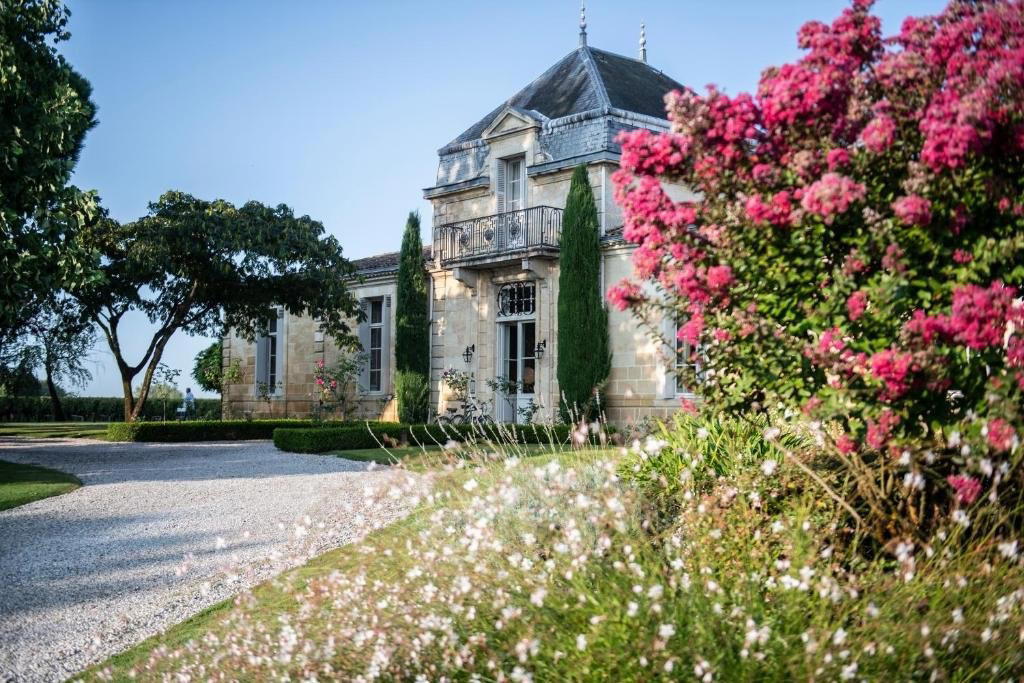
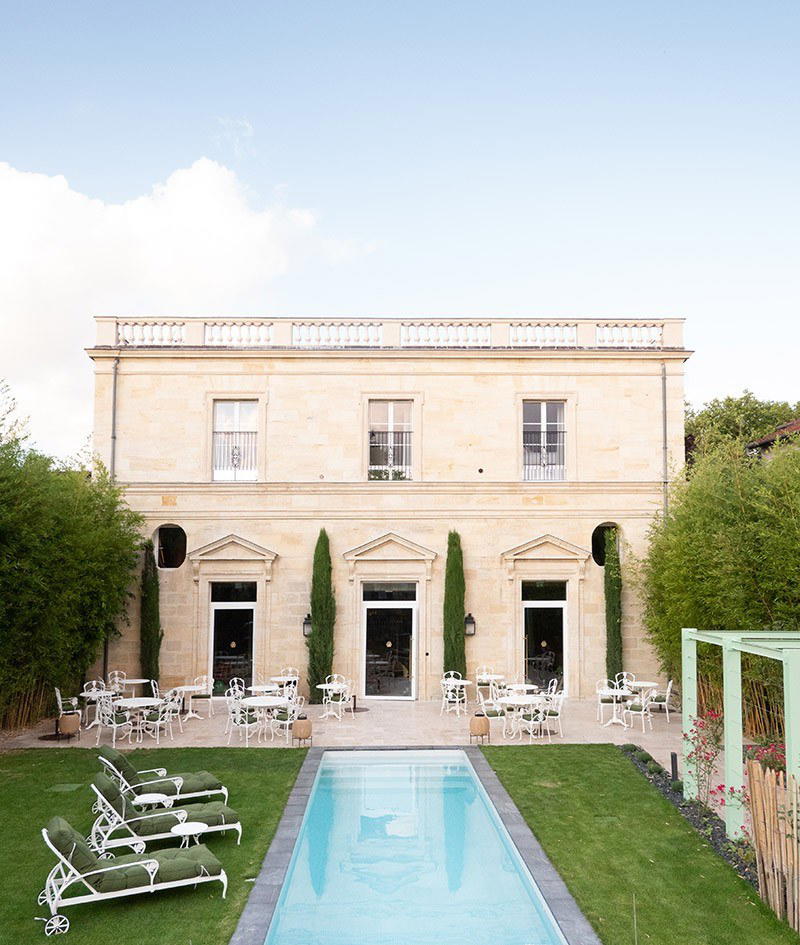
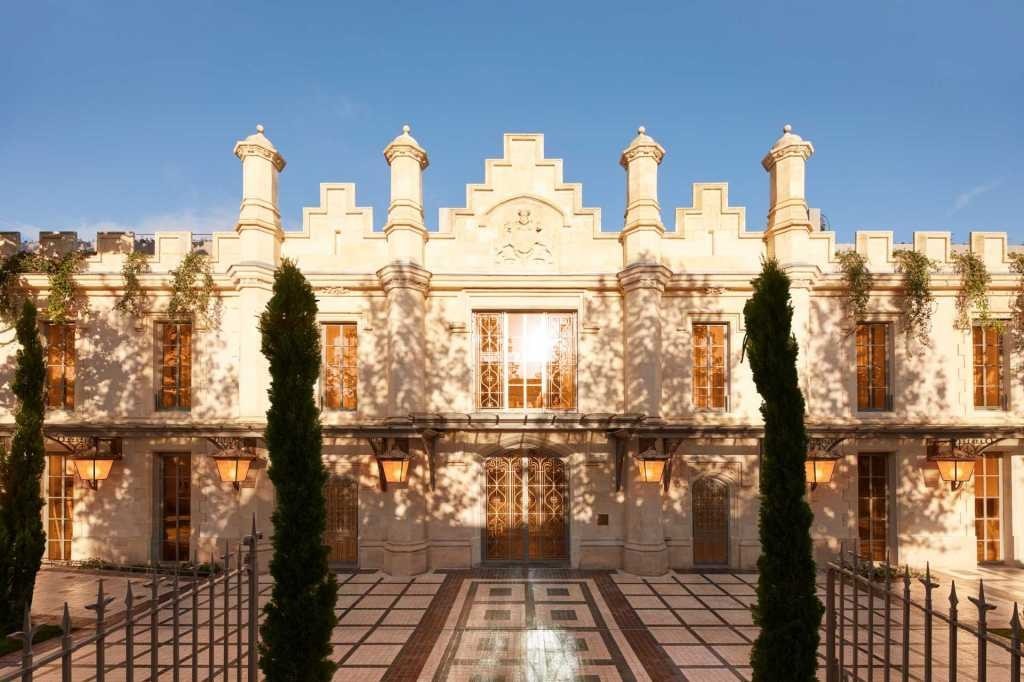
Elegant and classic with an atmosphere of historic sophistication amid the vines.