
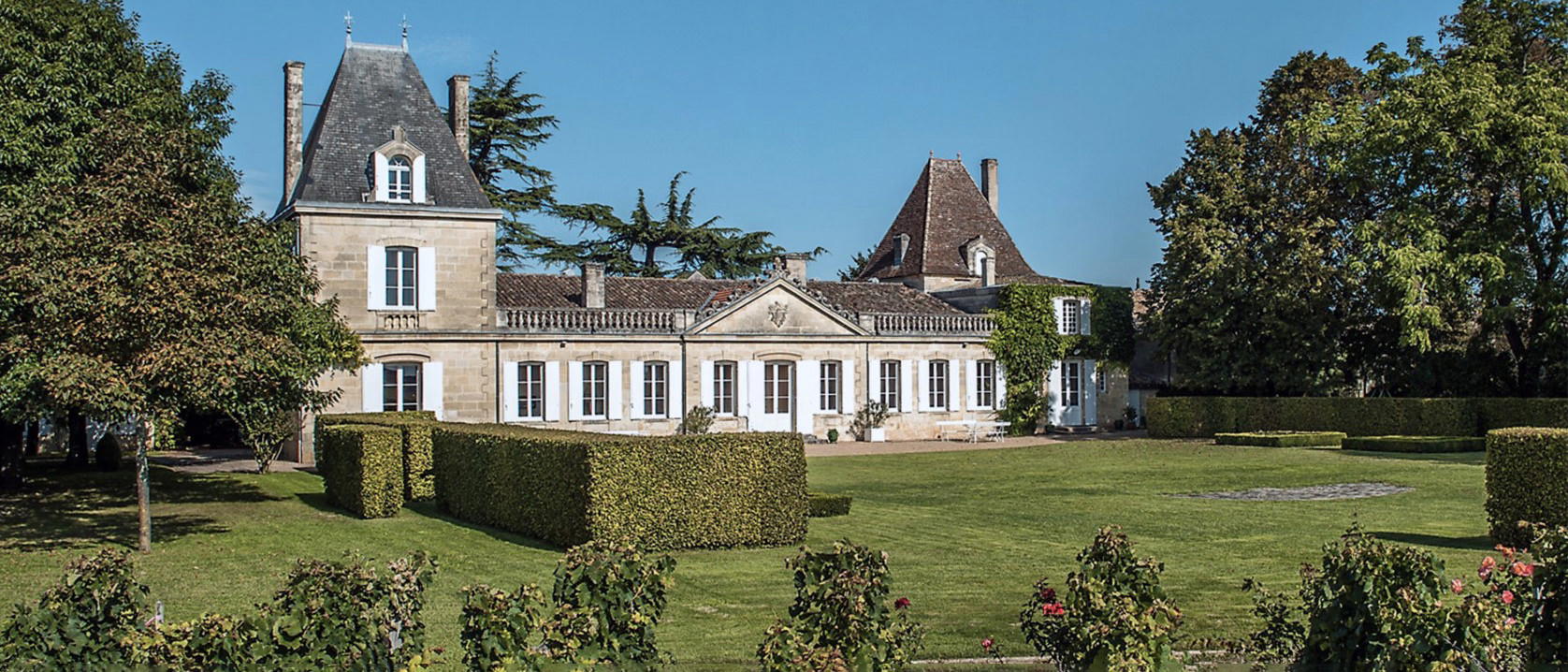
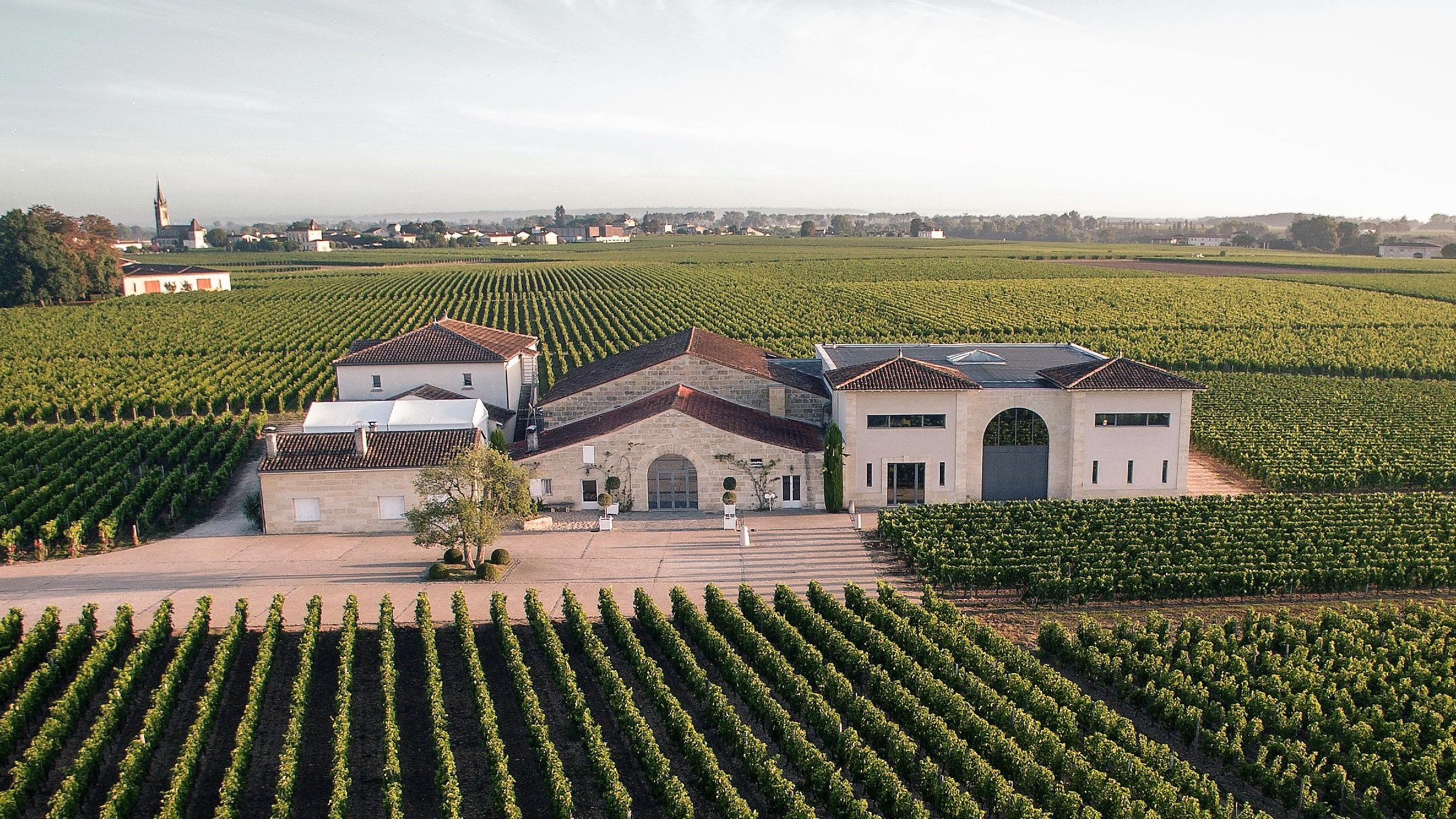
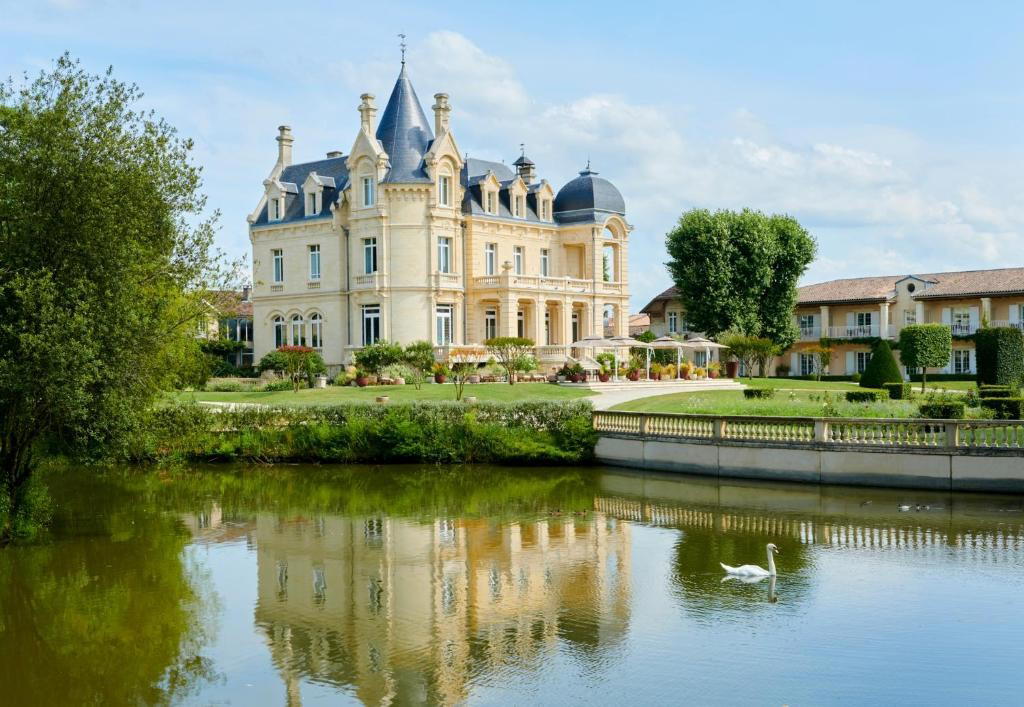
Château Le Gay occupies a quiet parcel of Pomerol clay-and-gravel terroir managed by Henri Parent and winemaker Marcelo Pelleriti. Located at 11 Chemin de Chantecaille, it sits within the dense network of right-bank estates that define Merlot-dominant winemaking at its most concentrated.
Pearl is the En Primeur Club membership app — saves, bookings, and concierge access live there. Same editors, same standards.
- Address
- 11 Chemin de Chantecaille, 33500 Pomerol, France
- Phone
- +33320642056
- Website
- vignoblesparent.com
- Directions
- Get directions
 Saves & bookings on Pearl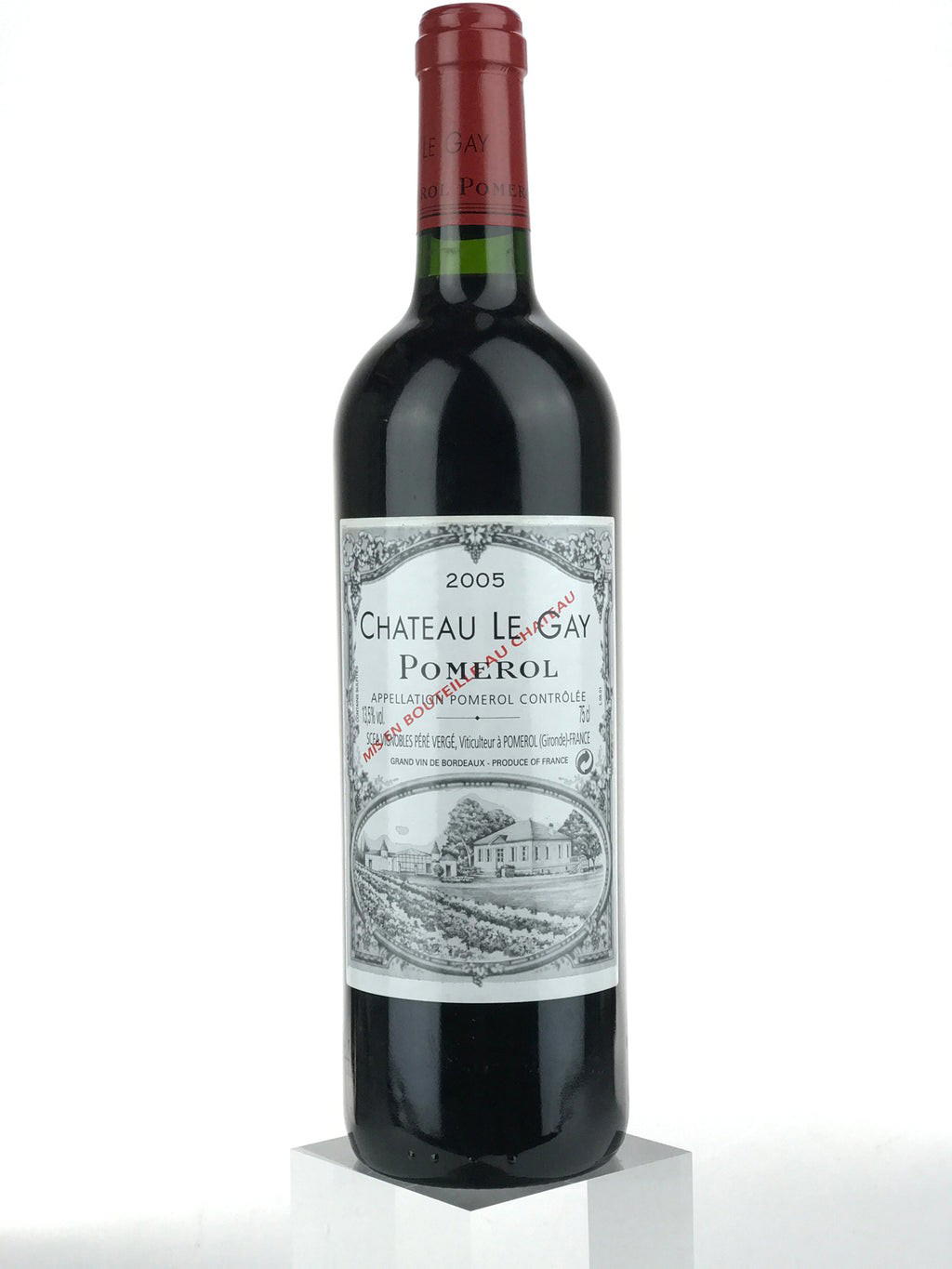
Pomerol's Terrain and the Producers Who Work It Closest
Pomerol is one of Bordeaux's smallest classified appellations, roughly 800 hectares of gravel, sand, and the blue-tinged clay plateau that converges near Château Pétrus at its centre. Because the appellation has no official classification system of its own, unlike Saint-Émilion or the Médoc, producer reputation here is built almost entirely through allocated release patterns, critical consensus, and secondary-market pricing. Château Le Gay, at 11 Chemin de Chantecaille, is a winery in Pomerol, France.
The Pomerol comparable set is compact but fiercely differentiated. Château Clinet, Château Gazin, Château L'Église Clinet, and Château Trotanoy all draw from overlapping soil profiles, the precise proportion of Pomerol clay, the depth of the gravel beneath it, and the vine age on any given parcel are the variables that separate one estate's output from another's. In this context, winemaking decisions carry unusual weight. The choice of extraction method, barrel proportion, and harvest date interacts with the terroir in ways that make Pomerol wines particularly legible as documents of their maker's intentions. Marcelo Pelleriti, who oversees winemaking at Château Le Gay alongside Henri Parent, works within this tradition of precision-led viticulture.
Within the Pomerol context, that designation functions as a positioning signal: it clusters the estate with producers whose wines are tracked by collectors and allocated-list subscribers rather than those purchased off retail shelves on release.
Pomerol's premium producers have historically commanded prices disproportionate to their physical scale, and Château Le Gay fits a pattern visible across the appellation: small parcel, concentrated output, and a winemaking team whose credentials register with buyers accustomed to tracking right-bank producers across multiple vintages. For comparison, estates like Château Bélair-Monange in Saint-Émilion, a neighbouring right-bank appellation, demonstrate how terroir-led estates with recognisable winemaking lineage occupy a distinct segment of the Bordeaux market.
Henri Parent, Marcelo Pelleriti, and the Right-Bank Winemaking Tradition
The right bank of Bordeaux has long supported a different kind of producer relationship than the Médoc's château-and-négociant structure. Pomerol properties are frequently family-held or held by small ownership groups, with winemaking responsibility concentrated in fewer hands and decisions made closer to the vineyard. This structure makes the named winemaker's role more legible here than in larger appellations where consulting oenologists, technical directors, and cellar masters share credit.
Marcelo Pelleriti brings an international formation to a local application. Winemakers with experience across multiple wine regions often approach Bordeaux terroir with comparative awareness, a different calibration of extraction, a different relationship to new oak, and that outside perspective has, in several Pomerol cases, produced wines that read slightly differently from their neighbours without departing from the appellation's structural DNA. Henri Parent, alongside Pelleriti, provides the ownership and estate continuity that tends to anchor decision-making in the medium term, particularly in a vintage cycle that demands multi-year planning. For reference, how winemaker identity shapes estate positioning is a dynamic visible at premium producers across France, from Albert Boxler in Alsace to Château Batailley in Pauillac.
Where Le Gay Sits in the Pomerol Competitive Set
Pomerol's upper tier is crowded and the competition for collector attention is continuous. The appellation's reference point remains Pétrus, whose combination of near-pure Merlot on iron-rich clay and decades of consistent critical ceiling-setting defines what Pomerol can achieve at its theoretical limit.
Le Gay's positioning within this group is consistent with a producer whose output is closely held and whose releases are tracked in the en primeur cycle rather than the secondary market alone. Properties at this tier in Pomerol tend to produce wines with recognisable structural weight: Merlot-dominant assemblages that carry density from the clay content, with a fruit register that skews darker than comparable appellations and a tannin frame that can support extended cellaring. For contrast, how different Bordeaux appellations approach prestige positioning is worth tracking: compare Château Branaire-Ducru in Saint-Julien or Château Boyd-Cantenac in Cantenac, both operating within the Médoc's classified structure, against the unclassified Pomerol system that gives estates like Le Gay their peculiar market autonomy.
Planning a Visit and Understanding the Access Point
Pomerol sits directly north of Libourne on the right bank, roughly 35 kilometres from Bordeaux city centre, accessible by road in under an hour during off-peak periods, though the narrow lanes threading between estates are not designed for high visitor volumes. The appellation does not operate a formal tourism infrastructure comparable to the Médoc's château-trail model, which means visits to producers like Château Le Gay typically happen through appointment requests made in advance, often via importers or through the en primeur network rather than direct walk-in access.
Timing matters in Pomerol. The en primeur tasting window, typically April of the year following harvest, is the primary moment at which the winery and its peers open to trade, press, and serious buyers. Outside that window, visits depend on the estate's own calendar and available stock. Buyers who want physical access should plan around the primeur week and, if possible, cross-reference the visit with the broader right-bank tasting circuit that includes Château Gazin and adjacent properties.
Price Lens
Comparable venues nearby, for context on price, style, and recognition.
| Venue | Cuisine | Price |
|---|---|---|
| Château Le GayThis venue — the venue you are viewing | Pomerol, Merlot, Cabernet Franc | $$$$ |
| Château La Fleur Petrus | Pomerol, Merlot, Cabernet Franc | $$$$ |
| Château Gazin | Pomerol, Merlot, Cabernet Franc | $$$$ |
| Château Les Carmes Haut-Brion | Pessac-Léognan, Cabernet Franc, Merlot | $$$$ |
| Château Lafleur | Pomerol, Merlot, Cabernet Franc | $$$$ |
| Château L'Eglise Clinet | Pomerol, Merlot, Cabernet Franc | $$$$ |
Recognition history
Dated appearances from independent guides and award organizations, with the underlying list record or original source where available.
Falstaff Winery - 3 Stars
Falstaff
Continue exploring
More in Pomerol
Wineries in Pomerol
Browse all →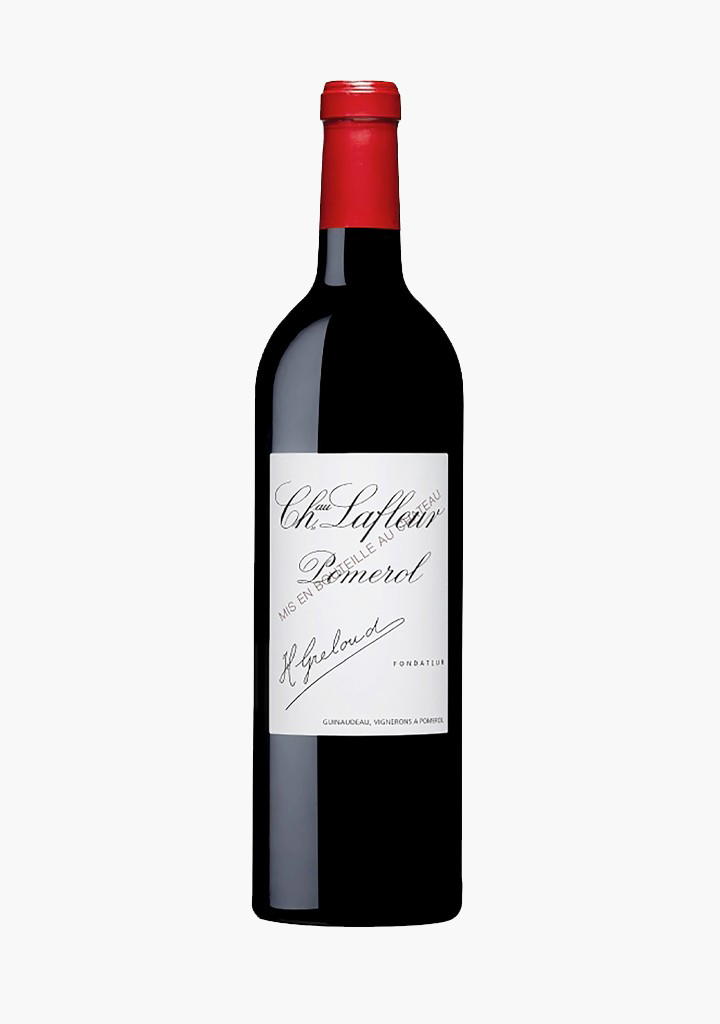
Bars in Pomerol
Browse all →

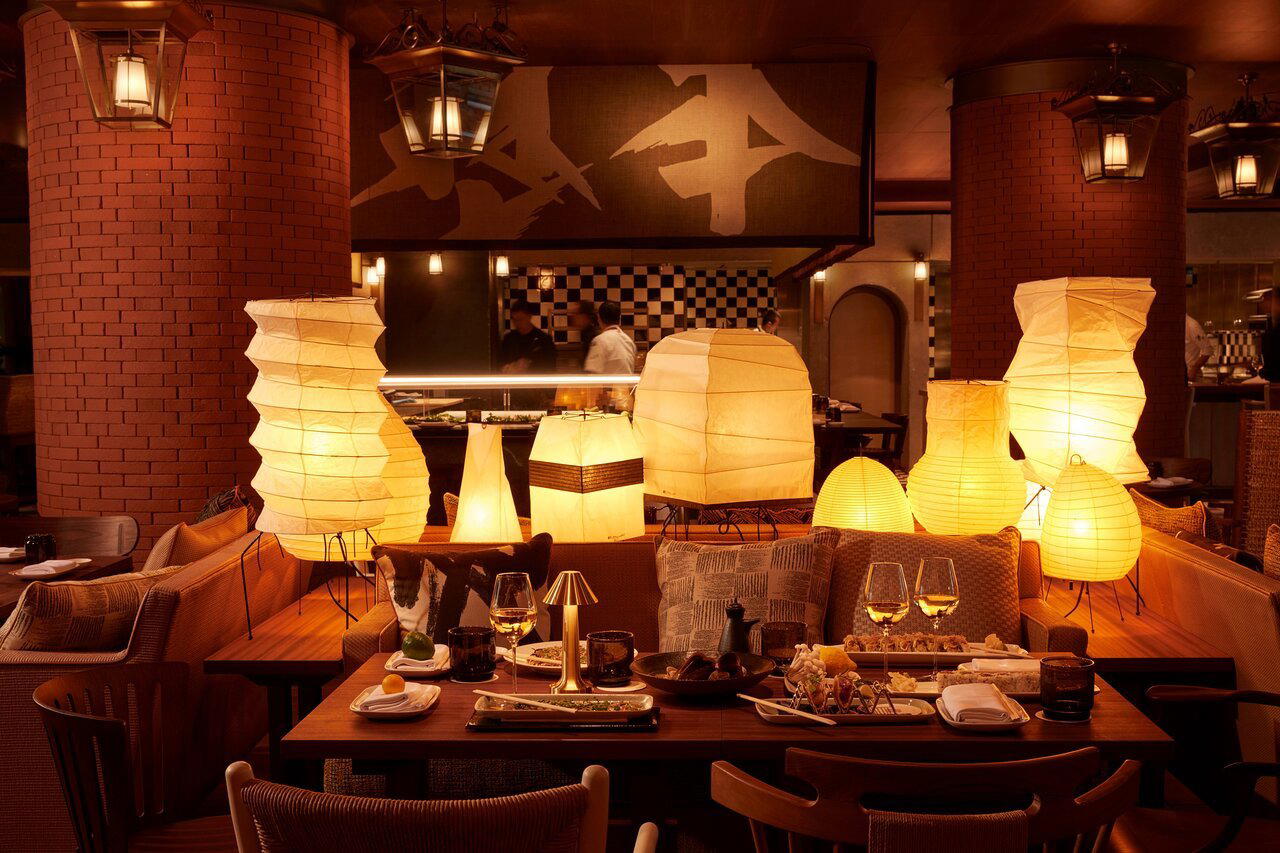
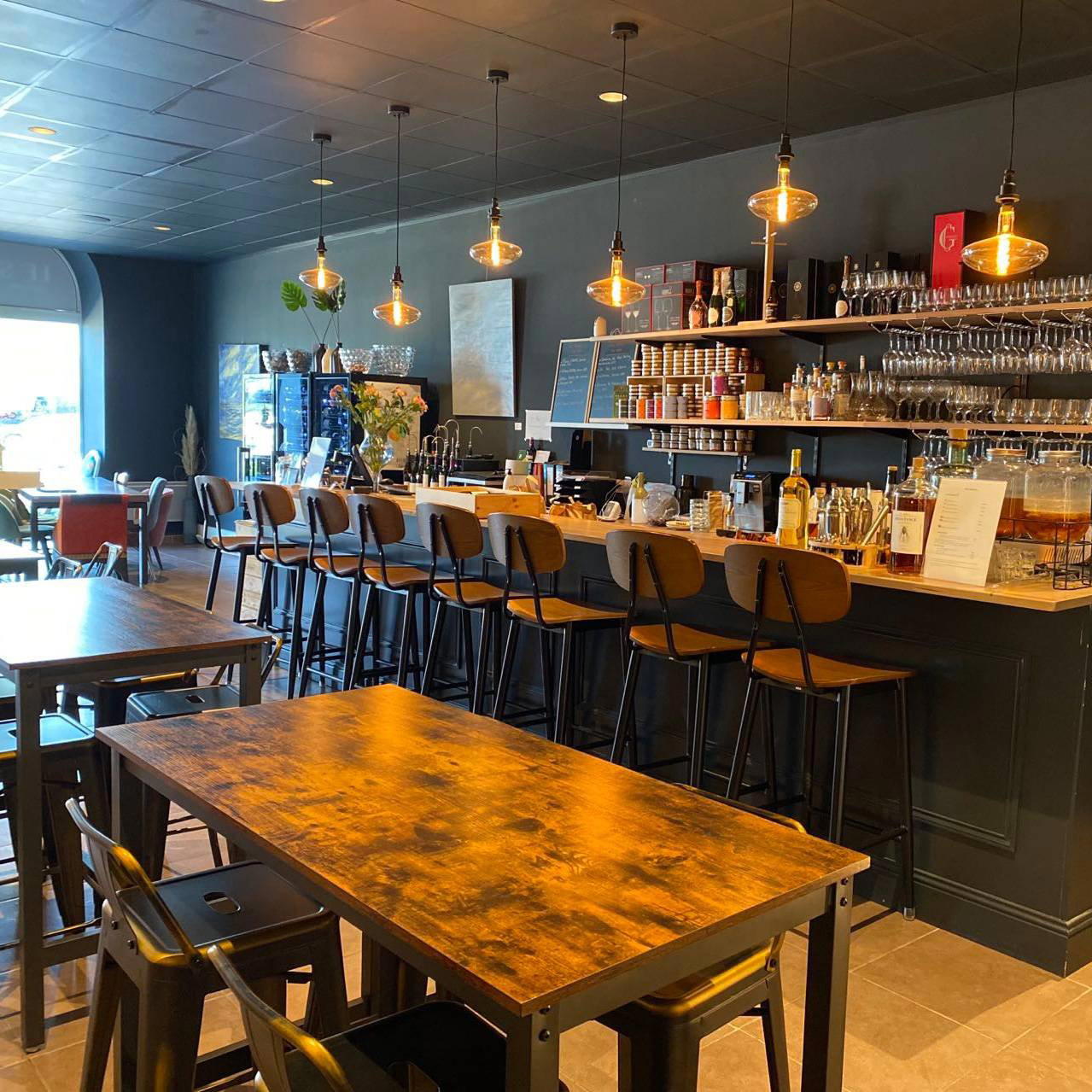
Restaurants in Pomerol
Browse all →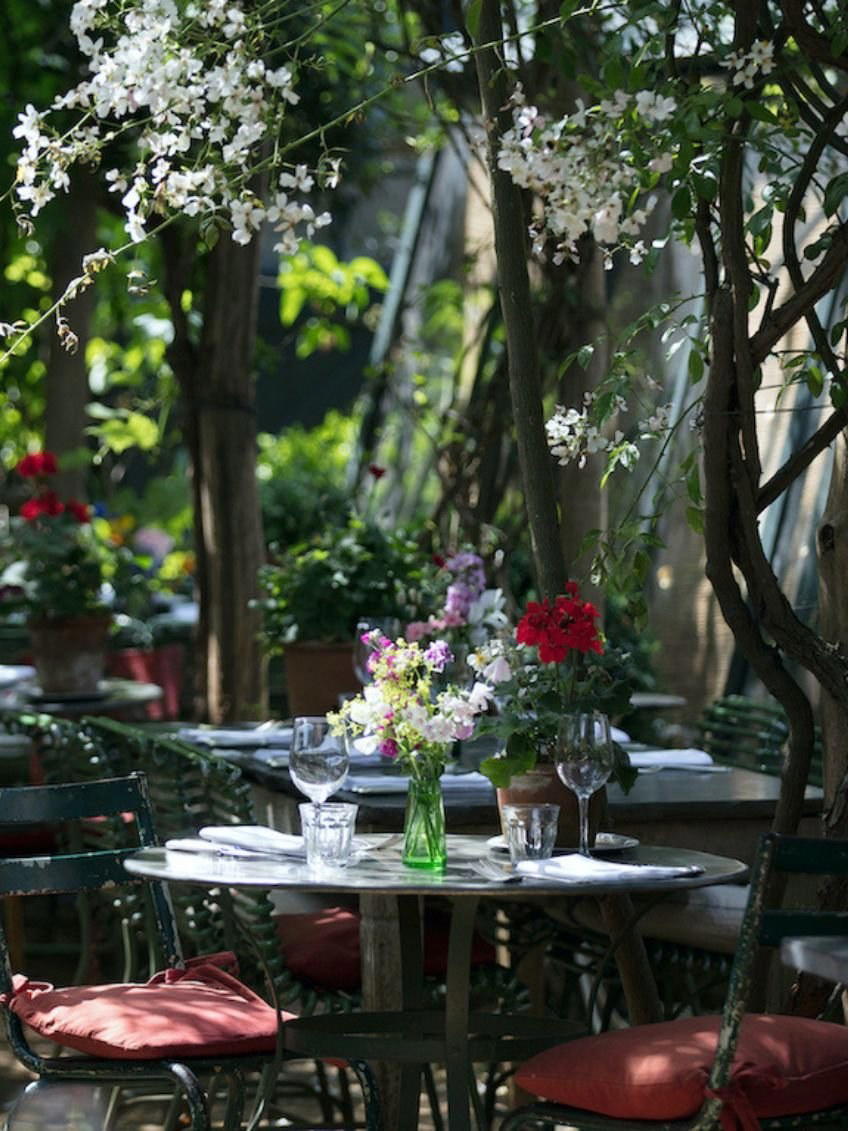
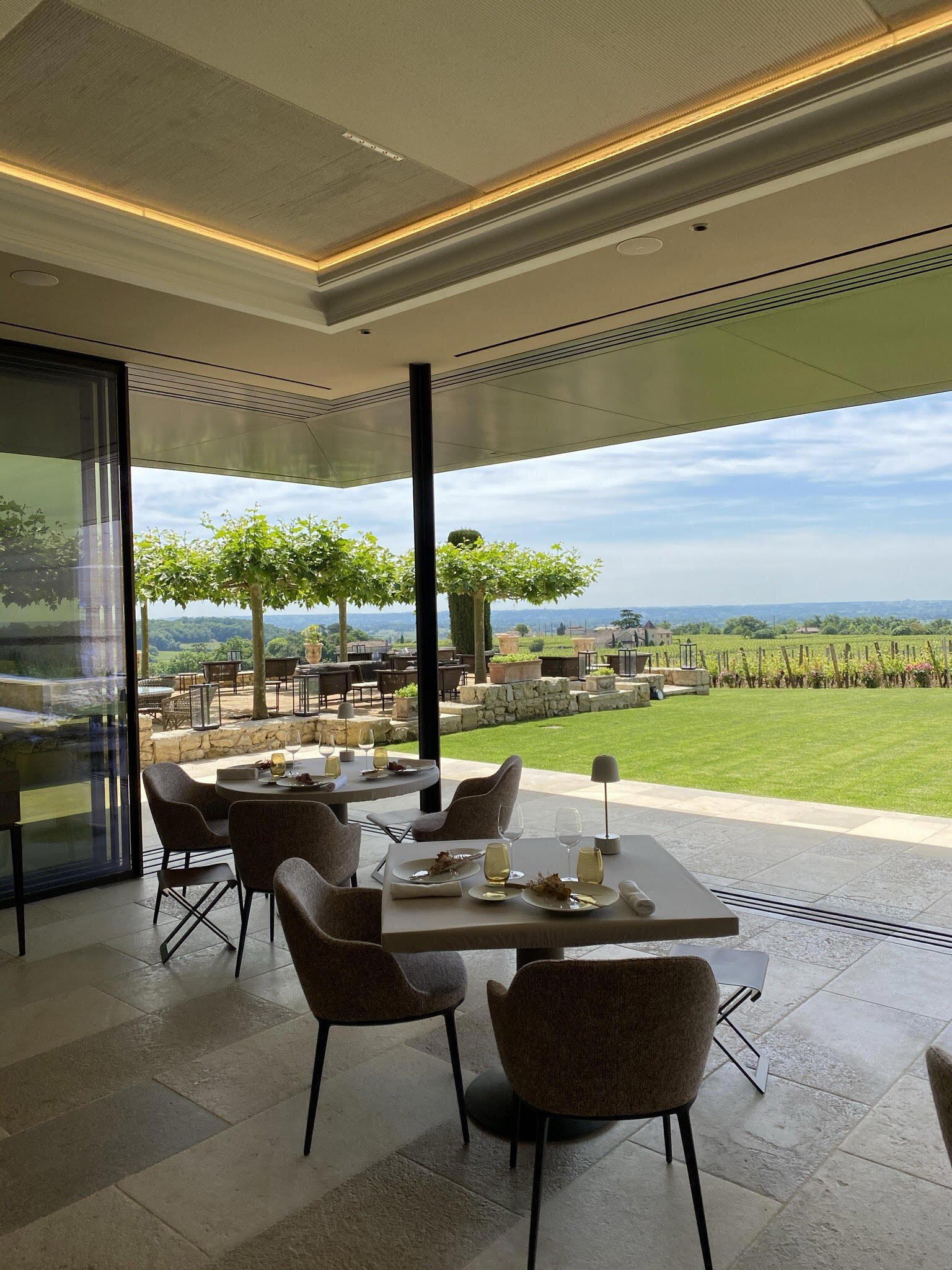
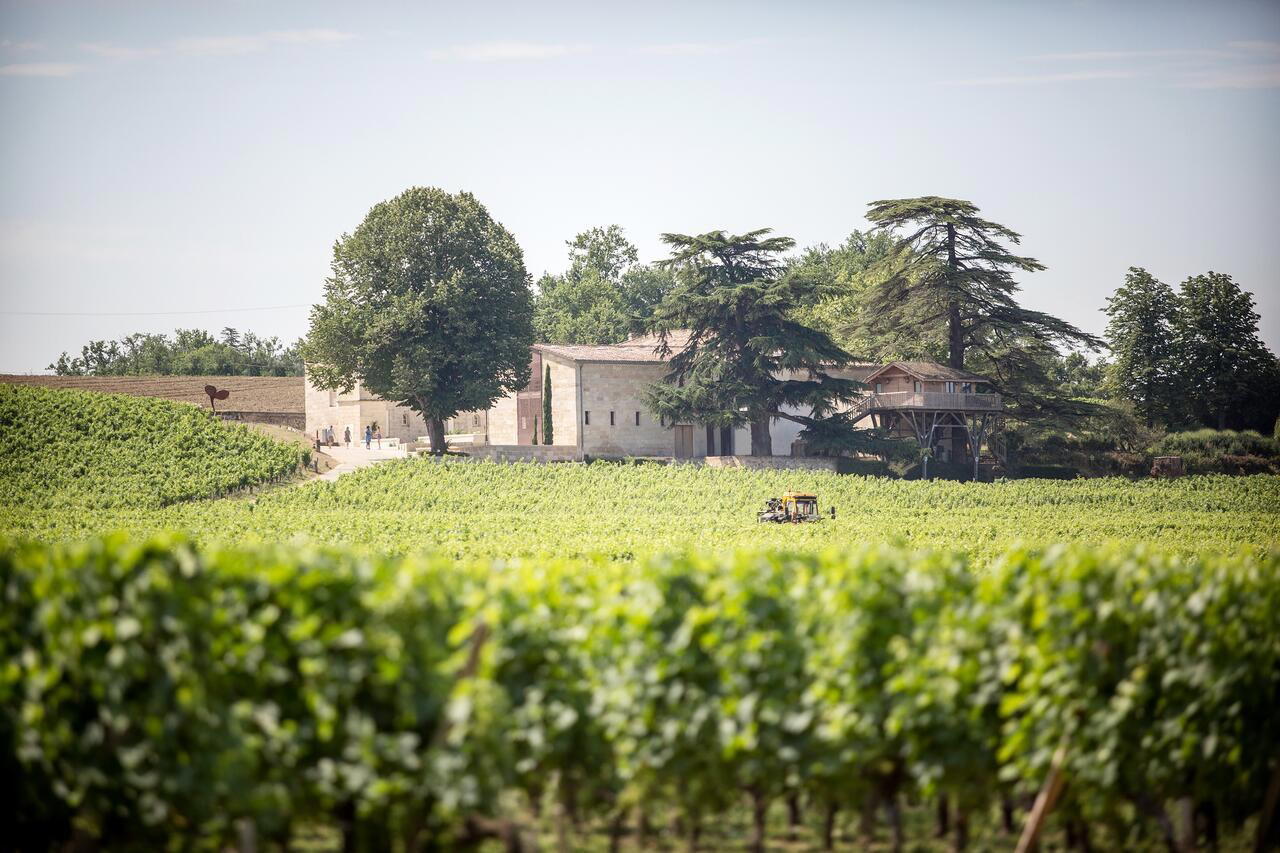
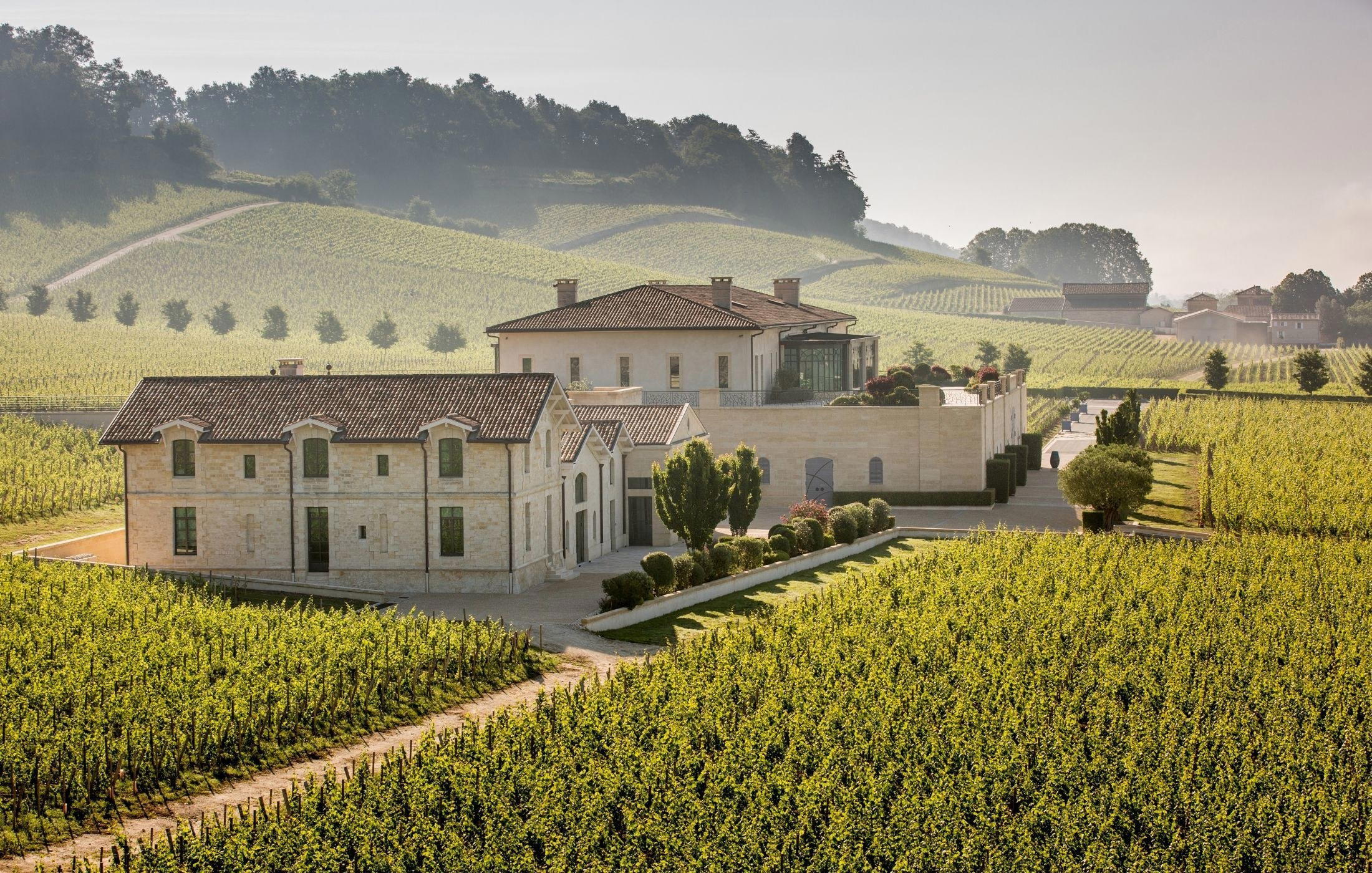
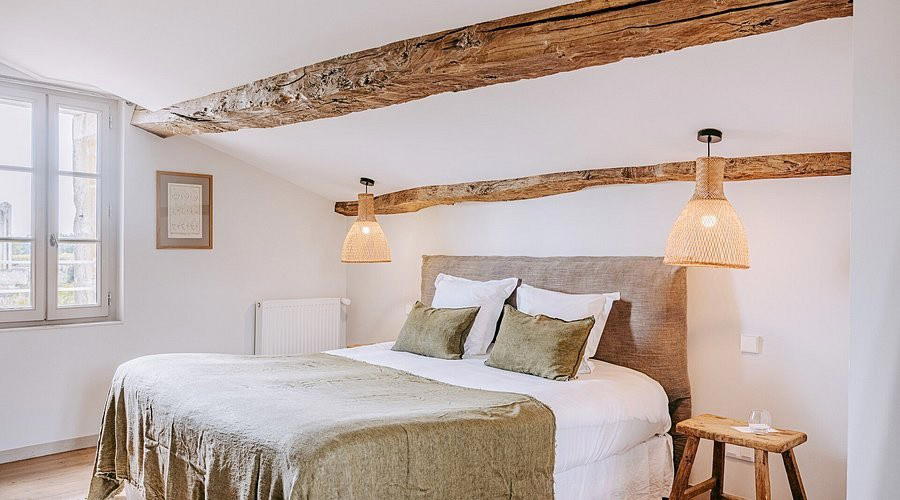
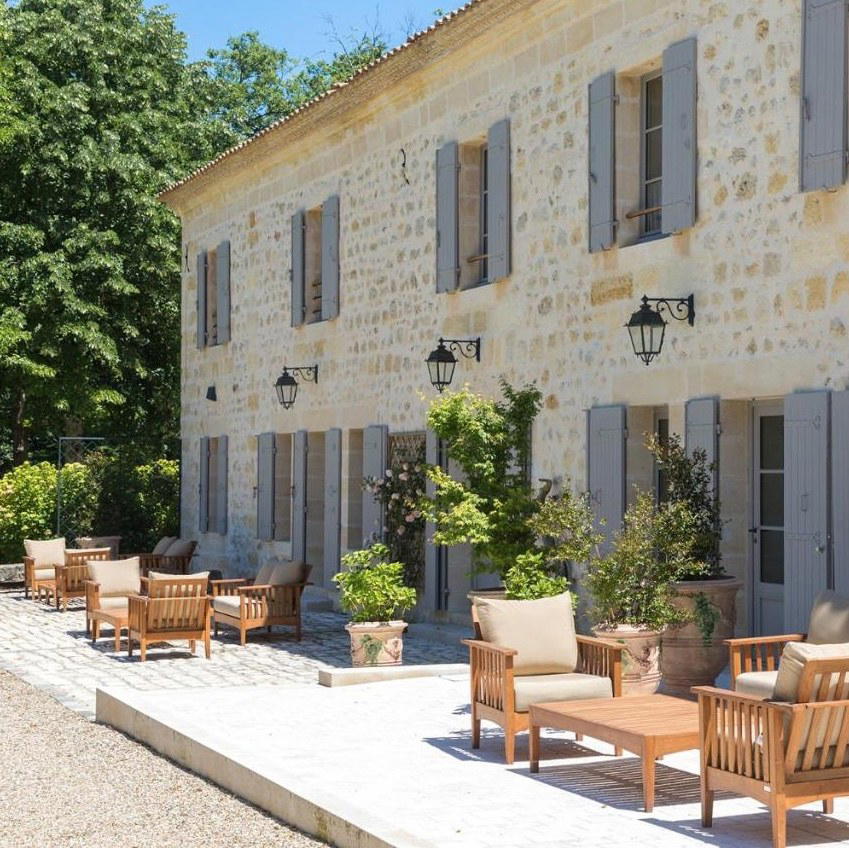
At a Glance
- Classic
- Elegant
- Sophisticated
- Well Known
- Wine Education
- Special Occasion
- Romantic Getaway
- Barrel Room
- Vineyard Tour
- Estate Grounds
- Historic Building
- Sustainable
- Vineyard
- Pomerol AOC
- Merlot
- Cabernet Franc
- Still Red
- Barrel Tasting
- Cellar Tasting
- Micro Vinification Tasting
Current opening hours
- Monday
- 9:30 AM–12 PM, 2–5 PM
- Tuesday
- 9 AM–5 PM
- Wednesday
- 9 AM–5 PM
- Thursday
- 9 AM–5 PM
- Friday
- 9 AM–5 PM
- Saturday
- Closed
- Sunday
- Closed
Hours can change for holidays and private events. Last verified .
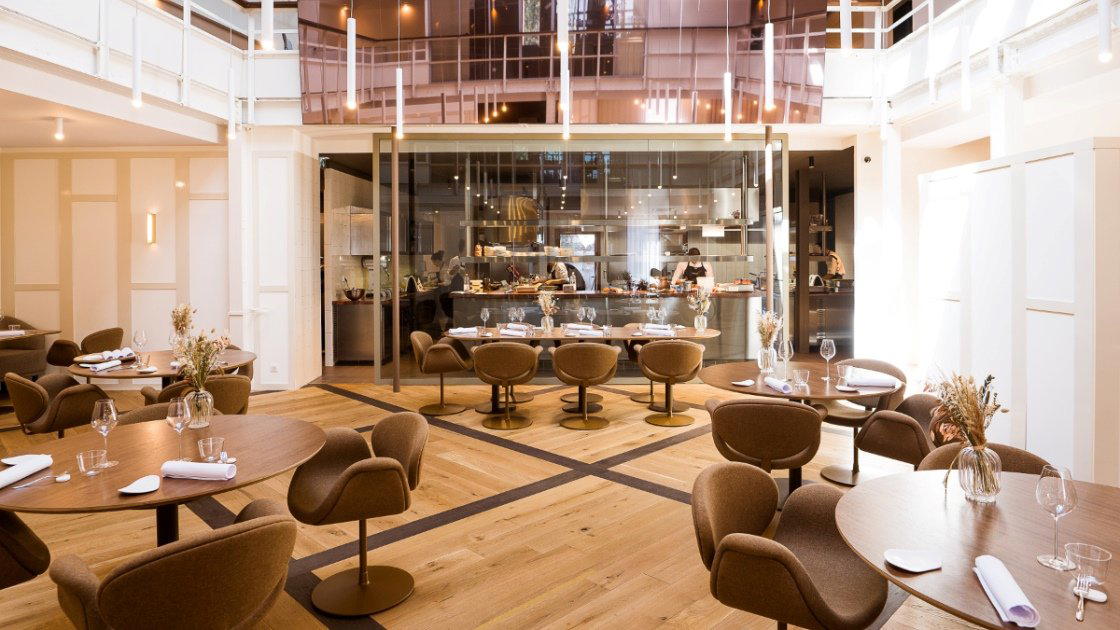
Traditional, terroir-focused winemaking environment with recently renovated facilities emphasizing precision and heritage; austere and intellectual rather than hedonistic.