Stag's Leap Wine Cellars


World's 50 Best #47 · Falstaff Winery - Listed
Stag's Leap Wine Cellars sits along Silverado Trail in the Stags Leap District, its vineyards shaded by the volcanic palisades that give the appellation its name. Winemaker Marcus Notaro continues a lineage that helped define what Napa Cabernet can be at the cooler, rockier southern end of the valley.

Pearl is the En Primeur Club membership app — saves, bookings, and concierge access live there. Same editors, same standards.
- Address
- 5766 Silverado Trail, Napa, CA 94558
- Phone
- (707) 261-6410
- Website
- stagsleapwinecellars.com
- Directions
- Get directions
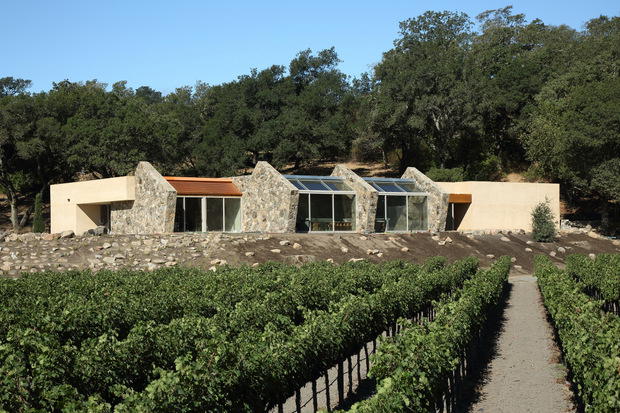
The Palisades as a Winemaking Address
Approach the Stags Leap District from Silverado Trail on a clear afternoon and the geology announces itself before the vineyards do. The basalt palisades that rise abruptly from the valley floor cast long shadows across the bench land below, and the topography does something measurable: it traps afternoon heat while the volcanic and alluvial soils retain just enough moisture to slow ripening. The result is a subappellation that has consistently produced Cabernet Sauvignon with more structural finesse and lower apparent heat than the broader Napa Valley average. Stag's Leap Wine Cellars, at 5766 Silverado Trail, sits directly in that shadow zone, and understanding the estate begins with understanding the address rather than the label.
The name itself carries geographic weight. Local legend describes a stag leaping the palisades to escape hunters, and the image has become shorthand for the district's character: fleet, precise, defined by topography rather than sheer concentration. Each occupies a different part of the district's profile spectrum, and Stag's Leap Wine Cellars has long anchored the appellation's historical argument.
A 1972 Starting Point and What It Implies
A first vintage in 1972 places Stag's Leap Wine Cellars among the earliest wave of serious Napa producers, predating the appellation system and arriving before the region had established an international reputation. That half-century of production history functions as a credentialing mechanism in a market where provenance commands attention. Long-established estates in Napa accumulate vine age, institutional knowledge of specific blocks, and a track record across multiple climate cycles that newer operations cannot replicate quickly.
Winemaker Marcus Notaro now holds the production brief, inheriting an estate with deeply mapped vineyard data and a legacy that makes his work as much about stewardship as reinvention. In Napa, that balance between honoring site history and applying current technique is exactly where the most scrutinized estates operate. The comparison benchmark is not just neighboring Stags Leap producers but the broader class of Napa houses with pre-1980 founding dates, including Accendo Cellars in St. Helena and Alpha Omega Winery in Rutherford, where institutional depth shapes how critics and collectors assess annual releases.
The District's Competitive Logic in 2025
The Stags Leap District operates as one of Napa's tighter geographic appellations, with fewer than a dozen significant producers operating across a relatively compact bench. That compression intensifies comparison shopping. Visitors planning a focused district itinerary will typically anchor around two or three estates rather than attempting a broader valley sweep, and the question of sequencing matters more here than in Rutherford or Oakville, where the estates are more dispersed. Stag's Leap Wine Cellars, given its location on Silverado Trail and its standing as the estate most directly associated with the palisades mythology, tends to function as a reference point against which other district visits are measured.
Producers like Pine Ridge Vineyards and Chimney Rock Winery each interpret the same volcanic soil and afternoon shadow differently, making back-to-back visits across the district more instructive than a single-stop approach. Stag's Leap Wine Cellars, with its 1972 founding, provides the longest historical thread in that comparison. For broader California context, the range of winemaking approaches found at Adelaida Vineyards in Paso Robles, Alban Vineyards in Arroyo Grande, or Andrew Murray Vineyards in Los Olivos underlines how distinctly the Stags Leap appellation character reads against the state's wider range.
Visiting: Timing, Planning, and Access
Napa's visiting season peaks between late May and October, with harvest (August through October depending on the year) bringing the highest foot traffic and the most active winery atmosphere. The Stags Leap District, being compact and located at the southern end of the valley, can feel more accessible than the Oakville or Rutherford clusters during peak season, but tasting room capacity across the district is limited and advance reservations are the standard expectation at credentialed estates. The estate's address on Silverado Trail places it conveniently along the road's central stretch, where multiple district producers can be combined in a single day without significant driving. Check directly with the estate regarding current tasting formats, appointment requirements, and seasonal programming, as these specifics shift year to year. For full district context and additional producer recommendations, see our full Stags Leap District (Napa) guide.
Visitors approaching the district from further afield may also want to consider how the Stags Leap producers compare to other historically significant California appellations. The Willamette Valley perspective offered by Adelsheim Vineyard in Newberg or the Sonoma expressions at Alexander Valley Vineyards in Geyserville place Napa's structural Cabernet tradition in sharper relief. The Stags Leap District's particularity becomes clearer when you have that wider reference frame already established.
In a district where several established producers hold strong credentials, a prestige-level designation indicates consistent performance across the criteria the platform weighs, including provenance, production quality, and visitor experience. It also places the winery in a peer conversation with estates across California's premium tier, from Accendo Cellars to international comparators like Aberlour in Scotland and Achaia Clauss in Patras, where the common thread is institutional depth rather than recent launch momentum.
That framing matters practically. The 1972 founding date and Notaro's current winemaking stewardship complete a picture of an estate that earns its standing through accumulated performance rather than marketing positioning.
Peers in This Market
Comparable venues nearby, for context on price, style, and recognition.
| Venue | Cuisine | Price | Awards | Notes |
|---|---|---|---|---|
| Stag's Leap Wine CellarsThis venue — the venue you are viewing | Cabernet Sauvignon, Merlot | $50–100 | World's 50 Best #47 · Falstaff Winery - Listed | Not listed |
| Duckhorn Vineyards | Merlot, Cabernet Sauvignon | Not listed | World's 50 Best #44 · Falstaff Winery - Listed | St. Helena |
| Joseph Phelps Vineyards | Cabernet Sauvignon, Petit Verdot | Not listed | World's 50 Best #37 · Falstaff Winery - Listed | St. Helena |
| Beringer Vineyards | Cabernet Sauvignon, Chardonnay | $30–50 | World's 50 Best #88 · Falstaff Winery - Listed | St. Helena |
| Realm Cellars | Cabernet Sauvignon, Merlot | $100–150 | Falstaff Winery - Listed | Stags Leap District |
| Chimney Rock Winery | Cabernet Sauvignon, Merlot | $50–100 | Falstaff Winery - Listed | Stags Leap District |
Recognition history
Dated appearances from independent guides and award organizations, with the underlying list record or original source where available.
World's 50 Best Vineyards #47
World's 50 Best
Falstaff Winery - Listed
Falstaff
Continue exploring
More in Napa
Wineries in Napa
Browse all →
Bars in Napa
Browse all →
Restaurants in Napa
Browse all →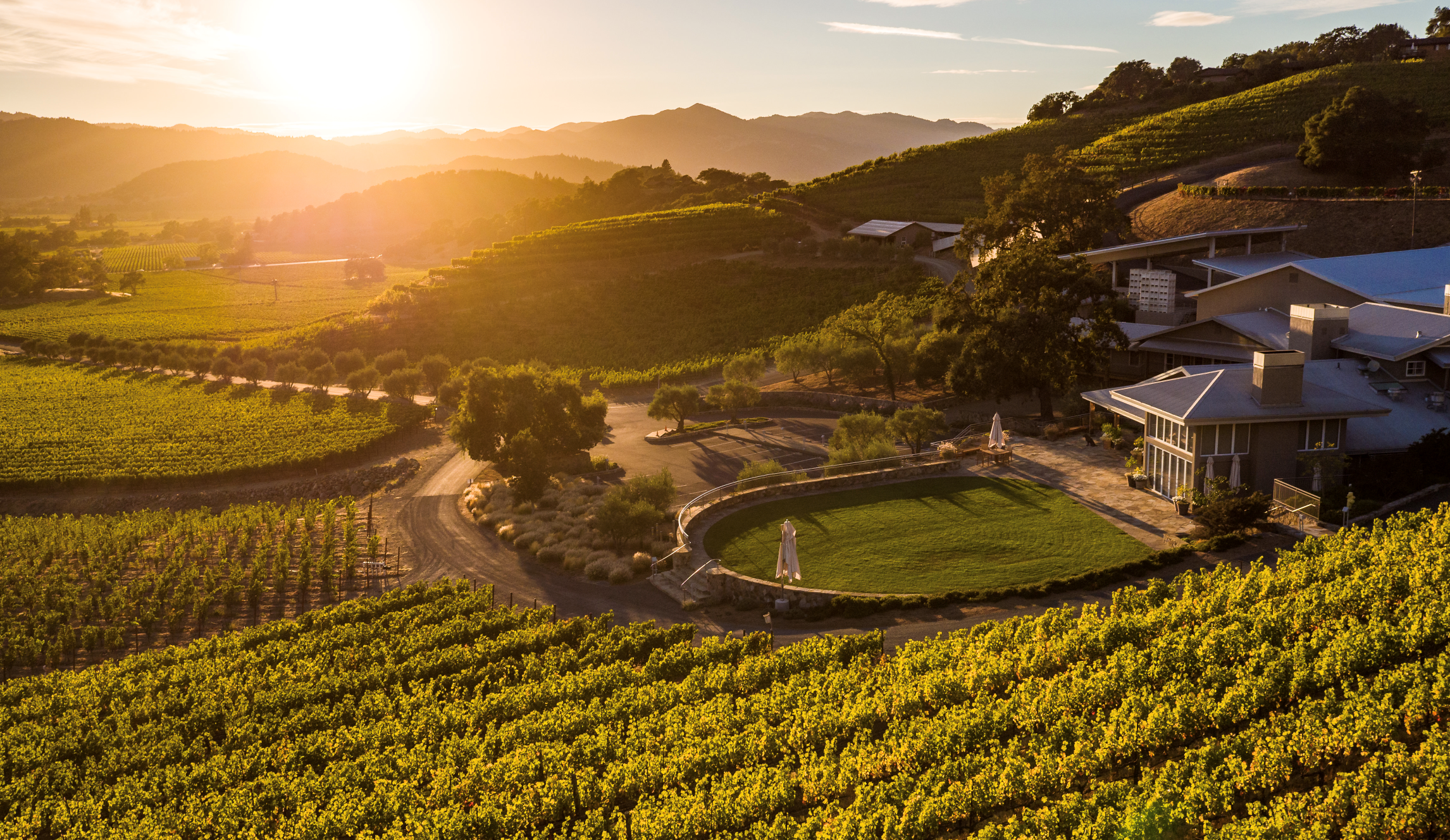

Details
- Well Known
- Elegant
- Classic
- Scenic
- Sophisticated
- Wine Education
- Special Occasion
- Celebration
- Cave Tasting
- Vineyard Tour
- Estate Grounds
- Panoramic View
- Historic Building
- Vineyard
- Mountain
- Cabernet Sauvignon
- Merlot
- Sauvignon Blanc
- Still Red
- Estate Tasting
- English
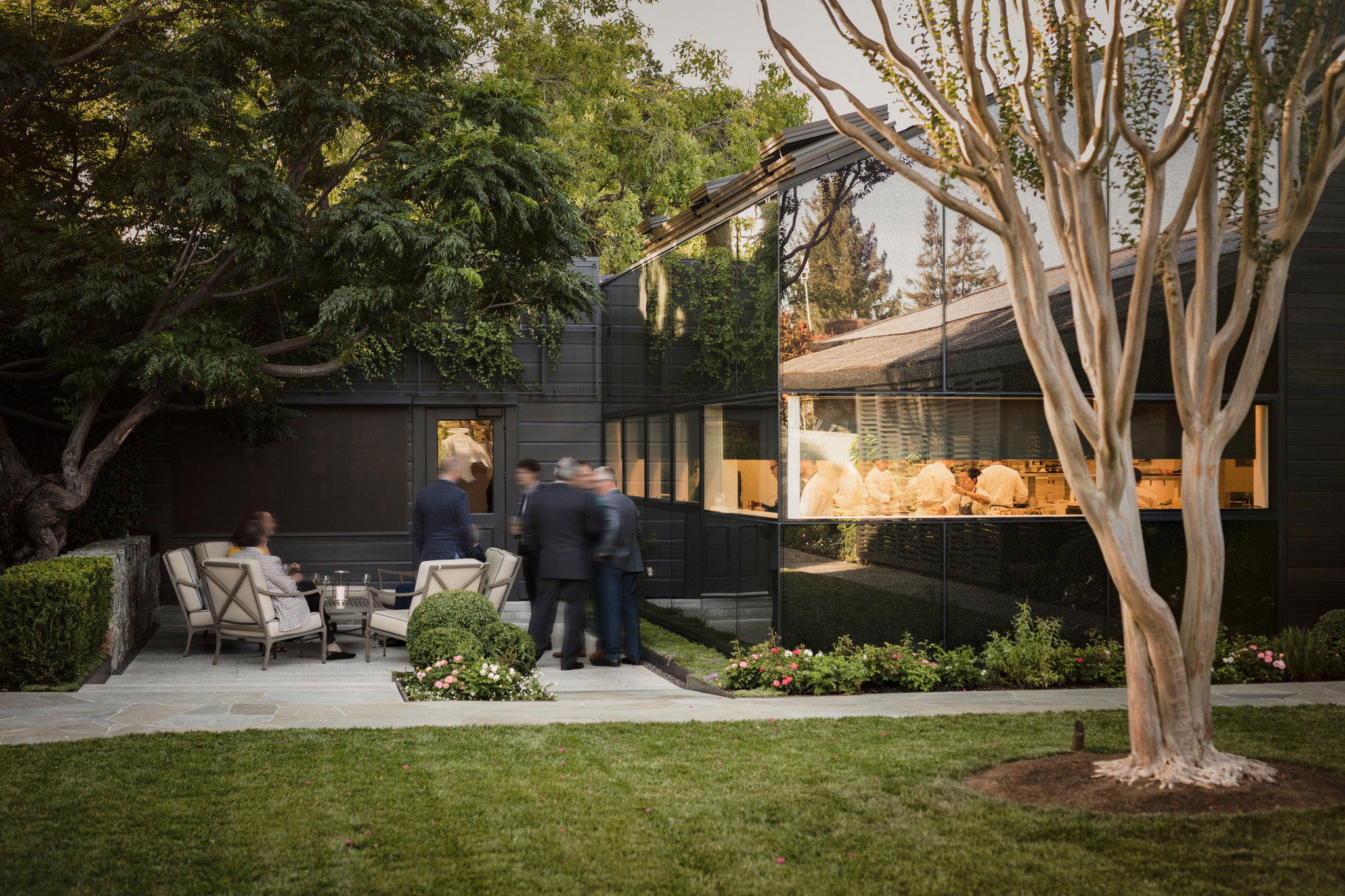
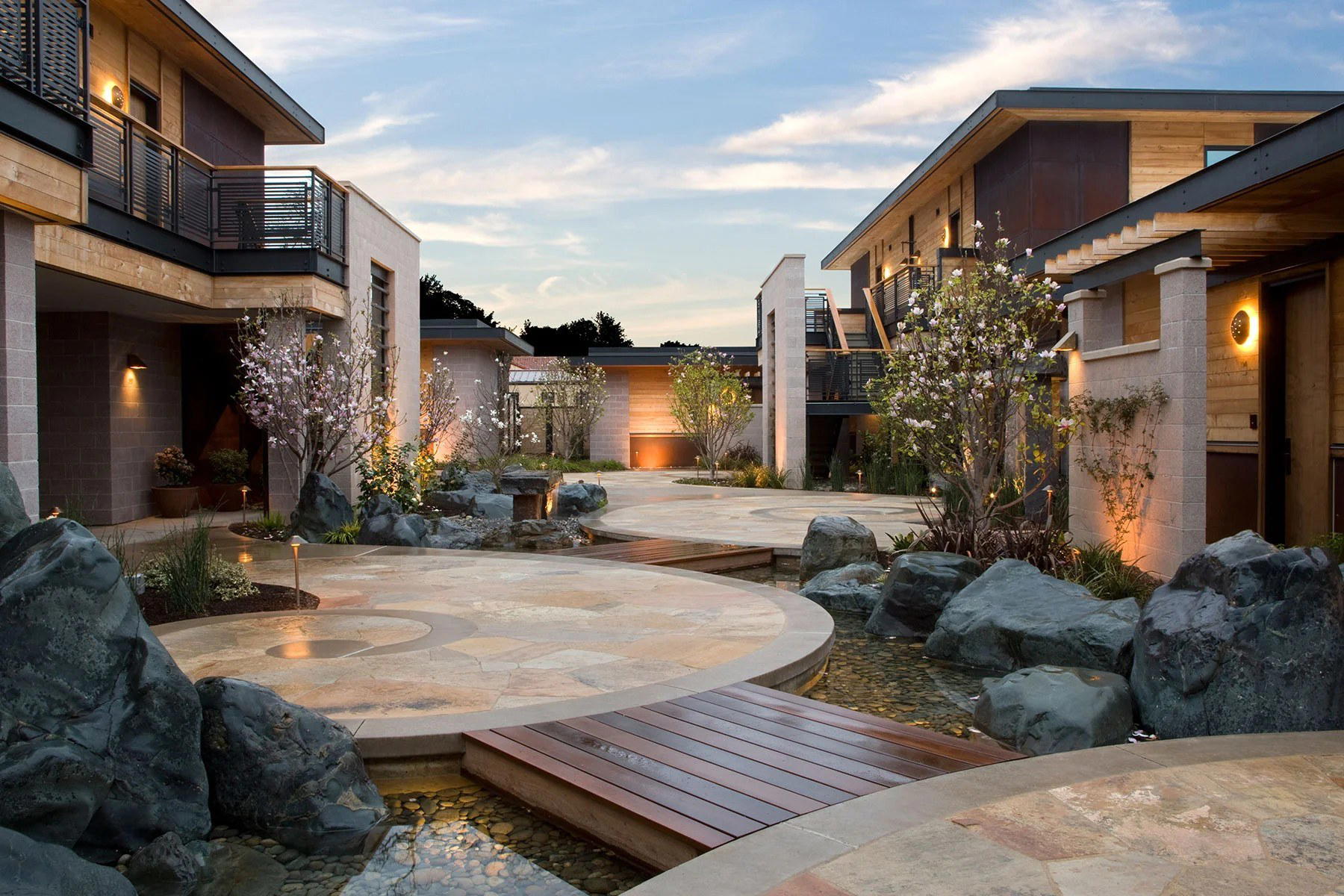
Elegant and historic with dramatic vineyard and palisades views, serene atmosphere in the visitor center and expansive wine caves.