
The address at 1 Rue Alexis Millardet puts visitors within walking distance of the village centre and the broader constellation of classified growths that define this stretch of the left bank.
Pearl is the En Primeur Club membership app — saves, bookings, and concierge access live there. Same editors, same standards.
- Address
- 1 Rue Alexis Millardet, 33460 Margaux-Cantenac
- Phone
- +33 5 57 88 71 88
- Website
- domaines-quie.com
- Directions
- Get directions
 Saves & bookings on Pearl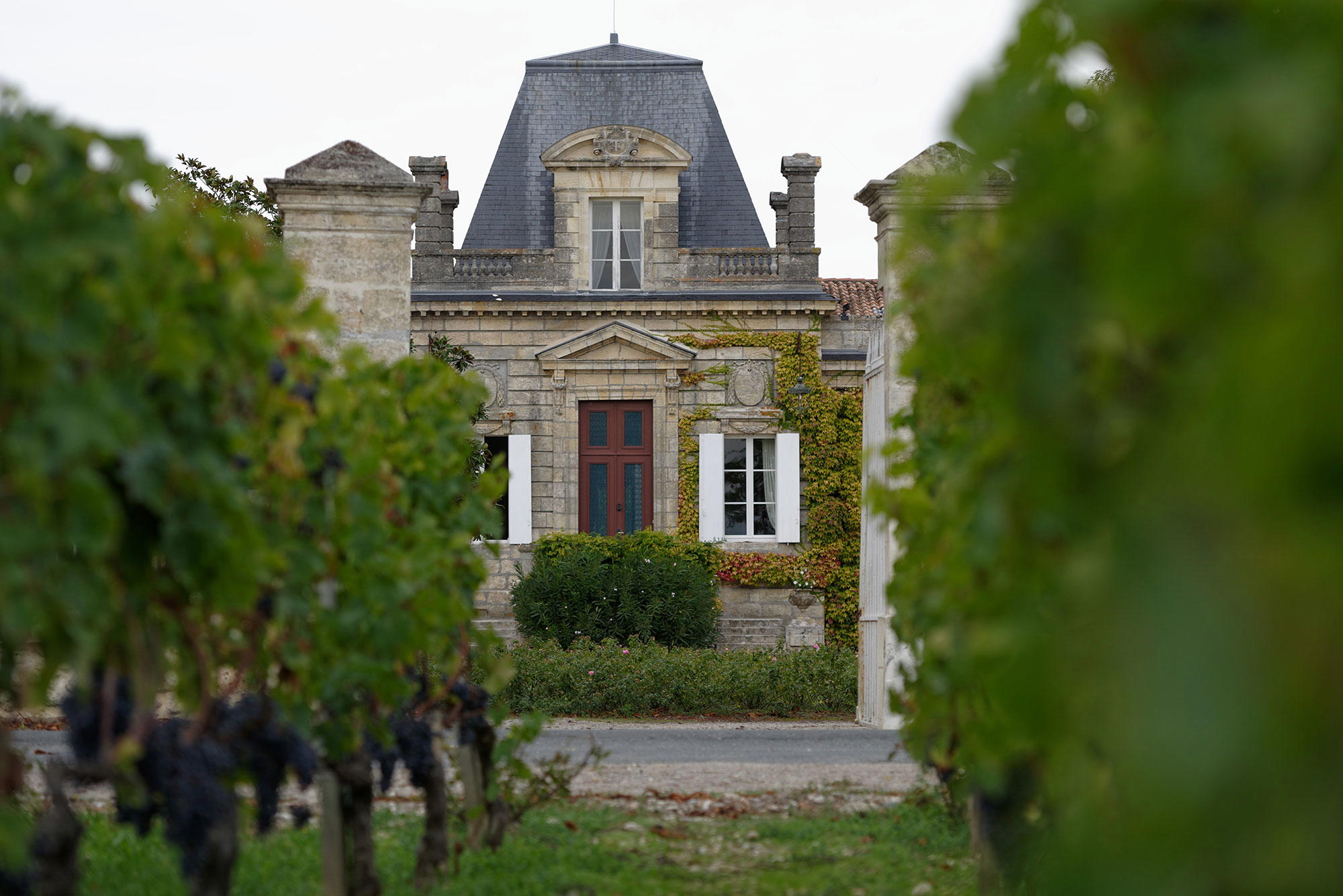
The Ground Beneath the Glass: Margaux's Second Growth Tier
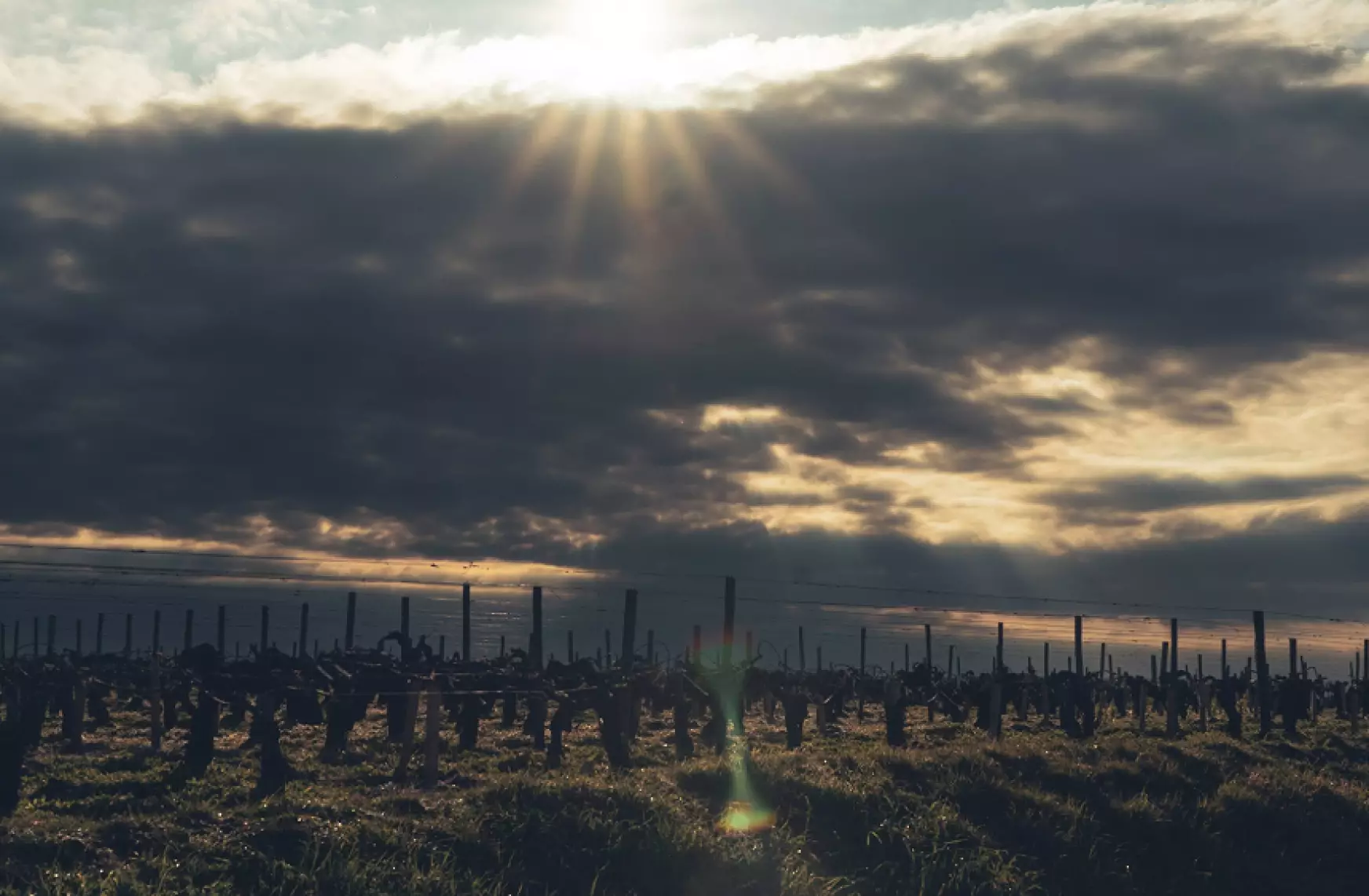
Approach Margaux from the D2 on a clear morning and the Gironde estuary's pale light catches the gravel terraces in a way that explains, better than any classification document, why this particular strip of the Médoc produces wine so different from the clay-heavy soils further inland. The subsoil here, deep Günzian gravel over a limestone base, drains quickly and warms early, pushing vine roots down rather than out. What enters the glass is shaped less by intervention than by what the land withholds: water stress that concentrates phenolics, lean topsoil that keeps yields in check, and a maritime climate that threads enough humidity through the growing season to preserve aromatic precision alongside structure.
It is in this context that Château Rauzan-Gassies, classified as a Second Growth in the original 1855 ranking, sits at 1 Rue Alexis Millardet in Margaux-Cantenac. The 1855 classification divided the Médoc into five growth tiers, and the Second Growth designation placed the estate in a cohort defined by consistency of character and historical market positioning.
Second Growths and Their Competitive Set in Margaux
The Margaux appellation contains five estates classified as Second Growths, and the differences between them matter enormously to buyers trying to allocate across a vintage. Château Rauzan Ségla and Château Durfort-Vivens are particularly immediate comparisons, while Château Lascombes occupies a different stylistic register, a larger production estate that has historically leaned toward weight and early approachability. Château Desmirail and Château Ferrière operate at smaller scales and often attract a specialist collector audience. Château Marquis-de-Terme rounds out the appellation's classified tier with its own distinct soil profile and style.
Rauzan-Gassies historically occupied a position in this set that collectors describe as underperforming its classification for much of the latter twentieth century, only to re-emerge in more recent decades with a more consistent quality signal. For buyers working through the Margaux appellation, this matters: a classified growth that has improved in quality trajectory offers a different risk-reward calculation. The comparison with Château Boyd-Cantenac in Cantenac is also instructive, both estates have navigated the challenge of maintaining classified-growth identity while modernising production approaches without chasing the ultra-extracted style that briefly dominated Bordeaux criticism in the early 2000s.
Terroir as Source Material: The Gravel Argument
The editorial angle around ingredient sourcing applies to wine estates with particular force. What grows here and why it grows here are inseparable questions. Margaux's gravel terraces represent among the more extensively studied vineyard soils in the world, and the findings point consistently in the same direction: the drainage profile forces vine stress that produces smaller berries with higher skin-to-juice ratios, meaning more tannin, more anthocyanin, and more aromatic compound per litre of wine.
For Rauzan-Gassies, the source material is Margaux gravel, the same geological substrate that underlies Château Margaux to the south. The difference between estates at this level is rarely about soil type and almost always about clone selection, vine age, harvest decisions, and cellar handling. Estates in this appellation that have invested in older vine blocks tend to produce wines with greater aromatic complexity at lower alcohol levels, a stylistic direction that has moved back into critical favour after a decade in which ripeness was overvalued. Château Batailley in Pauillac offers a useful cross-appellation comparison: a classified estate that found renewed critical traction by letting terroir expression lead rather than overlay it with extraction.
The broader Bordeaux conversation about sourcing and site now reaches beyond the Médoc. Estates in Saint-Émilion, such as Château Bélair-Monange, have made limestone-plateau provenance central to their identity. In Sauternes, Château Bastor-Lamontagne in Preignac builds its case around the particular humidity patterns that encourage Botrytis cinerea on Semillon. And in St-Julien, Château Branaire Ducru has made deep gravel drainage its public argument for why the wine ages differently from its neighbours. Rauzan-Gassies participates in the same conversation from its specific coordinates on the Margaux bench.
Visiting the Estate: What the Approach Tells You
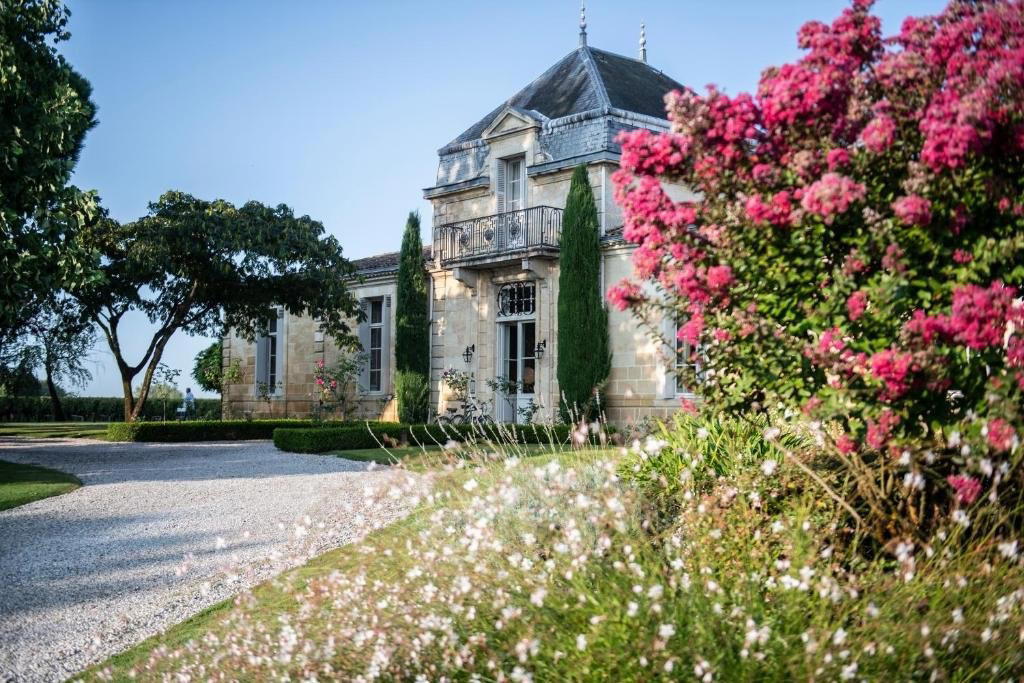
The address at 1 Rue Alexis Millardet places the estate on the northern edge of the village, along a road that takes its name from the nineteenth-century botanist who co-discovered the grafting solution to phylloxera. That historical resonance is ambient in Margaux: the village is small enough that classified-growth châteaux are not monuments viewed from a distance but addresses you pass on foot. The château itself is positioned within walking range of other Second and Third Growth properties, making this part of the Médoc one of the few wine regions where the density of classified estates produces a genuine sense of concentrated provenance.
Visits to the estate should be coordinated in advance, as is standard practice across the Médoc's classified growths. For those building a day around the appellation, the proximity of multiple classified estates means that a single visit to this address fits logically within a broader itinerary.
For comparative context beyond Bordeaux, the en primeur format, buying wine ahead of bottling, has parallels in other premium regions. Albert Boxler in Niedermorschwihr allocates Alsace Riesling and Gewurztraminer to a small mailing list in a model that shares the scarcity logic of left-bank Bordeaux, if not the auction-market infrastructure. Accendo Cellars in St. Helena operates in the allocation-driven tier of Napa Cabernet, where the decision to buy is made on vintage reputation rather than immediate availability. Even categories at a remove from wine, such as Chartreuse in Voiron and Aberlour in Aberlour, participate in the same collector logic: production constrained by process, provenance, or geography that the secondary market prices accordingly.
Planning a Visit to Rauzan-Gassies
Margaux-Cantenac is approximately 30 kilometres north of Bordeaux city centre via the D2, the Route des Châteaux, which passes through Macau, Labarde, and Cantenac before reaching the village. Visits are by appointment only. The D2 route itself functions as an orientation to the appellation, with classified estates visible from the road at regular intervals. Most visitors combine a morning estate visit with lunch in Bordeaux or elsewhere along the Médoc. Confirmation of visit availability for Rauzan-Gassies requires direct contact with the estate, as visits are by appointment only.
Cuisine and Credentials
Comparable venues nearby, for context on price, style, and recognition.
| Venue | Cuisine | Price | Notes |
|---|---|---|---|
| Château Rauzan-GassiesThis venue — the venue you are viewing | Cabernet Sauvignon, Merlot | $$$$ | Not listed |
| Château Marquis-de-Terme | Cabernet Sauvignon, Merlot | $$$ | Margaux |
| Château Marquis-d’Alesme | Cabernet Sauvignon, Merlot | $$$$ | Margaux |
| Château Lascombes | Cabernet Sauvignon, Merlot | $$$$ | Margaux |
| Château Durfort-Vivens | Cabernet Sauvignon, Merlot | $$$$ | Margaux |
| Château Rauzan Ségla | Cabernet Sauvignon, Merlot | $$$$ | Margaux |
Recognition history
Dated appearances from independent guides and award organizations, with the underlying list record or original source where available.
Falstaff Winery - 2 Stars
Falstaff
Continue exploring
More in Margaux
Wineries in Margaux
Browse all →
Bars in Margaux
Browse all →
Restaurants in Margaux
Browse all →
At a Glance
- Elegant
- Classic
- Sophisticated
- Well Known
- Wine Education
- Special Occasion
- Vineyard Tour
- Historic Building
- Estate Grounds
- Sustainable
- Vineyard
- Margaux AOC
- Cabernet Sauvignon
- Merlot
- Petit Verdot
- Still Red
- Cave Tasting
- Private Tasting
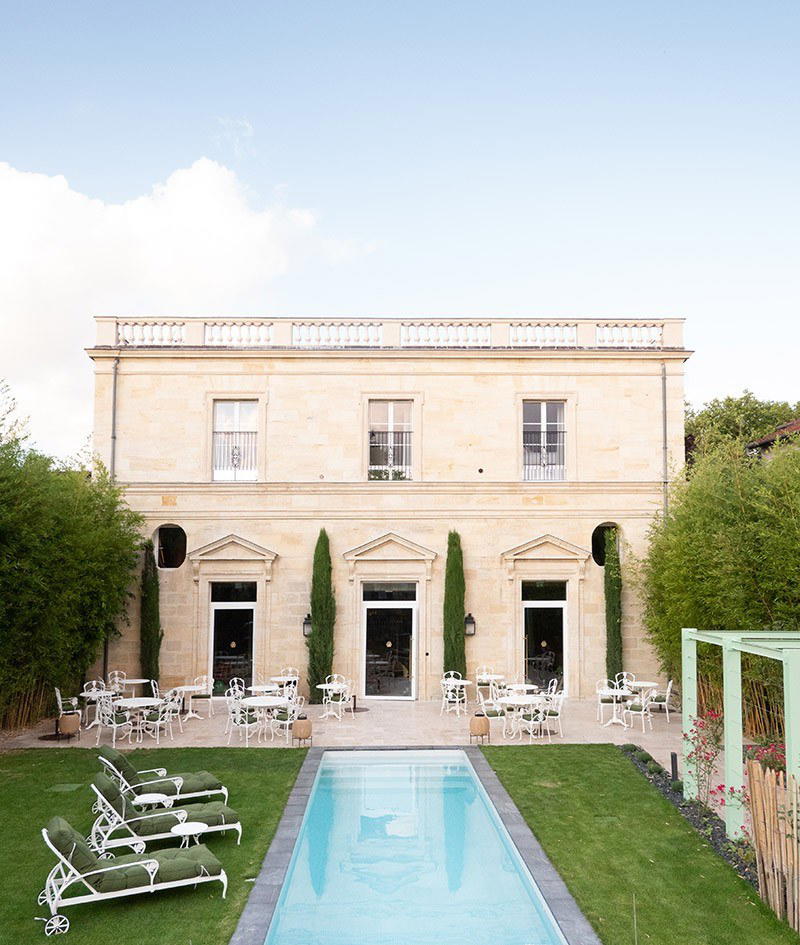
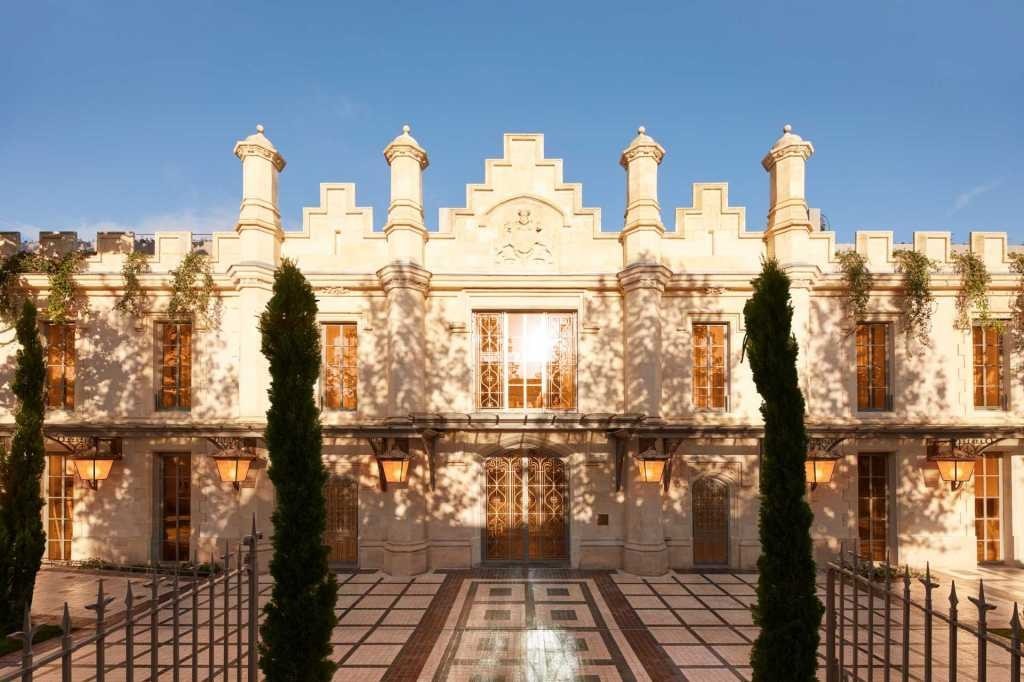
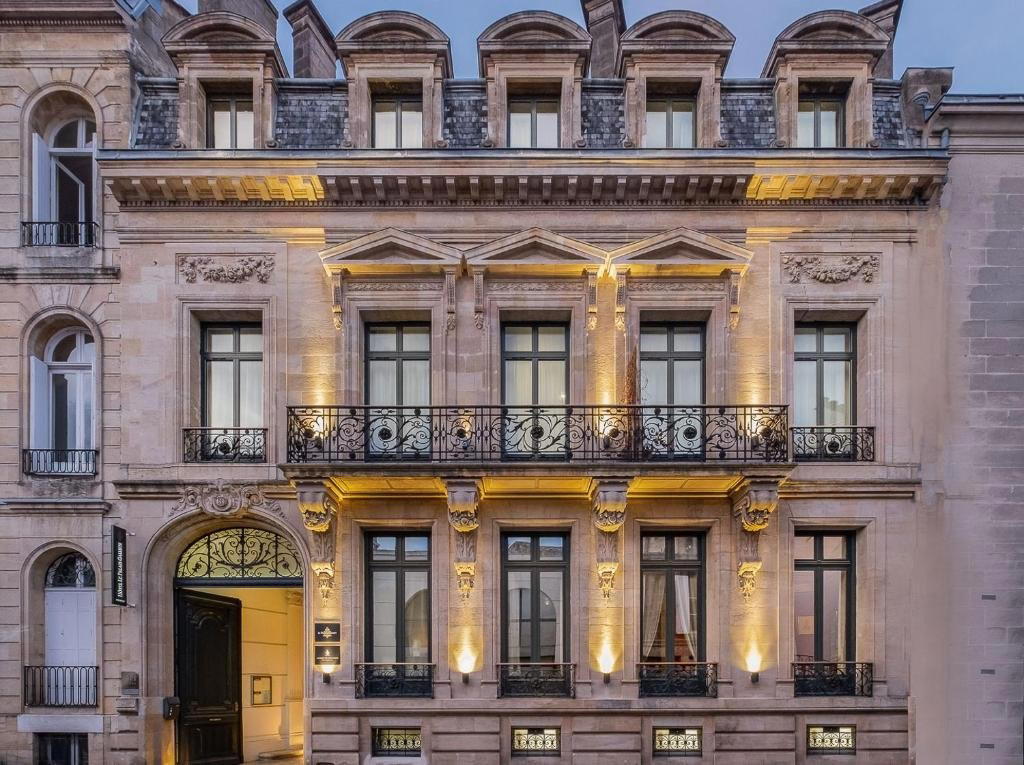
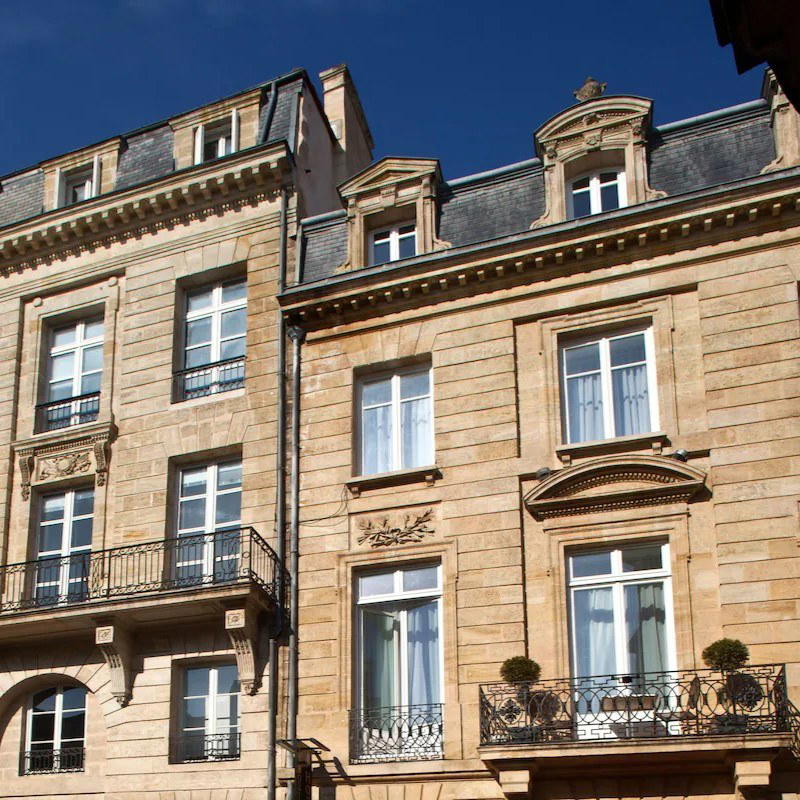
Elegant and refined historic château atmosphere overlooking the vineyard.