Juvé & Camps

The estate sits within a town where Cava production defines the economy, the architecture, and the rhythm of daily life, making a visit as much about understanding a wine culture as tasting one.
Pearl is the En Primeur Club membership app — saves, bookings, and concierge access live there. Same editors, same standards.
- Address
- Carrer de Sant Venat, 1, 08770 Sant Sadurní d'Anoia, Barcelona
- Phone
- +34 938 91 10 00
- Website
- shop.juveycamps.com
- Directions
- Get directions
 Saves & bookings on Pearl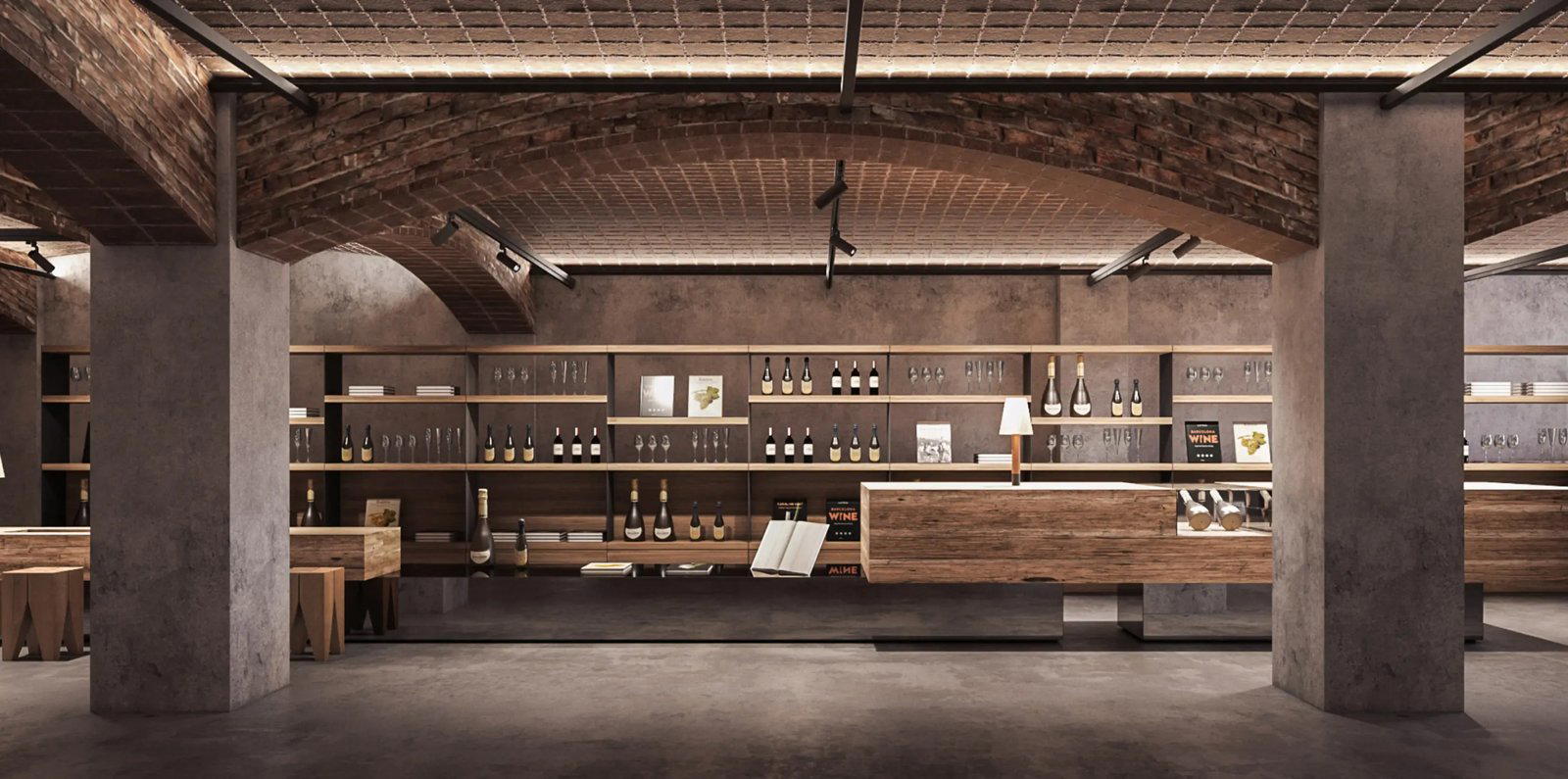
Arriving in Sant Sadurní d'Anoia: The Capital of Cava
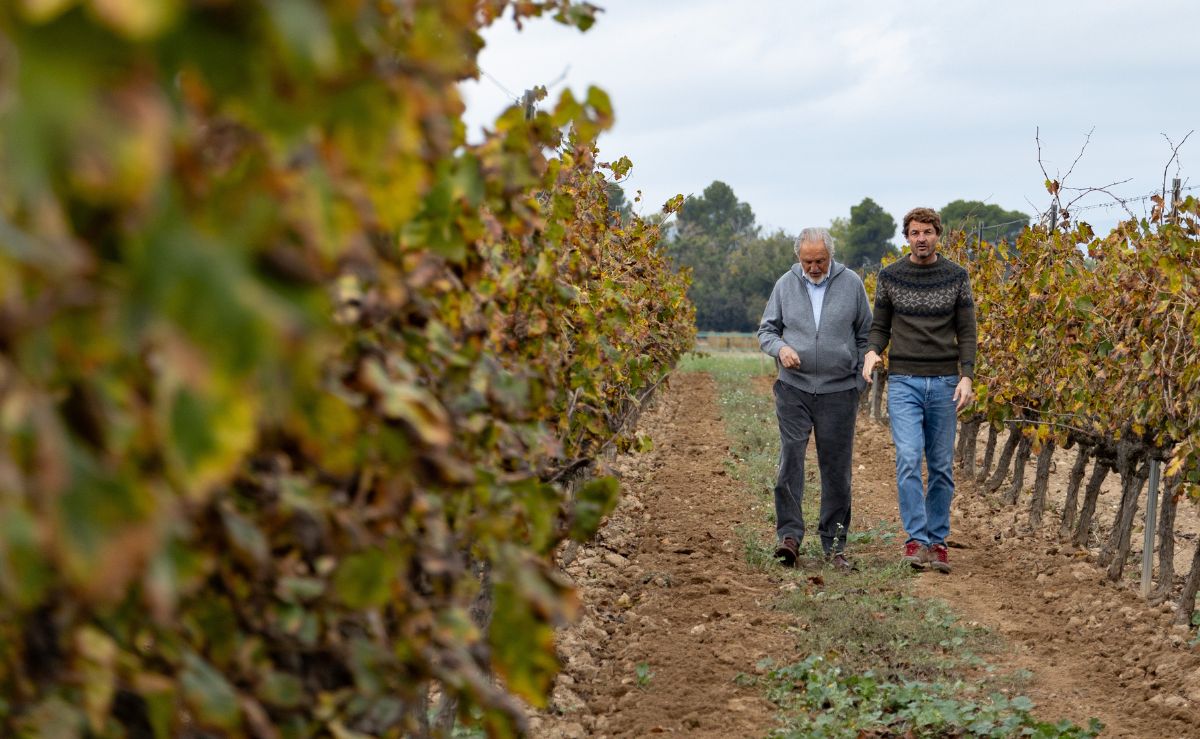
The approach to Sant Sadurní d'Anoia on the C-15 from Barcelona sets the scene before you reach the town limits. Vineyards spread across the Penedès plain in every direction, punctuated by the stone cellar buildings and Art Nouveau facades that nineteenth-century Cava wealth left behind. The town itself, around 12,000 inhabitants, forty minutes southwest of Barcelona by train from Passeig de Gràcia, is not a rural detour. It is a purpose-built wine capital, and its streetscape reflects that: bodegas occupy the ground floors of residential blocks, delivery lorries move between estates on weekday mornings, and the cooperative cellars operate at industrial scale alongside smaller family producers. This is the environment into which Juvé & Camps fits, one of the town's long-established family estates.
Sant Sadurní holds the Denominación de Origen Cava, which stretches across multiple Spanish regions but concentrates here in the Alt Penedès, where the combination of chalky clay soils and a continental-Mediterranean climate drives the farming calendar. The dominant indigenous grapes, Macabeo, Xarel·lo, and Parellada, have been grown in these valleys for centuries, and the traditional-method production that defines Cava means most serious producers here operate extensive underground cellars for secondary fermentation and ageing. Those cellar systems are part of what visitors see on estate visits, and they explain why the built environment of Sant Sadurní looks the way it does: the grandest buildings in town are, more often than not, wineries.
The Tasting Room Format in Context
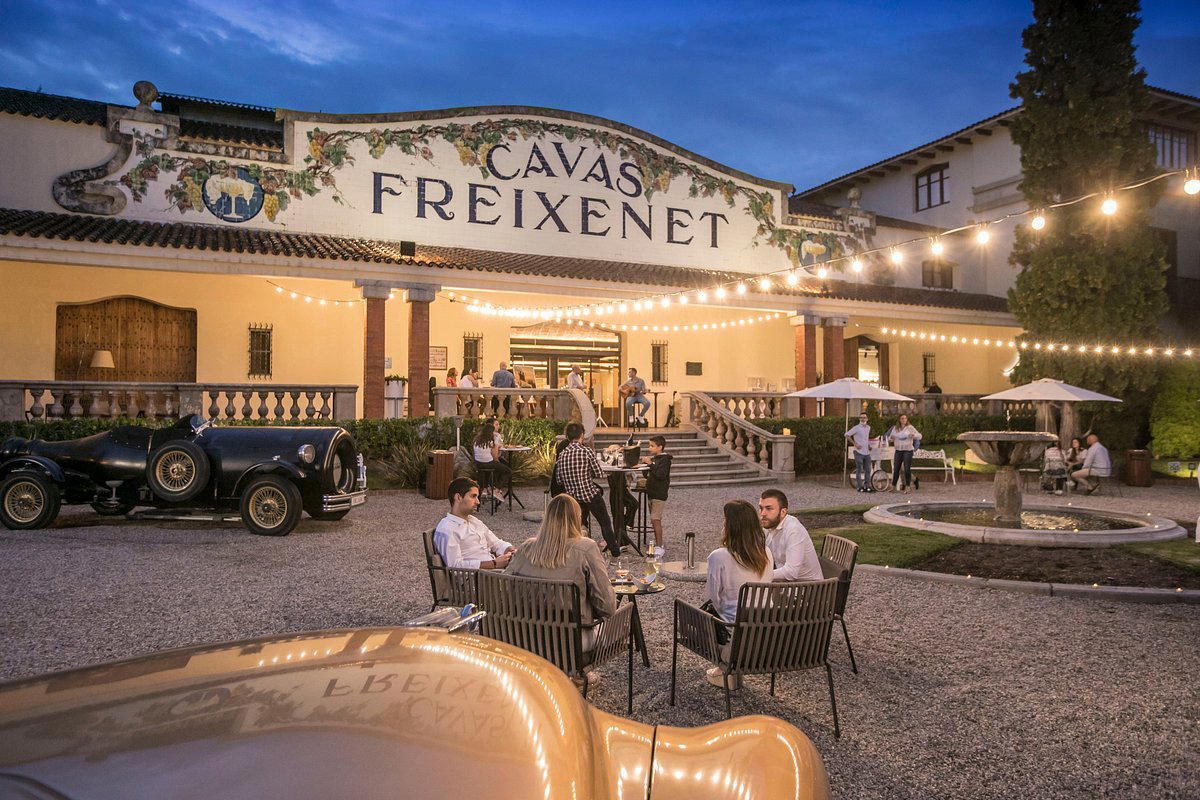
Across Sant Sadurní's producer landscape, tasting experiences divide broadly between high-capacity tour operations attached to the largest houses and smaller, more appointment-based formats at family estates. Codorníu and Freixenet, the town's two production colossi, run visitor programmes designed for thousands of guests per year, with multilingual guided tours, museum sections, and cellar train rides. The experience at that scale is about spectacle and volume. Smaller producers operate differently: the visit is more intimate, the format is oriented toward the wines themselves rather than the architecture of production, and the booking process tends to be more considered.
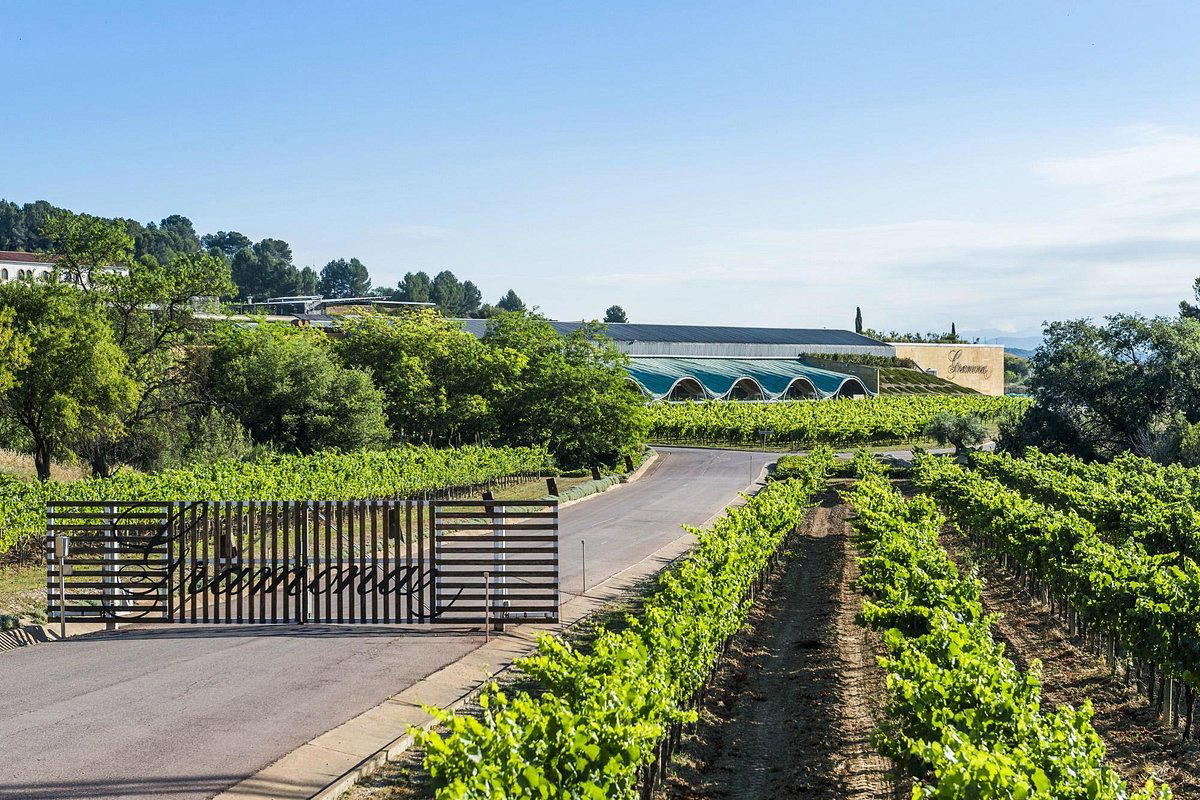
Juvé & Camps sits in the family-estate tier of this spectrum. Its cellars occupy the address at Carrer de Sant Venat, 1, a central Sant Sadurní location within walking distance of the main square. Visitors who have also spent time at Raventós i Blanc, Gramona, or Recaredo will recognise the format pattern: a tour of the production facility, including the underground cellar galleries where bottles rest on riddling racks during secondary fermentation, followed by a structured tasting of the estate's range. The rhythm of these visits tends to be slower and more focused than what the mass-market operations offer, with staff positioned to answer questions about viticulture and production methodology rather than to move groups through on a timed circuit.
That format distinction matters for how you plan the visit. A useful approach is to contact the estate directly to confirm availability, as family producers of this size typically require advance reservation and may adjust visiting hours seasonally. The town is well-connected by the Rodalies R4 train line from Barcelona's Passeig de Gràcia and Sant station, with the journey running approximately forty minutes. Arriving by train allows you to visit multiple producers on foot, Sant Sadurní's central estates cluster within a manageable radius, without the logistical complexity of driving after tastings.
What the Range Signals
Cava production has undergone a significant internal reclassification over the past decade, with the DO's tiered system now distinguishing between entry-level Cava and higher-classification designations: Cava de Paraje Calificado (single-vineyard), Cava de Guarda Superior (extended ageing), and within that tier, Gran Reserva designations requiring a minimum of thirty months on the lees.
That rating is comparable to the recognition levels earned by other notable Spanish wine producers reviewed by EP Club, including CVNE (Cune) in Haro, Emilio Moro in Pesquera de Duero, and Marqués de Cáceres in Cenicero, estates that operate across different DO frameworks but share a positioning at the serious, non-commodity end of their respective categories. For Cava, that positioning connects directly to questions of ageing time, vineyard sourcing, and production volumes, all of which shape what ends up in a tasting glass.
The traditional-method sparkling wines of the Penedès do not always receive the critical attention that comparable Champagne or even Franciacorta producers attract, but the gap between Cava's leading producers and its bulk output is substantial. Visiting an estate like Juvé & Camps allows that gap to become concrete rather than abstract, the difference between a wine that has spent eighteen months on the lees and one that has spent sixty is detectable in the glass in ways that a tasting-room format makes legible.
Sant Sadurní in the Wider Spanish Wine Picture
For travellers building an itinerary around Spanish wine production, Sant Sadurní functions as a distinct pole within the country's wine geography. The Penedès sits apart from the Rioja, Ribera del Duero, and Priorat circuits that dominate international wine tourism. Producers such as Bodegas Protos in Peñafiel, Clos Mogador in Gratallops, Lustau in Jerez de la Frontera, and Marqués de Griñón in Malpica de Tajo each represent different denominaciones with different grape varieties, production styles, and visitor formats. The Penedès is the only major Spanish wine region where sparkling wine via traditional method is the primary output, which gives it a production culture and a visitor experience that have no close equivalent elsewhere in the country.
That specificity is part of what makes the town worth a dedicated visit rather than a brief stop. You are not sampling a generic Spanish wine experience when you tour a Cava estate, you are seeing a production model rooted in the same méthode champenoise that governs Champagne, applied through a distinct set of indigenous varieties to soils and conditions that produce a different stylistic result.
Planning the Visit
Juvé & Camps is located at Carrer de Sant Venat, 1, in the centre of Sant Sadurní d'Anoia, a position that makes it accessible on foot from the train station. Contacting the estate directly before travelling is advisable. The town's concentration of producers means a full day can accommodate two or three estate visits alongside lunch at one of the local restaurants, making Sant Sadurní a manageable day trip from Barcelona or a worthwhile overnight stop for those building a longer wine itinerary through Catalonia. Spring and autumn offer particularly temperate conditions for visiting; harvest in September and October brings the vineyards to their most visually active state, though it also coincides with the busiest period for the estates themselves.
Where It Fits
Comparable venues nearby, for context on price, style, and recognition.
| Venue | Cuisine | Price | Awards | Notes |
|---|---|---|---|---|
| Juvé & CampsThis venue — the venue you are viewing | Xarel·lo, Macabeo | $$$ | Not listed | Not listed |
| Codorníu | Macabeo, Xarel·lo | $$$ | Not listed | Sant Sadurní d'Anoia |
| Freixenet | Macabeo, Xarel-lo | $$ | Not listed | Sant Sadurní d'Anoia |
| Recaredo | Xarel·lo, Macabeu | $$$ | Not listed | Sant Sadurní d'Anoia |
| Raventós i Blanc | Xarel·lo, Macabeu | $$$ | Not listed | Sant Sadurní d'Anoia |
| Gramona | Xarel-lo, Macabeo | $$$ | World's 50 Best #25 | Sant Sadurní d'Anoia |
Recognition history
Dated appearances from independent guides and award organizations, with the underlying list record or original source where available.
Falstaff Winery - 4 Stars
Falstaff
Continue exploring
More in Sant Sadurní d'Anoia
Wineries in Sant Sadurní d'Anoia
Browse all →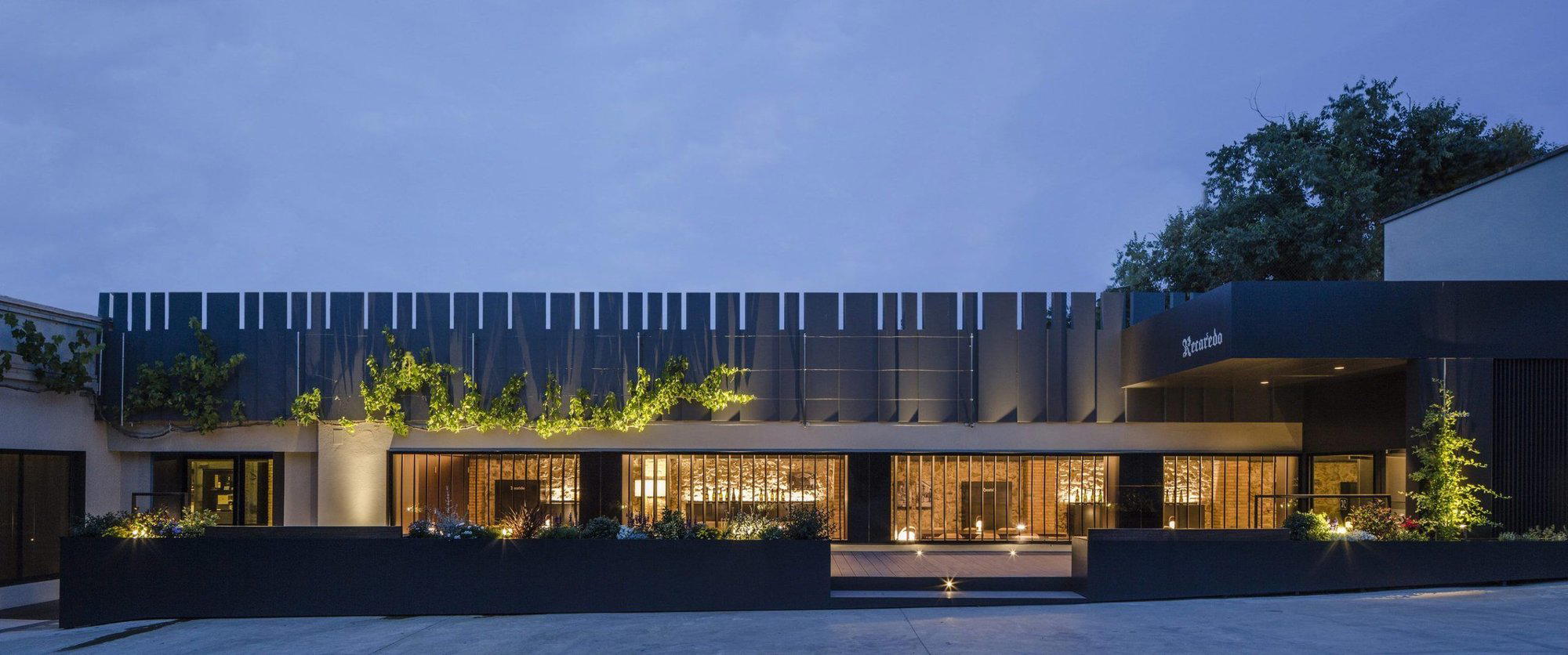
Bars in Sant Sadurní d'Anoia
Browse all →
Restaurants in Sant Sadurní d'Anoia
Browse all →
At a Glance
- Elegant
- Classic
- Rustic
- Scenic
- Wine Education
- Special Occasion
- Vineyard Tour
- Historic Building
- Panoramic View
- Organic
- Vineyard
- Mountain
- DO Cava
- Xarel·lo
- Macabeo
- Parellada
- Pinot Noir
- Chardonnay
- Sparkling
- Cave Tasting
- Private Tasting
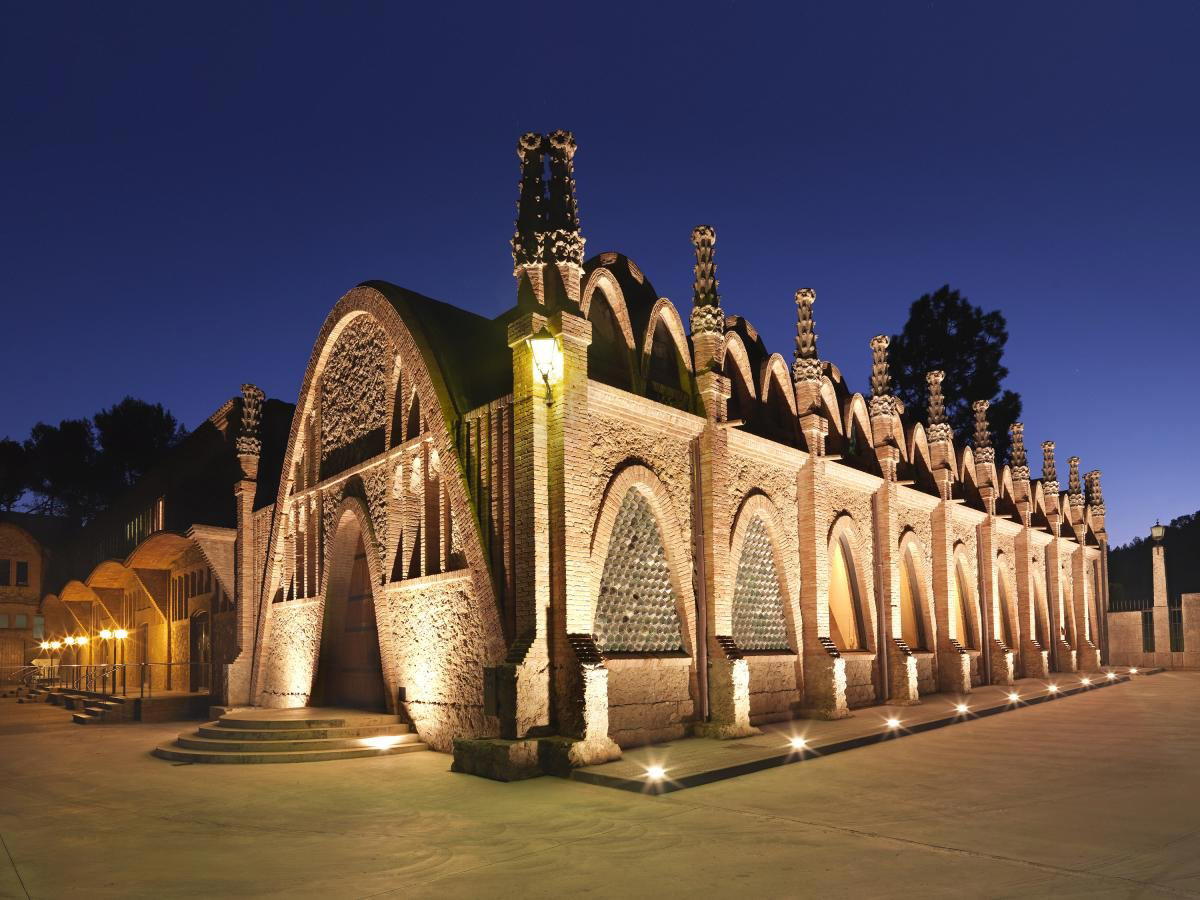
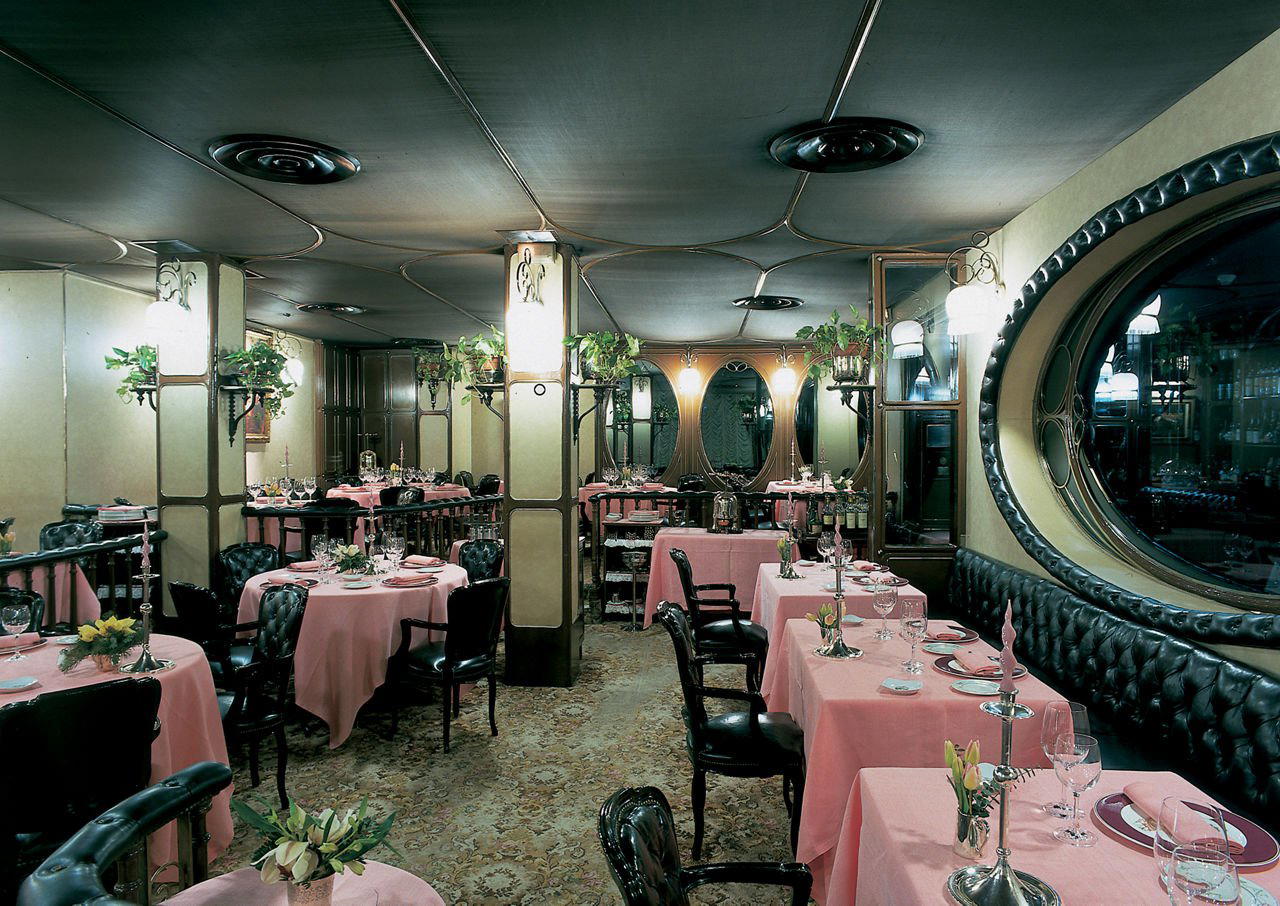
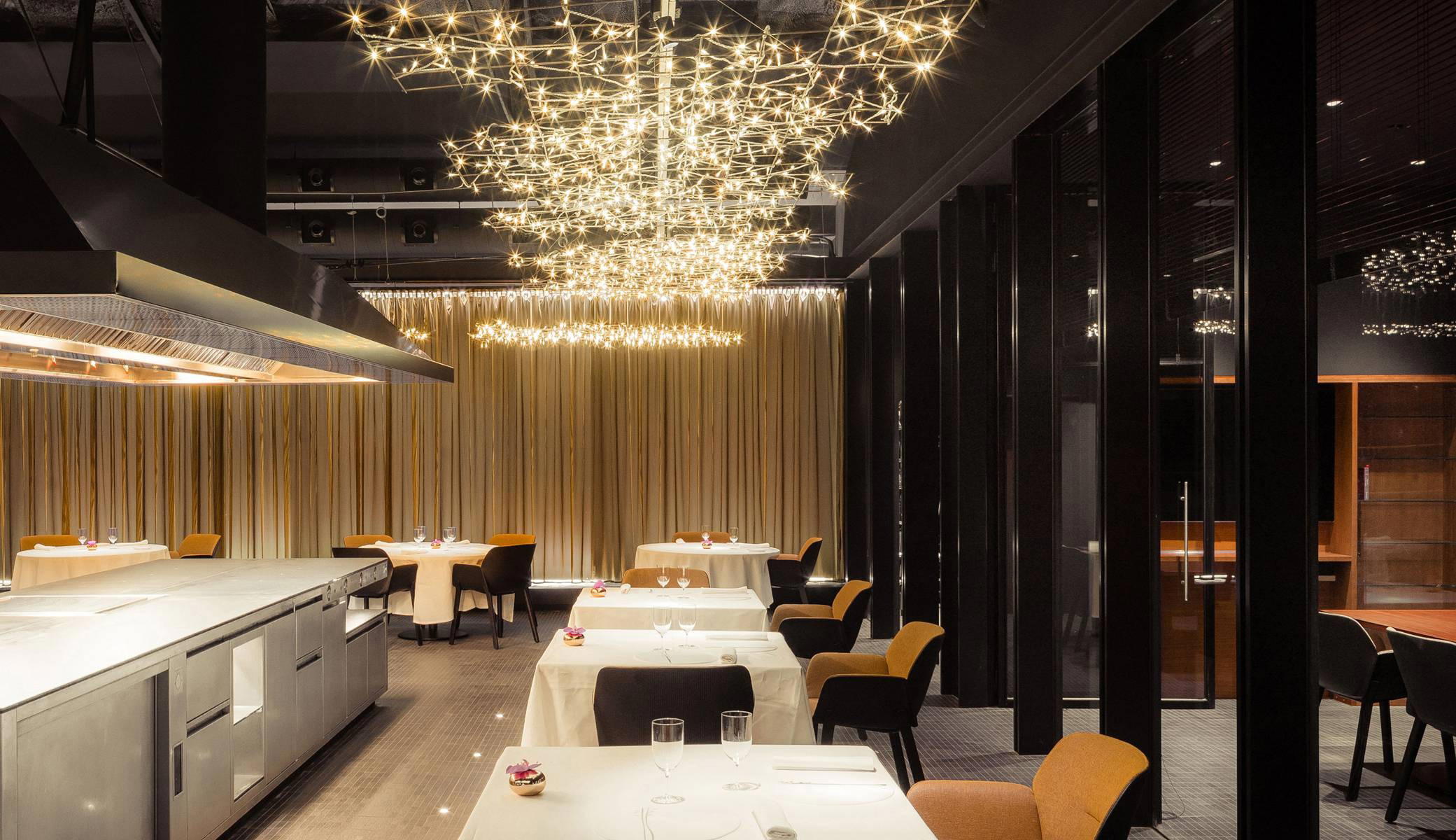
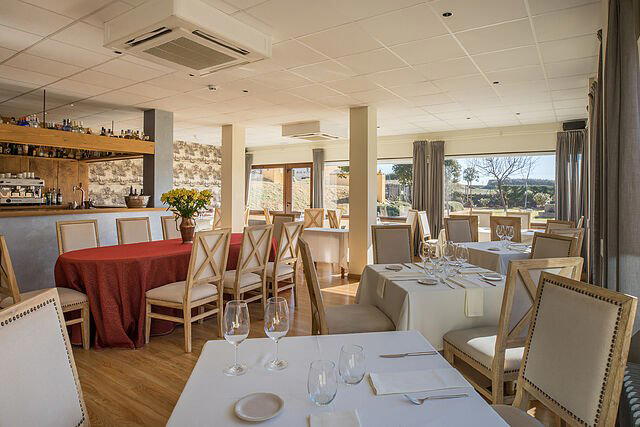
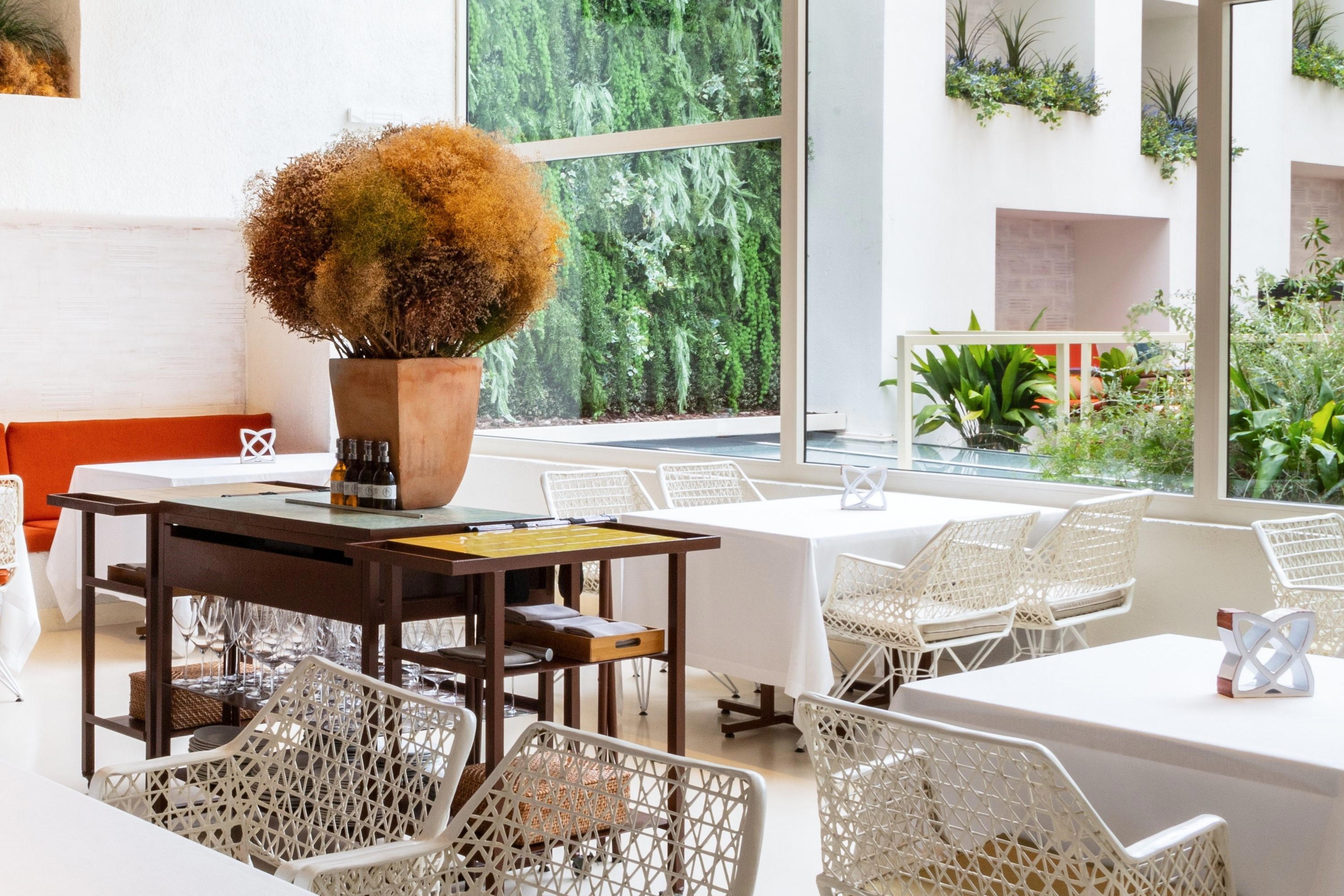
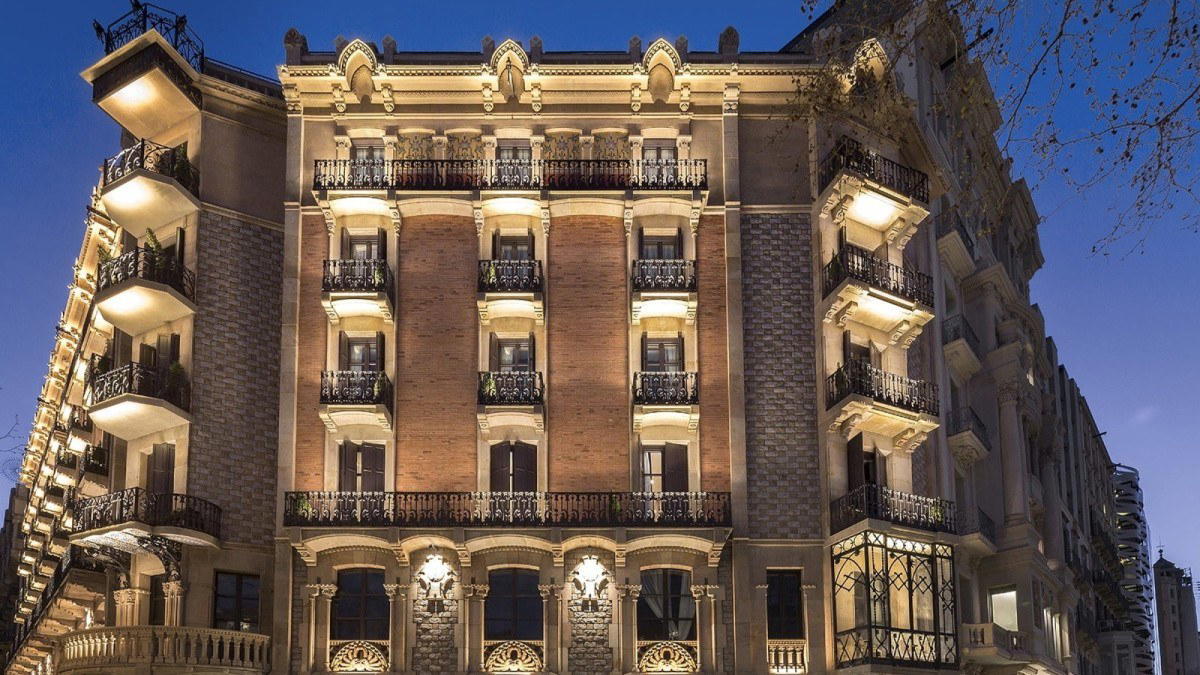
Quiet elegance where history and modernity intersect, with a stone façade, stained glass windows allowing natural light, and a warm stylish interior.