
Falstaff Winery - 3 Stars
The estate's holdings span some of the region's most respected slate-terraced sites, placing it firmly within the upper tier of German Riesling producers. For anyone tracing the Mosel's finest expressions, Kesselstatt is a serious reference point.

Pearl is the En Primeur Club membership app — saves, bookings, and concierge access live there. Same editors, same standards.
- Address
- Weingut Reichsgraf von Kesselstatt Schlossgut Marienlay, 54317 Morscheid
- Phone
- +49 6500 91690
- Website
- kesselstatt.com
- Directions
- Get directions
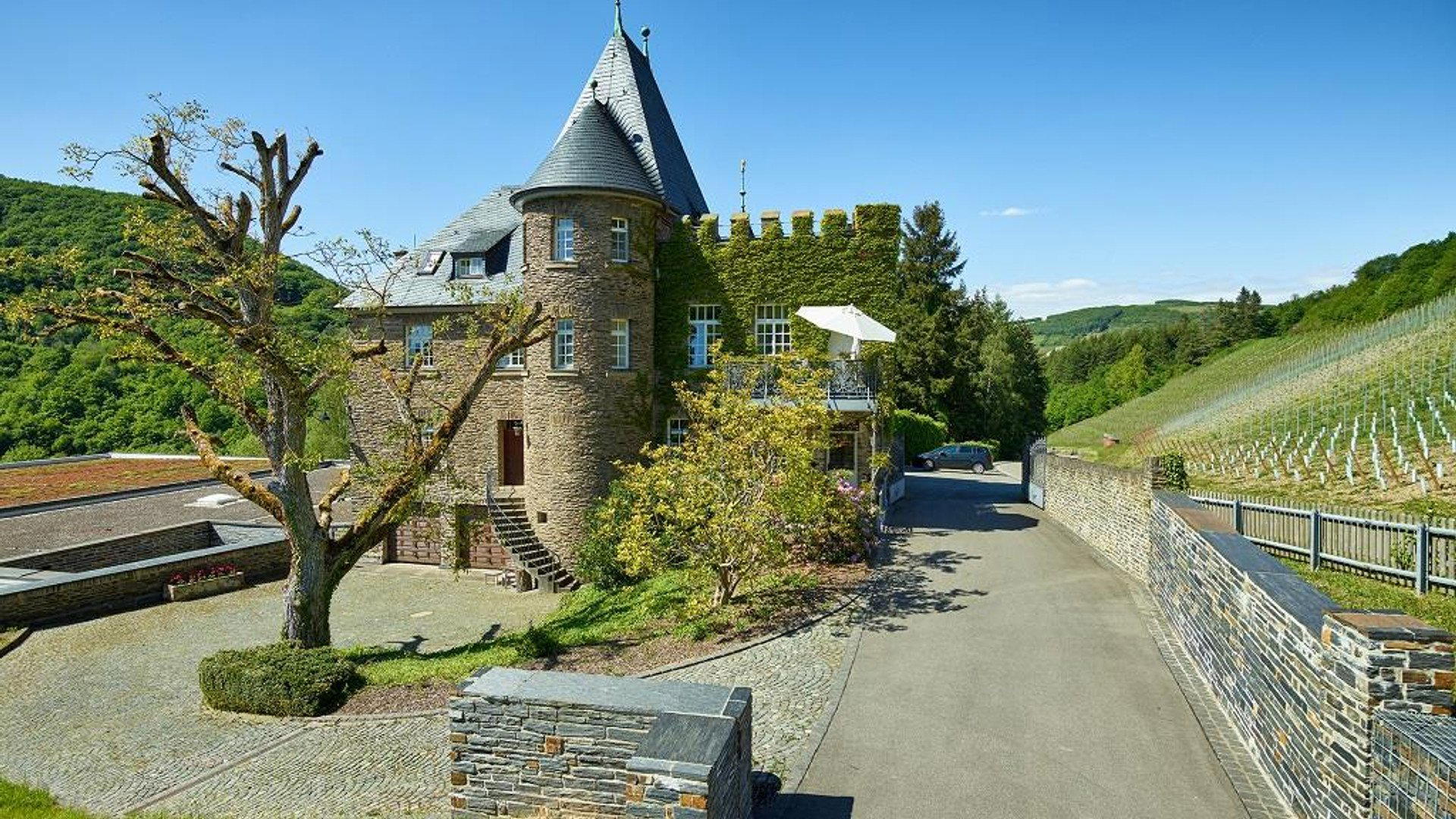
Slate, River Light, and the Riesling Record at Kesselstatt
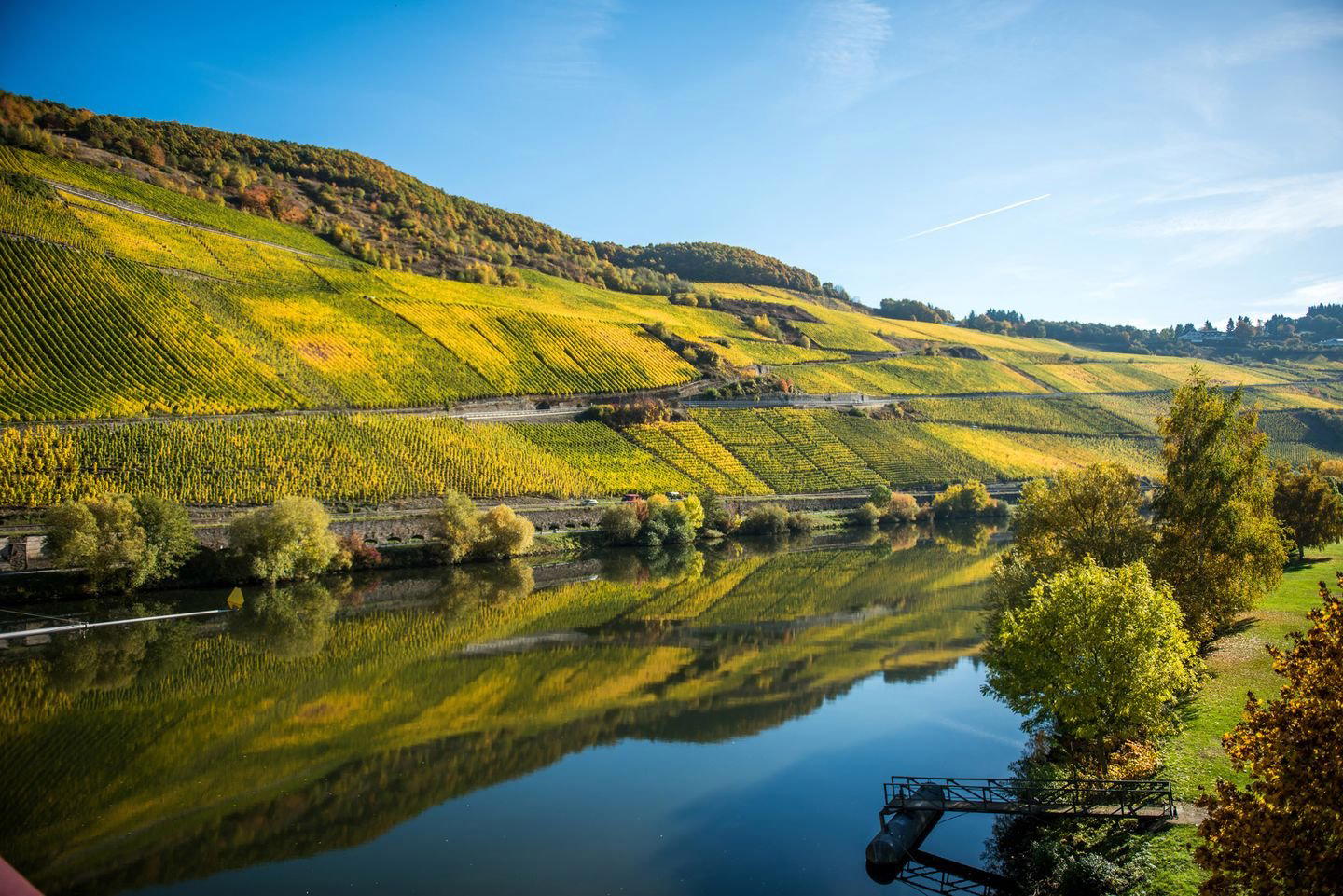
The drive to Schlossgut Marienlay, the estate base of Weingut Reichsgraf von Kesselstatt outside Trier in the village of Morscheid, gives you the geological context before the first glass arrives. The Moselle valley's looping bends carve through some of Europe's oldest slate formations, and the vineyards that terrace the steepest southern-facing slopes above the river have been producing wine continuously for centuries. This is not a landscape that flatters every producer equally: the same conditions that concentrate Riesling to extraordinary precision also demand obsessive site knowledge and a tolerance for physical difficulty.
What Terroir Means on the Mosel at This Level
German Riesling's reputation rests almost entirely on the argument that site matters more than almost anything else a winemaker can do. The Mosel makes that case more emphatically than any other German region. Blue Devonian slate absorbs heat during the day and releases it overnight, pushing ripeness into grapes in a climate that would otherwise struggle to achieve it. The river acts as a thermal mirror, bouncing light upward through the canopy from both banks. Steep gradient forces roots deep, stressing the vine and concentrating flavour. These are not abstract talking points: they are the physical reasons why top-site Mosel Riesling develops the taut, mineral-driven tension that distinguishes it from Riesling grown on flatter, more fertile ground.
Kesselstatt's position in this tradition is backed by one of the largest portfolios of classified vineyard parcels in the Mosel region. The estate holds rights across several of the valley's most respected Grosse Lage sites, including holdings in the Saar and Ruwer tributaries where the slate composition shifts slightly and the resulting wines carry a different tonal register: more austere, more angular in their early years, and built for significant bottle age. Understanding this spread of site access is the clearest way to understand why the estate carries the weight it does in the regional hierarchy.
The Estate at Morscheid: Arriving at Schlossgut Marienlay
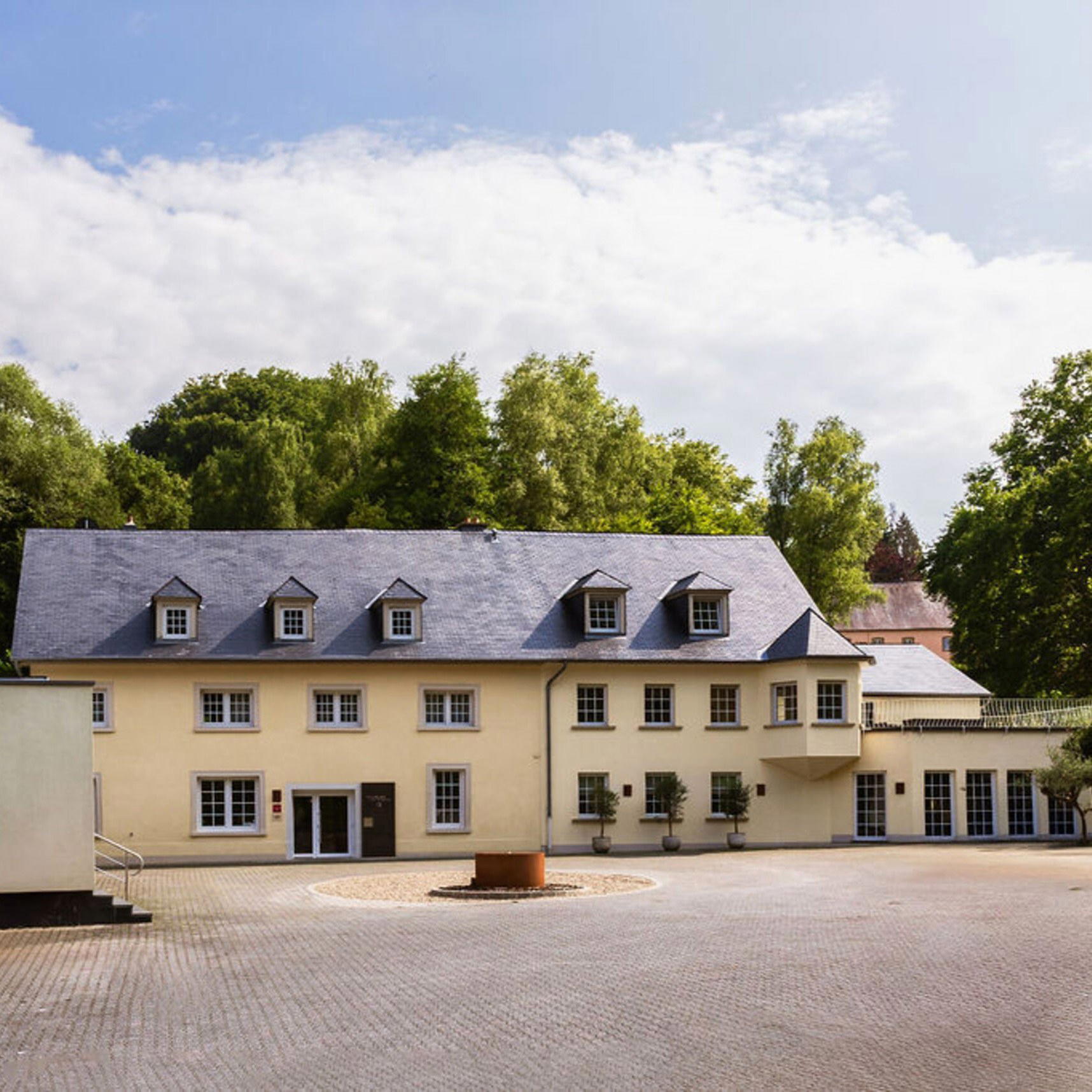
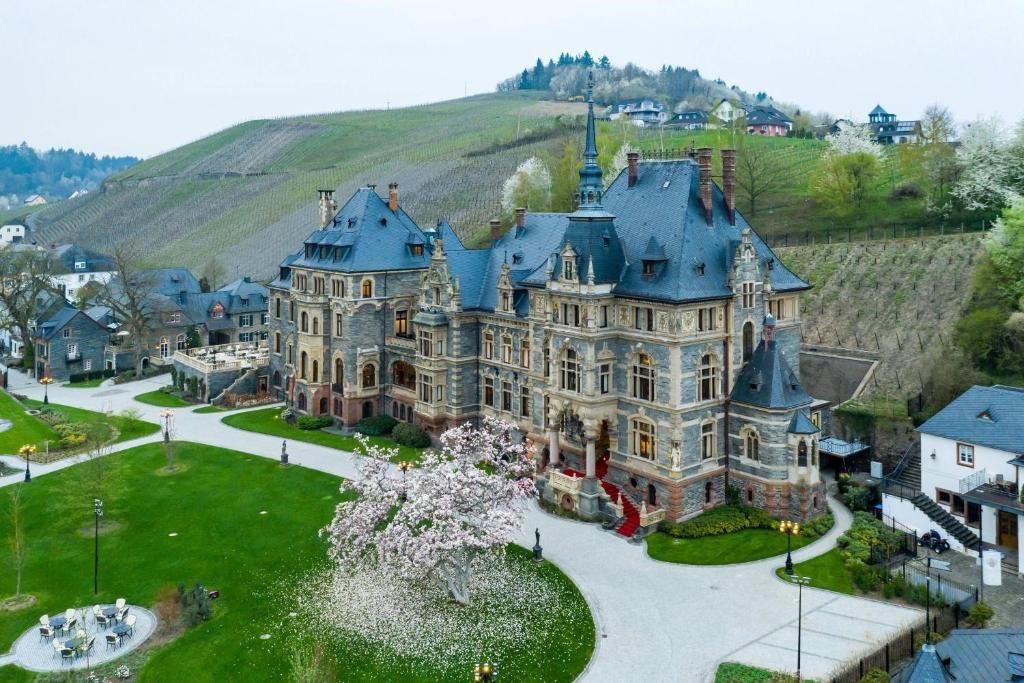
The physical estate at Marienlay sits outside the main tourist flow of Trier's centre, approximately fifteen kilometres to the southeast in the Ruwer valley. That distance is not a drawback. It places the winery closer to several of its most important vineyard holdings and gives the property a working-estate character that is more vineyard-focused than the city's wine tourism infrastructure. Visitors arriving here encounter a property shaped by agricultural function rather than hospitality theatre, which is consistent with the estate's standing as a serious producer rather than a lifestyle brand.
For those combining a visit with time in Trier itself, the city offers one of Germany's most significant Roman heritage sites alongside a well-established wine culture rooted in centuries of ecclesiastical and aristocratic viticulture. Our full Trier restaurants guide maps the broader food and drink scene for visitors planning more than a single winery stop.
The upper tier of Mosel producers forms a relatively small group, and the estates within it are usually distinguished by three factors: classified site access, track record across vintages, and critical recognition from the major German wine guides and international bodies.
Comparison estates that operate at a similar level of seriousness in the broader German Riesling conversation include Weingut Fritz Haag in Brauneberg and Weingut Grans-Fassian in Leiwen, both working with Mosel slate sites and earning sustained recognition. Further along the Mosel's lower reaches, Weingut Heymann-Löwenstein in Winningen and Weingut Clemens Busch in Pünderich represent a more recent critical wave working with similar steep-slate principles. The Rheingau and Pfalz offer parallel conversations: Weingut Georg Breuer in Rüdesheim and Weingut Dr. Bürklin-Wolf in Wachenheim operate at comparable prestige levels in their respective regions, as does Weingut A. Christmann in Neustadt an der Weinstraße. Collectively, these estates define what German Riesling's upper bracket looks like across different soil and climate profiles.
For historical scale and ecclesiastical heritage in German wine, Kloster Eberbach in Eltville offers an instructive comparison: an estate where centuries of monastic viticulture created a site-classification tradition that preceded the modern VDP system by several hundred years. Kesselstatt's own aristocratic lineage places it in a similar historical bracket, even as the operational context has evolved.
Other German estates worth knowing in this tier include Weingut Allendorf in Oestrich-Winkel, Weingut Bassermann-Jordan in Deidesheim, Weingut Battenfeld-Spanier in Hohen-Sülzen, and Weingut Bürgerspital zum Heiligen Geist in Würzburg, the latter operating under a charitable foundation model that places its vineyards among Franconia's most historically significant holdings.
Planning a Visit
Weingut Reichsgraf von Kesselstatt is based at Schlossgut Marienlay, 54317 Morscheid, outside Trier. The estate does not list public booking details in widely available directories, which is consistent with how many serious German wine estates handle visits: by appointment rather than open-door. Anyone intending to visit should contact the estate directly through its official channels to confirm availability, tasting formats, and any current conditions. Spring and autumn are the traditional visit windows for German wine estates, with harvest-period visits (typically late September through October) offering the most immediate connection to the vineyard cycle, though availability contracts sharply at that time of year. The Ruwer valley roads are accessible by car from Trier in under twenty minutes, making the estate a practical half-day addition to a broader Trier itinerary.
Comparable Venues
Comparable venues nearby, for context on price, style, and recognition.
| Venue | Cuisine | Price | Awards | Notes |
|---|---|---|---|---|
| Weingut Reichsgraf von KesselstattThis venue — the venue you are viewing | Riesling, Weissburgunder | Not listed | Falstaff Winery - 3 Stars | Not listed |
| Weingut J.J. Adeneuer | Pinot Noir, Frühburgunder | Not listed | Falstaff Winery - 4 Stars | Bad Neuenahr-Ahrweiler |
| Weingut Müller-Catoir | Riesling, Scheurebe | $50–100 | Falstaff Winery - Listed | Haardt |
| Sekthaus Raumland | Pinot Noir, Chardonnay | Not listed | Falstaff Winery - 4 Stars | Flörsheim-Dalsheim |
| Weingut Bassermann-Jordan | Riesling, Chardonnay | $20–30 | Falstaff Winery - Listed | Deidesheim |
| Weingut A. Christmann | Riesling, Spätburgunder | Not listed | Falstaff Winery - 5 Stars | Gimmeldingen |
Recognition history
Dated appearances from independent guides and award organizations, with the underlying list record or original source where available.
Falstaff Winery - 3 Stars
Falstaff
Continue exploring
More in Trier
Wineries in Trier
Browse all →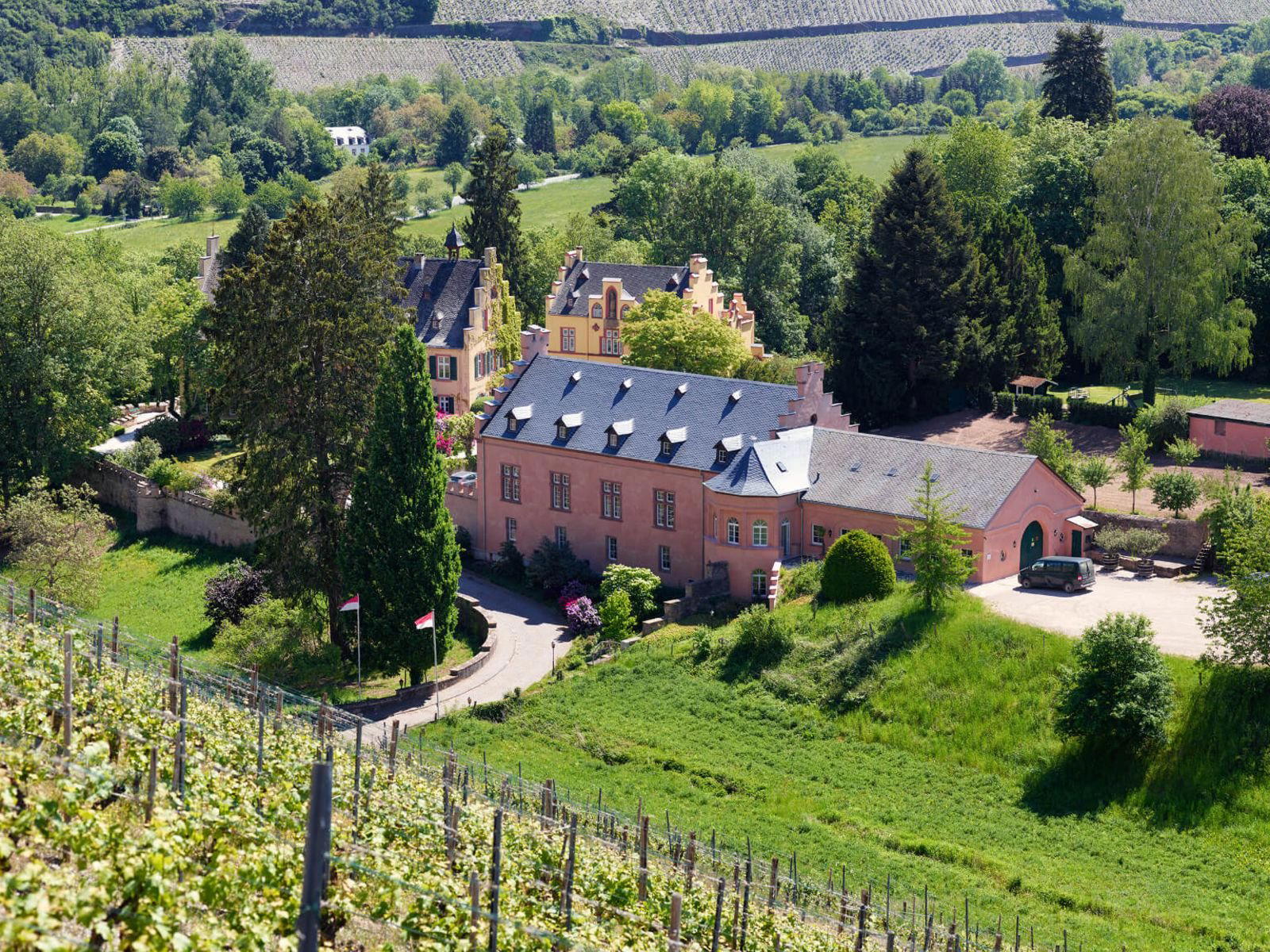
Bars in Trier
Browse all →
Restaurants in Trier
Browse all →
Details
- Classic
- Elegant
- Historic
- Scenic
- Wine Education
- Special Occasion
- Vineyard Tour
- Historic Building
- Estate Grounds
- Vineyard
- Riesling
- Weissburgunder
- Still White
- Cave Tasting
- Private Tasting
- German
- English
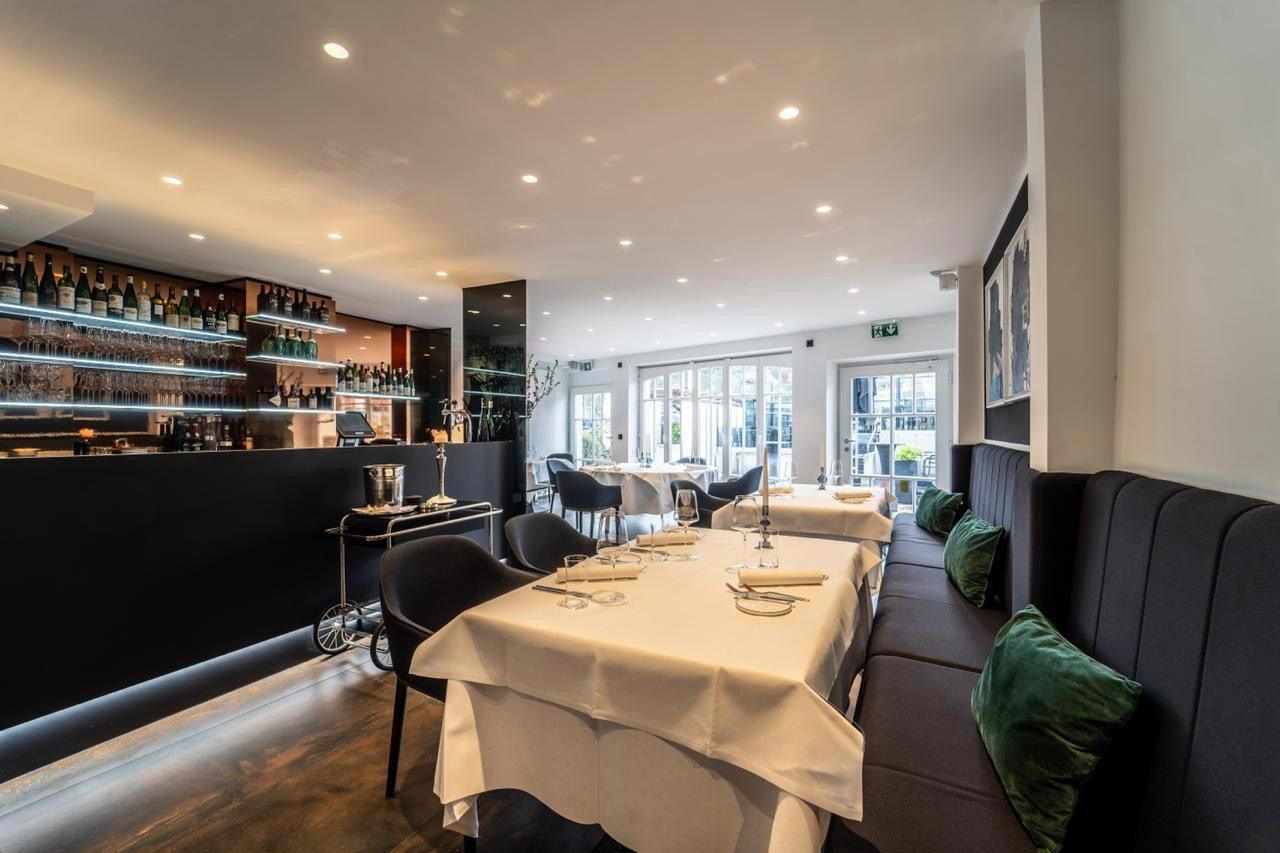
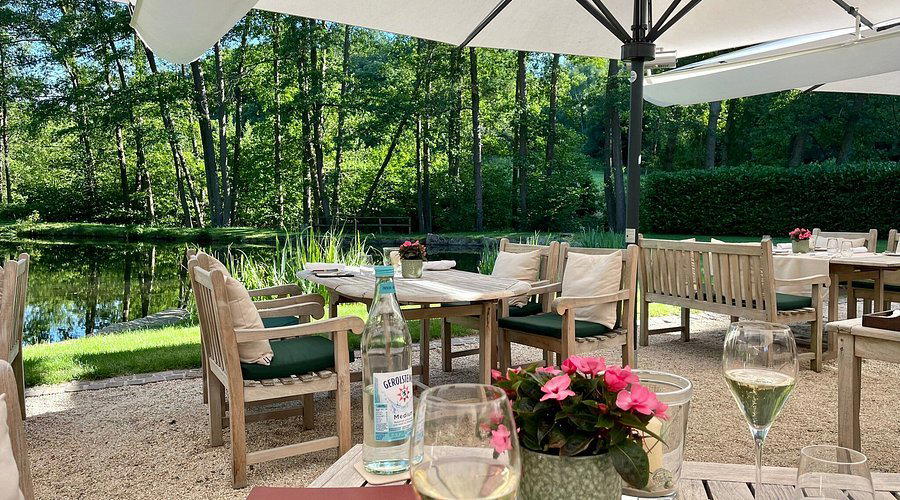
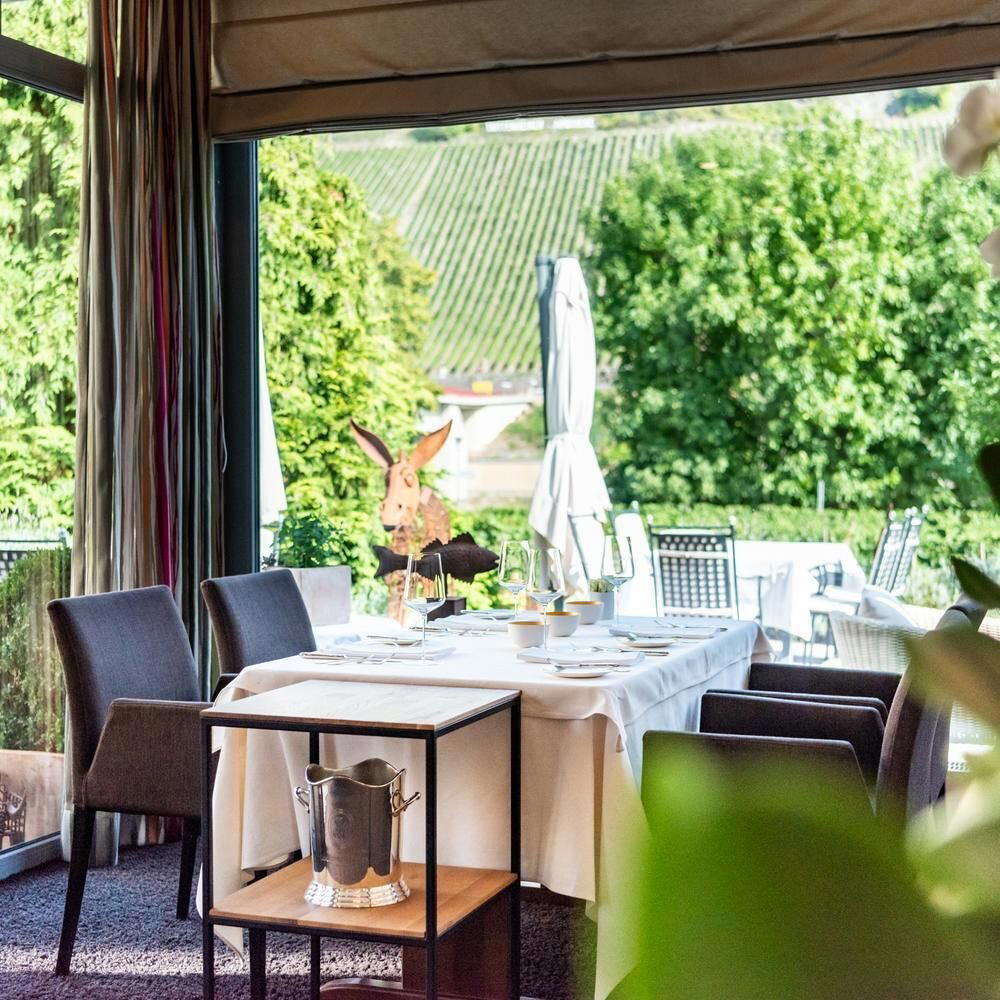
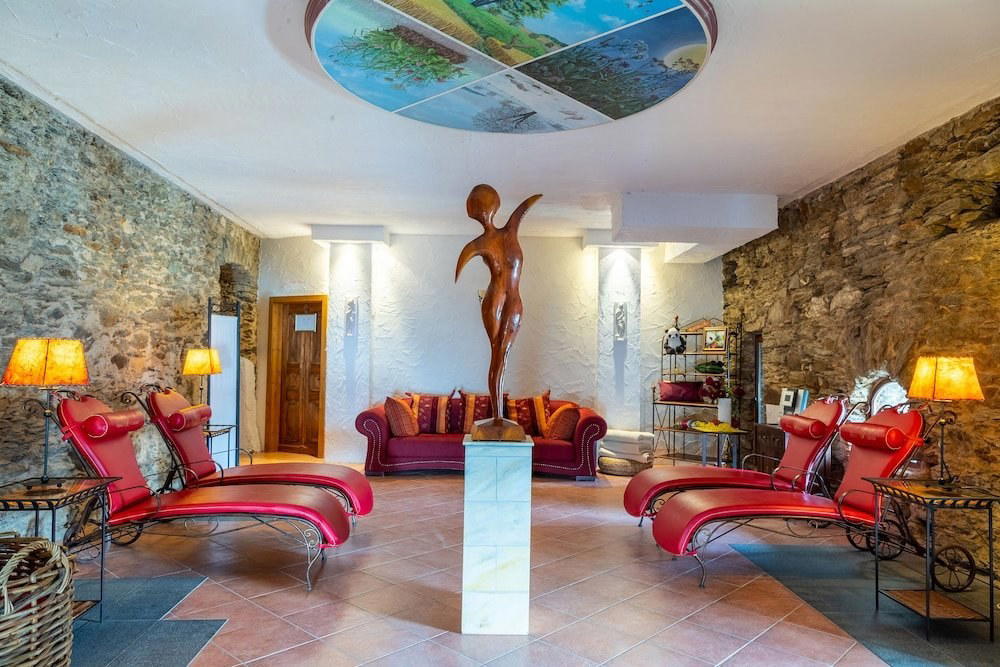
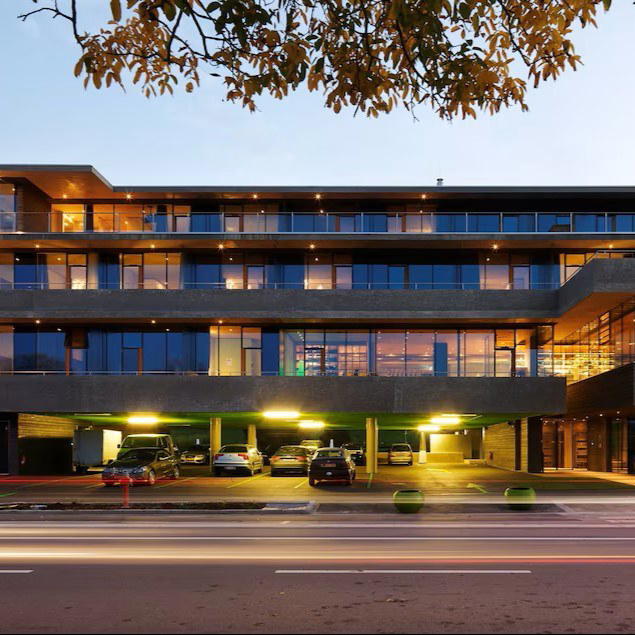
Traditional and elegant atmosphere in historic castle cellars and baroque palace setting with a focus on classic Riesling production.