
The estate's address on the plateau puts it in direct proximity to the appellation's most celebrated soils, and its wines carry the density and aromatic precision that define Pomerol's upper tier.
Pearl is the En Primeur Club membership app — saves, bookings, and concierge access live there. Same editors, same standards.
- Address
- 1 Chem. de l'Ancienne Église, 33500 Pomerol
- Phone
- +33 5 57 25 96 59
- Website
- denis-durantou.com
- Directions
- Get directions
 Saves & bookings on Pearl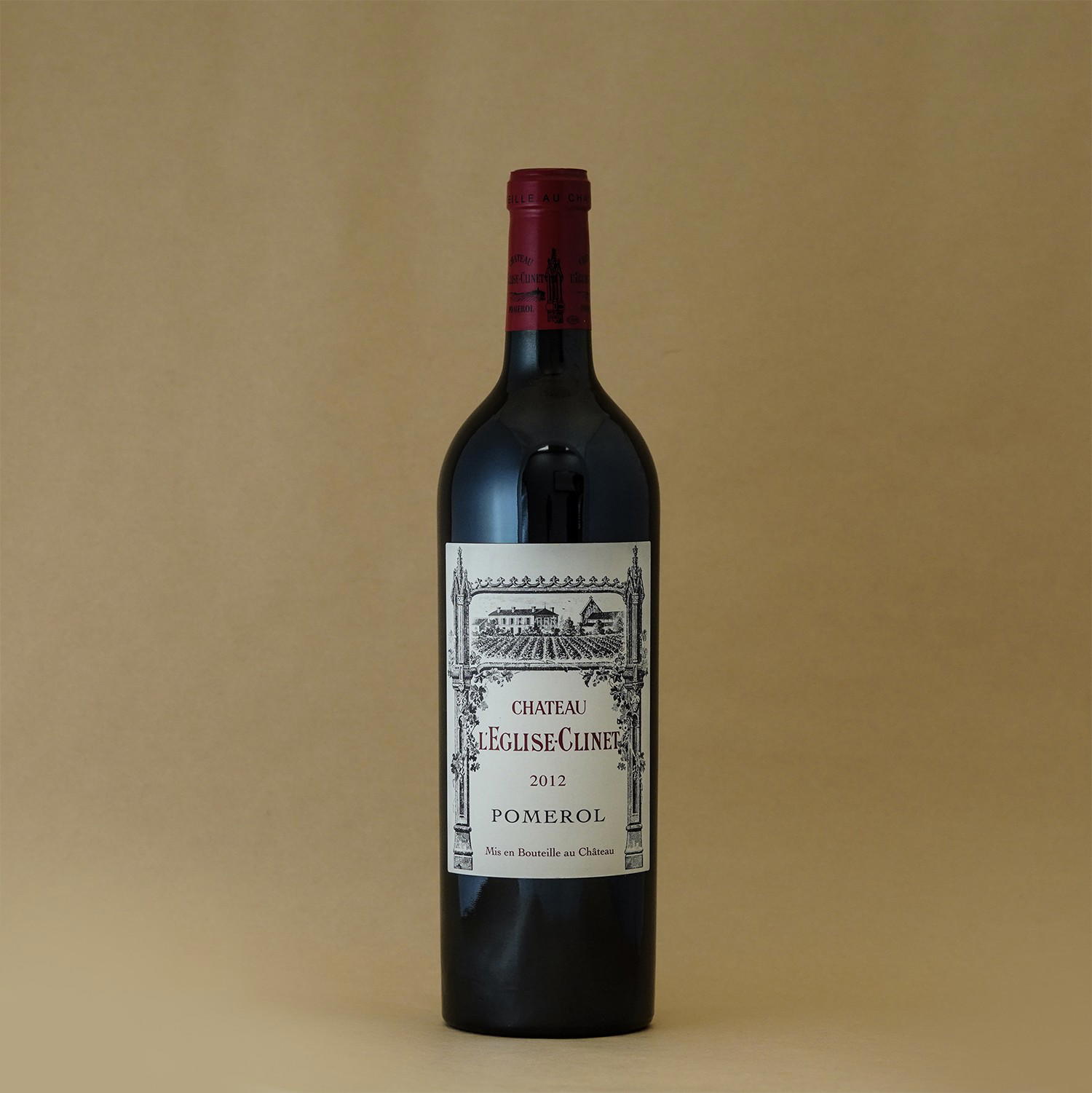
Clay, Plateau, and the Geometry of Pomerol
Pomerol has no official classification. Unlike Saint-Émilion or the Médoc, the appellation has never submitted its estates to a formal ranking hierarchy, which means reputation here is built through market price, critical placement, and the slow accumulation of collector trust. On Pomerol's central plateau, where a band of blue clay sits beneath a thin layer of gravel and sandy loam, well-regarded estates cluster within a few hundred metres of one another. Château L'Eglise Clinet occupies that plateau, at 1 Chemin de l'Ancienne Église, and its address is less a postal formality than a statement of competitive position.
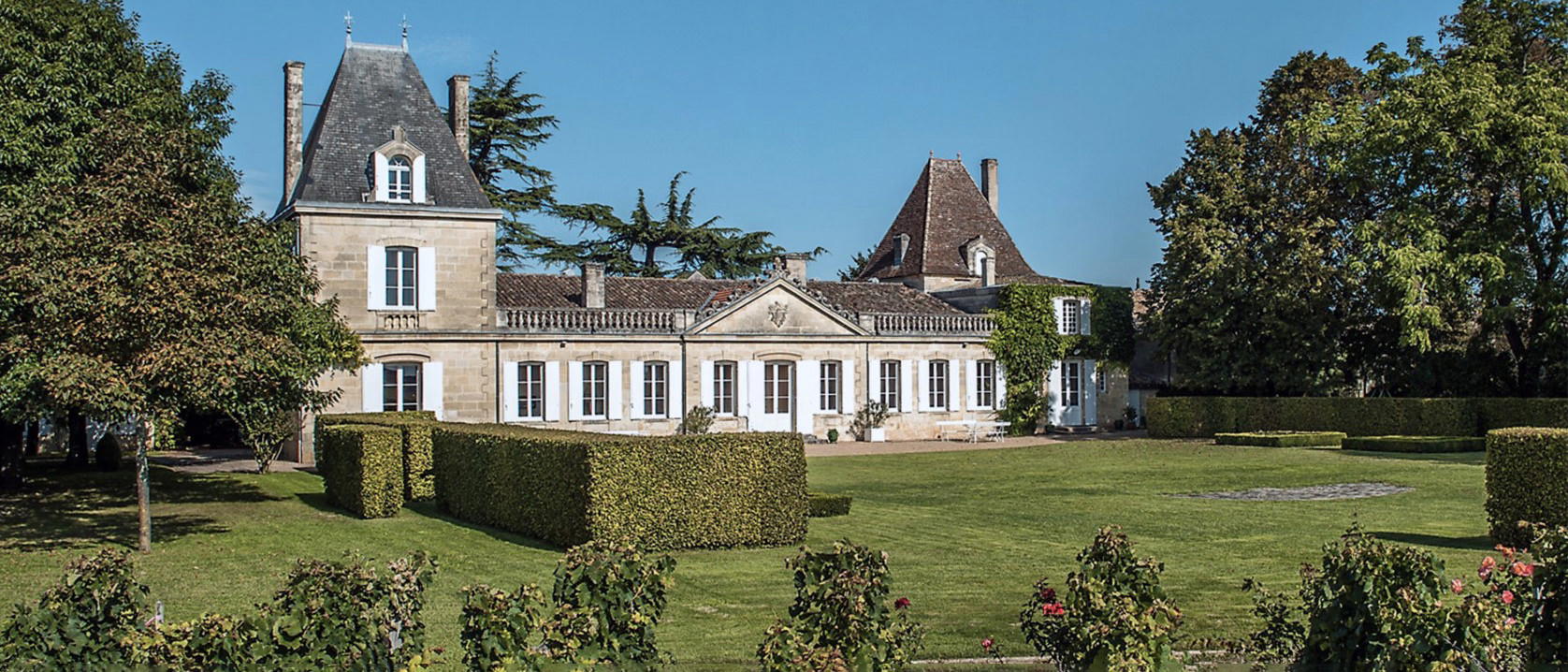
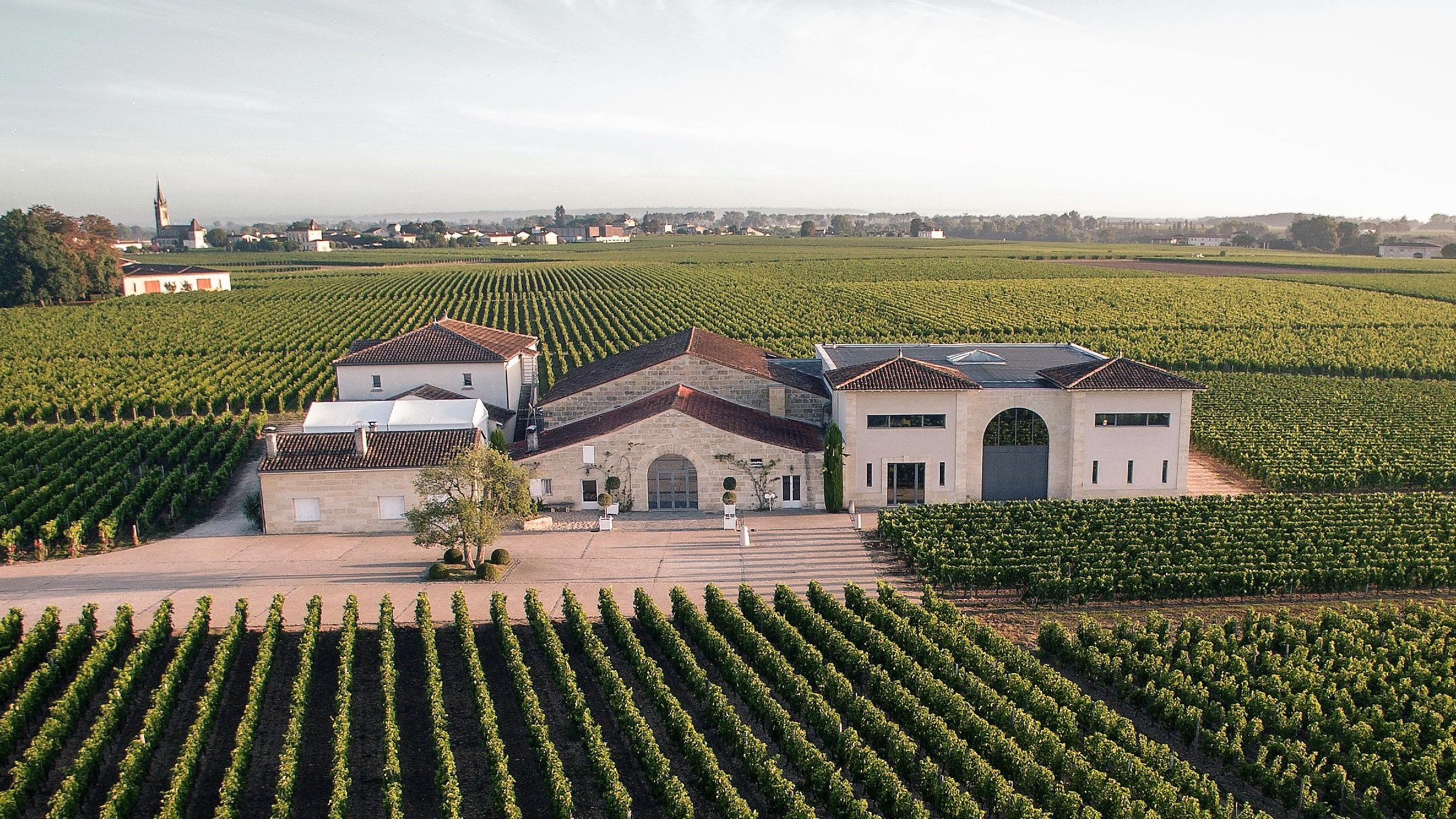
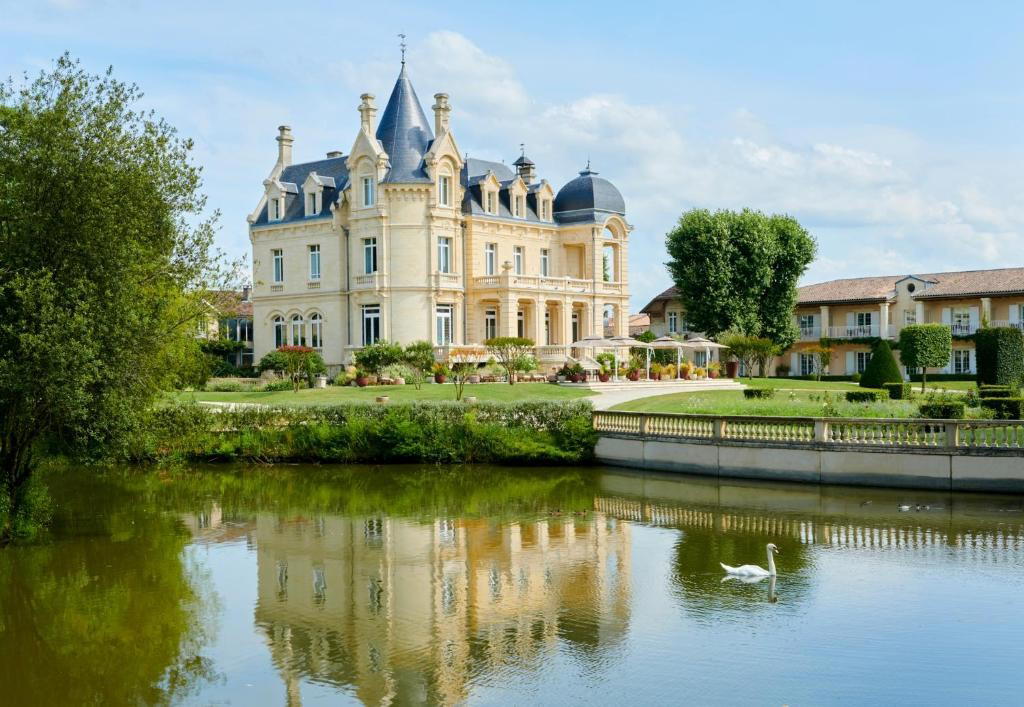
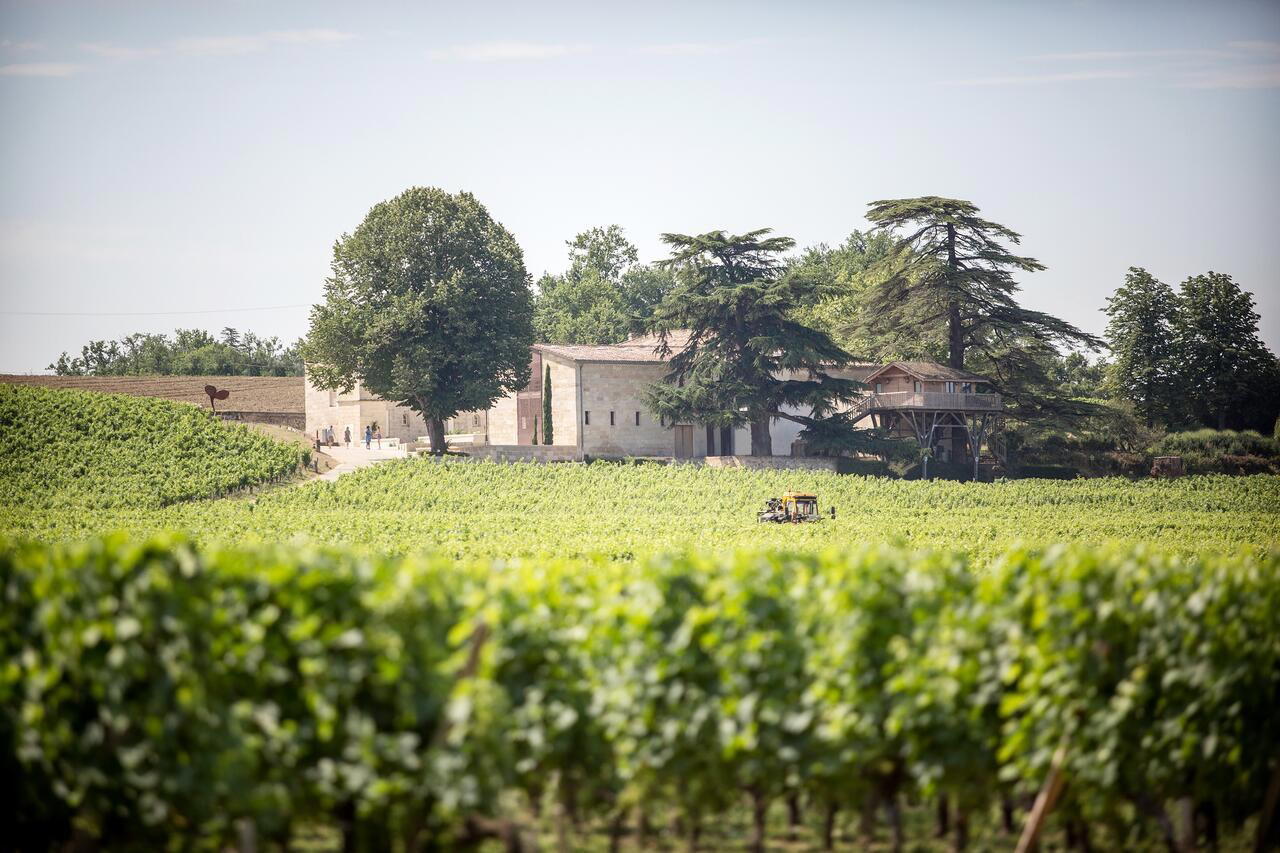
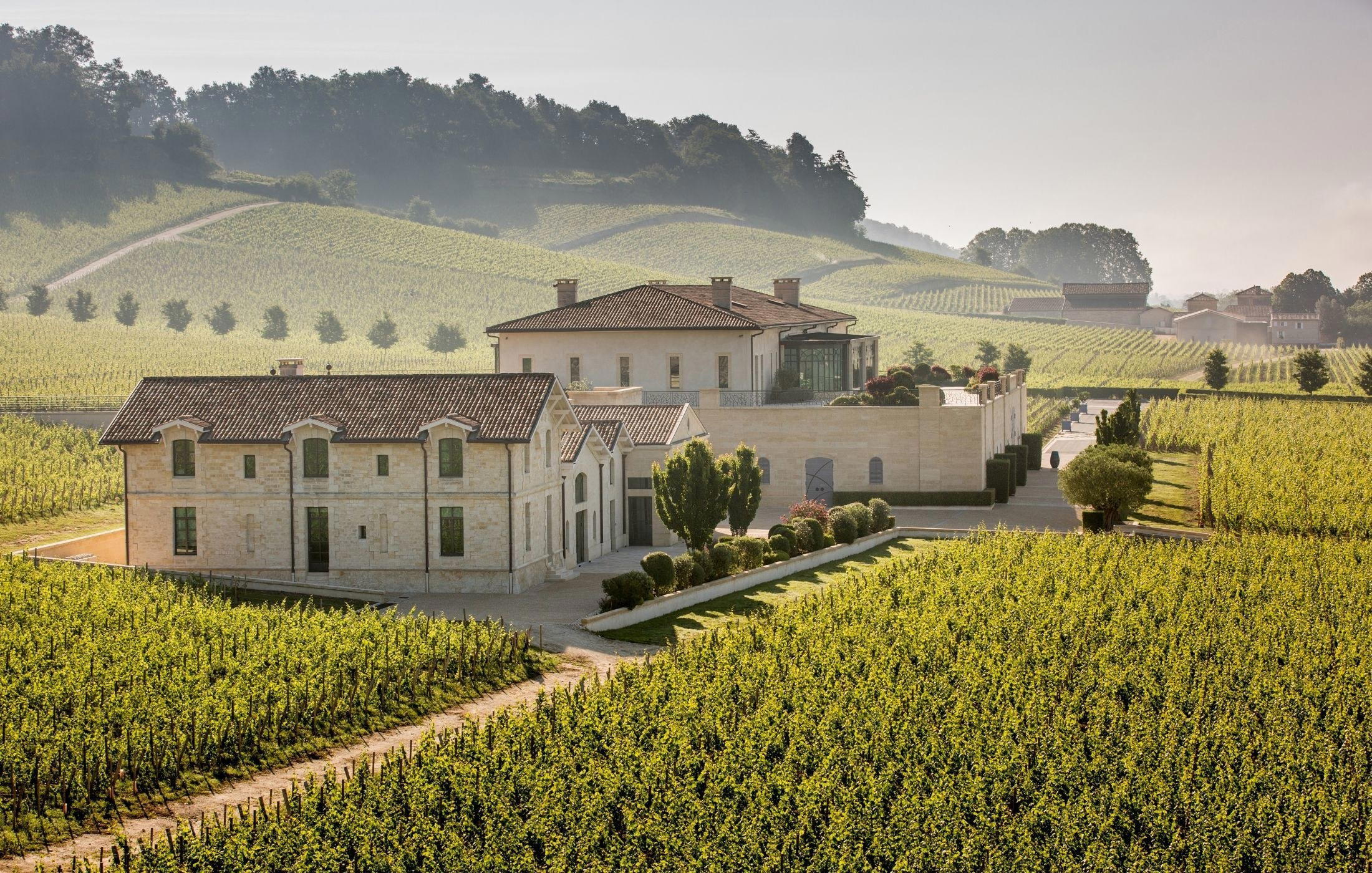
Approaching the estate on foot or by car, the visual grammar is typical of right-bank Bordeaux at this level: compact, slightly austere in its exterior presentation, nothing like the grand-château theatrics of the Médoc. The church referenced in the name sits nearby, and the landscape is flat enough that the eye travels across vine rows rather than up at architecture. This is a landscape that rewards attention to the ground rather than the sky, and the wines reflect that orientation.
Where L'Eglise Clinet Sits in the Pomerol Hierarchy
Pomerol's comparable set at the upper end is small and relatively stable. Château Pétrus sets the ceiling, while properties like Château Trotanoy and Château Clinet operate in a tier defined by allocation scarcity, secondary-market activity, and sustained critical attention. L'Eglise Clinet has occupied that second-tier-elite bracket for decades, producing Merlot-dominant wines that trade on power and aromatic depth rather than the approachable fruit profiles of the appellation's more commercially oriented estates.
Neighbouring estates including Château Gazin and Château Le Gay operate in adjacent positions on the quality spectrum, making this cluster of properties among the more concentrated in the appellation for serious en primeur consideration.
Denis Durantou and the Shape of the Estate's Modern Era
The late Denis Durantou managed L'Eglise Clinet for over three decades, a tenure that defined the estate's contemporary identity. In Bordeaux, winemaking tenures of that length are significant not because of personal mythology but because of what consistency over time produces: a stable stylistic signature, accumulated understanding of vine age and parcel behaviour, and a reputation built on repeatable quality across multiple vintages rather than a single spectacular year. Durantou's death marked a generational transition for the property, a shift the broader Pomerol community watched closely given the estate's standing. The question of continuity and adaptation, familiar across Bordeaux's family-owned estates, became relevant here in a particularly high-profile way.
For context, similar transitions at properties of comparable stature, across Pomerol and in neighbouring appellations like Saint-Émilion, have generally shown that estates with strong vineyard assets and an established stylistic framework retain their critical standing across generational change. The vine age, soil position, and winemaking infrastructure that Durantou built over his tenure represent the kind of durable capital that outlasts any individual's tenure.
The Terroir Argument
Pomerol's reputation rests almost entirely on Merlot's response to iron-rich clay soils, particularly the band of crasse de fer that runs through the plateau's subsoil. On that clay, Merlot produces wines with a density and structural persistence that differ markedly from what the grape achieves on limestone in Saint-Émilion or on gravel in the Médoc. L'Eglise Clinet's plateau position gives it access to that same clay structure, and the estate's wines have historically been characterised by that combination of weight and aromatic complexity that collectors associate with the appellation's central parcels.
Across Bordeaux's right bank more broadly, the premium attached to plateau clay over peripheral sandy soils is well documented in both secondary market pricing and critical scoring patterns. Estates positioned on the plateau consistently command higher en primeur release prices and accumulate more collector interest than those on the appellation's flatter, sandier margins. For comparison, other estates built on similar principles of terroir fidelity and low-intervention precision include Albert Boxler in Niedermorschwihr and Accendo Cellars in St. Helena, each operating within tightly defined geographic frameworks that the winemaking philosophy reinforces rather than overrides.
En Primeur Positioning and the Collector's Calculation
For buyers engaging with Bordeaux en primeur, L'Eglise Clinet presents a specific kind of decision. The property sits below Pétrus and the top tier in terms of release price, but above the appellation's more commercially priced mid-range. That positioning has historically made it attractive to collectors who want plateau-clay Pomerol at a price point that still allows for case-quantity buying rather than single-bottle acquisitions.
Buyers considering comparable properties in adjacent appellations would look at estates like Château Bélair-Monange in Saint-Émilion or Château Batailley in Pauillac as reference points for how prestige-tier estates from recognised appellations price against one another. The dynamics differ by appellation, but the underlying logic of en primeur value, balancing release price against aging potential and secondary market trajectory, applies consistently. Properties like Château Branaire-Ducru in St-Julien and Château Boyd-Cantenac in Cantenac operate within similar en primeur frameworks across the Médoc.
Planning a Visit to Pomerol
Pomerol is a small appellation without a village centre in any conventional sense, and most estates do not operate public-facing tasting rooms on a walk-in basis. Visits to properties at this level are typically arranged through négociants, wine merchants, or via direct contact with the château, and are generally reserved for trade buyers, collectors with existing relationships, or those participating in structured en primeur tastings during the April primeur week in Bordeaux. The primeur week calendar, which brings most leading estates into a condensed tasting period each spring, represents one reliable access point for those without pre-existing relationships.
Comparable estate visits elsewhere in Bordeaux and beyond, including Château Bastor-Lamontagne in Preignac and Chartreuse in Voiron, follow similar appointment-based models and benefit from advance planning of at least several weeks.
A Minimal comparable set
Comparable venues nearby, for context on price, style, and recognition.
| Venue | Cuisine | Price |
|---|---|---|
| Château L'Eglise ClinetThis venue — the venue you are viewing | Pomerol, Merlot, Cabernet Franc | $$$$ |
| Château Clinet | Pomerol, Merlot, Cabernet Sauvignon | $$$$ |
| Château Le Gay | Pomerol, Merlot, Cabernet Franc | $$$$ |
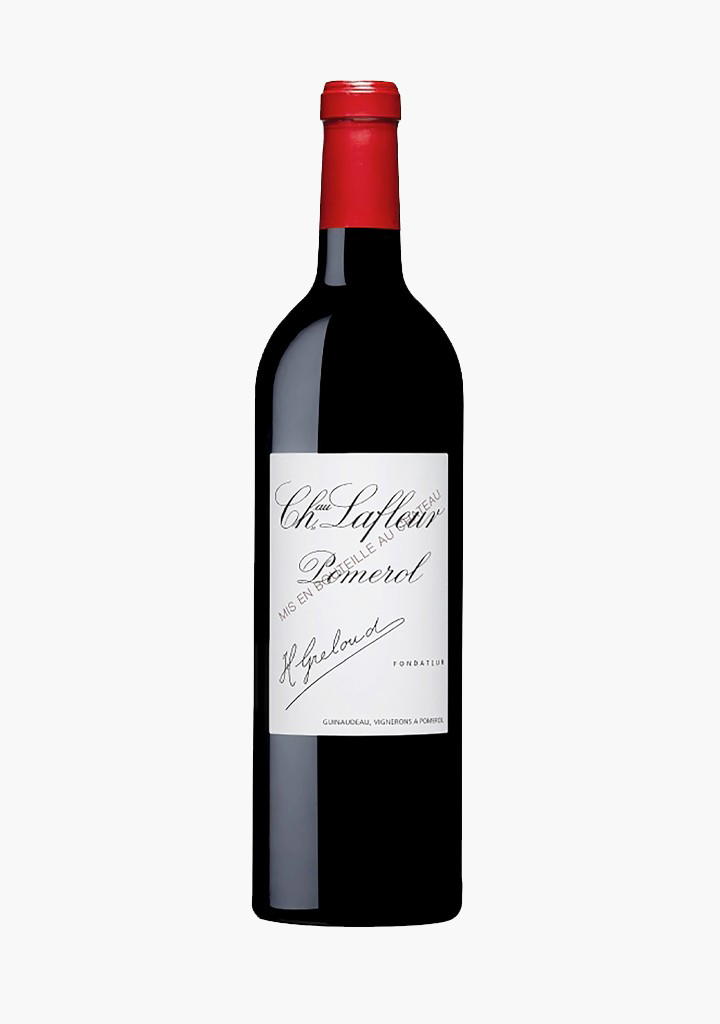
| Château Lafleur | Pomerol, Merlot, Cabernet Franc | $$$$ |
| Château Les Carmes Haut-Brion | Pessac-Léognan, Cabernet Franc, Merlot | $$$$ |
| Château Trotanoy | Pomerol, Merlot, Cabernet Franc | $$$$ |
Recognition history
Dated appearances from independent guides and award organizations, with the underlying list record or original source where available.
Falstaff Winery - 4 Stars
Falstaff
Continue exploring
More in Pomerol
Wineries in Pomerol
Browse all →
Bars in Pomerol
Browse all →

Restaurants in Pomerol
Browse all →
At a Glance
- Elegant
- Classic
- Intimate
- Sophisticated
- Wine Education
- Special Occasion
- Vineyard Tour
- Cave Tasting
- Estate Grounds
- Vineyard
- Pomerol AOC
- Merlot
- Cabernet Franc
- Still Red
- Private Tasting
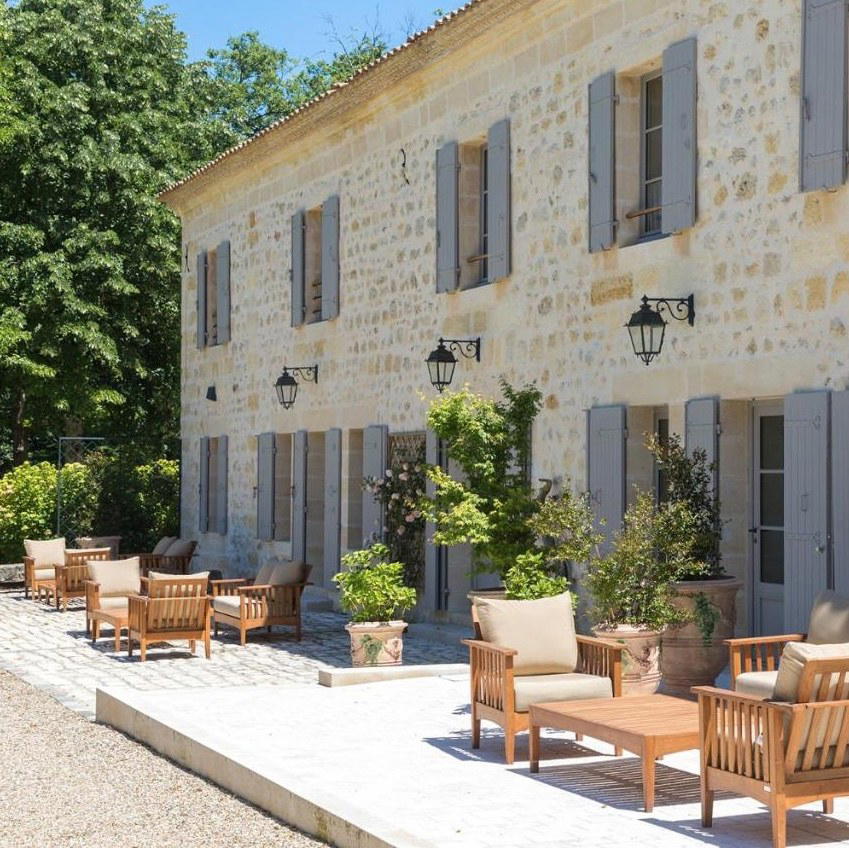
Elegant and sophisticated atmosphere in a low-key historic farmhouse setting with meticulous winemaking.