Viña Almaviva


World's 50 Best #34 · Falstaff Winery - Listed
Viña Almaviva is Chile's flagship Franco-Chilean estate in Puente Alto, co-owned by the house behind Château Mouton Rothschild and built around the architecture and discipline of a classic Bordeaux château.

Pearl is the En Primeur Club membership app — saves, bookings, and concierge access live there. Same editors, same standards.
- Address
- 50215, 8150215 Puente Alto, La Pintana, Región Metropolitana
- Phone
- +56 2 2270 4200
- Website
- almavivawinery.com
- Directions
- Get directions
Where the Andes Meet the Left Bank
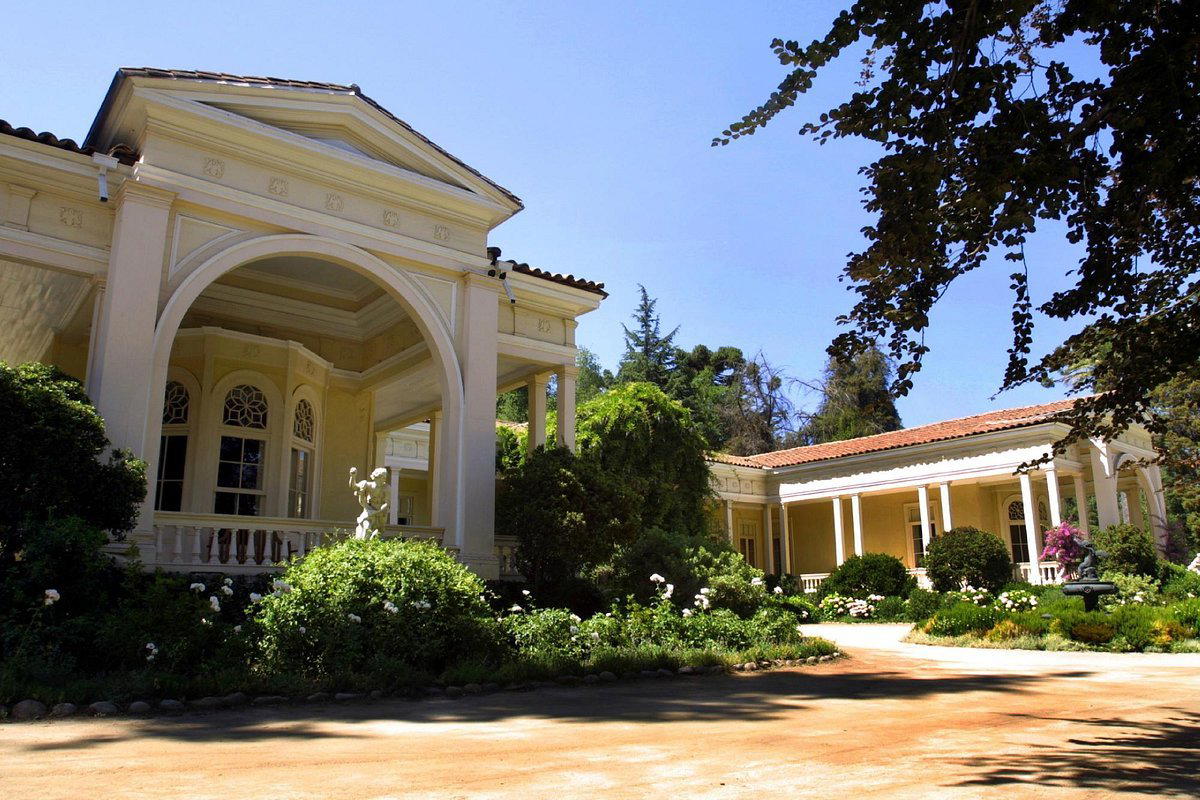
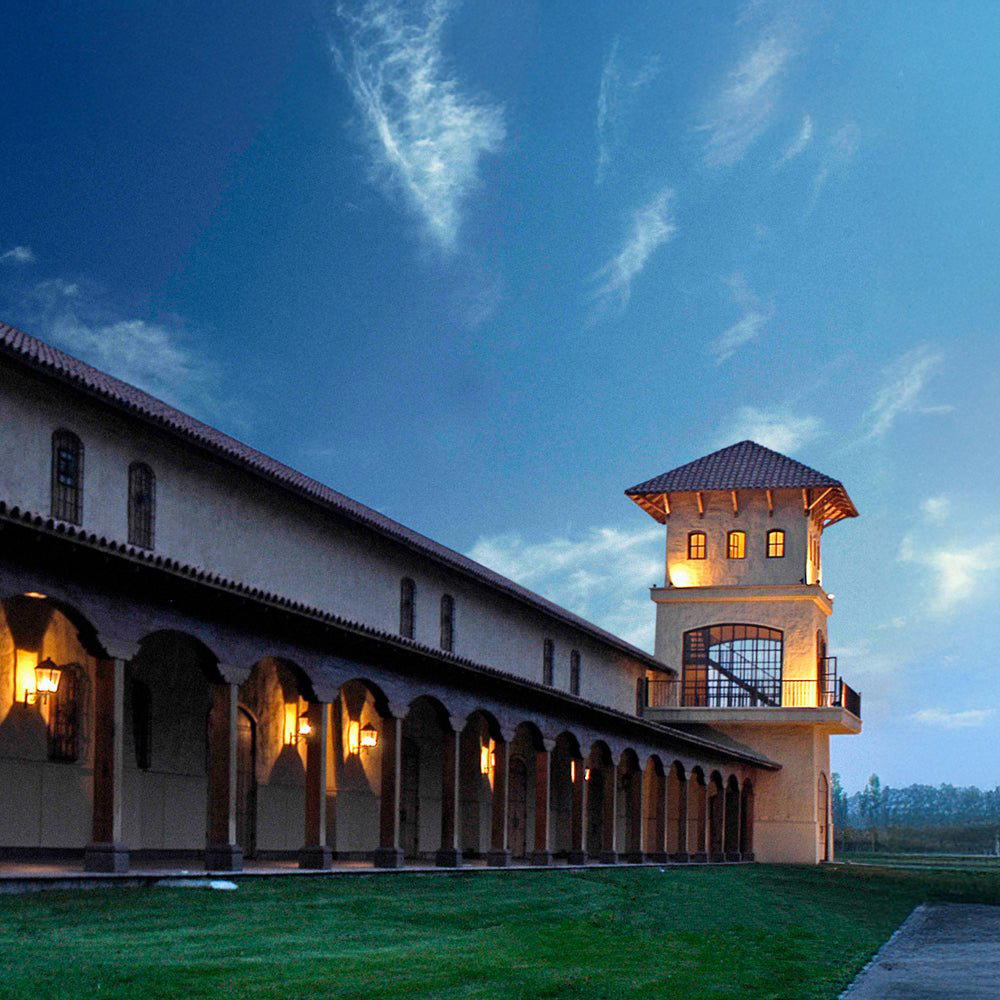
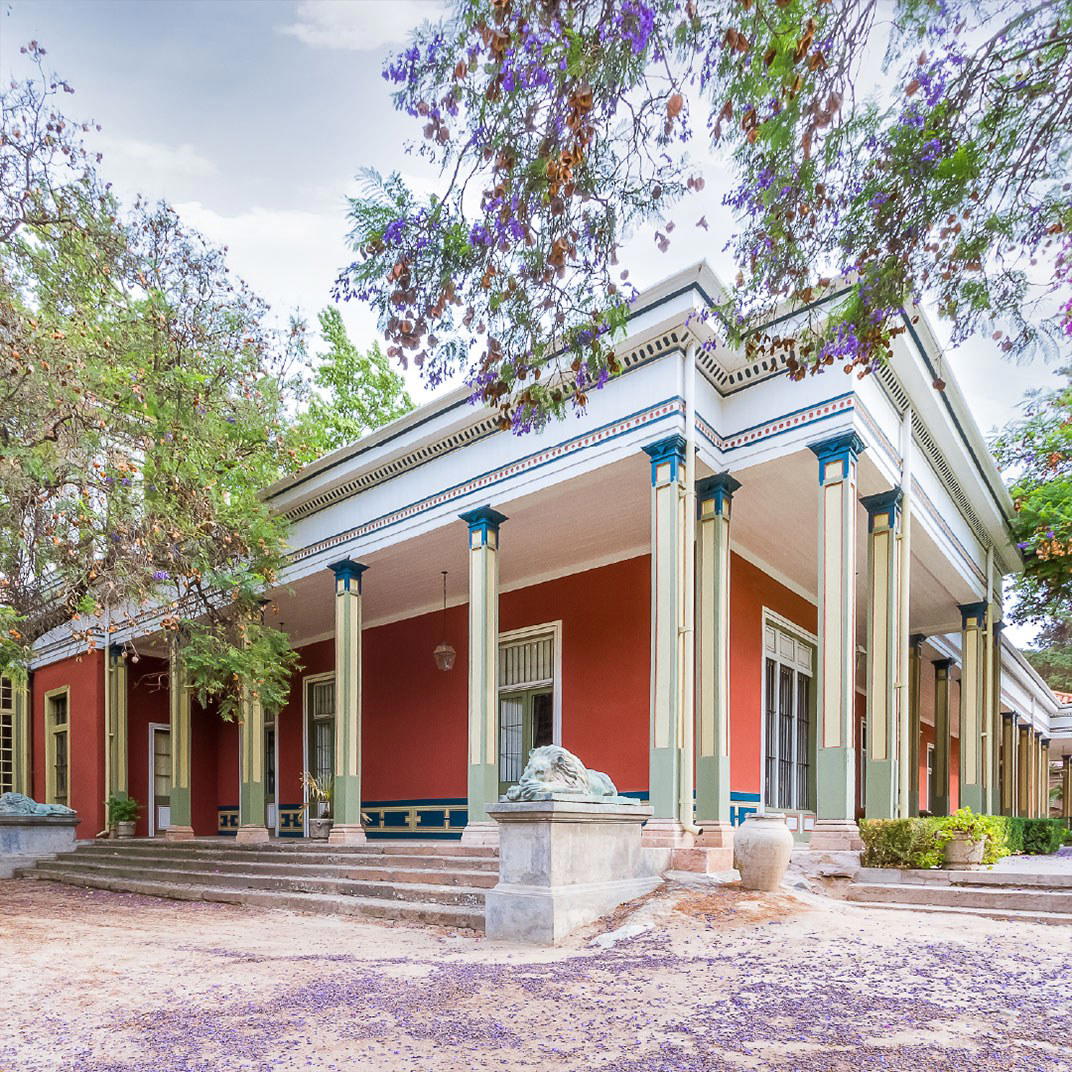
Approaching the estate along the road from Puente Alto, the visual grammar is unmistakably French. Stone walls, formal symmetry, and a commanding central structure draw the eye before any wine is poured. This is deliberate architecture — an estate designed to signal continuity with the Bordeaux château tradition rather than with Chilean agrarian vernacular. What makes it worth interrogating is whether the wines justify the visual argument, and in Almaviva's case, the Maipo Valley has its own geological case to make.
The Alto Maipo sits at the base of the Andes, where alluvial soils deposited over millennia by Andean meltwater have created a patchwork of gravel, clay, and loam that draws immediate comparisons to the Médoc's drainage profile. The proximity to the cordillera moderates afternoon temperatures through descending cold air currents, extending the growing window and preserving acidity in ways that flatter Cabernet Sauvignon. At this southern latitude, the angle of sunlight across the growing season differs structurally from Bordeaux, producing phenolic ripeness under conditions that winemakers from the northern hemisphere have had to relearn from scratch.
The Franco-Chilean Premise in Context
The partnership model behind Almaviva — connecting a historic Bordeaux house with Chilean ownership and land, belongs to a broader wave of prestige international investments that reshaped Chilean wine in the 1990s. That decade saw several European houses reading Chilean terroir as undervalued, and Alto Maipo as the most convincing site for Cabernet Sauvignon at the premium tier. Almaviva is among the most visible outcomes of that period, carrying Baroness Philippine de Rothschild's Mouton lineage into the Andes foothills and building an estate capable of competing with Chile's most allocated bottles.
For context on the Chilean premium tier, Viña Seña in Panquehue represents a parallel project from that same wave, an estate-scale Aconcagua Valley expression built around the same Bordeaux-varietal logic. Across the country, the same decade also saw producers in other zones find their footing: Viña Casa Silva in San Fernando anchors Colchagua's family-estate tradition, while Viña De Martino in Isla de Maipo has pushed further into field-blend and old-vine recovery work. Almaviva occupies a different register, less exploratory, more declarative, staking a precise position within an internationally legible prestige language.
Closer still, Viña Chadwick, also in Puente Alto, represents the same neighbourhood's competing argument: a single-varietal Cabernet built on the same gravel terraces, frequently placed against Almaviva in comparative tastings of the Alto Maipo's ceiling. The two estates define what this appellation's upper tier looks like.
Terroir at This Elevation
Almaviva's vineyards sit at elevations that produce a specific diurnal temperature swing, warm enough in the afternoon to advance ripeness, cool enough at night to preserve aromatic complexity. That thermal pattern is a function of Andean geography rather than human intervention, and it distinguishes Alto Maipo from Colchagua's warmer, more sun-exposed plateau to the south. For Cabernet Sauvignon in particular, this translates into the structural density associated with left-bank Bordeaux without the oceanic fog influence that moderates Margaux or Pauillac.
The soil composition across Almaviva's blocks shifts meaningfully even within a relatively compact estate footprint. Gravel-dominant sections accelerate drainage and heat retention at root level, concentrating the vine's energy. Heavier clay underlays in certain blocks extend the growing cycle, adding texture and mid-palate weight. This internal variation within a single estate is precisely the kind of terroir complexity that separates Alto Maipo's premium producers from Chile's broader Cabernet category, where irrigation and standardized rootstock have historically ironed out site-specific expression.
The château-inspired physical structure is not merely decorative, it organises the winemaking workflow around gravity-fed cellars and barrel aging in conditions calibrated to the site's thermal profile. For Bordeaux-oriented wine lovers, the production logic will feel familiar even if the geology is entirely Chilean.
That recognition aligns with its long-standing position in international wine markets: the estate produces a collectible that trades in the same conversation as Accendo Cellars in St. Helena and other New World prestige Cabernet programs built on European-lineage partnerships.
Almaviva does not operate as a casual drop-in cellar door. Visits to the estate in Puente Alto should be arranged in advance, and the experience is structured around the formal estate-visit format rather than a high-volume tasting room model. For visitors building a Chilean wine itinerary that spans the Maipo Valley and beyond, our full Puente Alto guide maps the region's other significant producers.
Placing Almaviva in a Chilean Wine Journey
Chile's wine geography is more varied than its Cabernet reputation suggests. Farther north, Viña Falernia in Vicuña works at altitude in the Elqui Valley, producing Syrah and Carménère under conditions that bear no resemblance to Maipo. The Pisco Alto del Carmen Distillery in Huasco shifts the frame entirely toward the country's distilling tradition. Further south, El Gobernador (Miguel Torres Chile) in Curicó represents another European house that made a long-term bet on Chilean terroir, this time in the Curicó Valley.
Almaviva's position within this map is deliberately singular. It does not hedge across varieties or regions. It makes one argument, that the Alto Maipo's Andean-influenced gravel terraces are capable of producing a Cabernet-dominant blend competitive with Bordeaux's classified estates, and commits the entire estate to proving it. Whether that argument lands for any given visitor depends on whether the tasting experience confirms the geological and architectural promise.
For those building broader Chilean itineraries, Viña MontGras in Palmilla, Viña Undurraga in Talagante, Viña Valdivieso in Lontué, and Viña Ventisquero in Santiago each offer a different facet of what Chilean winemaking has become across valleys and price points. Viña Santa Rita in Buin sits geographically close to Almaviva and provides useful tasting contrast within the Maipo corridor. And for a reference point beyond South America entirely, Aberlour in Aberlour illustrates how a different European tradition, Speyside Scotch, has built its own prestige language around provenance and place, a useful lens through which to consider Almaviva's Franco-Chilean positioning.
Planning Your Visit
The estate sits in Puente Alto, southeast of Santiago in the Región Metropolitana. It is reachable from the city centre in under an hour by car, making it feasible as a day trip, though the estate's architecture and tasting format reward a slower pace than a quick in-and-out from the capital. Given the prestige tier of the visit and the estate's structured approach to receiving guests, contact the winery directly well ahead of your intended date.
Fast Comparison
Comparable venues nearby, for context on price, style, and recognition.
| Venue | Cuisine | Price | Awards | Notes |
|---|---|---|---|---|
| Viña AlmavivaThis venue — the venue you are viewing | Cabernet Sauvignon, Carmenere | Not listed | World's 50 Best #34 · Falstaff Winery - Listed | Not listed |
| Viña Chadwick | Cabernet Sauvignon, Petit Verdot | Not listed | Not listed | Puente Alto |
| Viñedos de Alcohuaz | Syrah, Garnacha | Not listed | World's 50 Best #25 · Falstaff Winery - Listed | Alcohuaz |
| Casas del Bosque | Winery | Not listed | World's 50 Best #42 | Casablanca |
| Viña VIK | Cabernet Sauvignon, Cabernet Franc | Not listed | World's 50 Best #1 · Falstaff Winery - Listed | Millahue |
| Viña Santa Rita | Cabernet Sauvignon, Carmenère | $20–30 | World's 50 Best #41 · Falstaff Winery - Listed | Alto Jahuel |
Recognition history
Dated appearances from independent guides and award organizations, with the underlying list record or original source where available.
World's 50 Best Vineyards #34
World's 50 Best
Falstaff Winery - Listed
Falstaff
Continue exploring
More in Puente Alto
Wineries in Puente Alto
Browse all →
Bars in Puente Alto
Browse all →

Restaurants in Puente Alto
Browse all →

Details
- Elegant
- Sophisticated
- Modern
- Scenic
- Special Occasion
- Wine Education
- Corporate Event
- Vineyard Tour
- Estate Grounds
- Panoramic View
- Mountain
- Vineyard
- Cabernet Sauvignon
- Carmenere
- Cabernet Franc
- Merlot
- Petit Verdot
- Still Red
- Private Tasting
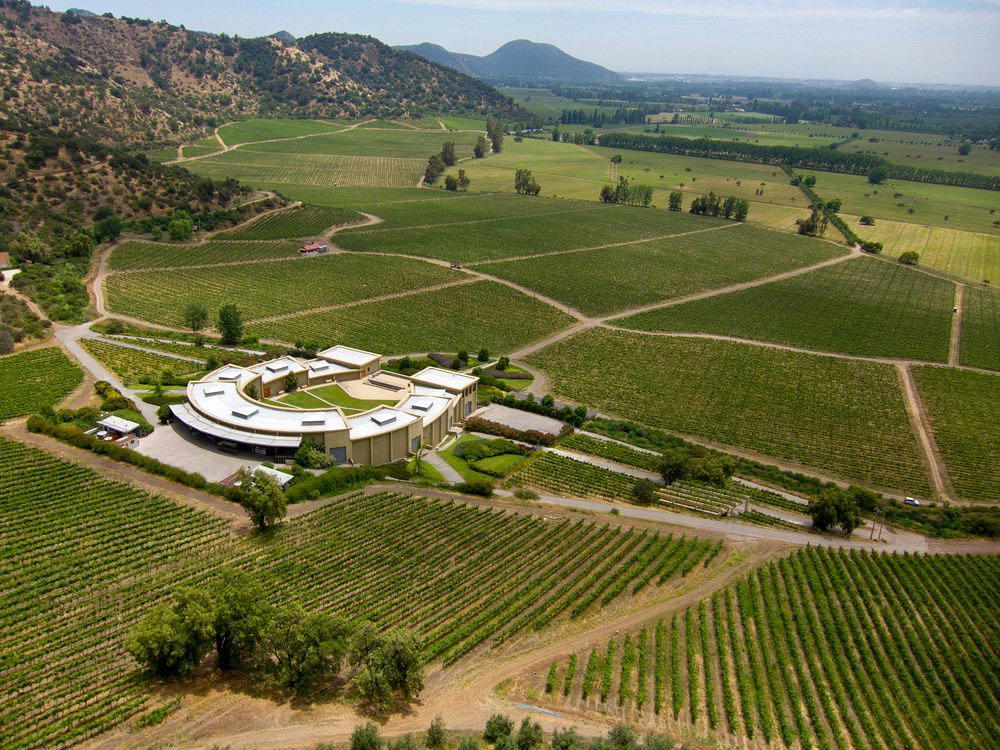
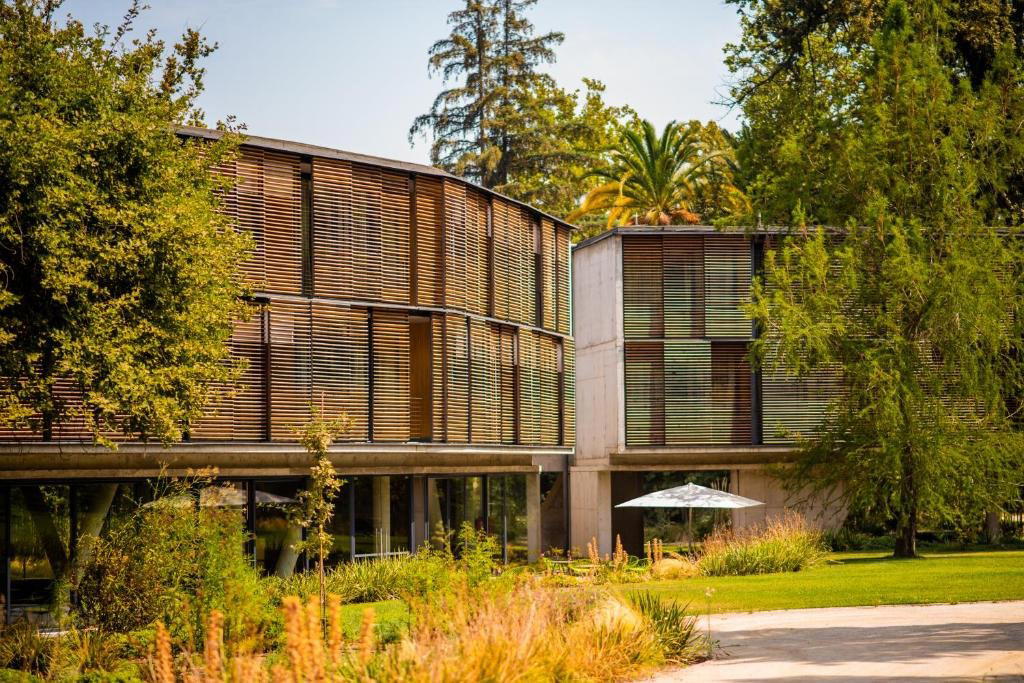
Elegant and sophisticated atmosphere with contemporary austerity, native woods, and undulating roof evoking the Andes, creating a harmonious integration of modern design and natural landscape.